Excerpt: Training should combine theory and practice, with mock business meetings, tough bargaining techniques and personal presentations, says Prof. Dr. Mehmet Evkuran. The curriculum should cover economics, culture, renewal and security.
Interviewed by: Asst. Prof. İsmail Polat
Interviewee: Prof. Dr. Mehmet Evkuran
Excerpt: A network of young business diplomats across the Turkic world should rest on institutions, not individuals, and should drop the “big brother” language, says Prof. Dr. Mehmet Evkuran. A trust in which everyone wins could make a Turkic Renaissance inevitable.
Interviewed by: Asst. Prof. İsmail Polat
Interviewee: Prof. Dr. Mehmet Evkuran
Excerpt: Being more flexible than necessary creates an impression of weakness, says Prof. Dr. Mehmet Evkuran. A natural, unpretentious and sincere approach is the most effective, and gifts only help in deep-rooted relationships.
Interviewed by: Asst. Prof. İsmail Polat
Interviewee: Prof. Dr. Mehmet Evkuran
Excerpt: A well-trained business diplomat first protects his country’s interests and values, says Prof. Dr. Mehmet Evkuran. Some of the unwritten rules, he adds, concern national security and decide with whom, when and how relations are formed.
Interviewed by: Asst. Prof. İsmail Polat
Interviewee: Prof. Dr. Mehmet Evkuran
Business Diplomat evokes trade reconceived as the most effective, sustainable and creative activity, says Prof. Dr. Mehmet Evkuran, considered together with the non-commercial factors that shape it and linked to culture, politics and bureaucracy.
Interviewed by: Asst. Prof. İsmail Polat
Interviewee: Prof. Dr. Mehmet Evkuran
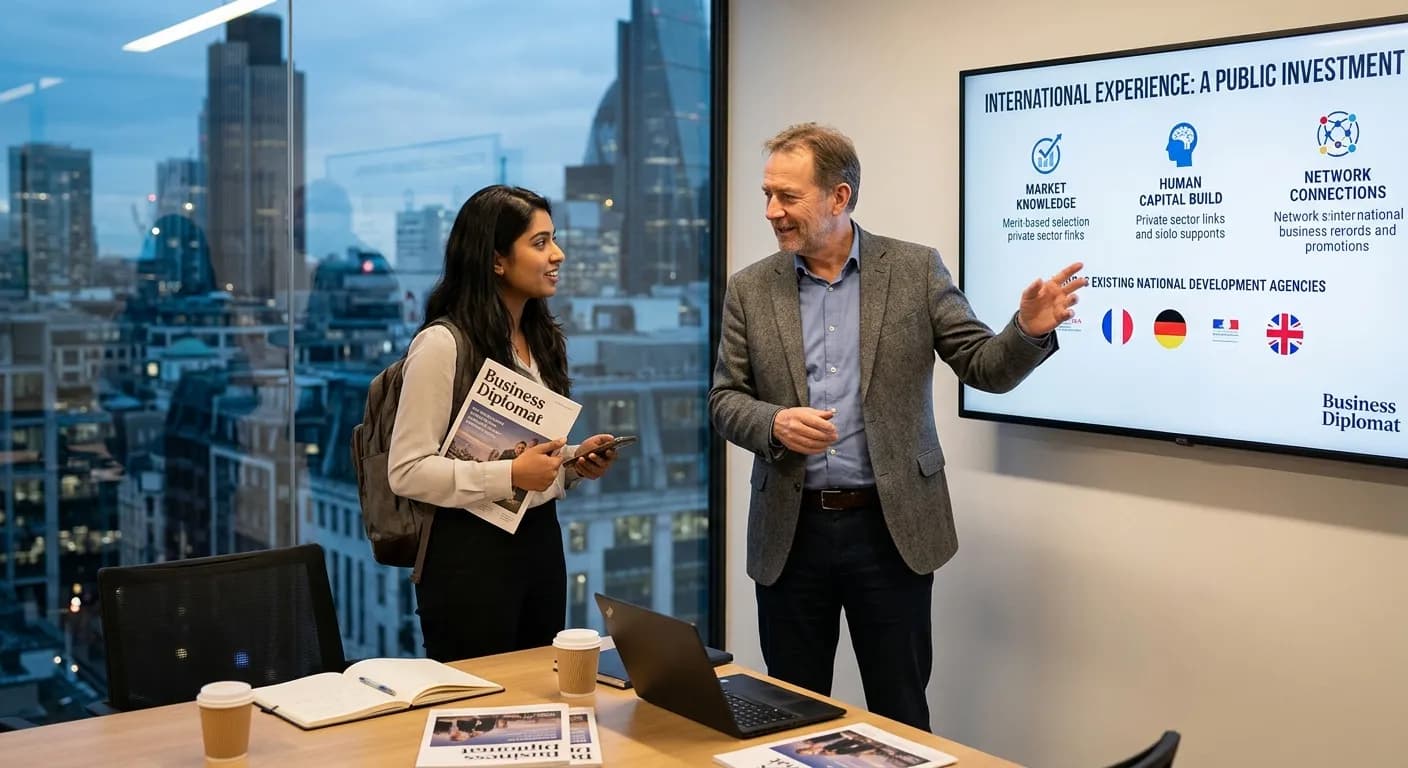
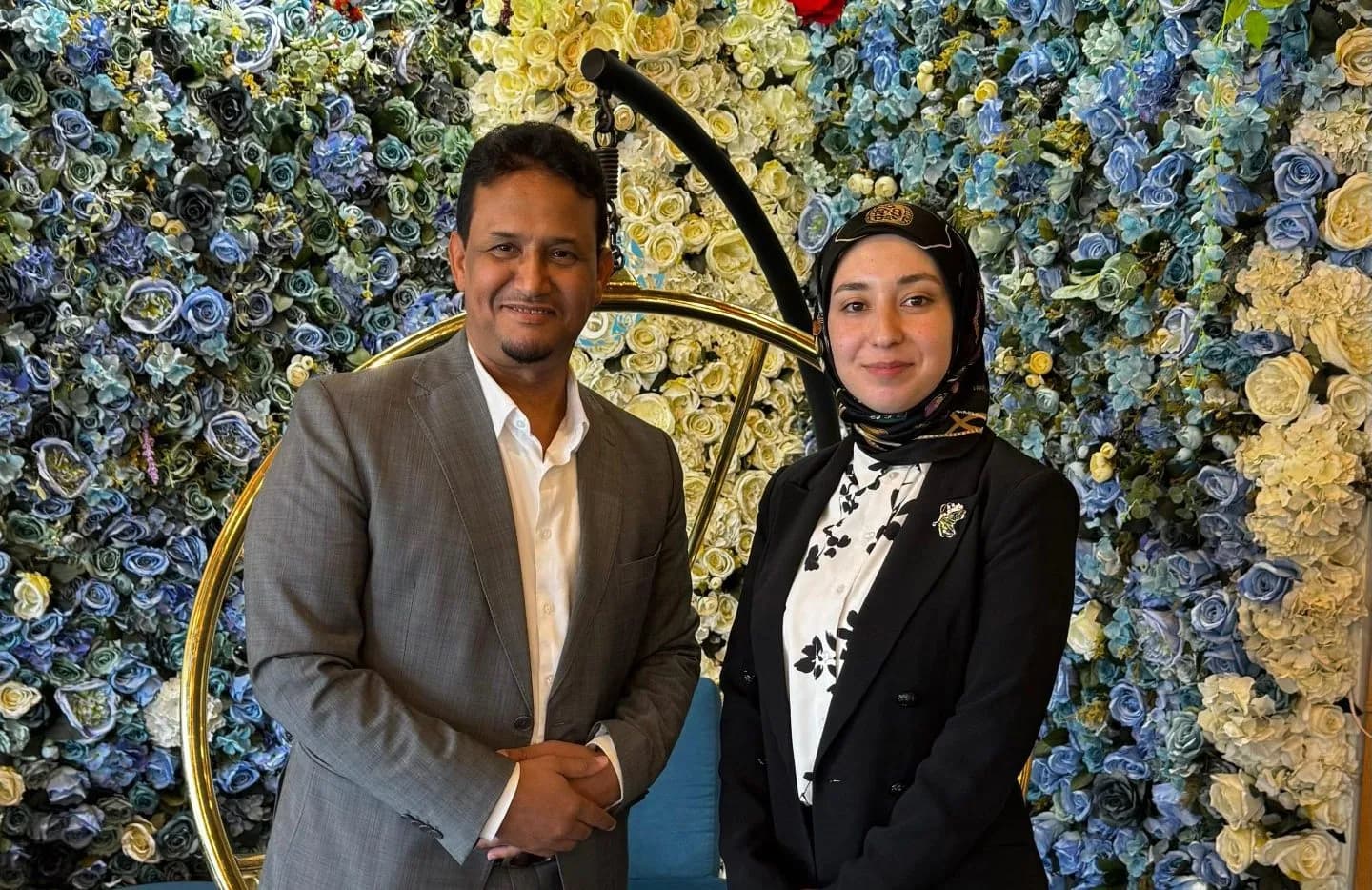
This interview brings together Ayşe Nur Karagöz, an EUREFLECT contributor with a Master’s degree in Islamic Law and Islamic Political Philosophy, and Prof. Dr. Mehmet Evkuran, a distinguished Turkish scholar. The interview argues that international experience builds human capital the way infrastructure builds physical capital, with benefits flowing to exports, investment climate and reputation rather than to the individual alone.
This interview brings together Ayşe Nur Karagöz, an EUREFLECT contributor with a Master’s degree in Islamic Law and Islamic Political Philosophy, and Prof. Dr. Mehmet Evkuran, a distinguished Turkish scholar. Business Diplomat's expert interview series argues that the ten-year economic mark of youth training depends less on capital or technology than on whether young people first grasp that a field called business diplomacy exists.
This interview brings together Ayşe Nur Karagöz, an EUREFLECT contributor with a Master’s degree in Islamic Law and Islamic Political Philosophy, and Prof. Dr. Mehmet Evkuran, a distinguished Turkish scholar. A cross-cultural adviser argues that over-adapting reads as weakness and invites harder bargaining, while sincerity and restraint build partnerships that survive long negotiations.
This interview brings together Ayşe Nur Karagöz, an EUREFLECT contributor with a Master’s degree in Islamic Law and Islamic Political Philosophy, and Prof. Dr. Mehmet Evkuran, a distinguished Turkish scholar. The interview reframes commercial etiquette as a security instrument: supplier choices in energy, defence and advanced technology can create dependency or expose sensitive information, so the question becomes whether a meeting should happen at all.
This interview is conducted between Ayşe Nur Karagöz, an EUREFLECT contributor who holds a Master’s degree in Islamic Law and Islamic Political Philosophy, and Prof. Dr. Mehmet Evkuran, one of Türkiye’s prominent academics.
This article examines why religion is debated with exceptional intensity in Muslim societies. It argues that the harshness of these debates stems not from religious dogmatism, but from religion’s continued role as a constitutive framework for social order, identity formation, and moral legitimacy. Unlike Western modernization—where religion largely retreated into the private sphere—modernization in Muslim societies was often rapid, externally imposed, and institutionally disruptive. As a result, religion became both a target of reform and a refuge of meaning. Drawing on classical and contemporary social theory, the study demonstrates that fierce religious debates signal not decline, but the enduring centrality of religion in contexts marked by identity crises and civilizational uncertainty.