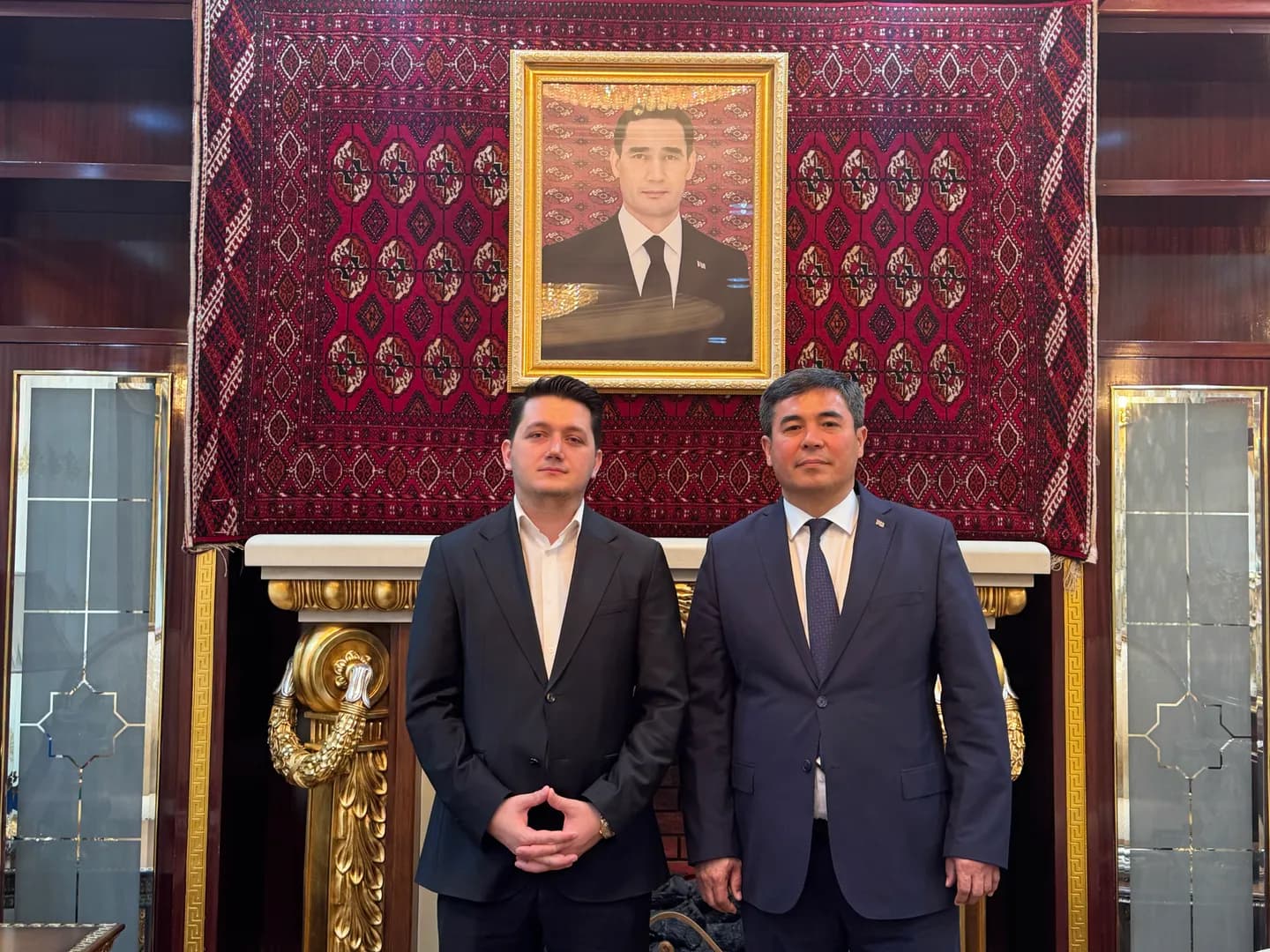
The Tashkent meeting covered Turkmen cultural heritage promotion, the country's permanent neutrality status and the distinction between investment frameworks and service-based cooperation in bilateral trade.
Technology has made diplomacy faster, but trust still takes patience, cultural awareness and the ability to listen. Elene Metreveli says digital diplomacy needs traditional values adapted to new tools, not entirely new rules.
Interviewed by: Olha Pashchenko
Interviewee: Elene Metreveli, European Parliament (EPP Group)
The way diplomats communicate is changing, but respect, professionalism and mutual understanding remain the same, says Elene Metreveli. In online negotiations, even the tone of an email or the speed of a reply can shape a relationship.
Interviewed by: Olha Pashchenko
Interviewee: Elene Metreveli, European Parliament (EPP Group)
International opportunities should not depend on money or personal connections, says Elene Metreveli, pointing to paid traineeships, professional exchanges and partnerships between universities, businesses and public institutions.
Interviewed by: Olha Pashchenko
Interviewee: Elene Metreveli, European Parliament (EPP Group)
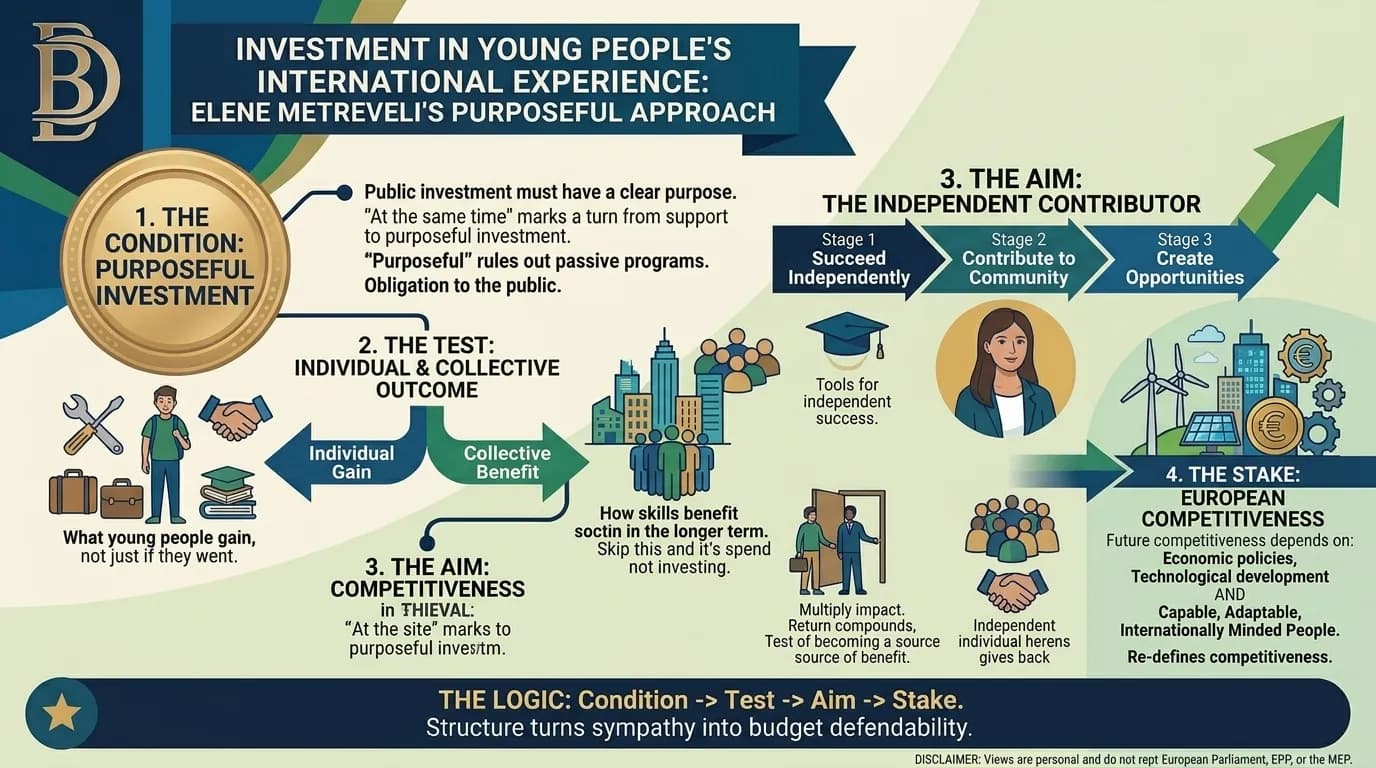
Public support for young people’s international experience must be purposeful, Elene Metreveli says: it should help individuals succeed independently, contribute to their communities and create opportunities for others.
Interviewed by: Olha Pashchenko
Interviewee: Elene Metreveli, European Parliament (EPP Group)
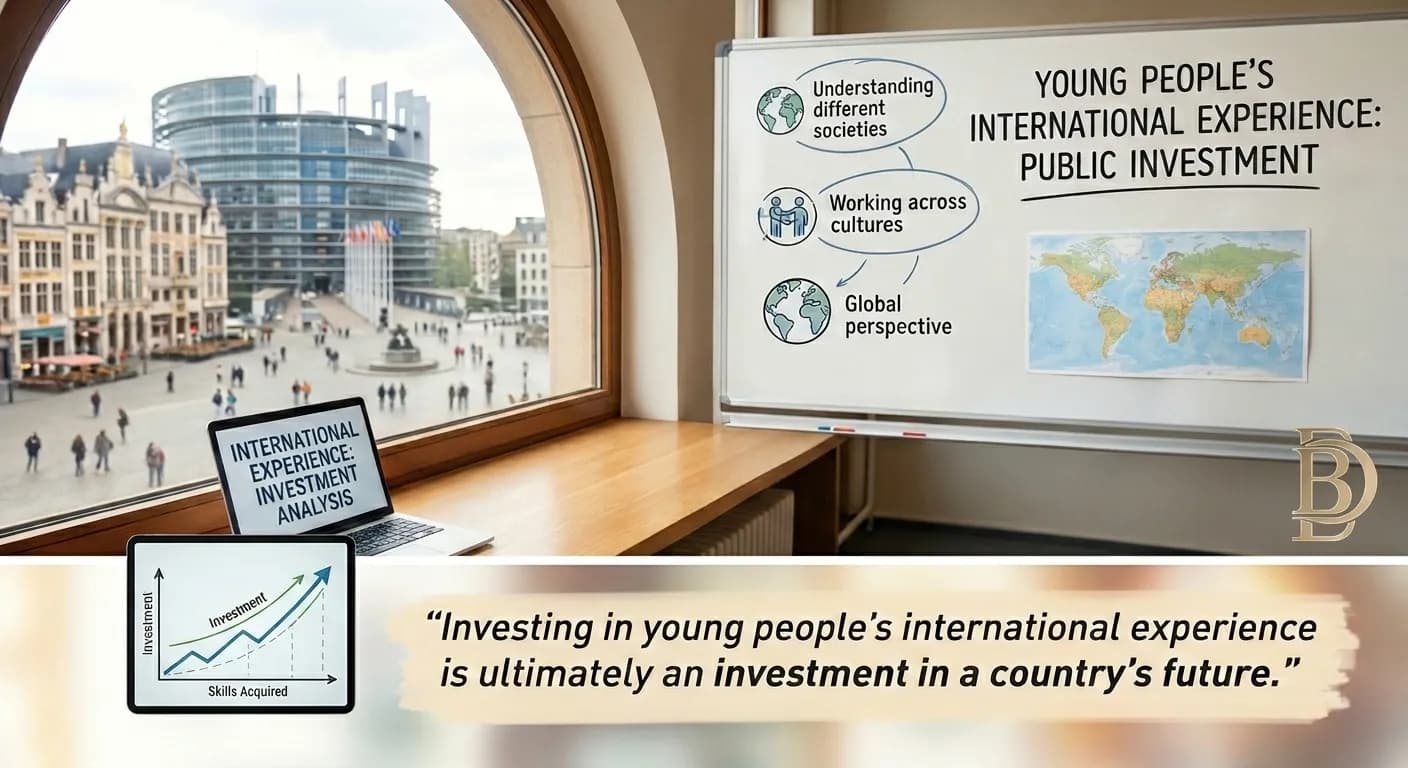
Elene Metreveli argues that young people’s international experience is not an expense but a public investment, building the ability to understand other societies, work across backgrounds and see beyond the national perspective.
Interviewed by: Olha Pashchenko
Interviewee: Elene Metreveli, European Parliament
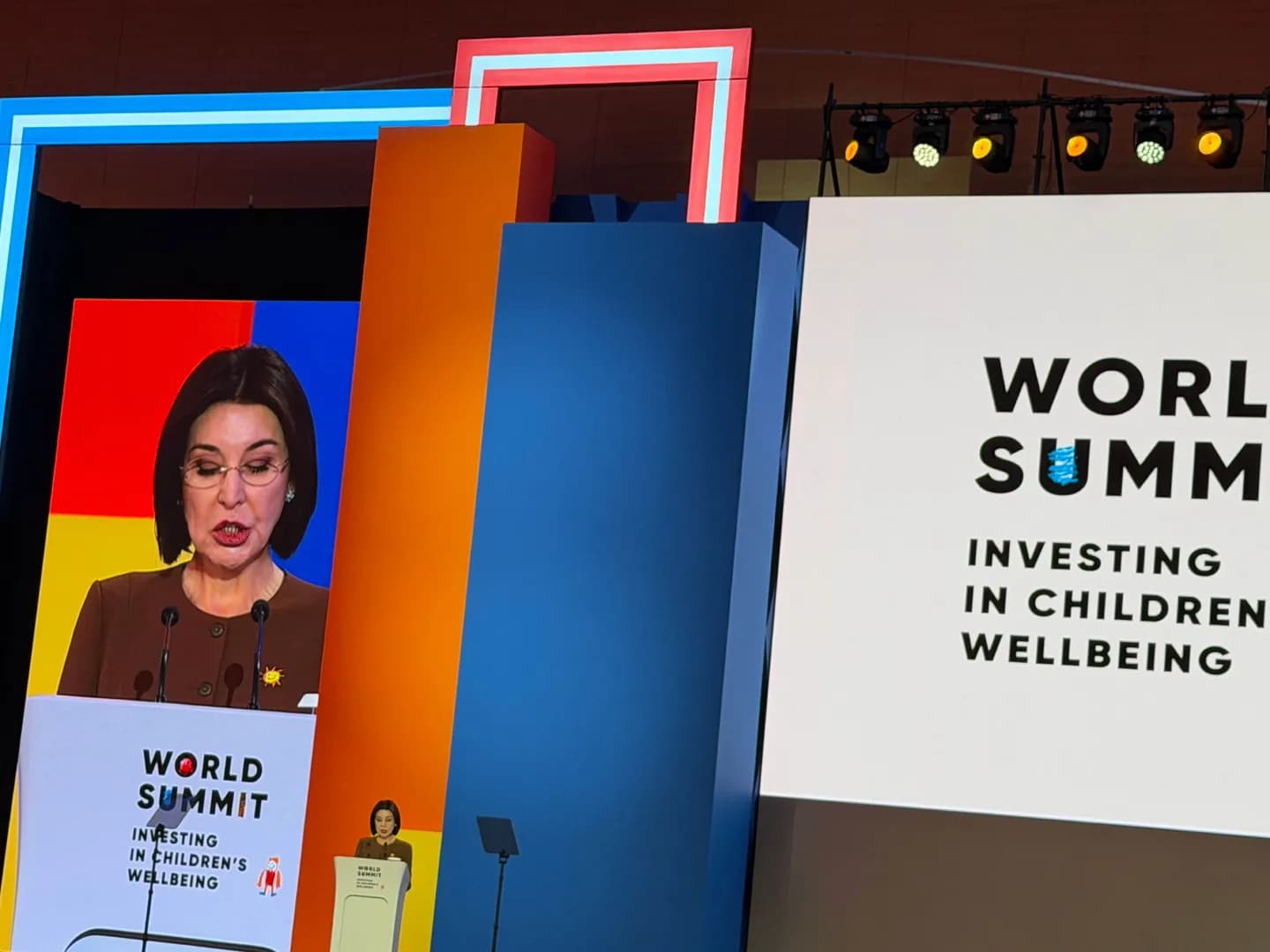
World leaders, First Ladies and international organisations gathered in Samarkand for the opening of the World Summit on Investing in Children’s Wellbeing, calling for stronger global action to ensure every child can grow up healthy, safe and with equal opportunities.
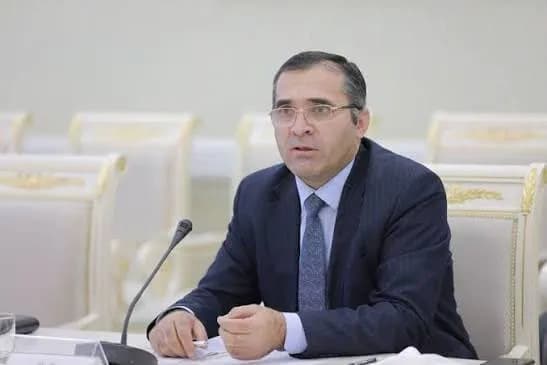
Central Asia’s growing economic potential, relative stability and strategic transport links are attracting major powers, while its countries balance competing interests through a multi-vector foreign policy. This article is based on a speech by Qodir Djurayev, Professor at the University of World Economy and Diplomacy in Tashkent.
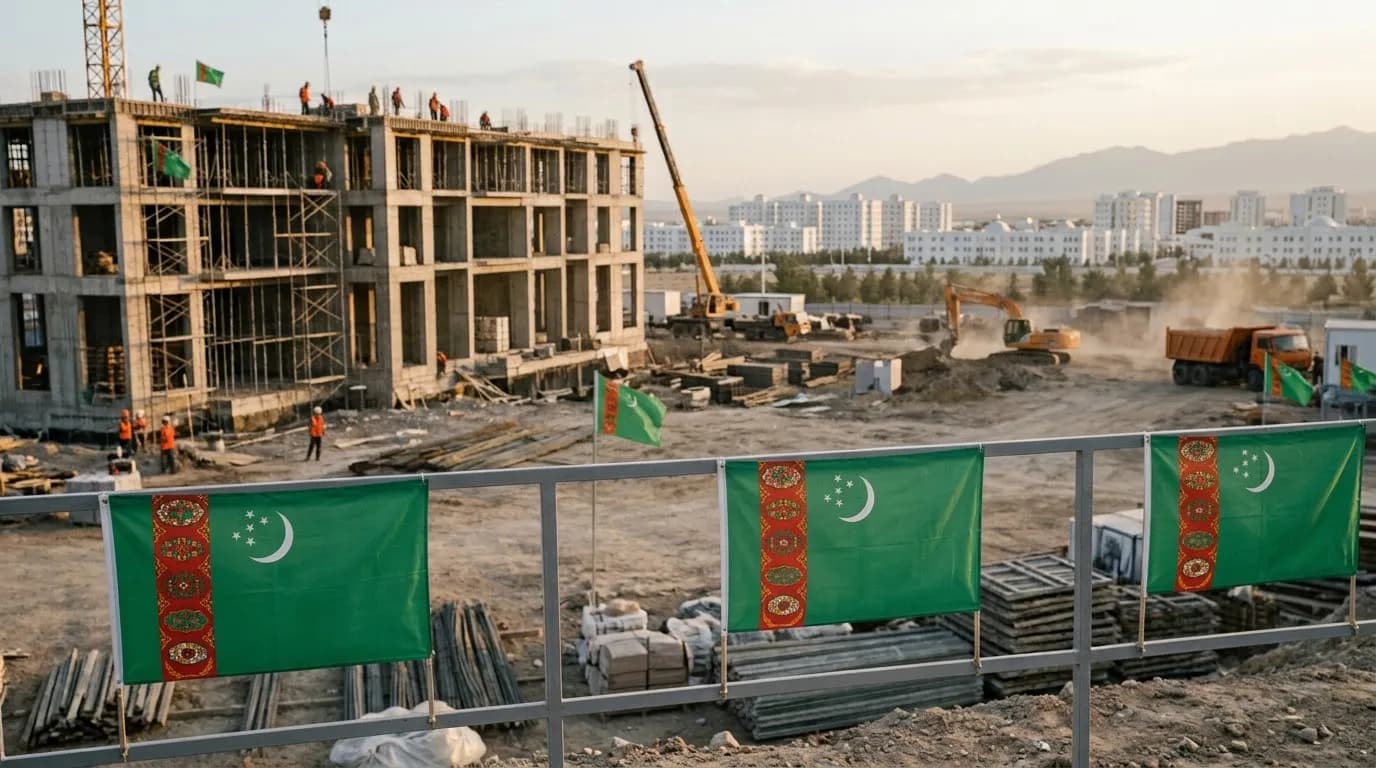
Ashgabat plans to channel 68.5 percent of this year's construction budget into production facilities and 31.5 percent into education, healthcare and culture, with GDP growth projected at 6.3 percent for 2026.
Central Asia’s growing economic potential, relative stability and strategic transport links are attracting major powers, while its countries balance competing interests through a multi-vector foreign policy. This article is based on a speech by Qodir Djurayev, Professor at the University of World Economy and Diplomacy in Tashkent.
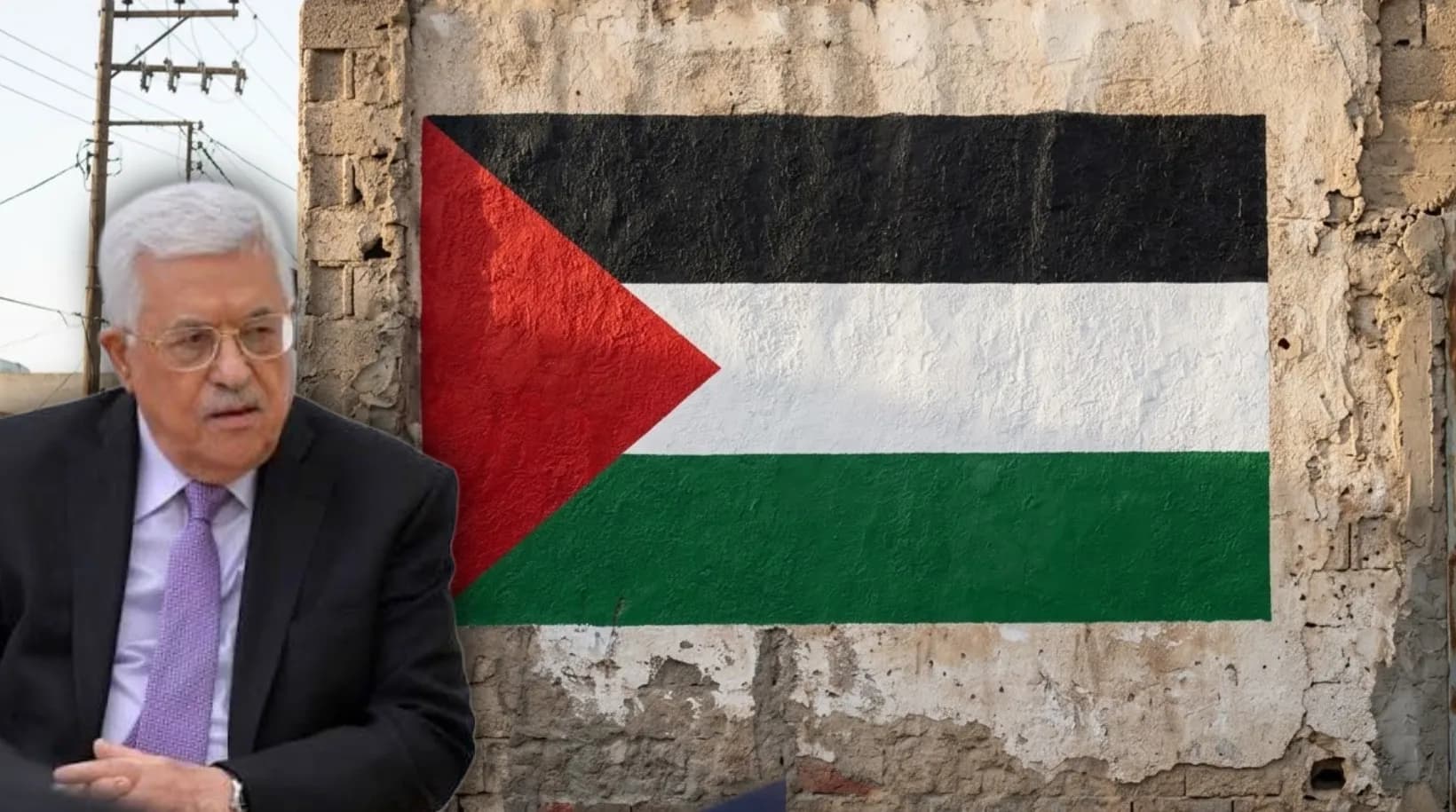
Palestinian President Mahmoud Abbas has delayed legislative elections for another year, drawing criticism from Israel's foreign minister as Palestinians were due to vote next month.
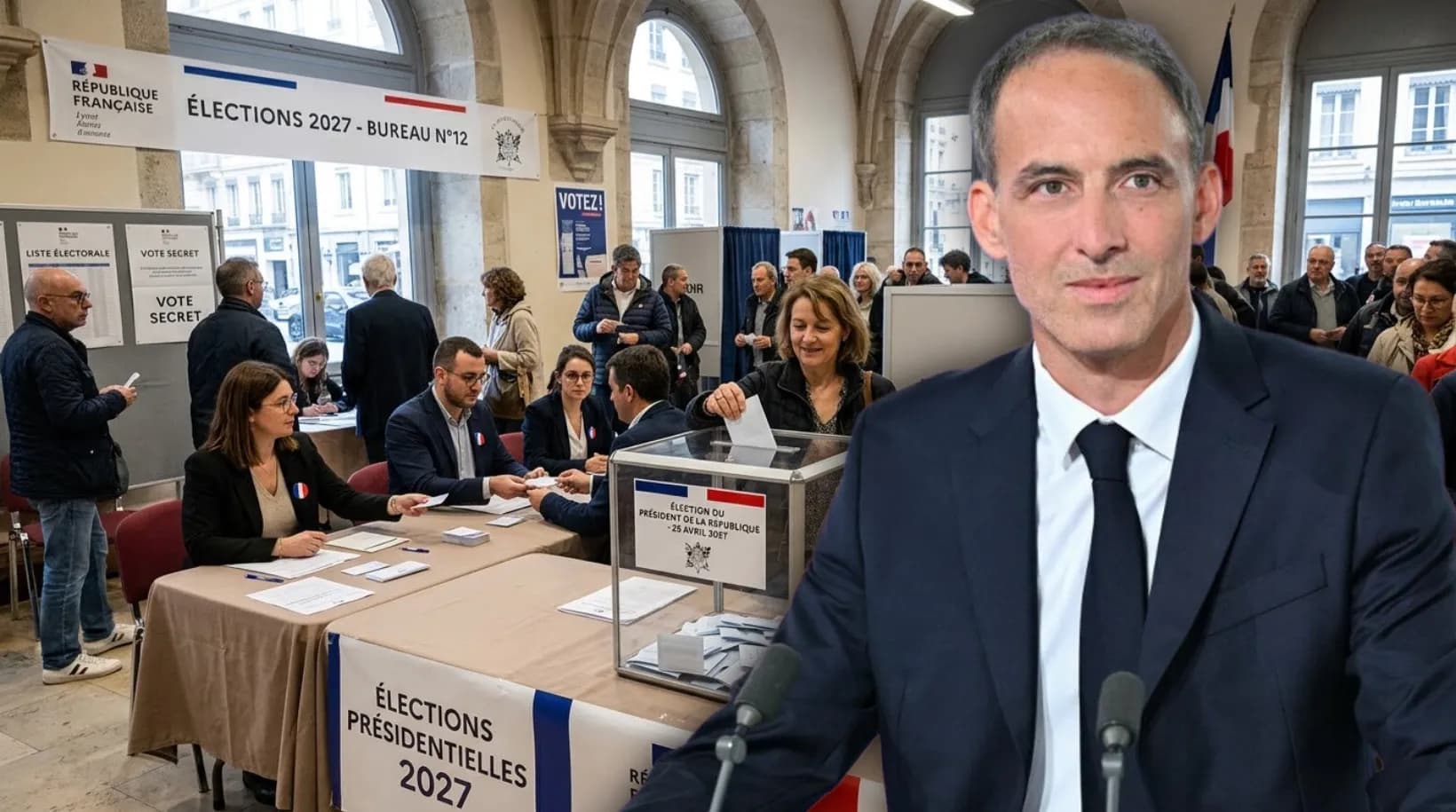
Raphaël Glucksmann has won France's centre-left primary outright with 66.13% of the vote, making him the left's candidate for the 2027 presidential election.
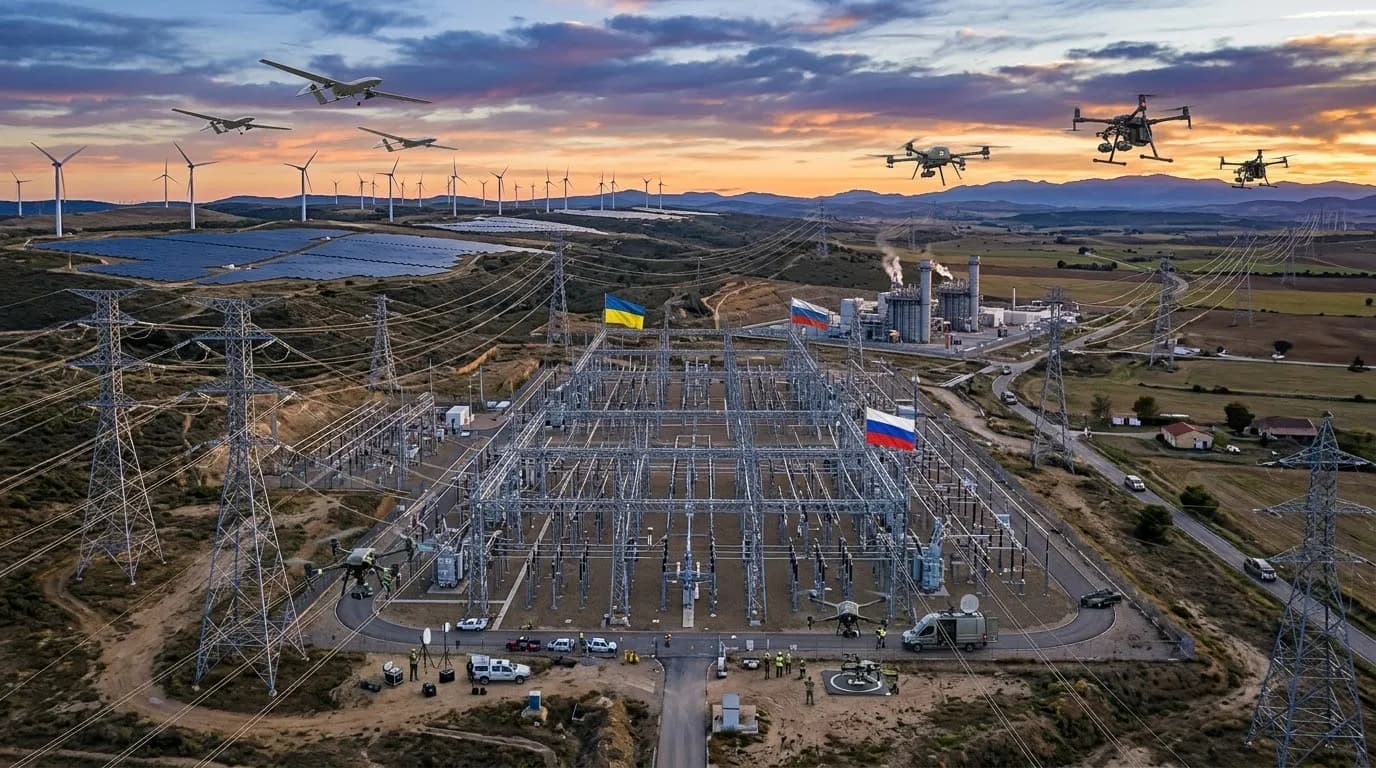
US President Donald Trump says Moscow and Kyiv have agreed to stop striking energy infrastructure. Ukraine's Volodymyr Zelensky says the deal was news to him but would accept it.
Ashgabat plans to channel 68.5 percent of this year's construction budget into production facilities and 31.5 percent into education, healthcare and culture, with GDP growth projected at 6.3 percent for 2026.
GDP grew 1.5 percent to $60.03 billion in the first nine months, but the oil and gas sector shrank 1.2 percent while non-energy output rose just 2.6 percent, leaving the diversification question open.
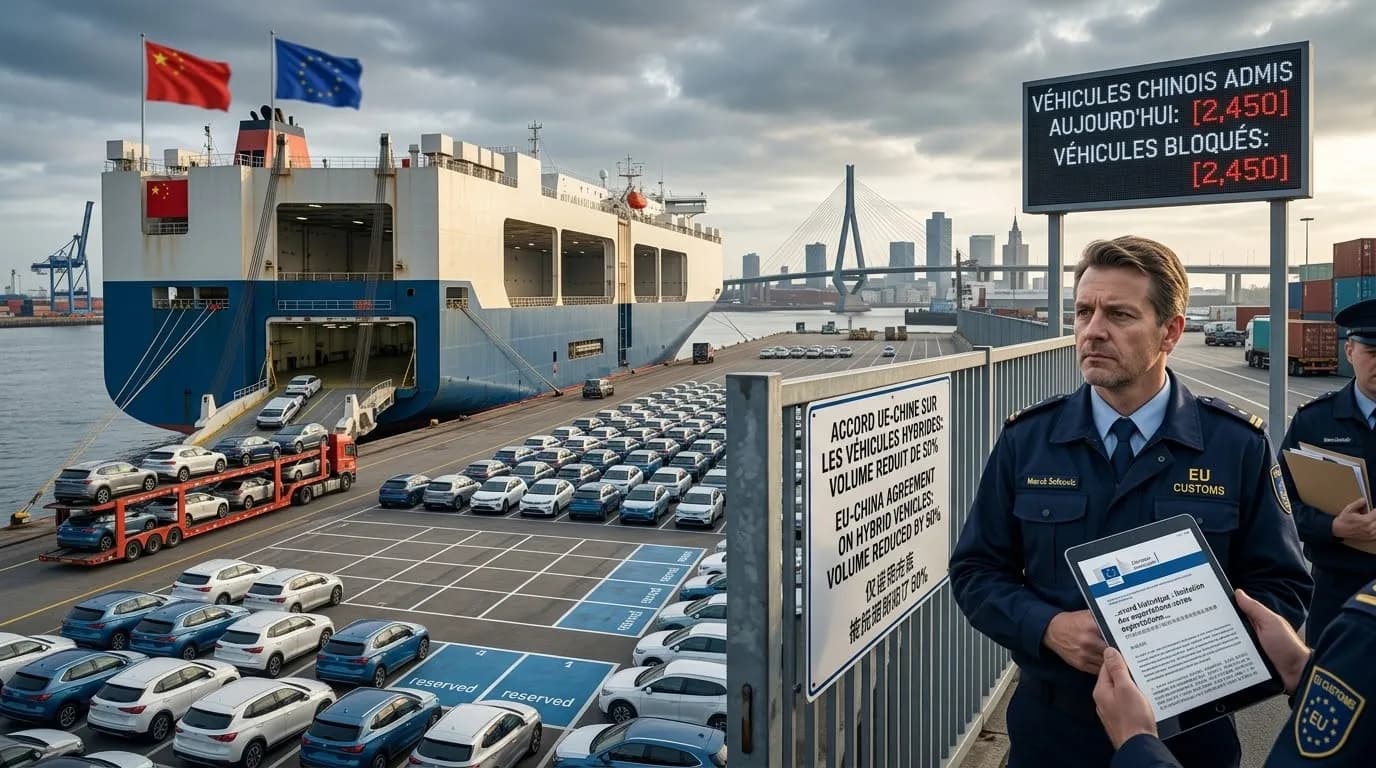
Brussels says Chinese hybrid vehicle shipments could fall by more than half over four years under a landmark agreement reached after months of negotiations.
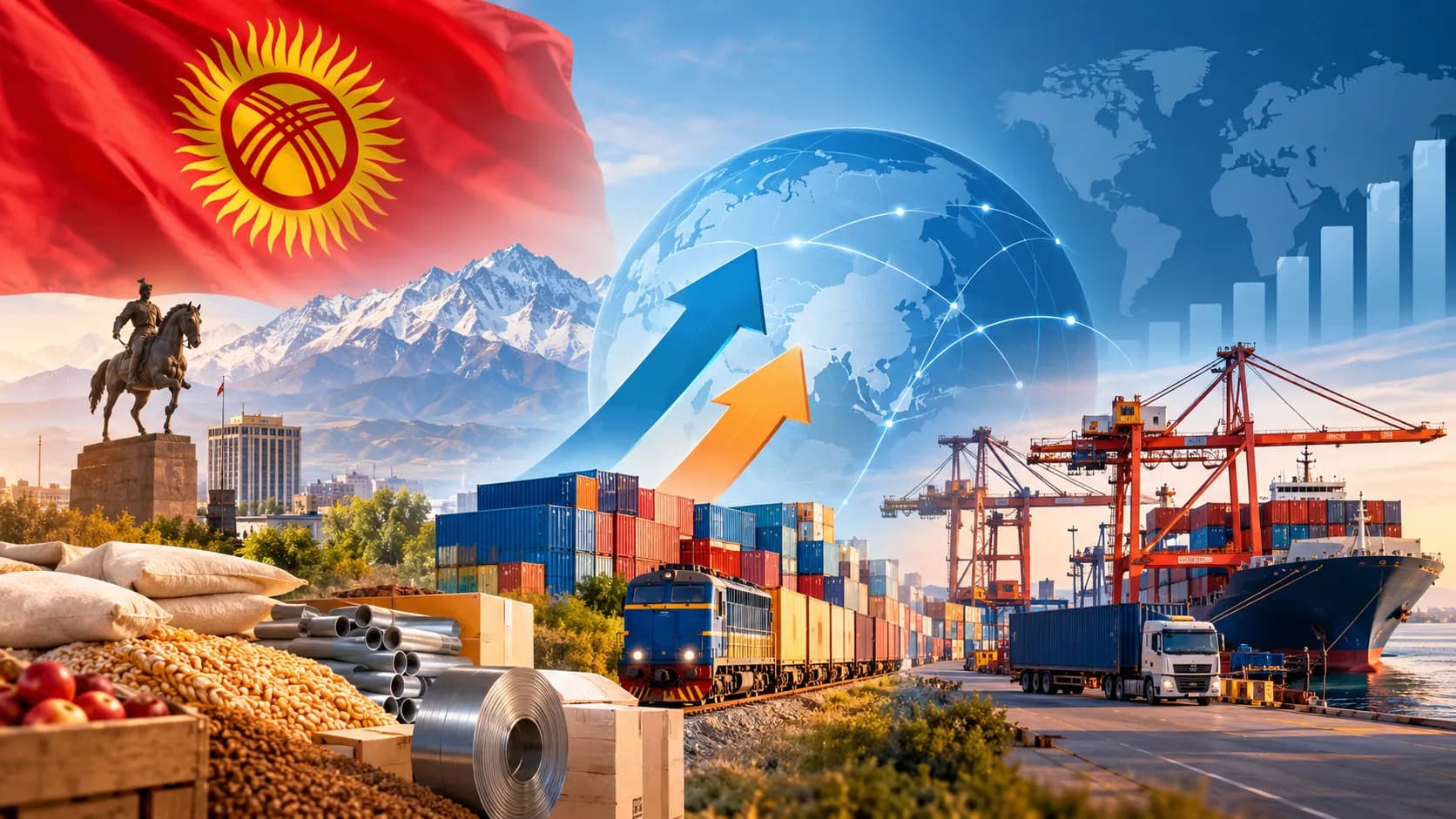
Imports grew 8.7% while exports managed only 2.7%, leaving Kyrgyzstan reliant on outside markets for consumer goods, industrial materials and equipment. The $10bn total masks a widening trade deficit that must be financed.
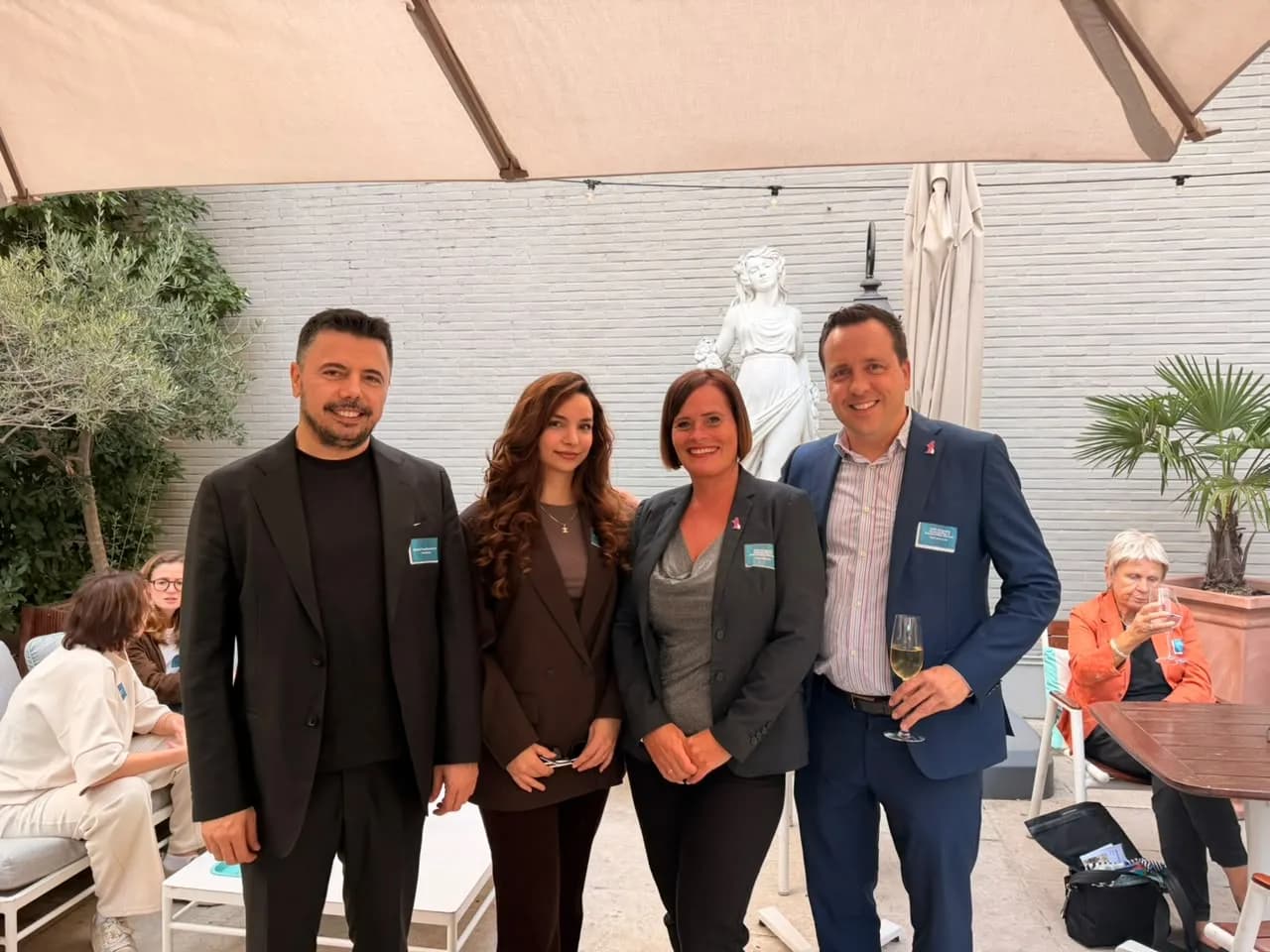
Global Tourism Forum President and Visit Brussels Ambassador Bulut Bağcı attended an exclusive gathering at the Warwick Brussels Hotel, where he met with former Visit Brussels Ambassadors to exchange views on the city’s growing international profile, its role as a global hub for tourism and business events, and opportunities for future collaboration.
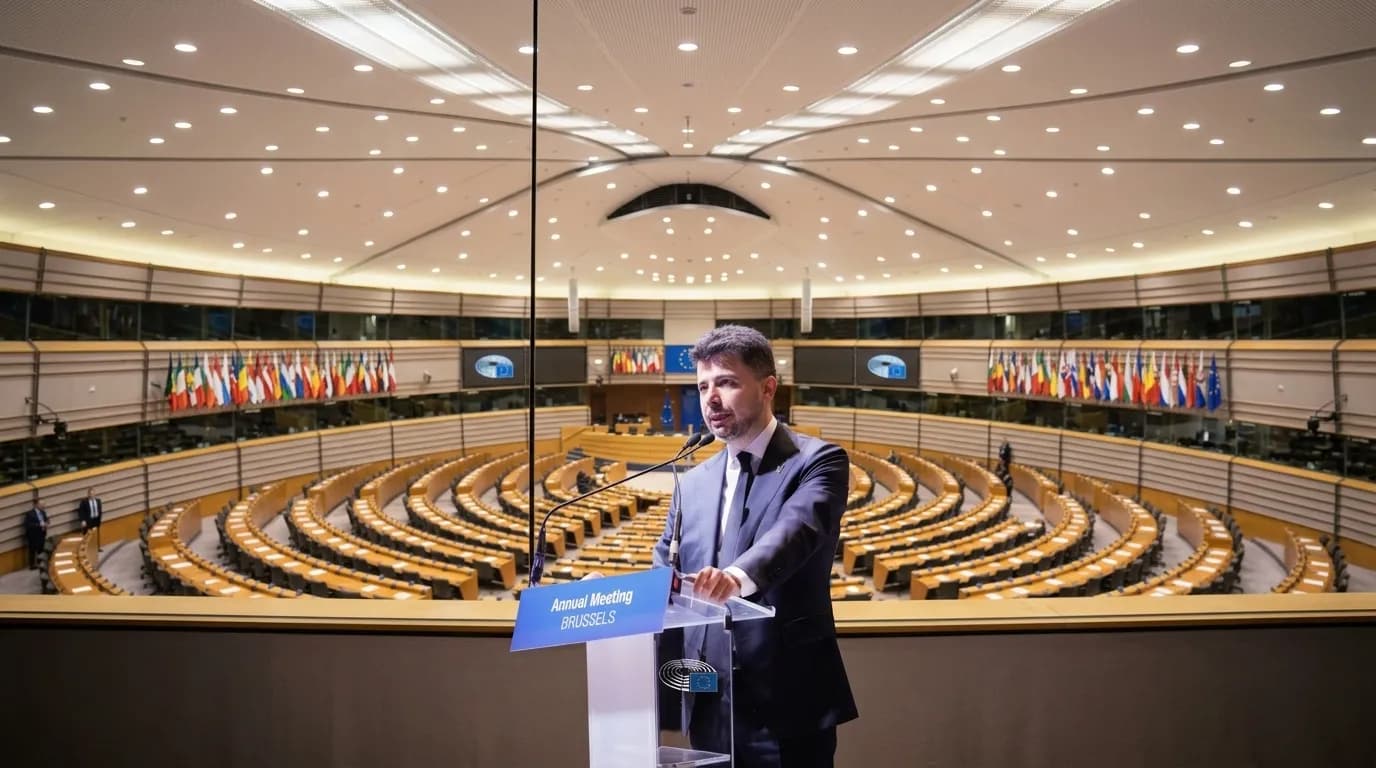
BRUSSELS — Europe may still be the world’s most recognizable tourism destination, but its dominance can no longer be taken for granted, World Tourism Forum Institute President Bulut Bağcı warned during remarks at the European Parliament on Tuesday.
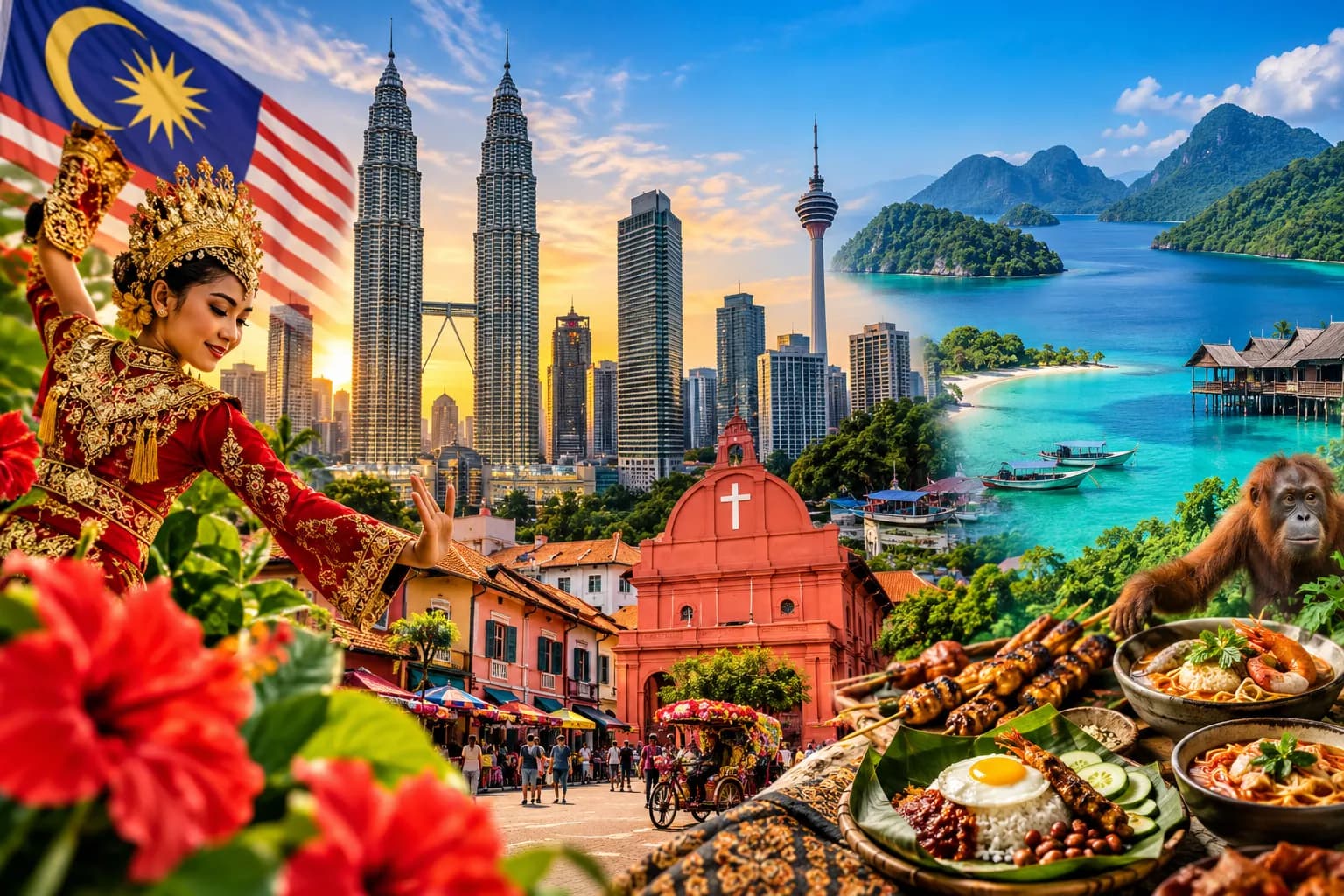
With Visit Malaysia 2026 approaching, the country is leveraging its multicultural heritage and cost advantages to attract European travellers seeking value without compromising on experience.