How Russia Is Turning Cheap, Chinese-Linked Technology Into a Battlefield Advantage
Russia's Geran-5 drone and Banderol cruise missile rely on Chinese-made jet engines, navigation computers and communications electronics, and each could cost around $100,000 — a fraction of the $2 million-plus price tag on comparable Western missiles.

Russia’s military-industrial complex is expanding its ability to develop relatively inexpensive but technologically advanced weapons and rapidly scale them up for mass production.
According to the publication, Russia’s new Geran drones and Banderol cruise missiles are equipped with advanced electronic systems that could enable them to identify targets more precisely and evade air-defense systems.
Chinese-made components are playing an important role in the development of these weapons. Analysts say Russia’s drone program makes use of Chinese-made jet engines, navigation computers and communications electronics.
Russia’s approach involves improving existing weapon designs, testing them on the battlefield and then moving rapidly into mass production based on the results.
Katerina Bondar, a senior fellow at the Center for Strategic and International Studies (CSIS) in Washington, said the West is underestimating the speed at which Russia can introduce new technologies into production.
“They can move very quickly from an idea to experimentation and testing, and then into production. Western militaries need to learn from Russia’s approach to this process,” Bondar said.
Relatively Low-Cost Weapons
The Geran and Banderol systems are becoming relatively inexpensive but effective one-way attack weapons for Russia.
According to estimates, the Geran-5 and Banderol could cost around $100,000 each. By comparison, U.S. Tomahawkcruise missiles and some comparable Russian missiles are significantly more expensive, potentially costing more than $2 million.
Newer models in the Geran family have also seen improvements in speed and range. The Geran-5, for example, is reportedly capable of reaching a speed of around 385 miles per hour and covering distances of up to 310 miles. The Banderol is said to have a range of up to 590 miles.
Mike Monnik, head of DroneSec, compared the Geran-5 to a “cruise missile for the poor,” arguing that its emergence underscores the need for Ukraine to reconsider its approach to counter-drone defense.
For Russia, however, the strategy is not only about technology but also about scale. Analysts say that in modern warfare, the ability to deploy large numbers of relatively inexpensive weapons is becoming increasingly important.
A Challenge for Ukraine and NATO
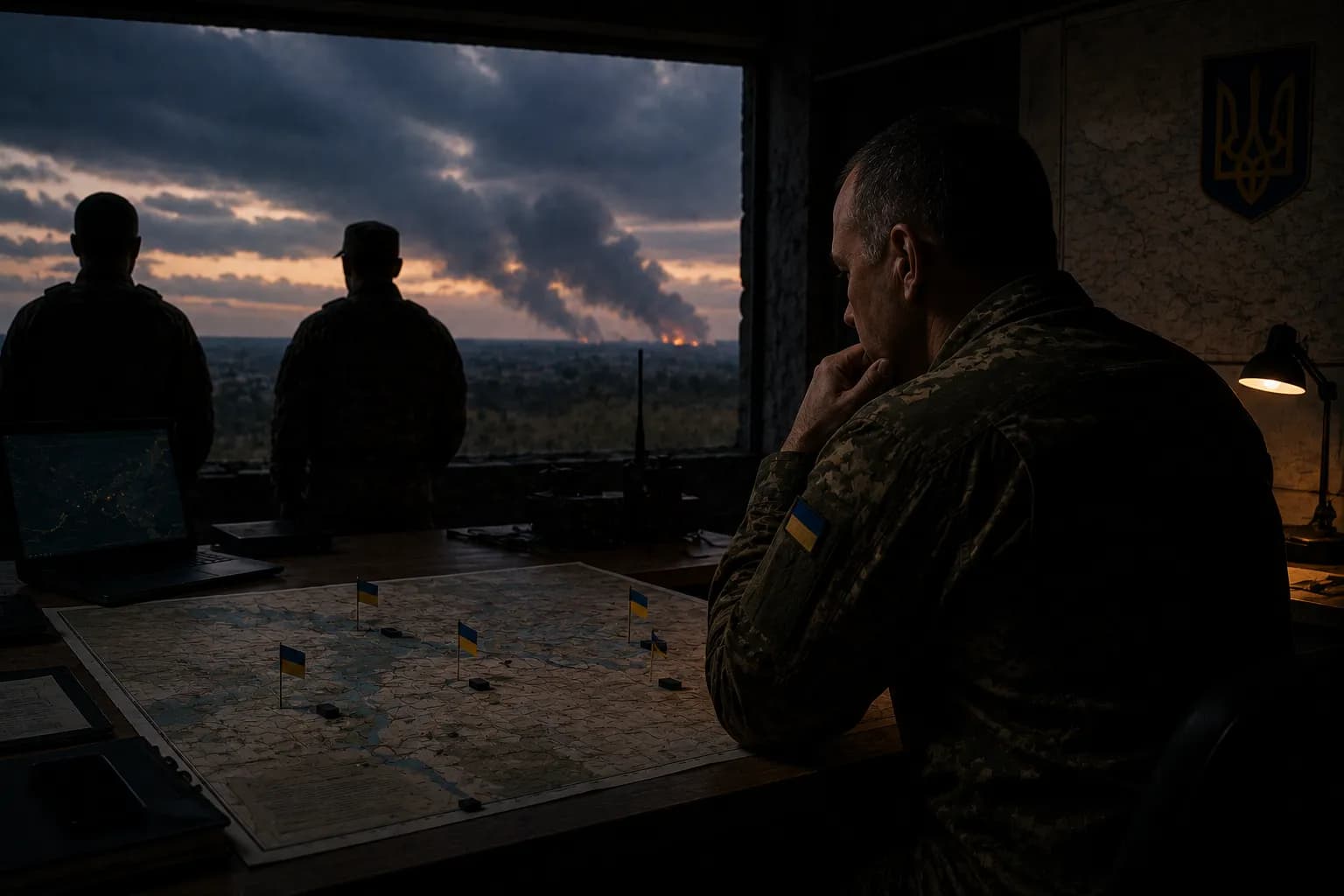
Ukraine is simultaneously trying to defend itself against Russian drones, ballistic missiles and air-launched glide bombs.
Justin Bronk, a researcher at the UK-based Royal United Services Institute (RUSI), said that while drones pose a serious challenge, air-launched glide bombs are among the most significant threats facing Ukraine.
Intercepting Russia’s relatively inexpensive drones with costly Patriot air-defense systems or fighter aircraft creates a major economic challenge for Ukraine and its supporting countries. As a result, Western nations are seeking more cost-effective ways to counter such attacks.
According to NATO military command spokesperson Martin O’Donnell, alliance members have committed more than $40 billion over the next five years to developing counter-drone capabilities.
Bondar said Ukraine had been aware for several years that Russia was developing jet-powered drones and low-cost cruise missiles. However, Kyiv was not prepared for their deployment on such a large scale.
“It was clear a long time ago that we would eventually get to this point. I am surprised that everyone is surprised,” she said.
It is worth noting that Ukraine is also working to develop next-generation missile systems amid the ongoing war.
Shohjahon Majidov
Contributing writer at EUReflect.
Follow EUReflect
See more of our reporting on Google
Mark EUReflect as a preferred source and our stories are ranked higher for you in Top Stories, Discover and Google News — and carry a “preferred” badge when they are cited in AI results.
Add EUReflect as a preferred source