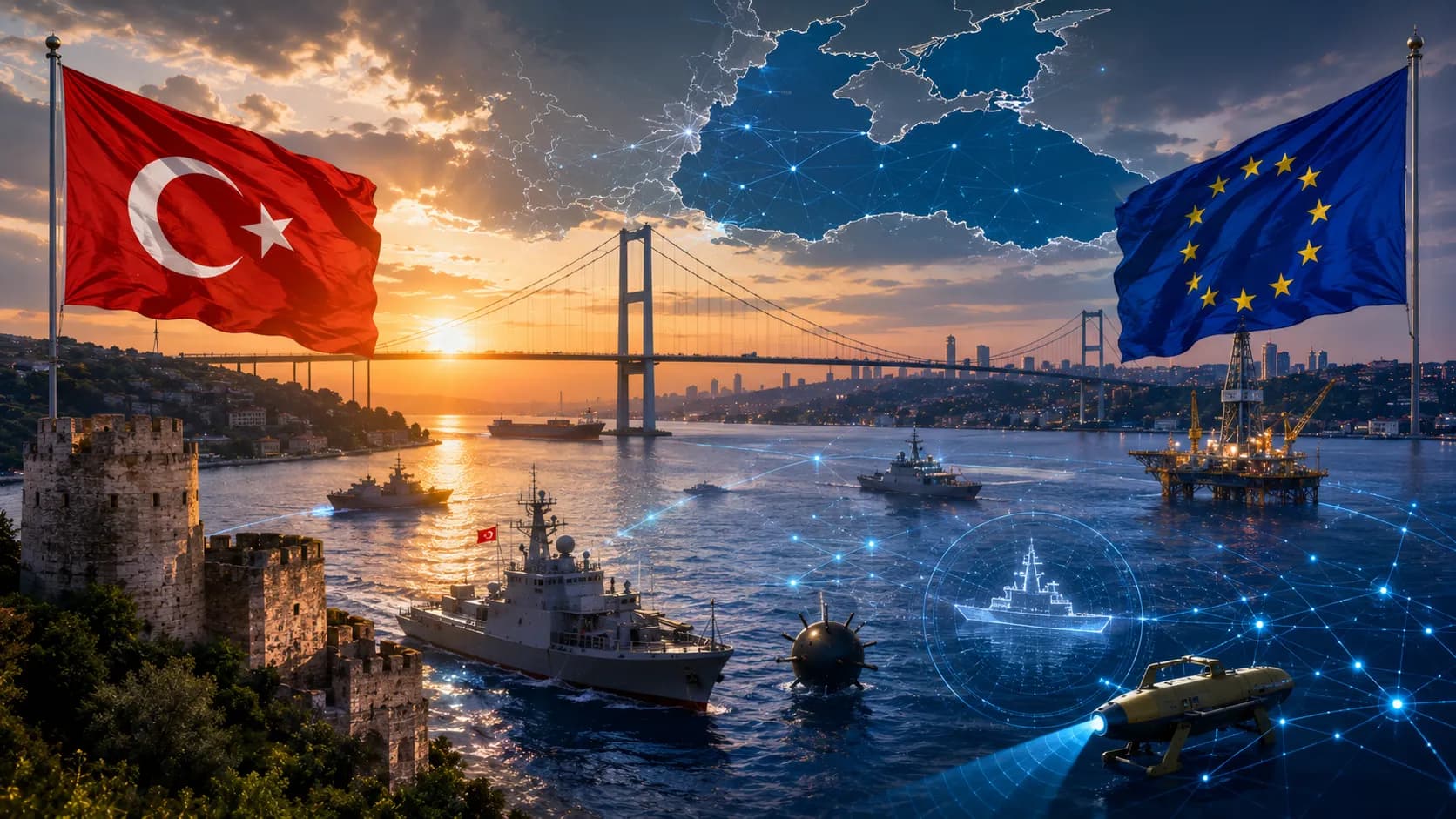
Turkey's role is concretized through the MCM Black Sea task group, which has conducted 10 activations, and its mandate is being extended to cover energy assets like the Sakarya Gas Field.
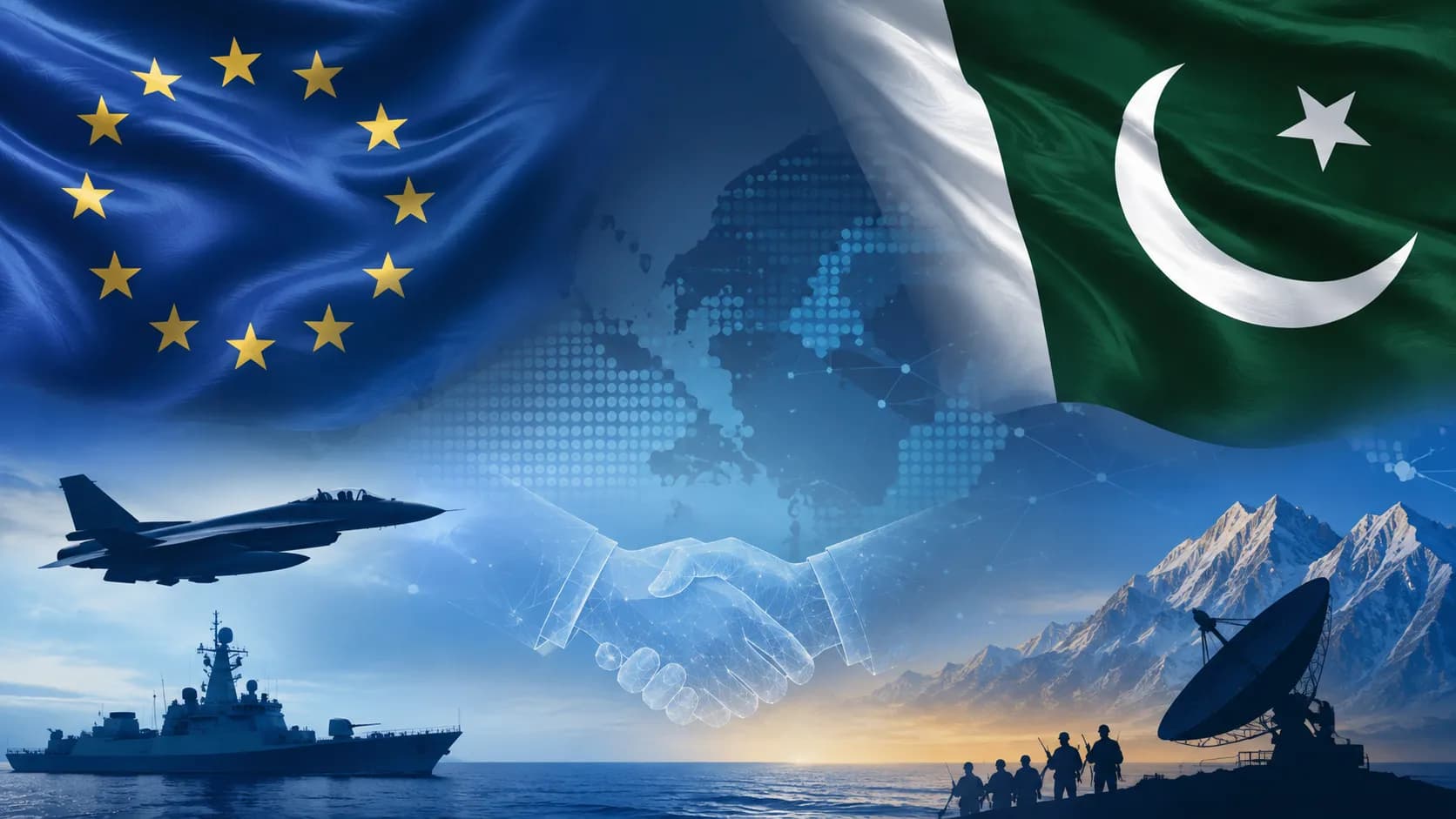
The EU's 2019 Strategic Engagement Plan provides the framework for security cooperation, but Pakistan's strategic culture, shaped by the military since 1947, poses both opportunities and limits for partnership.
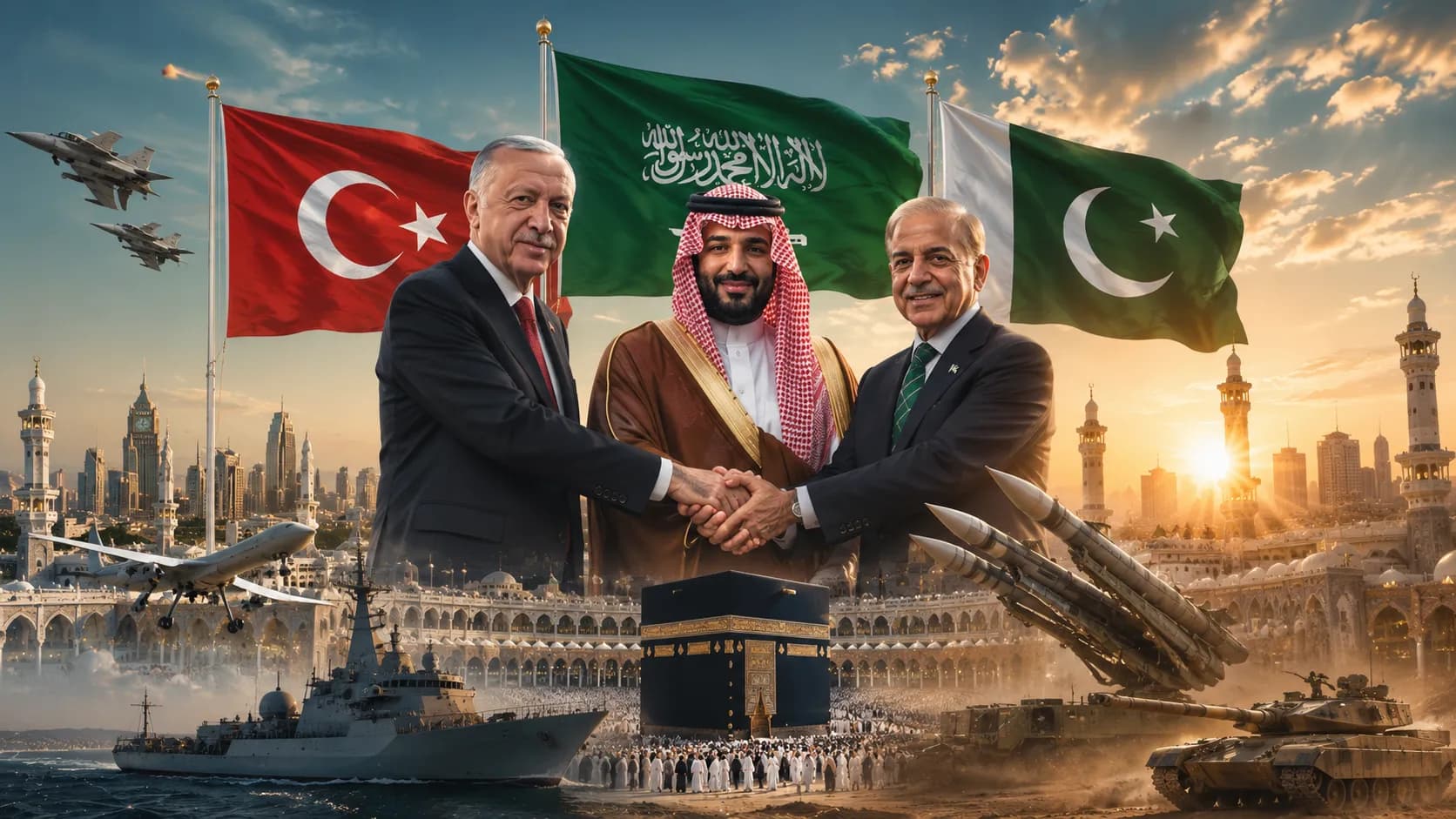
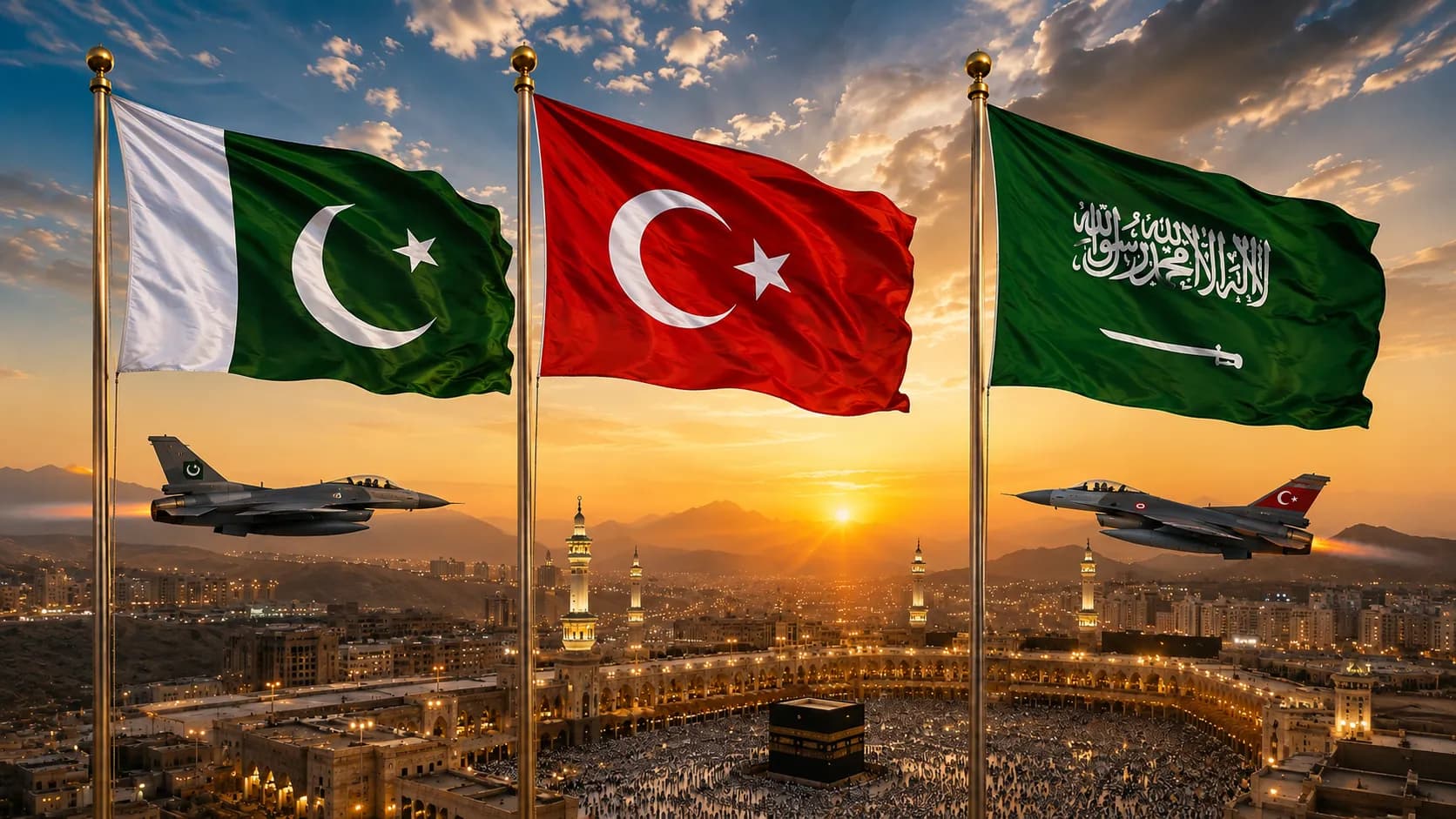
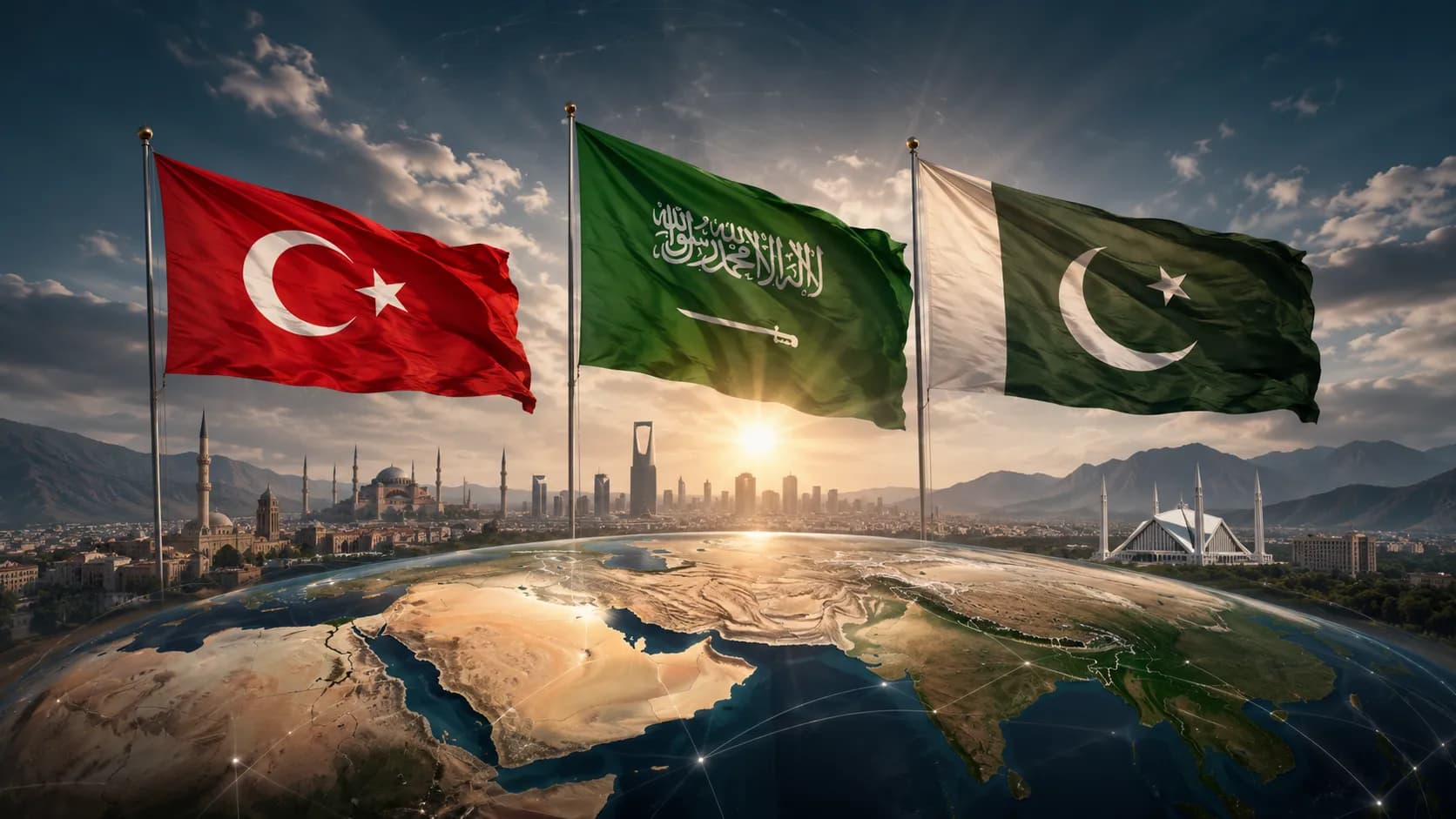
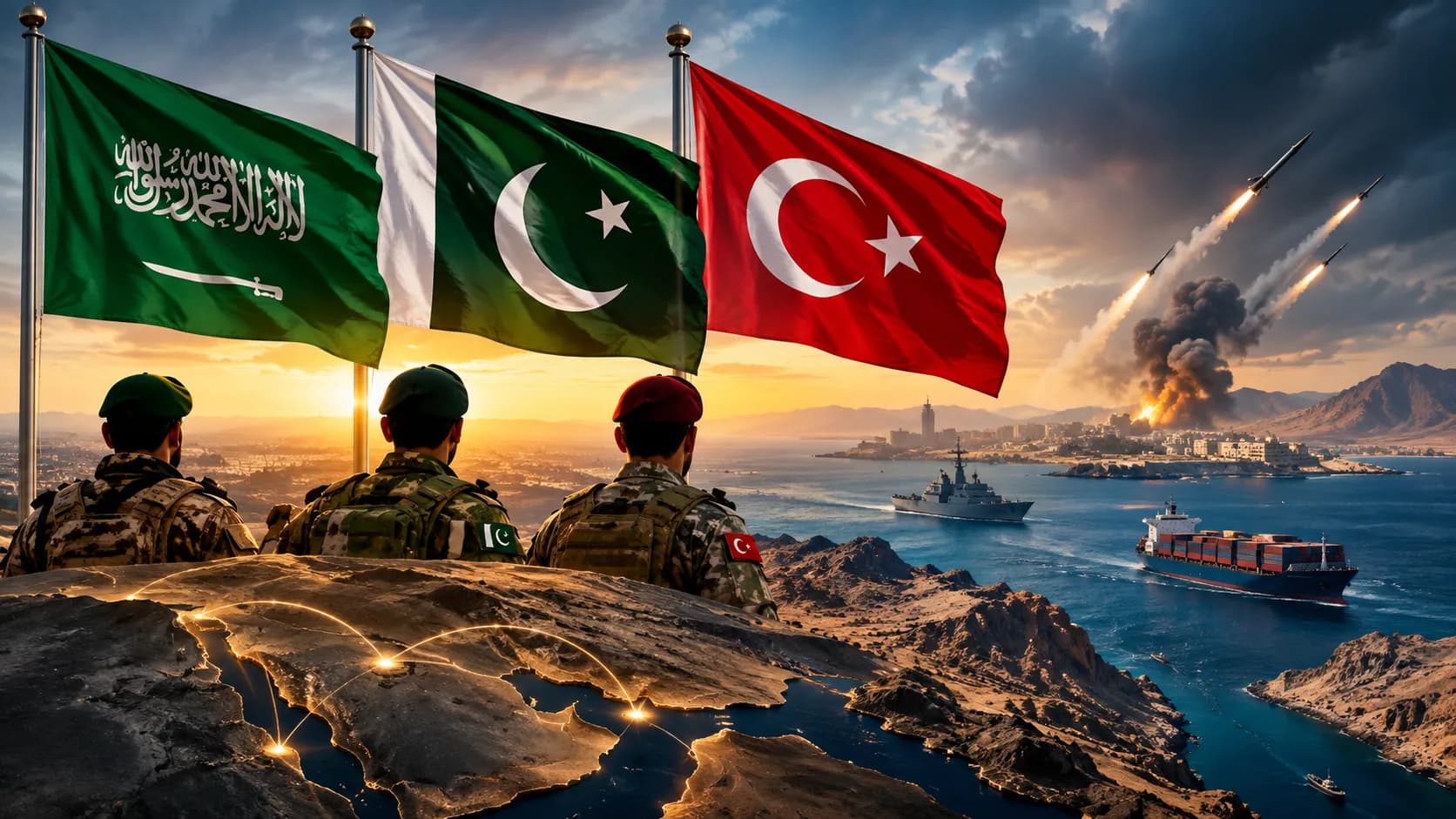
The Makkah Joint Defence Agreement between Pakistan, Saudi Arabia and Türkiye could strengthen Pakistan’s strategic and diplomatic role, deepen trilateral defence cooperation and advance collective security amid evolving challenges across the Middle East and South Asia.
Pakistan, Türkiye and Saudi Arabia strengthened their strategic partnership through the Makkah Joint Defence Agreement, establishing a collective defence framework. Islamabad marked the historic accord by displaying the three nations’ flags, highlighting solidarity, security and regional stability.
The Mecca Joint Defence Agreement strengthens defence diplomacy and collective deterrence among Türkiye, Saudi Arabia, and Pakistan by combining their military, industrial, economic, and strategic capabilities. Its effectiveness depends on credible commitments and institutional cooperation.
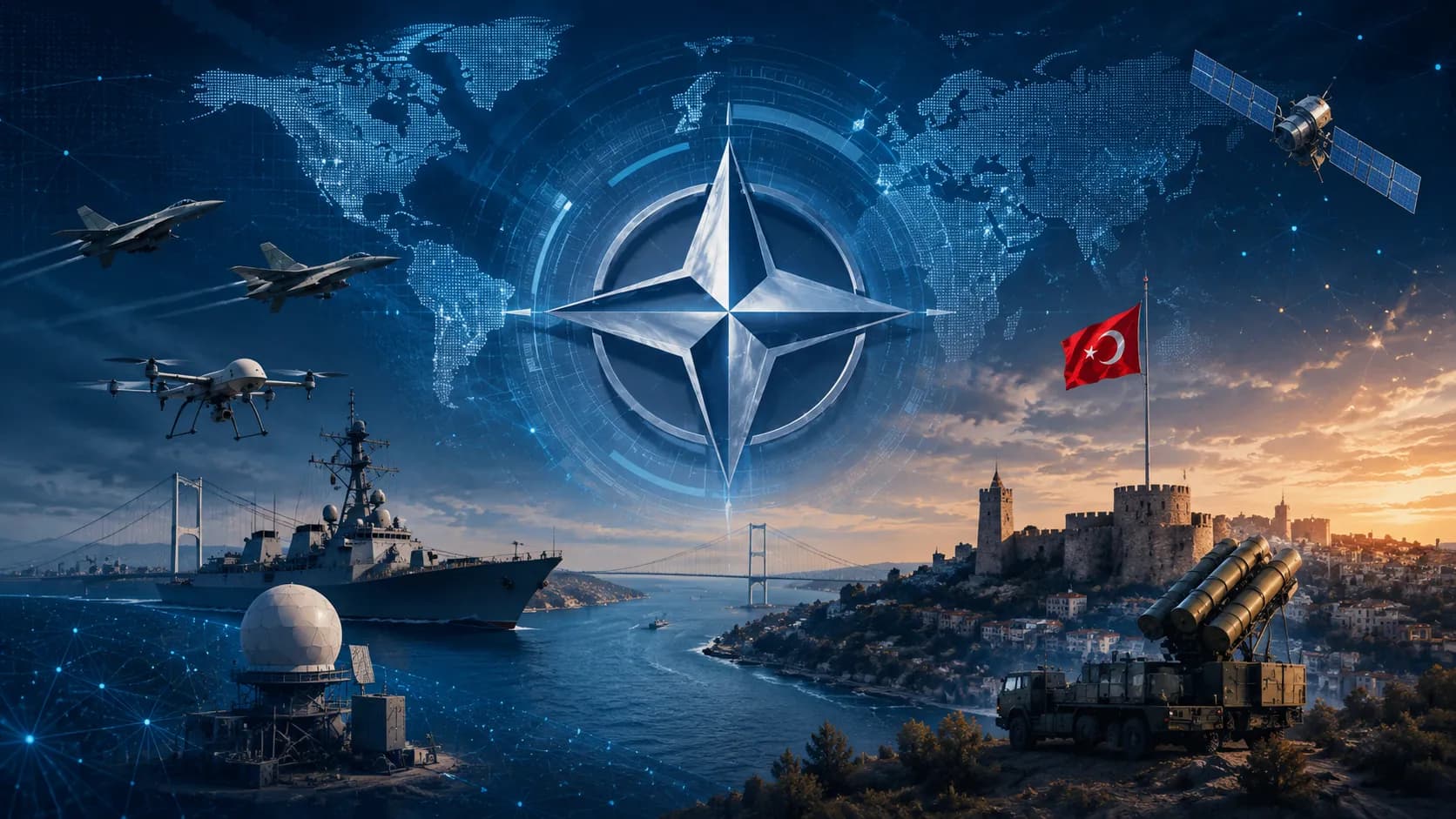
NATO 3.0 represents a multidimensional security framework designed to address emerging global threats. Increasing Türkiye's defense expenditures would strengthen NATO's presence in the Black Sea and the Middle East while enhancing deterrence, burden-sharing, and strategic resilience, benefiting both Europe and the United States.
European NATO members have rapidly replaced most military capabilities reduced by the United States, strengthening the alliance’s defense posture. While a few strategic gaps remain, NATO is developing alternatives as Europe assumes greater responsibility for collective security.
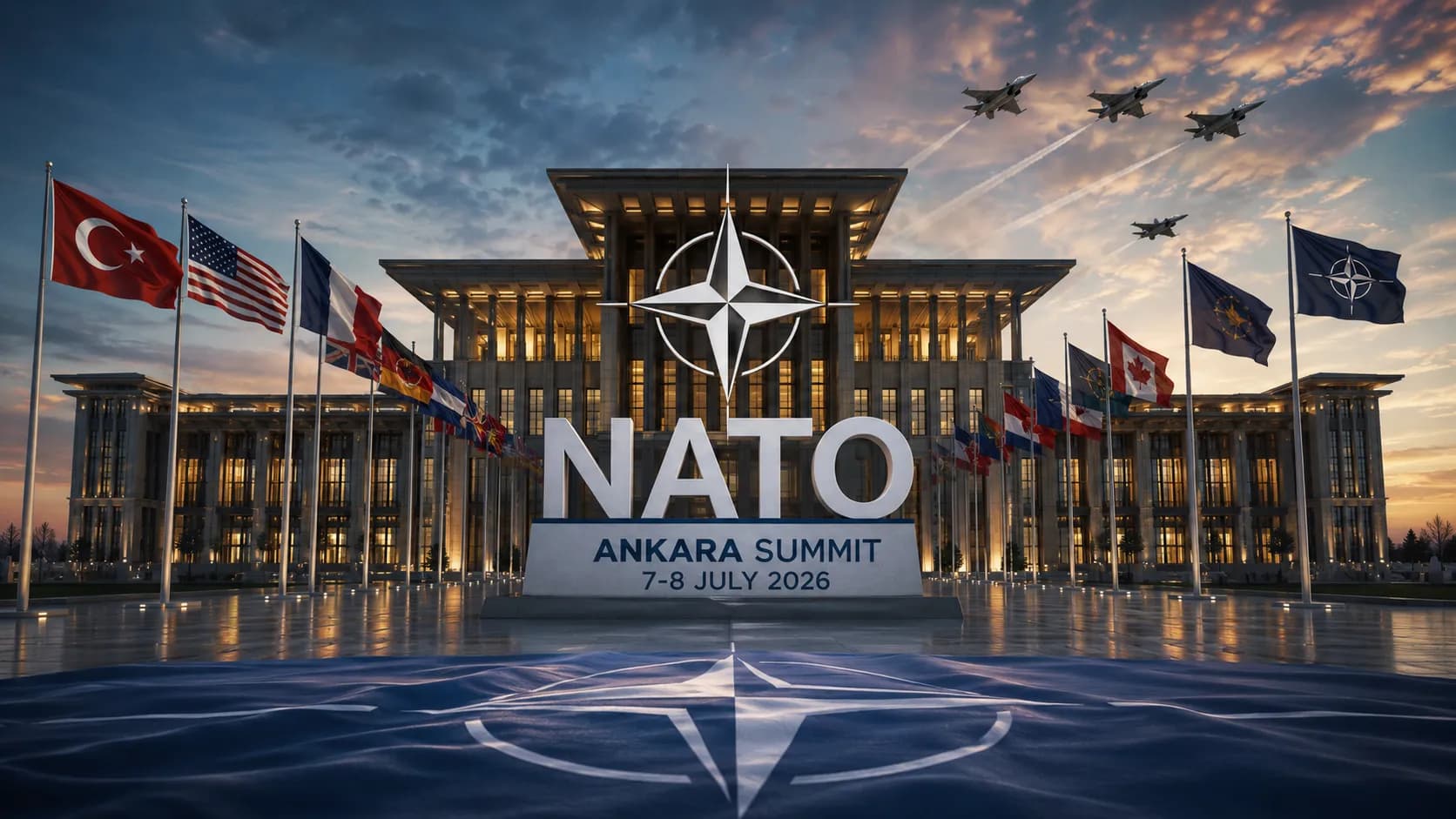
As Türkiye prepares to host the 36th NATO Summit in Ankara on 7-8 July, President Erdoğan has pressed for a more balanced distribution of responsibility among allies, arguing Türkiye's defence contributions should not be sidelined by narrow political interests within the alliance.
After months of delay, the UK Prime Minister has announced the Defence Investment Plan, redirecting funds toward drone-coordinating naval vessels, amphibious ships and joint European weapons programmes, while pledging £400 million to a new multilateral defence financing mechanism.
Germany is rapidly becoming Europe's leading military power through record defence spending, long-term procurement and an expanding defence industry led by Rheinmetall. Berlin's historic rearmament is reshaping European security, strengthening NATO capabilities while altering the continent's strategic balance.
A pause in U.S. arms sales to Taiwan is pushing the island toward self-reliance and asymmetric defense — drones, mobile missiles, and indigenous production — though gaps in air defense coverage and institutional inertia remain major hurdles on the road to full strategic autonomy.
Norway joined France’s nuclear deterrence programme, signaling Europe’s growing push for strategic autonomy and reduced dependence on the US. The initiative strengthens Europe’s northern and eastern security architecture while raising major geopolitical and legal questions regarding NATO, Russia, and the NPT framework.
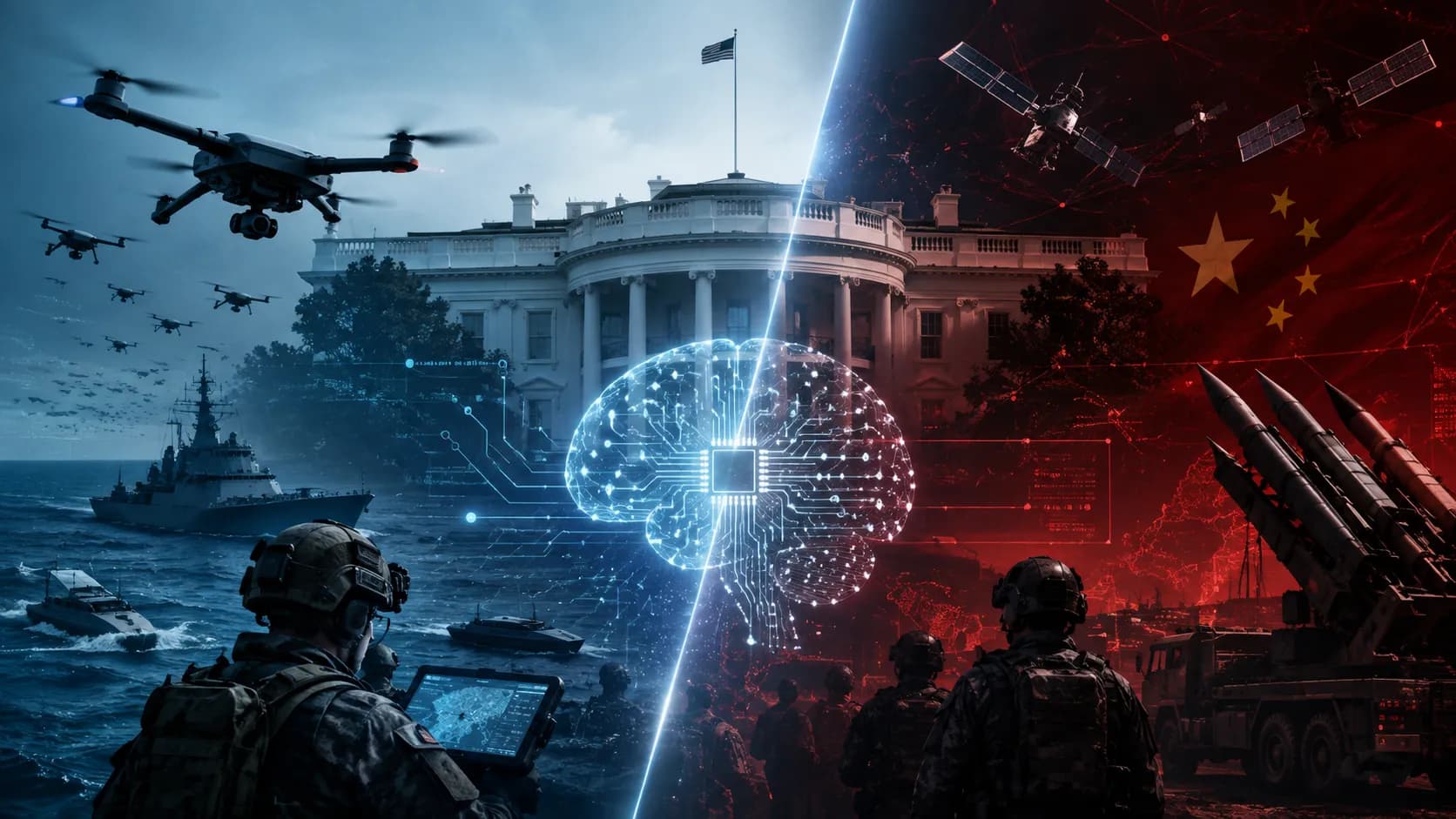
Türkiye has become a major disruptive force in global UAV warfare with Baykar, TAI, ASELSAN, and Roketsan. The US leads high-end autonomous systems, Israel dominates ISR technologies, Europe focuses on integrated defense networks, and China controls mass production. Drone warfare is shifting toward AI-driven, scalable ecosystems.
The U.S. Army has publicly unveiled new details about the M1E3 Abrams, its next-generation main battle tank, at the NDIA MDEX 2026 and Michigan Defense Expo 2026 conferences. Designed to replace the current M1A2 SEPv3, the M1E3 represents the most ambitious redesign of the Abrams platform since the original M1 entered service in 1980. The tank's most defining feature is its fully unmanned turret, which eliminates the loader from the crew and reduces the total crew to three personnel seated in an armored hull compartment. A secondary 30 mm Northrop Grumman M230LF cannon mounted atop the main turret provides dedicated counter-drone capability, while the XM251 active protection system — an Americanized derivative of Israel's Iron Fist — guards against incoming anti-tank threats. The drivetrain has been fundamentally redesigned: replacing the legacy gas turbine with a hybrid diesel-electric system is projected to improve fuel efficiency significantly and reduce combat weight from 73 to approximately 60 tons, easing logistical demands across the force. Structurally, the M1E3 is built on a Modular Open Systems Architecture, enabling rapid integration of software updates, new sensors, and upgraded fire control systems without requiring wholesale hardware redesigns. The program's pace is itself newsworthy: prototypes are expected in soldiers' hands by summer 2026, five years ahead of the original schedule. Full Initial Operational Capability is targeted for 2030. Underlying this urgency are the lessons drawn from the war in Ukraine, where drones, loitering munitions, and precision top-attack fires have exposed critical vulnerabilities in conventional armor. The M1E3 is the U.S. Army's direct response — a platform engineered not merely to survive the modern battlefield, but to dominate it.
European countries are increasing their interest in Türkiye’s defense industry. German defense circles are closely monitoring the Yıldırımhan intercontinental ballistic missile project and the Tayfun Blok air defense system, while the Baykar-Leonardo partnership also stands out in Europe.