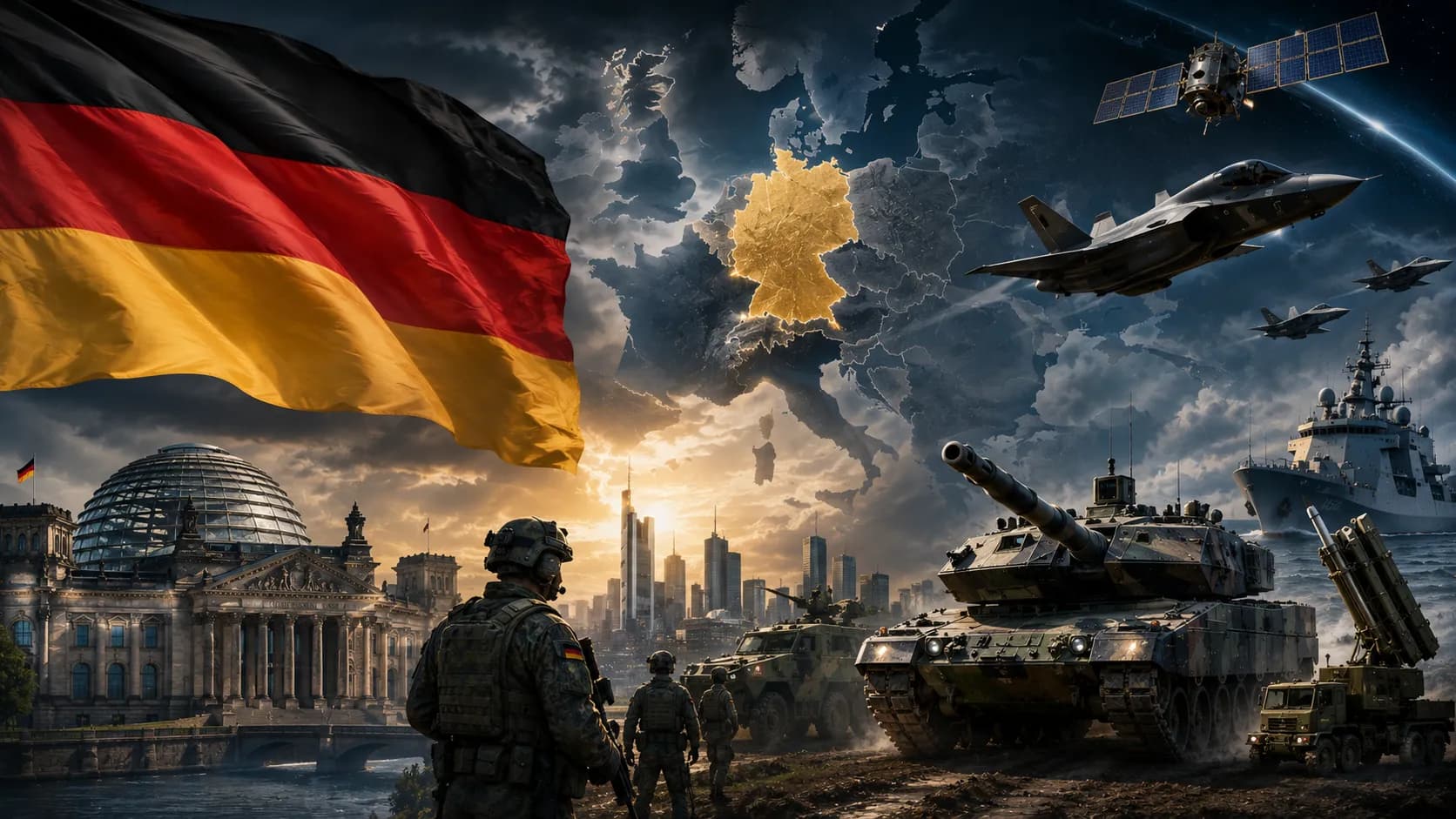
Germany is rapidly becoming Europe's leading military power through record defence spending, long-term procurement and an expanding defence industry led by Rheinmetall. Berlin's historic rearmament is reshaping European security, strengthening NATO capabilities while altering the continent's strategic balance.
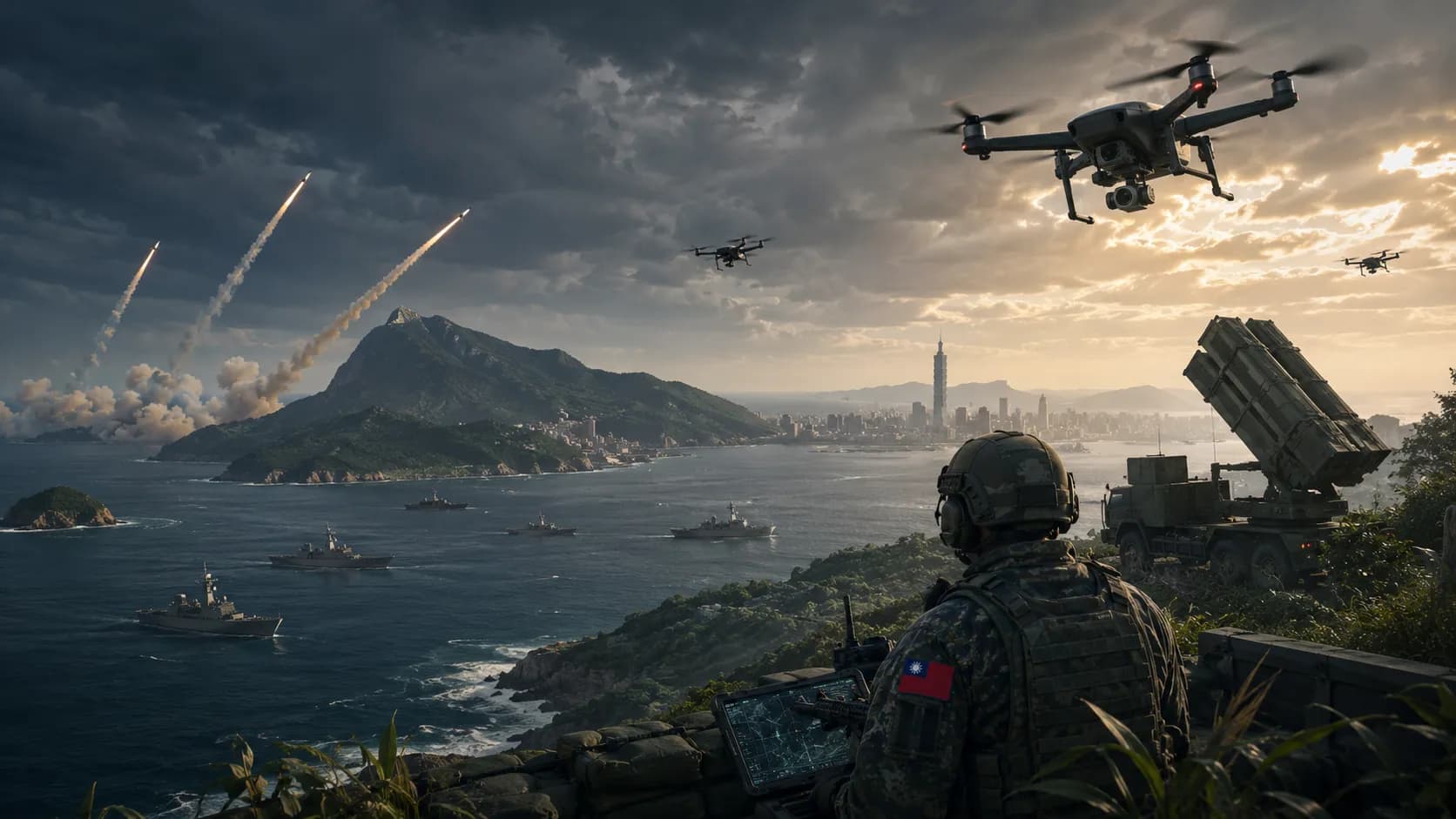
A pause in U.S. arms sales to Taiwan is pushing the island toward self-reliance and asymmetric defense — drones, mobile missiles, and indigenous production — though gaps in air defense coverage and institutional inertia remain major hurdles on the road to full strategic autonomy.
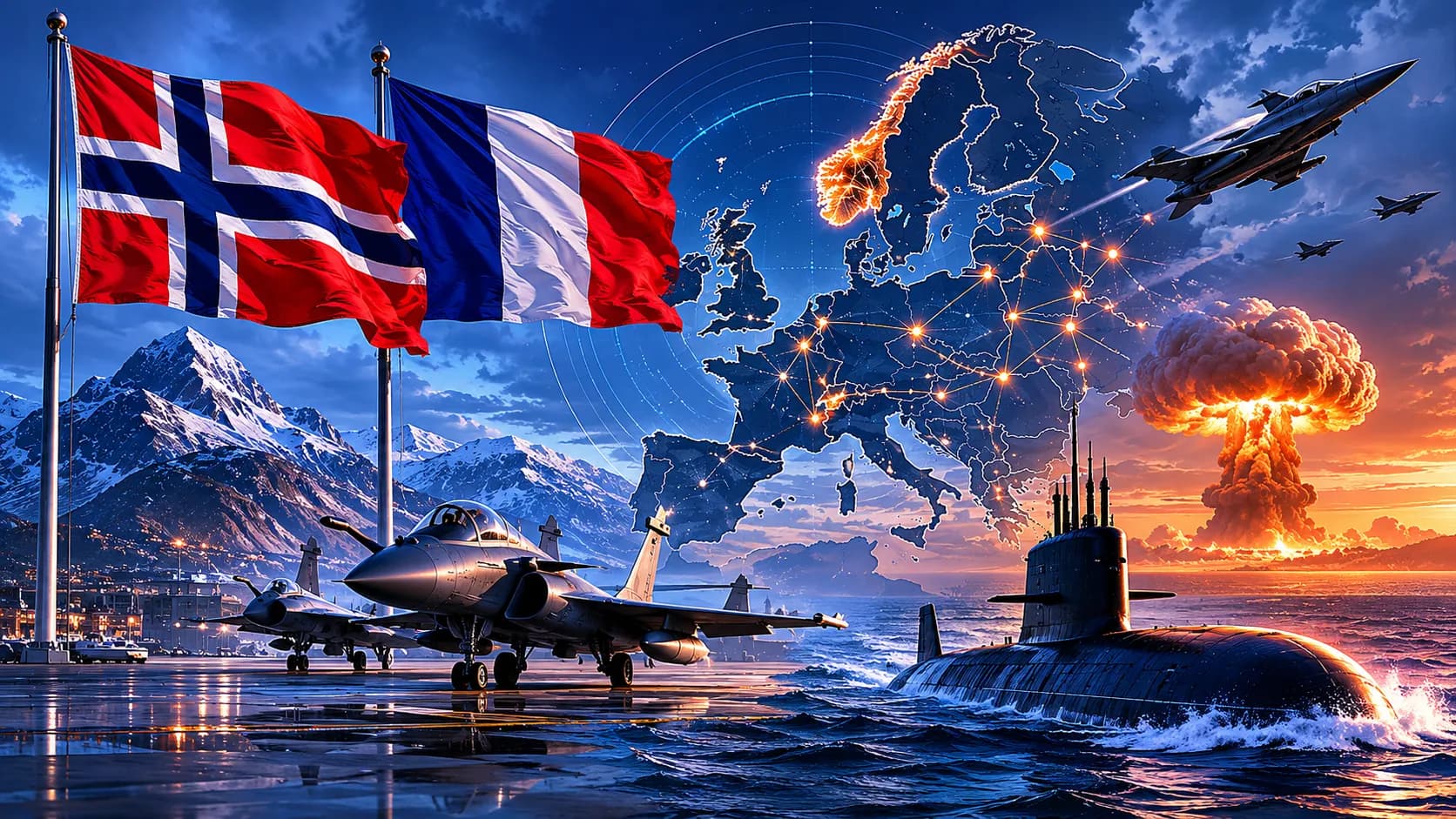
Norway joined France’s nuclear deterrence programme, signaling Europe’s growing push for strategic autonomy and reduced dependence on the US. The initiative strengthens Europe’s northern and eastern security architecture while raising major geopolitical and legal questions regarding NATO, Russia, and the NPT framework.
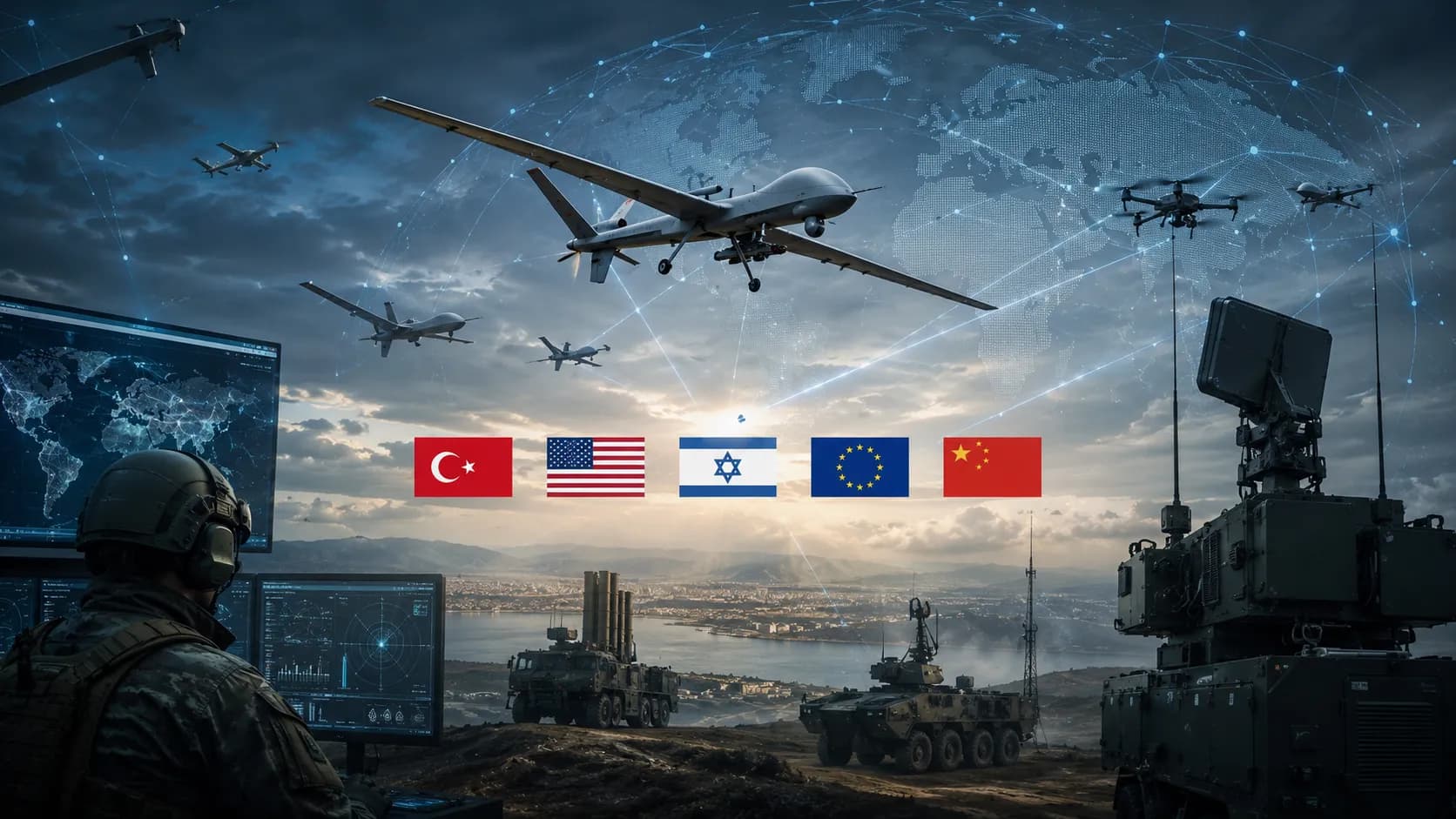
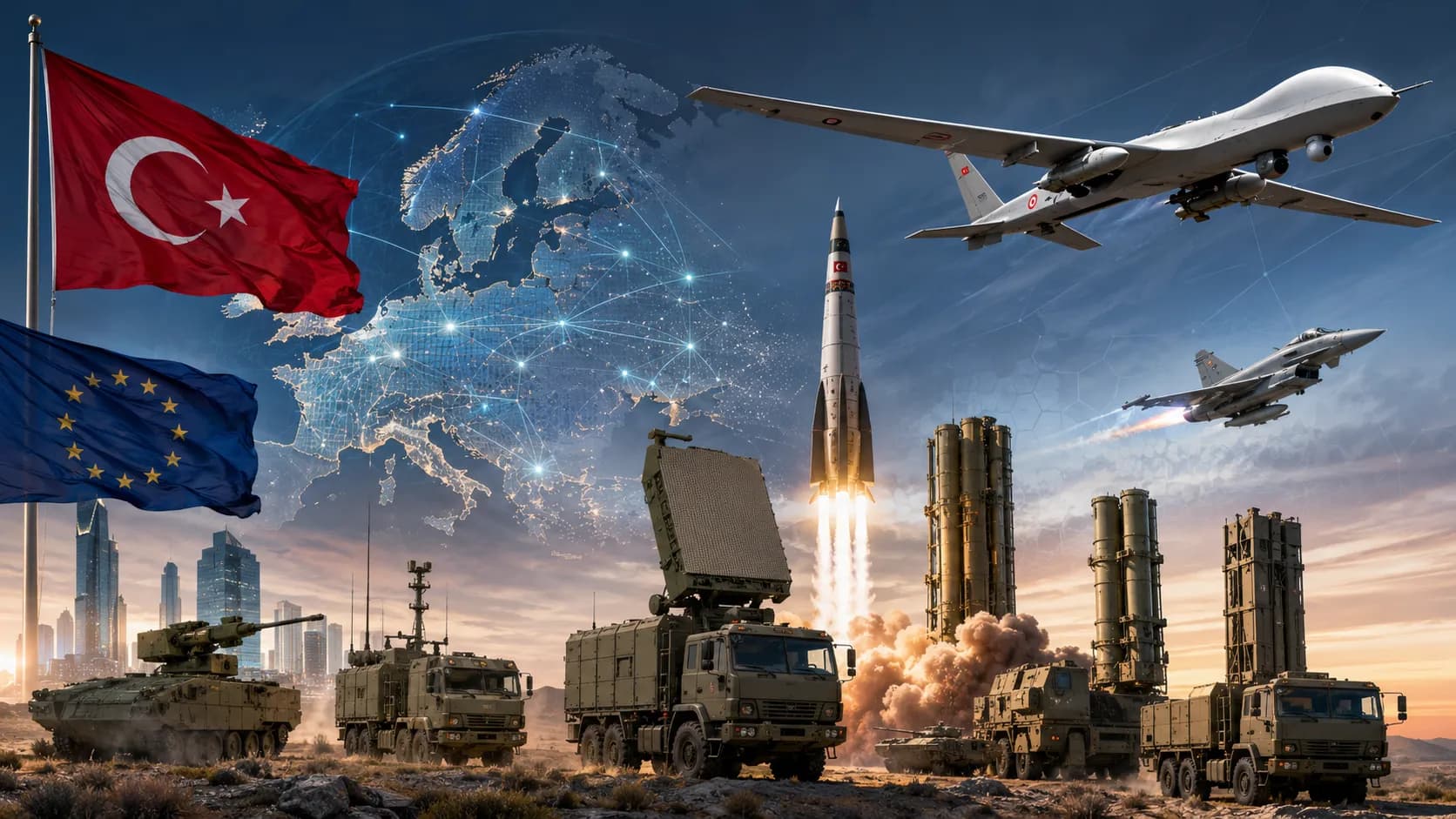
Türkiye has become a major disruptive force in global UAV warfare with Baykar, TAI, ASELSAN, and Roketsan. The US leads high-end autonomous systems, Israel dominates ISR technologies, Europe focuses on integrated defense networks, and China controls mass production. Drone warfare is shifting toward AI-driven, scalable ecosystems.
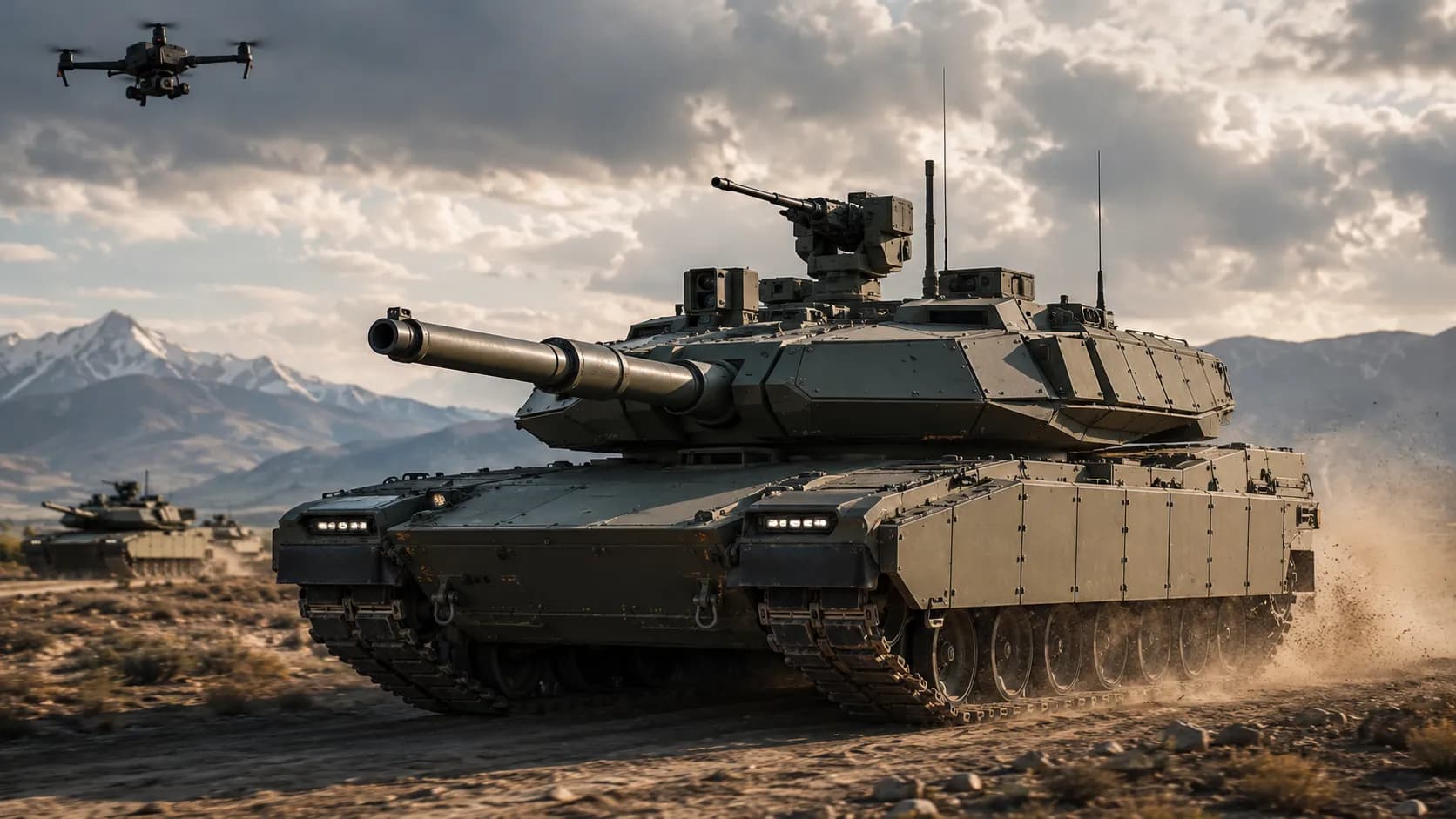
The U.S. Army has publicly unveiled new details about the M1E3 Abrams, its next-generation main battle tank, at the NDIA MDEX 2026 and Michigan Defense Expo 2026 conferences. Designed to replace the current M1A2 SEPv3, the M1E3 represents the most ambitious redesign of the Abrams platform since the original M1 entered service in 1980. The tank's most defining feature is its fully unmanned turret, which eliminates the loader from the crew and reduces the total crew to three personnel seated in an armored hull compartment. A secondary 30 mm Northrop Grumman M230LF cannon mounted atop the main turret provides dedicated counter-drone capability, while the XM251 active protection system — an Americanized derivative of Israel's Iron Fist — guards against incoming anti-tank threats. The drivetrain has been fundamentally redesigned: replacing the legacy gas turbine with a hybrid diesel-electric system is projected to improve fuel efficiency significantly and reduce combat weight from 73 to approximately 60 tons, easing logistical demands across the force. Structurally, the M1E3 is built on a Modular Open Systems Architecture, enabling rapid integration of software updates, new sensors, and upgraded fire control systems without requiring wholesale hardware redesigns. The program's pace is itself newsworthy: prototypes are expected in soldiers' hands by summer 2026, five years ahead of the original schedule. Full Initial Operational Capability is targeted for 2030. Underlying this urgency are the lessons drawn from the war in Ukraine, where drones, loitering munitions, and precision top-attack fires have exposed critical vulnerabilities in conventional armor. The M1E3 is the U.S. Army's direct response — a platform engineered not merely to survive the modern battlefield, but to dominate it.
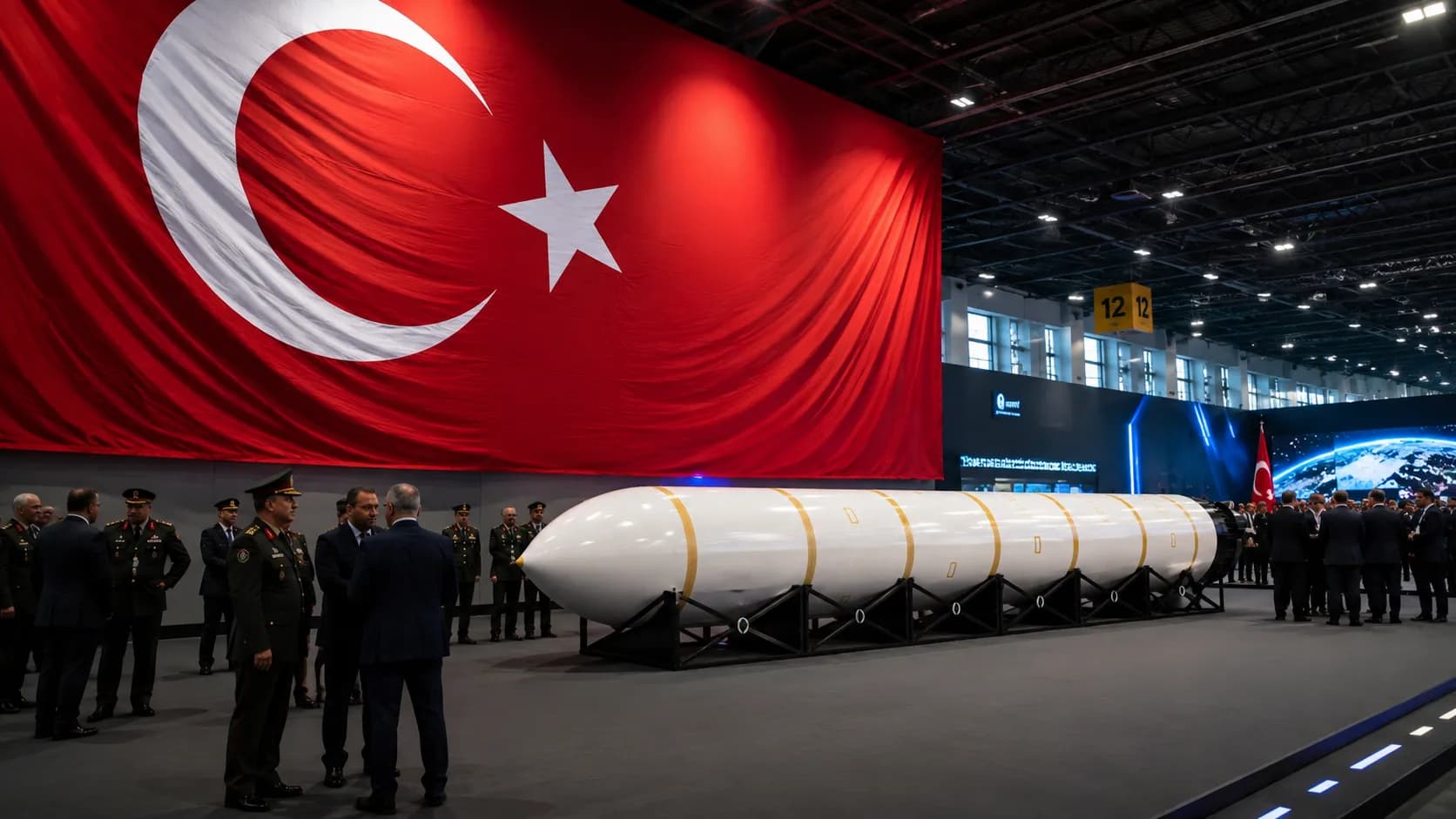
European countries are increasing their interest in Türkiye’s defense industry. German defense circles are closely monitoring the Yıldırımhan intercontinental ballistic missile project and the Tayfun Blok air defense system, while the Baykar-Leonardo partnership also stands out in Europe.
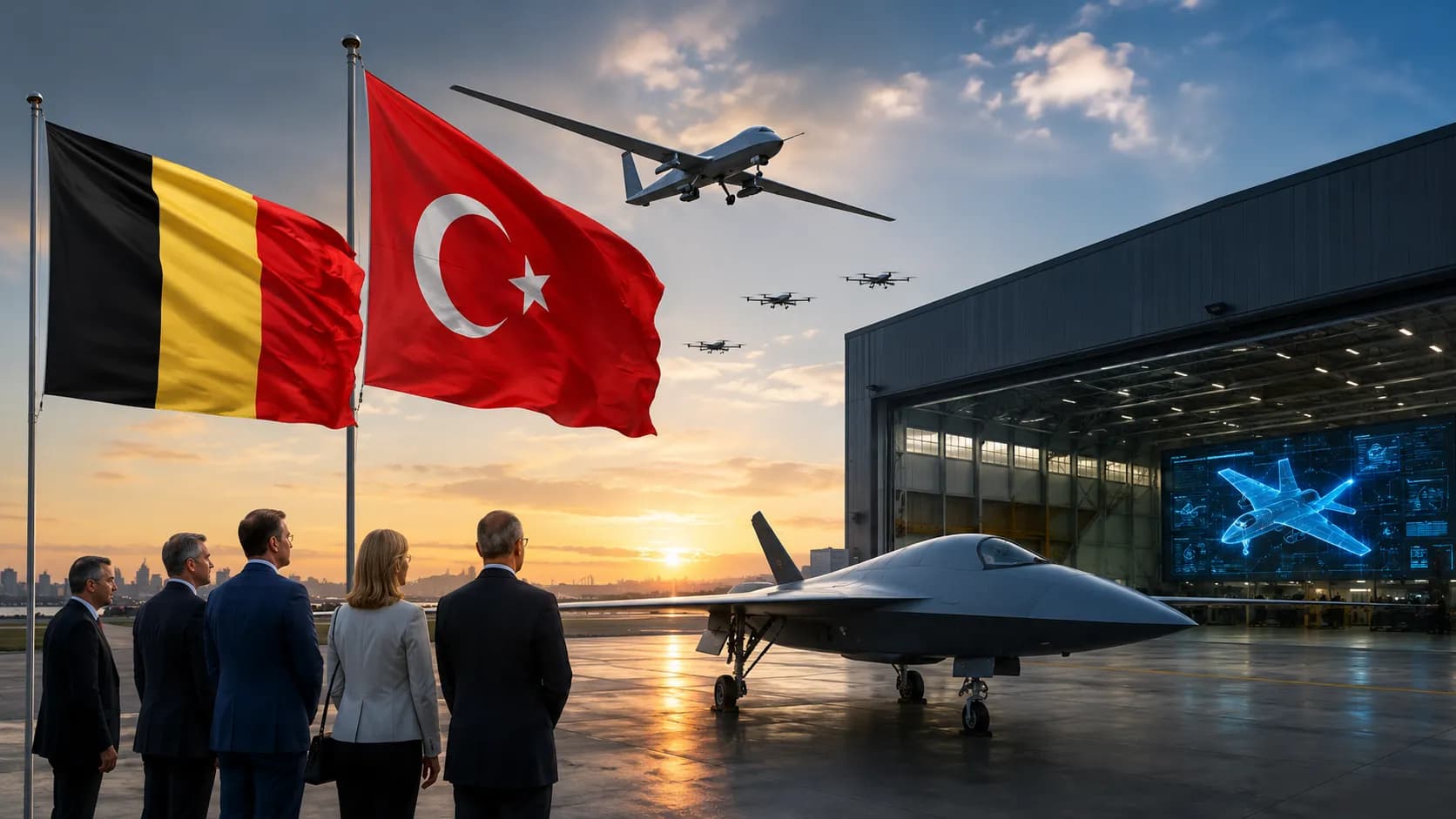
Belgium’s visit to Baykar during its Türkiye Economic Mission highlighted Europe’s growing interest in the Turkish defense industry. Baykar’s drone and unmanned fighter aircraft projects are increasingly viewed as strategic technologies within NATO.
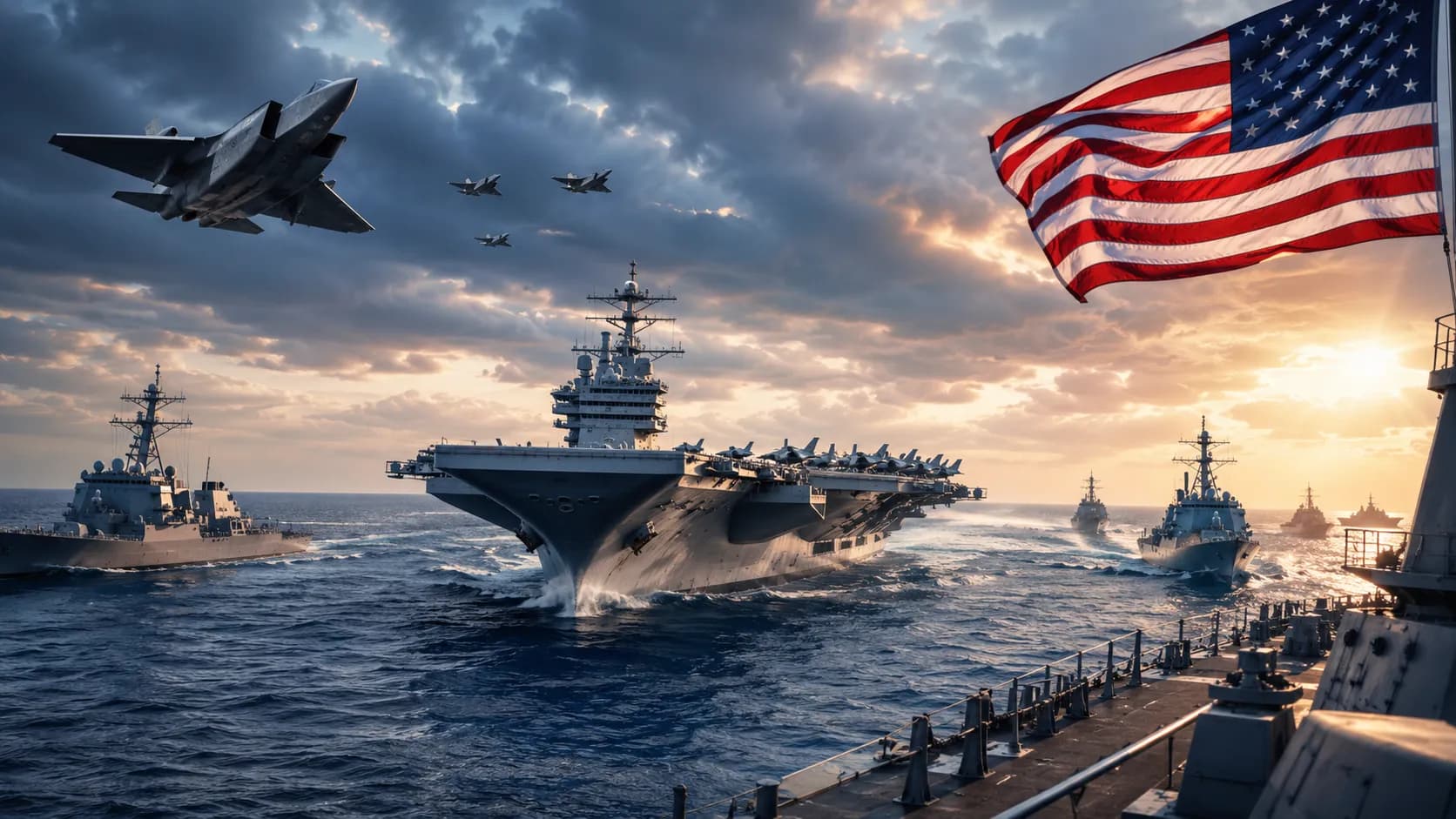
The U.S. Navy’s 2027 shipbuilding plan raises the possibility of constructing vessels in allied countries while emphasizing nuclear-powered warships, logistical tanker investments, and distributed production to restore American maritime superiority against China.
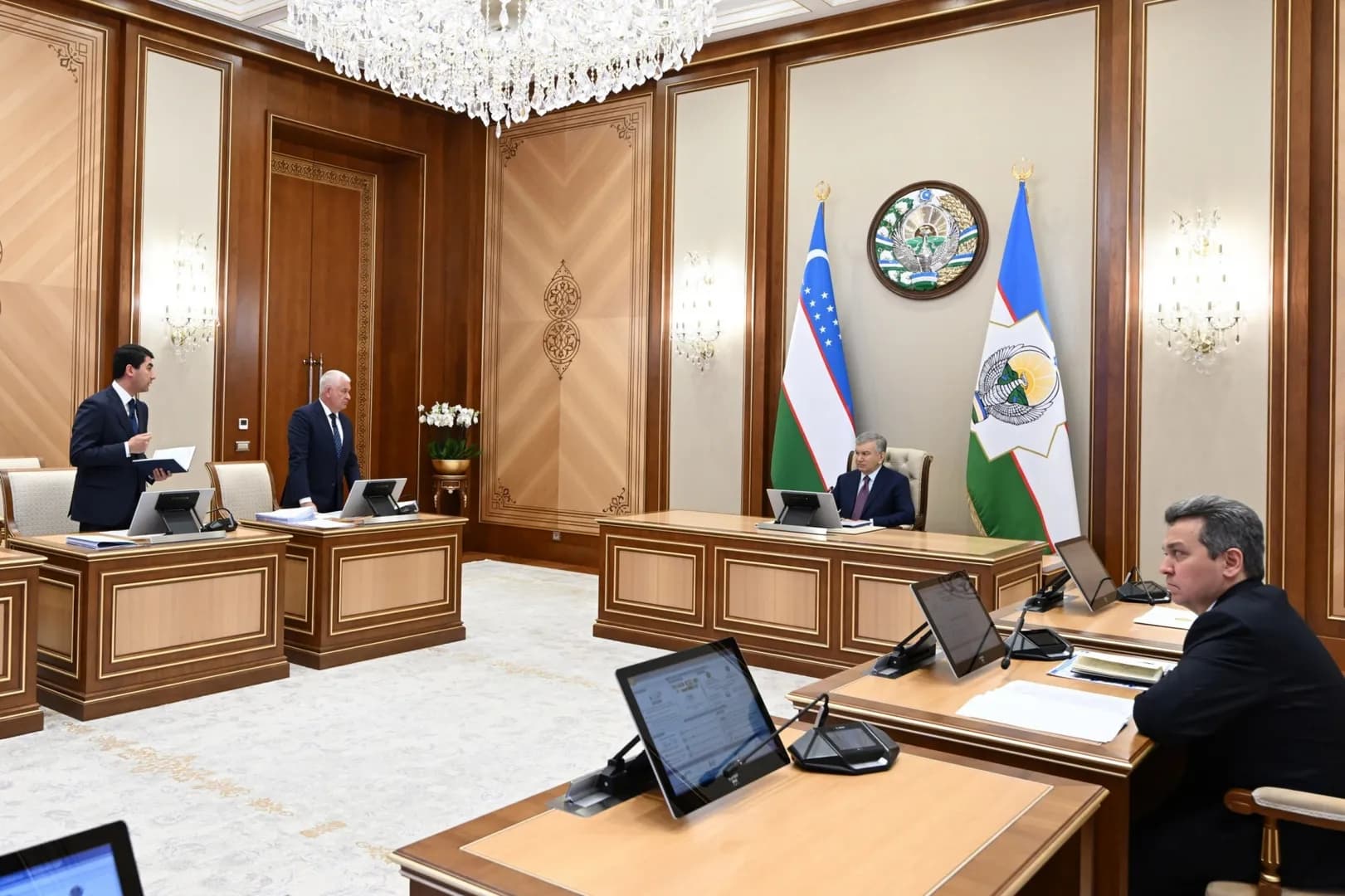
Uzbekistan is modernizing its armed forces through artificial intelligence, drone warfare, cybersecurity, and digital military reforms. Under President Shavkat Mirziyoyev, the country is building a technologically advanced defense structure and moving steadily toward regional power status.
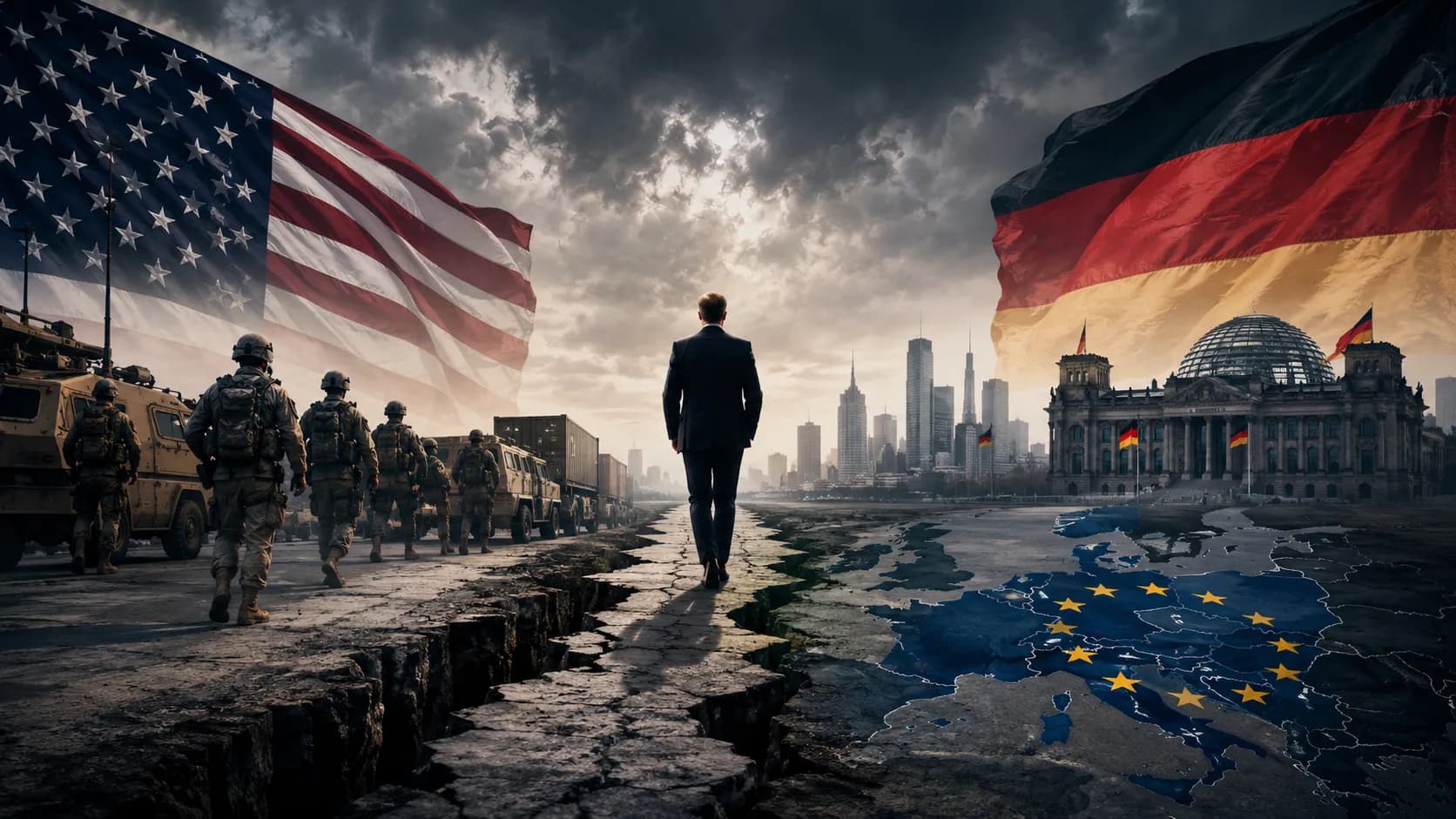
The planned withdrawal of US troops from Germany reflects growing tensions within NATO and uncertainty in transatlantic relations. As Washington questions European alignment with US strategic priorities, Germany increasingly seeks military and political autonomy, signaling a shift toward a more competitive Western order.
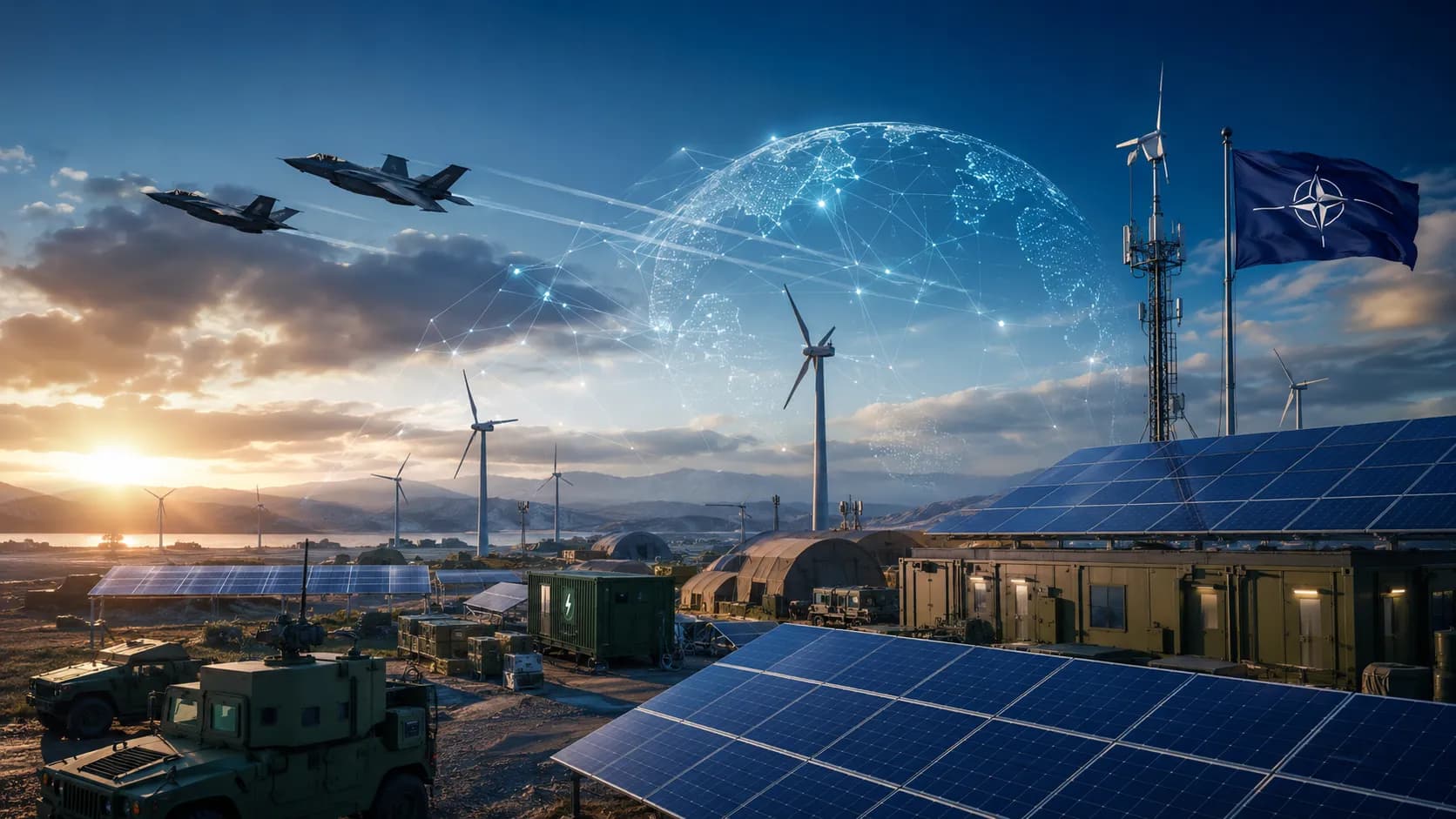
NATO is increasingly viewing renewable energy as a military necessity. European allies seek greater energy independence through solar, hydrogen, and synthetic fuels, while tensions grow with U.S. fossil fuel policies. Energy security is becoming central to future warfare.
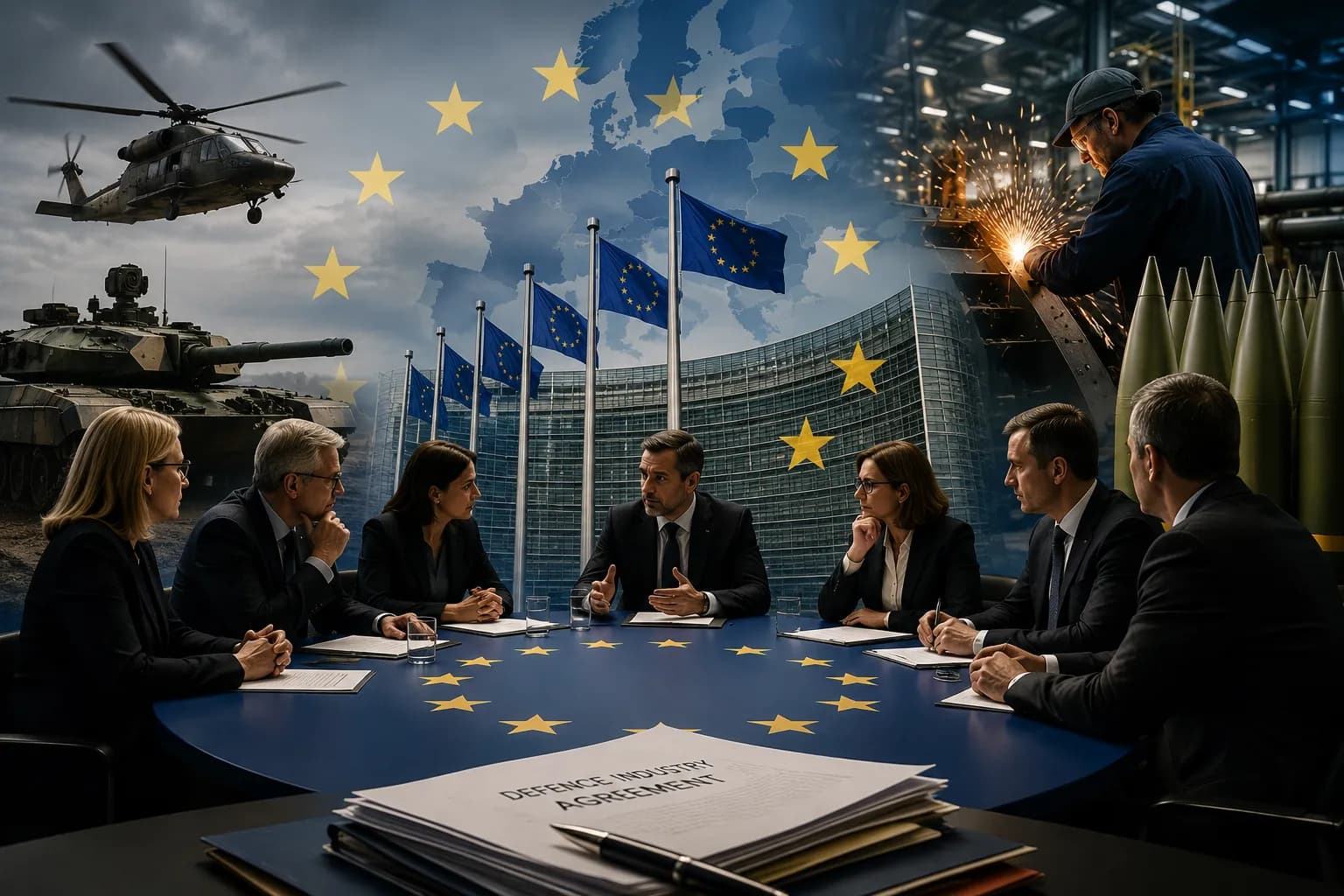
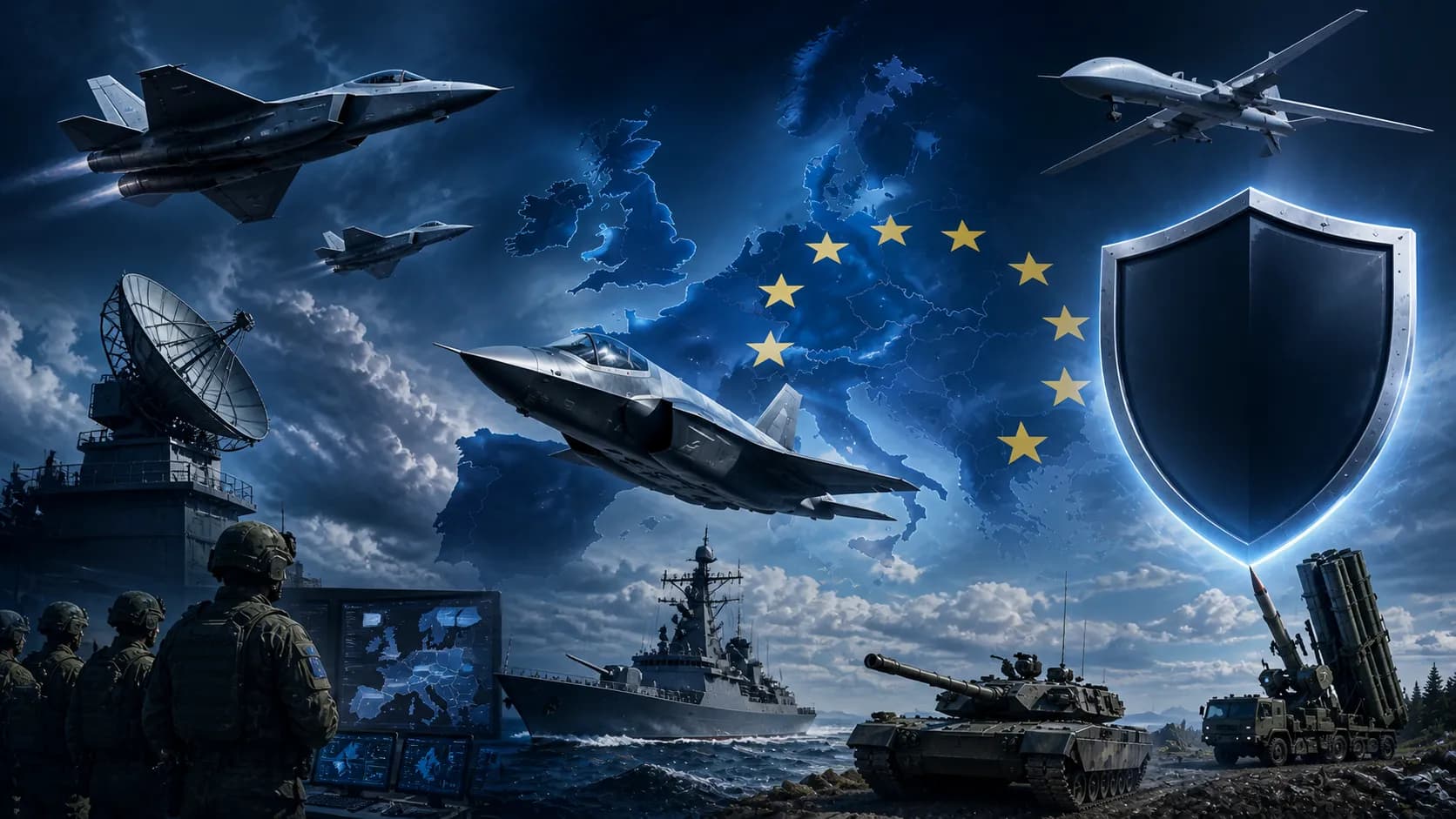
Europe could achieve defense sovereignty through €50 billion annual investment. The report highlights major dependence on the U.S. and calls for transformation in command systems, autonomous weapons, air defense, and other critical military technologies.
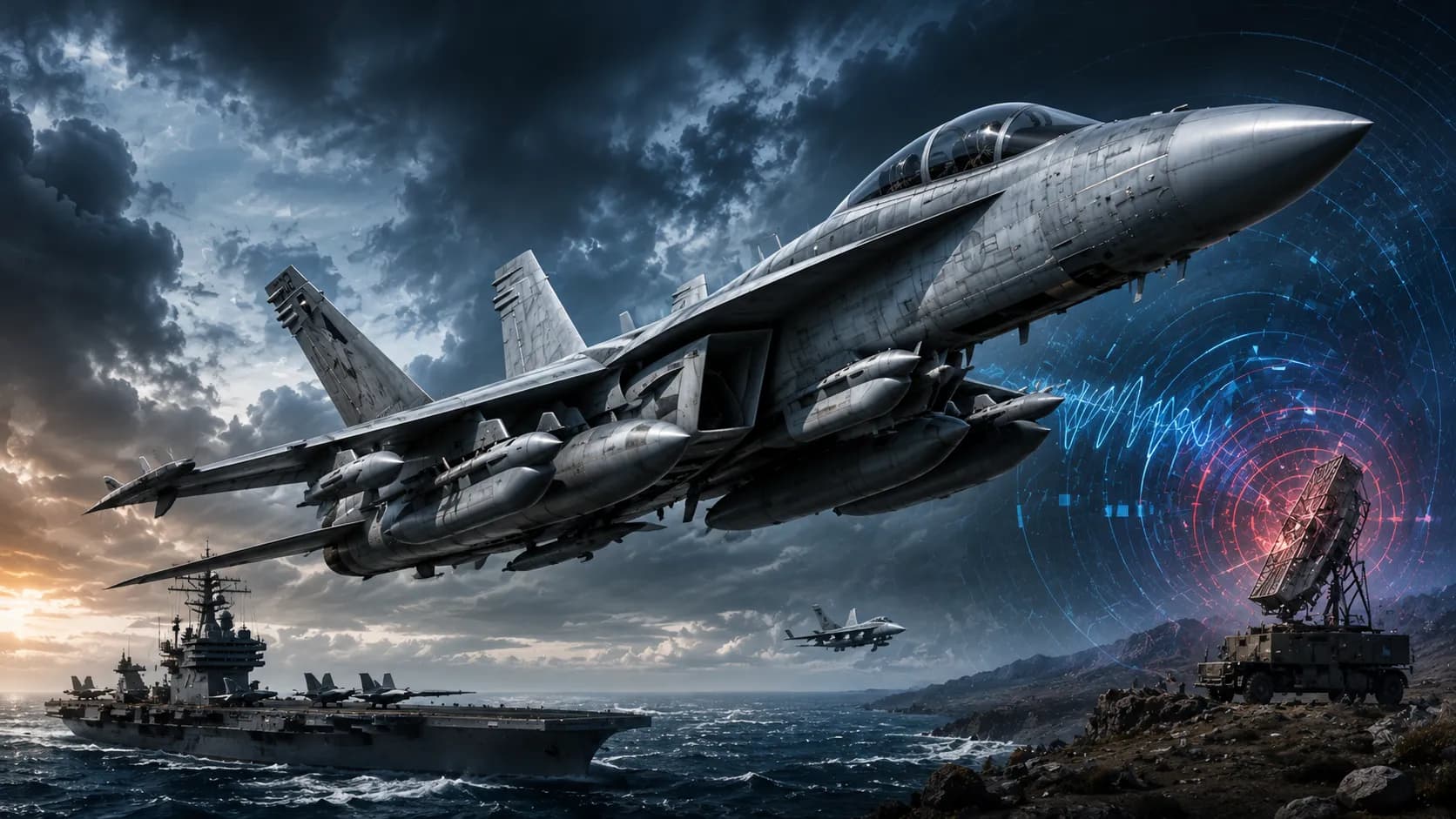
The EA-18G Growler is becoming central to U.S. electronic warfare strategy, increasingly used in real operations. Upgraded jamming systems and AI integration enhance its ability to suppress enemy air defenses, making it a key invisible strike asset in modern air combat.
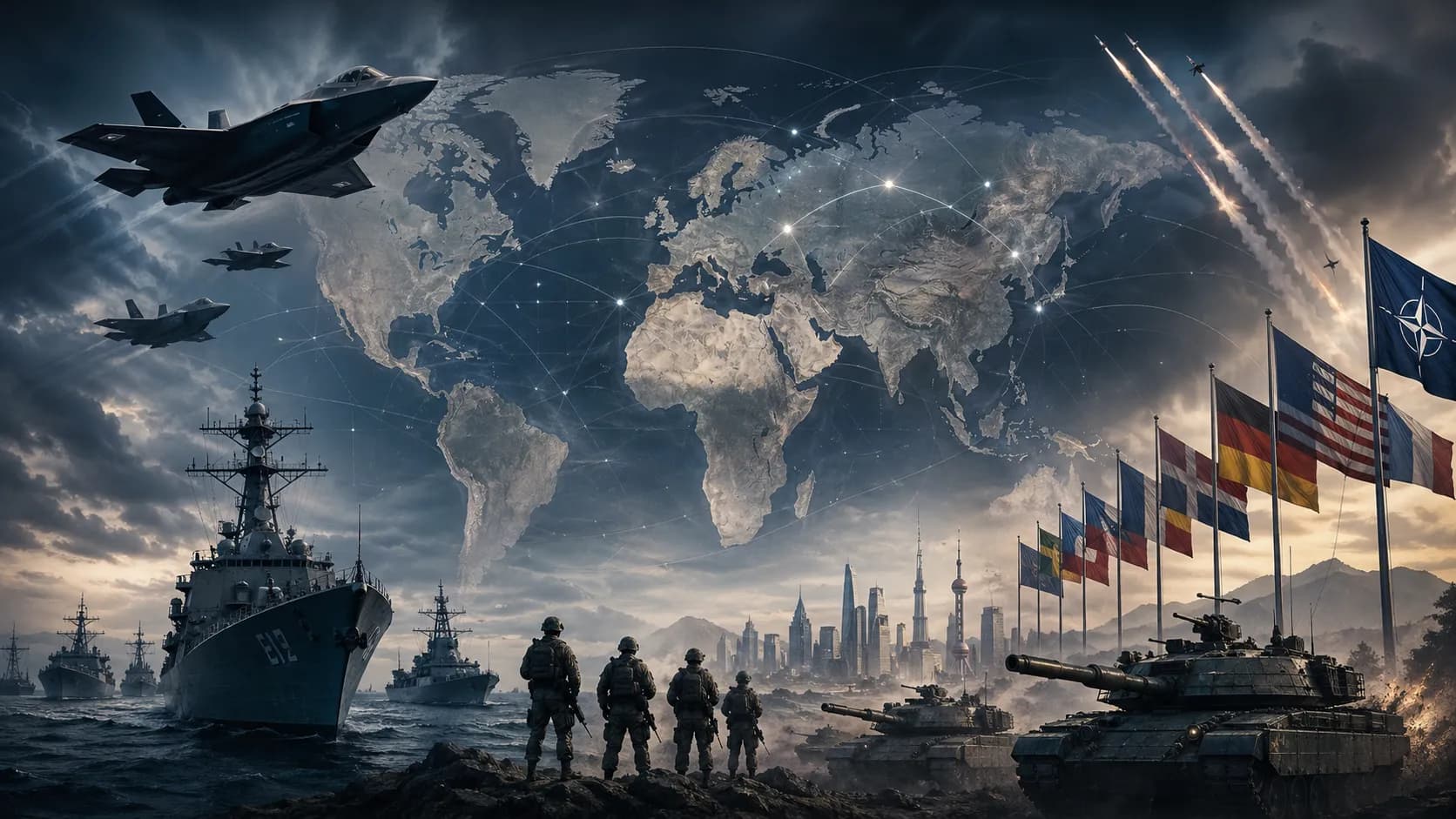
Global military spending hit a record $2.9 trillion in 2025. Europe led growth through rearmament, Asia-Pacific spending rose amid China tensions, and the Russia-Ukraine war sustained high budgets. Defense competition and strategic uncertainty continue to shape global security dynamics.
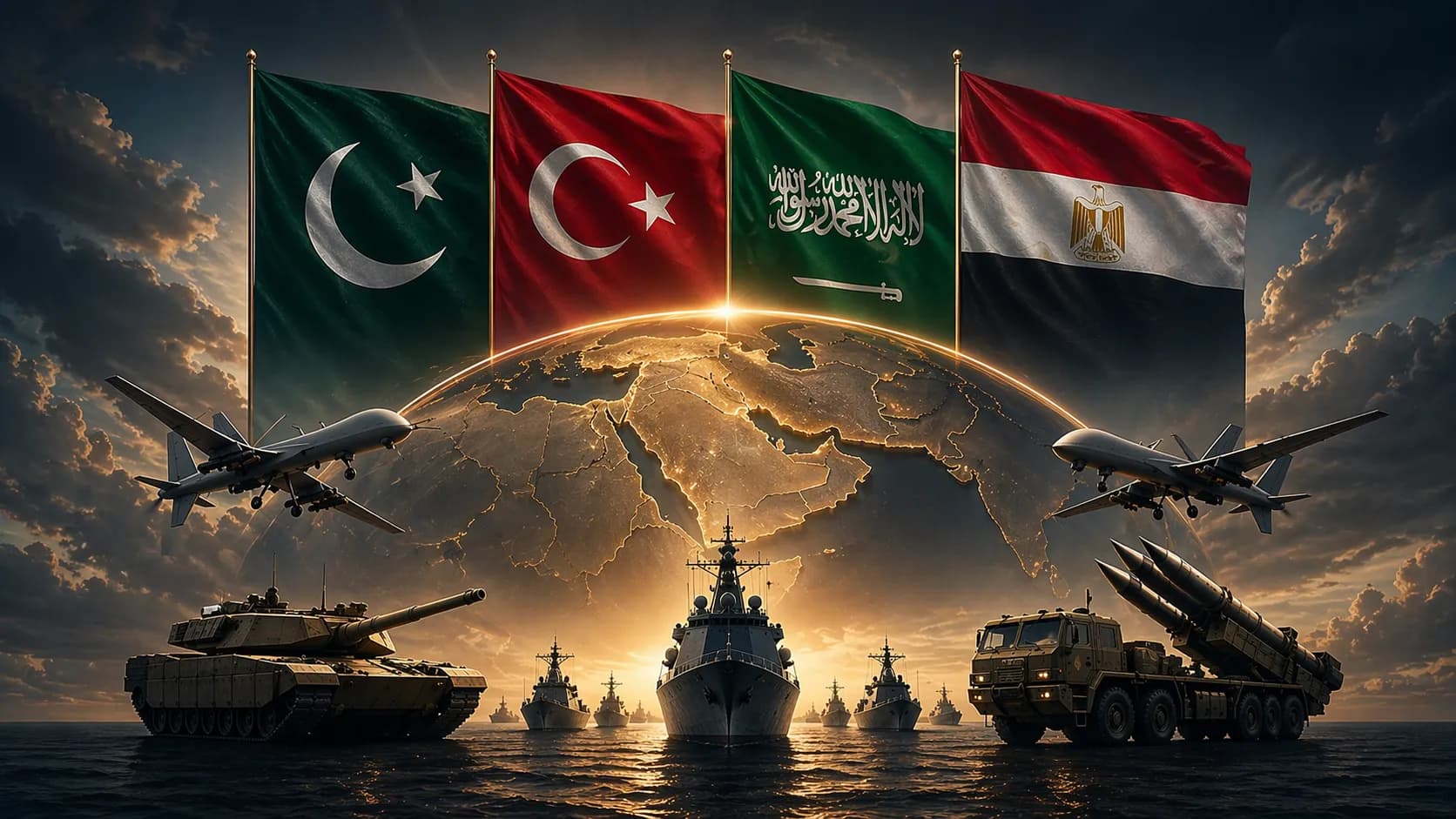
Pakistan, Türkiye, Saudi Arabia, and Egypt have shown potential to form a regional security bloc after mediating the US-Iran crisis. While they aim to reshape the regional order through military, economic, and diplomatic cooperation, structural and political challenges make its permanence uncertain.
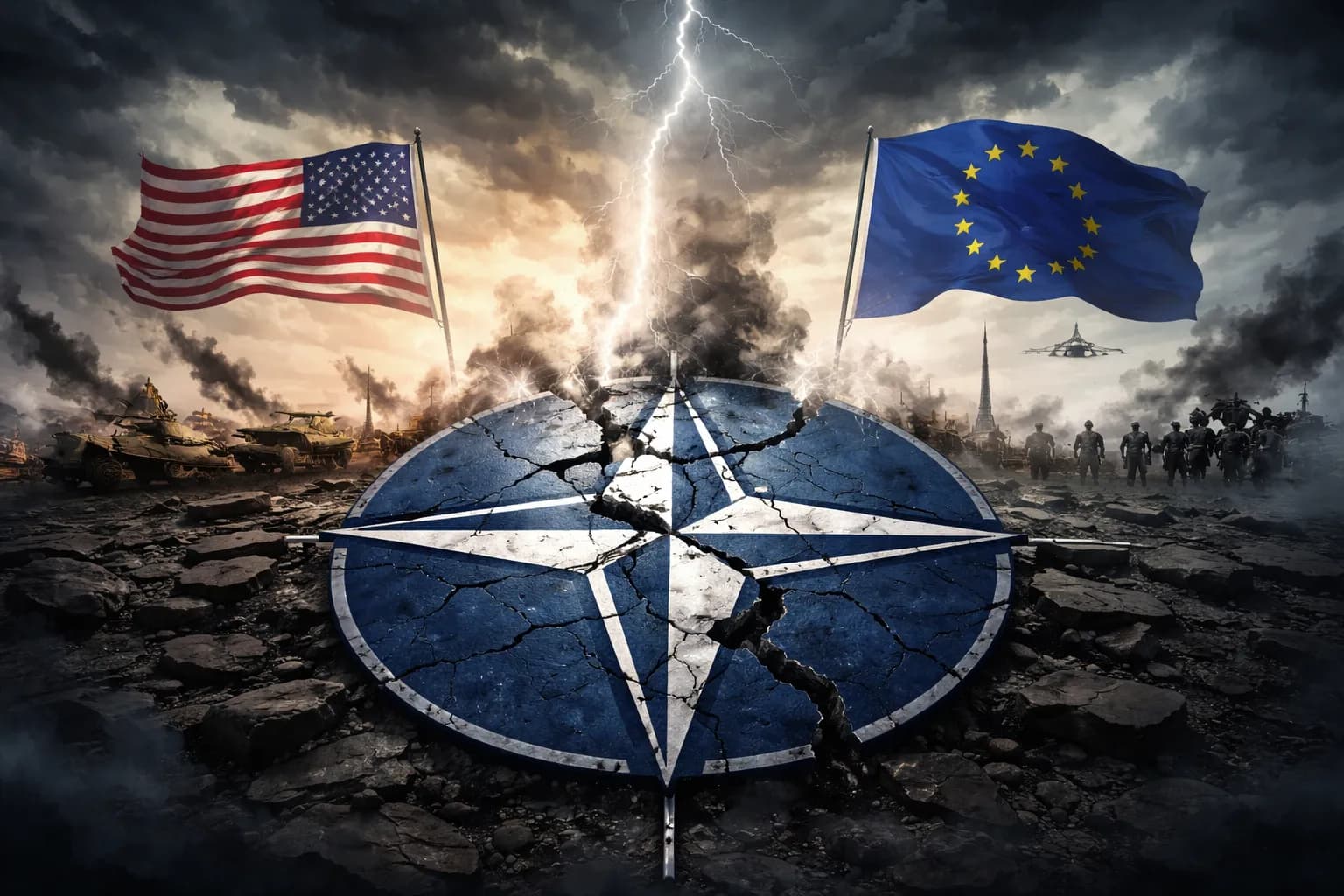
The U.S.-Iran war exposed deep fractures within NATO. European states refused to fully support Washington, intensifying a crisis of trust inside the alliance. U.S. pressure and Europe’s push for strategic autonomy are turning NATO into a weaker organization that exists more on paper than in practice.
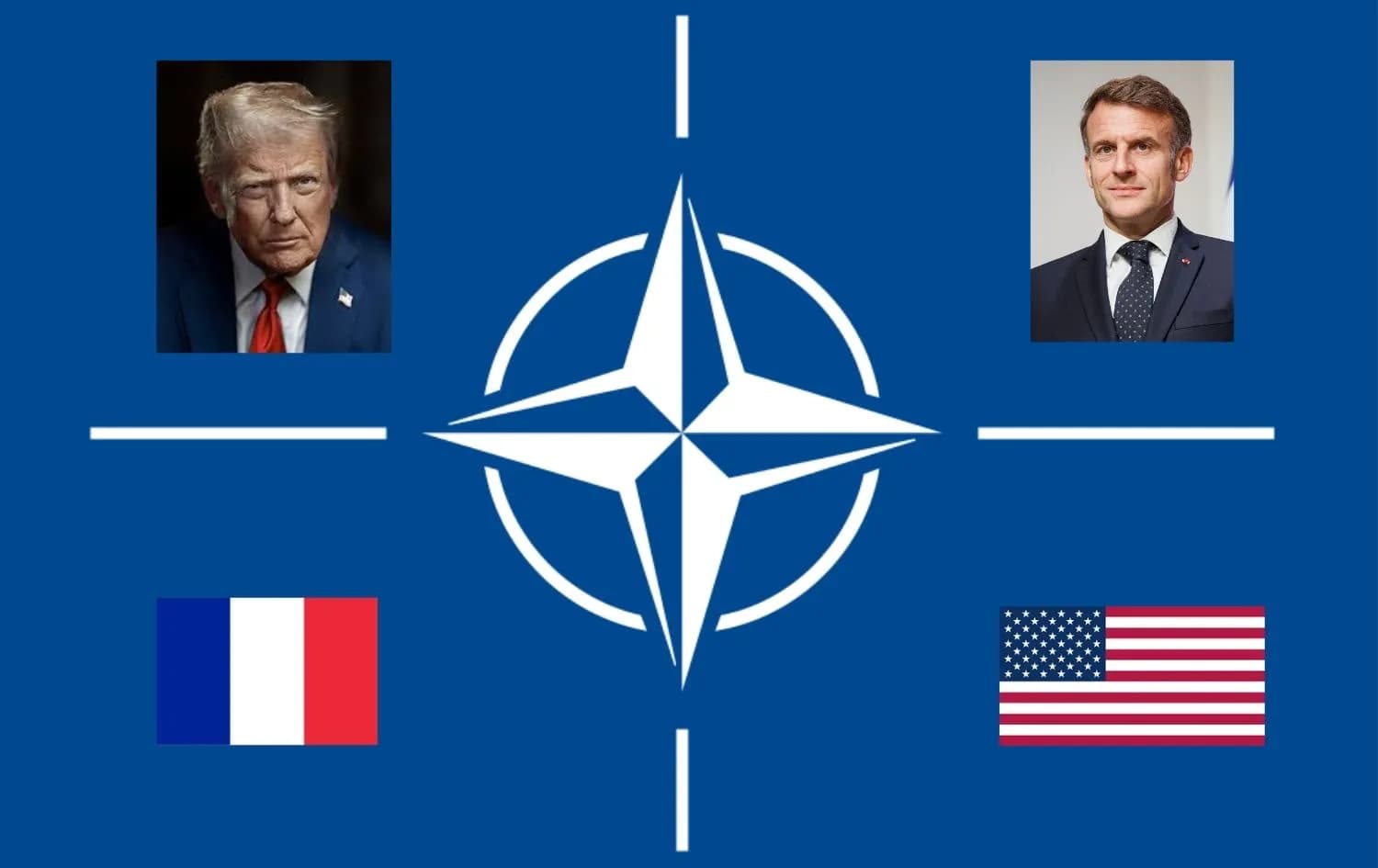
Emmanuel Macron, during a visit to South Korea, criticized Donald Trump’s inconsistent messaging on the Iran war. He stressed that conflicts require seriousness and reaffirmed trust as a core value of NATO.
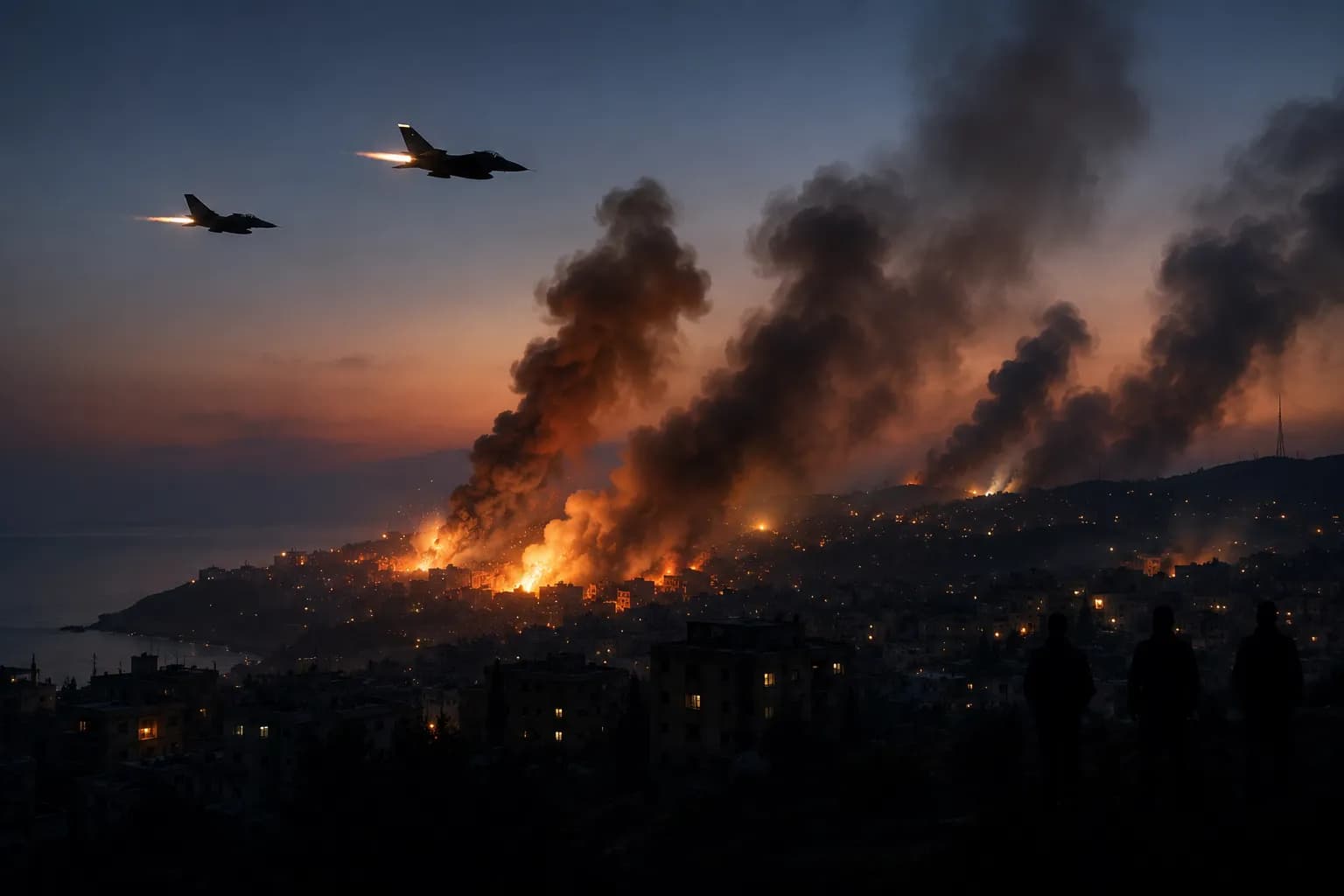
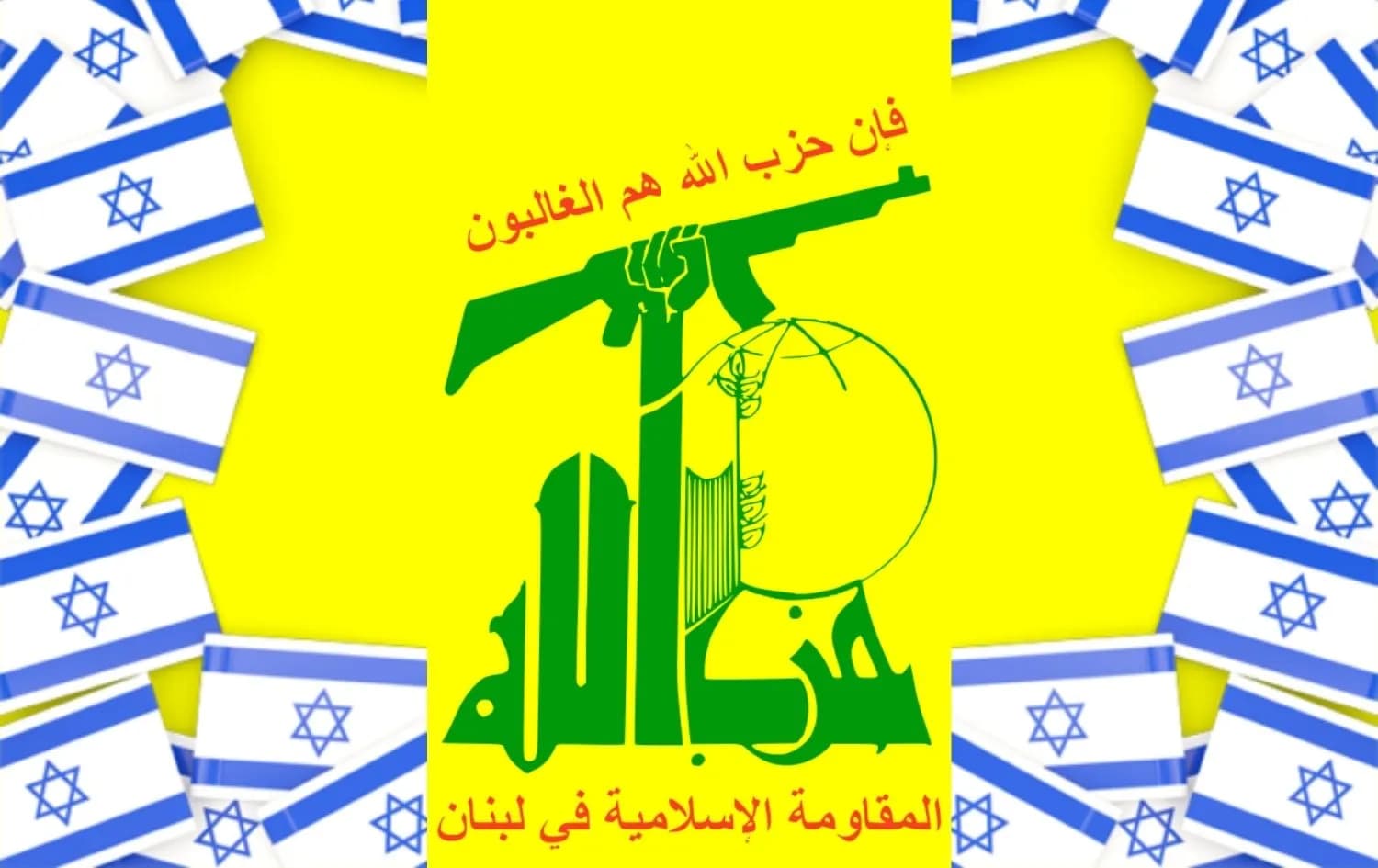
The Israel–Hezbollah conflict reflects the intersection of security strategies and ideological narratives shaping regional instability. State security doctrines, identity politics, and struggles for international legitimacy contribute to the persistence and complexity of conflict dynamics in the Middle East.