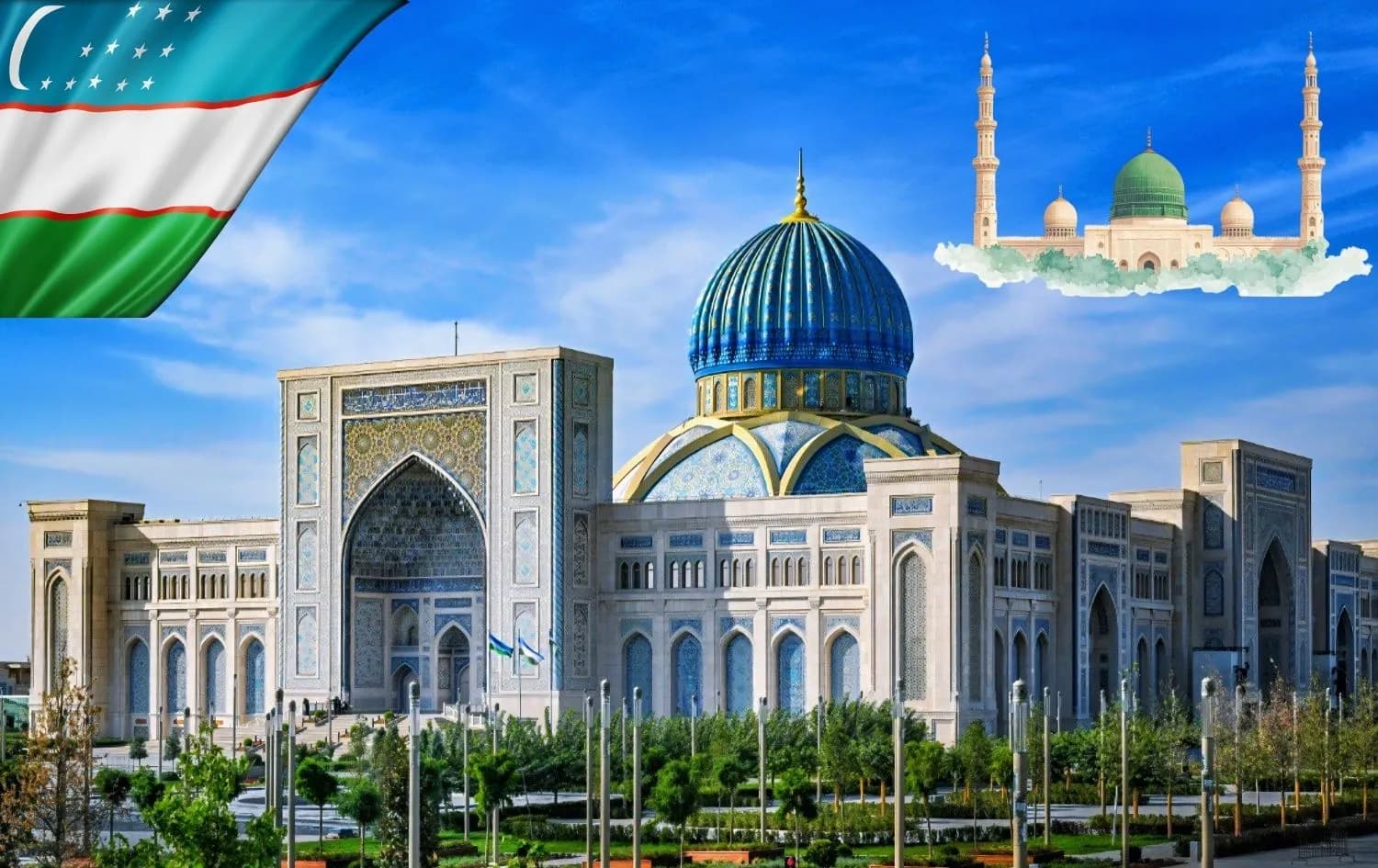
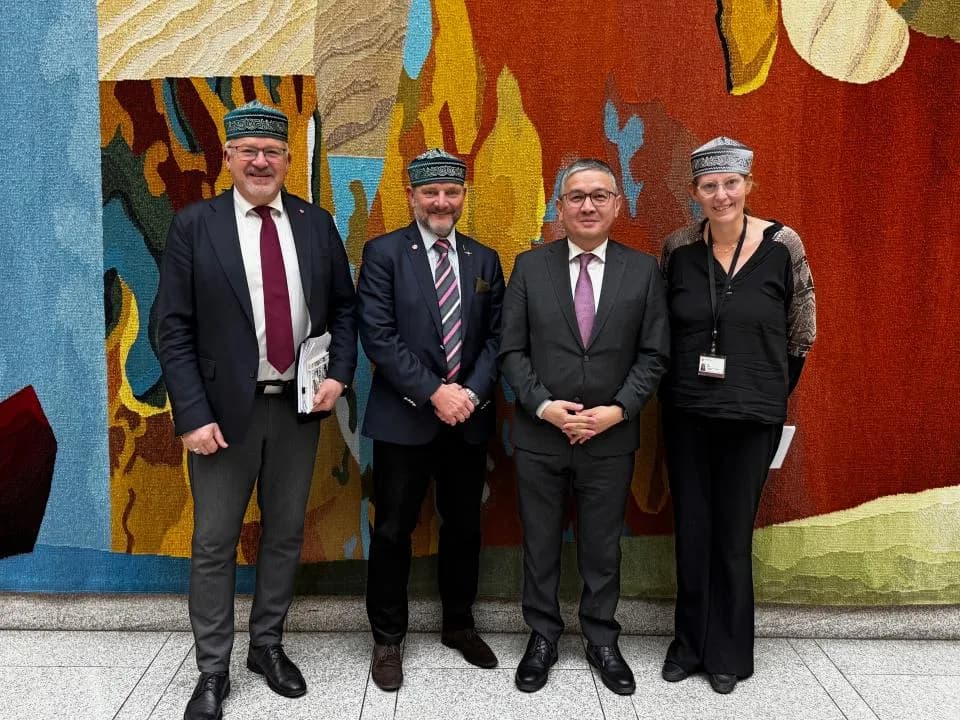
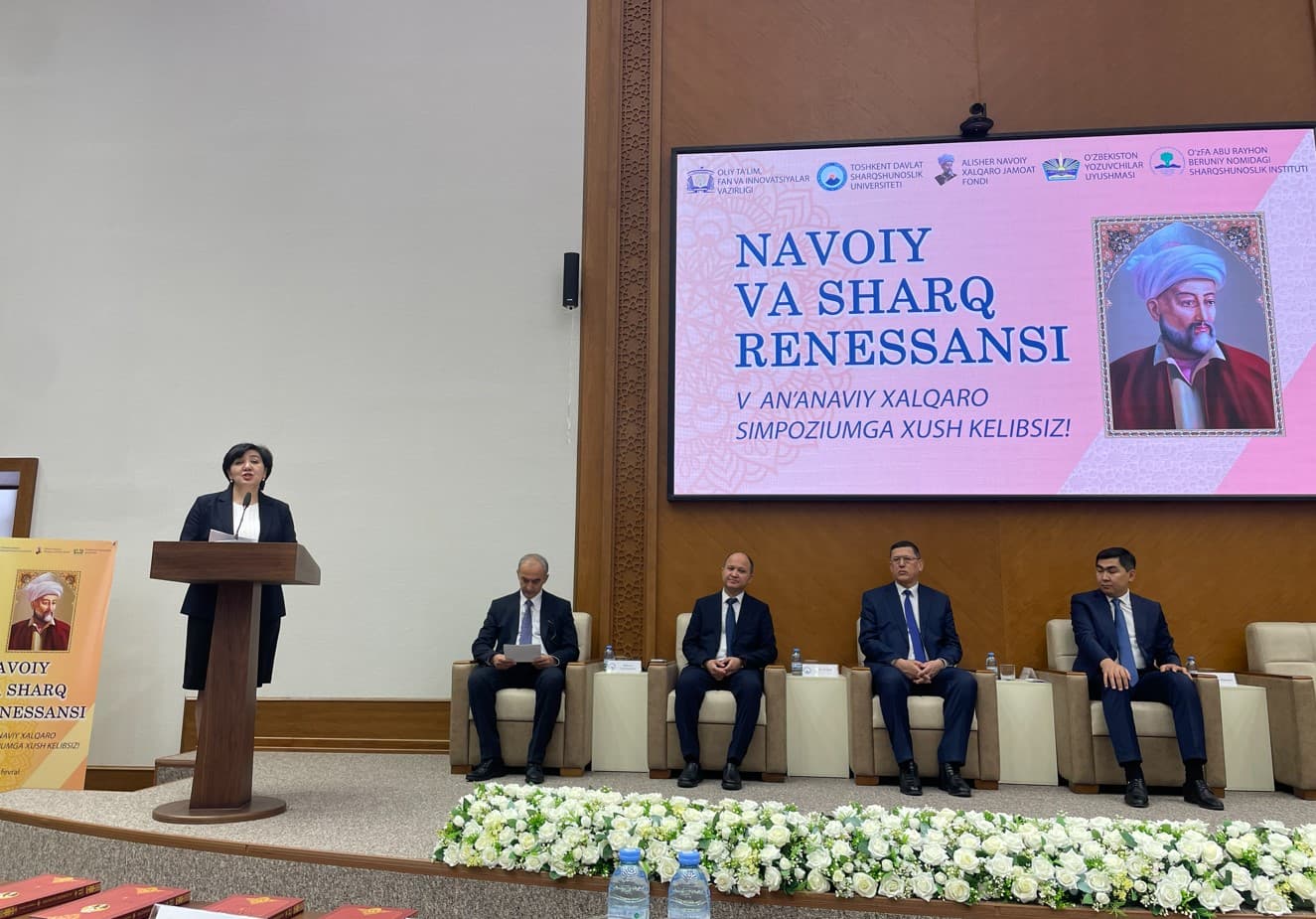
he Center of Islamic Civilization in Tashkent is a major project of New Uzbekistan aimed at showcasing the humanistic values of Islam and the scientific heritage of Central Asia. Combining modern technology, rare manuscripts, and research facilities, it is designed as both a museum and a global intellectual hub.
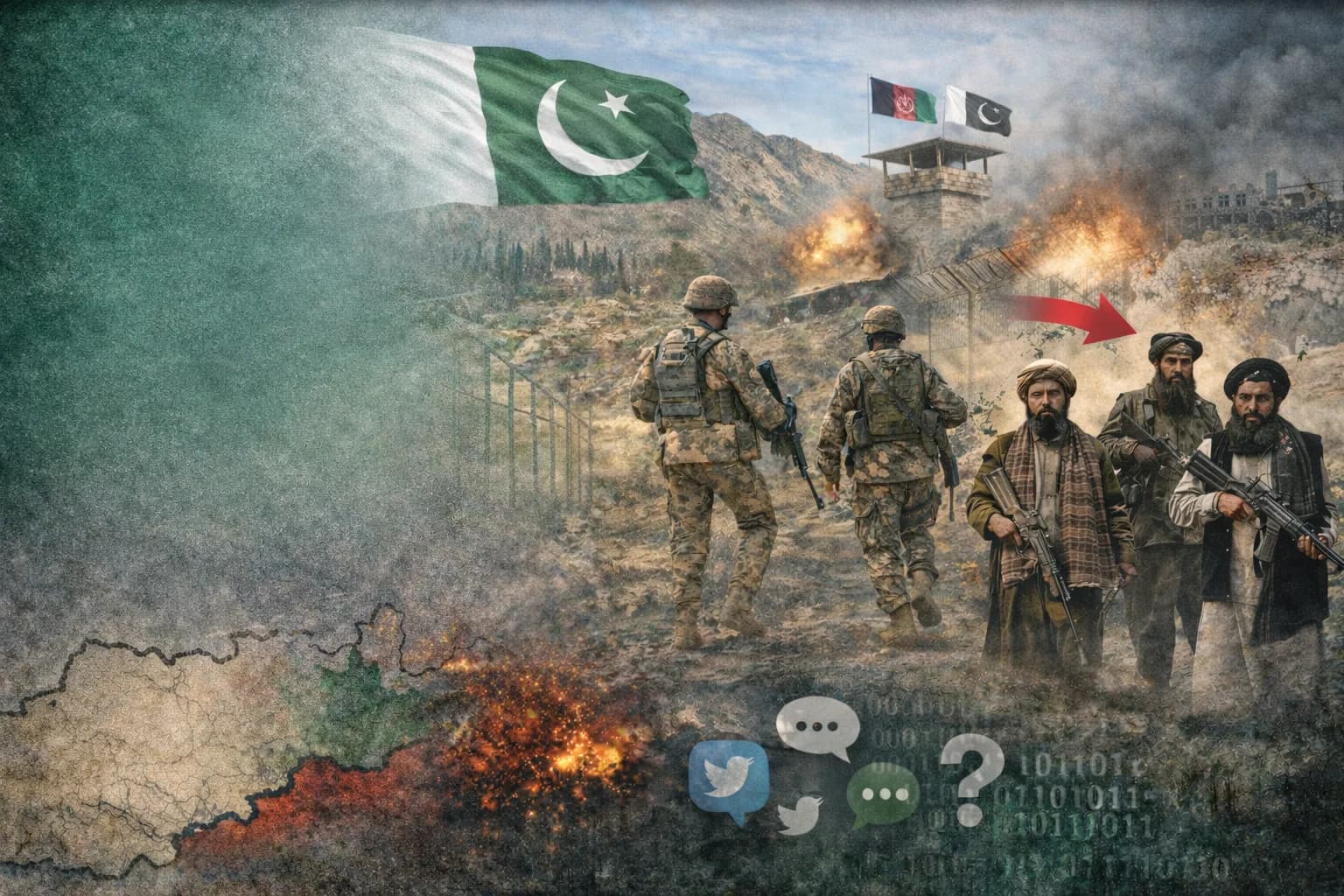
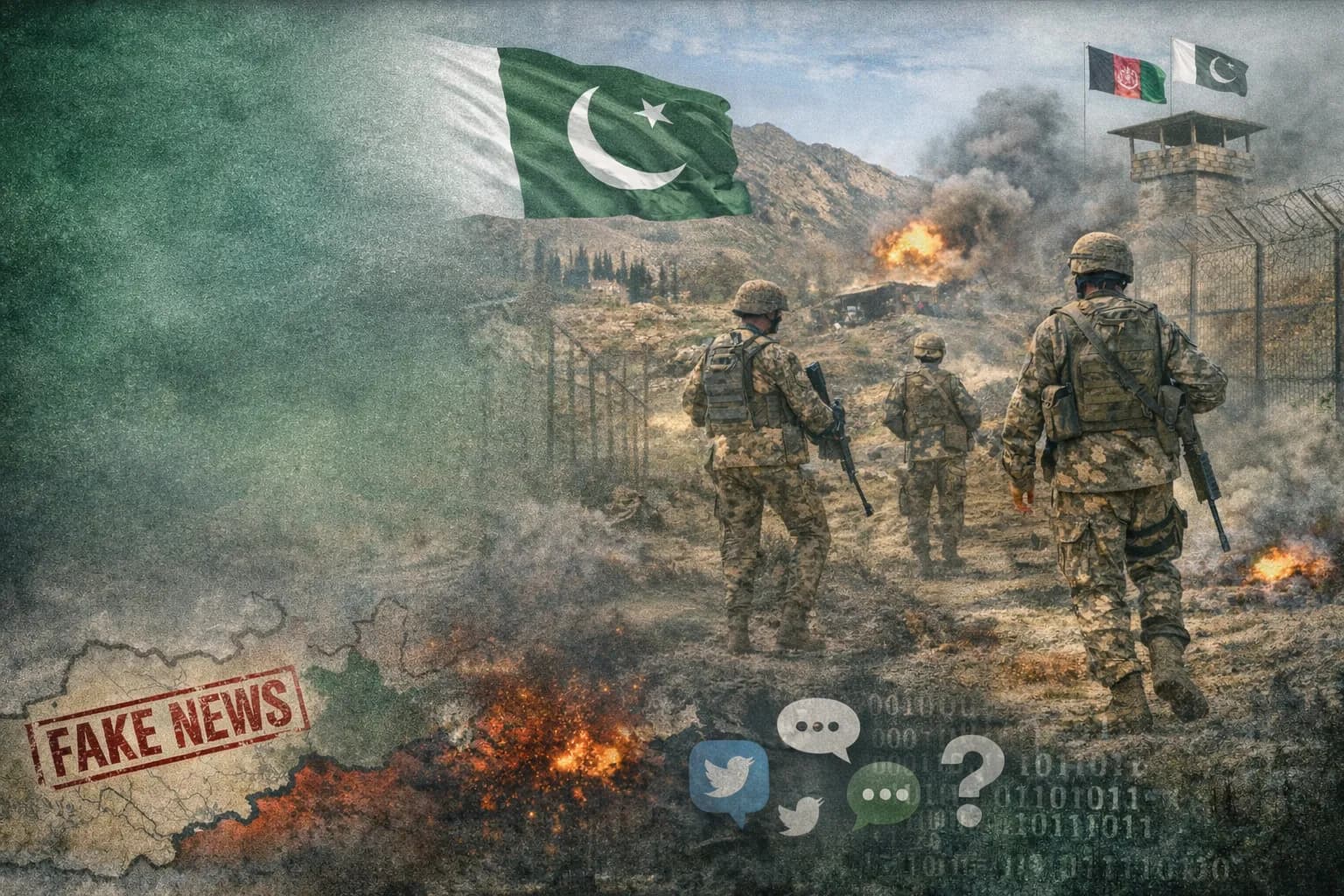
Pakistan’s Information Minister Attaullah Tarar condemned the Taliban for human rights abuses, cross-border terrorism, and repression. He stressed Pakistan’s commitment to sovereignty and urged the international community to address ongoing violations in Afghanistan.
Pakistan’s Information Minister Attaullah Tarar described claims about recent Pakistan–Afghanistan border incidents as disinformation, stressing that Pakistan will defend its sovereignty while remaining committed to regional peace and stability.
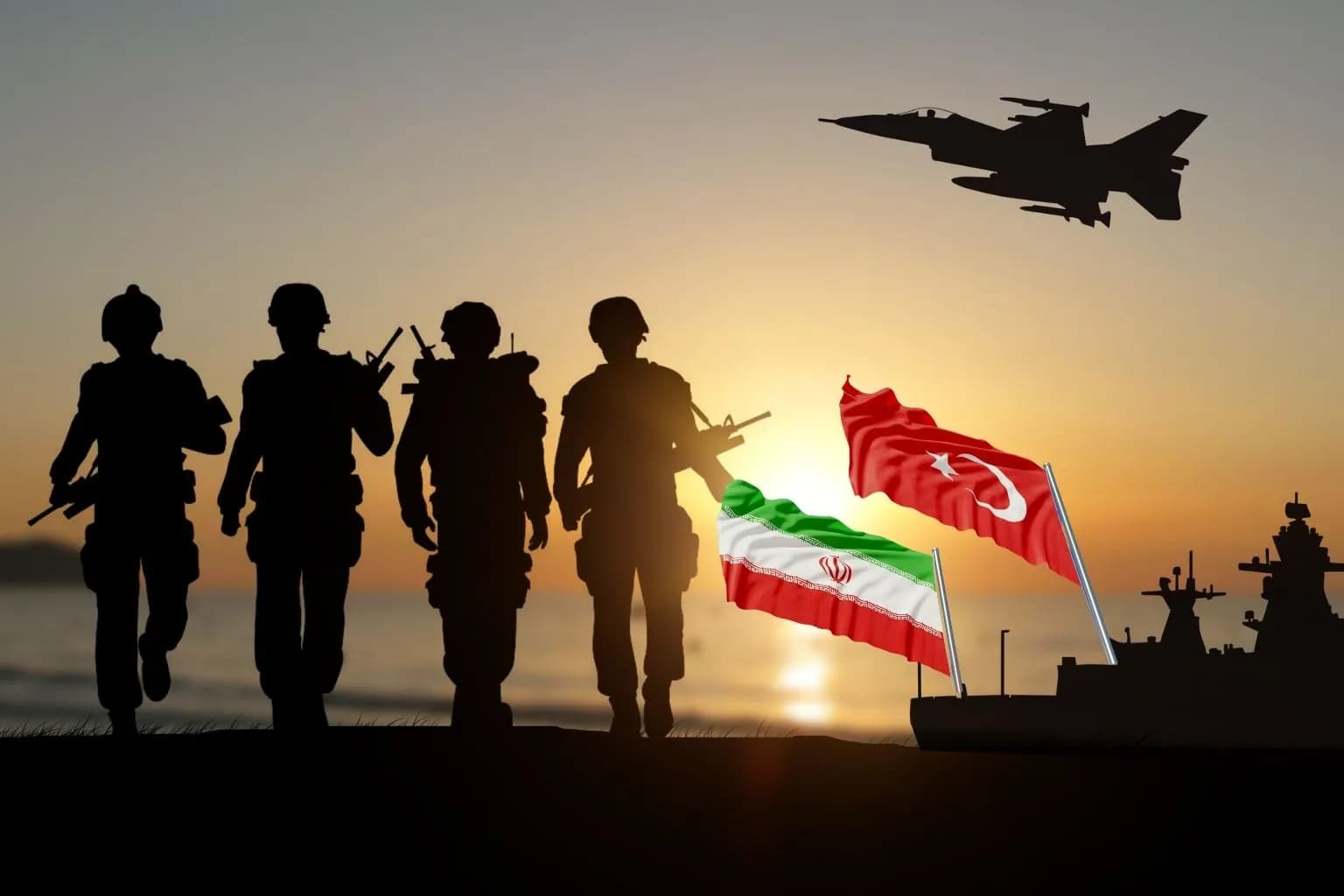
Turkey’s Presidency of Communications’ Center for Combating Disinformation (DMM) officially denied claims that Turkey would join a U.S.–Iran military conflict, emphasizing adherence to international law, respect for neighboring countries’ sovereignty, and a defensive security policy.
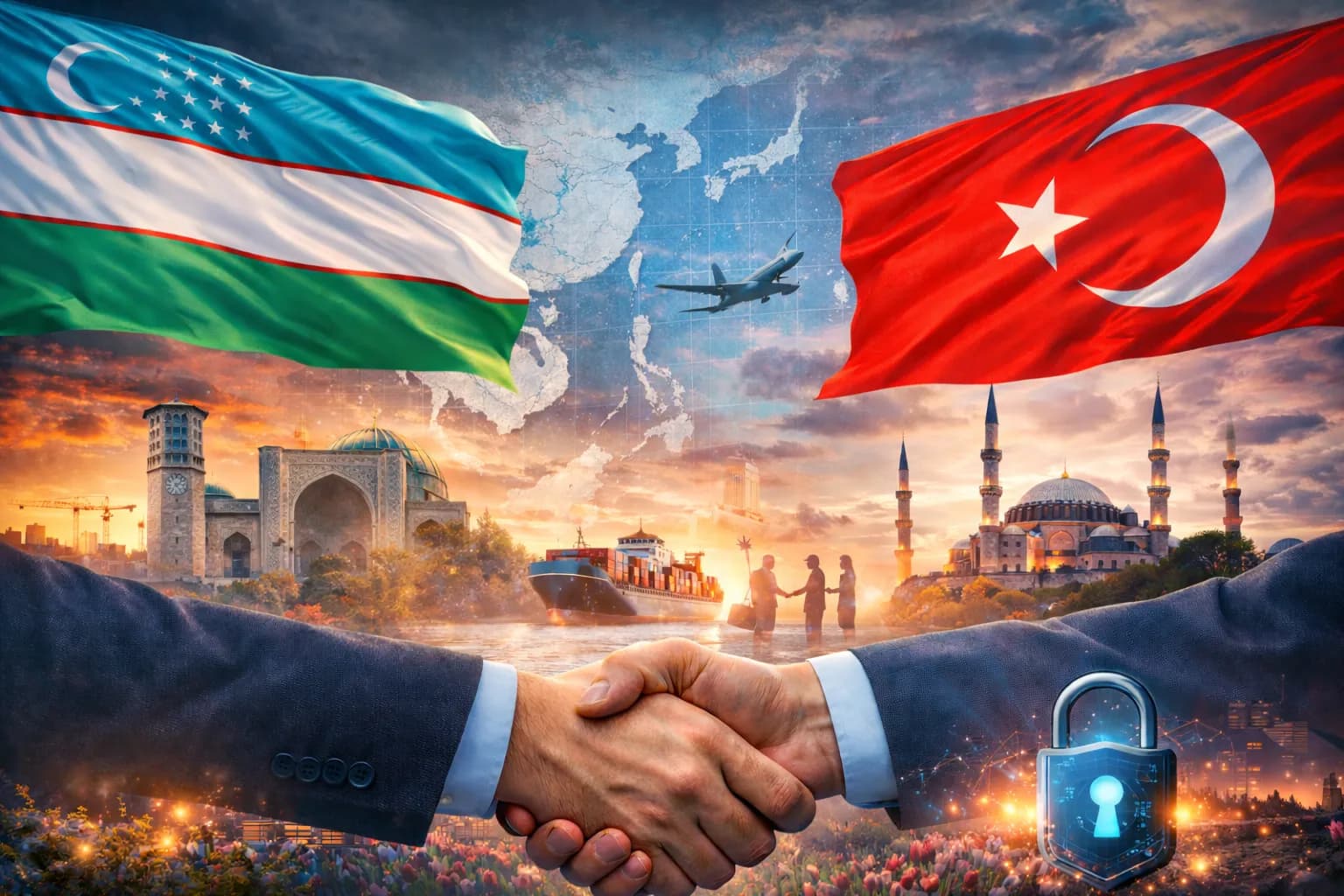
Relations between Uzbekistan and Turkey have evolved into a comprehensive strategic partnership based on trust and political will at the leadership level. Public diplomacy and sister-city cooperation strengthen people-to-people ties, ensuring the sustainability of political, economic, and cultural relations.
Uzbekistan has successfully ensured peace and interethnic harmony within its multinational society since independence. Its strategic partnership with Türkiye, based on deep historical and cultural ties, continues to strengthen through economic reforms, investment, cultural cooperation, and collaboration within the Organization of Turkic States.
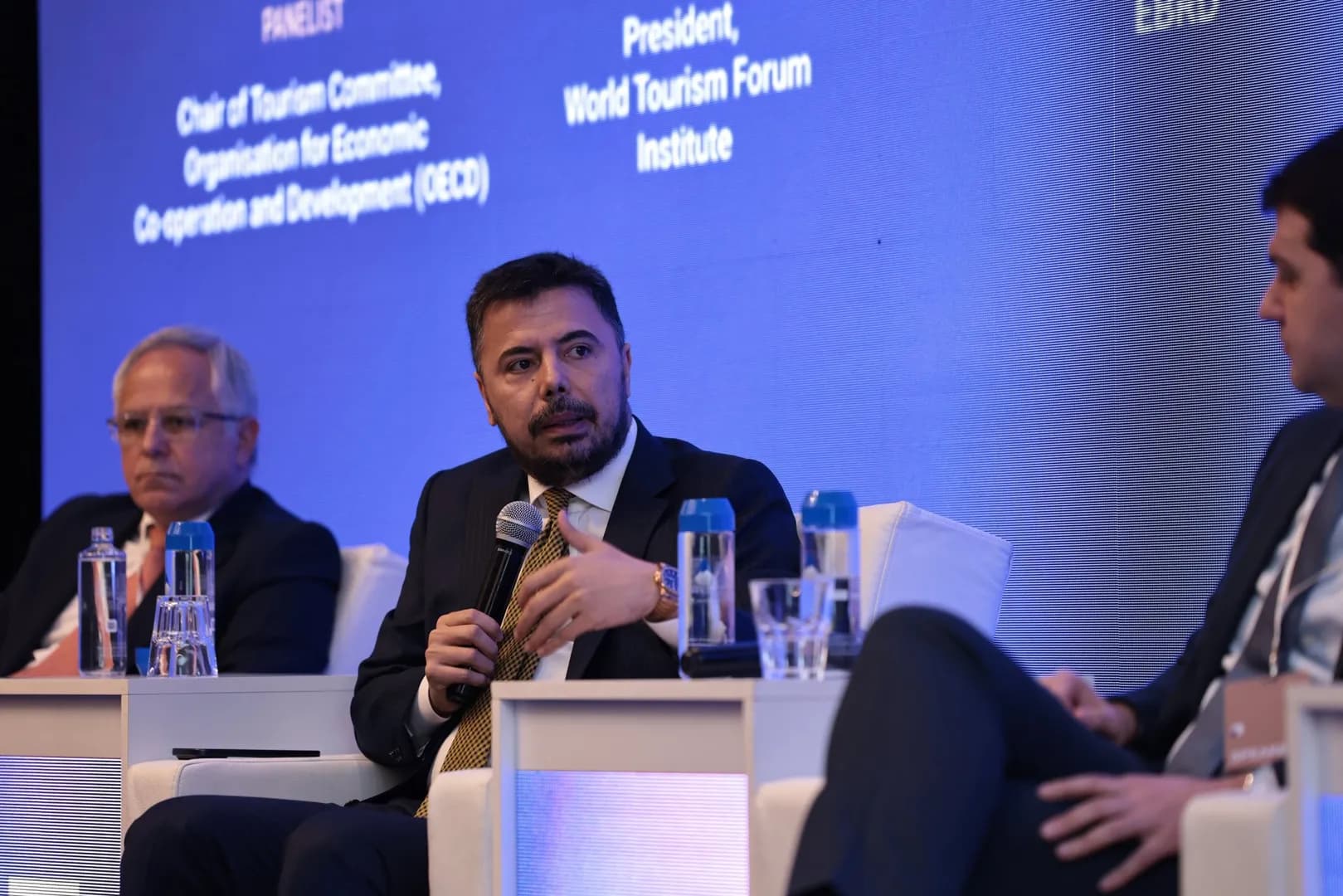
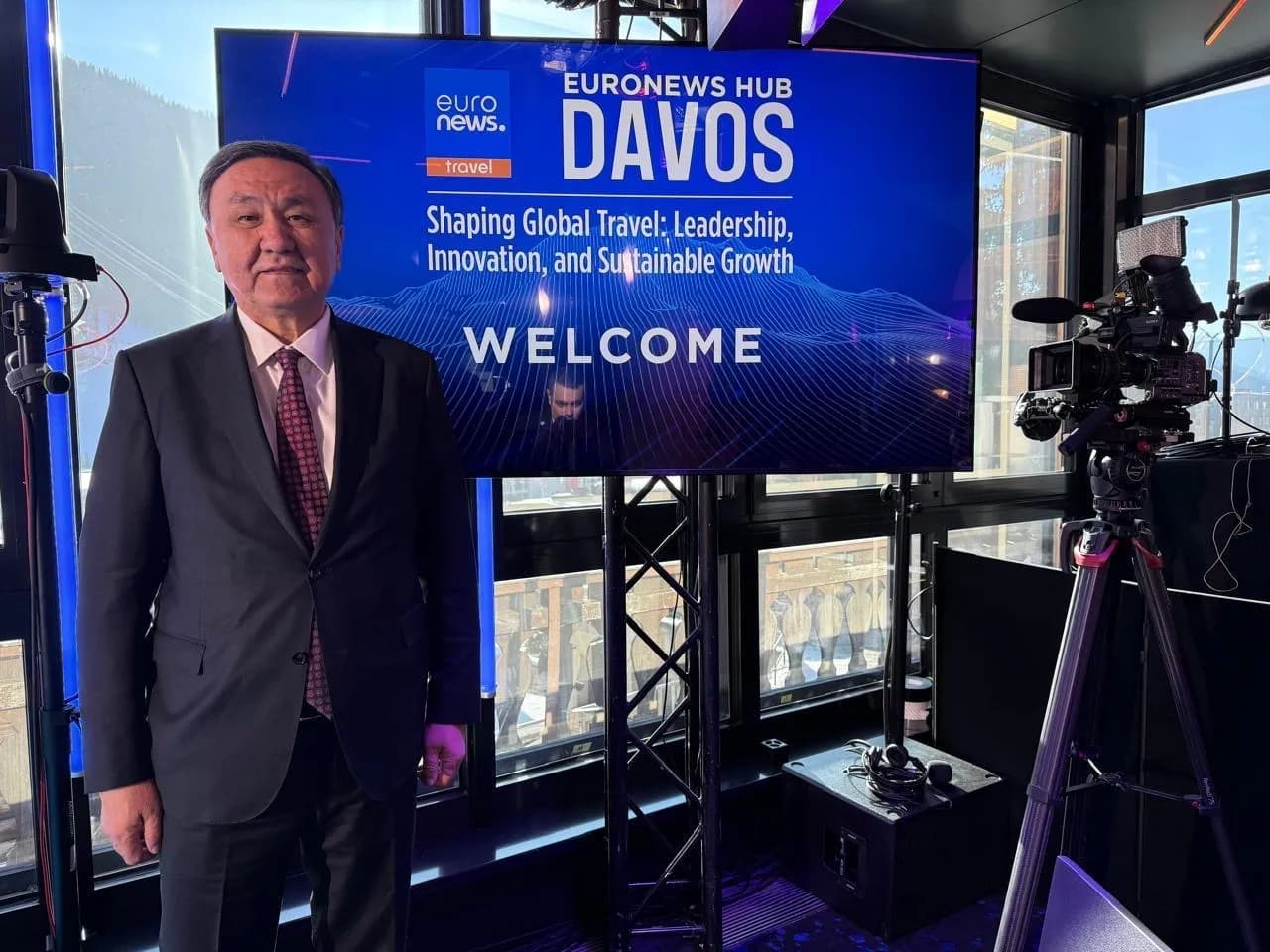
At the Global Tourism Forum Davos 2026, H.E. Ambassador Kubanychbek Omuraliev, Secretary General of the Organization of Turkic States (OTS), placed tourism at the center of global strategic thinking, presenting it as a powerful instrument of soft power and diplomatic capital. Speaking during World Economic Forum Week, he articulated how the Turkic world’s shared geography, history, and economic momentum position tourism as a driver of connectivity, trust, and regional integration. The OTS vision reframes tourism not as a standalone sector, but as a pillar of economic resilience, cultural diplomacy, and geopolitical relevance. Hosted in Davos under the WEF theme “A Spirit of Dialogue,” the Forum elevated tourism into the sphere of global decision-making, highlighting its growing role in shaping international cooperation.
BY DANA OMIRGAZY //
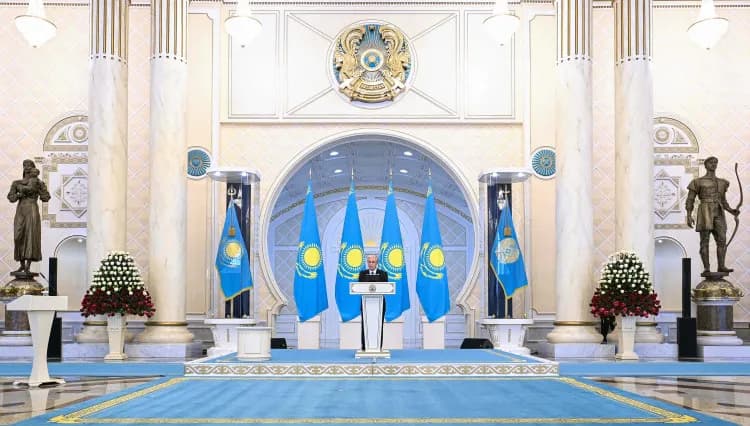
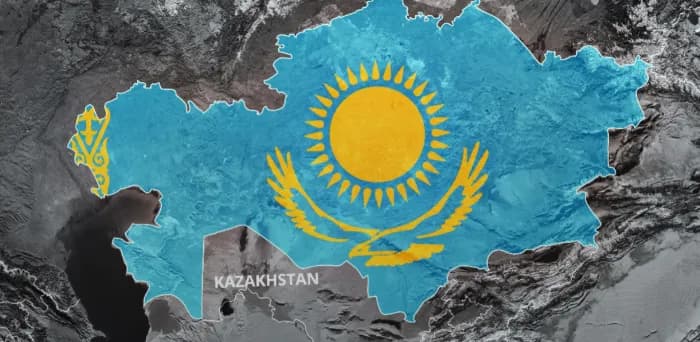
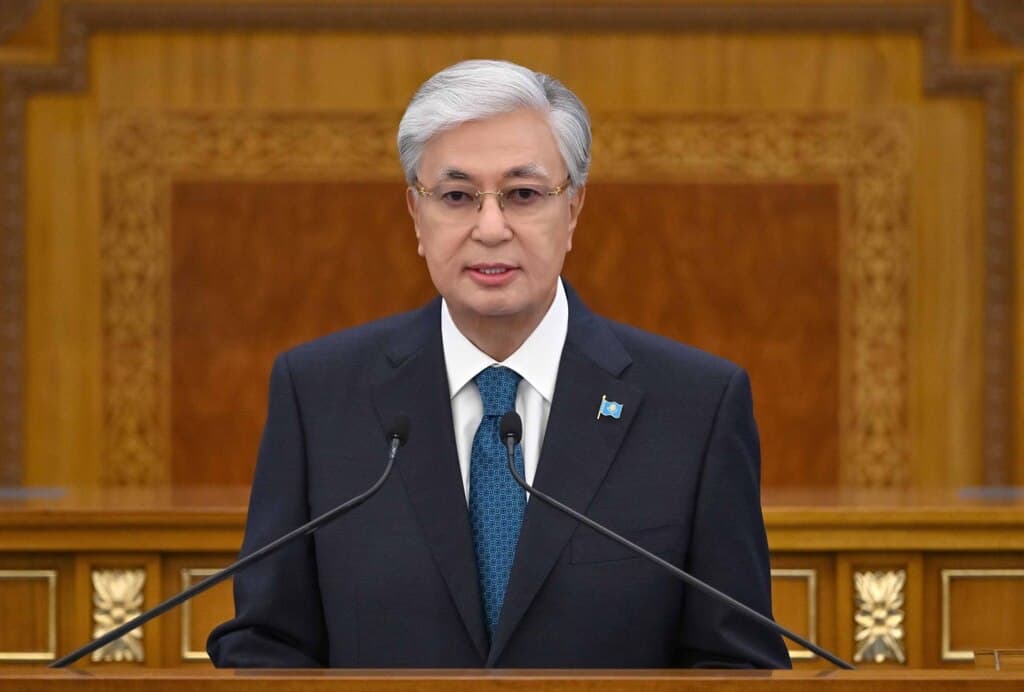
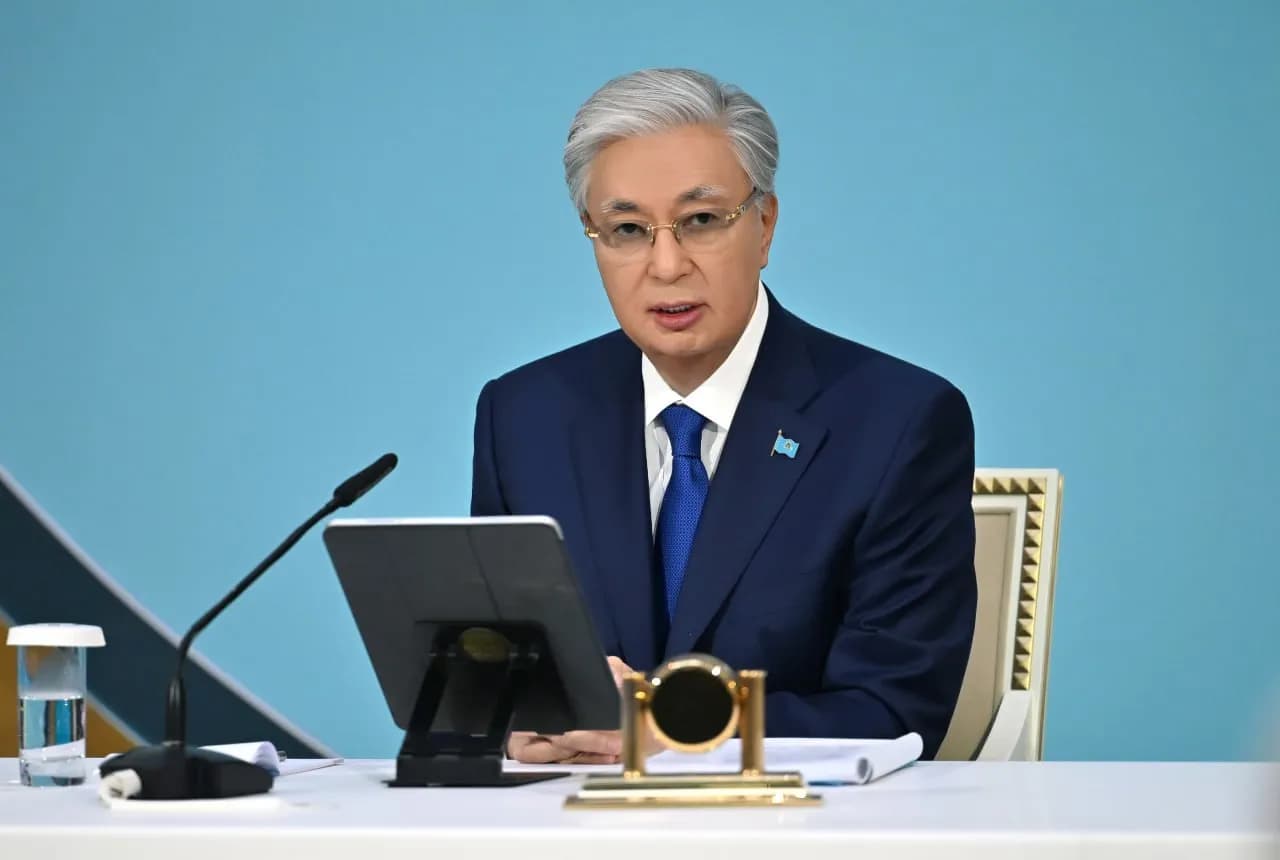
ASTANA – President Kassym-Jomart Tokayev outlined Kazakhstan’s ongoing political reforms, foreign policy priorities, and digital transformation agenda during the National Kurultai (Congress) in Kyzylorda on Jan. 20, stressing national unity amid global uncertainty.
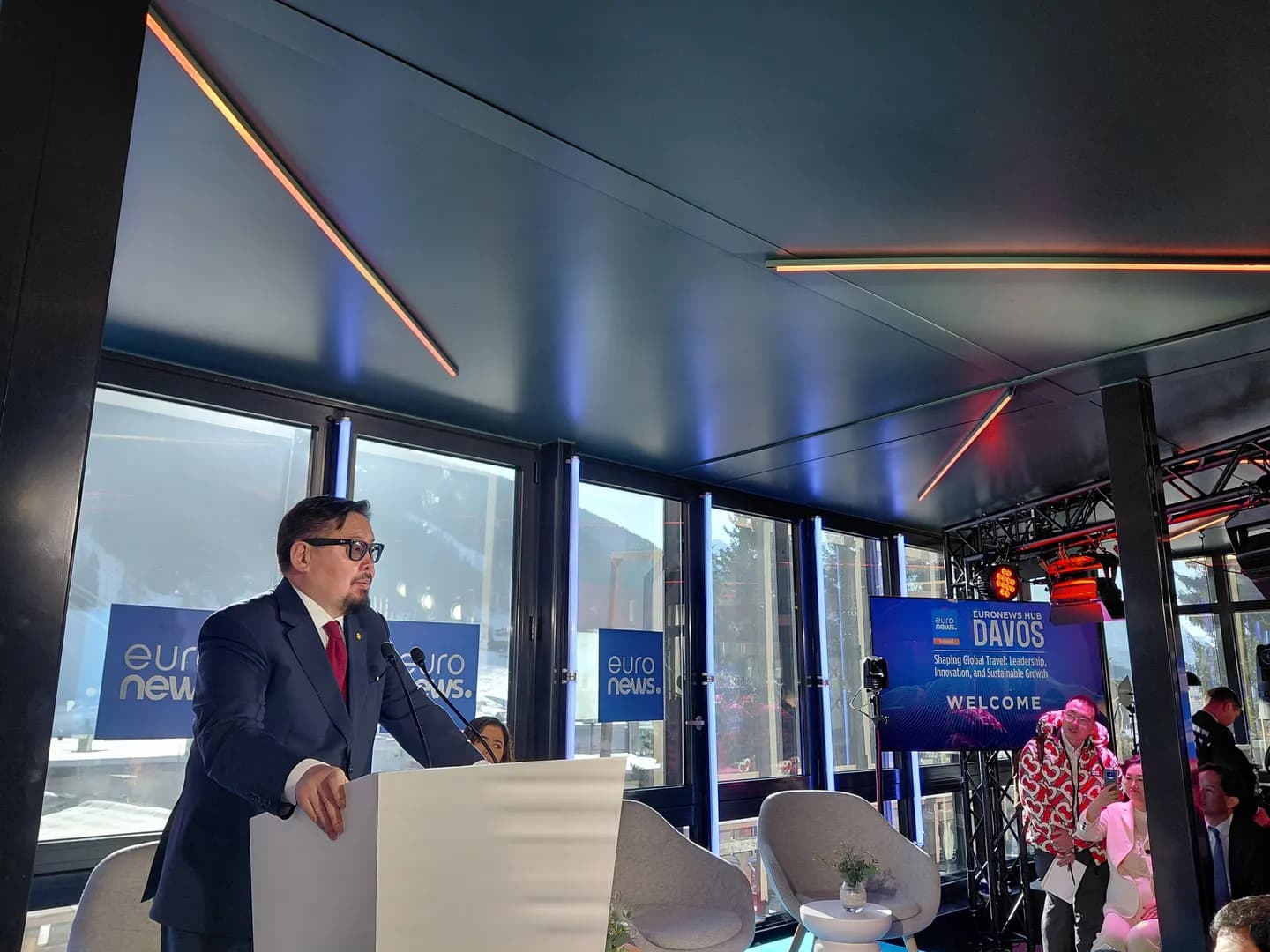
Mongolia underscored tourism as a strategic pillar of economic diversification and diplomacy at the Global Tourism Forum Davos 2026, with Prime Minister Gombojavyn Zandanshatar highlighting growth, sustainability, and global engagement as key priorities.
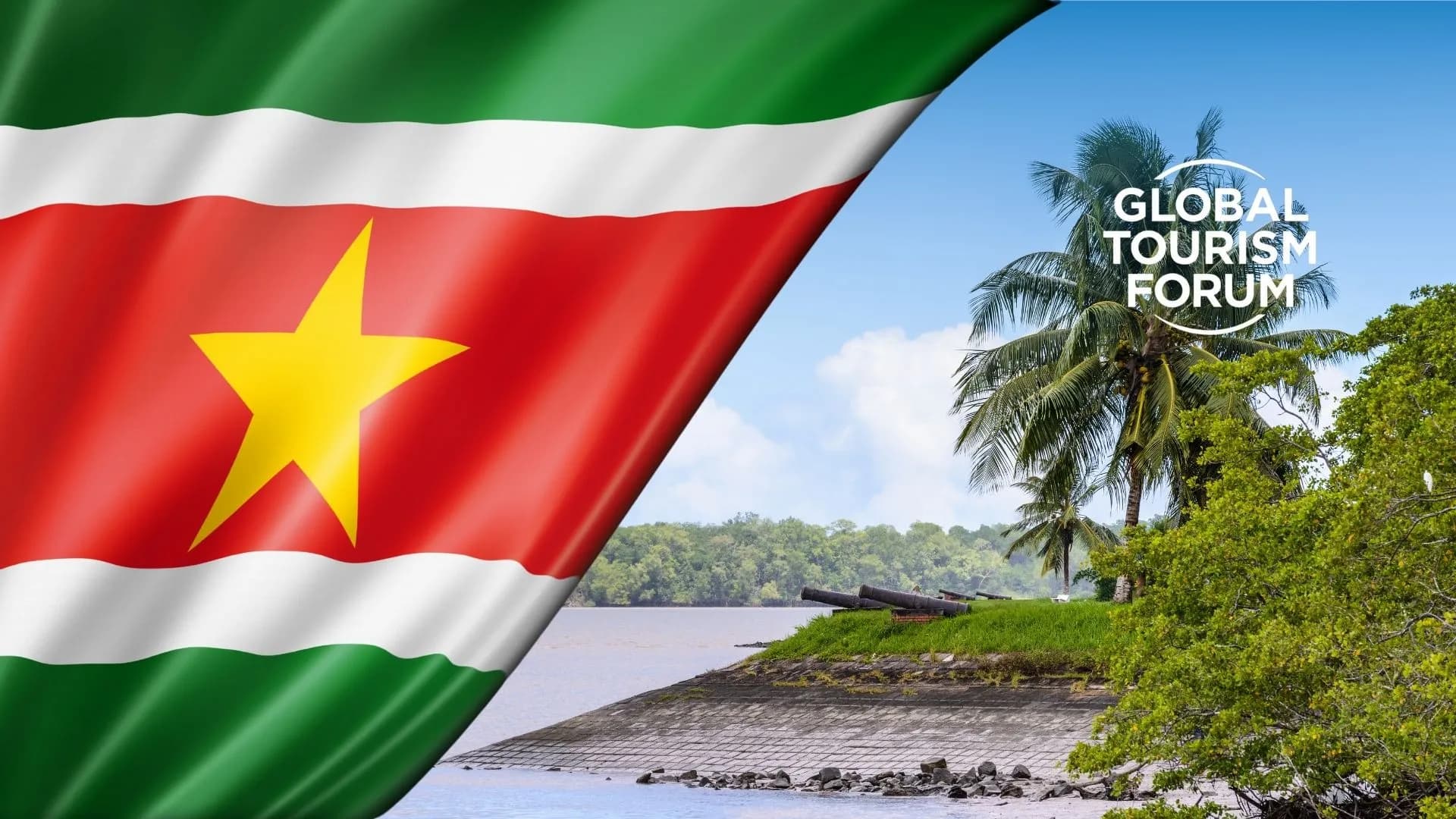
Suriname highlighted its climate leadership and sustainable tourism vision at the Global Tourism Forum Davos 2026, as Vice President Gregory Allan Rusland presented ecotourism as a strategic pathway linking environmental protection, cultural heritage, and global cooperation.
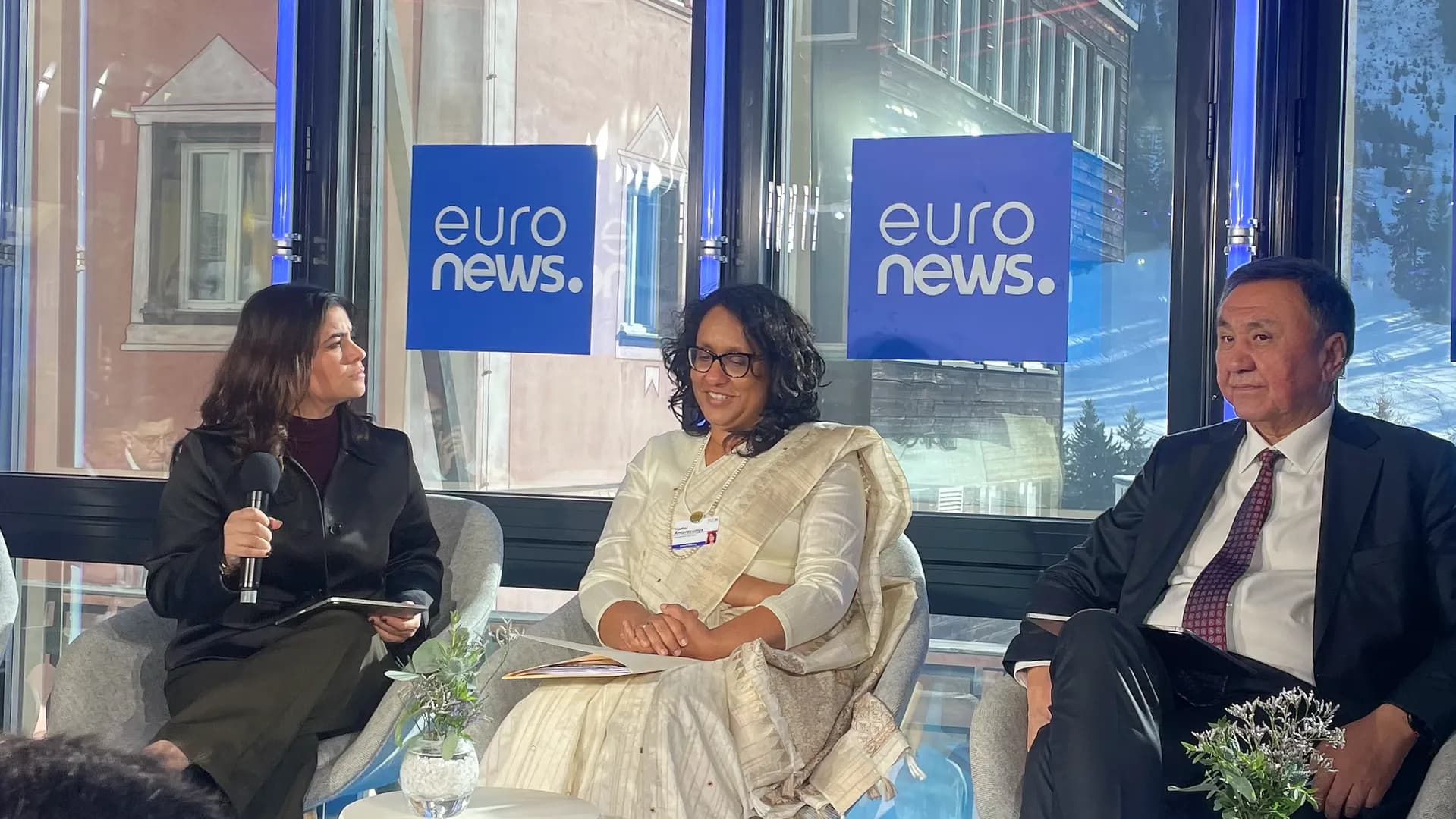
Sri Lanka underscored the diplomatic and strategic value of tourism at the Global Tourism Forum Davos 2026, with Prime Minister Dr. Harini Amarasuriya highlighting travel as a tool of soft power, resilience, and international cooperation during high-level discussions alongside global leaders.
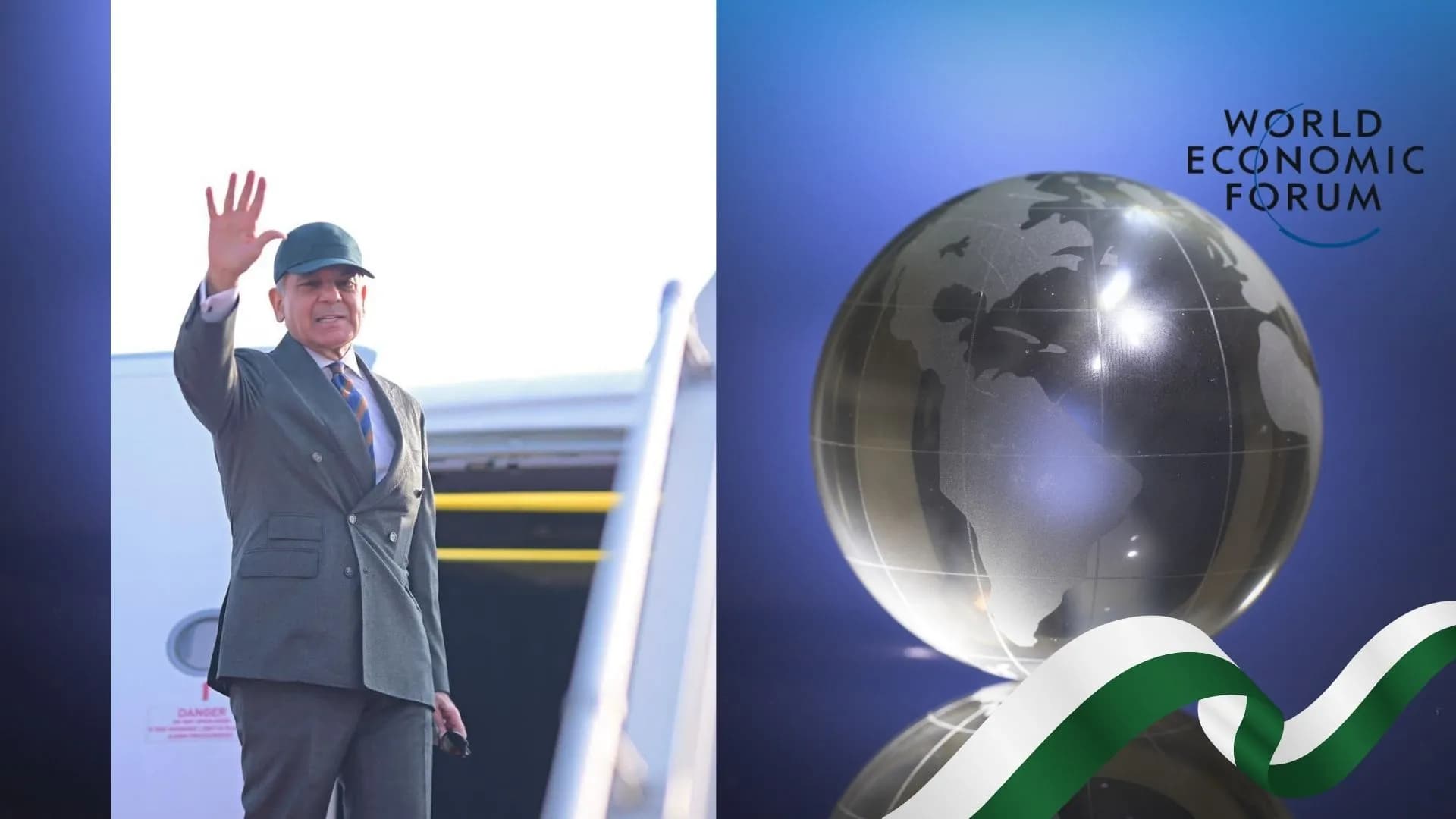
Pakistan Prime Minister Shehbaz Sharif attends WEF Davos 2026, engaging global leaders on dialogue, economic reform, investment, and international cooperation.
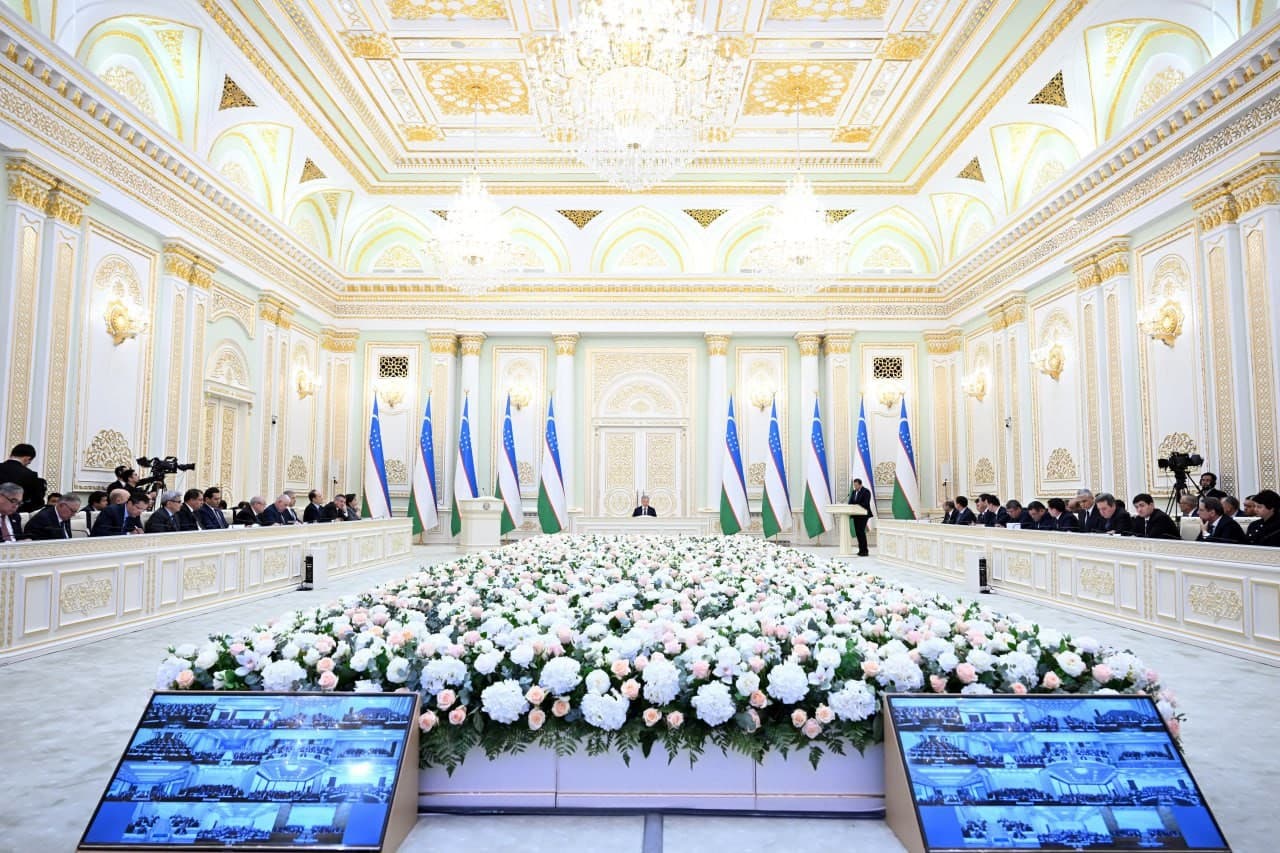
President of Uzbekistan: The time has come for a new generation of diplomats – those who achieve concrete results and firmly defend the interests of Uzbekistan in the international arena