Business Diplomat: Fewer Mistakes Across Borders
This interview is conducted with Yahya Ebnou, an official representing the Republic of Türkiye in the State of Qatar, whose diplomatic experience and work have contributed to the development of bilateral relations between the two countries. Actively involved not only in Türkiye–Qatar bilateral relations but also in cultural and institutional cooperation, Ebnou brings valuable field experience and an international perspective to the evolving relationship between the two countries. In this interview, he shares his insights with Business Diplomat on the multifaceted dimensions of Türkiye–Qatar relations.

Introduction
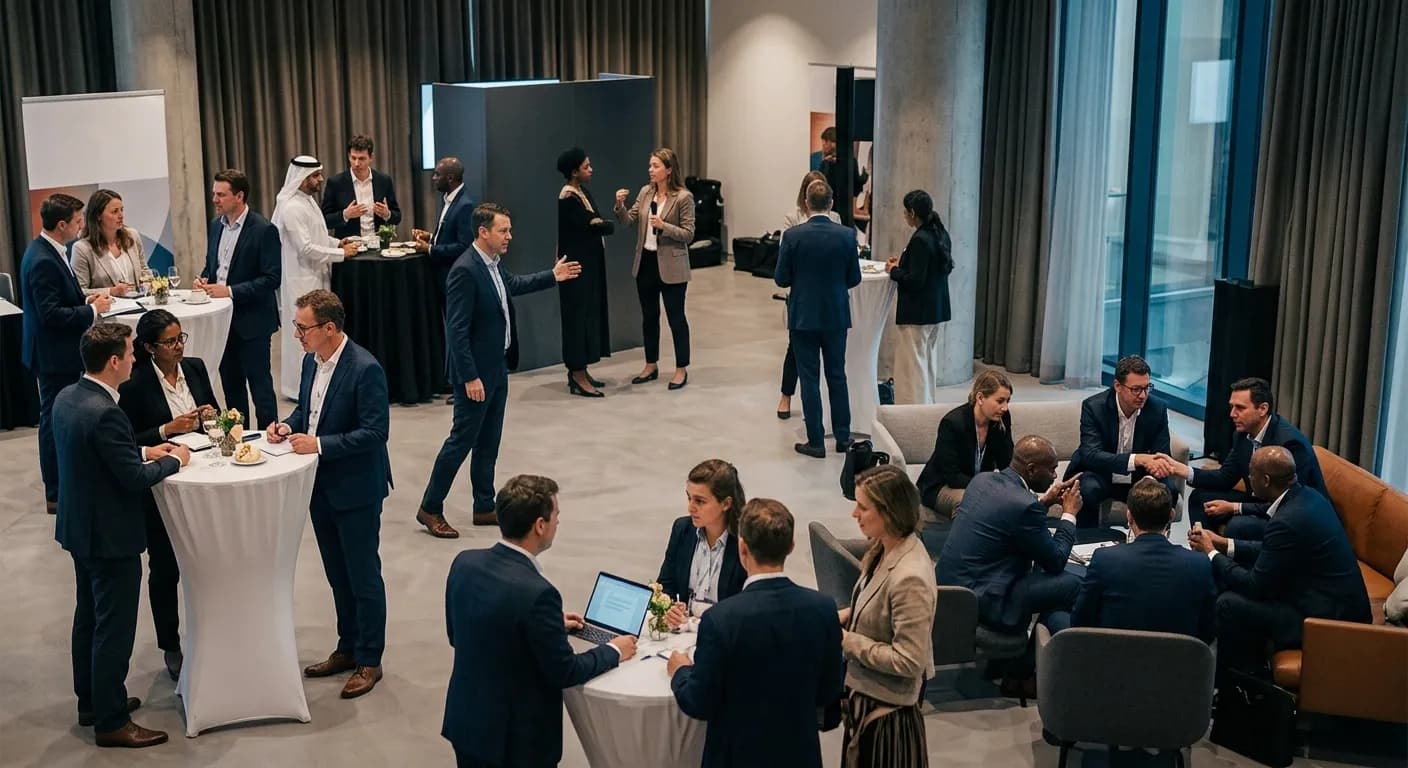
International business brings a company into contact with people who work by different habits: officials bound by procedure, partners with their own commercial customs, institutions with their own expectations. Most errors in these contacts are not errors of substance. They come from not knowing how things are done. In this part of its interview series, Business Diplomat presents an assessment of how diplomatic knowledge helps here.
The assessment
"From the standpoint of international relations, this knowledge and competence contribute to communicating more professionally with public officials, business partners and institutions, while also helping to reduce mistakes that may arise from different traditions, customs and expectations."
Business Diplomat commentary
The sentence makes two points: a gain in professionalism and a reduction in error.
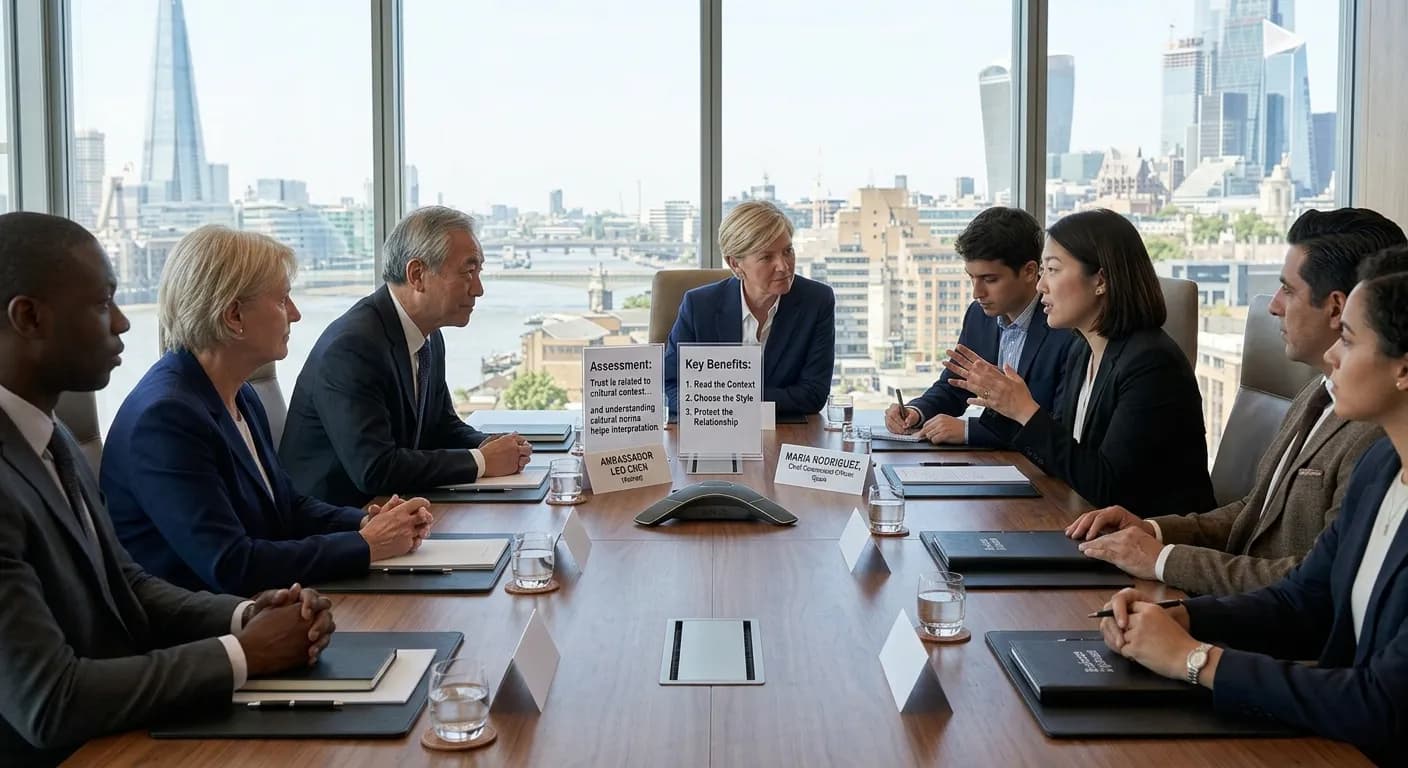
Three audiences. The passage names public officials, business partners and institutions. Each expects something different. A public official expects correct procedure and a proper written record. A business partner expects speed and directness. An institution expects its internal rules to be followed. A businessperson who addresses all three in the same manner will be right with one and wrong with two. Diplomatic competence is, in large part, knowing which register fits which counterpart.
Three sources of error. The passage also distinguishes traditions, customs and expectations. Traditions are the long-standing practices of a society. Customs are the accepted ways of a particular sector or institution. Expectations are what this specific counterpart assumes will happen. An error can arise at any of the three levels, and each requires its own preparation.
The cost of small mistakes. Mistakes of this kind are seldom dramatic. A letter addressed incorrectly, a deadline understood differently, a refusal expressed too bluntly. But they accumulate, and the other side rarely explains what went wrong. The relationship simply cools. Reducing such errors is therefore not a matter of polish. It protects time, money and reputation.
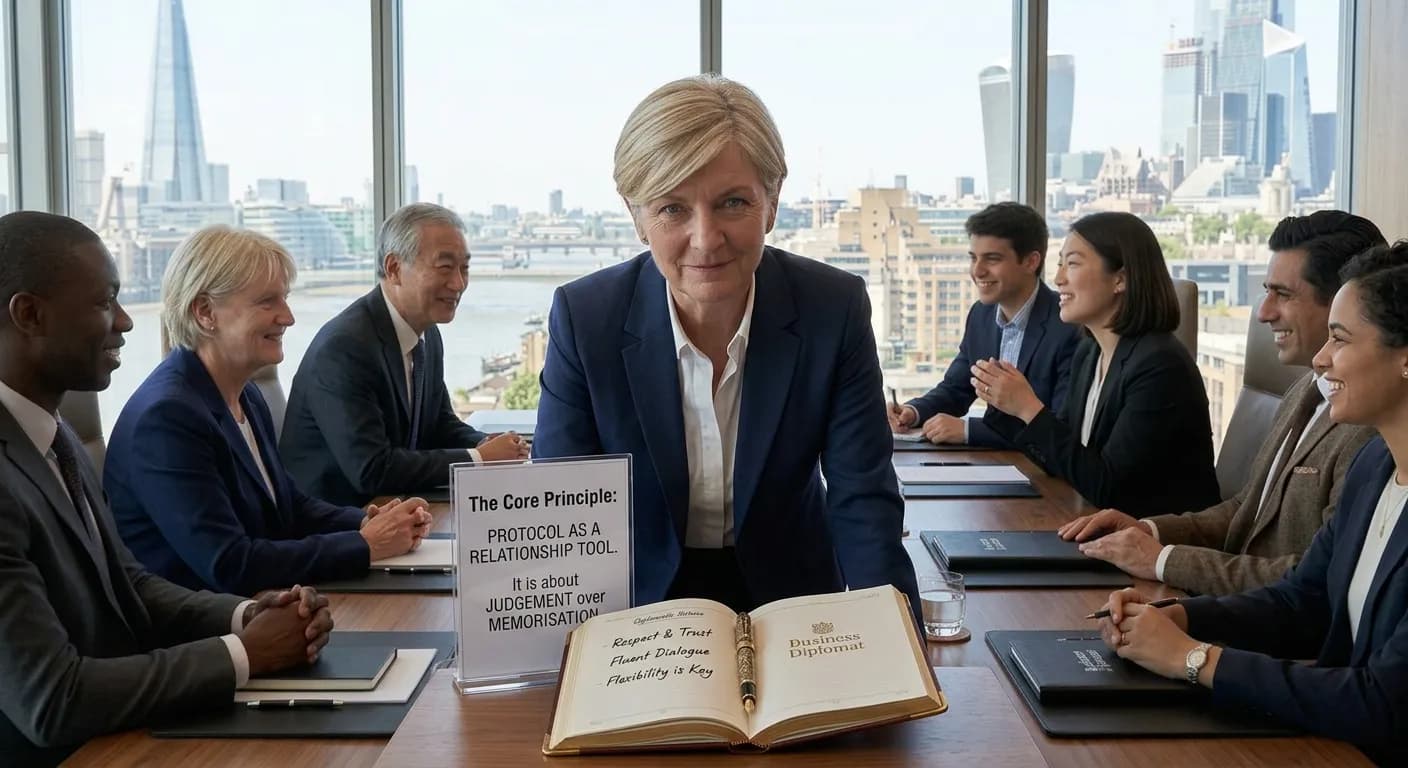
The role of Business Diplomat. The platform's mission is to give young people experience, bring a diplomatic order to the business world, and benefit states by revitalising the economy. Small and medium-sized companies entering foreign markets have no protocol department to guide them. Business Diplomat aims to offer its members this guidance and to share the practical experience of those who have already worked across these differences.
Conclusion
Diplomatic knowledge makes communication with officials, partners and institutions more professional and cuts the mistakes that differing traditions, customs and expectations produce. Business Diplomat aims to help businesspeople cross borders without paying for lessons that could have been learned in advance.

İsmail Polat
Ph. D. in International Relations
Follow EUReflect
See more of our reporting on Google
Mark EUReflect as a preferred source and our stories are ranked higher for you in Top Stories, Discover and Google News — and carry a “preferred” badge when they are cited in AI results.
Add EUReflect as a preferred source