Business Diplomat: Protocol as a Tool, Not a Cage
This interview is conducted with Yahya Ebnou, an official representing the Republic of Türkiye in the State of Qatar, whose diplomatic experience and work have contributed to the development of bilateral relations between the two countries. Actively involved not only in Türkiye–Qatar bilateral relations but also in cultural and institutional cooperation, Ebnou brings valuable field experience and an international perspective to the evolving relationship between the two countries. In this interview, he shares his insights with Business Diplomat on the multifaceted dimensions of Türkiye–Qatar relations.
Introduction
Anyone who has sat through an over-formal meeting knows that rules can get in the way. Protocol applied mechanically makes people stiff and conversations slow. The final assessment in this part of Business Diplomat's interview series addresses this risk directly and says what protocol is actually for.
The assessment
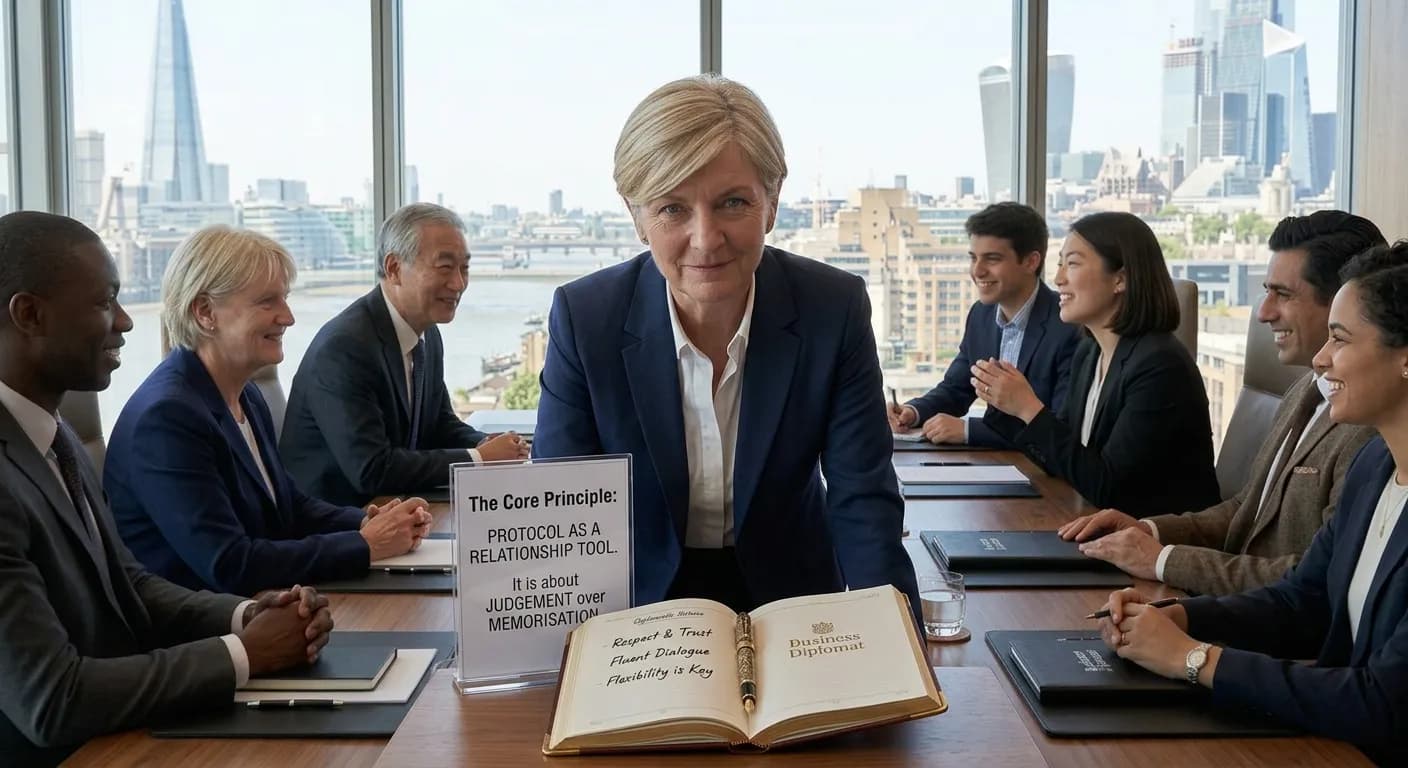
"Most importantly, protocol should not turn into a formal and rigid adherence to rules. Protocol should be used as a tool for building respect and trust, strengthening mutual understanding, and ensuring that commercial dialogue is conducted on a healthier, more fluent and more sustainable footing."
Business Diplomat commentary
The passage opens with "most importantly", which marks this as the principle that governs everything else.
The danger of rigidity. Rules followed for their own sake defeat their purpose. A host who insists on a seating plan while a guest is visibly uncomfortable has kept the rule and lost the point. Rigid protocol also signals insecurity: the person clings to the form because they do not understand what it is meant to achieve.
A tool with three purposes. The passage defines protocol by its ends. It builds respect and trust, because observing the other side's conventions shows regard for them. It strengthens mutual understanding, because a shared framework reduces misreading. And it supports dialogue.
Healthier, more fluent, more sustainable. The three adjectives describing commercial dialogue each mean something. Healthier, because clear conventions prevent friction. More fluent, because people who know the form can concentrate on the content. More sustainable, because a dialogue conducted with respect can survive disagreement and continue.
Judgement over memorisation. The practical consequence is that knowing the rules is only half the skill. The other half is knowing when to relax them. An experienced diplomat can tell when formality reassures and when it creates distance, and adjusts. This is what separates someone who understands protocol from someone who has only learned it.
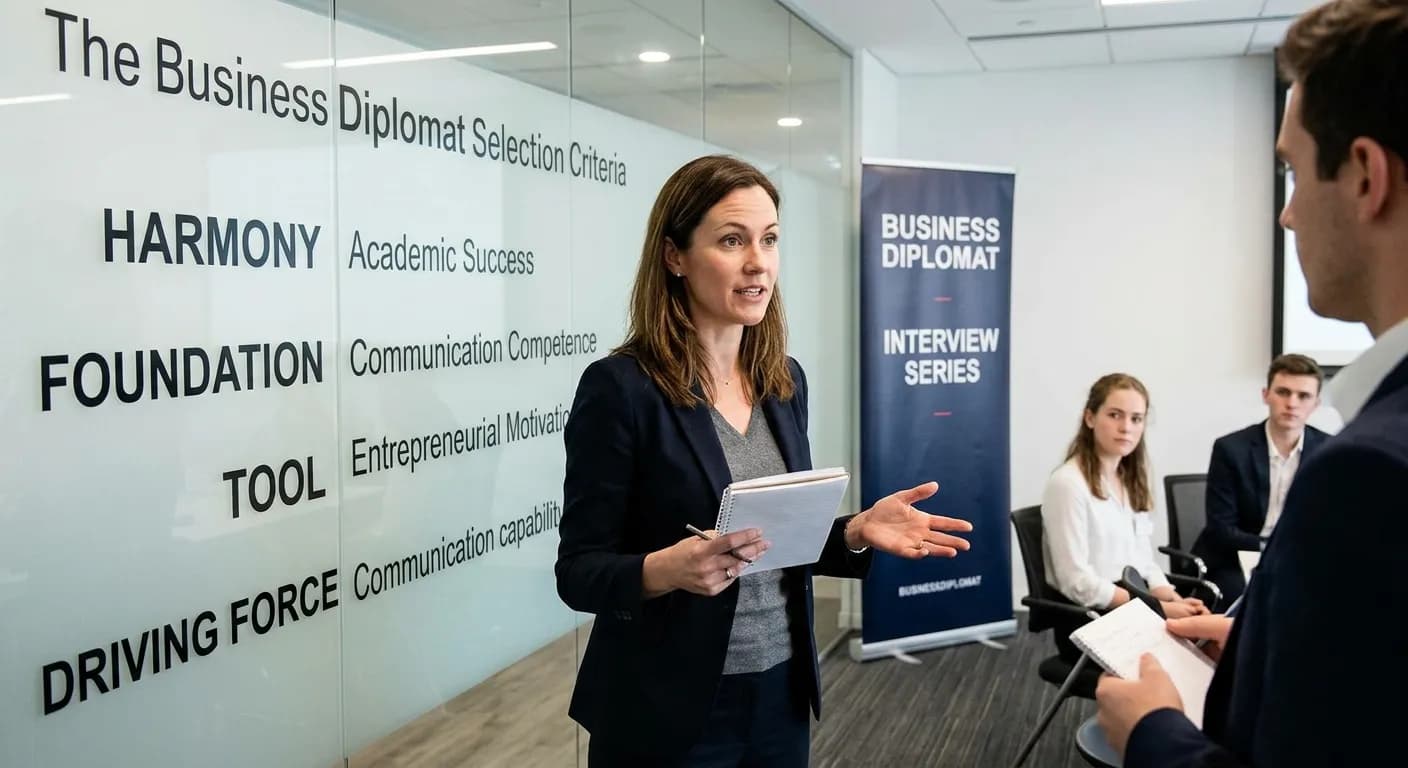
The role of Business Diplomat. The platform's mission is to give young people experience, bring a diplomatic order to the business world, and benefit states by revitalising the economy. "Order" in that mission does not mean rigidity. Business Diplomat aims to teach protocol together with its purpose, so that members apply it with judgement and treat it as a means of building relationships.
Conclusion
Protocol is a tool for respect, trust and understanding, and it serves commercial dialogue best when applied with flexibility. Turned into rigid rule-following, it loses its purpose. Business Diplomat aims to pass on both the rules and the judgement to use them well.

İsmail Polat
Ph. D. in International Relations
Follow EUReflect
See more of our reporting on Google
Mark EUReflect as a preferred source and our stories are ranked higher for you in Top Stories, Discover and Google News — and carry a “preferred” badge when they are cited in AI results.
Add EUReflect as a preferred source