Business Diplomat: Reading Context in Negotiation
This interview is conducted with Yahya Ebnou, an official representing the Republic of Türkiye in the State of Qatar, whose diplomatic experience and work have contributed to the development of bilateral relations between the two countries. Actively involved not only in Türkiye–Qatar bilateral relations but also in cultural and institutional cooperation, Ebnou brings valuable field experience and an international perspective to the evolving relationship between the two countries. In this interview, he shares his insights with Business Diplomat on the multifaceted dimensions of Türkiye–Qatar relations.

Introduction
Protocol is often thought to end where negotiation begins: once the greetings are over, the real work is supposed to be about numbers. The assessment presented in this part of Business Diplomat's interview series argues the opposite. Diplomatic knowledge matters most at the negotiating table, and its value there goes well beyond formality.
The assessment
"In negotiations, its benefit is not limited to formal and official rules. Knowledge of diplomacy and protocol contributes to being able to read correctly the context in which the counterpart finds themselves, to choosing the appropriate style of communication, and to protecting long-term relationships alongside commercial interests.
Studies show that trust is closely related to cultural context, and that understanding cultural norms helps a negotiator to interpret the other side's behaviour more accurately and to respond to it more appropriately. Likewise, the ability to adapt across cultures and to communicate flexibly is associated with more effective outcomes in cross-cultural negotiations."
Business Diplomat commentary
The first paragraph states three benefits. The second grounds them in research.
Reading the counterpart's context. Every negotiator works under constraints that are not stated: pressure from superiors, regulatory limits, a recent failure, a political climate. Someone who can read that context understands why the other side hesitates on one point and concedes easily on another, and can shape an offer accordingly.
Choosing the style. The same proposal can be made directly or gradually, in writing or in conversation, to the whole delegation or privately to its head. Choosing well is a skill of its own, and a wrong choice can sink a sound offer.
Protecting the relationship. The passage places long-term relationships "alongside" commercial interests, not beneath them. A deal that strains the relationship costs more than it earns.
What the research adds. The second paragraph makes an important claim: trust is not built the same way everywhere. In some cultures it rests on personal ties, in others on demonstrated competence or contractual reliability. A negotiator who understands the local norm interprets behaviour correctly. A long silence, an indirect refusal or an insistence on a shared meal stops looking like obstruction and becomes readable. The link drawn between cross-cultural adaptability, flexible communication and better outcomes confirms that these are practical skills with measurable effects.
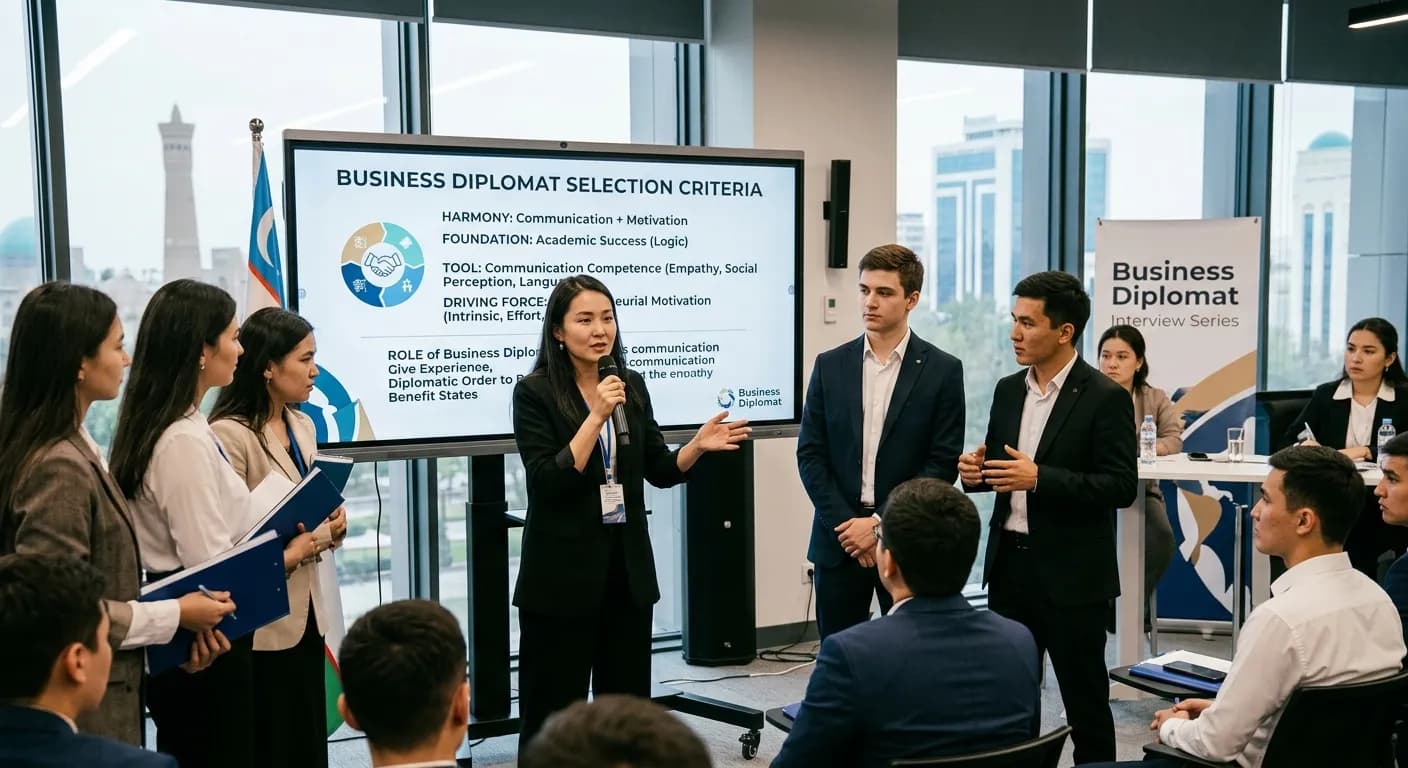
The role of Business Diplomat. The platform's mission is to give young people experience, bring a diplomatic order to the business world, and benefit states by revitalising the economy. Adaptability and flexible communication grow through exposure. Business Diplomat aims to give its members that exposure through contact with different business cultures and experienced negotiators.
Conclusion
In negotiation, diplomatic knowledge helps a businessperson read context, choose the right manner and keep the relationship intact. Research supports what practitioners observe: understanding cultural norms and communicating flexibly lead to better results. Business Diplomat aims to build these abilities in a new generation of negotiators.

İsmail Polat
Ph. D. in International Relations
Follow EUReflect
See more of our reporting on Google
Mark EUReflect as a preferred source and our stories are ranked higher for you in Top Stories, Discover and Google News — and carry a “preferred” badge when they are cited in AI results.
Add EUReflect as a preferred source