Business Diplomat: The True Measure of Success
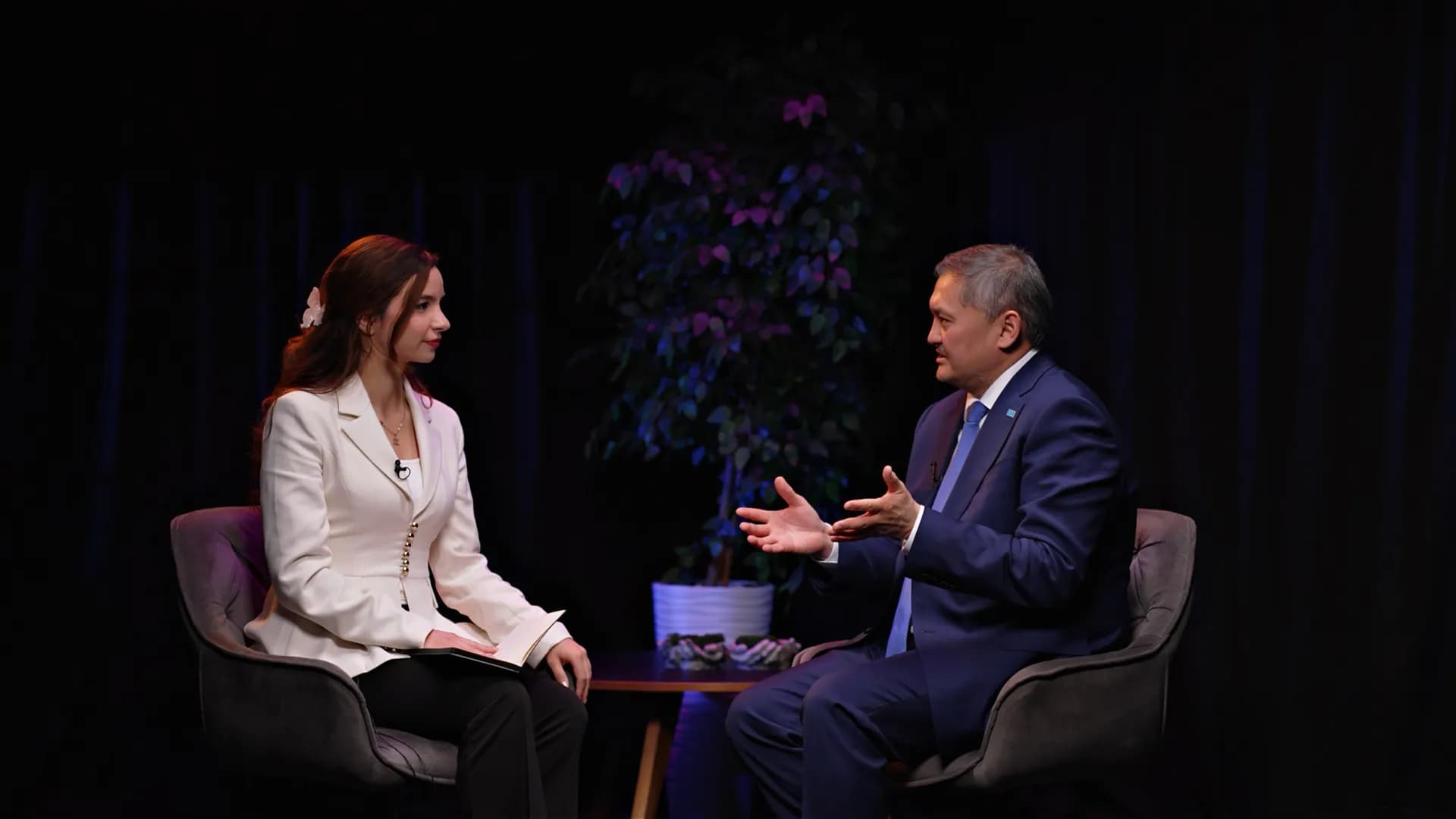
This interview is conducted with Prof. Dr. Mehmet Emin Erendor, an academic specializing in international relations, international law, and security studies, whose research focuses on cybersecurity, terrorism, the Turkic world, and international organizations.
Introduction
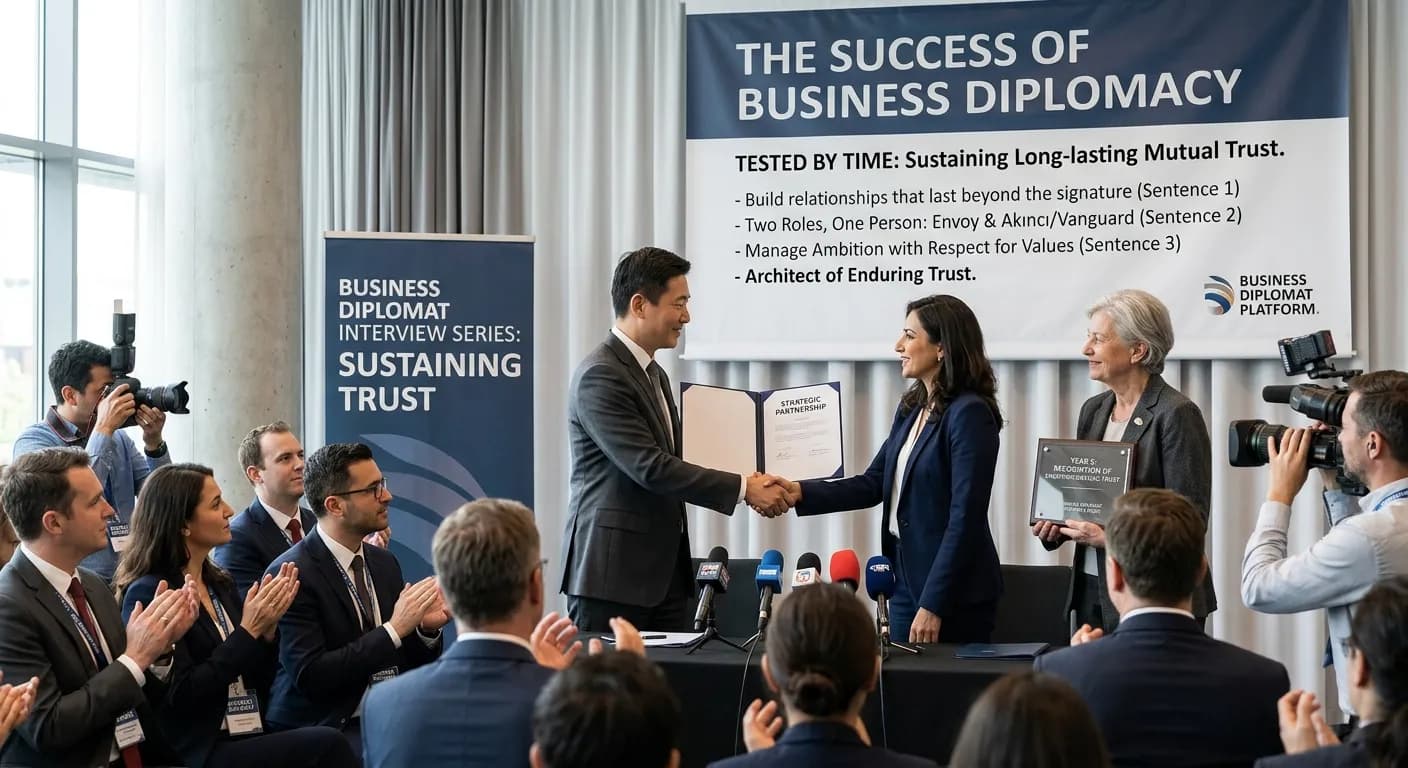
How does a platform assess itself? Year-end reports usually fill up with the same figures: the number of events held, the number of participants, the number of countries represented. These figures show effort but do not answer the real question: what changed after all those meetings? In this part of its interview series, Business Diplomat presents a clear assessment of how its own success should be measured. The assessment moves in four steps: the wrong measure, the right measure, the value of a meeting and the platform's real strength.
Step one: why numbers are not enough
Numbers are easy to collect and look good. Platforms can therefore come, over time, to treat growing them as the goal: more events, fuller halls. The assessment draws a line against this tendency in its first sentence and says straight away what to look at:
"The success of a strong Business Diplomat platform should not be measured only by the size of the events held or the number of participants reached. Real success should be assessed by the quality relationships established among businesspeople, diplomats, academics, public representatives and decision-makers from different countries, by the knowledge produced and by the new ideas brought out."
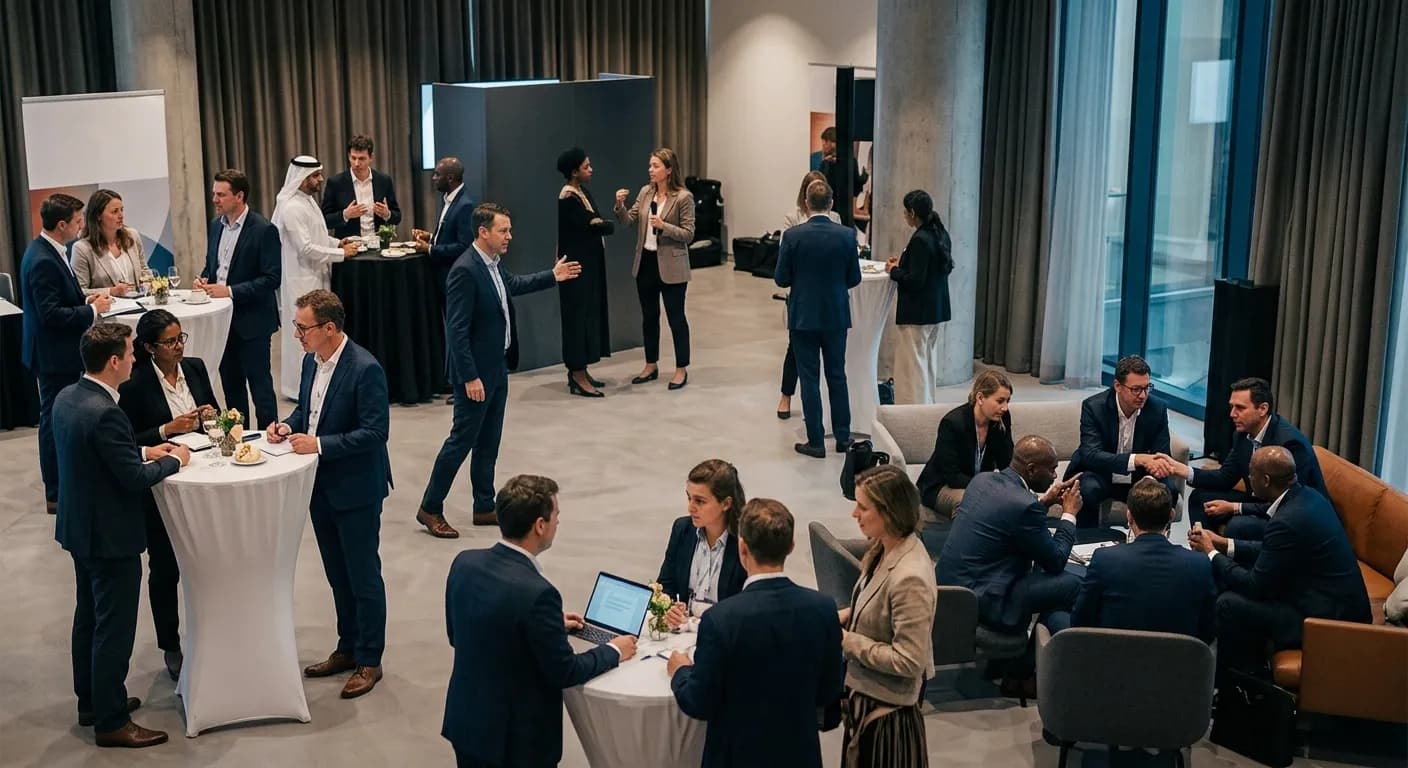
Three measures are named: quality relationships, knowledge produced and new ideas. The word "quality" is decisive. Business cards exchanged in a hall of a thousand people are not relationships. A relationship is a tie in which the two sides still contact each other after the meeting. The five groups listed are also meaningful: businesspeople, diplomats, academics, public representatives and decision-makers. These groups meet often within their own circles but seldom sit at the same table with one another. The platform's contribution is to make exactly that intersection happen.
Step two: when is a meeting valuable?
With the measure set, the question comes down to individual meetings. A meeting that went well and a meeting that was valuable are not the same. The first ends that day; the second continues. The assessment puts the difference this way:
"The value of a meeting should not remain limited to the talks held on that day; it should be able to turn into subsequent meetings, joint projects, academic work, investment opportunities and international cooperation."
The five outcomes offer a concrete list of what can follow a meeting. Subsequent meetings show that the subject is being deepened. Joint projects show that the parties have decided to work together. Academic work shows that what was discussed has become lasting knowledge. Investment opportunities and international cooperation show that an economic return has appeared. If a meeting has led to none of these, its effect was limited to the day, however large the attendance.
Step three: what makes this conversion possible?
Every platform holds meetings, but not every meeting turns into projects and investment. The difference lies in whom the platform brings together and what kind of ground it offers. Here the assessment defines what is distinctive about the Business Diplomat approach:
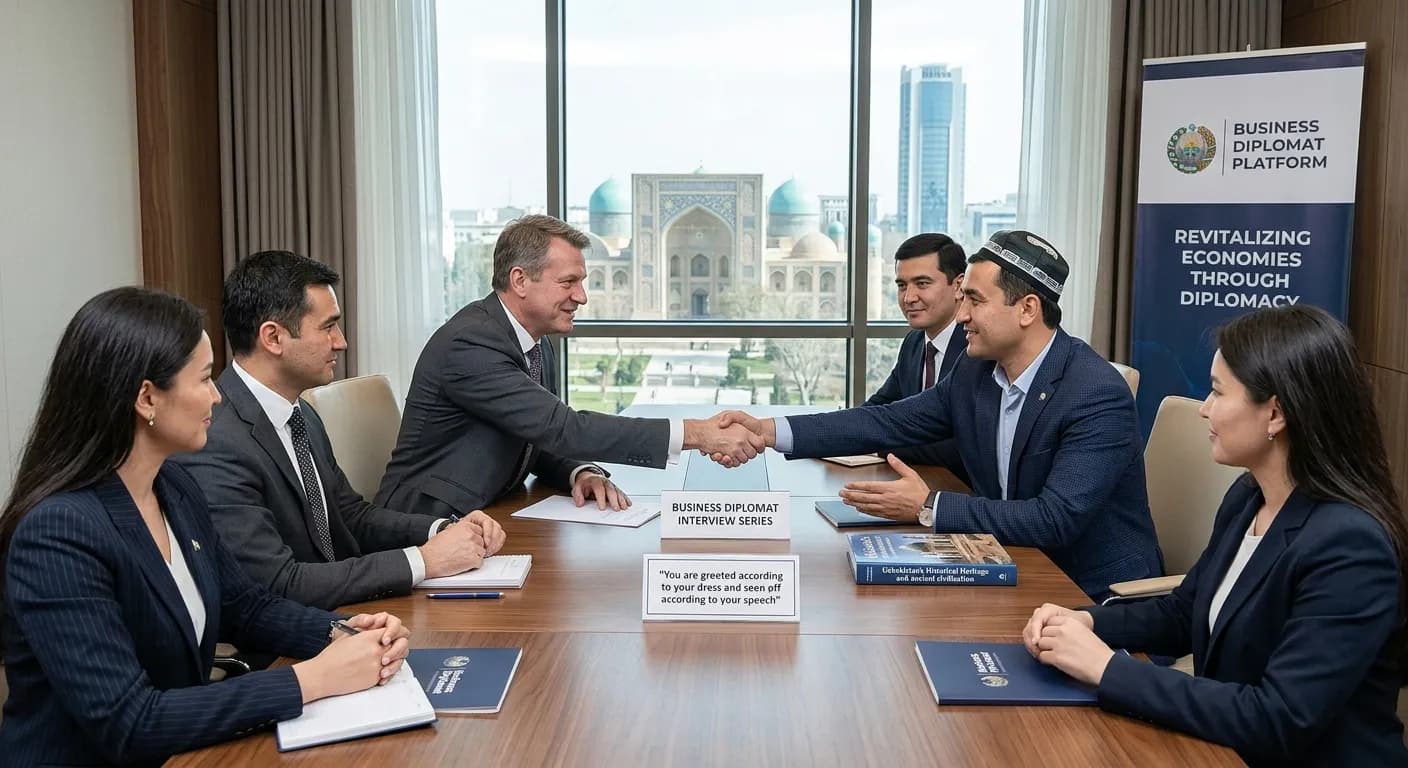
"The basic strength of the Business Diplomat approach is to develop trust-based and long-term relationships by bringing diplomatic communication and the needs of the business world together on the same platform."
Two elements come together. Business brings concrete needs: markets, partners, investment. Diplomatic communication provides the safe and respectful ground on which those needs can be discussed. A setting where only business is discussed seeks quick results and neglects the relationship. A setting ruled only by diplomatic courtesy is pleasant but produces nothing concrete. Where the two meet, trust-based and long-term relationships become possible, and the outcomes listed in the previous step grow out of those relationships.
Step four: so what should be looked at?
The assessment returns to where it began, with a sharper verdict:
"For this reason, the platform's real impact should be assessed less by how many events it has organised than by which concrete forms of cooperation and lasting relationships those events have brought about."
The phrase "real impact" points to the difference between visible activity and the result that emerges. The measure comes down to two words: concrete and lasting. Concrete cooperation is a named project, a signed agreement or an investment under way. A lasting relationship is a tie that still holds years later. These are harder to measure than a headcount, because they appear months after a meeting and require follow-up. But they are what show why the platform exists.
The logic of the assessment
The four steps are linked. Numbers do not show success; relationships, knowledge and ideas do. These become real only when meetings lead somewhere. What makes them lead somewhere is the ground that joins diplomatic communication with the needs of business. The platform's impact is therefore measured by the concrete cooperation and lasting relationships that come from that ground.
The role of Business Diplomat
The platform's mission is to give young people experience, bring a diplomatic order to the business world, and benefit states by revitalising the economy. An economy is revitalised by the projects and investments that come out of meetings, not by the number of meetings. Business Diplomat therefore aims to assess itself by this measure: following, after each event, which contacts have continued, which ideas have become projects and which forms of cooperation have begun.
Conclusion
The success of a strong platform should be sought not in its count of events and participants but in the quality relationships it builds, the knowledge it produces and the ideas it brings out. A valuable meeting is one that does not end on the day and turns into projects, studies and investments. By bringing diplomatic communication together with the needs of business, Business Diplomat aims to make that conversion happen and to be a platform known for concrete cooperation.

İsmail Polat
Ph. D. in International Relations
Follow EUReflect
See more of our reporting on Google
Mark EUReflect as a preferred source and our stories are ranked higher for you in Top Stories, Discover and Google News — and carry a “preferred” badge when they are cited in AI results.
Add EUReflect as a preferred source