Global Economy News

Economy · Global Economy

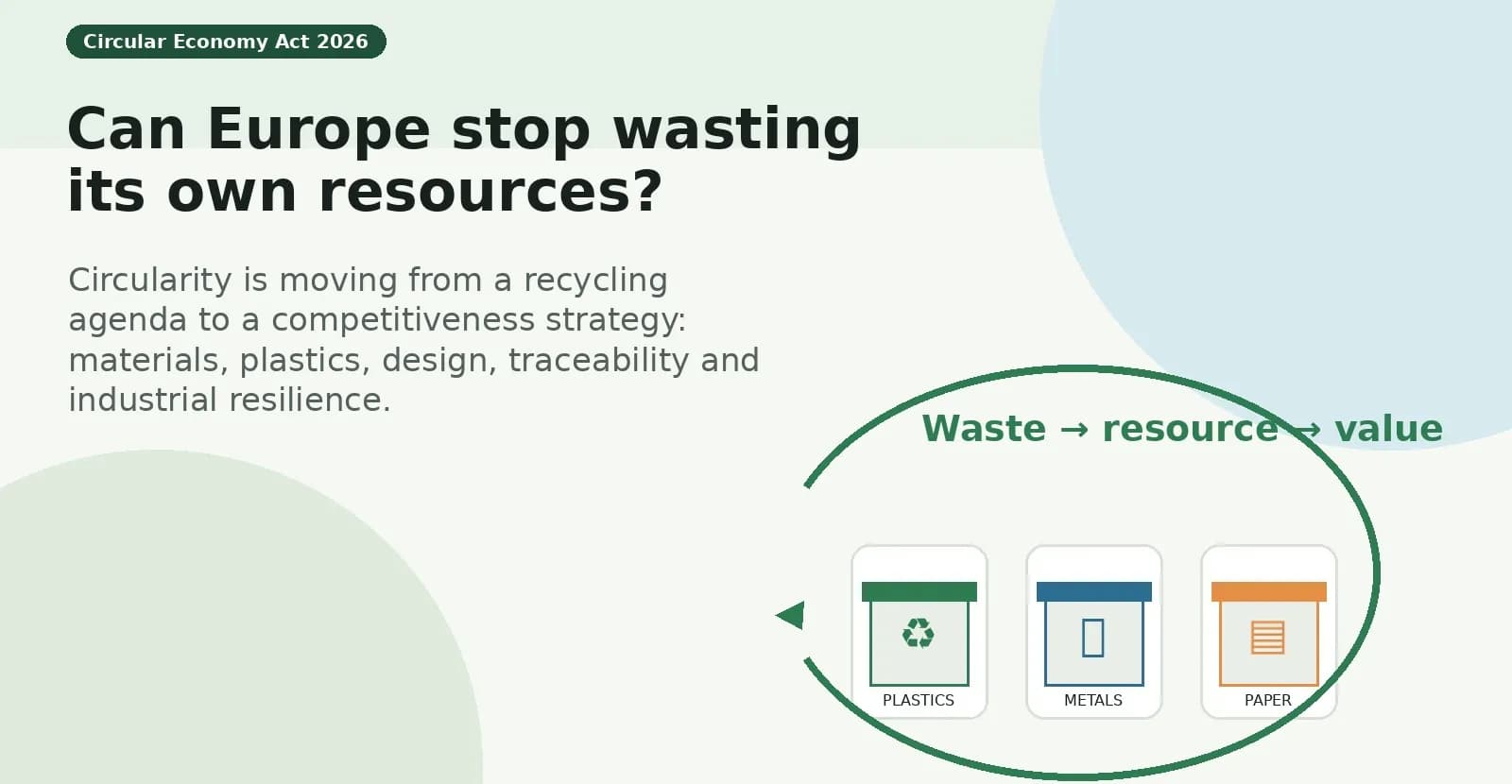
The New European Competitiveness Test: Can the EU Stop Wasting Its Own Resources?

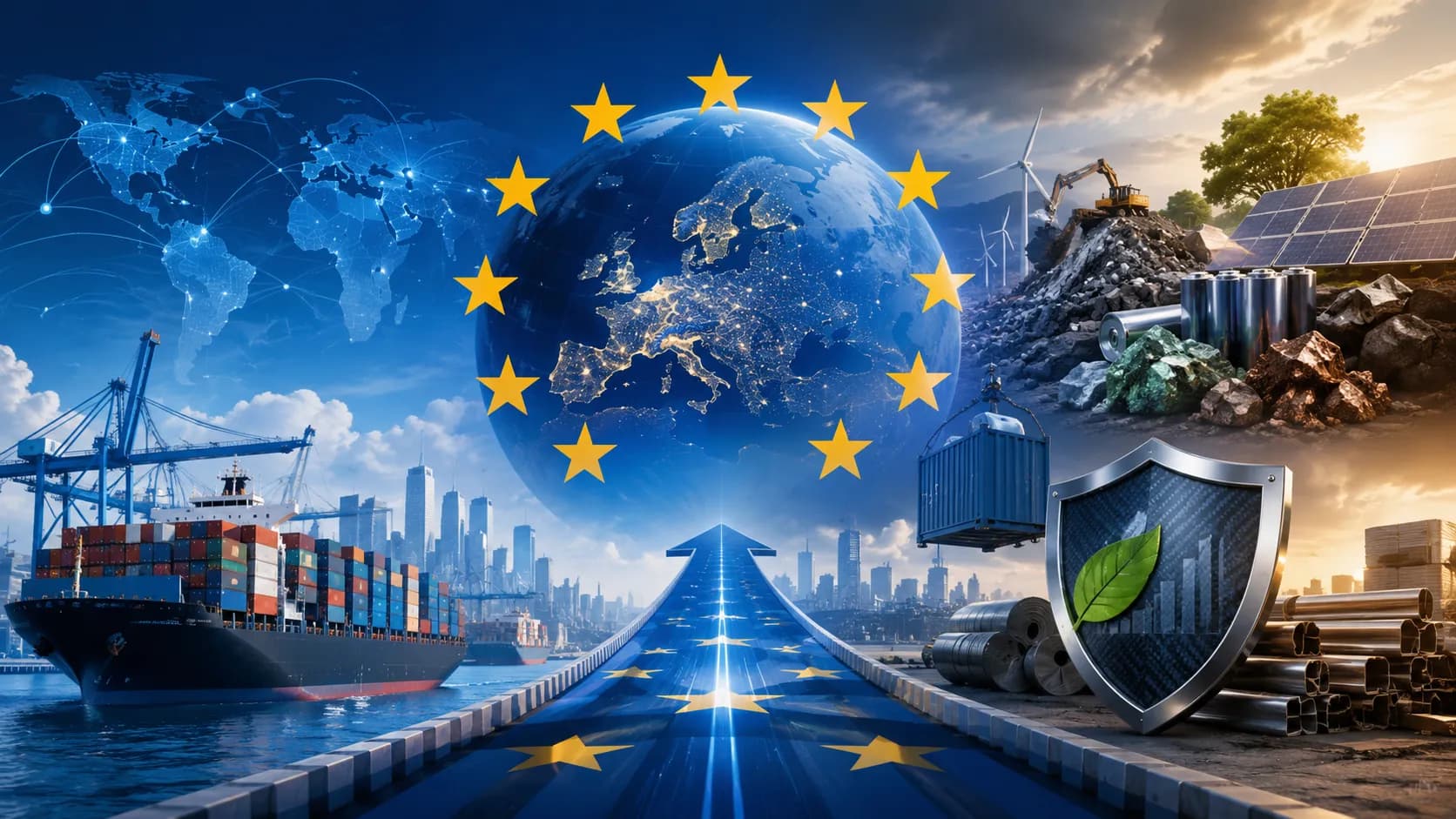
As the EU prepares its forthcoming Circular Economy Act, circularity is moving from the margins of environmental policy to the centre of Europe’s competitiveness agenda. This article argues that waste is no longer merely a disposal problem, but a strategic test of Europe’s industrial resilience, resource security and ability to build a functioning market for secondary raw materials. With plastics at the heart of the debate, the piece explores why Europe must transform recycling, product design, traceability and material reuse into pillars of a stronger, greener and more self-reliant economy.
Hudayberdi Kochumov

Economy · Global Economy

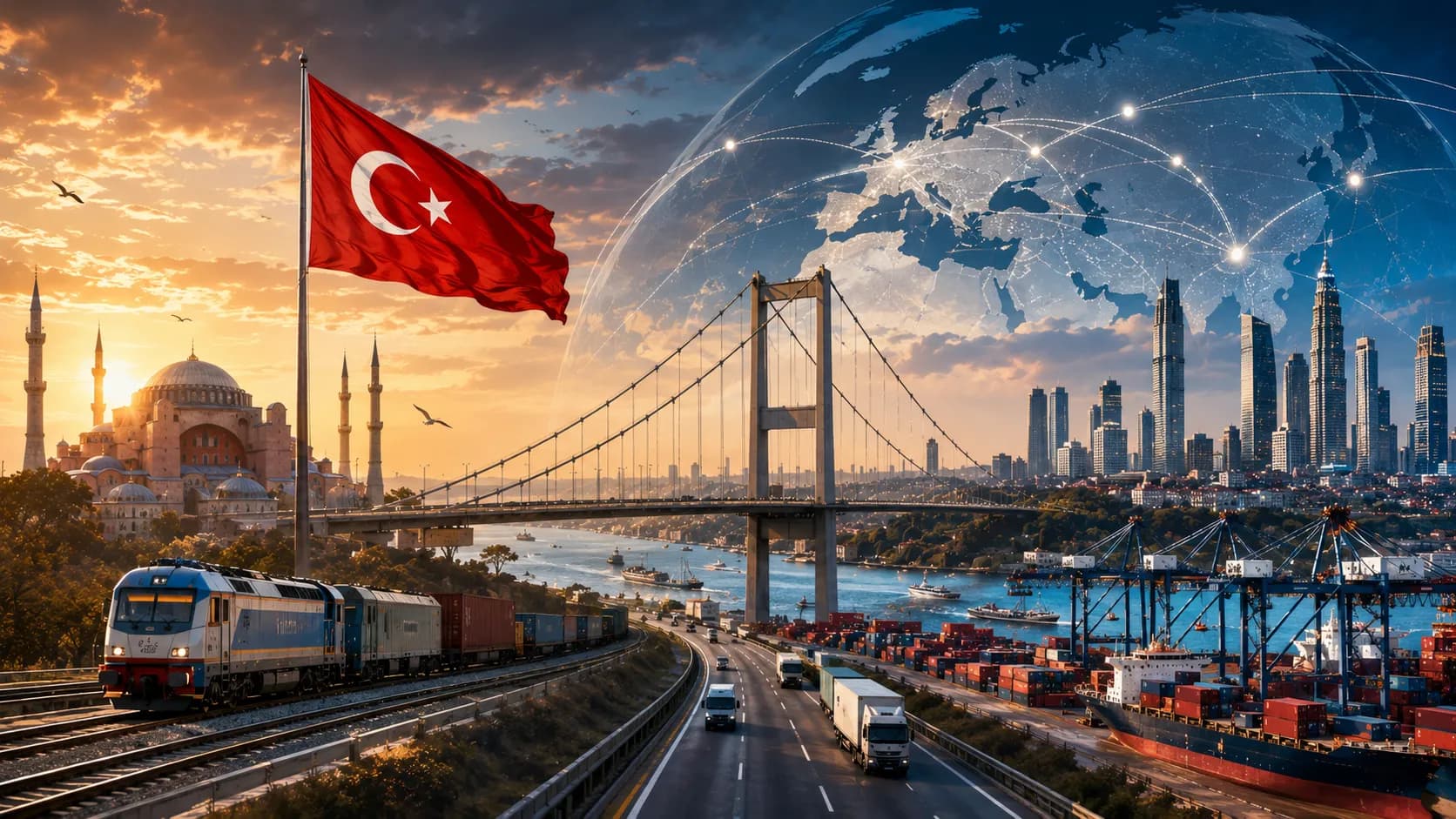
Türkiye: The Strategic Bridge Between Asia and Europe

Türkiye is enhancing its strategic position as a bridge between Asia and Europe by expanding cooperation in trade, energy corridors, and diplomacy. Initiatives like the Middle Corridor and growing ties with Asian partners highlight its role as a multidimensional actor in the global system.

Botakoz Unbayeva

Economy · Global Economy

Can Europe Lead Global Trade Again?

The EU remains a major trade power with a large surplus, but exports are declining and dependence on the US is rising. Innovation is weak, SMEs are underrepresented in exports, and internal market barriers persist. Issues in raw materials, CBAM, and Global Gateway show the need for deep structural reform.

Uroosa Khan

Economy · Global Economy

Turkmenistan’s Hidden Wealth: Salt, Brine, Sulfur, and Sand

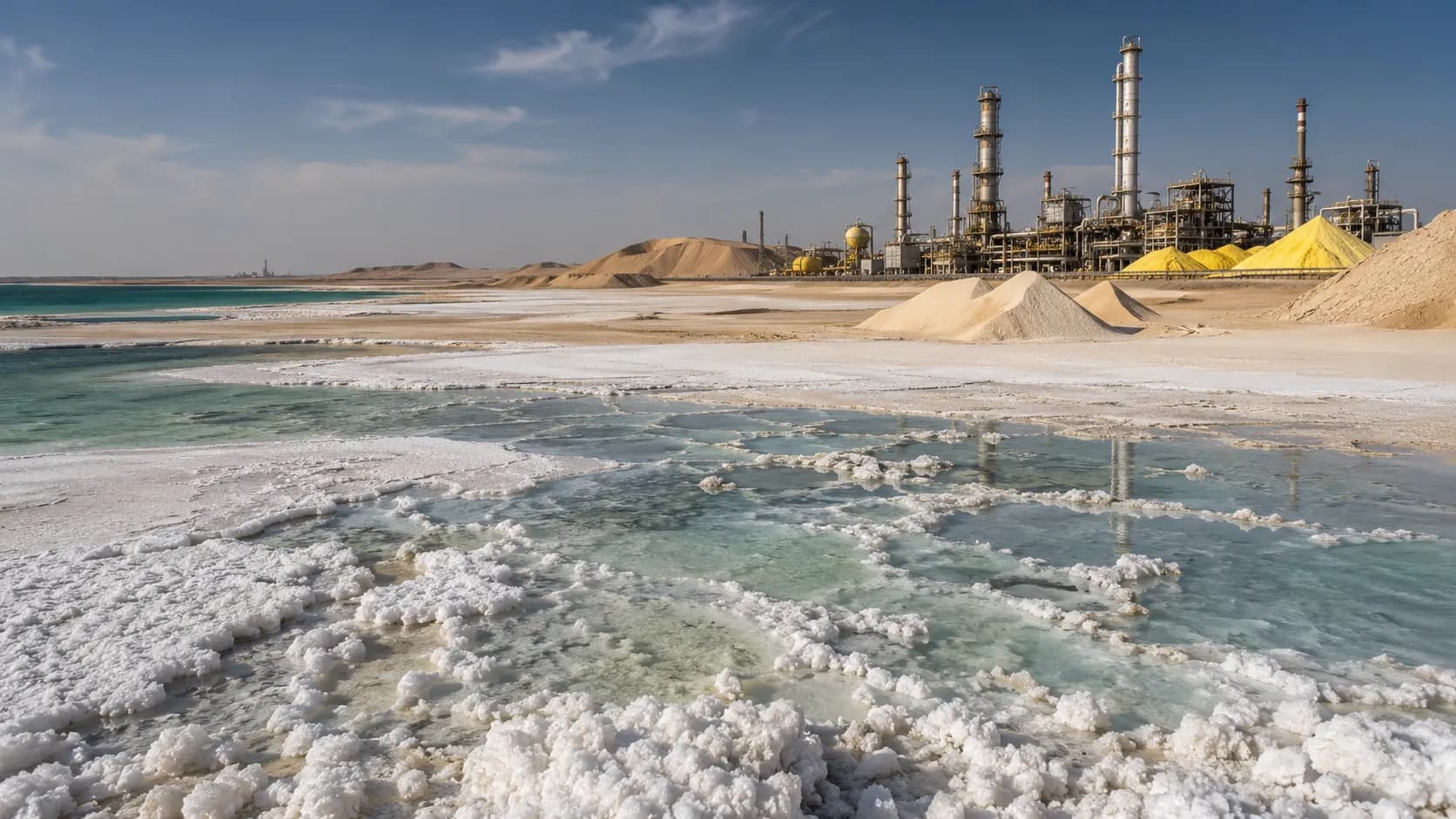
Turkmenistan is widely known for natural gas, but its geological wealth extends far beyond hydrocarbons. From potash-bearing evaporite basins and iodine-bromine brines to sulfur from sour-gas processing and quartz-rich sands for glassmaking, the country’s hidden resources reveal a broader industrial story shaped by chemistry, climate, and ancient seas.

Hudayberdi Kochumov

Economy · Global Economy

Uzbekistan Nears WTO Integration

Uzbekistan is nearing WTO accession by the end of 2026 after major economic reforms. Membership is expected to boost GDP, attract foreign investment, expand exports, and integrate the country into global value chains while strengthening trade ties with Gulf and Middle Eastern markets.

Abdul Hamid Hamid Al-Kba

Economy · Global Economy

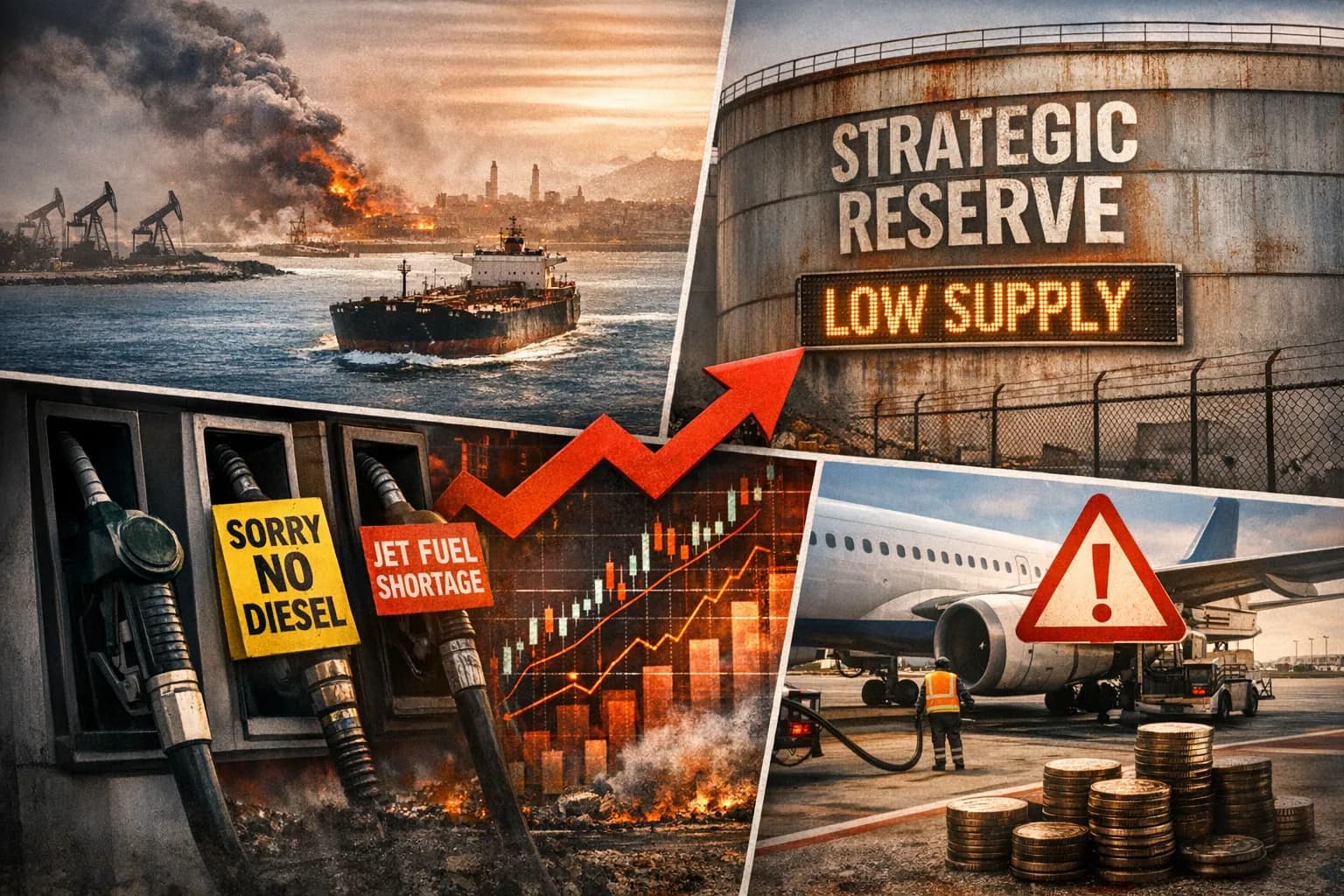
Global Energy Crisis Deepens as Oil Supply Losses Set to Double, IEA Warns

The international energy system is facing its most severe disruption in decades, with oil supply losses expected to double in April, according to new analysis from the International Energy Agency (IEA), as the cascading effects of armed conflict strain global markets and expose the fragility of existing supply chains.

Olha Pashchenko

Economy · Global Economy

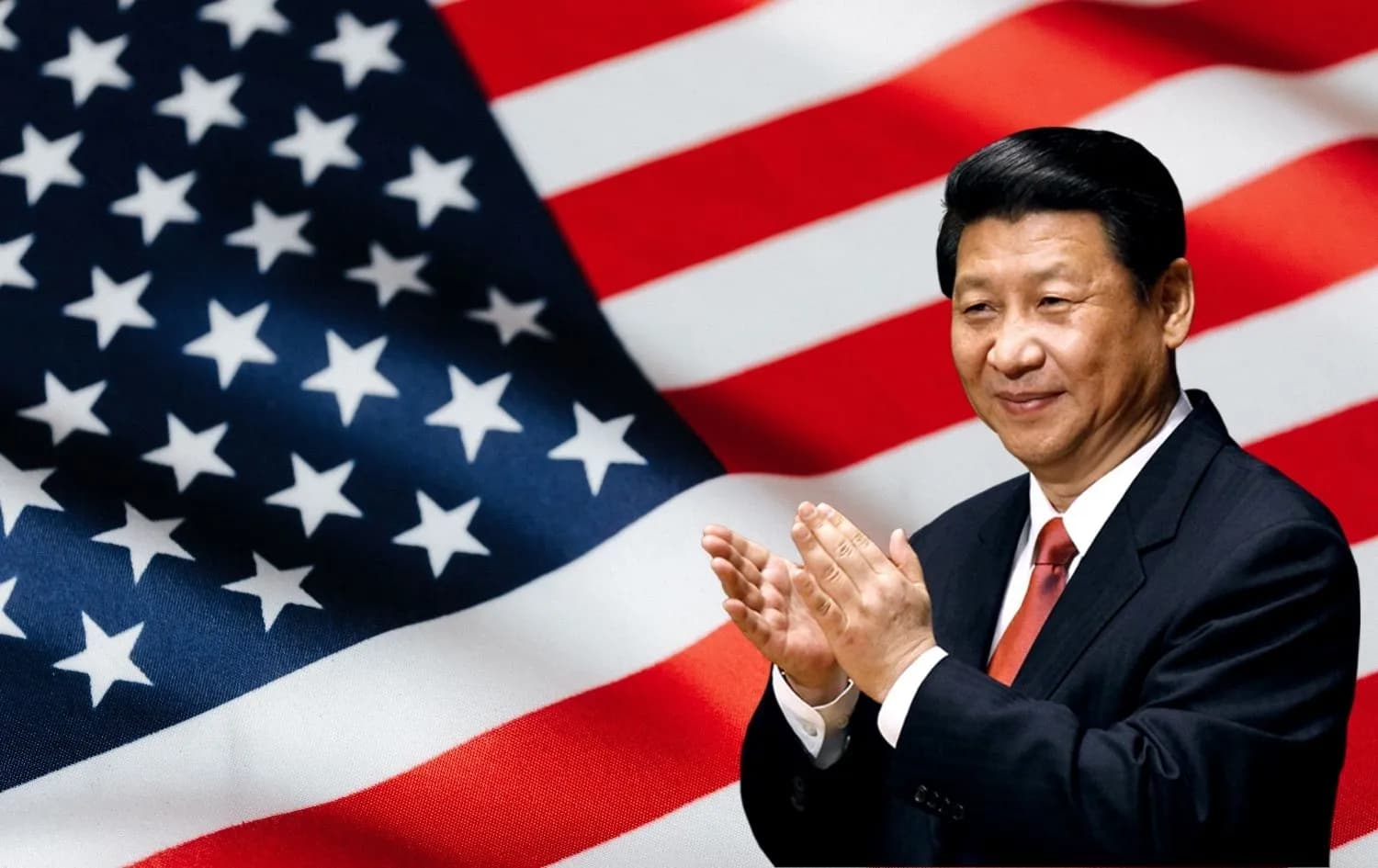
Silent Strategy: China’s Trade Response to the U.S.

China’s response to U.S. trade measures reflects a strategic, institution-based approach rather than direct confrontation. By leveraging global trade rules and supply chain dynamics, China reinforces its economic position while promoting stability and long-term influence in the evolving geoeconomic order.

Alvara Merrick

Economy · Global Economy

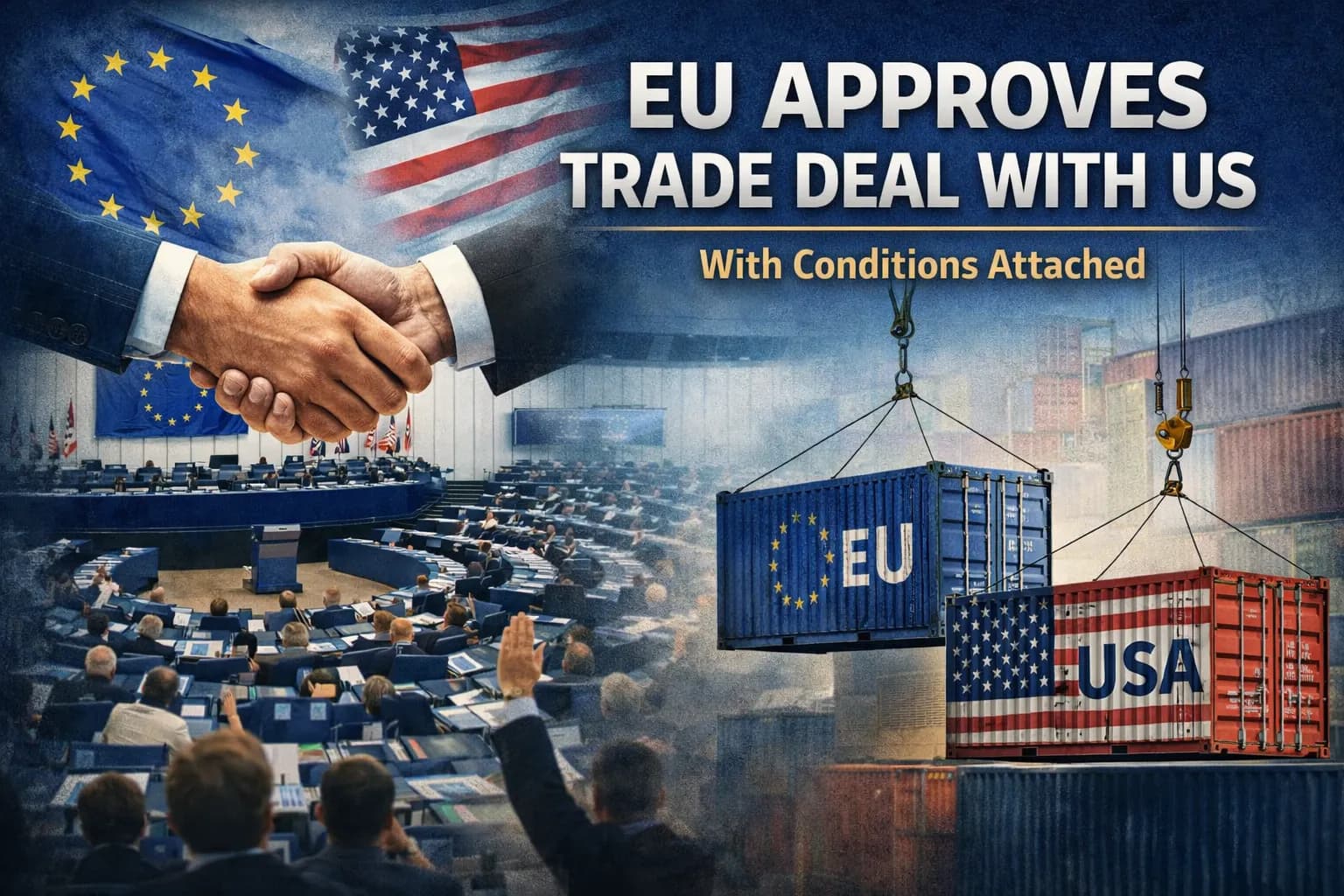
European Parliament approves a trade deal with US, with some conditions

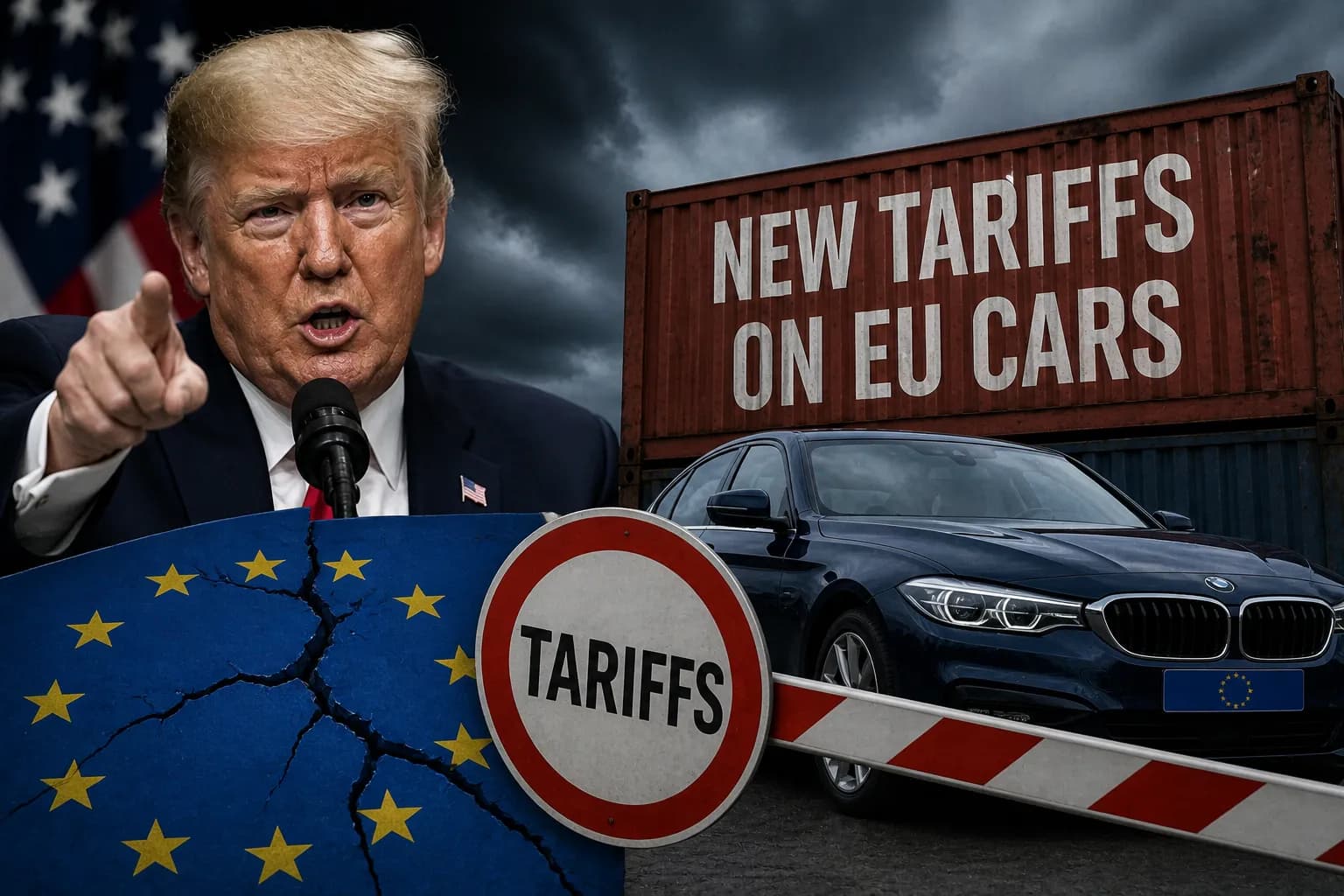
Written by journalist of EUReflect Danylo Aleksandrov. BBC reports, that on Thursday the European Parliament has voted in favor of the legislation necessary to implement a trade deal between EU and the United States after several months of uncertainty because of US President Trump’s threats of tariffs.

EUReflect News

Economy · Global Economy

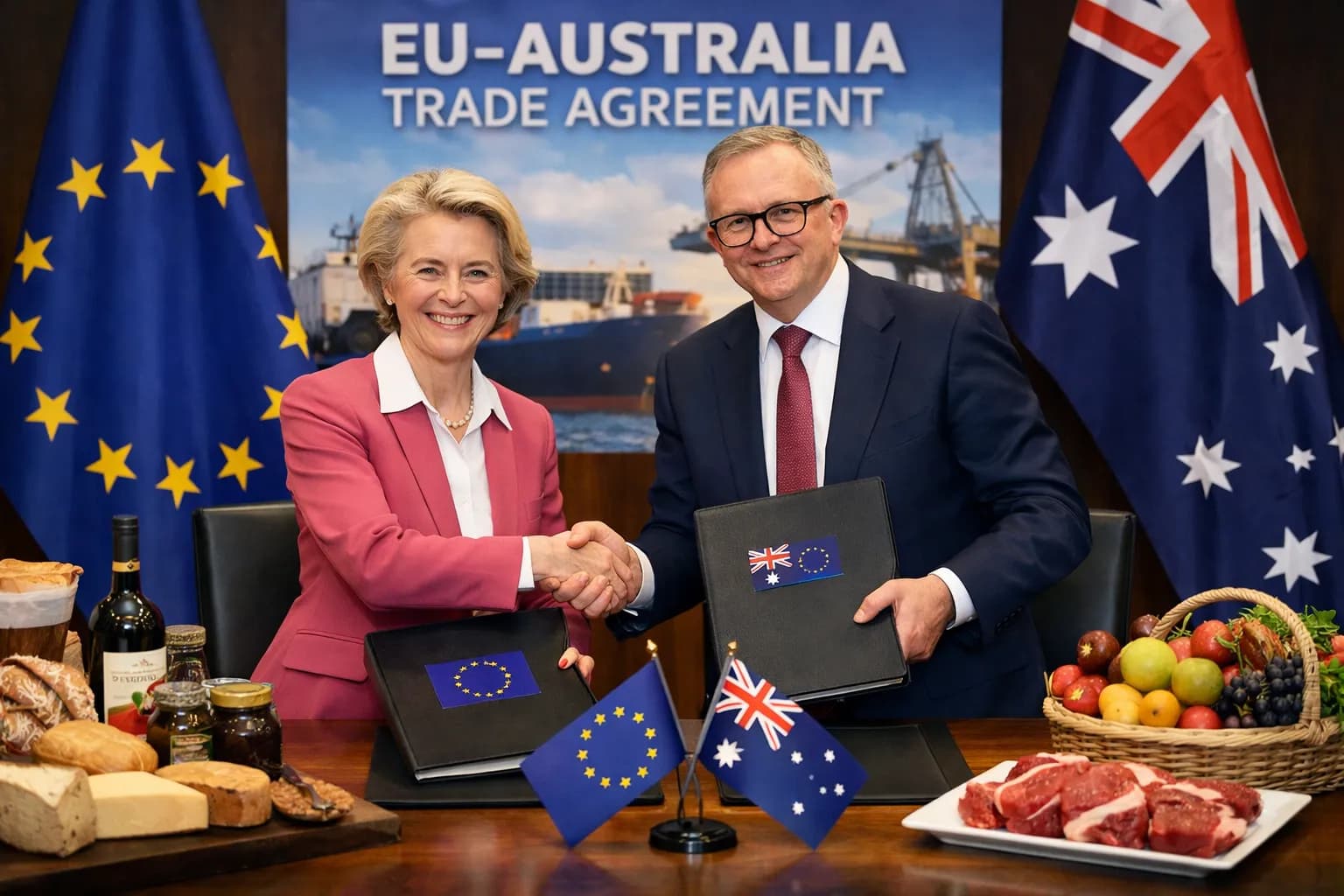
EU and Australia Finalize Major Trade Deal After Eight Years of Negotiations

The European Union and Australia have reached a landmark trade agreement in Canberra following eight years of negotiations, according to reports. Valued at approximately $7 billion, the deal has been described as mutually beneficial by Ursula von der Leyen and Anthony Albanese, who formally endorsed the agreement. Written by Correspondent Danylo Aleksandrov

EUReflect News

Economy · Global Economy

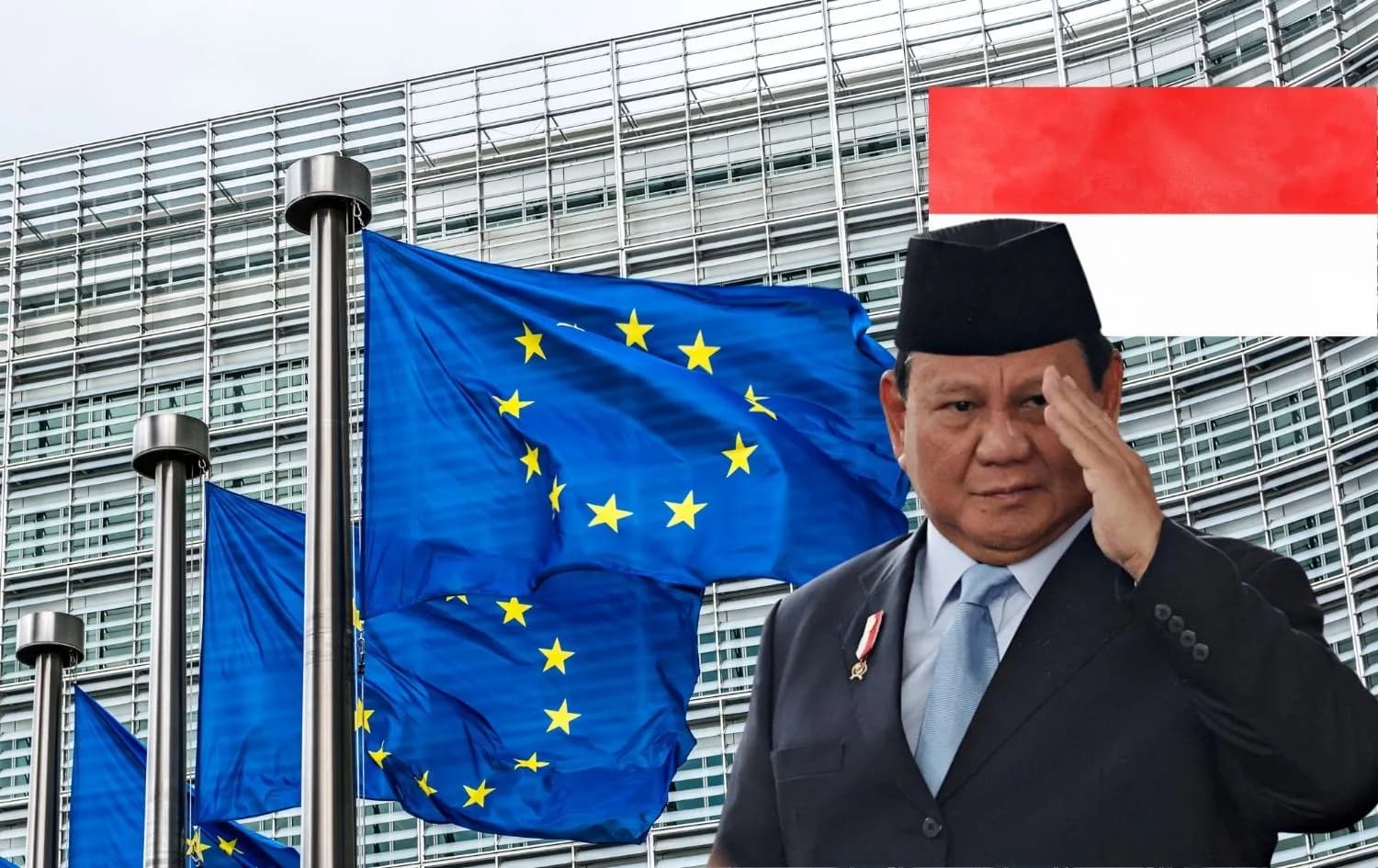
CEPA and the Future of EU–Indonesia Relations

CEPA elevates EU–Indonesia ties beyond trade, removing most tariffs while boosting market access, supply chain diversification, and green resource cooperation. It also strengthens political dialogue, security cooperation, and a balanced Indo-Pacific strategy amid US–China rivalry.

Tamim Majdoub

Economy · Global Economy

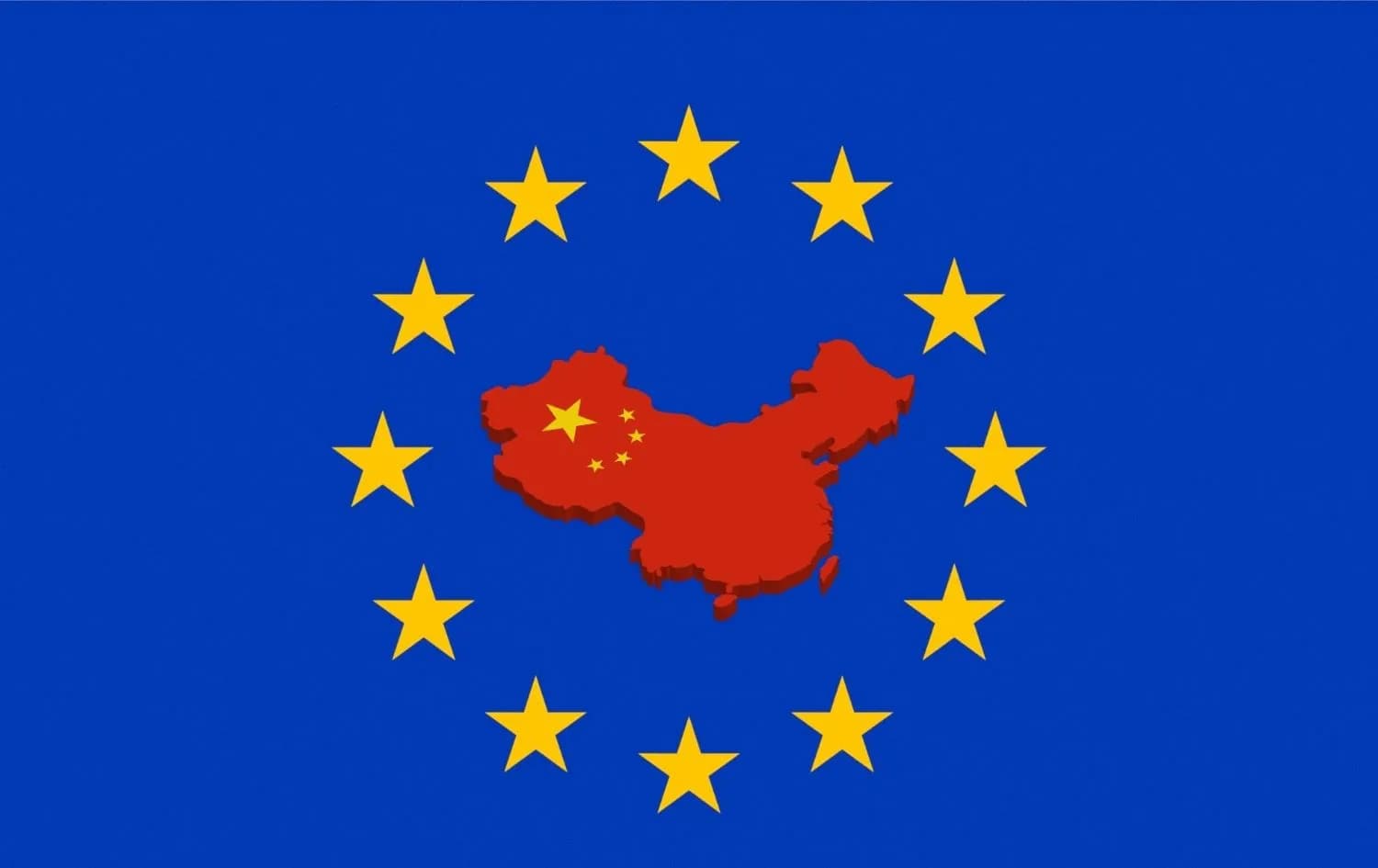
China in the Heart of EU Trade and Security

The European Union’s foreign and trade policies now have China as a central actor. China’s partnership with the EU has grown drastically over the past 20 years, turning a distant trading partner into a main player in debates around global security, trade, and sustainability. This evolution reflects the deep interdependence that has developed between the two powers.

Tamim Majdoub

Economy · Global Economy

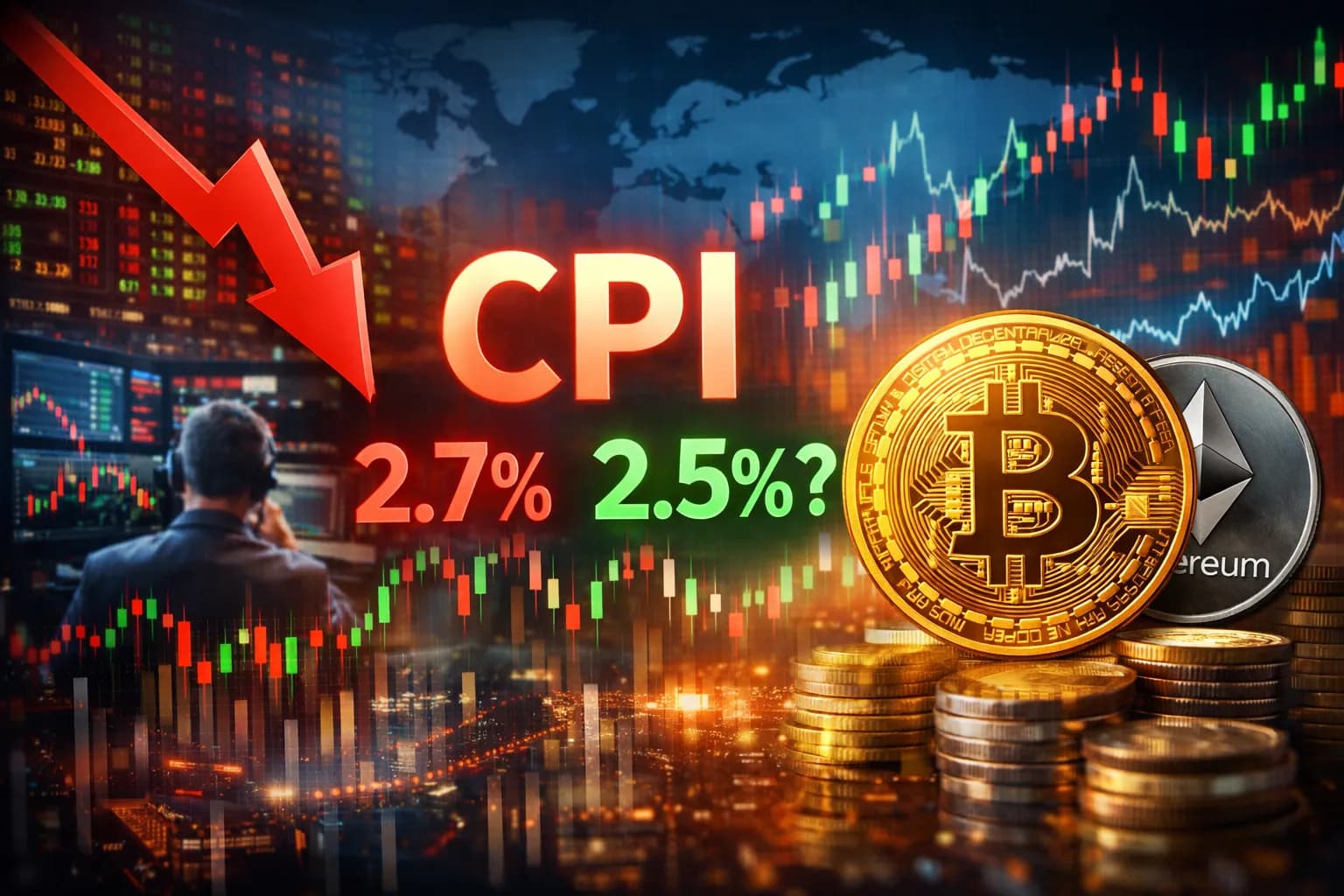
Inflation Data Ahead: Markets and Cryptocurrencies Brace for CPI Volatility

Global markets are on edge as investors await the latest CPI inflation report, with expectations at 2.5% compared to the previous 2.7%. Even a small deviation from forecasts could trigger significant volatility across stocks, currencies, and cryptocurrency markets, as traders reassess interest rate expectations and global liquidity conditions.

Abbas Al-Zuhairy

Economy · Global Economy

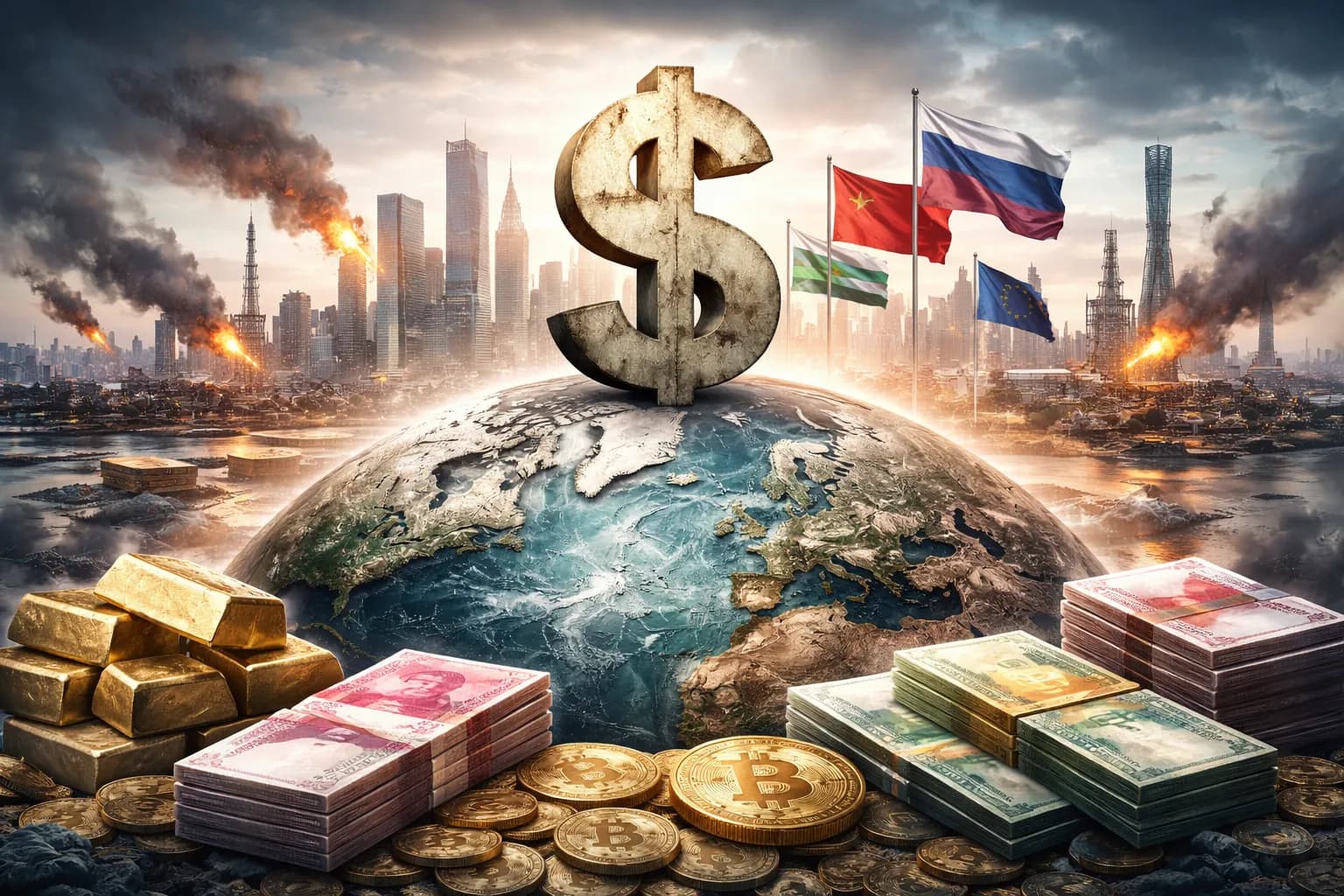
After the Middle East Conflict: Could the Dollar’s Dominance Face New Challenges

The US dollar has long been the backbone of global finance, but recent geopolitical tensions in the Middle East have sparked renewed questions about its long-term stability. As nations rethink trade agreements, explore digital currencies, and diversify reserves, the world may be moving toward a more multipolar financial system. While the dollar remains dominant, emerging alternatives suggest a future where reliance on a single currency could gradually diminish.

Abbas Al-Zuhairy

Economy · Global Economy

Possible Disruption in the Strait of Hormuz Raises Fears for Global Energy Markets

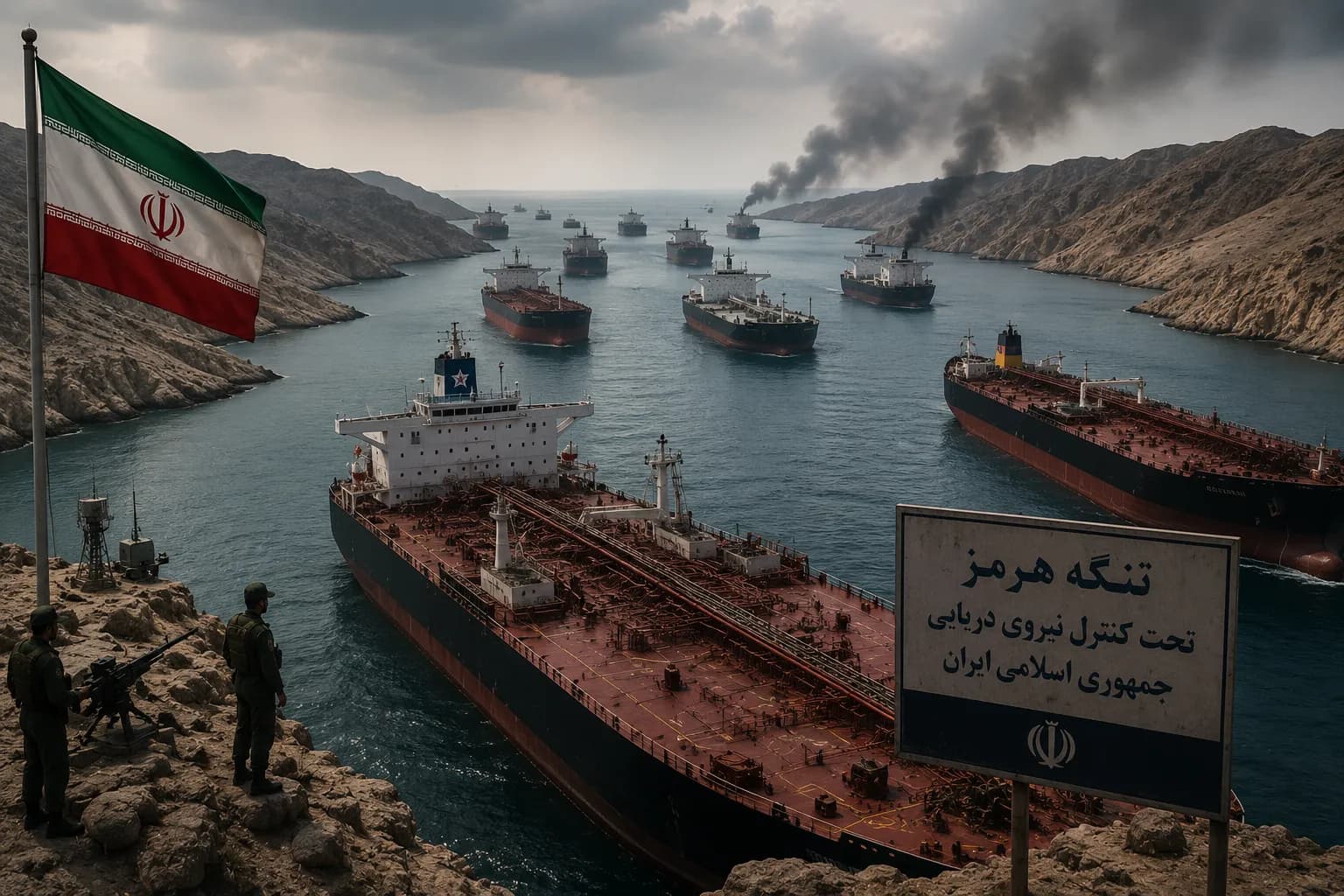
Growing tensions around the Strait of Hormuz are raising concerns among global markets and energy analysts. As one of the world’s most important oil transit routes, any potential disruption could significantly affect energy supplies, trade flows, and economic stability worldwide. Experts warn that prolonged instability in this strategic waterway may lead to rising oil prices and increased pressure on the global economy.

Abbas Al-Zuhairy

Economy · Global Economy

China’s 2026 Growth Target and Global Implications

China’s 2026 economic growth target of 4.5–5% aims to promote high-quality development, advance structural reforms, strengthen domestic consumption, and maintain macroeconomic flexibility, reinforcing national resilience while contributing to global economic stability and modernization.

Botakoz Unbayeva

Economy · Global Economy

Domestic Demand as China’s Shield Against U.S. Pressure

China’s 2026–2030 Five-Year Plan positions economic reform, domestic demand, and tech self-reliance as strategic tools to withstand pressure from the United States. By boosting innovation, green transition, and internal markets, Beijing strengthens resilience in an era of intensifying global competition.

İsmail Polat

Economy · Global Economy

China’s Auto Boom and Its Impact on Europe’s Economy

China’s rapid rise in the electric vehicle sector has triggered a profound transformation in Europe’s automotive market. While affordable Chinese EVs offer clear benefits to consumers and support climate goals, they also intensify competitive pressure on European automakers, threatening profitability, employment, and industrial capacity. This development exposes the EU’s vulnerabilities in supply chains and industrial sovereignty. Europe’s response will depend on a comprehensive strategy based on domestic investment, balanced trade policies, industrial cooperation, and supply chain diversification.

Uroosa Khan

22 of 22