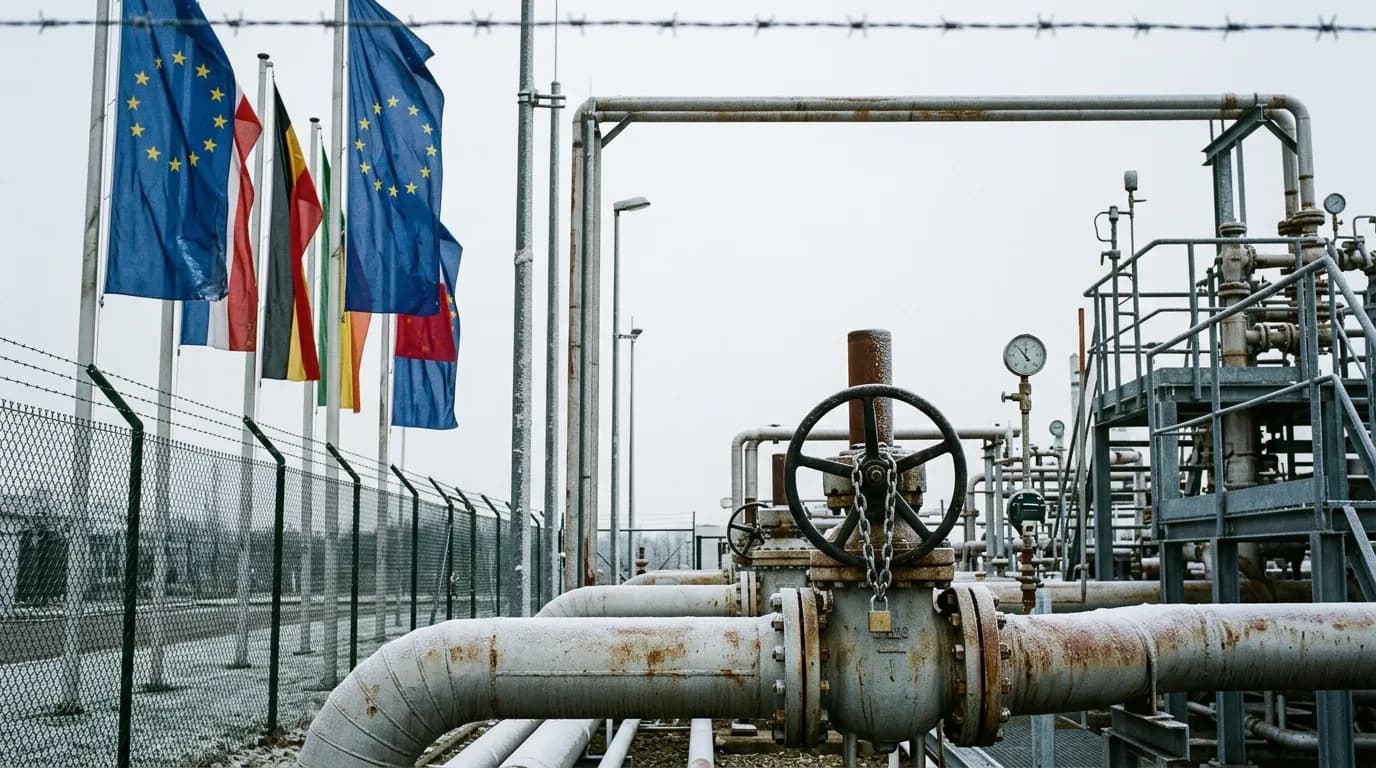
As potential U.S. diesel export restrictions threaten to deepen Europe’s energy crisis, the EU has spent an extra €100 billion on imports while getting zero additional fuel. With Strait of Hormuz disruptions pushing crude past $110, Brussels is urging mandatory consumption cuts while accelerating its push toward energy sovereignty.
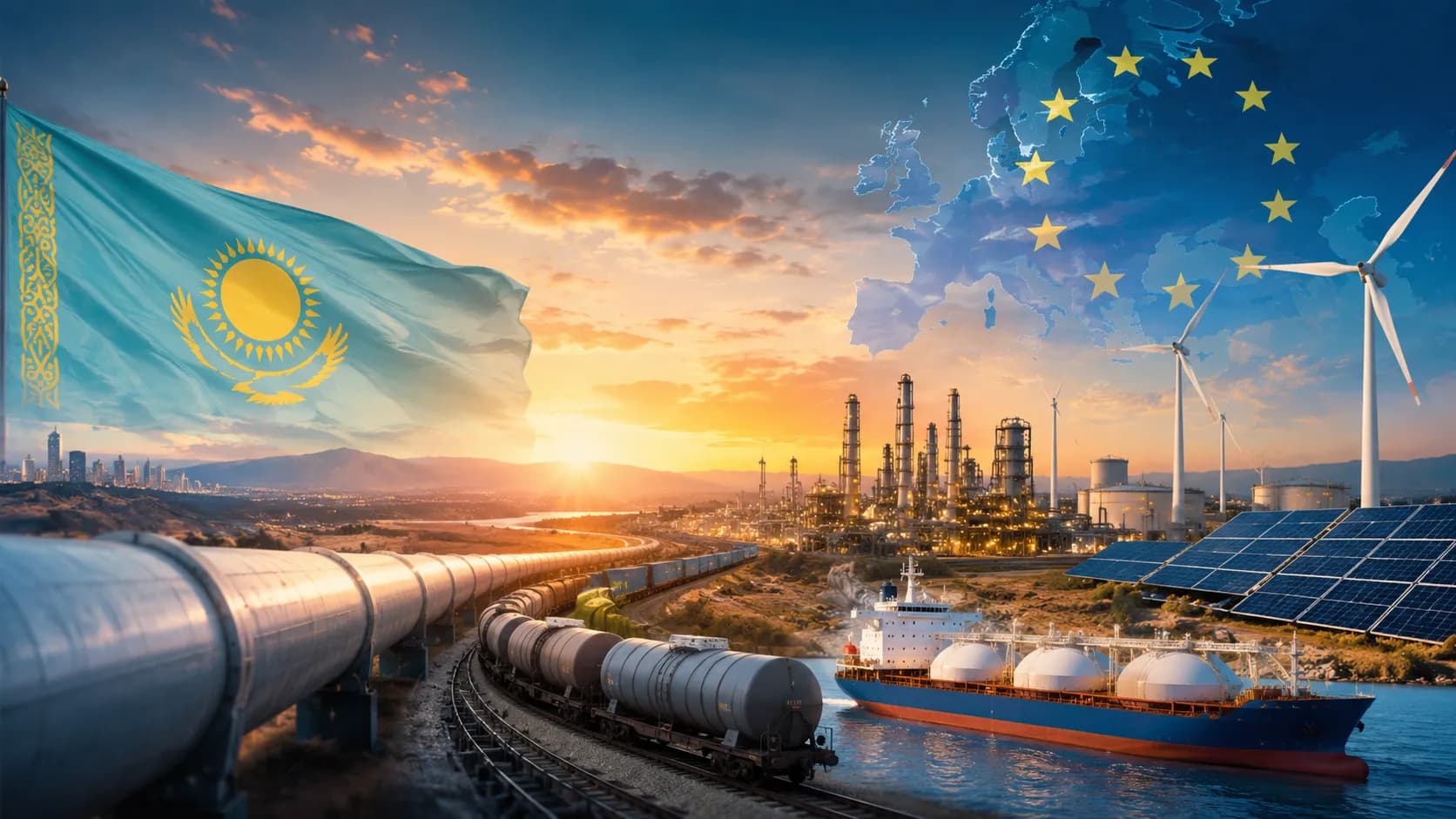
The EU is Kazakhstan's largest trading partner, with mineral products dominating exports, while Astana seeks to diversify its economy beyond raw materials.
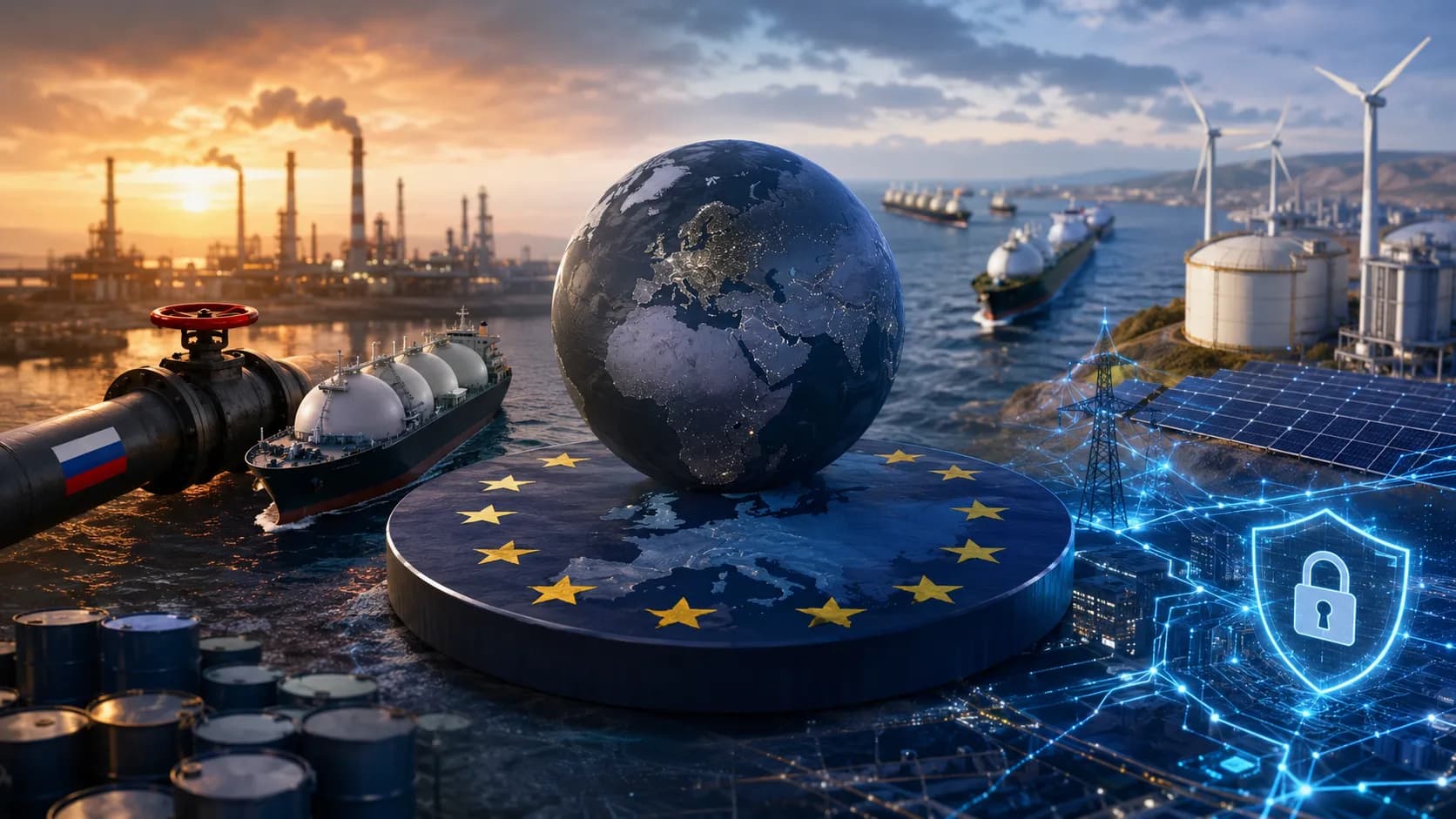
Europe cut Russian gas imports from 45% to 12% since 2021, but Middle East tensions triggered the largest coordinated IEA oil stock release on record in 2026. Brussels answered with the AccelerateEU package and a new EU energy security law, though 57% of EU energy remains imported fossil fuel.
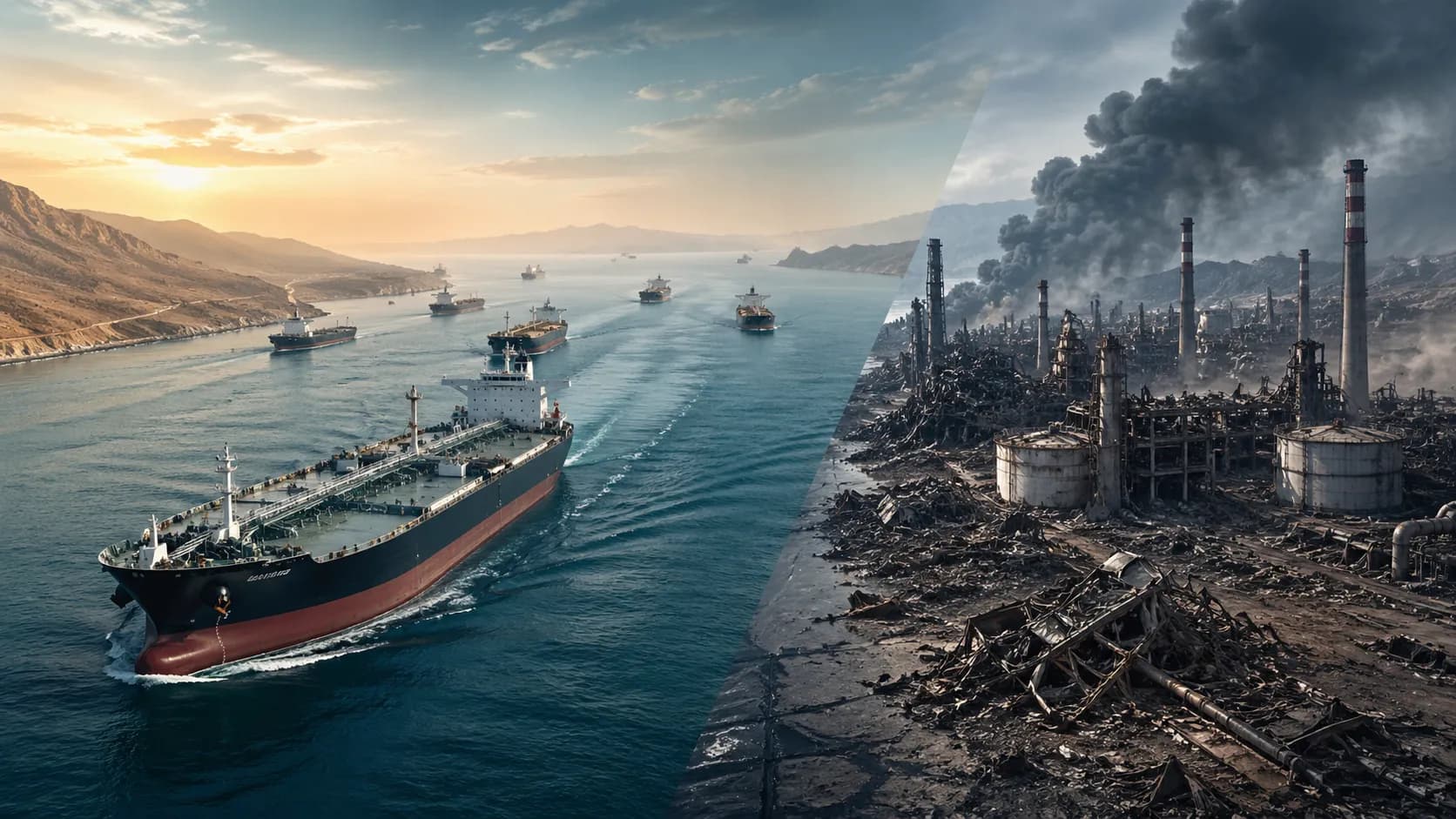
The reopening of the Strait of Hormuz does not guarantee rapid normalization in global energy markets. The main challenge lies in repairing damaged oil fields, refineries, and LNG facilities. Long-term recovery depends on infrastructure reconstruction, logistics, and regional geopolitical stability.
Escalating tensions in the Strait of Hormuz following the US–Israel war with Iran have triggered a sharp rise in oil prices and renewed fears of supply disruptions. Tehran’s selective passage policy highlights the strait’s growing role as a strategic instrument in global energy geopolitics.
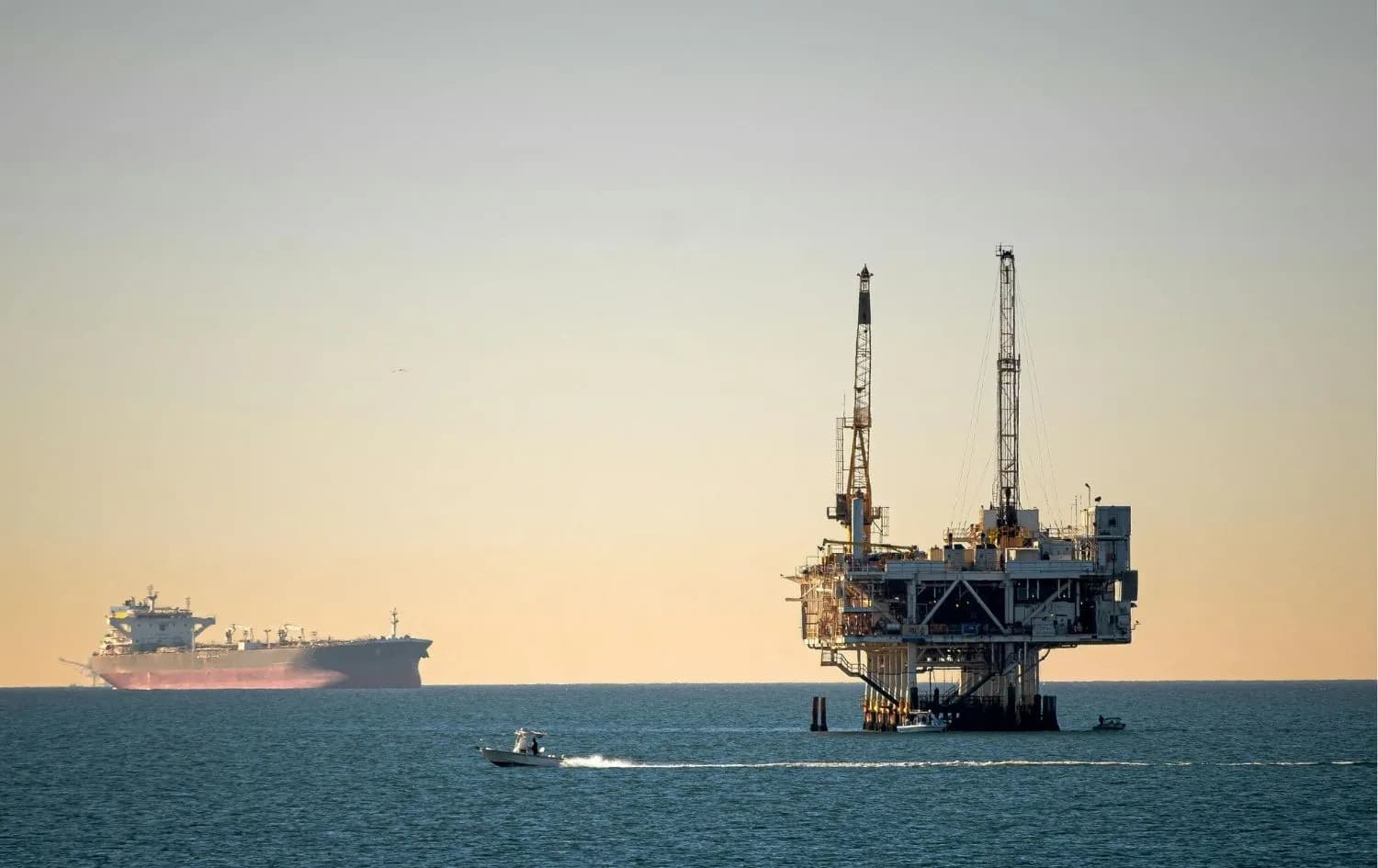
Iran’s closure of the Strait of Hormuz threatens global energy supply and supply chains. Gulf countries must find alternative routes to export oil and gas. Without new pipelines, storage hubs, and cooperation, the risk of economic shocks and wider regional conflict could increase.
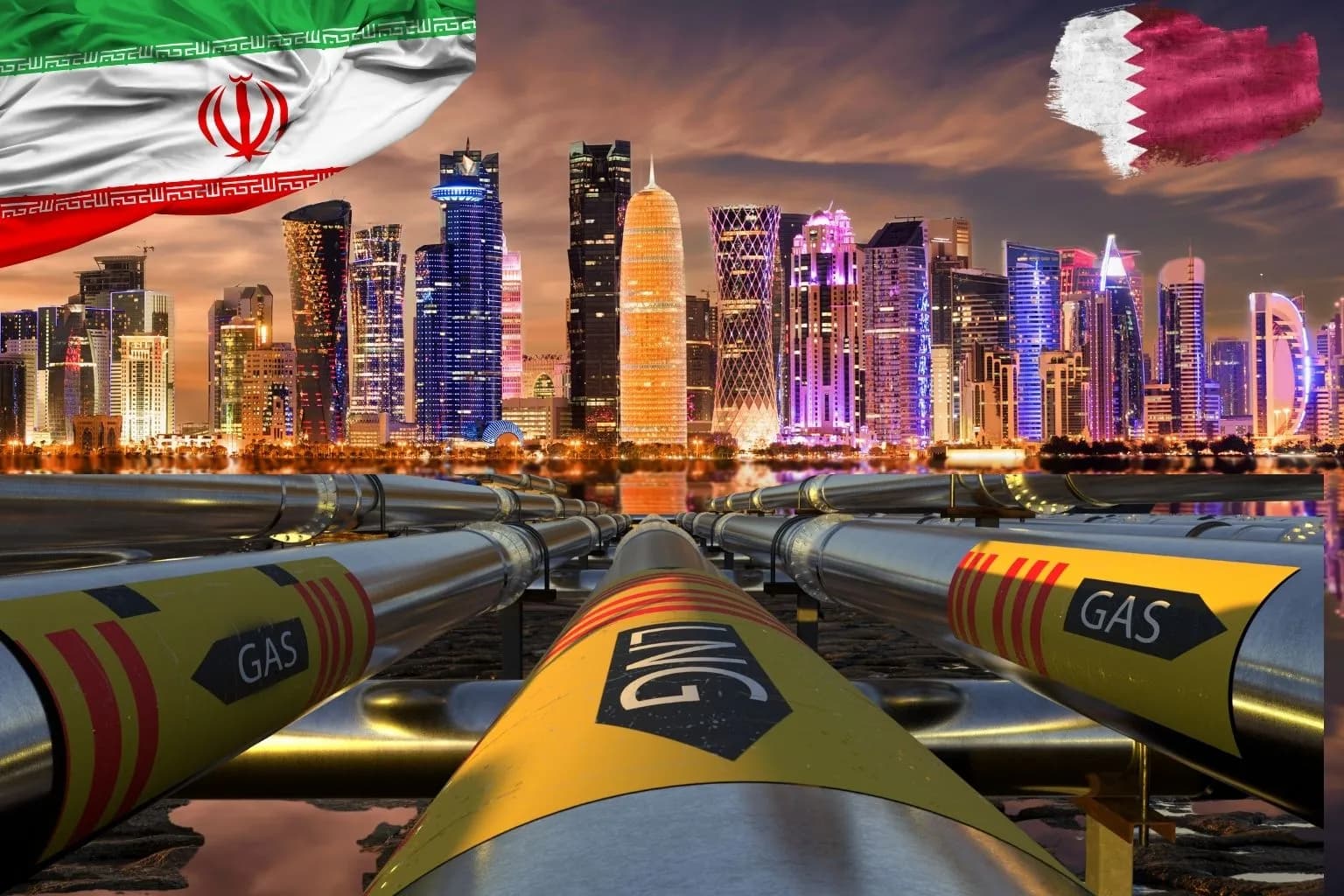
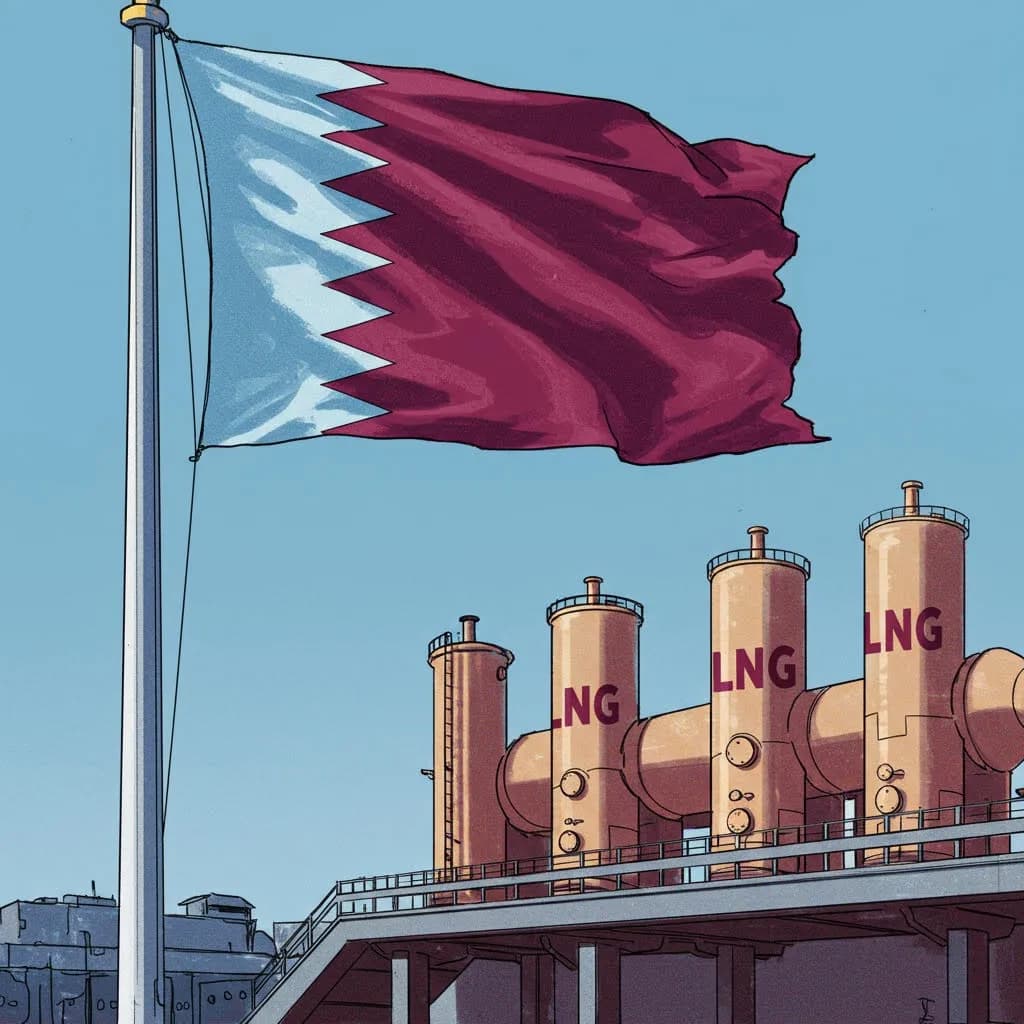
Following military attacks on QatarEnergy facilities, LNG production has been halted and Force Majeure declared, highlighting vulnerabilities in regional and global energy security. The disruption underscores risks to supply chains, market stability, and the critical need for infrastructure protection, crisis management, and diversified sourcing strategies.
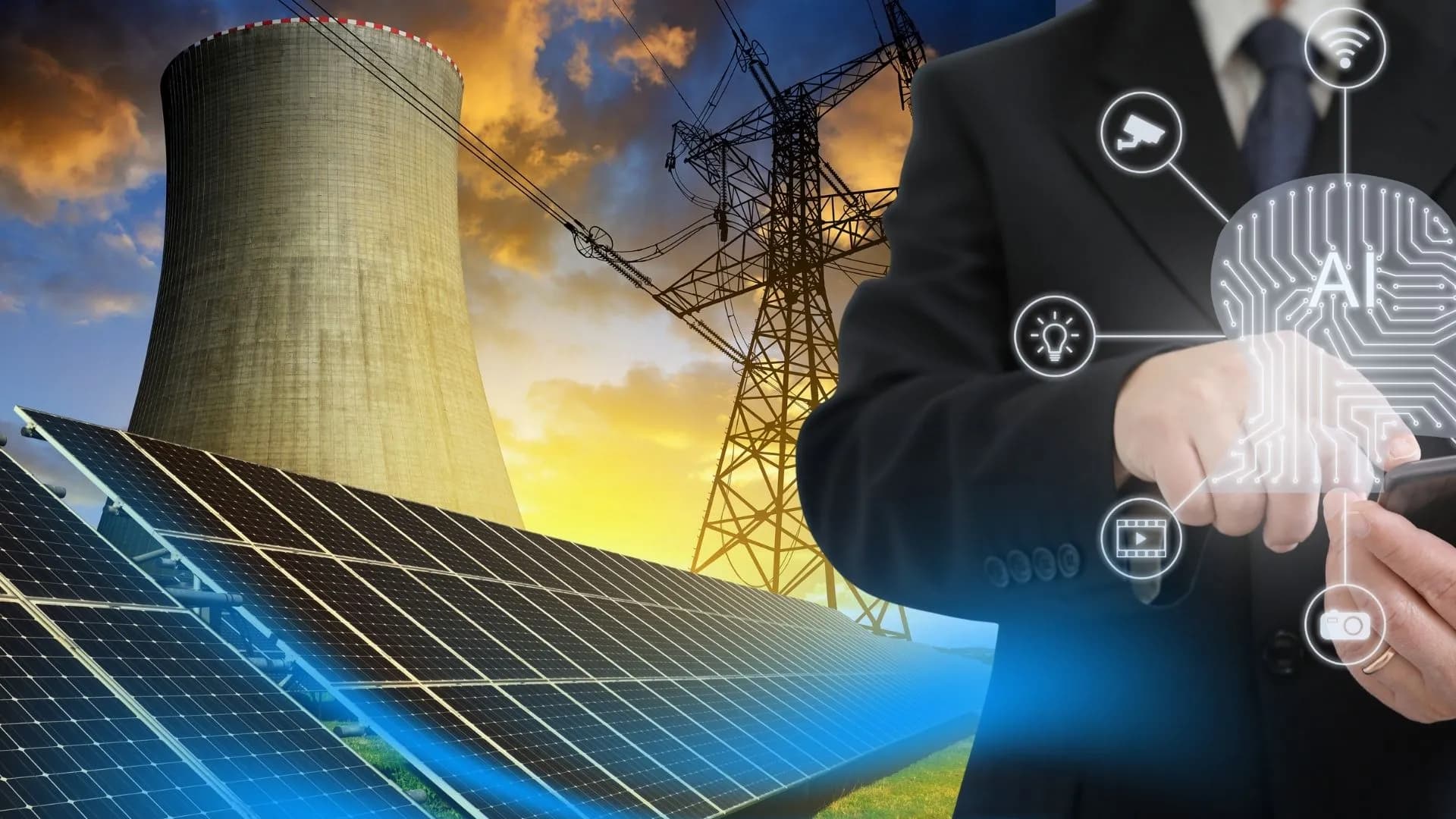
This study examines the transformative role of artificial intelligence (AI) in the energy sector, focusing on key application areas ranging from cybersecurity and supply chain management to emissions monitoring, energy production, trading, and predictive maintenance. AI-driven solutions enhance operational efficiency, strengthen system security, and support sustainability objectives. The findings indicate that AI has evolved into a strategic governance and decision-making instrument within contemporary energy systems.
Energy security has emerged as a multidimensional policy domain that is directly linked to economic development, social welfare, and national security within the contemporary international system. Ensuring the availability of energy resources in the desired quantity, at reasonable costs, at the right time and in the right place requires a holistic approach that goes beyond technical and economic considerations to include geopolitical, security, and governance dimensions. This study aims to establish the theoretical foundations for a qualified threat analysis of energy security by systematically examining seven core parameters that constitute energy security. The framework developed through the parameters of geopolitics, national security, physical security, cybersecurity, logistics, markets, and sustainability reveals the dynamic and multi-layered nature of energy security.
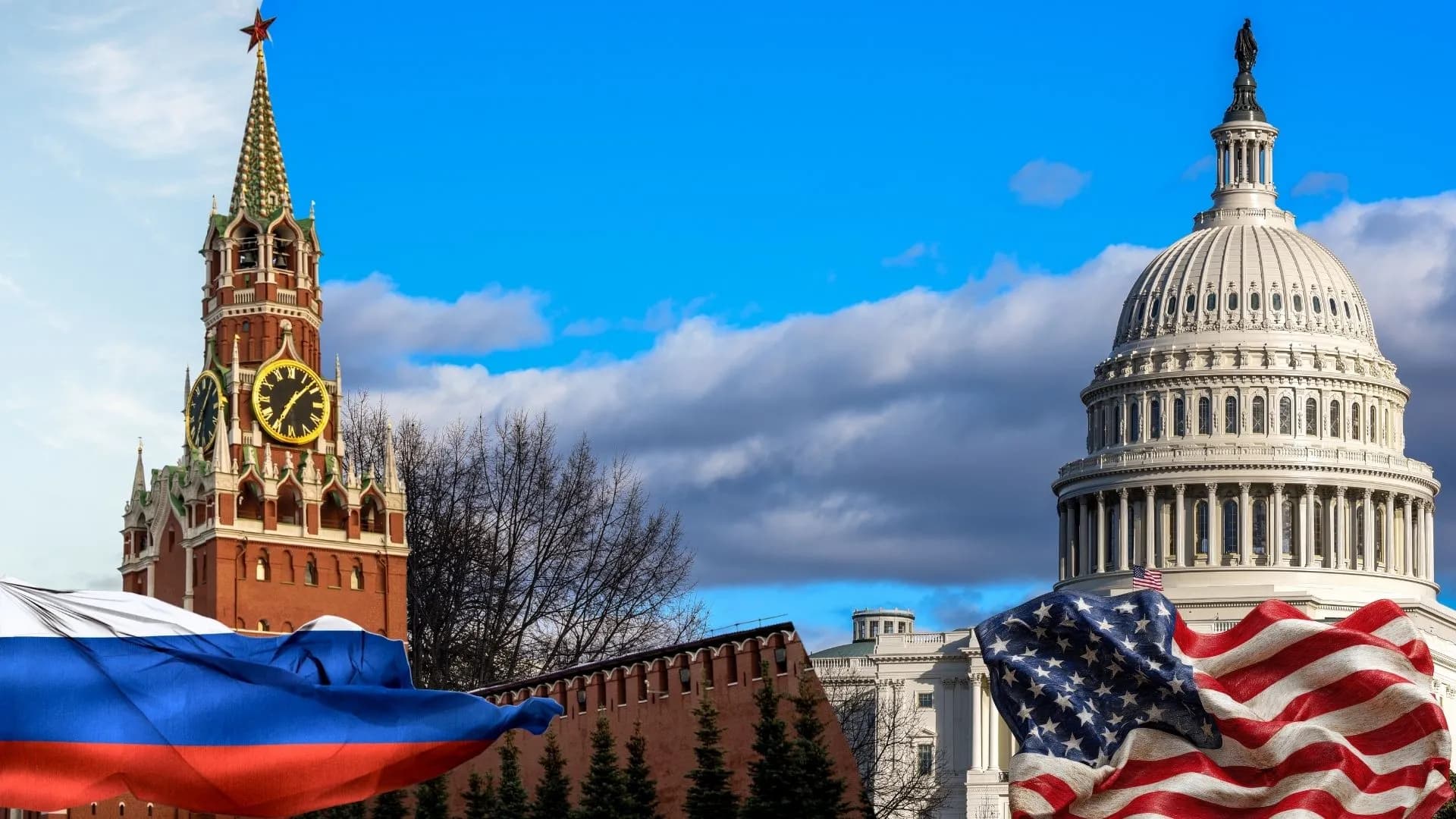
The latest U.S. draft peace framework aimed at ending the war in Ukraine has triggered extensive debate across European capitals, not only for its geopolitical implications but also for its potential impact on the evolving architecture of global energy security. According to The Wall Street Journal, Washington is considering a proposal that would allow the controlled reintroduction of Russian energy supplies into global markets as part of a broader reconstruction and reintegration strategy.
Such an approach contrasts sharply with the European Union’s post-2022 energy agenda, which prioritizes reducing structural dependence on Russian hydrocarbons through diversified suppliers, expanded LNG capacity, and accelerated renewable-energy investment. The U.S. plan, by contrast, envisages the reintegration of Russian strategic energy assets into the global system, raising concerns that it may weaken Europe’s long-term energy autonomy.
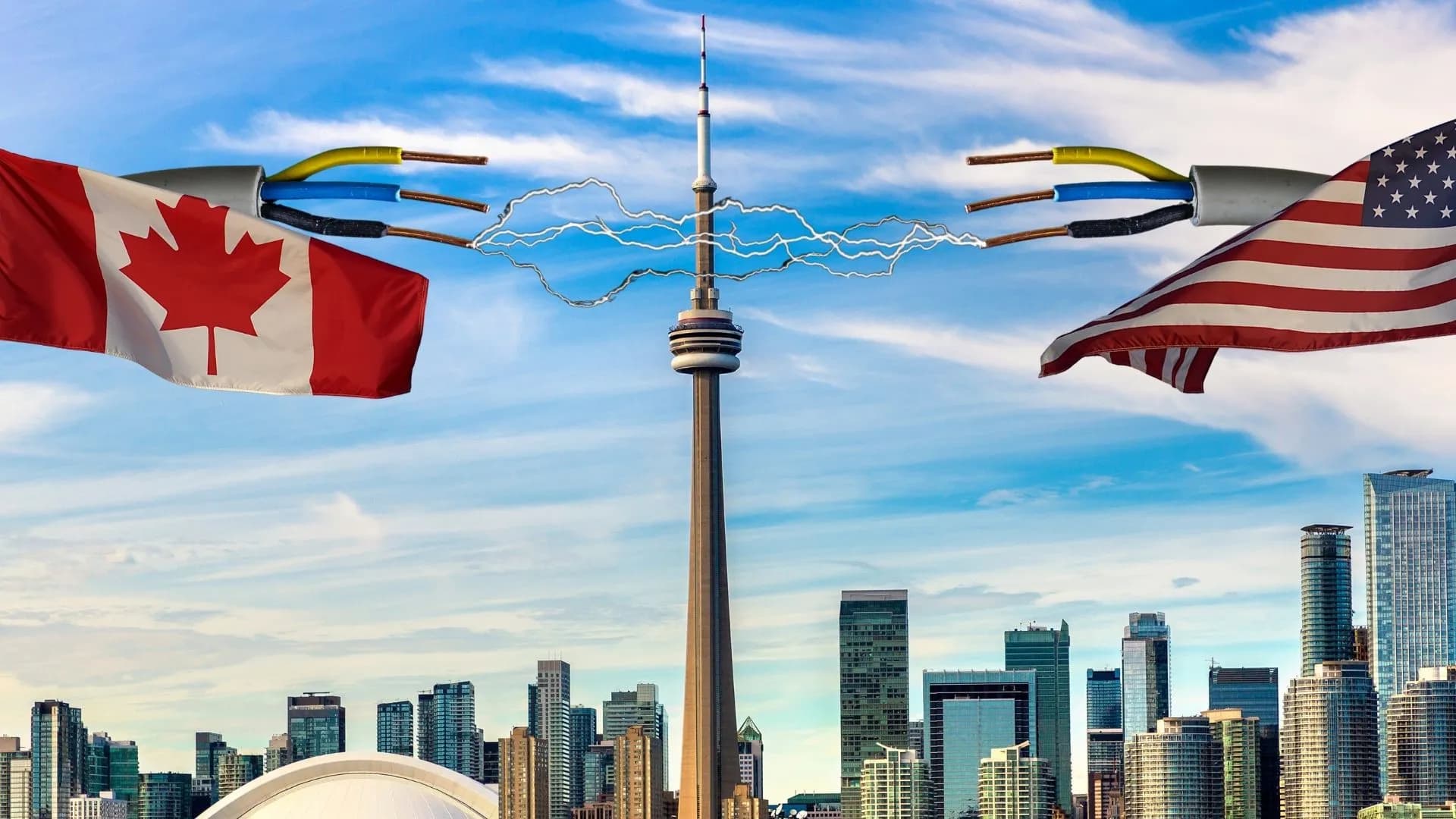
Recent policy shifts in Canada indicate a significant transformation in the country’s approach to energy security. The agreement signed between Prime Minister Mark Carney and Alberta Premier Danielle Smith, which suspends federal clean electricity regulations, represents more than a temporary regulatory adjustment. It signals a broader attempt to recalibrate the foundational components of Canada’s future energy security architecture.
One of the most notable outcomes of this policy shift is the renewed feasibility of developing large-scale natural gas infrastructure to support emerging digital industries. Capital Power Corp.’s consideration of expanding the 1,857-MW Genesee power complex—now fully converted from coal to natural gas—illustrates this shift. The site’s potential to host a 1,000-MW, one-million-square-foot hyperscale data centre underscores the strategic intersection of energy policy and digital transformation. As energy-intensive data centres increasingly form the backbone of artificial intelligence, cloud computing, and advanced analytics, the reliability and scalability of power generation become crucial determinants of national competitiveness.
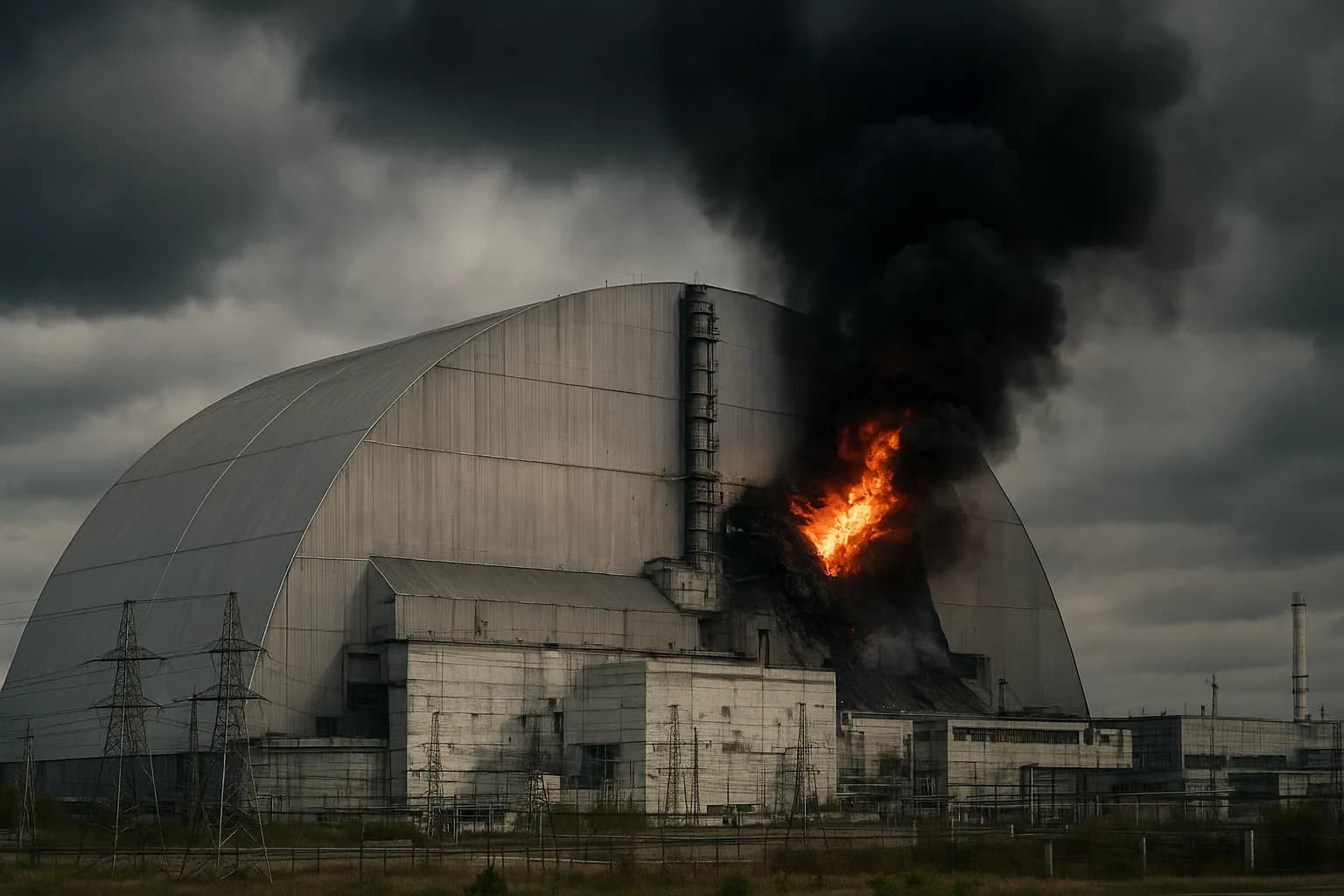
The IAEA has confirmed that a recent drone strike severely compromised the main protective shield at a nuclear site, leaving it unable to perform its core safety functions. While key structural elements remain stable, the Agency says only full restoration can ensure long-term nuclear security. International partners, including the EBRD, the EU and the UK, are supporting emergency repairs and supplying critical equipment. The IAEA stresses that global attention and continued assistance are essential as the conflict persists.
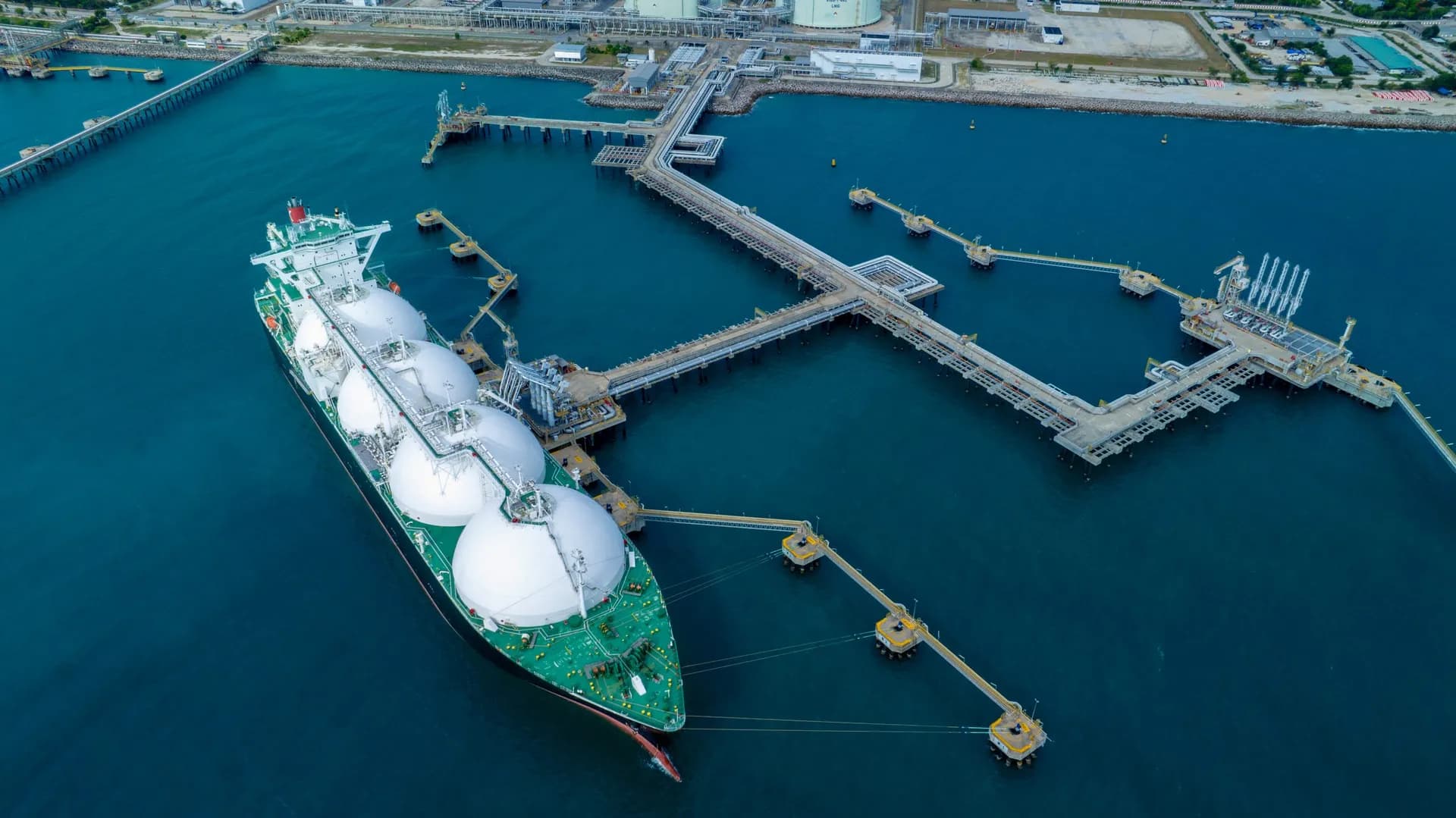
Türkiye has significantly bolstered its energy security and supply diversification through two major long-term Liquefied Natural Gas (LNG) agreements with international partners: Mercuria (US) and Woodside (Australia).
The European Union has reaffirmed its long-term commitment to energy security and independence, as outlined in the European Commission’s Work Programme for 2026, entitled “Europe’s Independence Moment.” The document underscores that energy will remain a central pillar of the EU’s policy agenda next year, driving competitiveness, growth, and economic resilience across the continent.
The Russia-Ukraine war highlighted Europe's energy vulnerabilities, positioning resource-rich countries like Qatar as crucial strategic allies for diversification. Qatar, holding the world's third-largest natural gas reserves, is leveraging its significant role in the Liquefied Natural Gas (LNG) market to forge long-term partnerships with Europe.