Iran’s proposed 10% levy on oil transiting the Strait of Hormuz has sparked legal debate and geopolitical tensions. If implemented, it could generate revenue for Tehran while raising global oil prices, adding a persistent risk premium and increasing market volatility.
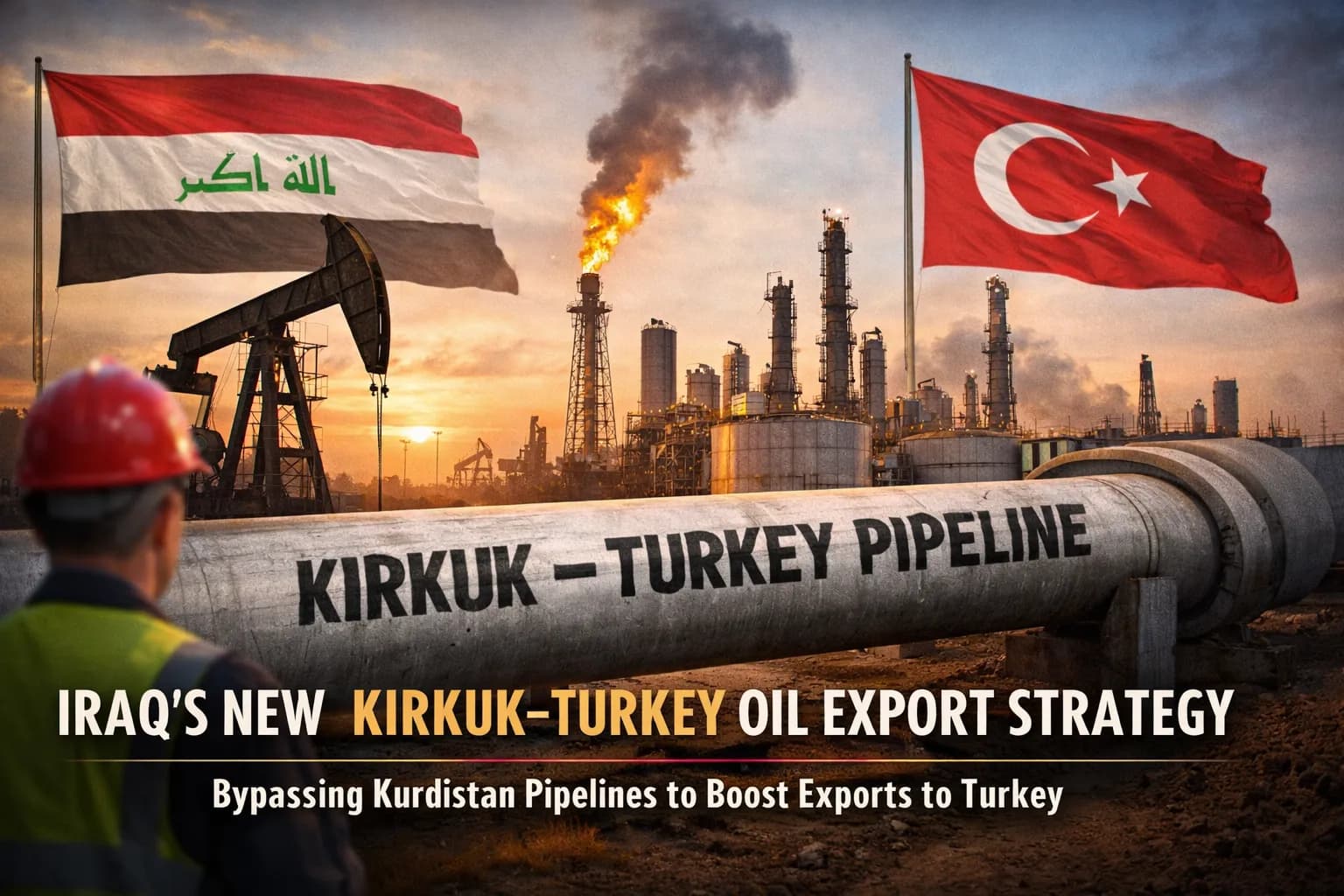
Iraq is accelerating plans to export up to 250,000 barrels of oil per day directly from Kirkuk to Turkey, sidestepping the North Iraq amid stalled negotiations and rising regional tensions. The move signals a major shift in Baghdad’s energy strategy as it seeks alternative routes to secure exports and stabilize supply chains.
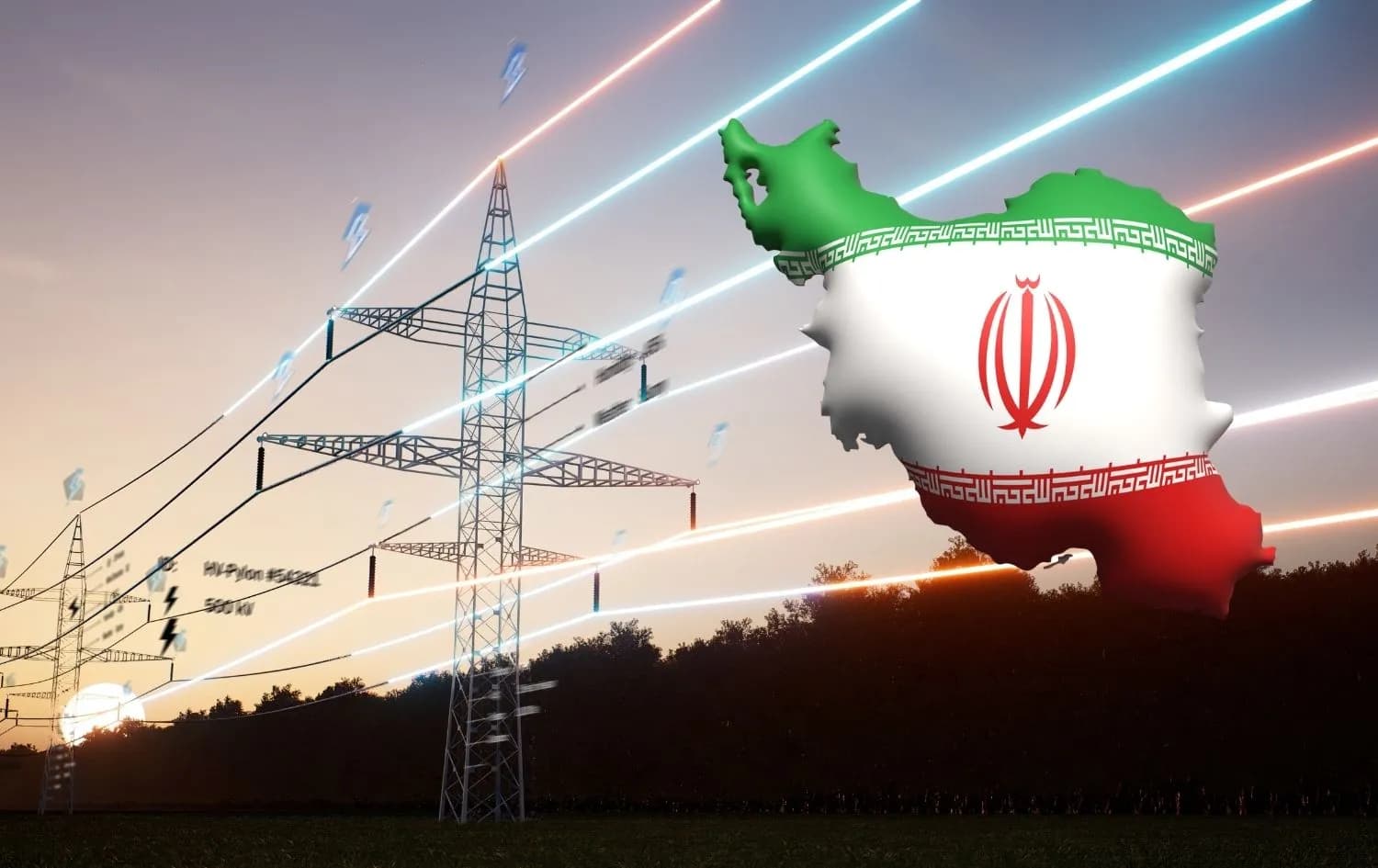
Iraq’s heavy reliance on Iranian gas—supplying nearly 40% of its energy needs—has made its power sector highly vulnerable to external shocks. Recent supply interruptions have led to major electricity losses, deepening the country’s ongoing energy crisis, particularly in central and southern regions.
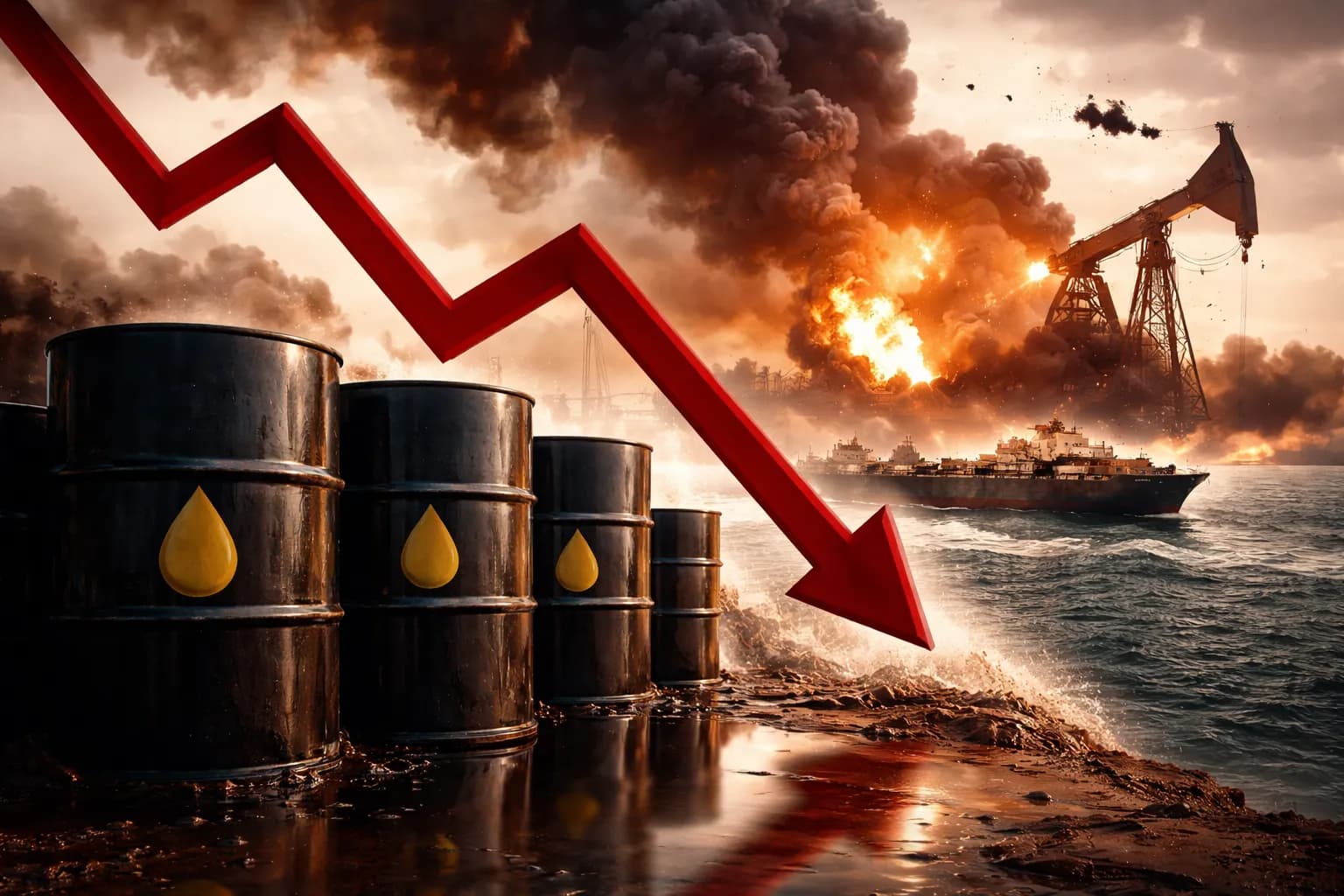
The escalating conflict in the Middle East is sending shockwaves through global energy markets, raising fears of one of the largest oil supply disruptions in modern history. With shipping through the Strait of Hormuz under threat, millions of barrels per day could be removed from global supply, increasing concerns over rising oil prices and a potential energy crisis worldwide.
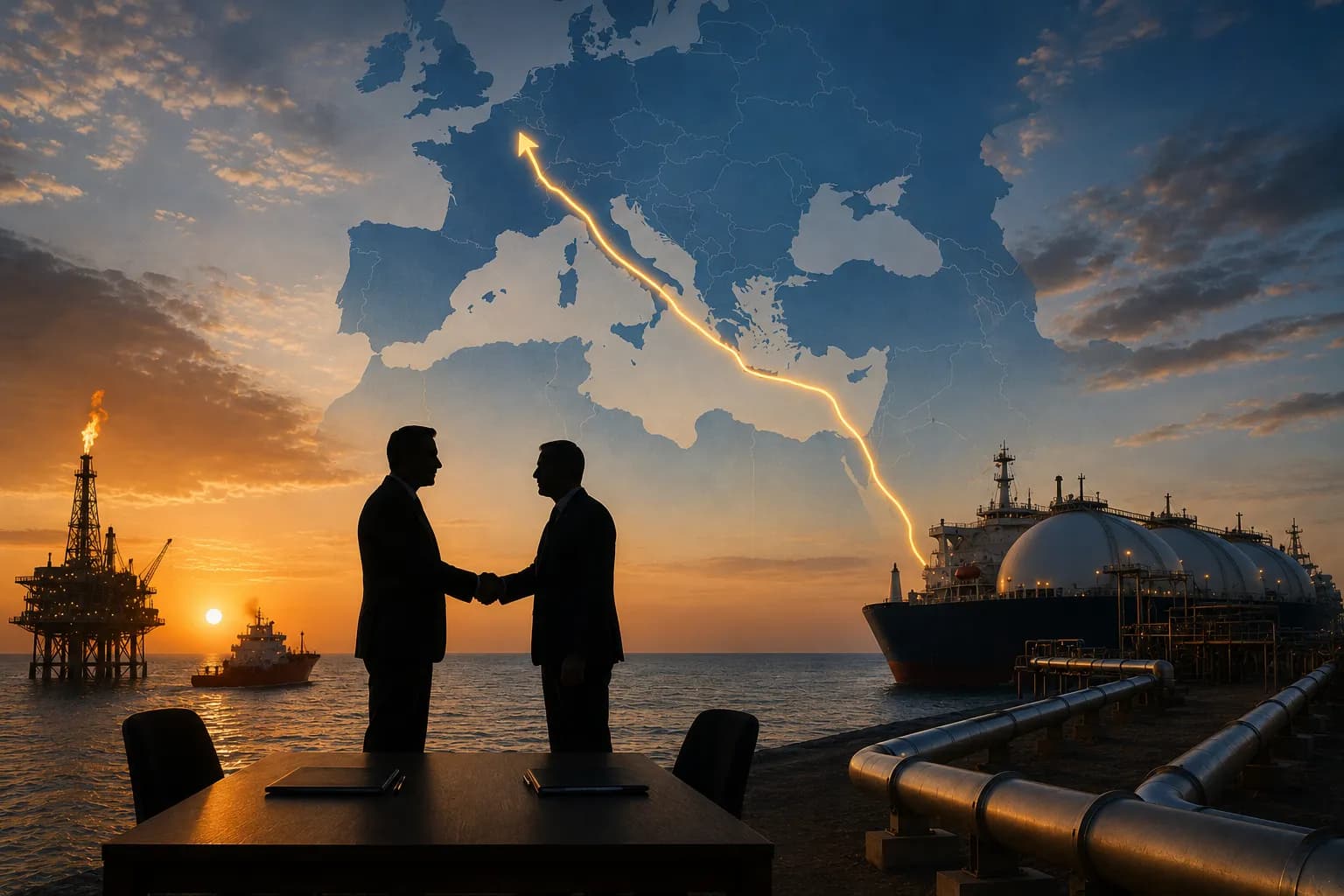
Qatar strengthens its strategic partnership with the UK through a new LNG agreement, reinforcing Europe’s energy security and deepening bilateral ties.
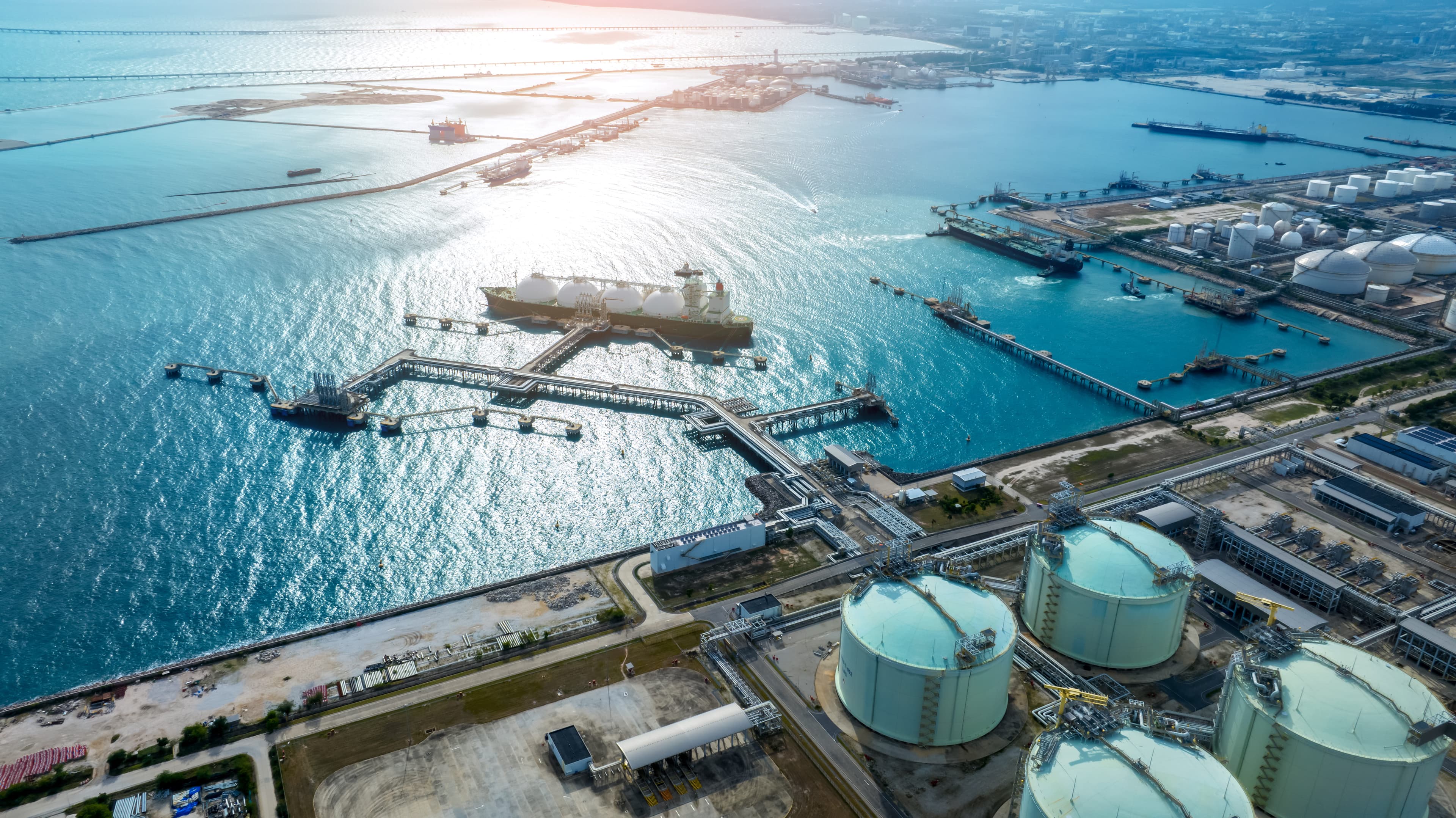
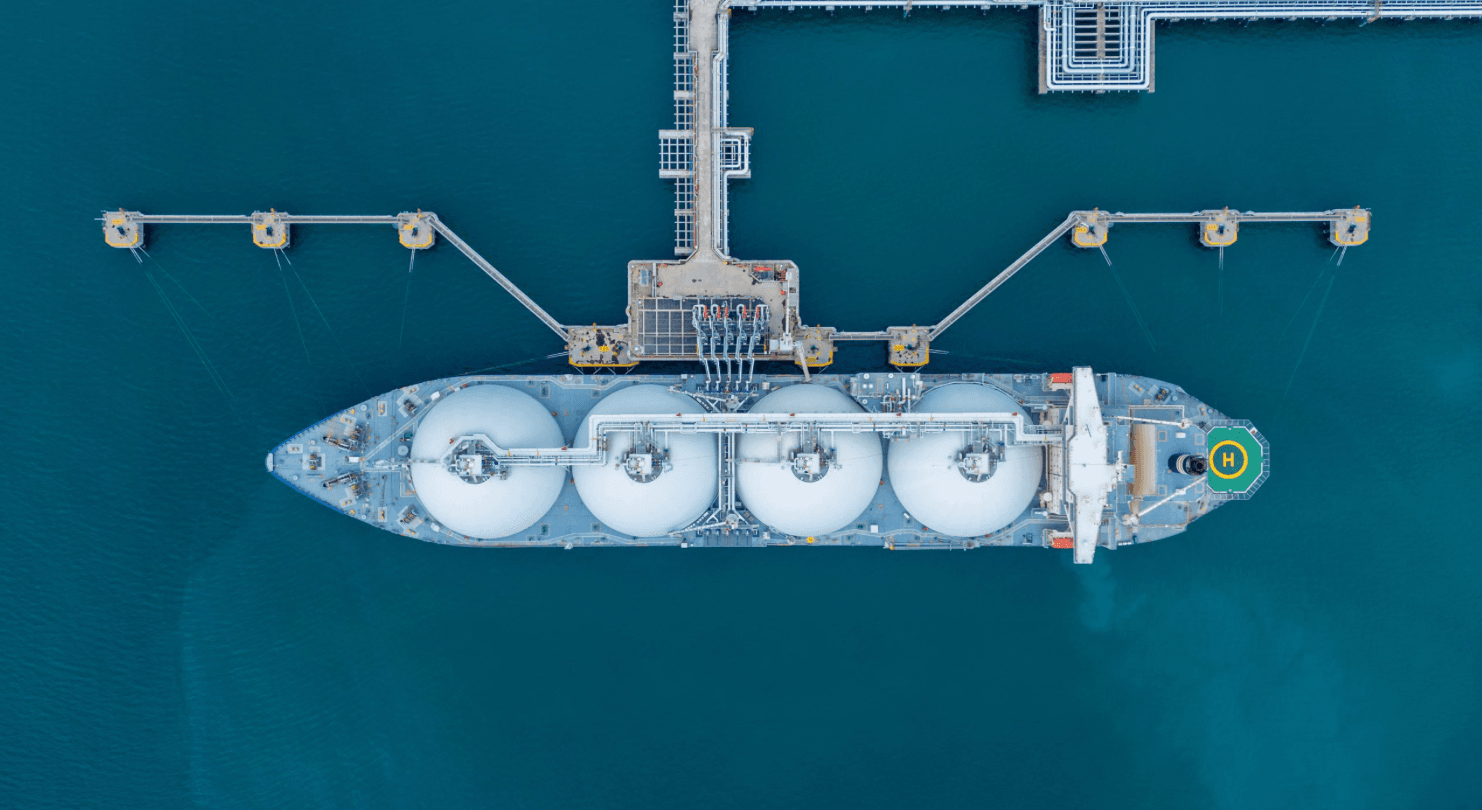
According to the U.S. Energy Information Administration (EIA), North America’s liquefied natural gas (LNG) export capacity is set to more than double by 2029, positioning the region—especially the United States—as the dominant force in global gas markets. With an additional 13.9 billion cubic feet per day (Bcf/d) of capacity planned, the U.S., Canada, and Mexico will collectively transform North America into a central global energy hub. This expansion will account for over half of global LNG growth, significantly enhancing Washington’s geopolitical leverage. For Europe, this offers greater energy security and diversification but also heightens strategic dependence on U.S. energy exports. Ultimately, LNG has become a key vector of American global power—linking energy, diplomacy, and strategy in a new phase of international energy geopolitics.