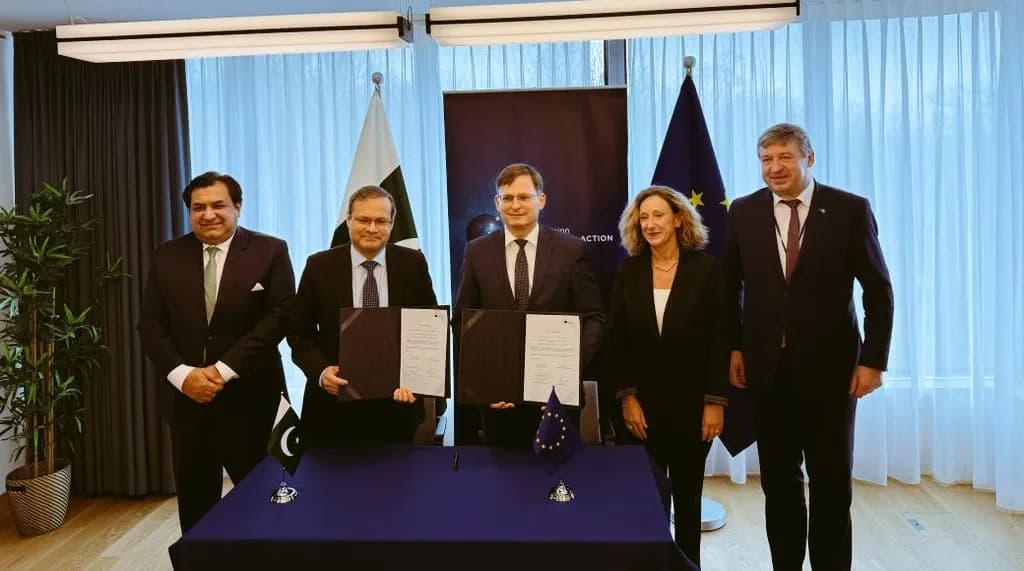
Pakistan and the European Investment Bank signed a declaration to advance a €60 million Karachi sewage and water infrastructure project, strengthening water security and climate-resilient urban services as part of deeper Pakistan–EU cooperation.
Japan’s Lost Decade, which began with the collapse of the asset bubble in the early 1990s, produced long-lasting economic, social, and political consequences that continue to shape the country today. Japan avoided systemic collapse and stabilized its financial sector, yet economic growth remained persistently low, accompanied by deflation, stagnant wages, and weakened investment.
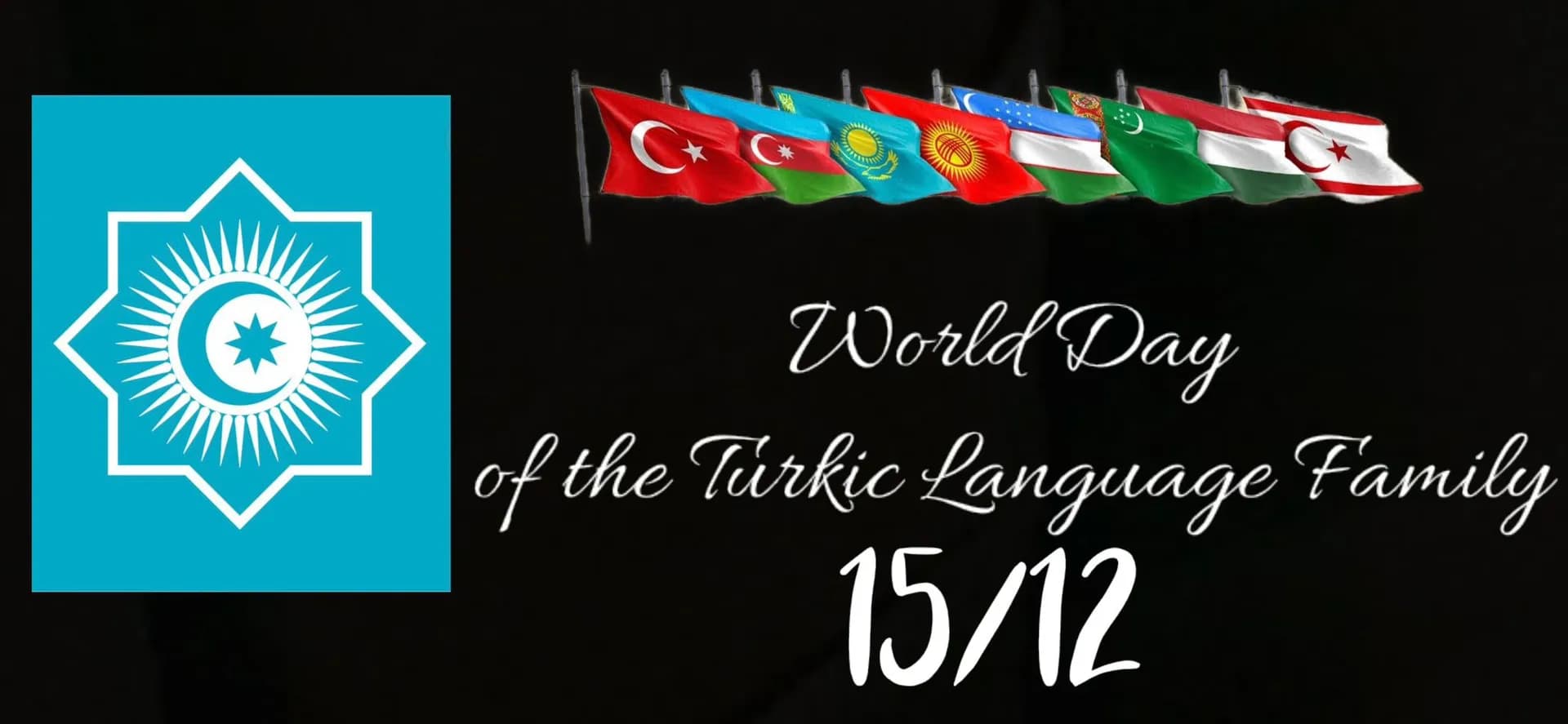
On 15 December 2025, the international community marks a historic milestone with the first official celebration of the World Day of the Turkic Language Family
The inscription of Italian cuisine on UNESCO’s Intangible Cultural Heritage List marks a historic shift by recognising a national culinary system as an integrated cultural, ecological and social practice. Beyond cultural symbolism, this decision has significant sustainability, economic and governance implications, setting an important precedent for heritage policy, food systems governance and cultural diplomacy at the global level.
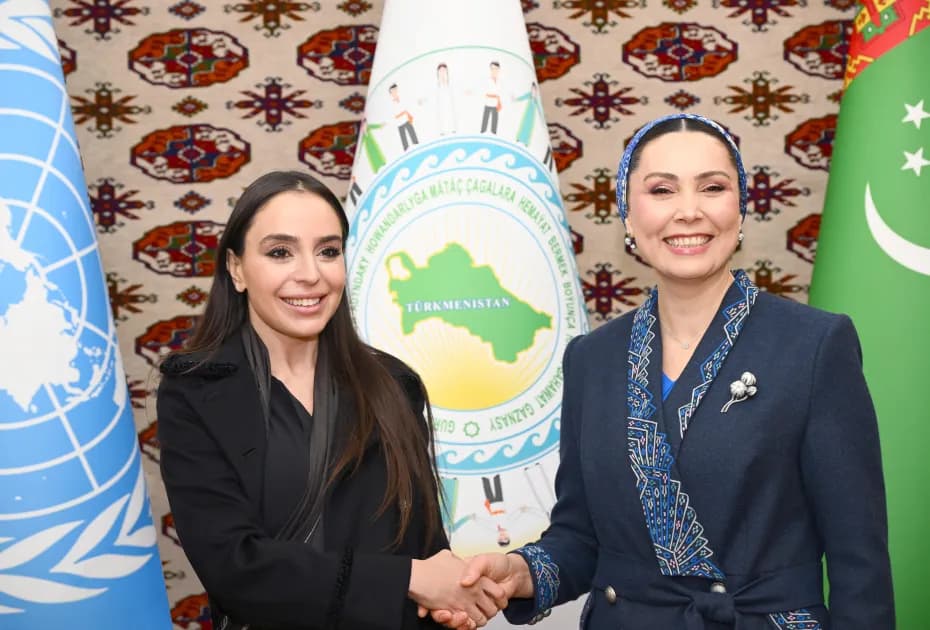
The Awaza branch of the Berdimuhamedov Charitable Foundation opened on December 9 in Turkmenbashi, highlighting the Foundation’s work in medical support, rehabilitation, and humanitarian aid for children. The Foundation reaffirmed its commitment to improving child welfare in Turkmenistan and abroad.
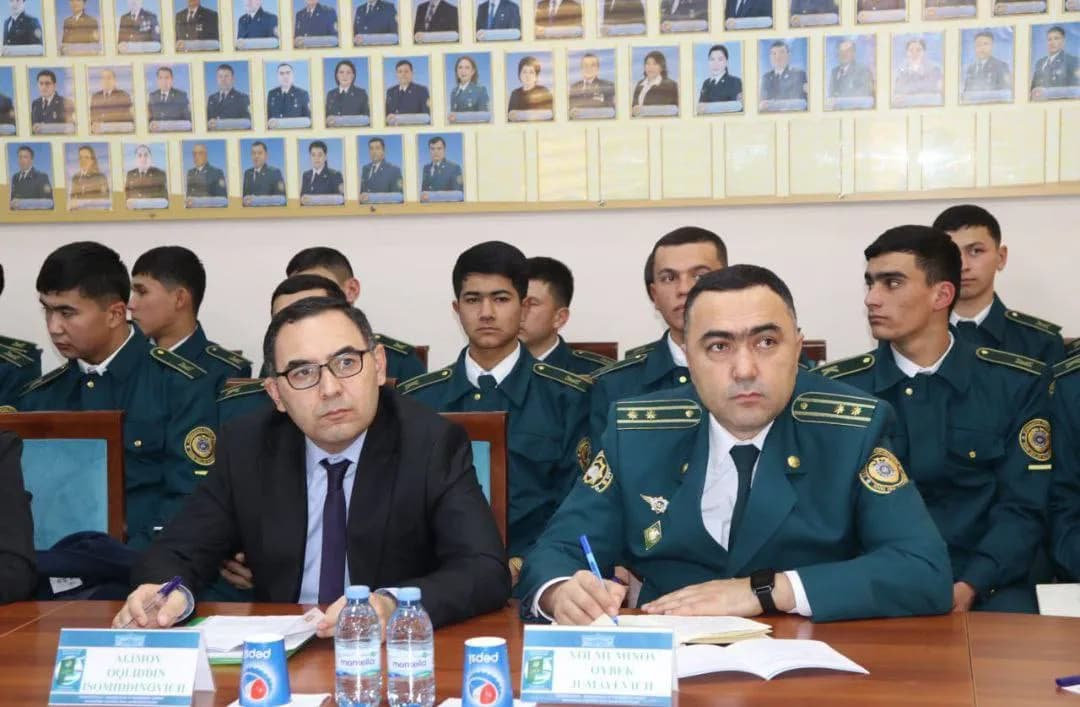
Associate Professor Oqiliddin Alimov presented at the national conference on how Uzbekistan’s Constitution supports a peaceful and constructive foreign policy. His remarks were well received and valued for their academic insight.
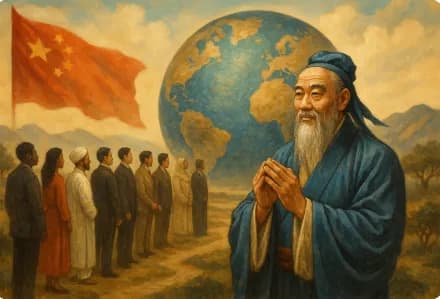
China’s vision for reforming global governance is built on the idea of a community with a shared future for humanity, inspired by Confucian values of harmony, mutual respect, and the common good. Through initiatives like the Belt and Road, China promotes cooperation and non-interference as alternatives to Western-led models. However, its approach faces skepticism due to geopolitical tensions and concerns about China’s human rights record.
HRL is one of Pakistan’s most trusted engineering and infrastructure companies, known for over 70 years of quality, innovation, and large-scale development. From power plants and smart cities to mining and industrial ventures, it operates across multiple sectors with a future-focused vision. Its work significantly contributes to Pakistan’s economic growth, modern urban planning, and national progress.
The EU has issued its first-ever penalty under the Digital Services Act against Elon Musk’s X, accusing the platform of misleading verification practices and failing to provide advertising transparency. X now has strict deadlines to fix violations, while the decision has sparked political backlash in the United States.
Finance – Salaries – Digital – Mobility – Culture
December 1st, 2025 does not bring a major “big bang,” but rather a set of very concrete adjustments affecting finances, digital services, employment, and several professional sectors. Quiet reforms… yet with direct consequences for households, businesses, and workers across Belgium.
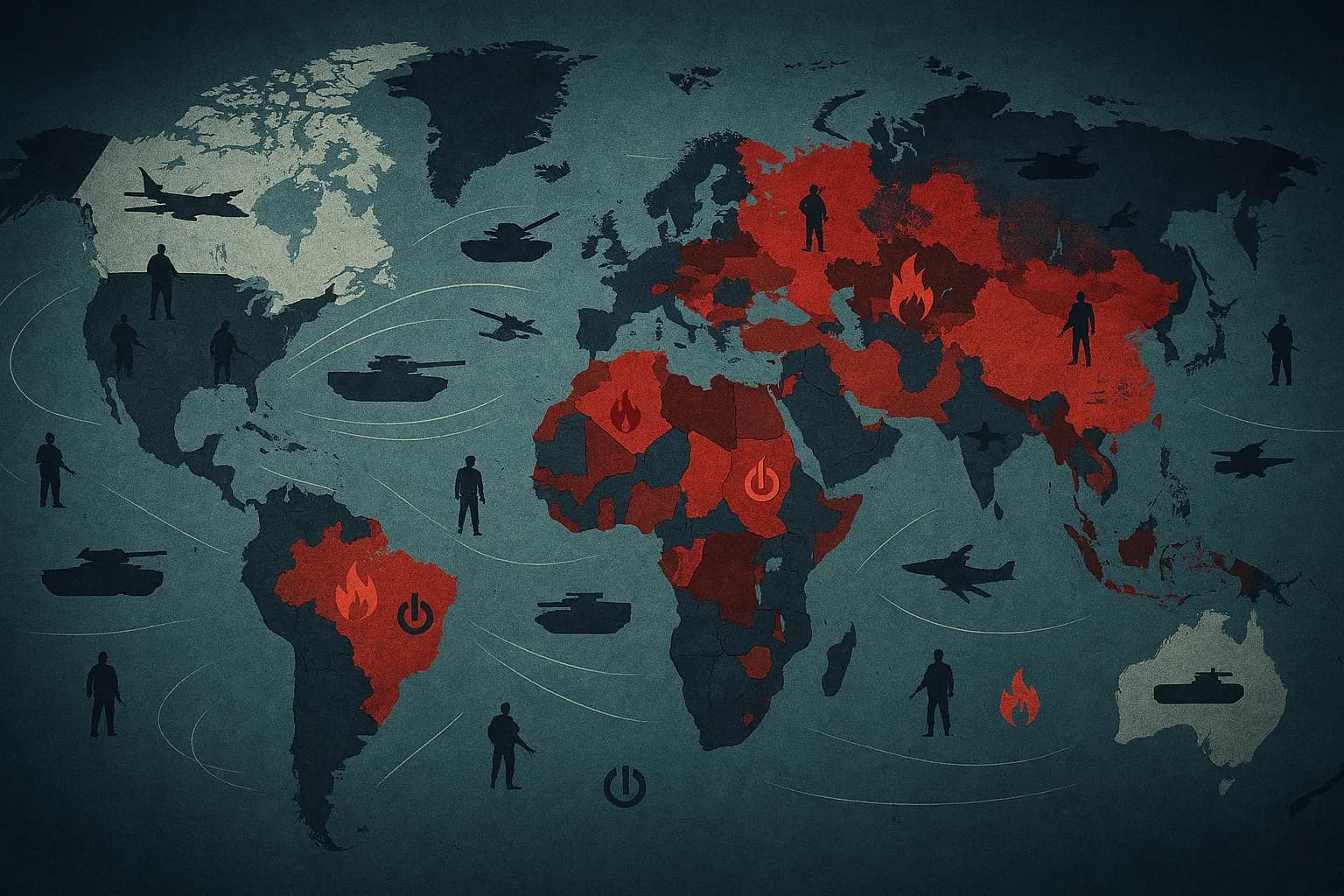
The world is shifting from a stable U.S.-led order to an unpredictable multipolar system marked by mistrust, nationalism, and militarization.
Geopolitical tensions, resource competition, and technological warfare are reshaping security and economic strategies globally.
Dialogue and improved communication channels remain the most viable path to peace amid rising conflicts and rivalry.
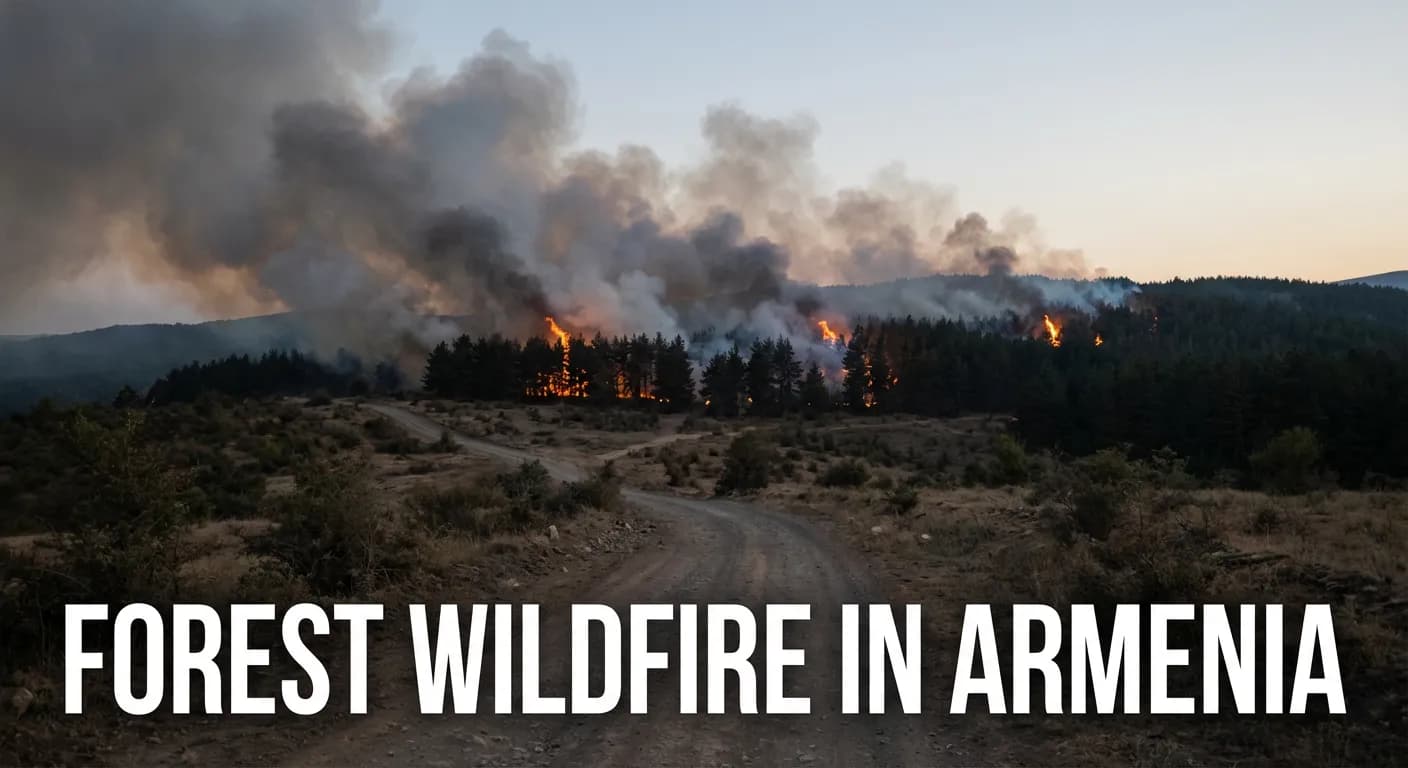
YEREVAN / CAUCASUS — A large-scale wildfire has swept through the northeastern Tavush Province of Armenia, prompting one of the country’s biggest coordinated firefighting operations in recent years. The fire — first reported on 21 November 2025 between the villages of Chambarak and Ttujur — has since spread across steep, drought-parched hillsides and threatened forested zones and nearby communities.
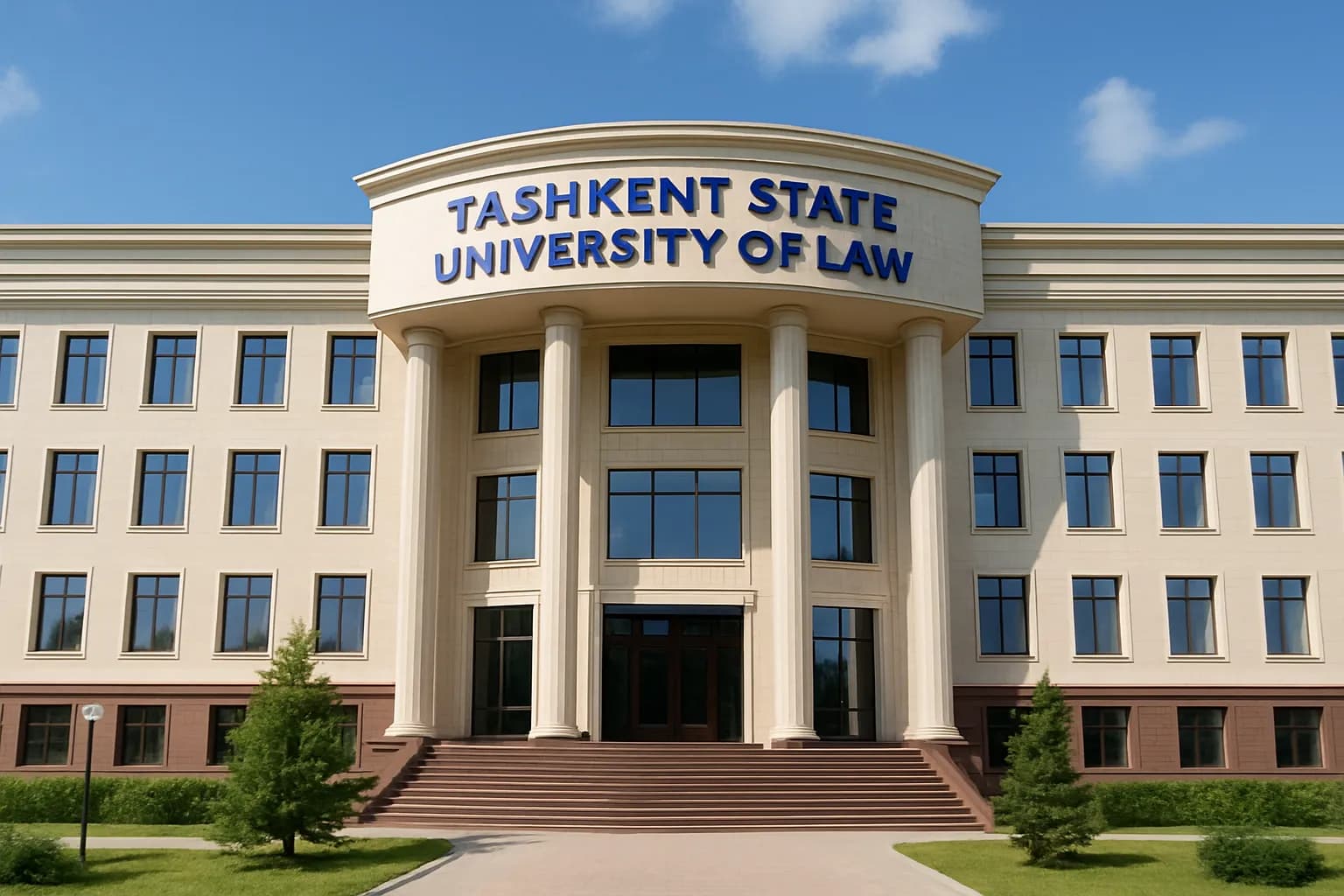
TSUL has been recognised as a “Reporter” in the 2026 THE Interdisciplinary Science Rankings, marking its first inclusion in this global evaluation. This status shows that the university met the data and participation requirements, reflecting its growing research capacity and commitment to interdisciplinary work. Although not yet ranked, TSUL’s Reporter designation signals progress toward full evaluation and strengthens its alignment with international academic standards.
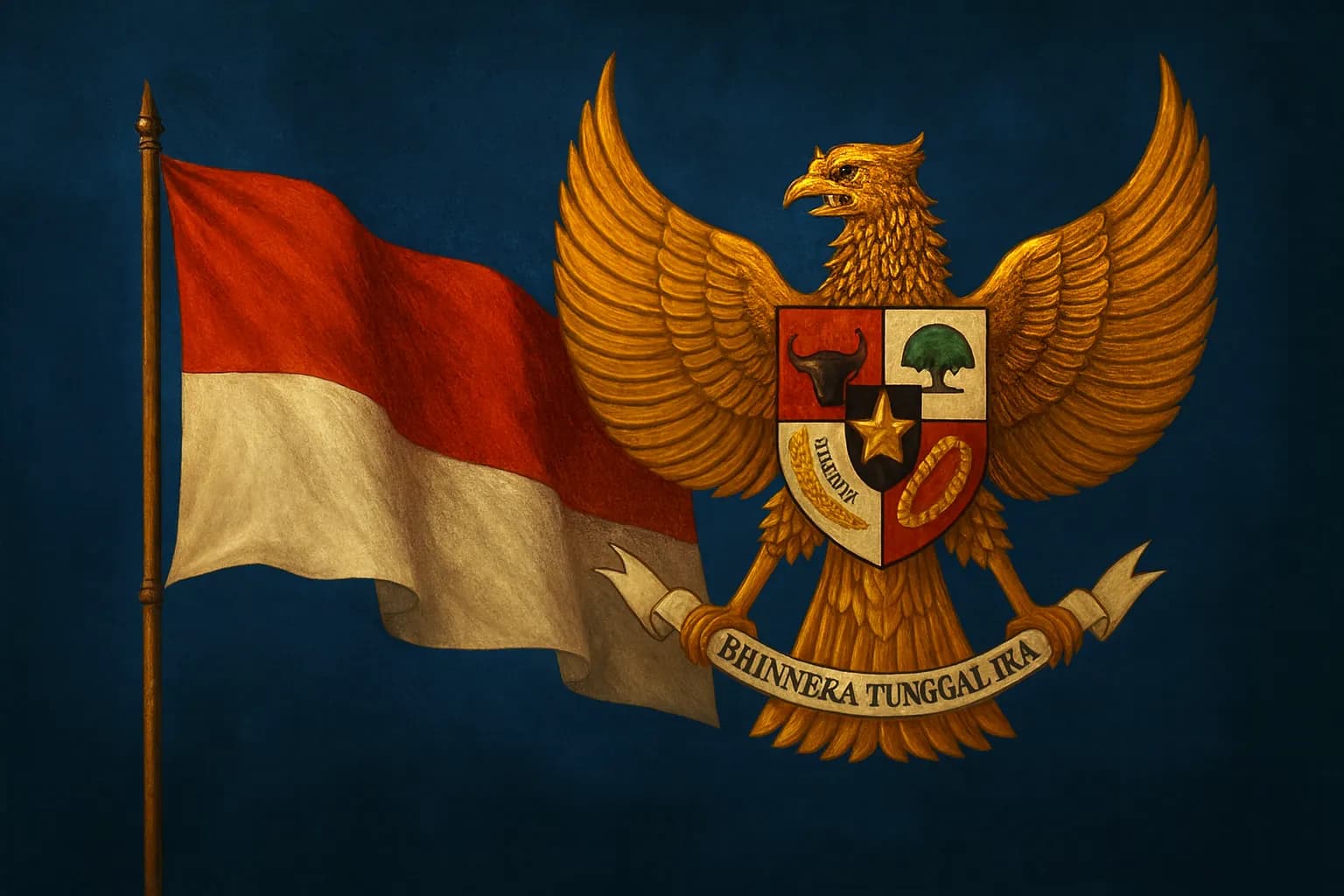
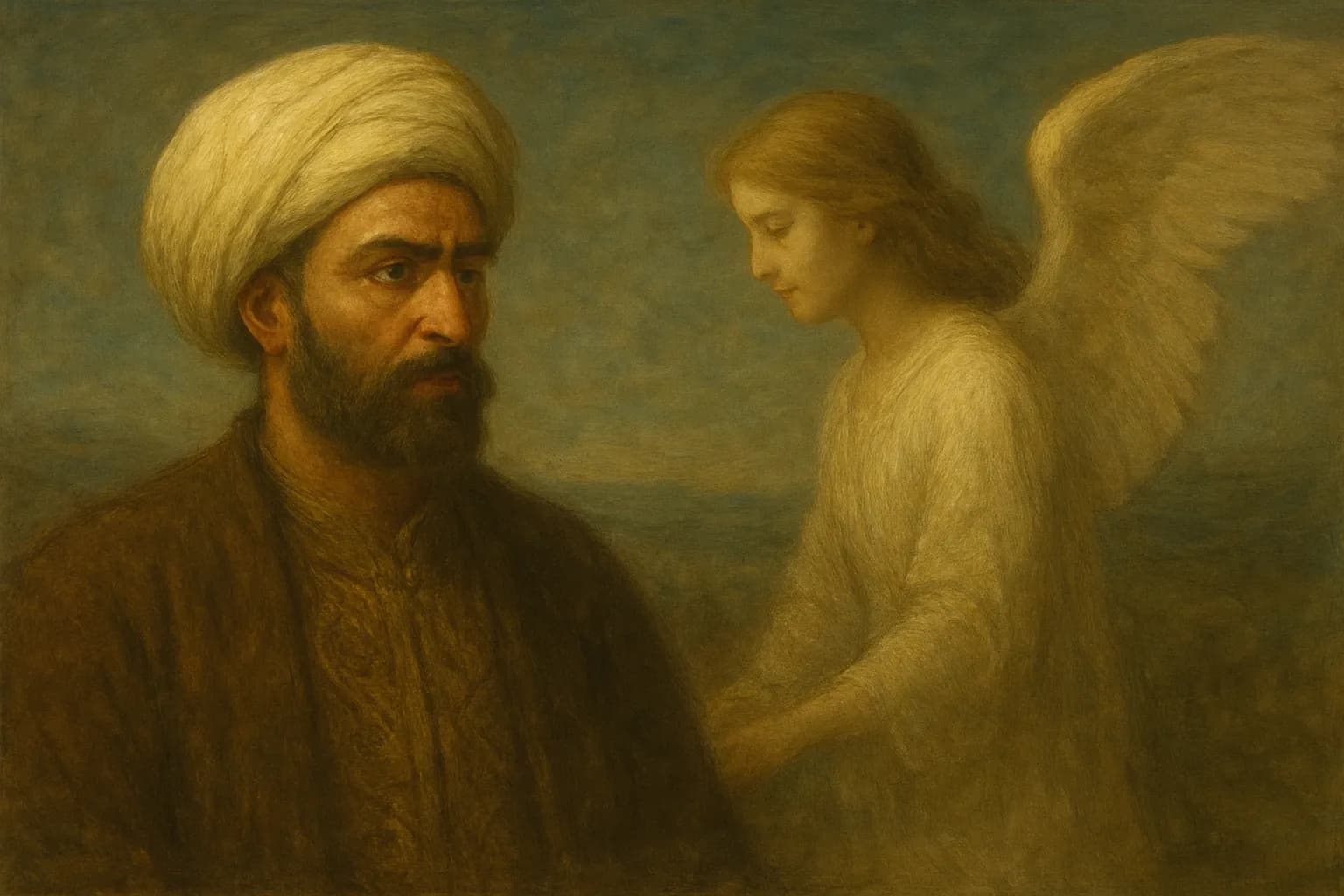
The paper analyzes Muhammad Ali Pasha’s poem “About Flag and Coat of Arms of Indonesia” from his collection Romantic Whispers of the Archipelago. It argues that the poem uses metaphor, imagery, and symbolism to explore how Indonesia’s national symbols—the flag (Sang Merah Putih) and the Garuda Pancasila emblem—shape cultural memory and national identity. By linking the symbols to their historical origins, mythological roots, and the philosophical principles of Pancasila, the poem portrays them as living embodiments of unity, struggle, and collective ideals. The analysis situates Pasha’s work within poetic nationalism, showing how literature reinforces shared identity by transforming symbols into carriers of history, values, and cultural continuity.
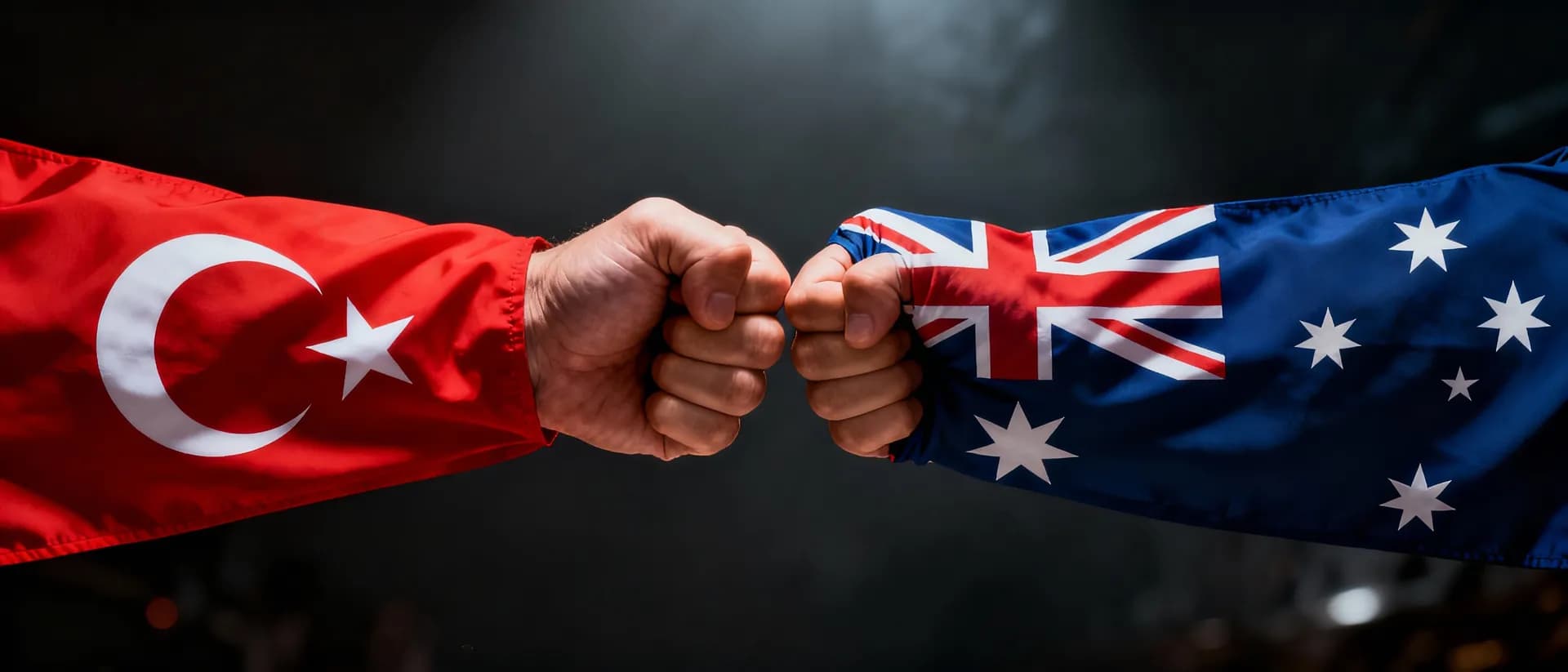
Türkiye and Australia are locked in a high-stakes contest to host COP31, the United Nations’ major climate summit set for 2026. In recent developments, Australia’s Prime Minister Anthony Albanese announced that his country would not block a successful Turkish bid, even as both countries refuse to withdraw their own candidacies. This diplomatic standoff has drawn global attention amid fears of division at a time the world seeks unity on climate action.
The article explains that Pasha’s poem contrasts earthly power with the untouchable forces of truth, freedom, breath, and memory. While tyrants can control land, they cannot rule the air or suppress the spirit. Drawing on philosophical ideas, the poem shows that suffering and silence still point to a deeper truth, and that justice will always rise despite oppression.
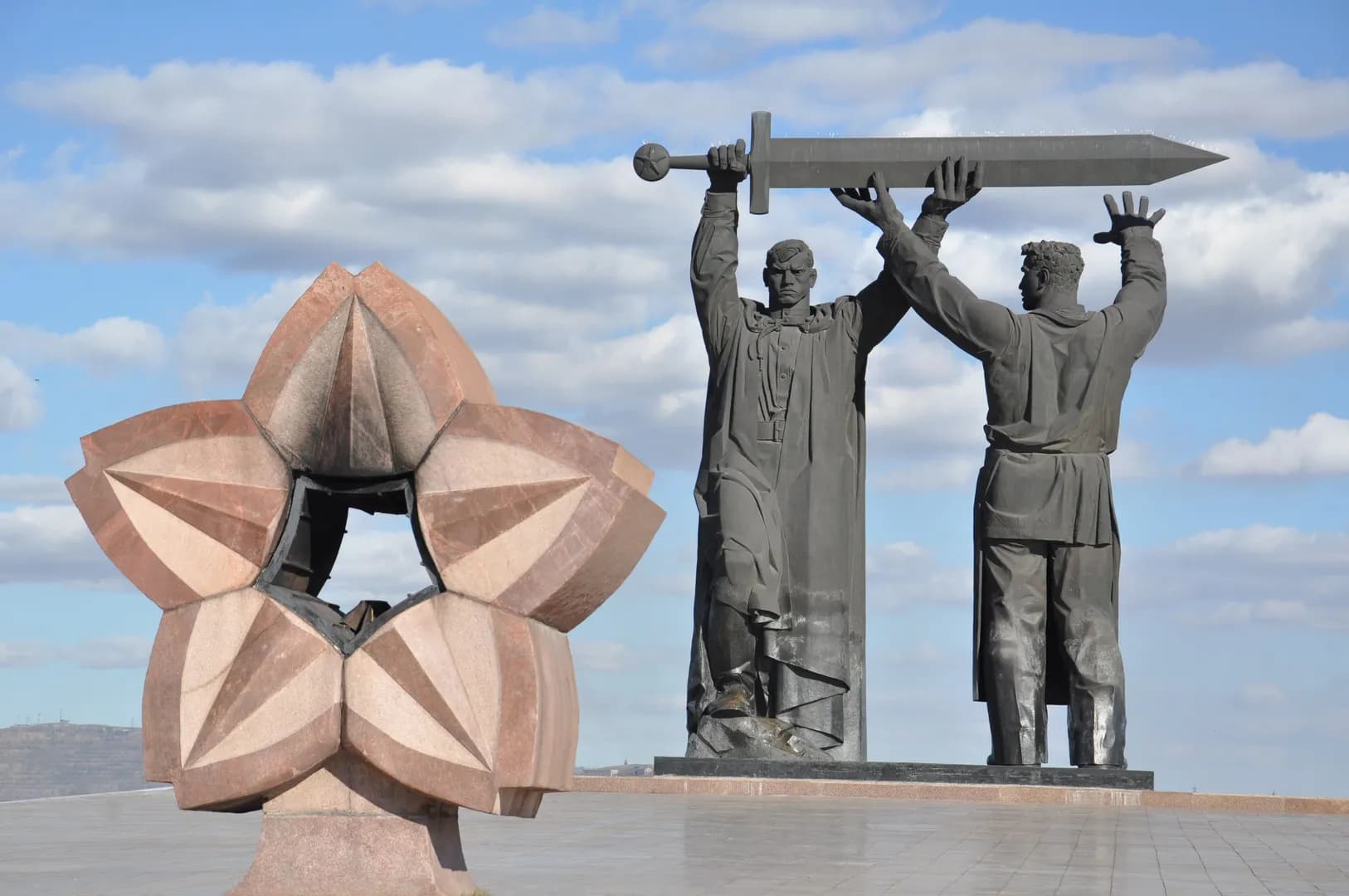
The Higher School of Economics (HSE) in Moscow has launched a two-year master’s program focused on sanctions compliance, risk management, and strategic adaptation. Designed to address the multidimensional impacts of international sanctions on law and the economy, the program integrates theory with practical case studies, including Iran’s experience under sanctions. With limited enrollment—22 students annually—the program emphasizes state–academia collaboration to enhance Russia’s strategic resilience. HSE’s initiative illustrates how academic programs can serve as tools for building national autonomy, preparing future policymakers, and fostering knowledge-based responses to geopolitical constraints. The model has relevance for other states facing similar sanctions or seeking to strengthen governance and international compliance expertise.
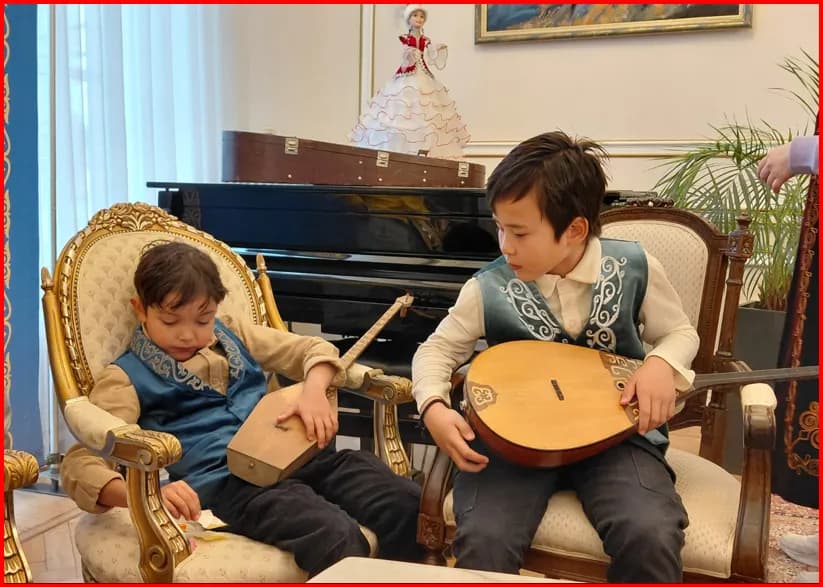
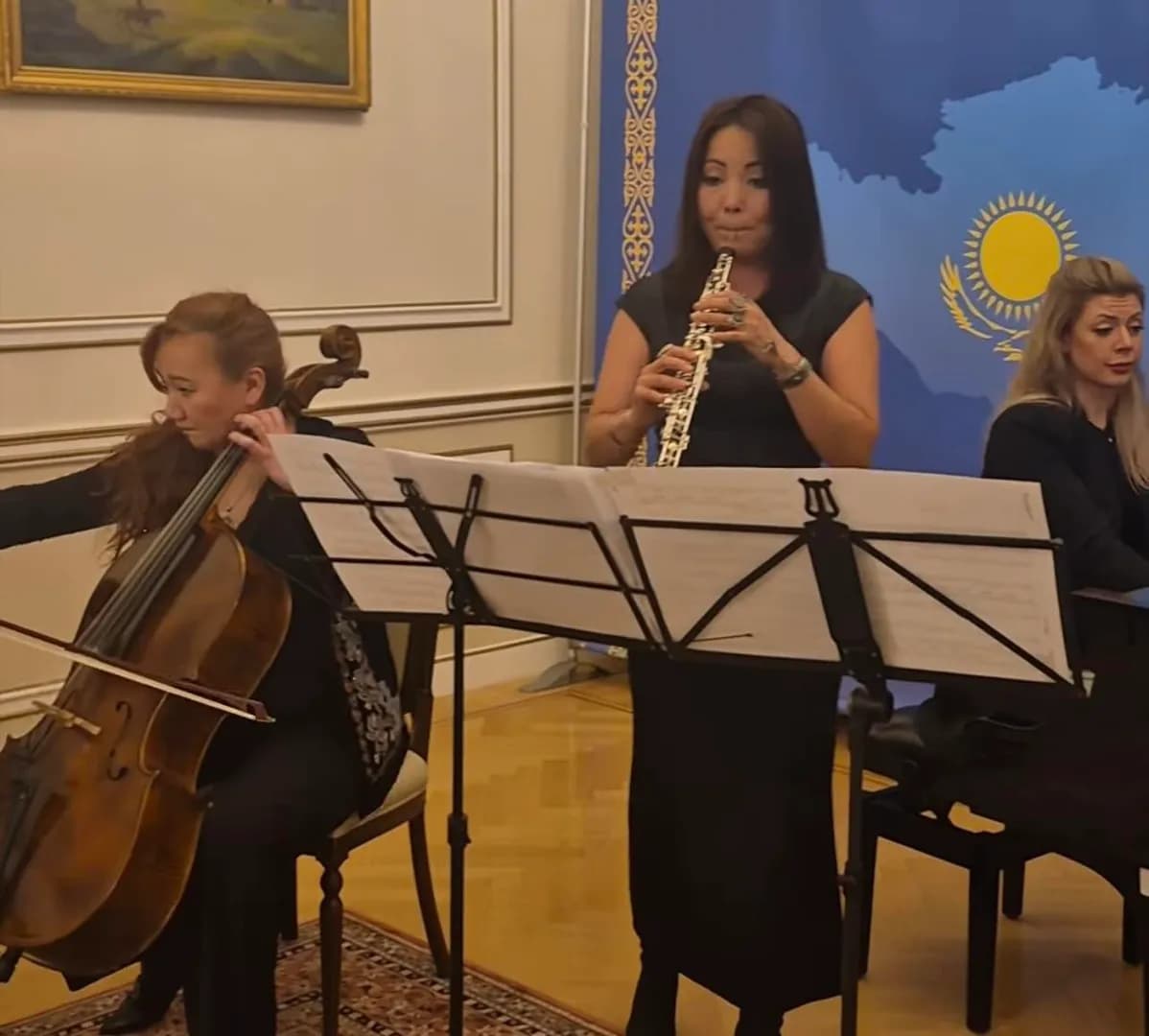
Kazakhs living in Belgium shared their determination: despite challenges related to nationalism, education or work environments, they are committed to safeguarding their roots, their language, and their traditions.
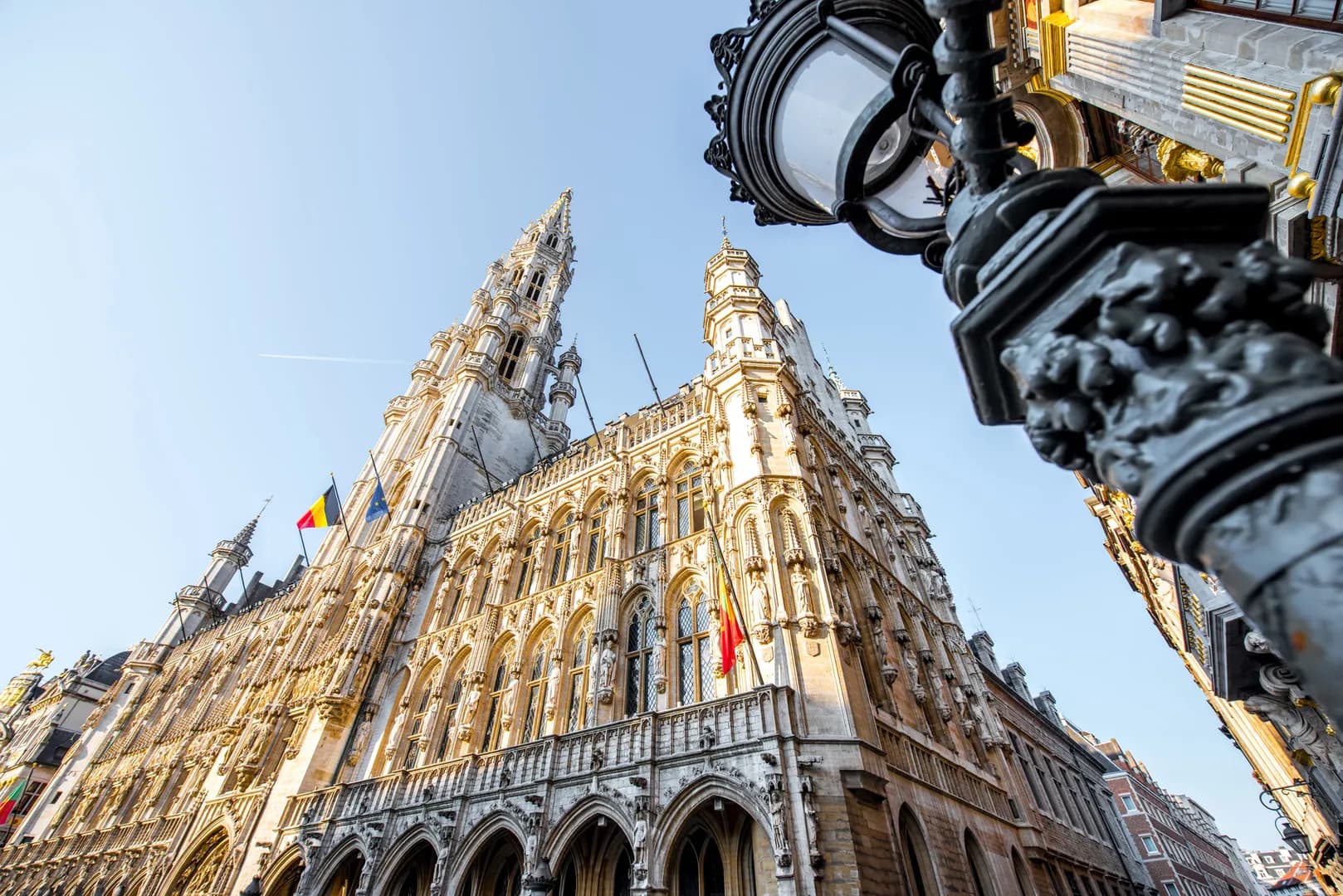
Brussels is the de facto capital and symbol of the EU, hosting its main institutions and the NATO headquarters, establishing it as a strategic global diplomatic nexus. As the world's second most cosmopolitan city (180+ nationalities), it functions as a laboratory for European coexistence and embodies the principle of "unity in diversity."
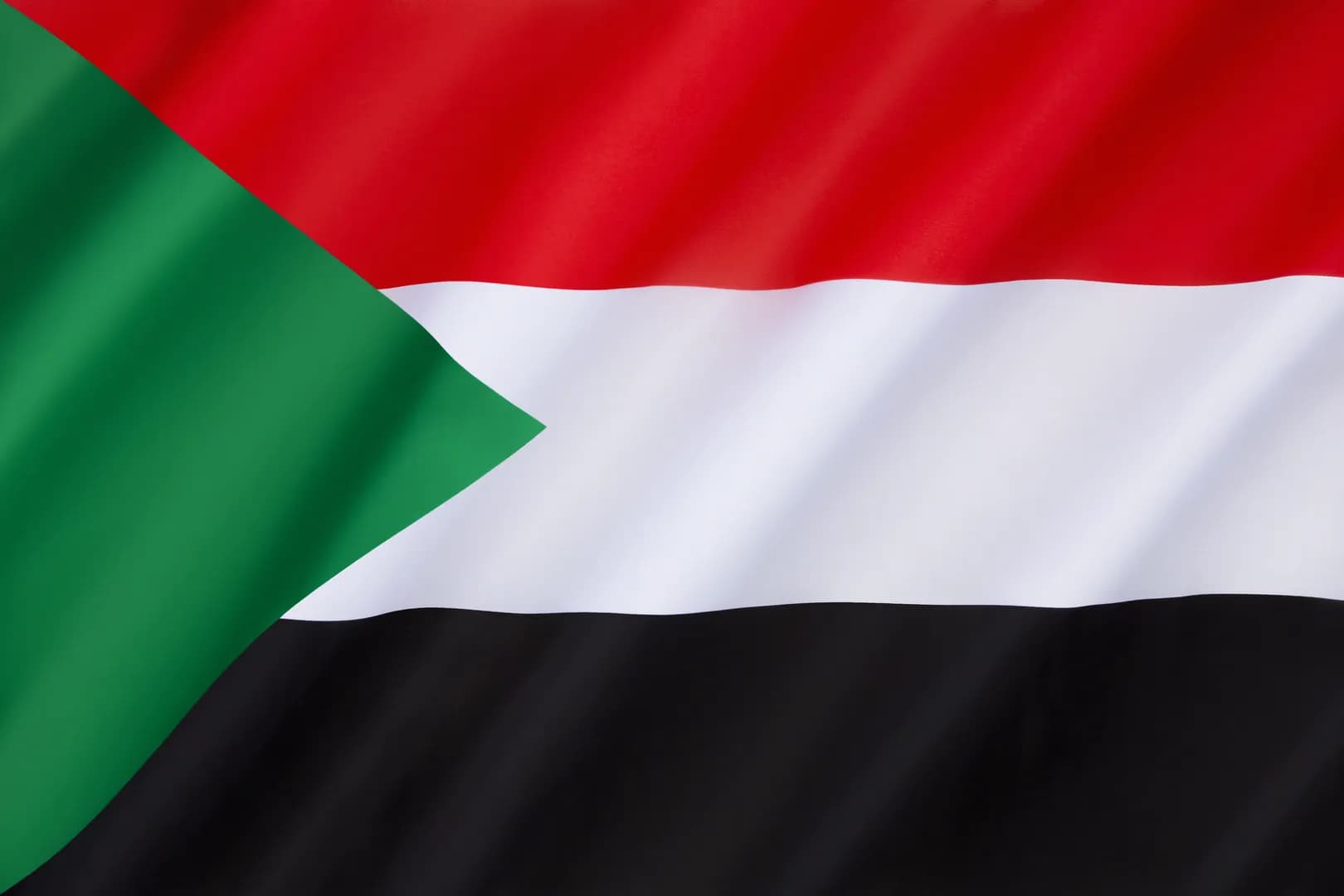
The war between Sudan's SAF and RSF has become a regional crisis, fueled by foreign backing from powers like Egypt, the UAE, Russia, and Iran. The conflict has forcibly displaced over 11.7 million people and led to mass atrocities in areas like El Fasher. External interference undermines the African Union's efforts and severely threatens regional stability, including Red Sea security.