The growing number of Jewish descendants applying for German citizenship reflects changing global security dynamics, strategic mobility, and pragmatic adaptation. The trend illustrates how historical memory, institutional trust, and geopolitical uncertainty reshape modern concepts of belonging and citizenship.
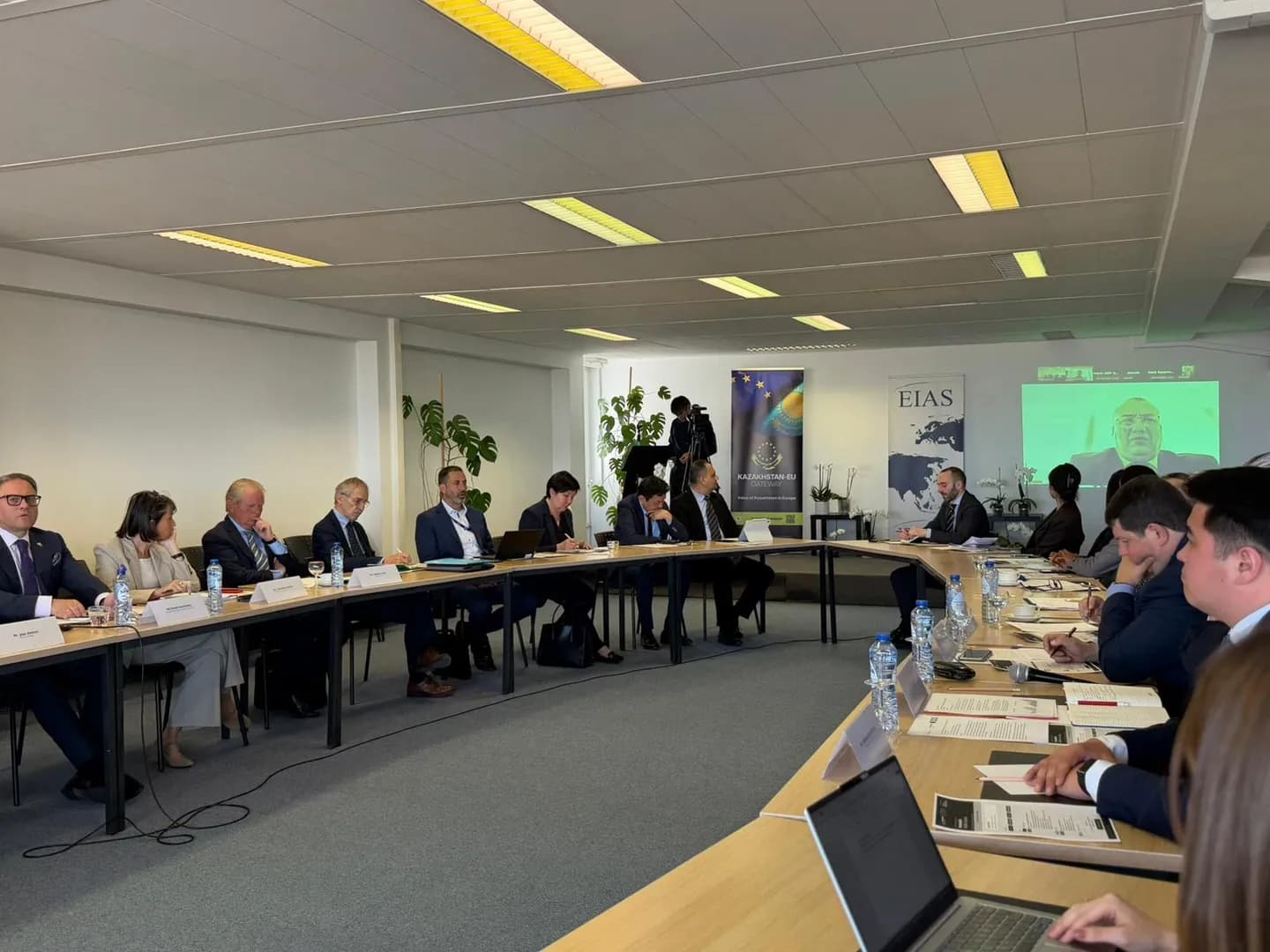
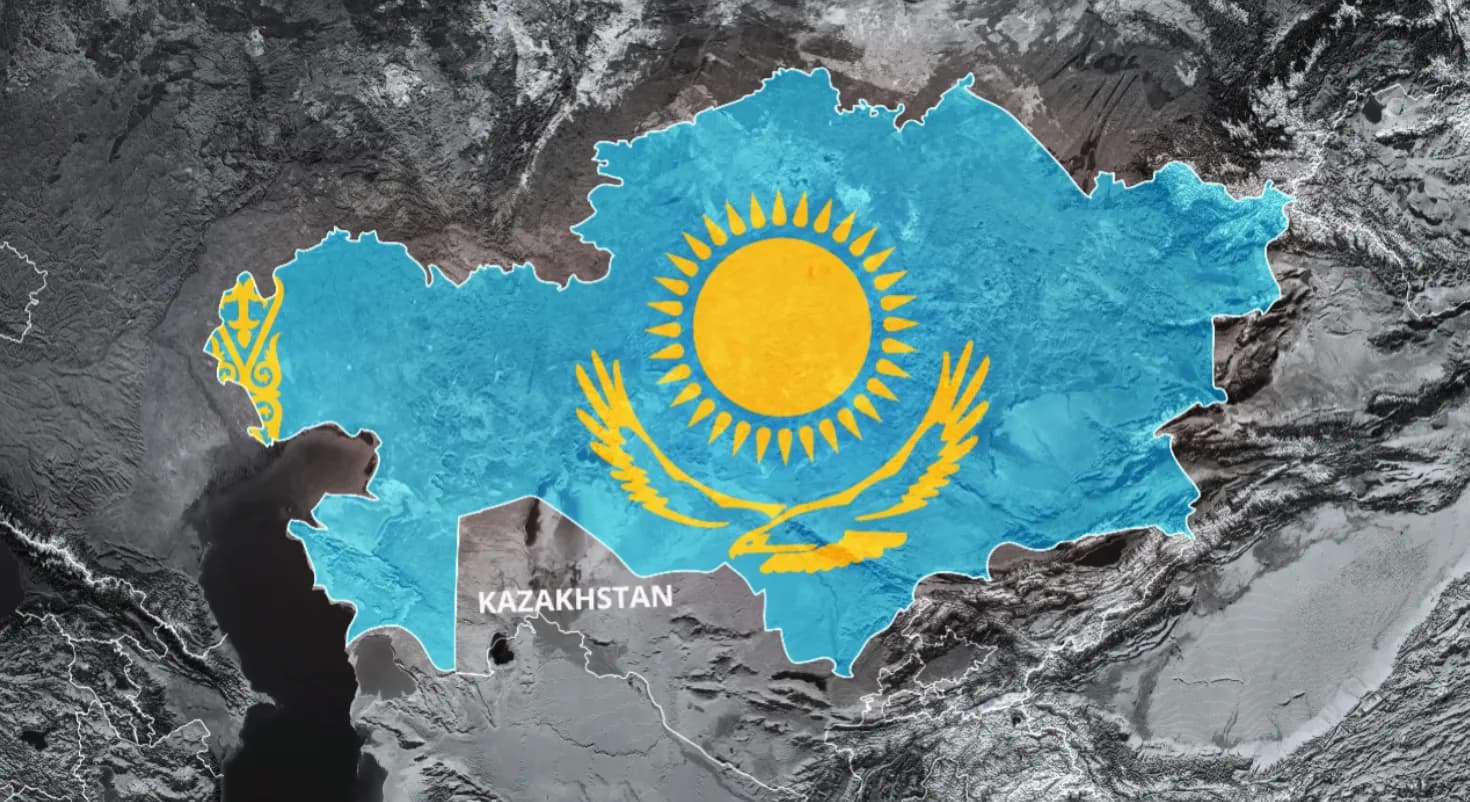
Kazakhstan–EU Gateway held High-Level Roundtable in Brussels, Highlighting Strategic Role of the Middle Corridor and Setting Path Toward Investment-Ready Implementation
Written by journalist Danylo Aleksandrov.
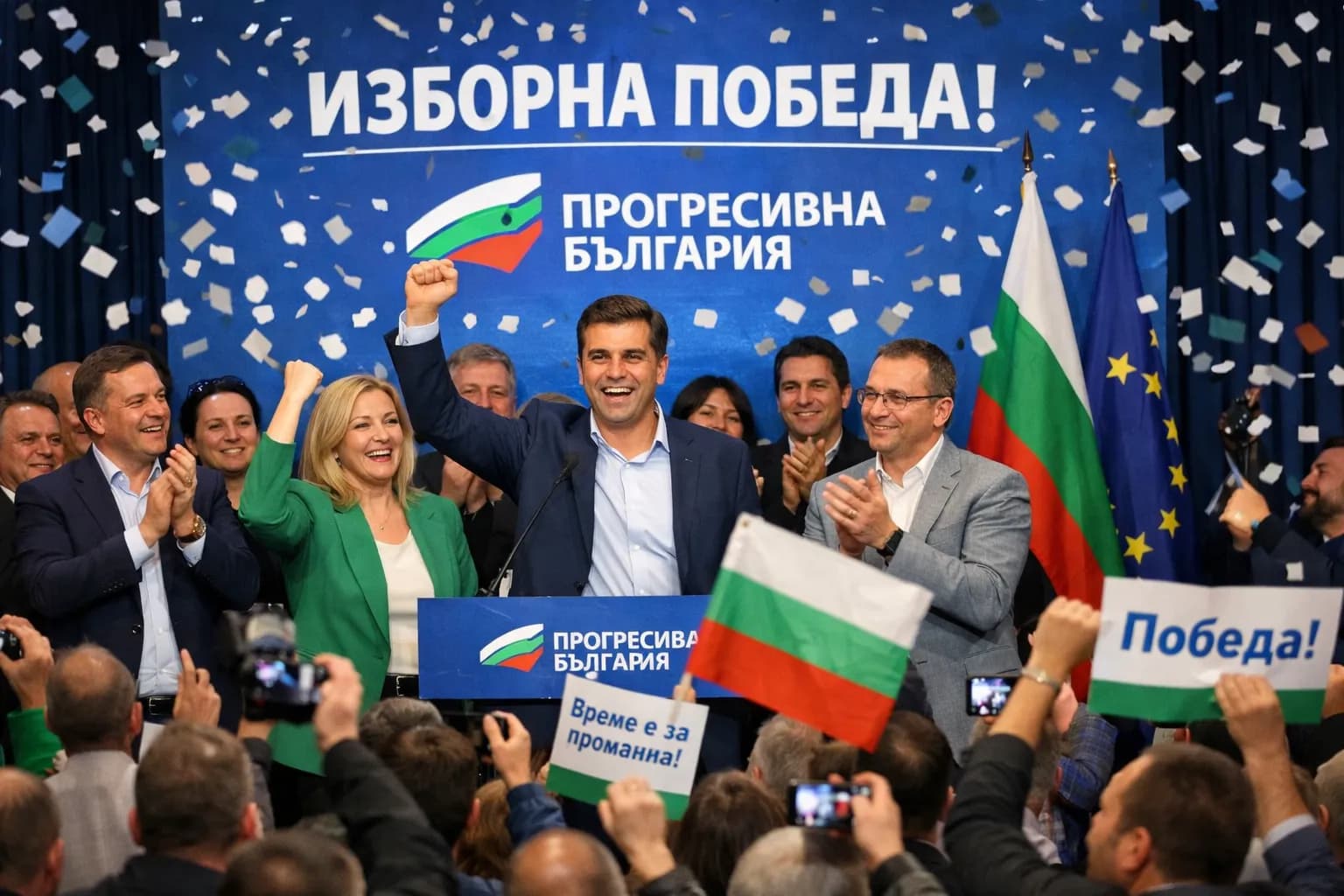
BBC reports, that Sunday’s elections in Bulgaria were won by Progressive Bulgaria party, led by Rumen Radev.
It is reported, that Progressive Bulgaria party has won enough seats in the parliament (135 out of the 240) to gain a majority. This reflects popularity of Radev and his party, which rose after the the previous government tried to adopt a controversial budget in December. This caused protests, which were supported by Radev, who was the country’s president then. The current elections became 8th in 5 years.
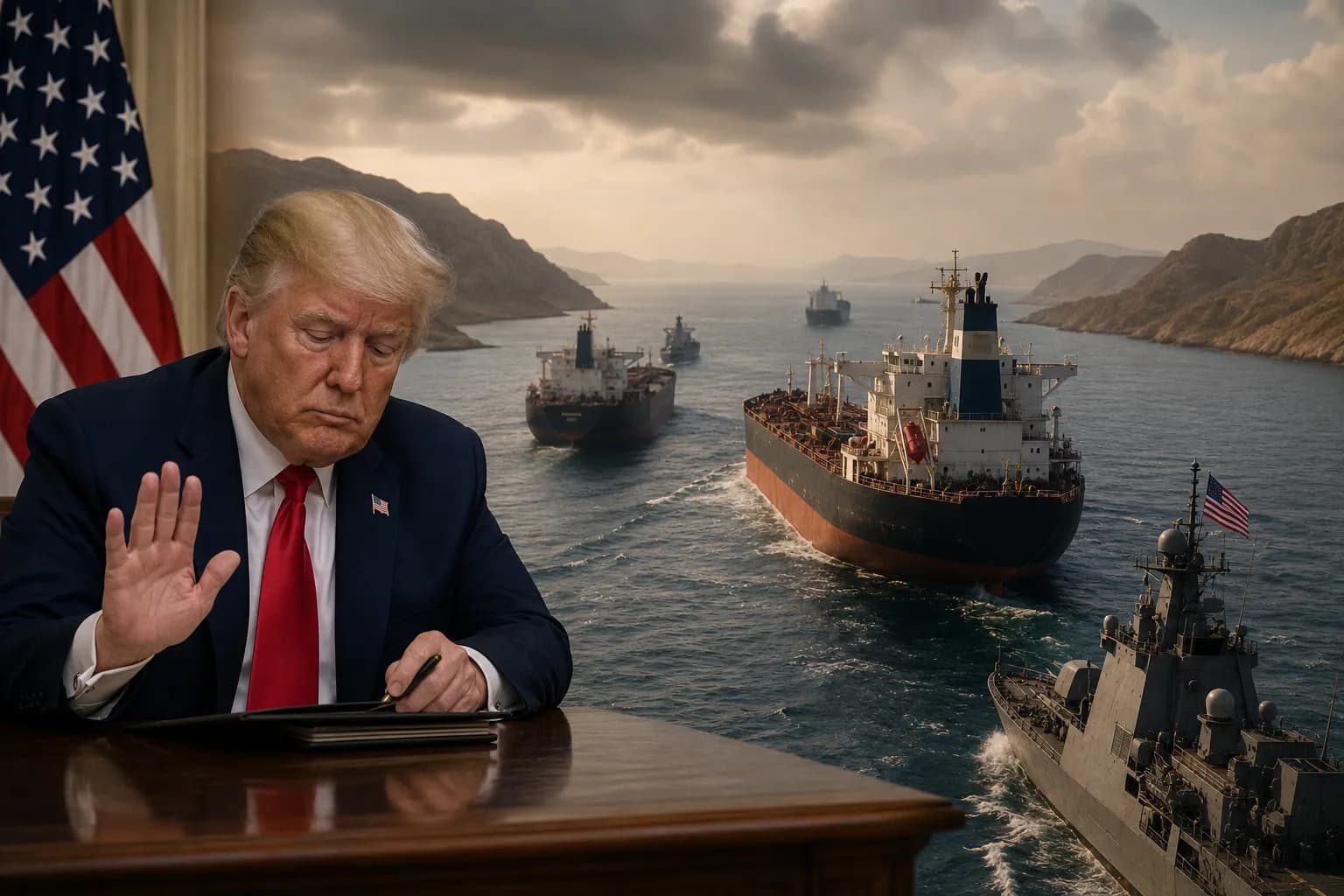
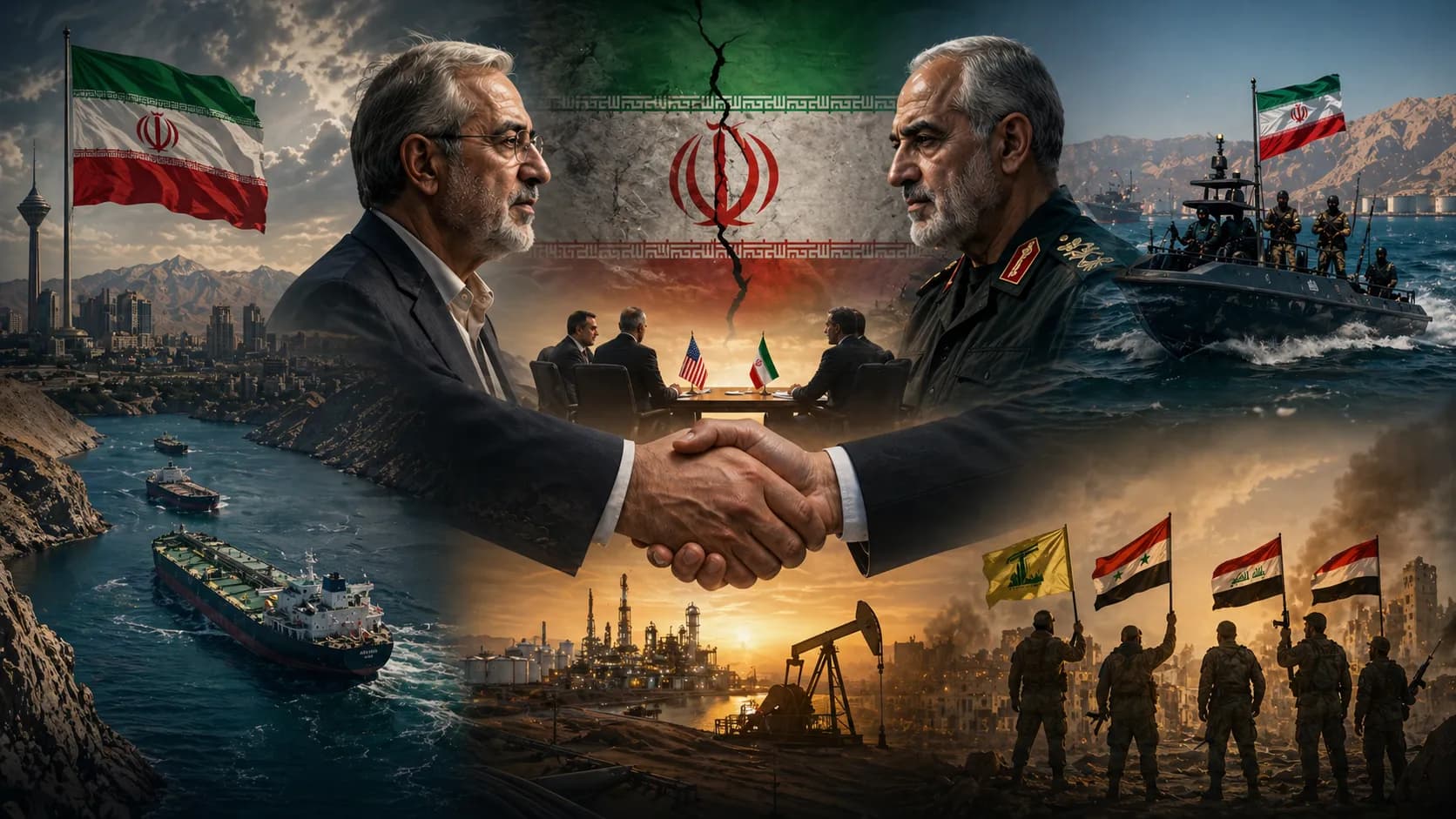
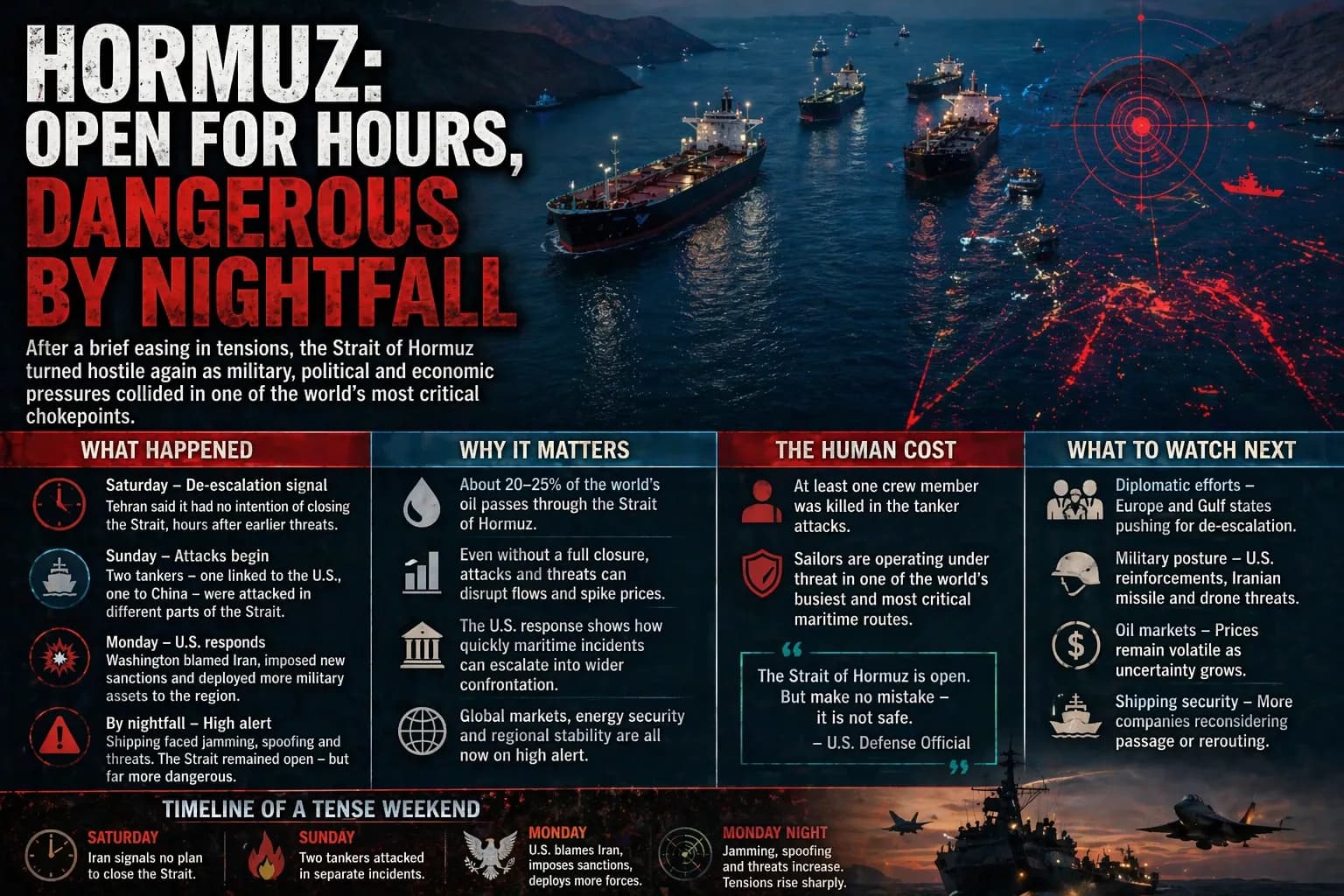
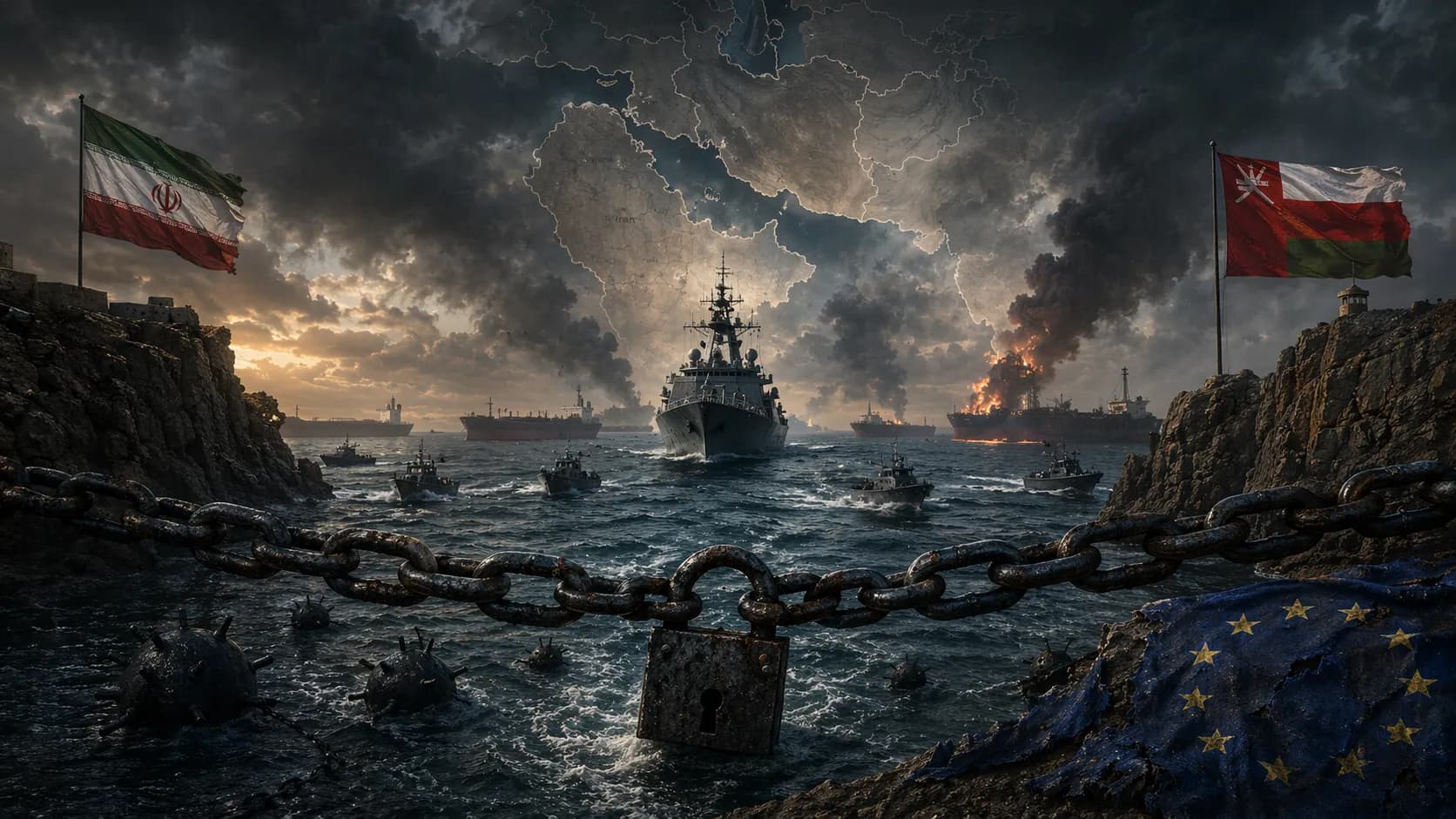
Hormuz: Open for Hours, Dangerous by Nightfall The Strait of Hormuz did not slam shut in one dramatic moment. It narrowed, then darkened, then turned openly hostile. By the end of the weekend, what had briefly looked like a fragile easing had become something else entirely: a maritime confrontation with oil markets, diplomacy and military signaling all colliding in the same strip of water.
Hormuz: Open for Hours, Dangerous by Nightfall
The Strait of Hormuz did not slam shut in one dramatic moment. It narrowed, then darkened, then turned openly hostile. By the end of the weekend, what had briefly looked like a fragile easing had become something else entirely: a maritime confrontation with oil markets, diplomacy and military signaling all colliding in the same strip of water.
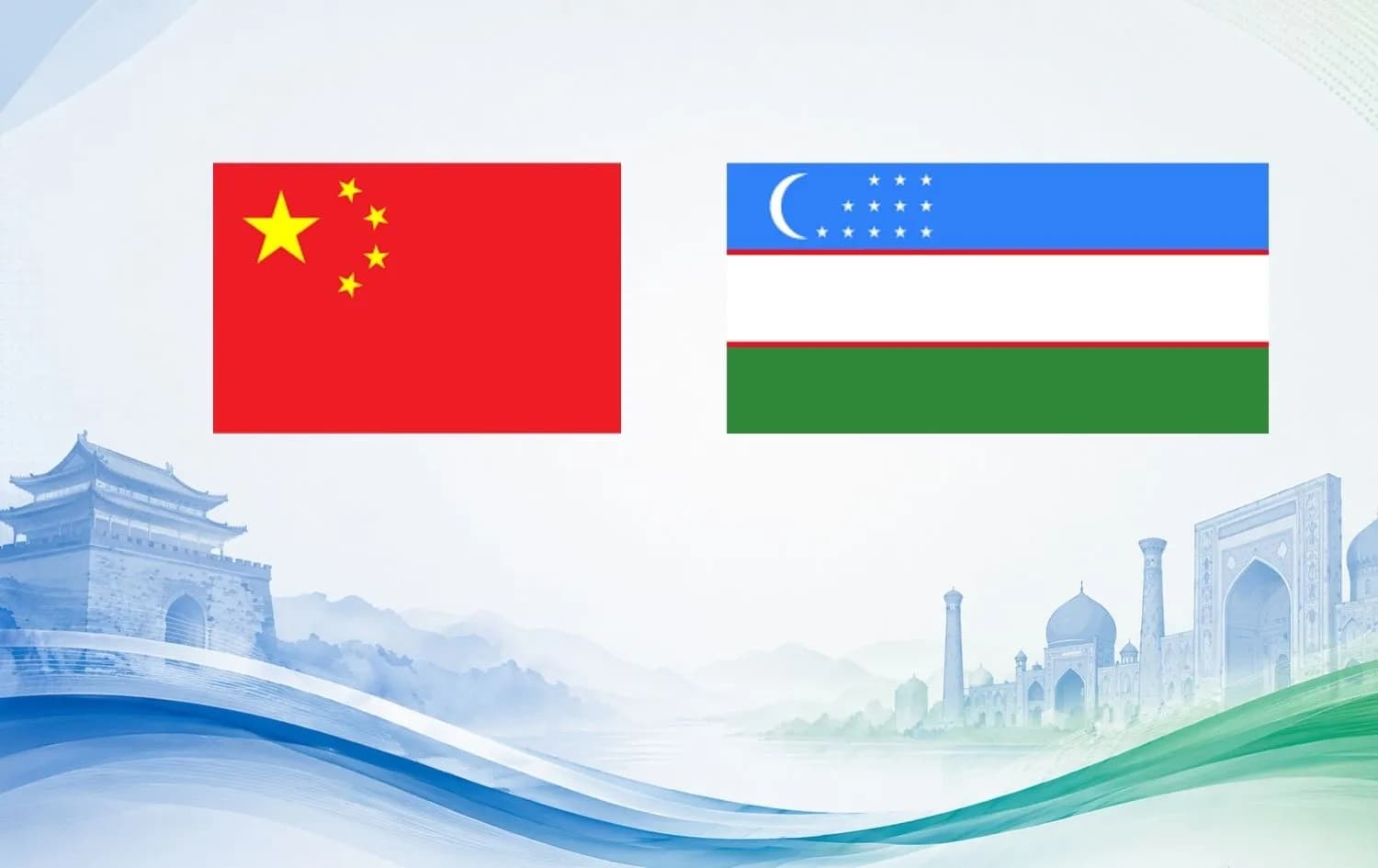
China and Uzbekistan are strengthening institutional cooperation on poverty reduction through policy dialogue and pilot projects. China’s experience in rural development supports Uzbekistan’s structural transformation, aiming at sustainable growth and enhanced development capacity.
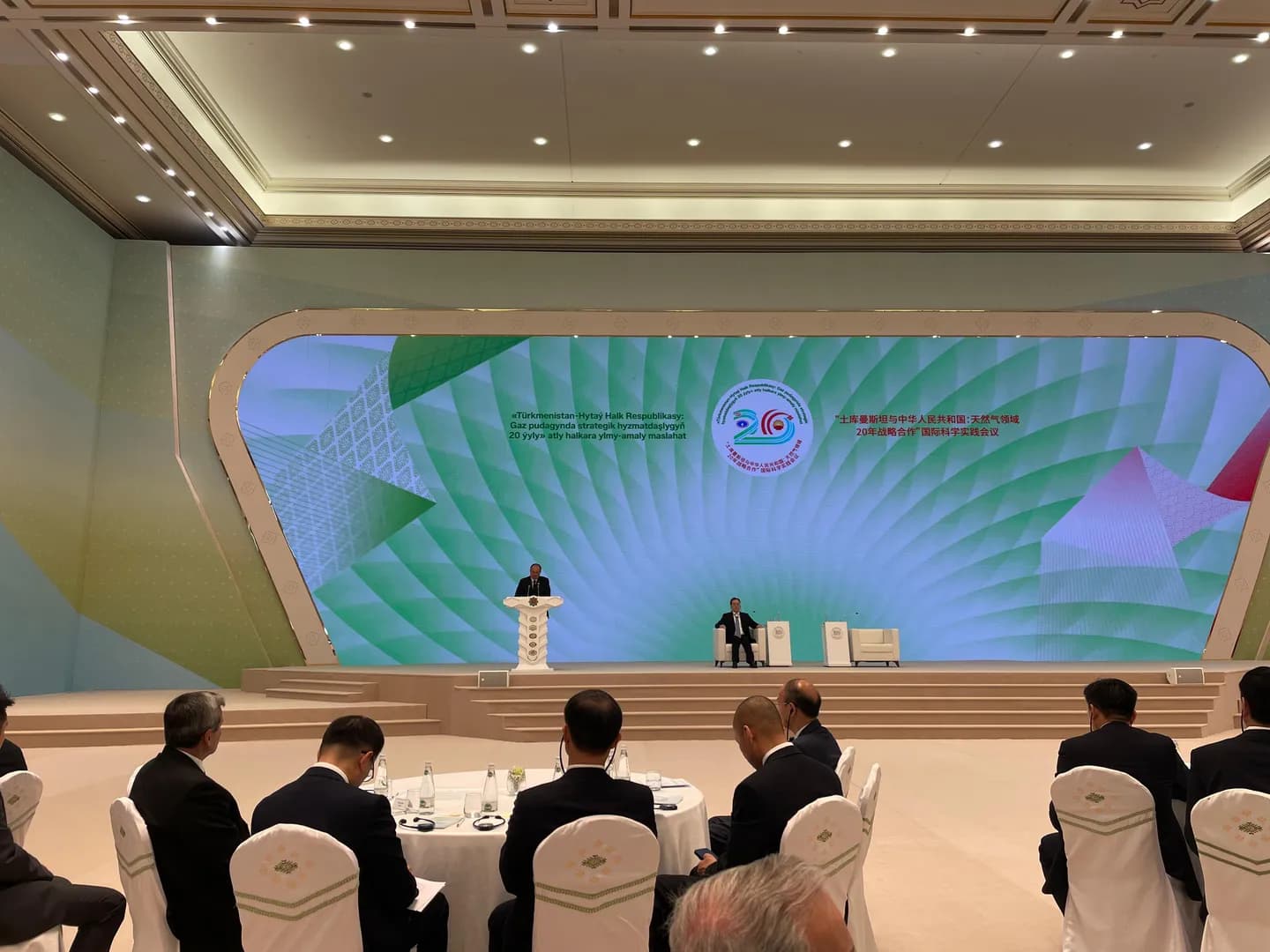
Ashgabat hosted an International Scientific and Practical Conference this week commemorating the 20th anniversary of strategic cooperation between Turkmenistan and China in the gas sector, underscoring the growing importance of bilateral energy ties for regional development and global supply security.
The once famous image of Emmanuel Macron and Donald Trump planting an oak tree on the White House lawn in 2017 has become a distant, ironic memory. As of April 2026, that tree of friendship hasn't just withered, it has been uprooted by a series of explosive personal insults and a fundamental divergence in global strategy. What began as a high-stakes partnership has devolved into a public spectacle of hostility, signaling a historic shift in the Western alliance.
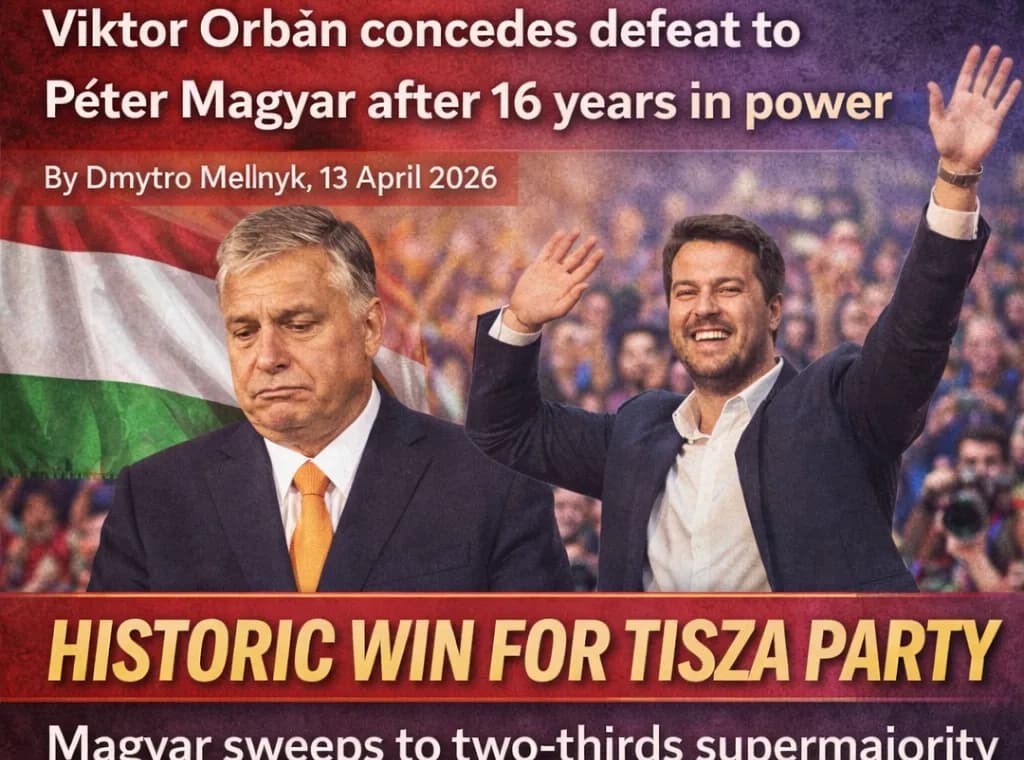
By Dmytro Melnyk, 13 April 2026
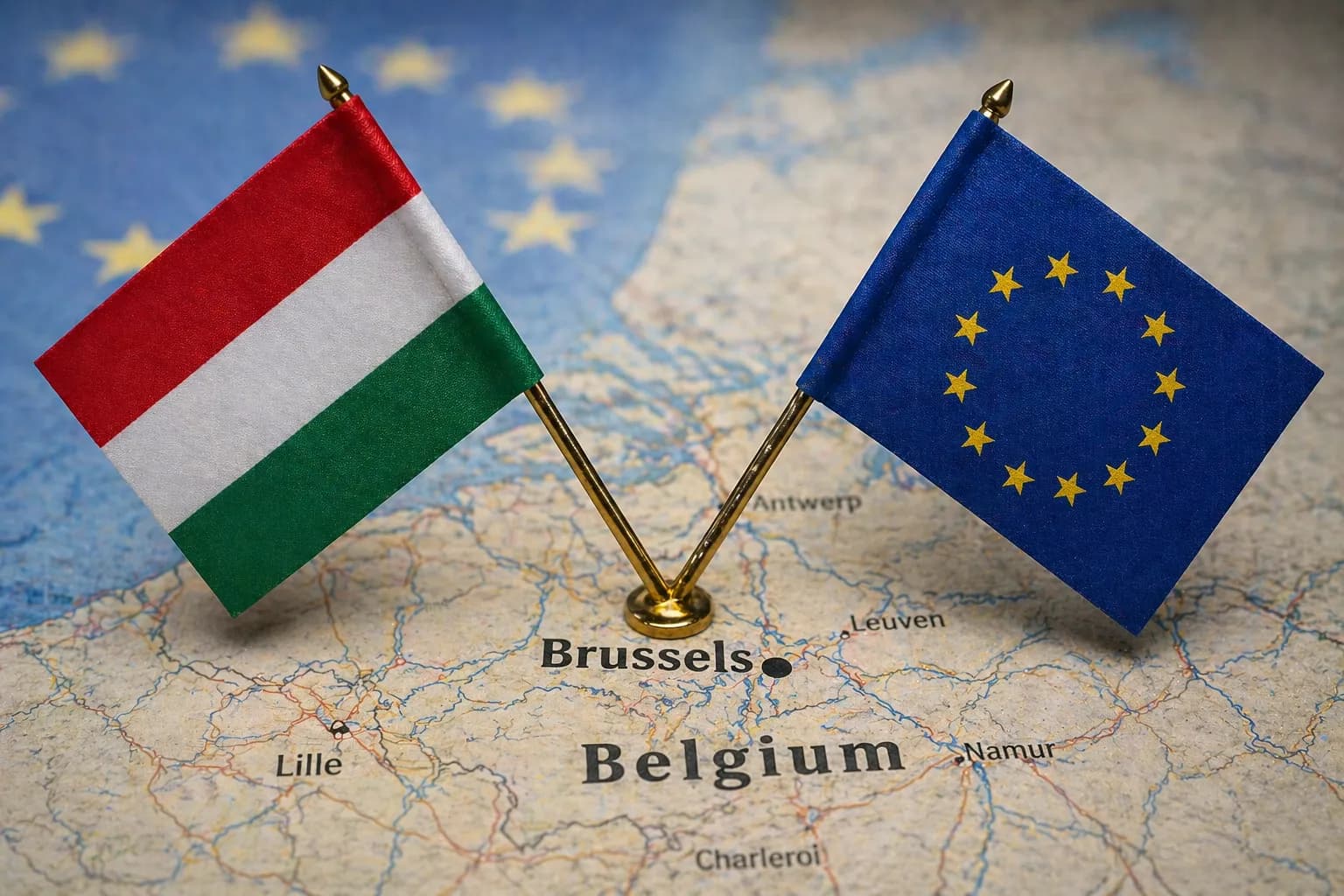
Viktor Orbán concedes defeat to Péter Magyar after 16 years in power.
Yesterday, April 12, Hungary’s election ended with Viktor Orbán conceding defeat to
Péter Magyar and his Tisza Party, marking a historic political shift. His defeat propels
Magyar and Tisza into power with a two-thirds supermajority, accordin
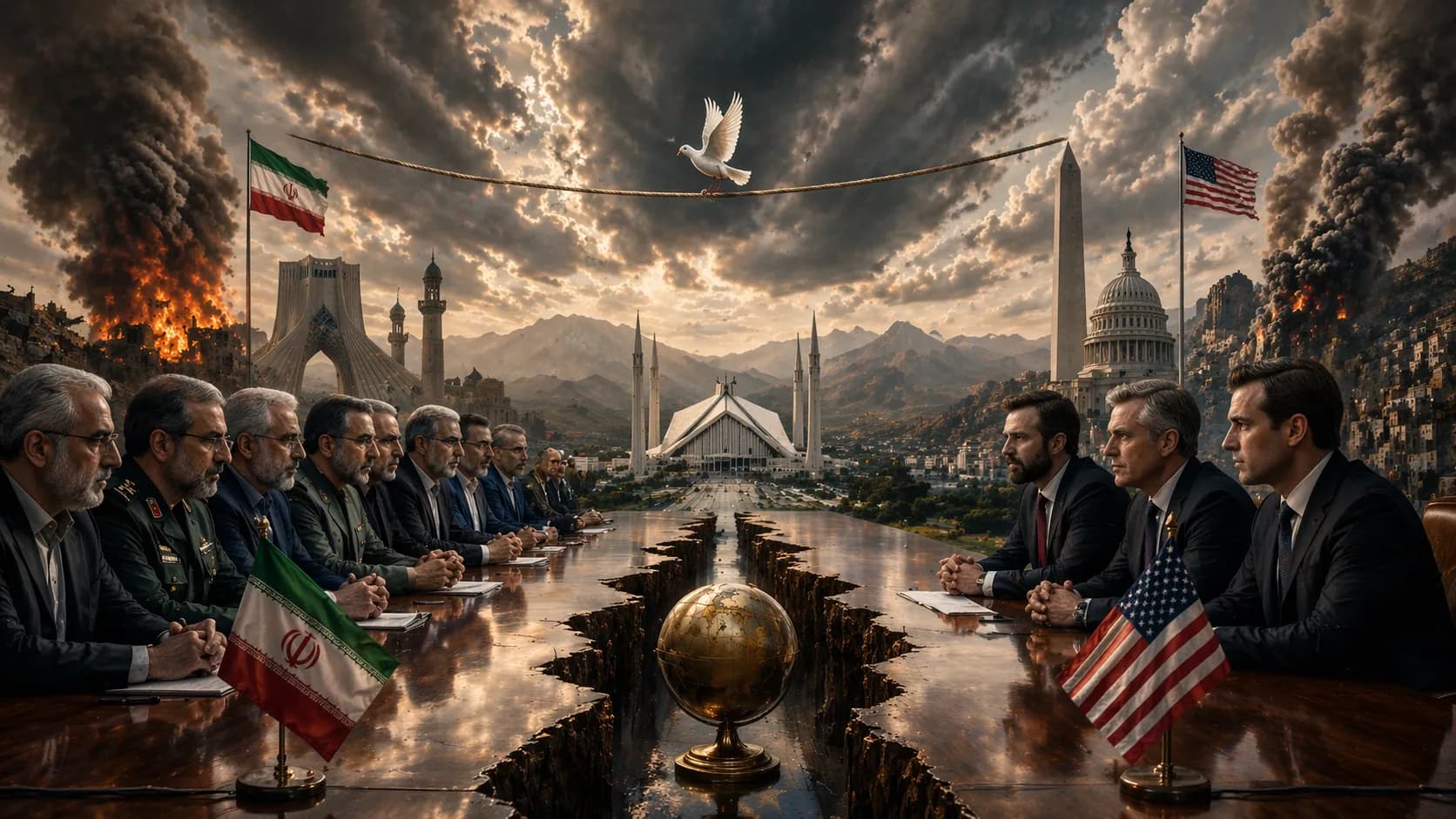
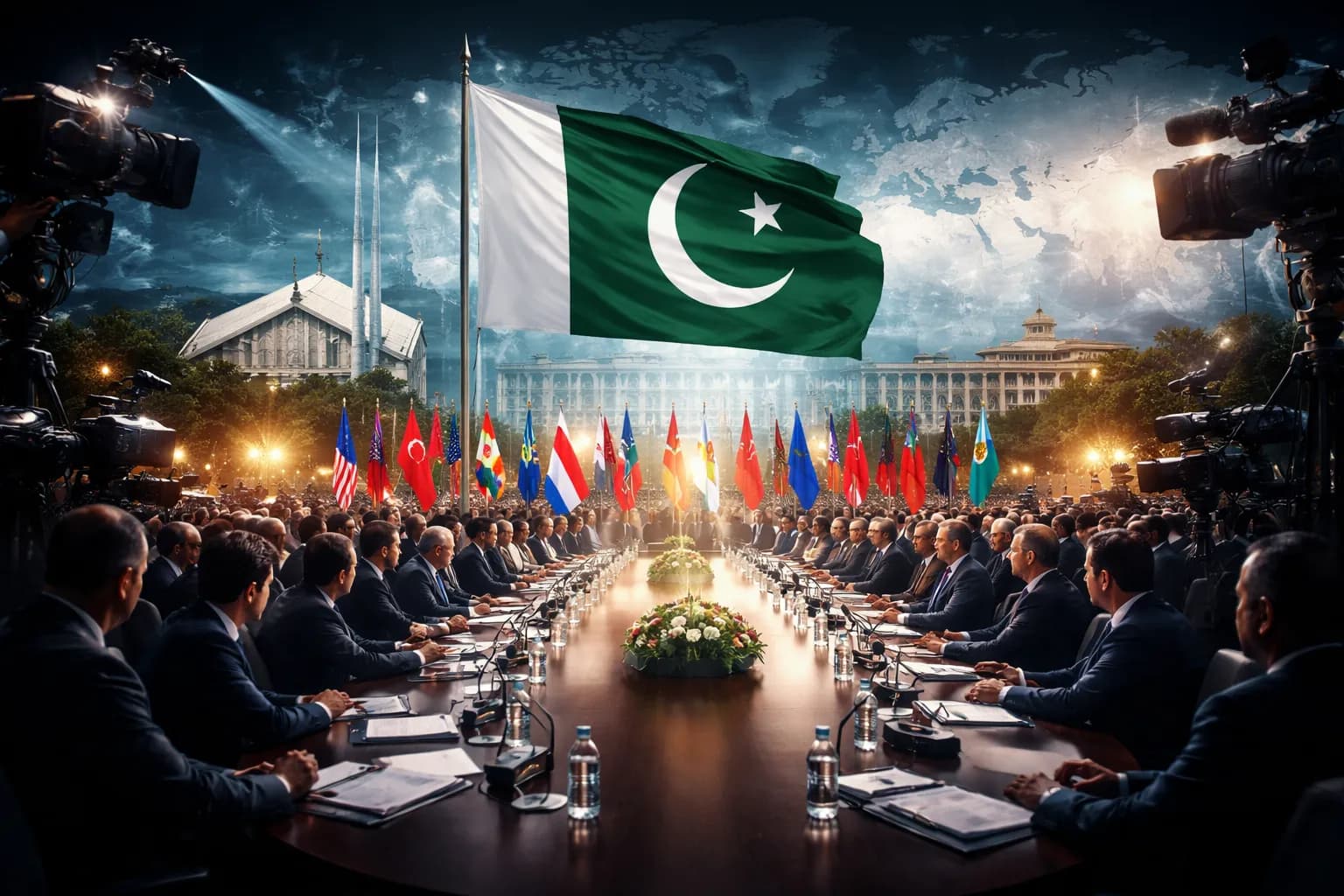
Pakistan-hosted negotiations generated contrasting media narratives worldwide. Pakistan stressed prestige, Central Asia focused on trade and energy, Russia and China promoted multipolarity, Turkey emphasized mediation, while U.S. outlets framed events through Washington’s strategic interests.
By Dmytro Melnyk, 11 April 2026
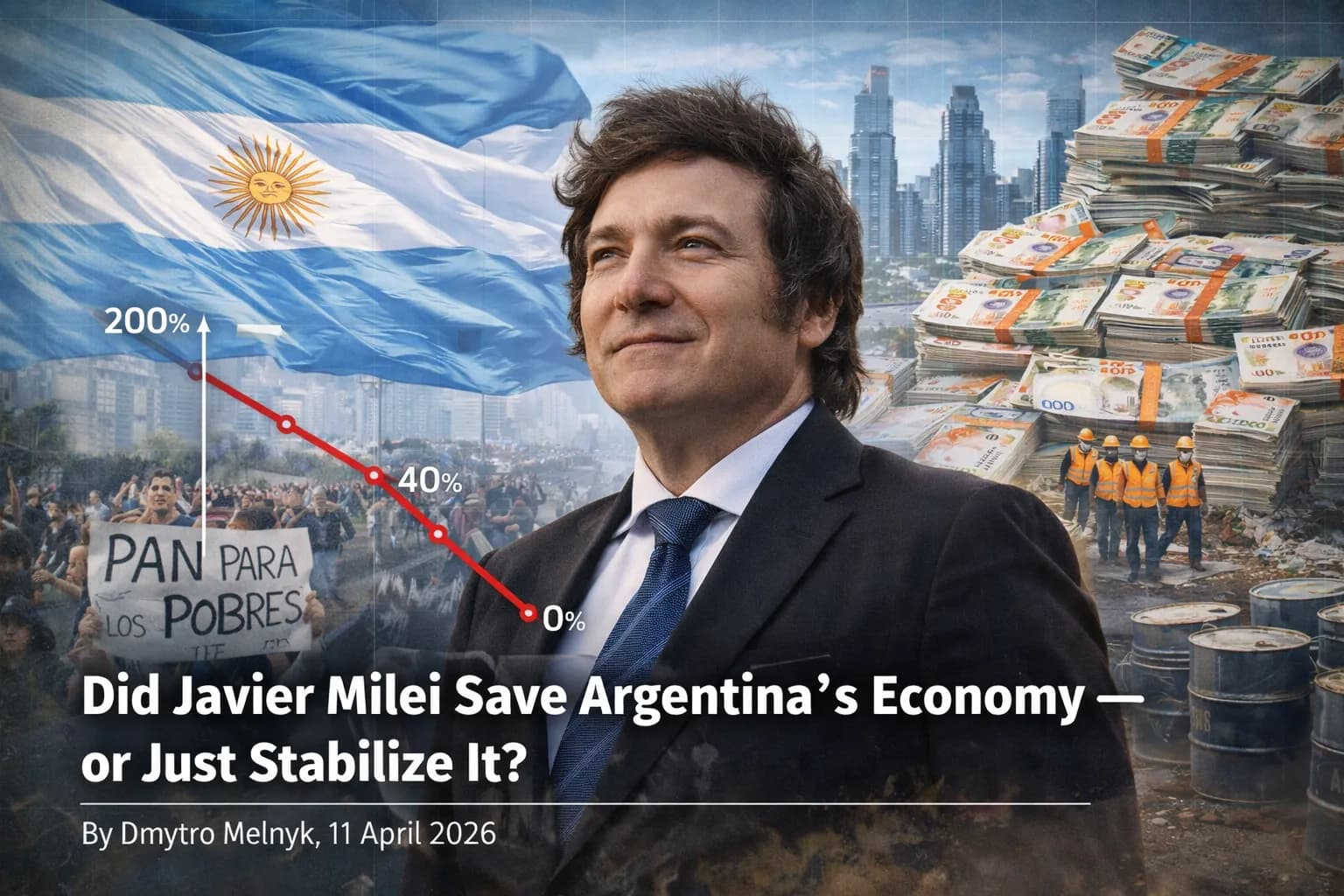
Javier Milei’s economic strategy in Argentina has delivered a verifiable reduction in
inflation, transforming a hyperinflationary crisis into a manageable disinflationary
trajectory, though this success hinges on a libertarian austerity model that imposes
steep short-term costs and faces enduring unc
By Dmytro Melnyk, 11 April 2026
Former French President Nicolas Sarkozy appeared before a Paris appeals court on
Tuesday, April 7, 2026, to contest the most serious conviction of his legal career.
Overview
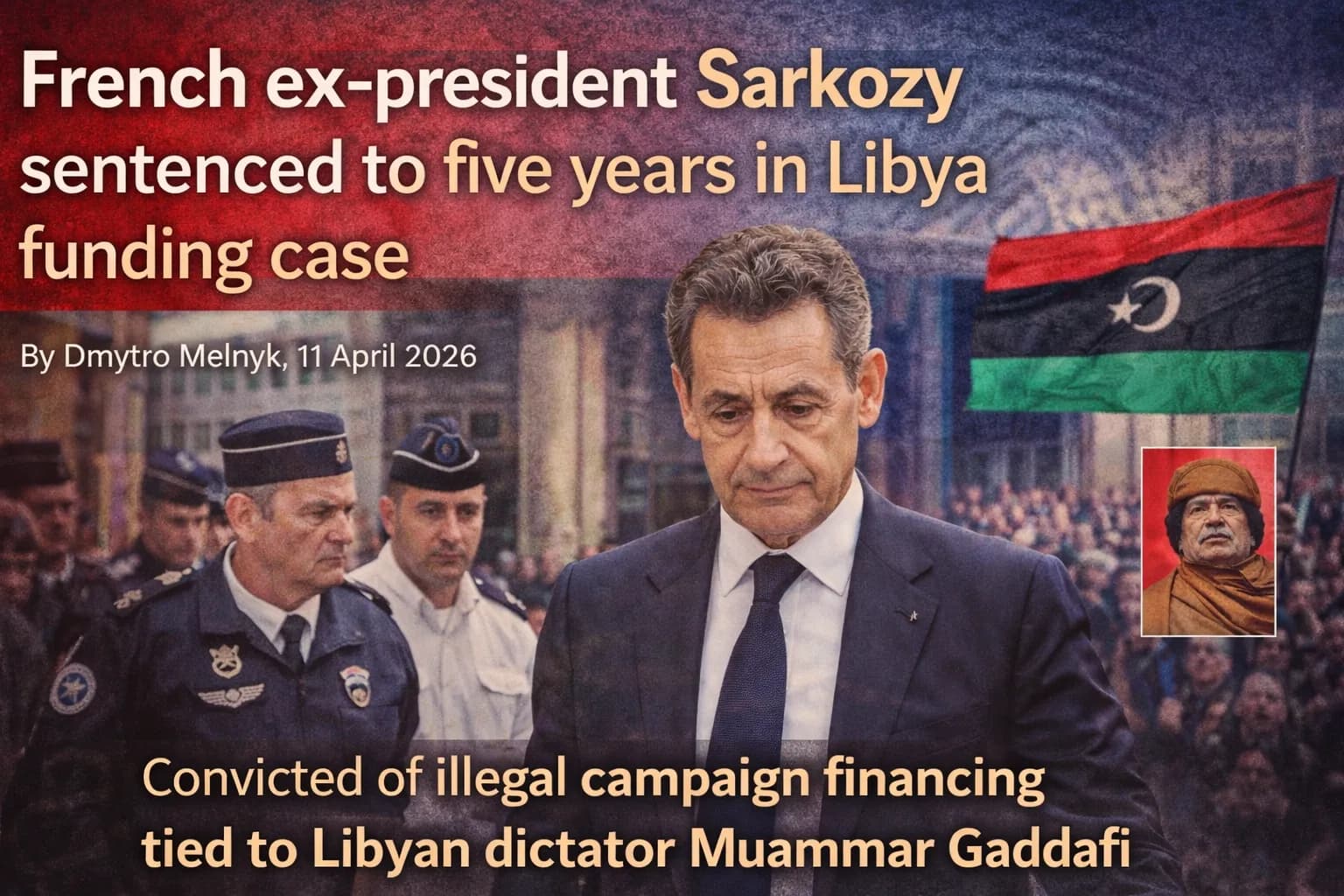
Nicolas Sarkozy was sentenced to five years in prison after being found guilty of
criminal conspiracy in a trial over the alleged illegal financing of his successful 2007
presidential campaign with funds from the government of then-Libyan leader
Muammar Gaddafi. The sentence was delivered by the Tribunal de Paris on September
25, 2025, m