COP31 ends without a deal as EU rejects text silent on fossil fuels
Two days of overtime could not close the gap between Brussels and the oil producers, so no main political decision was adopted. The unresolved items roll over to COP32 in Addis Ababa in November 2027.
Facts as of 09:45 Brussels time, 23 November 2026.
Nearly 200 governments left Antalya on Sunday 22 November without the "Antalya pact", after the European Union refused a text that never named fossil fuels and oil producers led by Saudi Arabia and Russia refused any wording that did. For exporters from the Gulf to the Caspian, that means no new UN commitment on oil and gas to answer to; for host Türkiye, a diplomatic failure that came with more than $26bn in signed deals and plans.
The cover decision fell at the closing plenary. "I understand that there is no agreement on this text. For that reason, these decisions have not been adopted," said Murat Kurum, Türkiye's environment minister and COP31 president, according to UN News.
How the talks broke down
Scheduled to end on Friday 20 November, the talks ran two days over, making Antalya the longest UN climate summit on record, according to UN News. Al Jazeera and Seoul Economic Daily both note that no COP had ended without a main deal adopted by all parties since Copenhagen in 2009. Health Policy Watch notes that Copenhagen merely "took note" of its text; by its count, the last COP with no cover decision at all was in 2000.
Because UN climate decisions need consensus, one bloc's objection is enough. The EU formally objected, and UN News reports that it called the omission of any reference to fossil fuels, or to moving away from them, "unconscionable". Ireland's climate minister, Darragh O'Brien, spoke for the 27: "We will not endorse a cover decision or an Antalya pact that does not even mention fossil fuel," he said, CBS News reported.
Panama rejected the outcome and the Marshall Islands withheld support. The United Kingdom, Norway and Tuvalu also objected, Health Policy Watch reported. Days earlier, Panama's environment minister, Juan Carlos Navarro, had told a news conference: "We cannot continue to be held hostage by petroleum producers," according to CBS.
The producers' case, and Europe's critics
Saudi Arabia, on behalf of the Arab League's members, backed the draft's references to carbon capture and storage and denied that the technology amounts to greenwashing, UN News reported. Russia and Saudi Arabia pushed to strike the phase-down wording, Seoul Economic Daily reported, and Russia's delegate argued that cutting oil and gas supply faster than demand would bring price shocks and energy poverty.
"In the end, we did not impose this text on anyone," Kurum said, as quoted by CBS. He also said "some countries" had failed to show the flexibility the moment required, Anadolu reported via Bernama. Chris Bowen, the Australian climate and energy minister who led the formal negotiations, blamed "unbridgeable red lines", according to CBS.
The EU's stand had critics too. Asad Rehman, head of Friends of the Earth, told Al Jazeera it was "very hypocritical" of the bloc to walk away over fossil fuel wording while expanding fossil fuels at home. Ghana, for the African Group, criticised gaps on finance and loss and damage but said it would not block consensus.
UN Secretary-General António Guterres, "deeply disappointed", put it plainly: "There may be no consensus in the negotiating room. There is no ambiguity in the science."
From Dubai to Antalya
At COP28 in Dubai in 2023, governments agreed to transition away from fossil fuels, to triple renewable capacity and to double the yearly rate of energy-efficiency gains by 2030. Brussels arrived in Antalya wanting delivery on that bargain rather than fresh promises. The world is "long on strategy and short on impact, delivery and execution," EU climate commissioner Wopke Hoekstra told a press conference on 18 November, in remarks published by the Commission.
The drafts moved the other way. An early version sought "accelerated action to phase out fossil fuels", CBS reported; later co-presidency texts dropped it and leaned on carbon removal of billions of tonnes a year by 2035 and on electrification. Fully delivered, current national plans still point to just over 2.5C of warming against the Paris goal of 1.5C, CBS reported.
What it changes for our regions
For Gulf national oil companies, the collapse removes a near-term diplomatic marker: no UN text now asks producers to phase anything down, and no agreed language pushes back on the Arab Group's emphasis on carbon capture. Prices still answer to the physical market, which this year has been shaken by the Iran war's disruption of Hormuz traffic, as EUReflect reported on Iraq's partial Hormuz bypass.
Ankara turned the fortnight into a sales window. Türkiye says it agreed deals and plans worth more than $26bn after the conference opened on 9 November, including a preliminary $15bn renewable energy agreement with China and $5.1bn in development-bank financing, Reuters reported via Daily Sabah. Accords with Saudi Arabia and Canada carried no published value. EUReflect's preview of Türkiye's first COP set out what the host hoped to gain.
Kazakhstan signed about $1.2bn of agreements in Antalya, among them a 1 GW wind farm in Kostanai region and a 150 MW one in Turkistan region, The Astana Times reported. Its QaJET platform, built with the European Bank for Reconstruction and Development (EBRD), aims to raise about $20bn for at least 10 GW of renewables by 2035. Coal still supplies nearly 60% of the country's electricity.
For companies in Europe, little changes: the EU's targets and carbon pricing rest on its own legislation, not on COP texts. The bloc is committed to cutting emissions by at least 55% by 2030 and 90% by 2040 and to reaching climate neutrality by 2050, the Commission says. Brussels and the 27 national governments put €32.3bn of public money into climate finance in 2025 and drew in another €9.3bn from private investors — by the Commission's count, more public climate finance than anyone else.
Electrification is where Brussels sees the business case. On 17 November the EU endorsed the Turkish presidency's 35-by-35 pledge, which aims to lift electricity to 35% of global final energy use by 2035, the Commission said. Electricity makes up only 23% of the EU's own final energy use. Hitting the bloc's indicative 46% electrification target for 2040 could trim €260bn a year from its fossil fuel import bill, the Commission estimates.
What to watch before Addis Ababa
COP32 is due in Addis Ababa, Ethiopia, in November 2027. Unresolved items carry over to it automatically under the convention's rules of procedure, Health Policy Watch reports, led by the fossil fuel transition and finance for developing countries. "The world cannot afford a repeat of this moment," UN climate chief Simon Stiell told the closing plenary, according to UN News. He cited a just-transition agreement as progress.
The nearer test is money. Bowen pointed to the 90-plus governments that backed a faster switch to electricity, according to Health Policy Watch. Watch whether that pledge, Türkiye's China accord and Kazakhstan's wind farms reach financing, and whether the EU, Panama, the UK and Norway try to build a coalition outside the consensus process.
Still unknown on Monday: the full list of adopted decisions, as neither the UN climate secretariat nor the Turkish presidency had published a closing document, and the value of Türkiye's Saudi and Canadian accords.
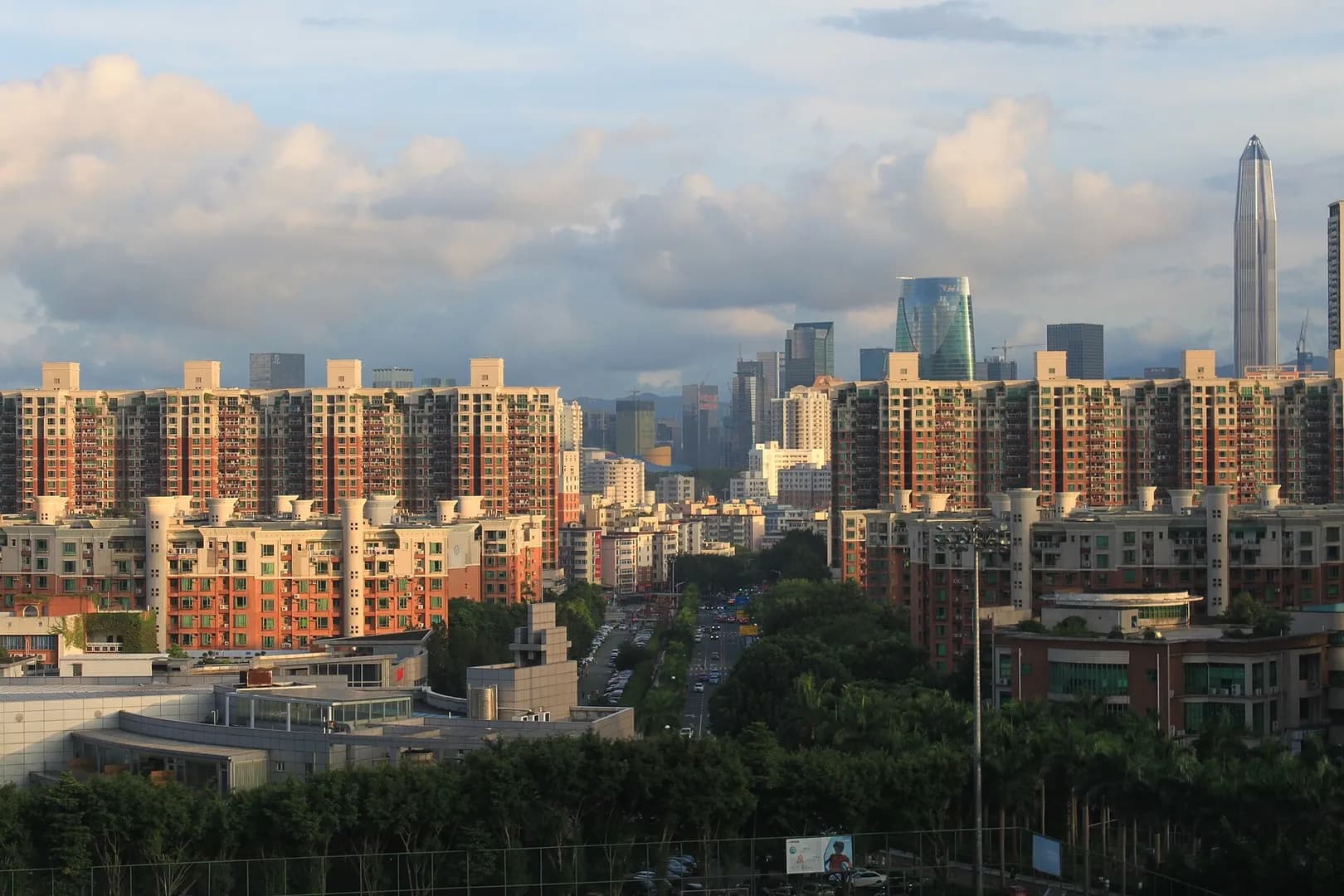
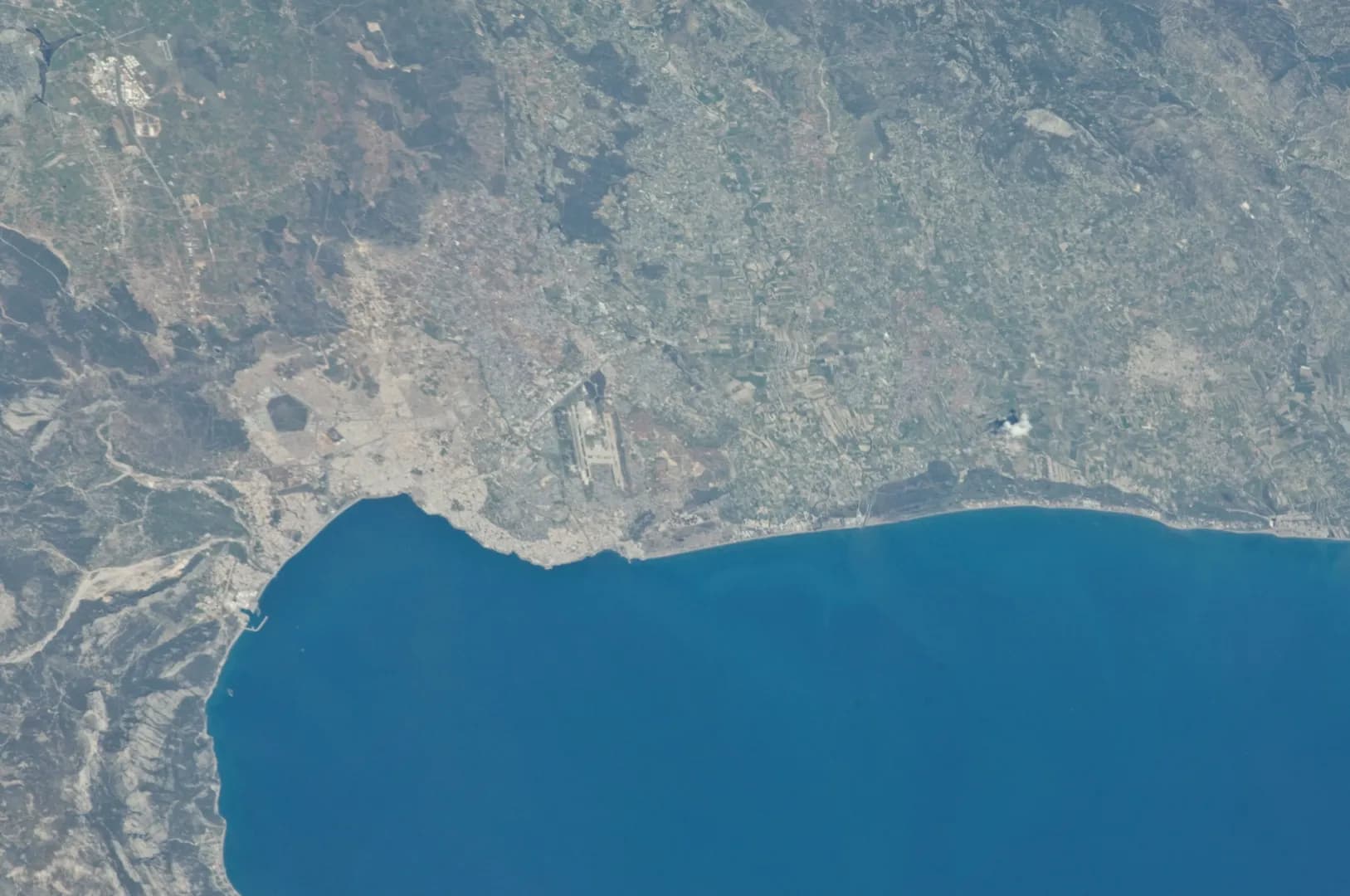
Main image: Archive photo: Antalya, host of COP31, seen from the International Space Station in 2010. The image shows the city, not the conference. Archive photo, 2010. Photo: NASA / Wikimedia Commons, Public domain.
Related Topics
EUReflect News
Site Administrator
Follow EUReflect
See more of our reporting on Google
Mark EUReflect as a preferred source and our stories are ranked higher for you in Top Stories, Discover and Google News — and carry a “preferred” badge when they are cited in AI results.
Add EUReflect as a preferred source