Kazakhstan–EU Gateway Opens a New Chapter for Strategic Critical Raw Materials Cooperation
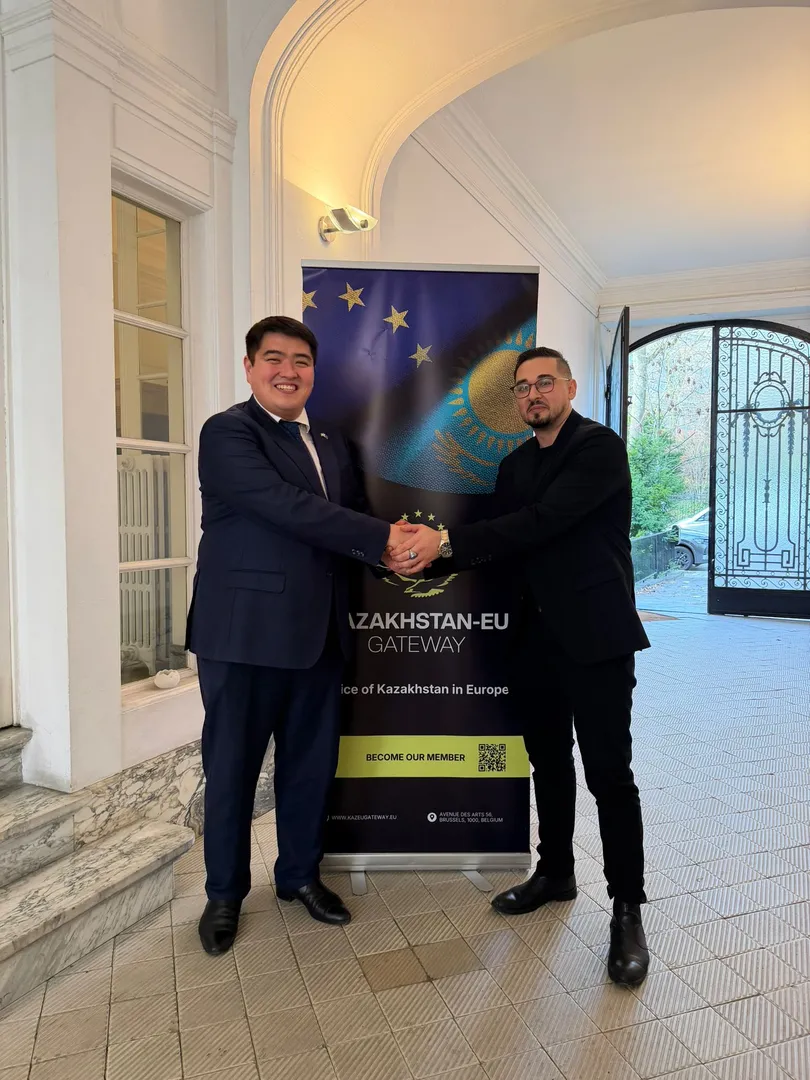
Eureflect had the great honour of attending the inauguration of the Kazakhstan–EU Gateway’s new cooperation platform and its first flagship event, “Strategic Partnership on Critical Raw Materials.” This event was hosted at the Brussels premises of TÜSİAD, one of Turkey’s most prominent business associations. The venue provided an influential setting that reflected the event’s high-level, Eurasia focused character. The conference took place today, 9 December 2025, at Av. des Gaulois 13 in Brussels, bringing together policymakers, experts and business leaders at the heart of the EU quarter.
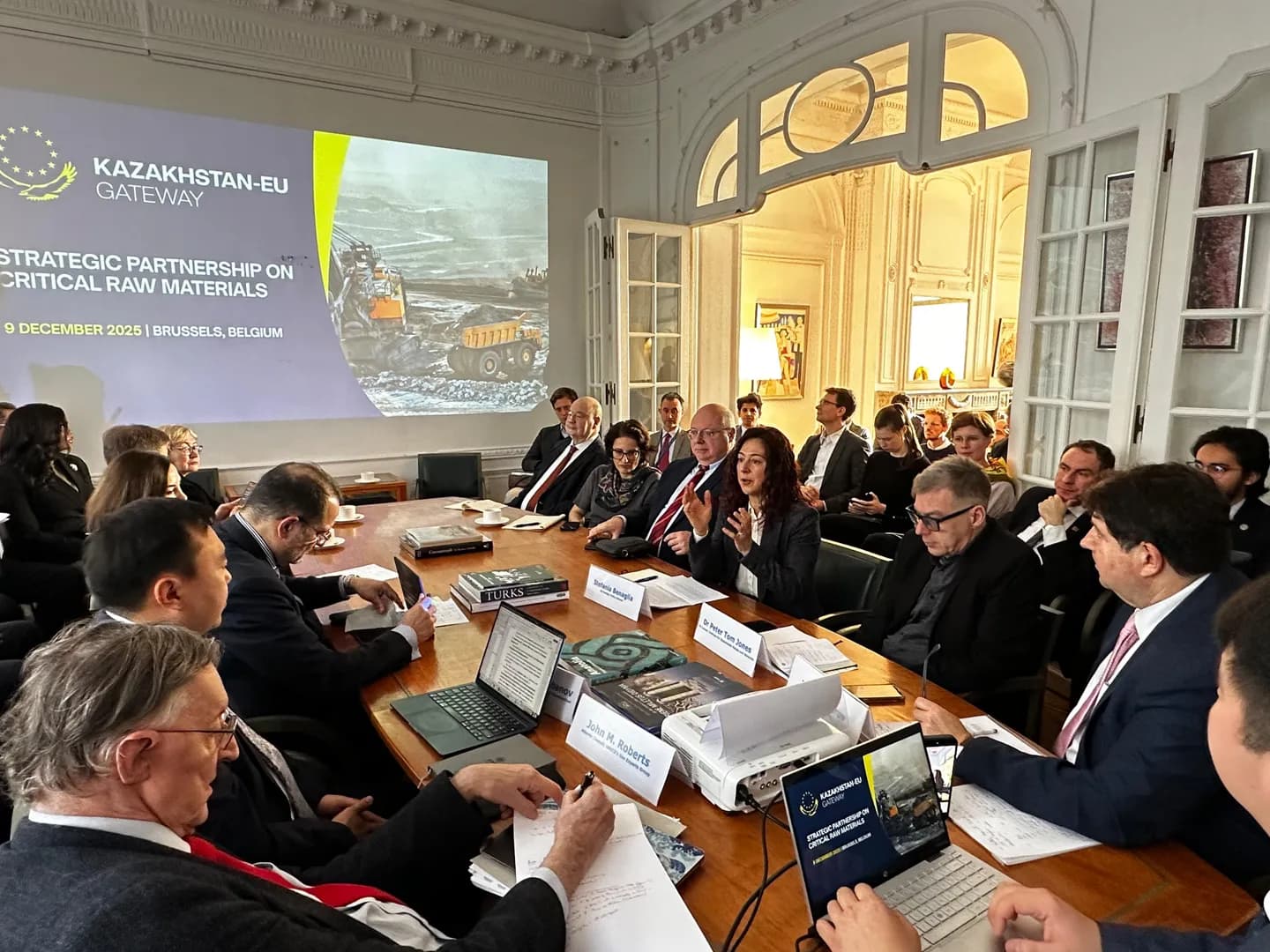
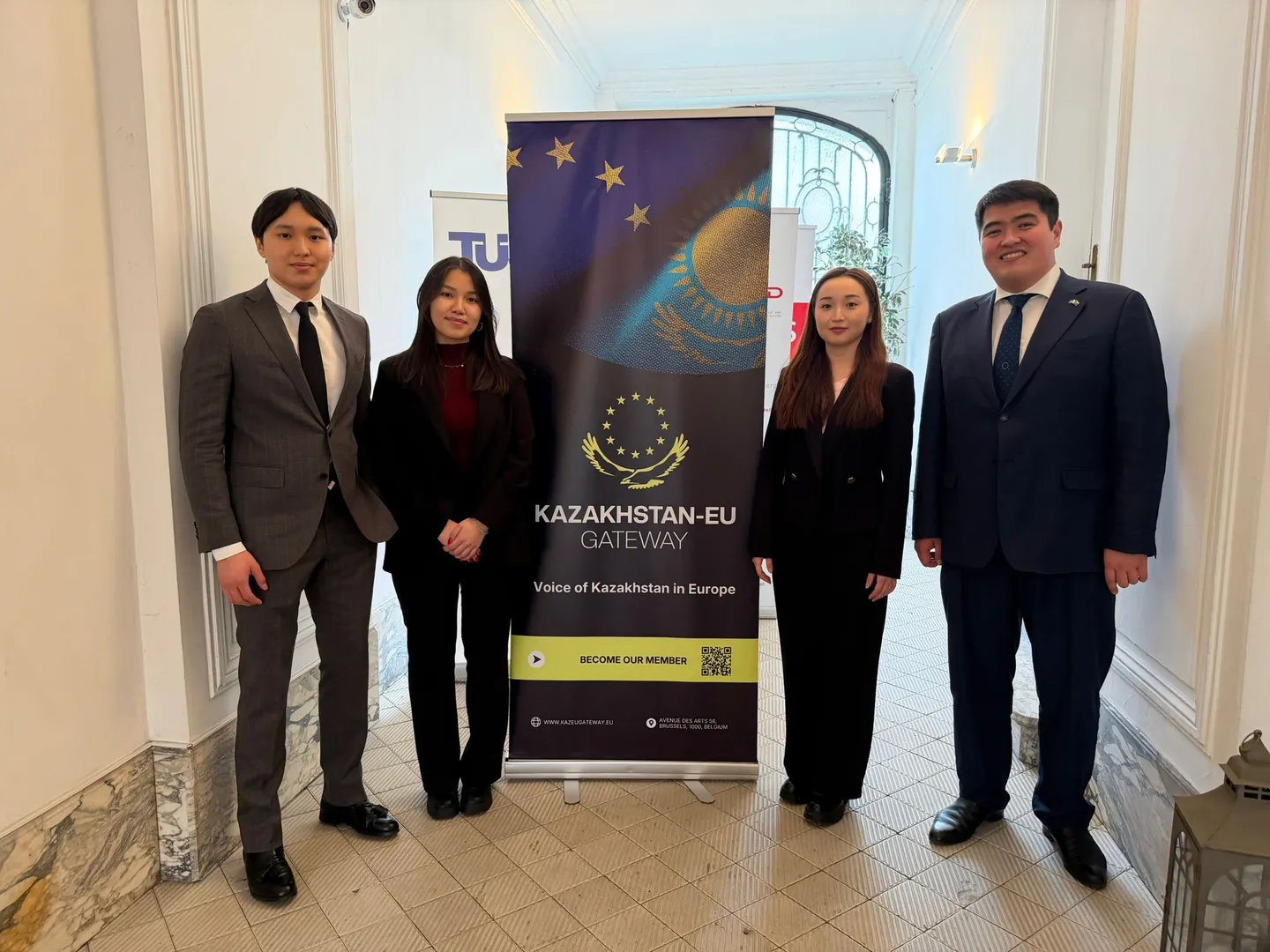
Eureflect at a milestone event
The event marked the official launch of the Kazakhstan–EU Gateway (KEG), a Brussels‑based non‑governmental organization designed to strengthen political, economic and societal ties between Kazakhstan and the European Union. KEG positions itself as a strategic bridge connecting Brussels with Astana and wider Central Asia, with a mission to promote dialogue, sustainable investment and innovation in sectors such as critical raw materials, green transition, digital connectivity and transport corridors.
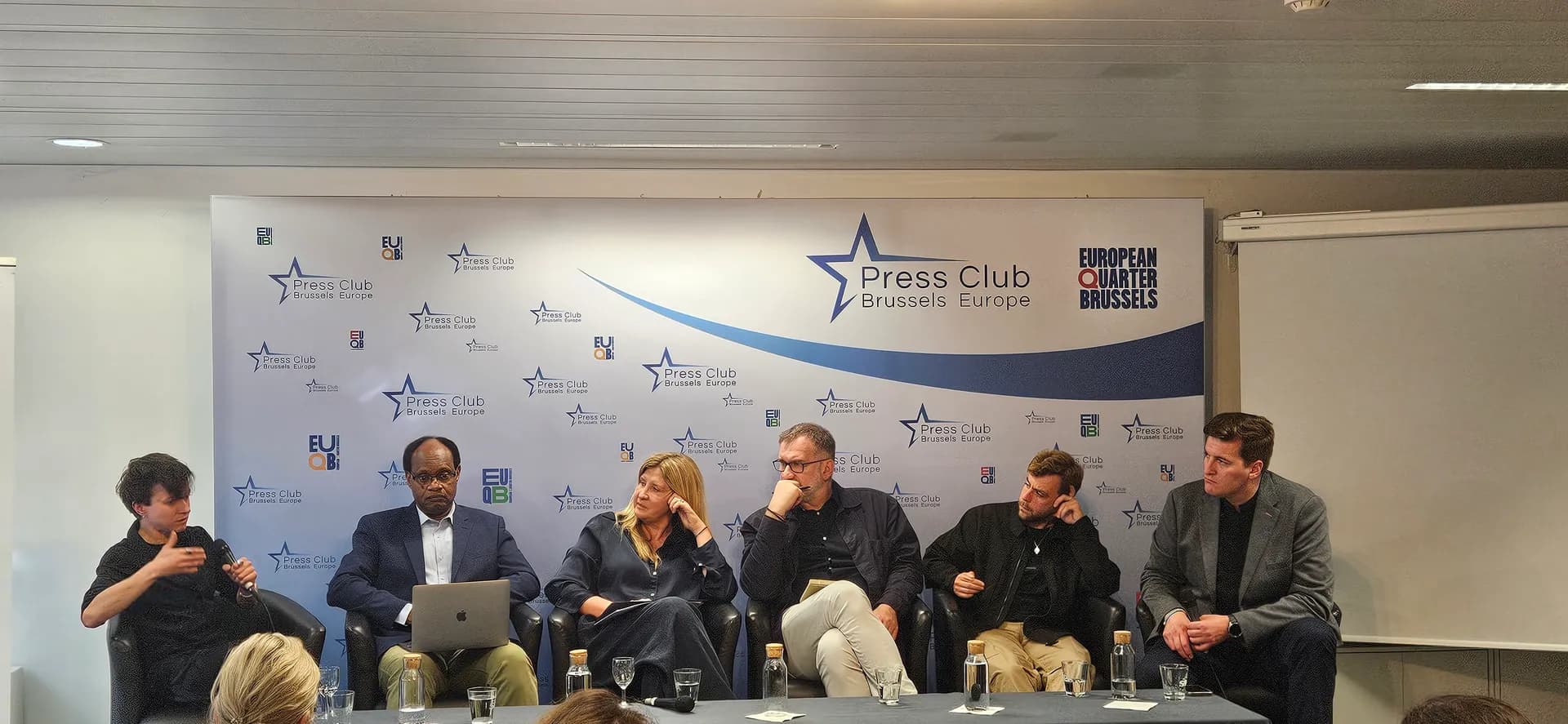
The panel was moderated by Stefania Benaglia - EU foreign policy advisor. In collaboration with the following speakers:
· Sairan Baizhakhanov - Representative of the Ministry of Industry and Construction of Kazakhstan to the EU
· Dr. Peter Tom Jones - Director, KU Leuven Institute for Sustainable Metals and Minerals*
· John M. Roberts - Energy security expert; Senior Fellow, Atlantic Council*
· Dr. Marat Terterov - Founder, Brussels Energy Club; expert on Eurasian geopolitics; KEG Advisory Board Member
Opening session: presenting the Kazakhstan–EU Gateway vision
The panel programme began with introductory remarks by Dr. Marat Terterov, who welcomed participants and framed the day as a historic moment for Brussels, evolving Kazakhstan and the EU’s raw materials agenda. He then introduced Valikhan Bakhretdinov, the President of Kazakhstan–EU Gateway (KEG). He delivered a substantive presentation on KEG’s objectives, governance and role in the Brussels policy ecosystem.
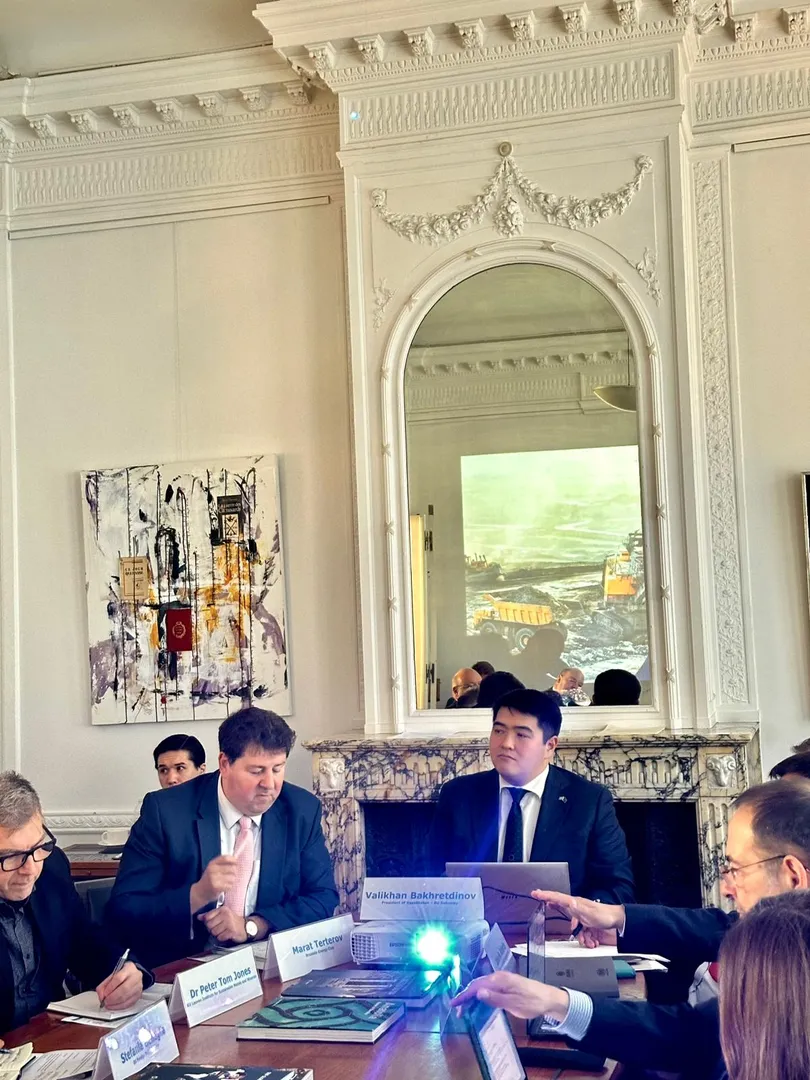
Mr. Bakhretdinov described Kazakhstan- EU Gateway as a transparent, nonprofit platform recently registered in the EU Transparency Register and fully compliant with Belgian and EU law. The organization focuses on four core pillars:
·Platform for strategic dialogue (Brussels-Astana)
·Analysis of bilateral relations
·Strengthening academic/cultural ties and youth programs
·Direct interaction between analytical, lobbying, and political circles of the EU
The organization aims to function as an “synergy hub” for policymakers, businesses and experts from both regions ( Kazakhstan & EU). Concrete the organization, offers evidence‑based analysis, access to expert communities and support for EU policy goals such as the green transition, digital connectivity and resilient value chains.
In addition, Mr. Bakhretdinov mentioned that Kazakhstan- EU Gateway wants to open the door of EU to everyone in the region of Central Asia. Kazakhstan is the gateway to Central Asia. When you say Kazakhstan, you immediately think of Central Asia. He emphasised that we, as one region, must work together. This shows that his organisation wants to create prosperity for the entire region and values inclusivity among other Central Asian States.
Panel insights: Kazakhstan delivered a strong message to EU: “ We are ready and a reliable partner”
Today’s central panel: “Strategic Partnership on Critical Raw Materials” showcased how to translate political commitments into concrete, long‑term projects along the entire raw materials value chain between Kazakhstan & the EU.
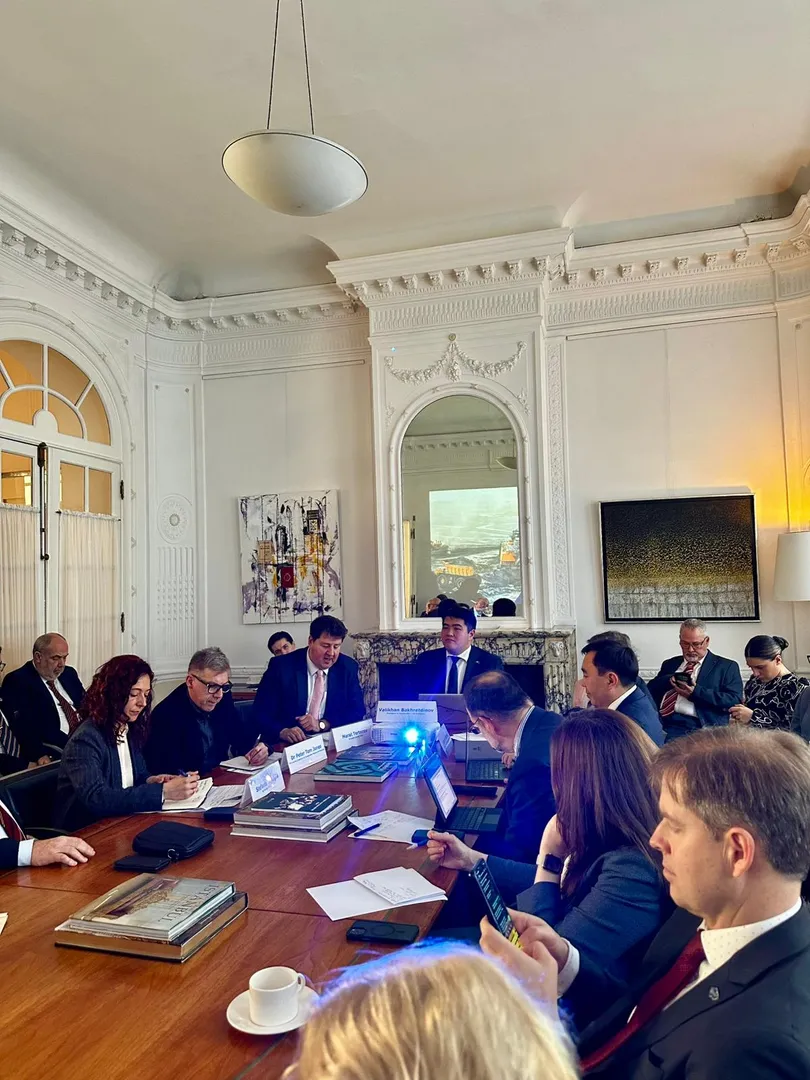
Vision of Mr. Sairan Baizhakhanov
From the Kazakh governmental side, representative Sairan Baizhakhanov highlighted Kazakhstan’s diversified resource base. He emphasized that the country can supply 21 of the 34 critical raw materials identified by the EU. Furthermore, Kazakhstan holds extraordinary deposits in elements such as tungsten, rare earths and other strategic metals. He underlined that Kazakhstan is not only a supplier of minerals, but increasingly a partner for higher‑value processing and industrial applications, including aerospace, defence and advanced manufacturing.
At the same time, Mr. Sairan Baizhakhanov highlighted that Kazakhstan’s industrial ecosystem is already capable of scaling up production in several key segments. He referred to copper producers such as Kazakhmys and KAZ Minerals, which together deliver hundreds of thousands of tonnes of copper annually. In addition, as well enterprises in phosphorous, tungsten and beryllium that can significantly increase output to meet European demand. The industrial base combined with ongoing reforms demonstrates that Kazakhstan can meet not only today’s EU needs, but also the long‑term requirements associated with multi‑decade mining and processing projects. To conclude, Mr. Sairan Baizhakhanov’s message was deliberately clear and pragmatic: “Kazakhstan is reliable partner that stands ready to work with the European Union”.
Vision of Dr. Peter Tom Jones:
For Dr. Peter Tom Jones, the Kazakhstan–EU Gateway is emerging at a moment when Europe’s security and industrial future increasingly depends on secure access to critical raw materials such as lithium. Lithium is not only the backbone of electric mobility and grid‑scale storage. It has also a key input for advanced defence applications, including the drone technologies that have become emblematic of the Ukraine- Russia war. In his perspective, the conflict has brutally exposed how vulnerable Europe remains.
Furthemore Dr. Peter Tom Jones recognises that the EU is a powerhouse of innovation, from battery chemistries to mining‑impact monitoring, yet he argues that Europe still struggles to translate this intellectual leadership into rapid, coordinated implementation. Here he sees Kazakhstan as a pivotal partner. A country with sizeable reserves of battery‑relevant minerals and a growing willingness to host joint ventures, processing facilities and pilot projects. In his view, Europe has a rich toolbox of technologies clean extraction, advanced refining, recycling that it can bring to Kazakhstan. On the other hand Kazakhstan can offer scale, resources and a strategic Eurasian location, turning lithium and other critical materials into a shared asset rather than a new dependency.
Vision of Dr. Marat Terterov
For Dr. Marat Terterov, the launch of the Kazakhstan–EU Gateway confirms what energy and geopolitics observers have long understood: Kazakhstan has enormous untapped potential as a “ strong powerhouse” at the heart of Eurasia. From his vantage point as founder of the Brussels Energy Club and KEG advisory board member, he views the platform as a response to global supply‑chain disruptions. Kazakhstan combines a rich endowment of critical raw materials with a track record of pragmatic diplomacy, making it uniquely positioned to anchor a more balanced and diversified relationship between Europe and Central Asia.
Terterov emphasises that Kazakhstan’s potential goes beyond geography: it lies in the country’s ambition to move up the value chain, host processing capacities and become a regional hub for the “middle corridor” connecting East and West. In his view, the organization Kazakhstan–EU Gateway can be the operational interface that turns this potential into bankable projects by bringing together diplomats, companies, think‑tanks and financial institutions in Brussels. He underlines that Kazakhstan is ready to do its but that sustained European engagement and faster implementation are essential if this potential is not to be captured by competing powers.
Vision of Mr. John M. Roberts
Mr. John M. Roberts reads the strategic partnership on critical raw materials between Kazakhstan and EU through a deeply geopolitical lens. In this case where transport corridors matter as much as mineral deposits. He links the debate on critical raw materials to the evolving map of Eurasian connectivity. Ranging from the Trans‑Caspian and Trans‑Kazakhstan routes to emerging debates around corridors such as Zangezur, which could reshape how goods move between Central Asia, the South Caucasus and Europe. In his assessment, any credible EU strategy for critical raw materials must be anchored not only in supply contracts but also in diversified, resilient routes that bypass single‑country bottlenecks and reduce exposure to geopolitical pressure.
Conclusion: Kazakhstan is a reliable and forward‑looking partner to EU in case of CRM’s
From Eureflect’s vantage point, the event organized by Kazakhstan–EU Gateway sends a clear message: Kazakhstan is positioning itself as a reliable, constructive and forward‑looking partner for the European Union in the sector of Critical raw materials (CRM’s). The country’s readiness to move beyond raw material extraction towards joint value creation in refining, battery materials and renewable hydrogen aligns closely with the 2022 EU–Kazakhstan memorandum on sustainable raw materials, batteries and hydrogen and the recently endorsed 2025–2026 roadmap.
For this partnership to reach its full potential, the EU side will need to accelerate bureaucratic processes, ensure timely implementation of strategic projects under the EU Critical Raw Materials Act. Furthermore to translate political willingness into tangible investment decisions. Kazakhstan has clearly signalled that it is open, pragmatic and committed to European collaboration in the sector of CRM’s.
Kazakh hospitality and high‑level networking
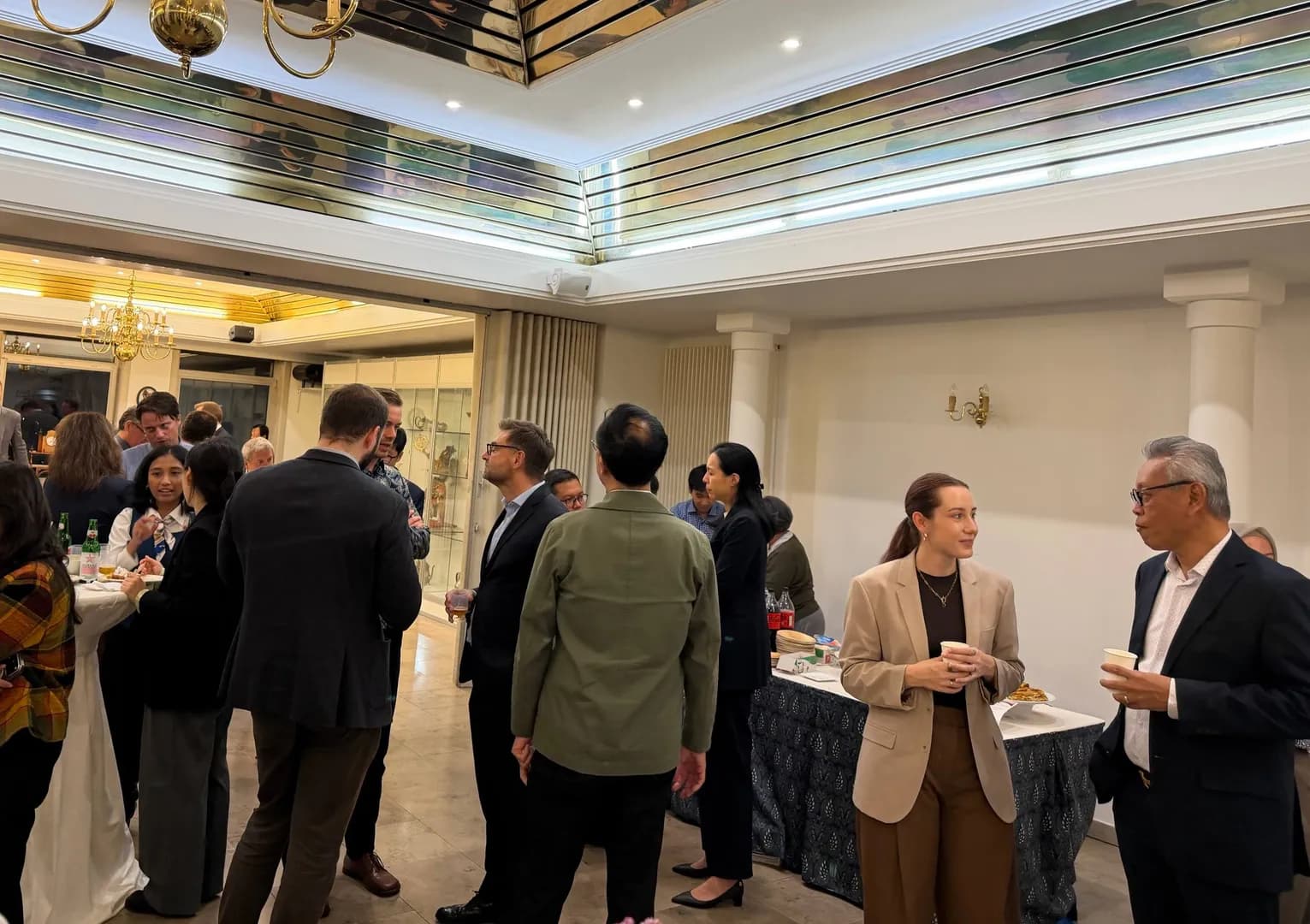
The event’s networking reception, held immediately after the panel, showcased the hallmark of Kazakh hospitality in the heart of Brussels. Participants from EU institutions, national governments, academia and the private sector exchanged ideas with a strong contingent of Kazakh officials, diplomats and thought leaders.
Beyond formal speeches, informal conversations highlighted Kazakhstan’s reputation as a stable powerhouse , eager to deepen cooperation in critical raw materials. For Eureflect, the atmosphere confirmed that Kazakhstan–EU Gateway is already succeeding in its core mission: “creating a living bridge between Kazakhstan and the EU ” where ideas can take shape in concrete long‑term projects.
This article is written by Ibrahimjan Abdimutalipjan.
İbrahimjan Abdimutalipjan
Contributing writer at EUReflect.
Follow EUReflect
See more of our reporting on Google
Mark EUReflect as a preferred source and our stories are ranked higher for you in Top Stories, Discover and Google News — and carry a “preferred” badge when they are cited in AI results.
Add EUReflect as a preferred source