TIRANA, Albania — Tens of thousands of demonstrators took to the streets of Albania’s capital Tirana this weekend in one of the largest anti-government protests in recent years, marking a significant escalation of political tensions ahead of national elections.
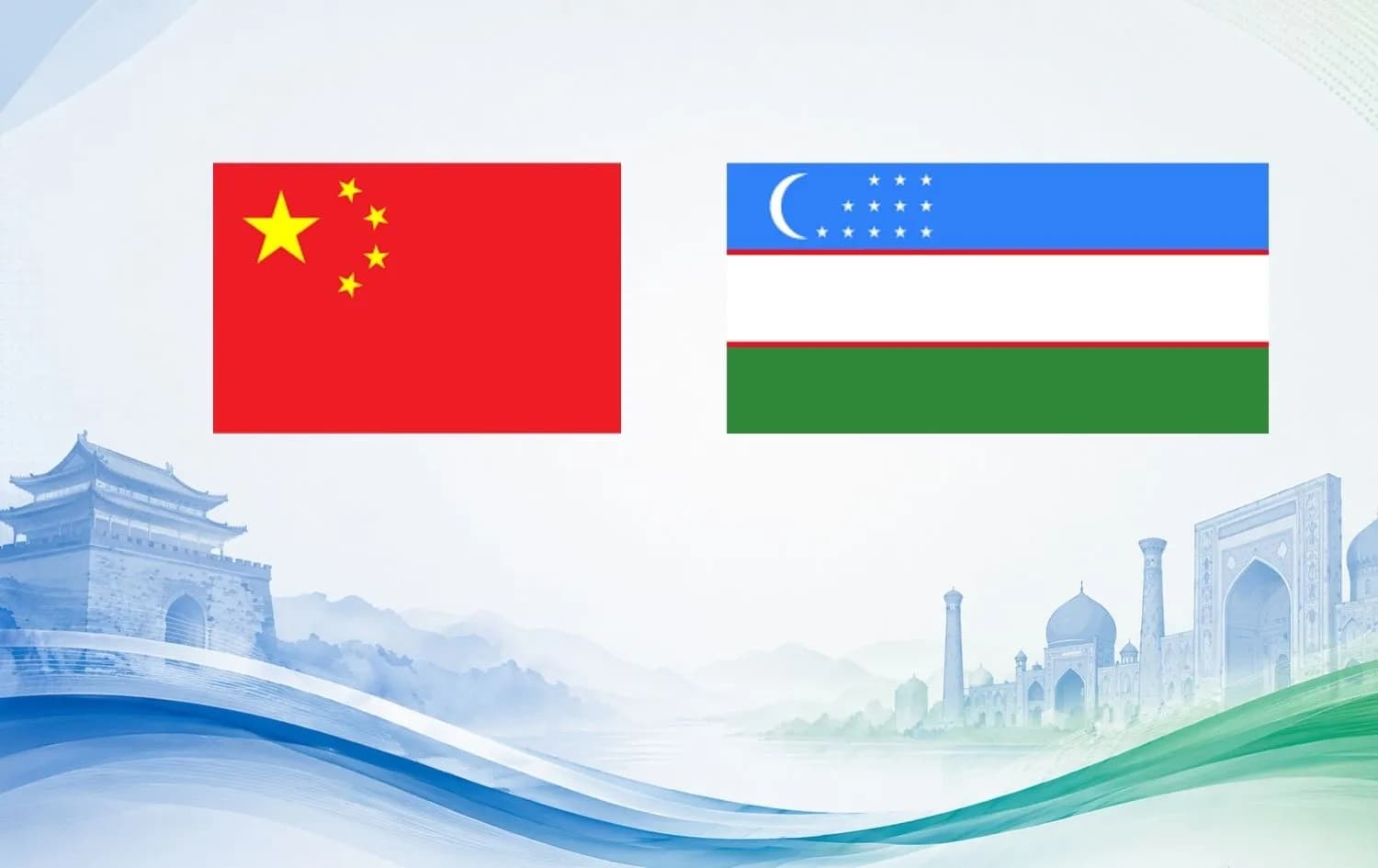
Uzbekistan is transforming its “double landlocked” disadvantage into an advantage through multi-directional logistics corridors, green energy, digitalization, and investor-friendly reforms. Its 2030 vision aims to position the country as Eurasia’s new trade and investment hub, driven by strong growth, legal security, low costs, and broad regional access.
The EU–Vietnam Comprehensive Strategic Partnership announced in January 2026 marks a shift beyond trade toward deeper political, security and strategic cooperation, reflecting shared interests in stability, diversification, and long-term engagement in the Indo-Pacific.
Relations between Uzbekistan and Turkey have evolved into a comprehensive strategic partnership based on trust and political will at the leadership level. Public diplomacy and sister-city cooperation strengthen people-to-people ties, ensuring the sustainability of political, economic, and cultural relations.
Uzbekistan has successfully ensured peace and interethnic harmony within its multinational society since independence. Its strategic partnership with Türkiye, based on deep historical and cultural ties, continues to strengthen through economic reforms, investment, cultural cooperation, and collaboration within the Organization of Turkic States.
Signed on 27 January 2026, the EU–India free trade agreement ends two decades of talks. It reflects strategic convergence through selective market access, protected agriculture, mobility concessions, and climate cooperation, prioritising political balance over full liberalisation.
The EU–India free trade agreement signed on 27 January 2026 concludes two decades of negotiations. Beyond trade liberalisation, it reflects strategic convergence, aiming to diversify partnerships, boost investment and technology flows, and manage skilled labour mobility in a fragmented global order.
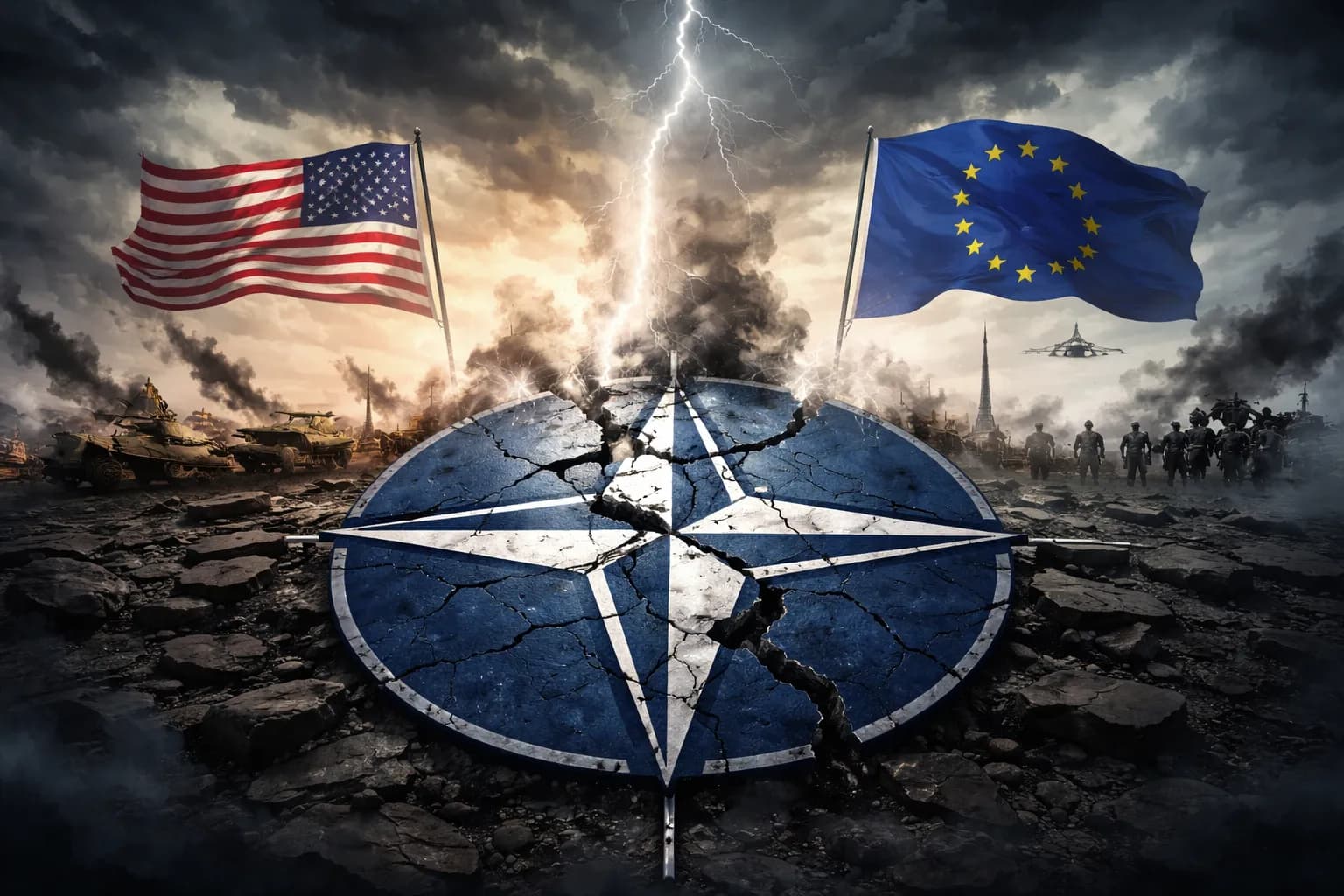
At the 2026 Davos Forum, Trump’s claim that the U.S. should control Greenland sparked strong European backlash. Denmark and NATO allies defended sovereignty, revealing growing tensions within the alliance over security priorities, unilateralism, and the future of transatlantic relations.
As global leaders gathered around the Davos agenda, Brand Finance’s Global 500 2026 report offered a timely snapshot of how technology and artificial intelligence are reshaping the world’s most influential brands. Released on January 15, 2026, the report highlights the continued dominance of tech giants such as Apple, Microsoft, and Google in brand value, alongside the rising strategic importance of AI-driven companies like NVIDIA. At the same time, the rankings reveal a nuanced distinction between financial brand value and brand power, measured through trust, loyalty, and perception. Together, these findings underscore the arrival of a new economic era in which innovation, attention, and reputation define global brand leadership.
At the Global Tourism Forum Davos 2026, H.E. Ambassador Kubanychbek Omuraliev, Secretary General of the Organization of Turkic States (OTS), placed tourism at the center of global strategic thinking, presenting it as a powerful instrument of soft power and diplomatic capital. Speaking during World Economic Forum Week, he articulated how the Turkic world’s shared geography, history, and economic momentum position tourism as a driver of connectivity, trust, and regional integration. The OTS vision reframes tourism not as a standalone sector, but as a pillar of economic resilience, cultural diplomacy, and geopolitical relevance. Hosted in Davos under the WEF theme “A Spirit of Dialogue,” the Forum elevated tourism into the sphere of global decision-making, highlighting its growing role in shaping international cooperation.
BY DANA OMIRGAZY //
ASTANA – President Kassym-Jomart Tokayev outlined Kazakhstan’s ongoing political reforms, foreign policy priorities, and digital transformation agenda during the National Kurultai (Congress) in Kyzylorda on Jan. 20, stressing national unity amid global uncertainty.
Mongolia underscored tourism as a strategic pillar of economic diversification and diplomacy at the Global Tourism Forum Davos 2026, with Prime Minister Gombojavyn Zandanshatar highlighting growth, sustainability, and global engagement as key priorities.
Suriname highlighted its climate leadership and sustainable tourism vision at the Global Tourism Forum Davos 2026, as Vice President Gregory Allan Rusland presented ecotourism as a strategic pathway linking environmental protection, cultural heritage, and global cooperation.
Sri Lanka underscored the diplomatic and strategic value of tourism at the Global Tourism Forum Davos 2026, with Prime Minister Dr. Harini Amarasuriya highlighting travel as a tool of soft power, resilience, and international cooperation during high-level discussions alongside global leaders.
Pakistan Prime Minister Shehbaz Sharif attends WEF Davos 2026, engaging global leaders on dialogue, economic reform, investment, and international cooperation.
President of Uzbekistan: The time has come for a new generation of diplomats – those who achieve concrete results and firmly defend the interests of Uzbekistan in the international arena