Qatar Maintains Active Mediation Between Washington and Tehran Amid Strait Security Crisis
The Qatari Foreign Ministry confirmed its active role in relaying messages between Washington and Tehran in an effort to de-escalate Middle East tensions. Speaking at a press briefing in Doha, official spokesperson Dr. Majed Al Ansari reiterated Qatar's commitment to dialogue, warning against the targeting of vital infrastructure and advocating for long-term coexistence and open navigation through the Strait of Hormuz.
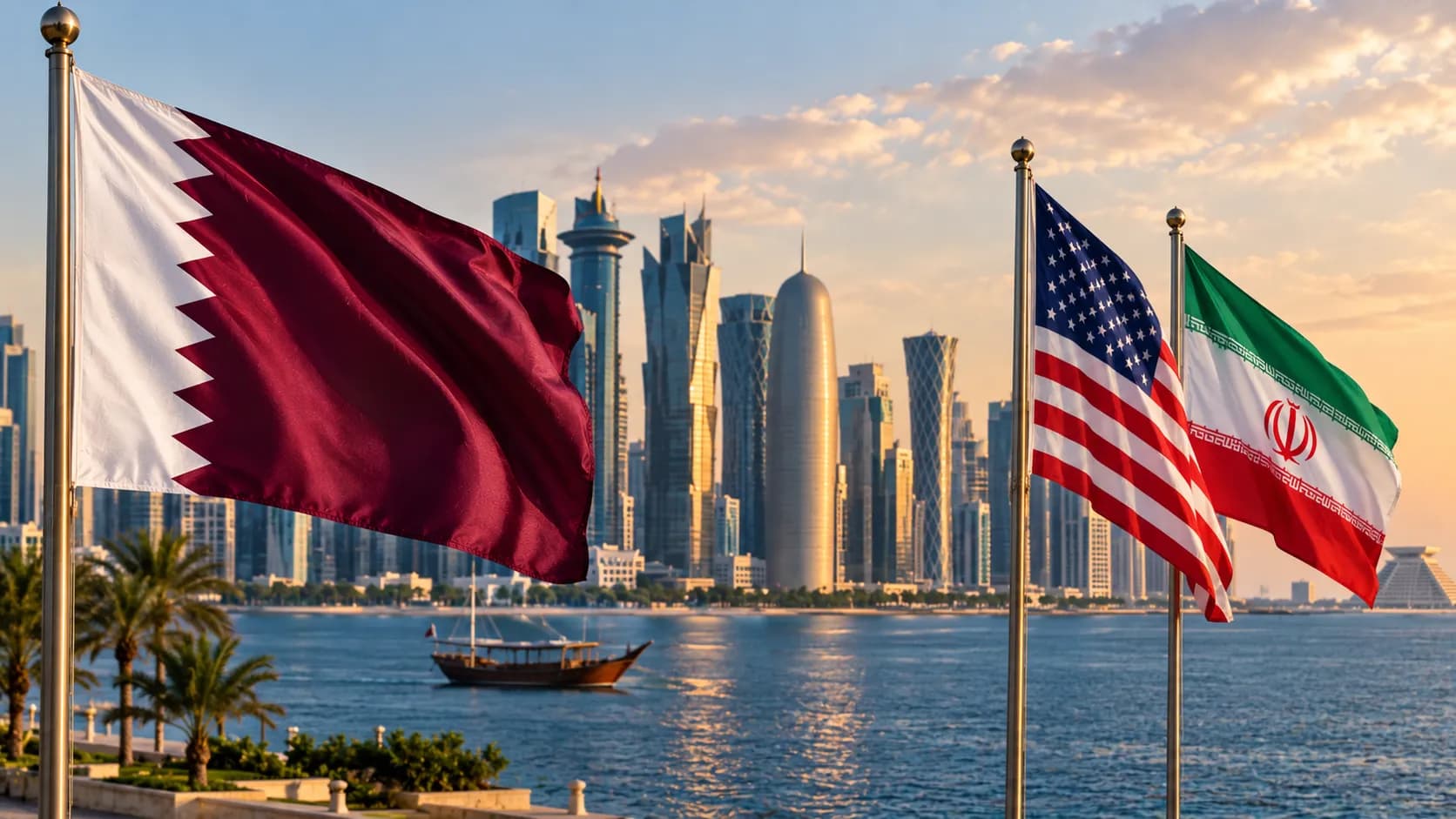
DOHA — The State of Qatar has confirmed that it is actively engaged in ongoing shuttle diplomacy between the United States and Iran, seeking to establish common ground and prevent further military escalation in the Middle East.
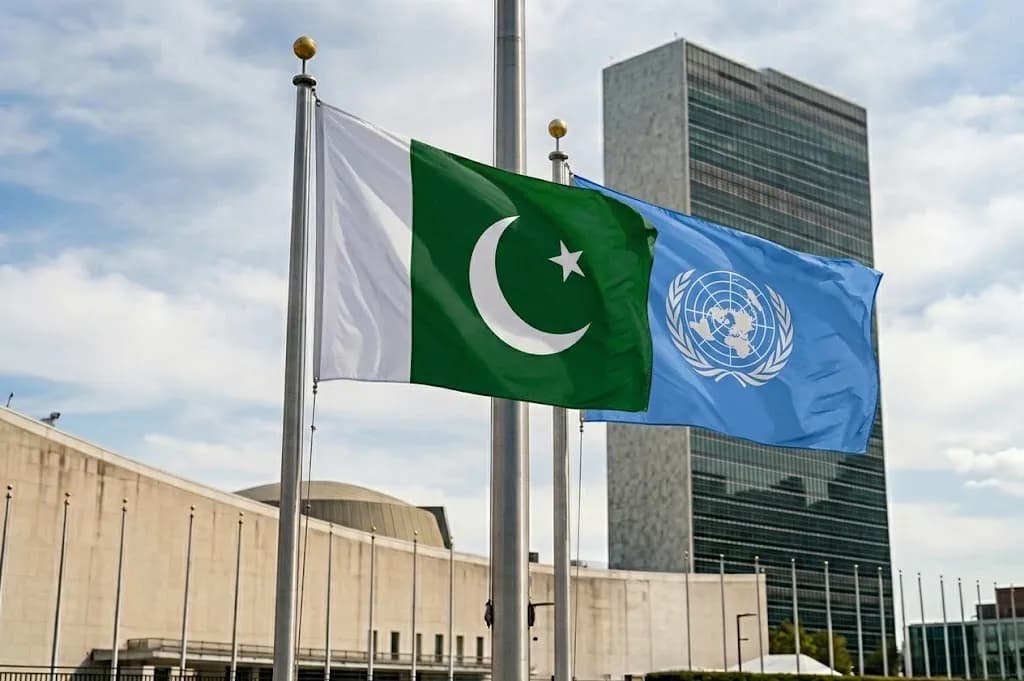
Speaking during a weekly press briefing in Doha, Dr. Majed bin Mohammed Al Ansari, Advisor to the Prime Minister and Official Spokesperson for the Ministry of Foreign Affairs, confirmed that Qatari diplomats continue to facilitate exchanges between both capitals. These high-level contacts included recent exchanges held alongside the 81st session of the UN General Assembly in New York.
JPGЕщё 1
"Qatar’s mediation efforts are ongoing, and we are currently relaying messages between the American and Iranian sides," Al Ansari stated. "We are concerned about any escalation in the region and are working to find a peaceful solution."
Diplomatic Engagement and Obstacles to De-Escalation
Qatari diplomatic channels have remained functional despite significant operational challenges and regional disruptions. While Washington and Tehran previously signed a June memorandum intended to cease hostilties and guarantee commercial transit through the Strait of Hormuz, implementation remains stalled due to unresolved security conditions.
Addressing the complexities inherent in mediating high-stakes conflict, Doha reaffirmed that negotiating parties frequently encounter momentum shifts.
"Any agreement faces obstacles, and the role of mediation is to overcome difficulties and attempt to bridge the gap between the parties," Al Ansari noted. "The first step in this regard is for the region's states to acknowledge that they will not be targeted in any future escalation."
Protection of Sovereign Infrastructure and Regional Stability
A central focus of Qatar’s diplomatic messaging is the imperative to safeguard critical energy infrastructure and maritime passages. Doha issued a firm condemnation against attacks targeting civilian assets, petrochemical networks, and maritime trade routes, warning of severe fallout for global supply chains and economic stability.
Reflecting on regional dynamics, Qatari officials emphasized that members of the Gulf Cooperation Council (GCC) did not invite conflict, urging Iranian leadership to respect neighboring sovereignty.
"Targeting infrastructure, energy facilities, and vessels serves only to undermine the interests of the people," Al Ansari warned. "The countries of the region did not choose to be part of this war... what occurred constitutes an aggression against the countries of the region, nations that are sovereign states."
Broader Regional Frameworks and Global Economic Stakes
In addition to Persian Gulf security, Qatari diplomacy remains focused on broader Middle Eastern stability, including humanitarian conditions in the Gaza Strip and settlement expansions in the West Bank. Qatari representatives commended international measures against illegal settlement activities while emphasizing the need to uphold international consensus.
From an economic perspective, the Qatari Foreign Ministry underscored that the Middle East remains a vital pillar of the global market. Disruptions in the region extend beyond energy exports to affect fertilizer, aluminum, and petrochemical sectors essential to global food security.
Doha reiterated that dialogue remains the only viable path to long-term stability, urging all parties to prioritize a security framework grounded in non-aggression, good-neighborly relations, and open commerce.
Related Topics
Alvara Merrick
Contributing writer at EUReflect.
Follow EUReflect
See more of our reporting on Google
Mark EUReflect as a preferred source and our stories are ranked higher for you in Top Stories, Discover and Google News — and carry a “preferred” badge when they are cited in AI results.
Add EUReflect as a preferred source