Special Interview with H.E. Adit Erkin, Ambassador of the Kyrgyz Republic to Belgium
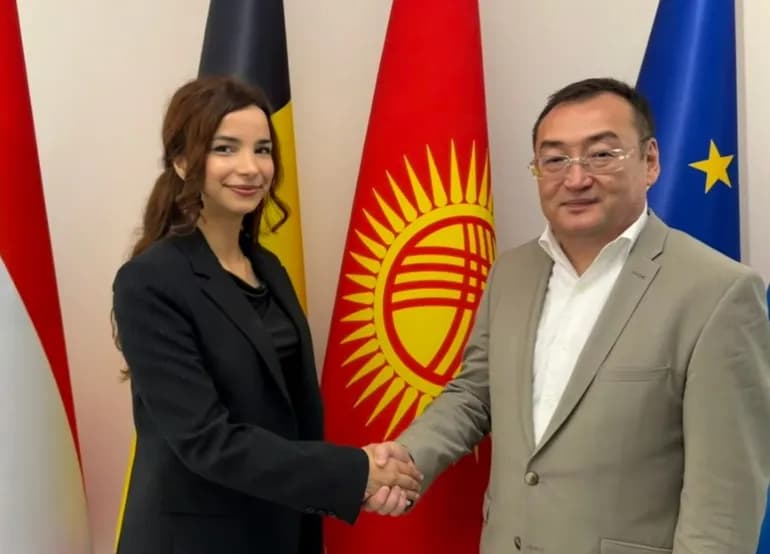
Kyrgyzstan is entering a new chapter in its international engagement. Following its election as a non-permanent member of the United Nations Security Council for the 2027-2028 term, the country is preparing to play a more visible role on the global stage. In an interview with EUReflect, Ambassador Aidit Erkin, Ambassador of the Kyrgyz Republic to Belgium, Luxembourg and the European Union, discussed Kyrgyzstan's priorities at the UN, regional cooperation in Central Asia, and the enduring importance of the Kyrgyz nomadic heritage.
Kyrgyzstan's Priorities at the United Nations Security Council
Derya SOYSAL: Kyrgyzstan has recently been elected to the United Nations Security Council. What will be the country's main priorities during its term?
Ambassador Aidit Erkin: Thank you very much. It is a pleasure to meet with you.
On 3 June, Kyrgyzstan was elected as a non-permanent member of the United Nations Security Council for the 2027-2028 term. This achievement is significant not only for Kyrgyzstan, but for the entire Central Asian region.
Our candidacy was jointly supported by all five Central Asian states. As a result, Kyrgyzstan intends to promote the interests and priorities of Central Asia at the global level and serve as a voice for the region within the United Nations.
Kyrgyzstan is a relatively small, landlocked and mountainous country. Therefore, issues affecting small states, landlocked developing countries and mountainous nations will be among our key priorities. We believe that these countries face unique challenges that deserve greater international attention.
At the same time, Kyrgyzstan has always been committed to peaceful cooperation and dialogue. Strengthening regional and international security will therefore be another major priority during our Security Council mandate. We will work actively to contribute to peace, stability and mutual understanding among nations.
Issyk-Kul and the Growing Influence of Central Asia
Derya SOYSAL: Recently, Kyrgyzstan hosted the Consultative Meeting of Central Asian Heads of State at Issyk-Kul, attended by President Kassym-Jomart Tokayev of Kazakhstan, President Serdar Berdimuhamedov of Turkmenistan, President Shavkat Mirziyoyev of Uzbekistan, President Emomali Rahmon of Tajikistan, as well as President Ilham Aliyev of Azerbaijan. Why can Issyk-Kul be considered both a soft power and a strategic asset for Kyrgyzstan and Central Asia?
Ambassador Aidit Erkin: Indeed, Issyk-Kul is increasingly becoming one of Kyrgyzstan's most important tools of soft power.
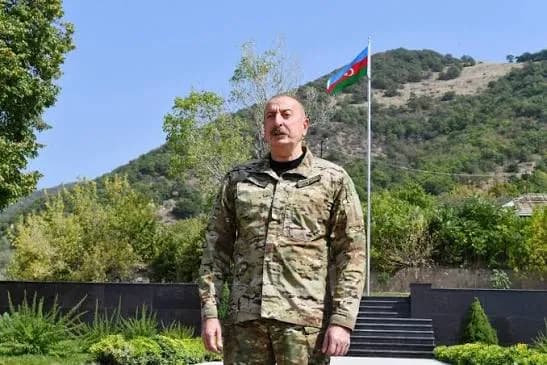
Last week, we welcomed the leaders of Central Asia and President Ilham Aliyev of Azerbaijan for the Consultative Meeting. This gathering reflected our efforts to build a new reality of connectivity and cooperation between Central Asia and Azerbaijan.
The ties between our countries are deep and multifaceted. They are rooted not only in history and culture, but also in modern economic cooperation. Today, projects such as the Middle Corridor, the development of the Caspian transport route and the growing role of the Port of Baku are creating new opportunities for connectivity between our regions.
Investment cooperation is also developing rapidly. A recent example was the inauguration of the five-star Hotel Baku in Issyk-Kul. Such projects demonstrate the strong economic potential of cooperation between Kyrgyzstan and Azerbaijan.
Our goal is to continue strengthening these partnerships and fostering greater regional integration for the benefit of all our peoples.
The Nomadic Spirit: A Living Heritage
Derya SOYSAL: Kyrgyzstan is also preparing for upcoming nomadic games. Why is the nomadic spirit so important for Kyrgyzstan? What should people in Belgium and Europe know about Kyrgyz nomadic culture?
Ambassador Aidit Erkin: The Kyrgyz people are historically a nomadic nation, and nomadism remains a fundamental part of our identity.
The nomadic spirit represents freedom, resilience, independence and a deep connection with nature. It is also reflected in our traditions, culture and way of life.
The World Nomad Games can be described as a kind of Olympics of the nomadic world. Although this movement is still relatively young, having developed over the past decade, it has expanded remarkably and attracted growing international interest.
The games bring together participants from many countries and celebrate a common cultural heritage shared by numerous nomadic peoples across Eurasia. They are not merely sporting competitions, but also a platform for promoting intercultural dialogue, friendship and mutual respect.
We will continue to support and promote this important initiative internationally. Previous editions have been hosted by countries such as Kazakhstan and Türkiye, illustrating the shared character of this heritage across the Turkic and nomadic world.
A Message for the Future
As the interview concluded, Ambassador Erkin emphasized the importance of strengthening ties between Kyrgyzstan and Europe while preserving the country's unique cultural identity.
Derya Soysal: Long live Kyrgyzstan. Long live the friendship between Kyrgyzstan and the European Union. And long live the nomadic spirit that continues to inspire our people and connects us to our heritage.
Ambassador Aidit Erkin: Thank you. Long live our homeland.
Derya Soysal
Contributing writer at EUReflect.
Follow EUReflect
See more of our reporting on Google
Mark EUReflect as a preferred source and our stories are ranked higher for you in Top Stories, Discover and Google News — and carry a “preferred” badge when they are cited in AI results.
Add EUReflect as a preferred source