To Kazakhstan with Turkish Airlines
A Turkish Airlines Journey to Kazakhstan
The Business Lounge: A Haven for the Long-Haul Traveller
A long journey to Central Asia needs a good pause halfway, and the Turkish Airlines Business Lounge in Istanbul is one of the best places in the world to take it.
The first thing I did was take a shower. After the first flight, few things feel better than a private shower room, fresh towels and the time to start again. I came out refreshed and ready for the second part of the trip, as if the journey had only just begun.
Then I went to the food stations, which feel like a celebration of Anatolia. Chefs cook in front of you. Warm pide comes out of the oven, simit sits next to fresh cheeses and olives, and there are colourful mezze, light soups and grilled dishes. For dessert there is baklava, Turkish delight, and Turkish tea or coffee served with care.
The lounge is also designed for travellers with long layovers. It has quiet areas for resting, comfortable spaces for working and calm corners for reading. You never feel rushed. Turkish hospitality even has a name, misafirperverlik, and you feel it right away.
Business Class: Built for Long Journeys
On a long flight, comfort isn't a luxury. It decides how you arrive. Turkish Airlines Business Class understands this.
My seat was spacious enough to work, read or just watch the clouds. When I wanted to sleep, it turned into a fully flat bed. With a soft pillow, a warm blanket, the comfort kit and dimmed cabin lights, I slept properly instead of just dozing in my seat. I landed in Almaty rested and ready to start straight away, which matters a lot when meetings and conferences are waiting.
The crew made the flight even better. They were warm, attentive and discreet, and they seemed to know when to offer a drink and when to let you sleep. That kind of service doesn't only come from training. It comes from a long tradition of welcoming guests.
Turkish cuisine
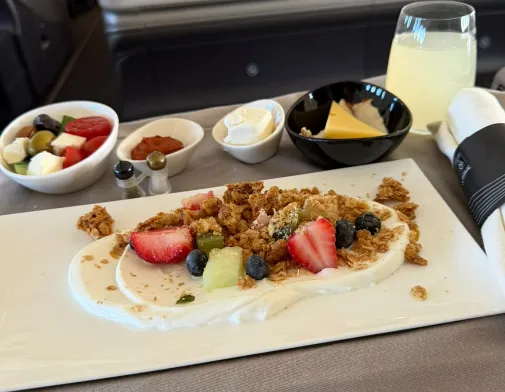
On board, the food became the highlight of my trip. Turkish Airlines is known for its in-flight dining, and in Business Class you can see why. Its Flying Chefs cook and present meals on board, so the service feels more like a restaurant than an aeroplane.
The meal unfolds like a Turkish dinner, in courses and without hurry. It begins with mezze and starters such as olive-oil vegetable dishes, fresh salads and fine cheeses. The main courses draw on both Ottoman palace cooking and Anatolian home recipes, with generous flavours and careful presentation. Then come the desserts, and a Turkish meal without dessert would be unthinkable. The meal ends with tea or Turkish coffee, which here is a ritual and not just a drink.
The food tasted as good as it looked. Each course told a bit of the story of Turkish cuisine, one of the world's great food traditions. As I looked out at the clouds over the Black Sea and the Caspian, I thought of the caravans that once took months to cross these lands. We crossed them in a few hours, and I suspect we ate rather better.
Business Class: Comfort Rooted in Culture
The rest of the flight was just as good. The seat was comfortable and spacious, perfect for resting or preparing for the meetings and conferences ahead. The crew was warm, attentive and discreet. That kind of service doesn't only come from training. It comes from a long tradition of welcoming guests.
Why Visit Kazakhstan, and Why Start with Almaty
Kazakhstan is the world's largest landlocked country, and it is still one of Europe's best-kept secrets. Here is why I think you should go.
Its history and identity. Kazakhstan is at the heart of the Turkic and nomadic world. In Turkistan, the mausoleum of Khoja Ahmed Yasawi was commissioned by Amir Timur and is one of the masterpieces of Timurid architecture. Standing in front of its huge portal, I felt the spiritual and cultural ties that link the Turkic peoples from Anatolia to the Altai.
Its hospitality. Kazakh people welcome guests with real generosity. I was offered tea and baursak and heard stories about horses, poets and the endless steppe. The nomads' famous welcome is still very much alive.
Its food. The table carries on the culinary journey. You can try beshbarmak, the national dish, along with plov, fresh baursak and many dairy traditions from the steppe.
The Lakes of Kazakhstan: Mirrors of the Sky
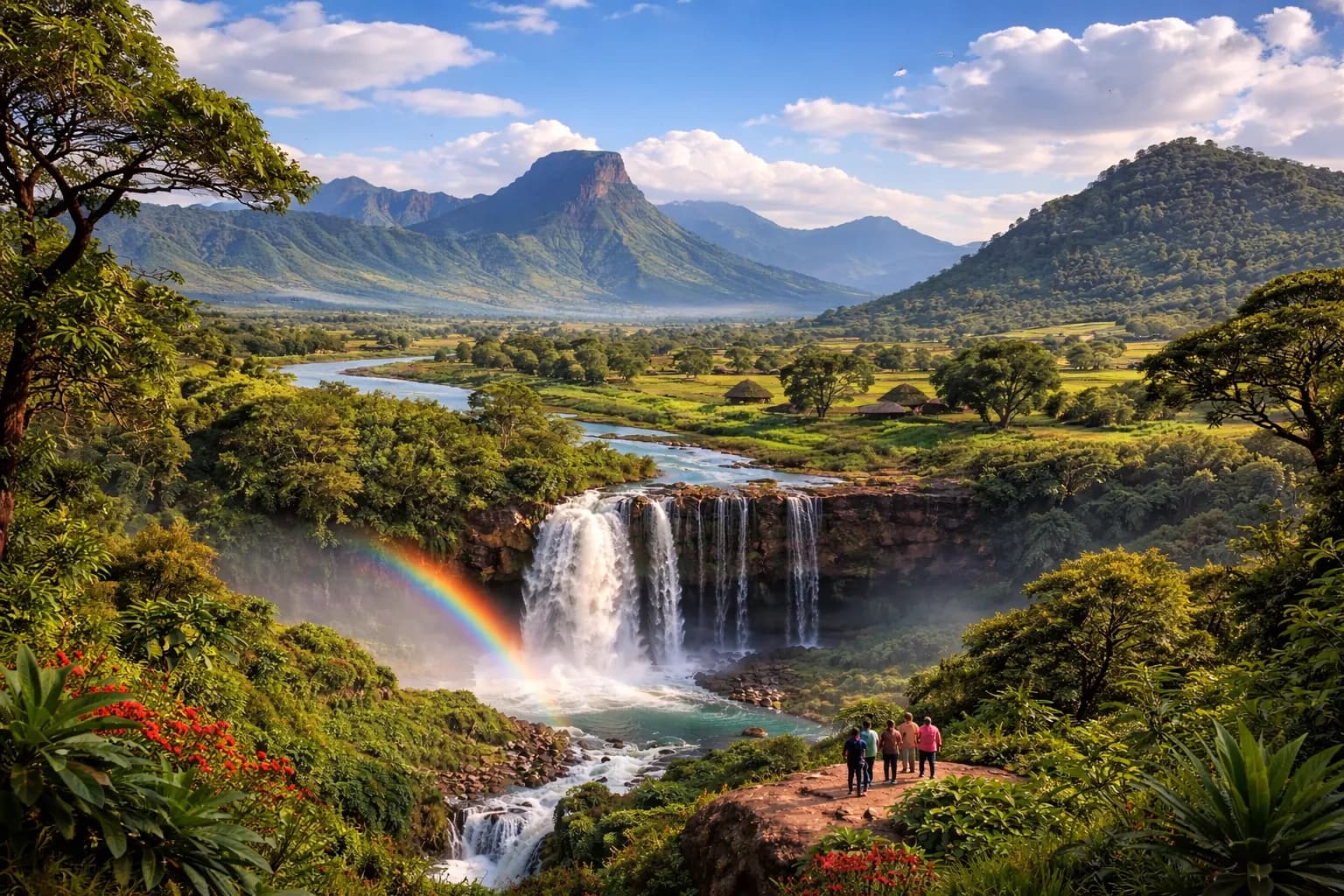
What stayed with me most were the lakes. Kazakhstan has some of the most beautiful lakes I have ever seen, and many of them are within reach of Almaty.
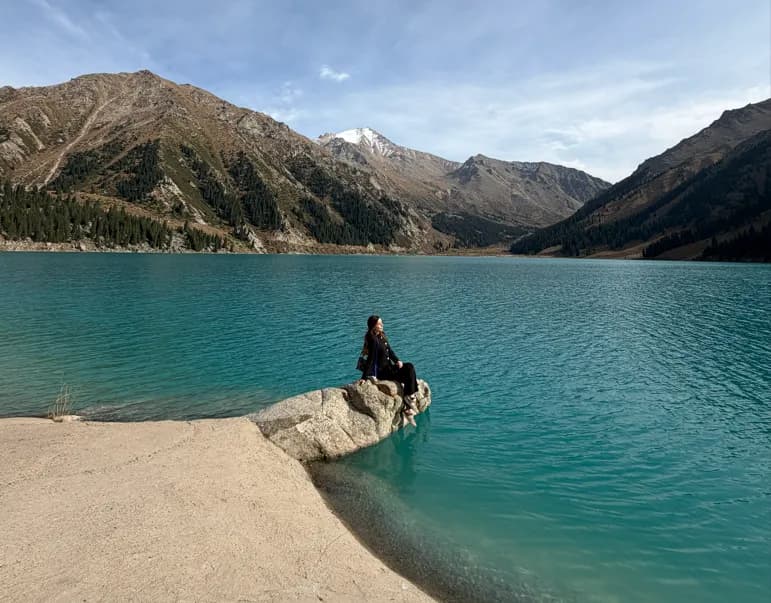
Big Almaty Lake: an hour or so from the city, a turquoise lake surrounded by mountain peaks. Its colour changes with the light and the seasons, from milky blue to deep emerald, and it seems almost unreal.
The Kolsai Lakes: three lakes linked together in the Tien Shan mountains and framed by dense spruce forest. They are often called the "pearls of the Northern Tien Shan". Walking between them along the trails feels like stepping into a painting.
Lake Kaindy: a magical and slightly mysterious place. Trunks of submerged spruce trees rise straight out of its clear blue-green water, forming a sunken forest you won't forget.
Issyk Lake: a peaceful mountain lake east of Almaty, surrounded by gentle slopes and calm water.
Charyn Canyon: not a lake, but often visited on the same trip. Its red rock formations are often compared to the Grand Canyon, and they contrast beautifully with the blue lakes.
Further away, Kazakhstan has many more lakes. Burabay, in the north, is known for its pine forests and granite cliffs. Lake Balkhash is unusual because one part is fresh water and the other is salty. Alakol is famous for water that many believe has healing properties. Each one shows a different side of the country: alpine, forested, wild or desert-like.
Standing on the shore of these lakes, with the mountains reflected in the water and nothing but silence around me, I understood why nomads have always revered nature. These places don't just make beautiful photos. They make you feel calm.
Medeu and Shymbulak: mountain air, and skiing in winter, less than an hour from the centre.
Big Almaty Lake and Charyn Canyon: turquoise water and dramatic canyons, often compared to the American Grand Canyon.
Its café culture: leafy avenues, modern cafés and a young, creative atmosphere.
Almaty is often called the homeland of the apple, which is a nice detail for a city that grows on you so easily.
Its accessibility. With good connections through Istanbul, Kazakhstan is closer than many Europeans think. I recommend checking current entry rules before you travel.
To every European traveller curious about Central Asia: go. Kazakhstan offers landscapes, history, good food and a sincere welcome. And for getting there, my advice is simple. Fly Turkish Airlines, take your time in the Istanbul lounge, and enjoy every course on board. The journey becomes part of the adventure.
Related Topics
Derya Soysal
Contributing writer at EUReflect.
Follow EUReflect
See more of our reporting on Google
Mark EUReflect as a preferred source and our stories are ranked higher for you in Top Stories, Discover and Google News — and carry a “preferred” badge when they are cited in AI results.
Add EUReflect as a preferred source