Türkiye takes its car industry's case to Berlin as EU rules tighten
Trade Minister Ömer Bolat is in Berlin on Thursday to argue that Turkish-built cars belong inside Europe's new industrial rules. Two EU measures, the "Made in Europe" preference and a safeguard investigation into hybrid imports, could hit Turkish car exports at the same time.
Türkiye has been building cars for European buyers for three decades inside its customs union with the EU. Now it must persuade Berlin and Brussels that those cars should still count as European. Trade Minister Ömer Bolat is in Berlin on 19 November for the second Turkish-German Automotive Summit and for talks with Katherina Reiche, Germany's economy and energy minister, his ministry said in a statement reported by Hürriyet Daily News.
Ankara wants changes to two EU initiatives. One is the "Made in Europe" preference in the planned Industrial Accelerator Act; the other is a safeguard investigation into imported hybrid cars that could end in a quota. Both were drawn up with Chinese competition in mind, yet factories in Türkiye that build for international carmakers could be caught too.
What is at stake for exporters
Turkish automotive exports reached $4.03bn in October, up 5.9% on a year earlier. Mustafa Gültepe, chairman of the Turkish Exporters Assembly (TİM), said no Turkish sector had passed $4bn in a single month before. Automotive ranked first among export sectors that month with 15.6% of the national total, and 73% of its sales went to the EU, with Germany the largest buyer at $650m, according to Automotive Industry Exporters' Association (OİB) data reported by Endeks24. January–October exports totalled $35.2bn.
Hybrids make up nearly half of Turkish car exports, and many of them are built for European customers, Hürriyet Daily News reported. That makes the safeguard case the nearer threat.
The hybrid investigation
The European Commission opened the case on its own initiative on 30 October, according to its notice in the Official Journal, and informed the World Trade Organization the same day. It covers new hybrid passenger cars with up to nine seats, plug-in or not. Brussels counts 957,965 imported vehicles in 2023 and 1,423,691 in the 12 months to June 2026, a 49% jump, and says they sell for significantly less than EU-made models. If the surge continues, the notice argues, EU producers face serious injury soon.
Anti-dumping duties single out named exporters; a safeguard covers imports from every country. The Commission has nine months from initiation to decide, with a possible two-month extension, and may impose provisional measures lasting up to 200 days if critical circumstances require. According to Hürriyet Daily News, the result could be an annual import quota with extra duty on cars above it, so the size of any Turkish allocation matters most.
Türkiye's Automotive Manufacturers Association (OSD) has asked to join as an interested party. Industry groups from Japan, South Korea, the UK and Russia want a say too, the paper reported.
Made in Europe
The Industrial Accelerator Act would make European content a condition for some subsidies and public contracts, chiefly to push Chinese carmakers into building inside the EU with local suppliers.
When the plan came out in March, a Commission spokesperson said Turkish goods and components would count as "made in EU" for subsidies and auctions, Anadolu Agency reported. Turkish firms could not bid directly for EU public tenders, though, because Türkiye does not offer EU companies equal access to its own public procurement. Two member states have since pulled the other way. A preliminary Franco-German understanding on geographic scope would leave room for the UK and the European Free Trade Association (EFTA) countries but not Türkiye, Türkiye Today reported in October. It is not binding. Parliament is due to vote in December, and talks with the Council and Commission are expected early next year.
Some of Europe's own carmakers are on Ankara's side. Jim Baumbick, who heads Ford's European business, said in a Reuters interview on 17 November that changing the rules under which carmakers had invested billions would be "the definition of self-harm", Daily Sabah reported. His example is the Transit, Europe's best-selling one-tonne van: more than half its parts come from European suppliers, but because final assembly is in Türkiye, he said, it "would not qualify for Made in Europe" under current plans.
The carmakers' association ACEA wants targeted exemptions for members' plants in neighbouring countries with close industrial ties to the bloc. Maria Linkova-Nijs, its executive director for policy and strategy, told Hürriyet in October that, particularly for heavy commercial vehicles, protecting members' investments in countries such as Türkiye and Morocco "must be taken into account in the ongoing negotiations". Ankara says shared supply chains support more than 250,000 jobs inside the EU.
The other side
The Commission's hybrid case rests on volumes and prices. Its notice presents the probe as a defence of EU producers' market share and profits, and a safeguard by design names no single partner. On Made in Europe, Paris had pushed for a preference limited to EU members while Berlin wanted room for trusted partners, Anadolu Agency reported in October. Their compromise is tighter than the Commission's March text as its spokesperson described it.
Aivo Orav, the EU's ambassador in Ankara, said on 22 October that talks on Türkiye's place were still going on among the 27 member states, the Council and the Parliament, and that the EU expected Ankara's help to move them forward, Türkiye Today reported.
What comes next
Bolat's Berlin meetings fall a day before an EU-UK summit on Friday, where Reuters expects Made in Europe to top the agenda. For plants in Türkiye, two moments matter most: any provisional hybrid measure from the Commission, and the Parliament's vote on the accelerator act in December.
Related on EUReflect: "Made in EU" and Türkiye: opportunities and risks · Brussels and Beijing's deal on Chinese hybrid exports · EU–Türkiye Business Summit 2026
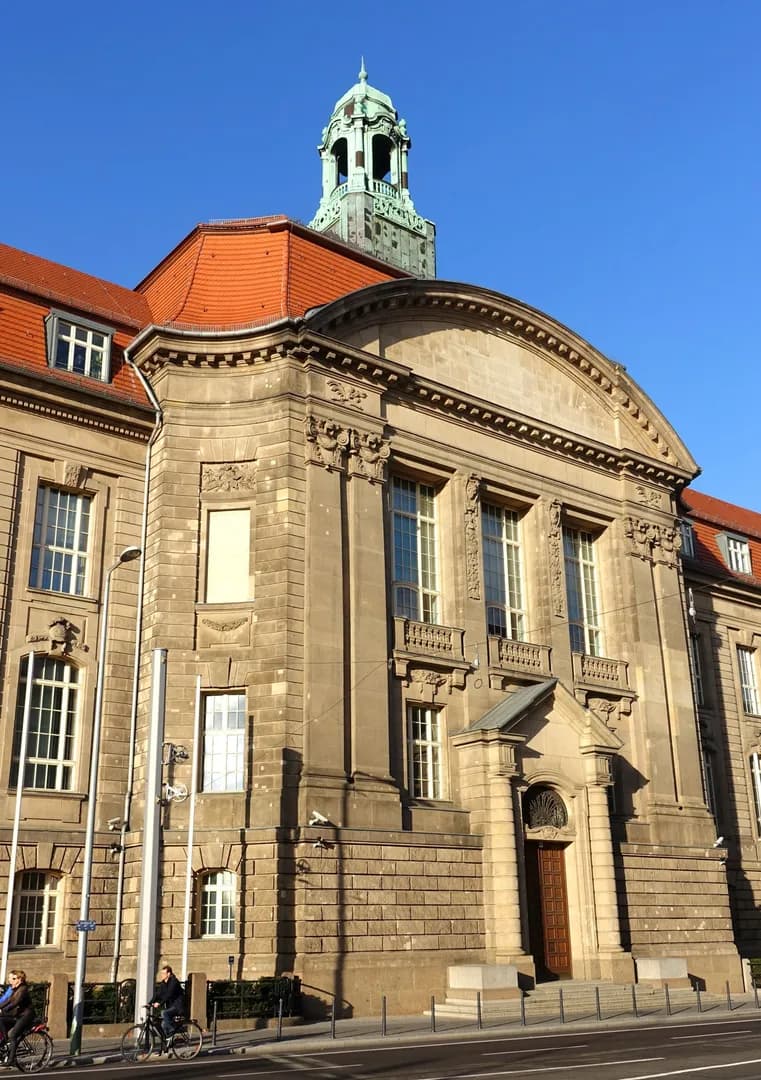
Main image: Germany's Federal Ministry for Economic Affairs and Energy on Invalidenstraße, Berlin, led by Katherina Reiche. File photo. Photo: Daderot / Wikimedia Commons, CC0.
Related Topics
EUReflect News
Site Administrator
Follow EUReflect
See more of our reporting on Google
Mark EUReflect as a preferred source and our stories are ranked higher for you in Top Stories, Discover and Google News — and carry a “preferred” badge when they are cited in AI results.
Add EUReflect as a preferred source