Türkiye’s Air Power Strategy: International Integration, the Eurofighter Initiative, and the Primacy of the KAAN Project
Türkiye's participation in the International Defence Industry Fair (IDEF 2025) highlighted a multifaceted defense strategy. The country's strong interest in acquiring the Eurofighter Typhoon, evidenced by diplomatic agreements with the UK and Germany's subsequent approval, demonstrates a focus on short-term capability enhancement through international cooperation and technology transfer. Simultaneously, this move is balanced by the critical long-term priority of achieving strategic autonomy via the indigenous fifth-generation KAAN fighter jet project. The overall policy aims to transform Türkiye from a defense consumer into a global producer and strategic driver, necessitating increased R&D investment, support for local firms, and active, non-isolated international engagement.
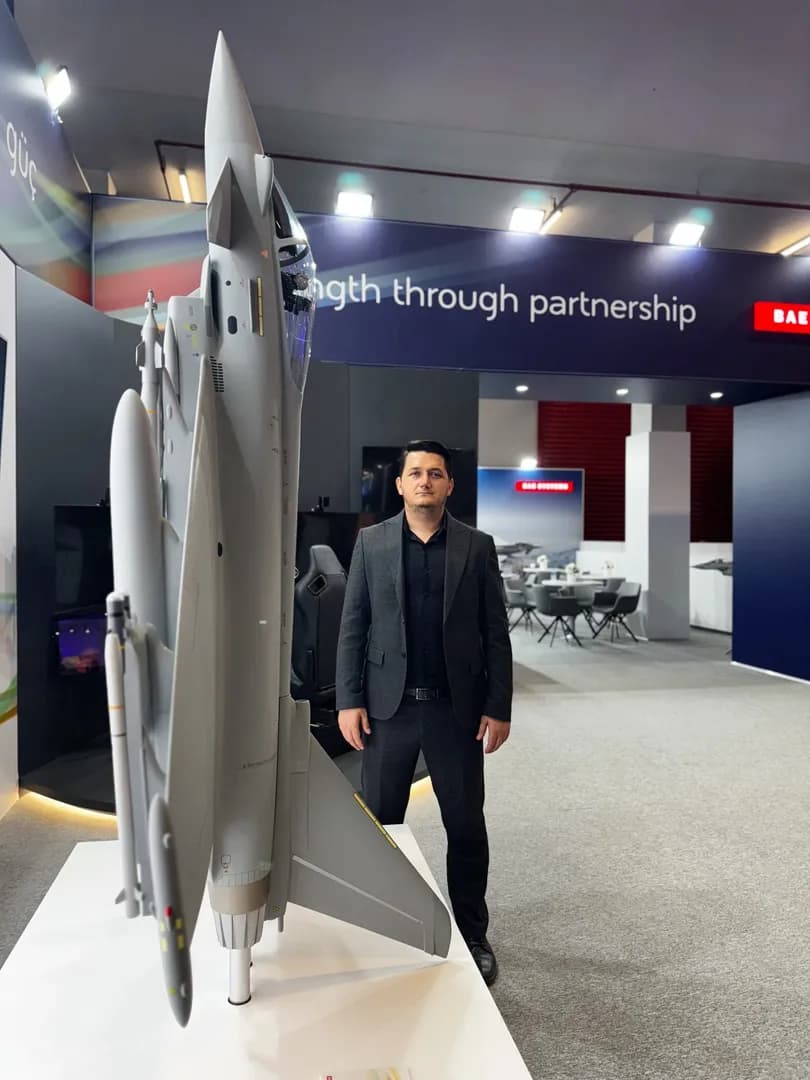
The International Defence Industry Fair (IDEF 2025), held in Istanbul, served not only as a showcase of technological superiority but also as a vital platform for establishing strategic partnerships. During this year’s exhibition, I had the opportunity to visit the Eurofighter Typhoon manufacturer—one of Europe’s most prominent defense industry projects. This visit allowed me to closely examine the technical features of the platform and assess the current status of Türkiye’s engagement with the Eurofighter consortium.
As is well known, Türkiye’s interest in the Eurofighter Typhoon was first expressed publicly by President Recep Tayyip Erdoğan. Subsequent diplomatic engagements with the United Kingdom and Germany led to tangible steps forward. A major milestone was reached when Turkish Minister of National Defense Yaşar Güler and UK Secretary of State for Defence John Healey signed a memorandum of understanding in Istanbul, officially recognizing Türkiye as a prospective user of the Eurofighter system. Shortly thereafter, Germany granted its long-awaited approval, marking another significant advancement in the process.
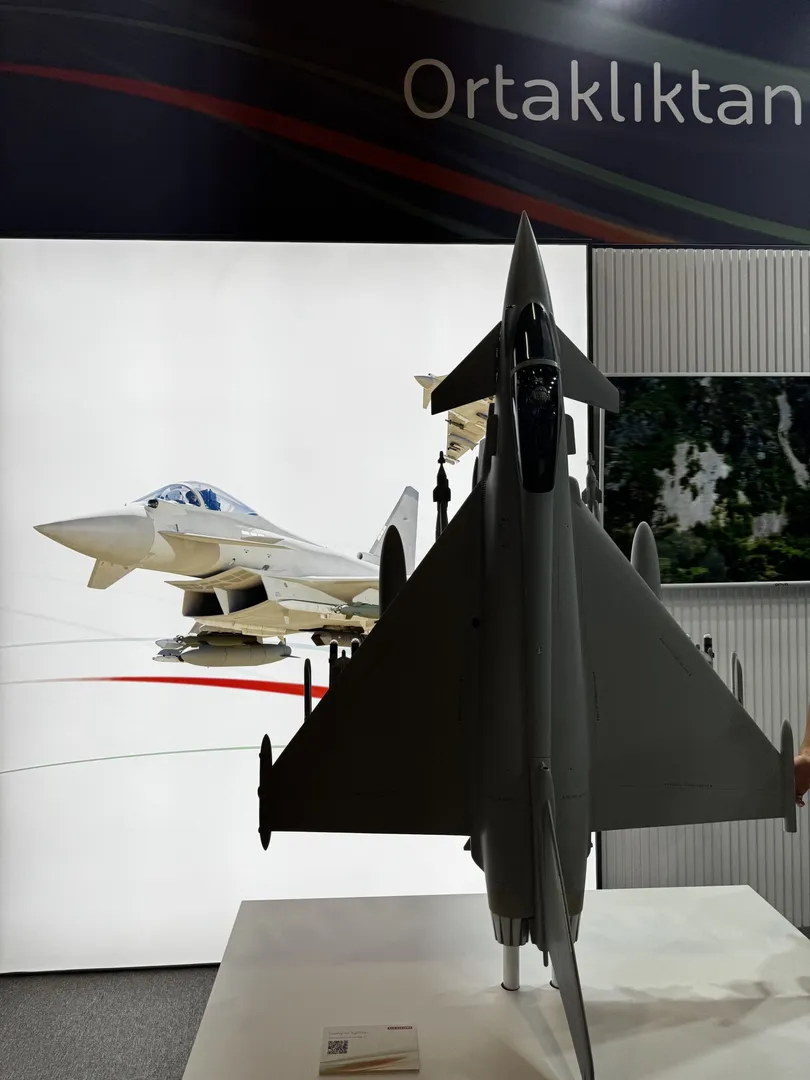
These developments highlight Türkiye’s evolving position in the international defense market and reveal its strategic orientation. Eurofighter, as a product of multinational cooperation among the United Kingdom, Germany, Italy, and Spain, reflects a collective engineering and manufacturing capability. Türkiye’s participation in such a collaborative production framework is of great significance in terms of knowledge acquisition and technology transfer. Nonetheless, it is essential not to overlook a critical priority: the successful development and operationalization of Türkiye’s indigenous fifth-generation fighter jet, the KAAN.
At present, Türkiye engages with a diverse set of international actors in the defense sector—from Europe and the United States to Russia and China. These engagements go beyond procurement and point toward a multidimensional strategic balance grounded in co-production and joint ventures. While Türkiye may benefit in the short term from acquiring advanced systems such as the Eurofighter, long-term strategic autonomy can only be ensured through unwavering commitment to domestic initiatives like the KAAN project.
My observations at IDEF 2025 reaffirmed that Türkiye is determined not merely to be a consumer, but to become a producer, developer, and strategic driver within the global defense ecosystem. The interactions at the Eurofighter booth reinforced Türkiye’s growing diplomatic credibility in the international defense domain. However, the ultimate objective remains the reduction of external dependency and the cultivation of domestic technological capabilities through national human capital.
In this context, increasing Türkiye’s defense budget is not solely a response to immediate security needs, but a strategic imperative to accelerate technological advancement. In a global environment characterized by multifaceted regional threats and the normalization of hybrid warfare, effective deterrence can only be achieved through a resilient and integrated defense ecosystem. This includes expanded investment in research and development (R&D), sustained support for local defense firms, and the retention and development of a highly skilled workforce.
Defense industry policy should not be seen solely as a matter of national security—it exists at the nexus of global competition and international cooperation. For Türkiye to succeed in this domain, it must not retreat into isolation but rather engage actively with the world: embracing technology transfers, promoting joint production, and remaining open to multilateral partnerships. Such an approach will not only generate economic and diplomatic dividends but also elevate the global visibility and credibility of the Turkish defense sector.

İsmail Polat
Ph. D. in International Relations
Follow EUReflect
See more of our reporting on Google
Mark EUReflect as a preferred source and our stories are ranked higher for you in Top Stories, Discover and Google News — and carry a “preferred” badge when they are cited in AI results.
Add EUReflect as a preferred source