Turkmenistan Joins High-Level Launch of the Connectivity Agenda Platform in Brussels
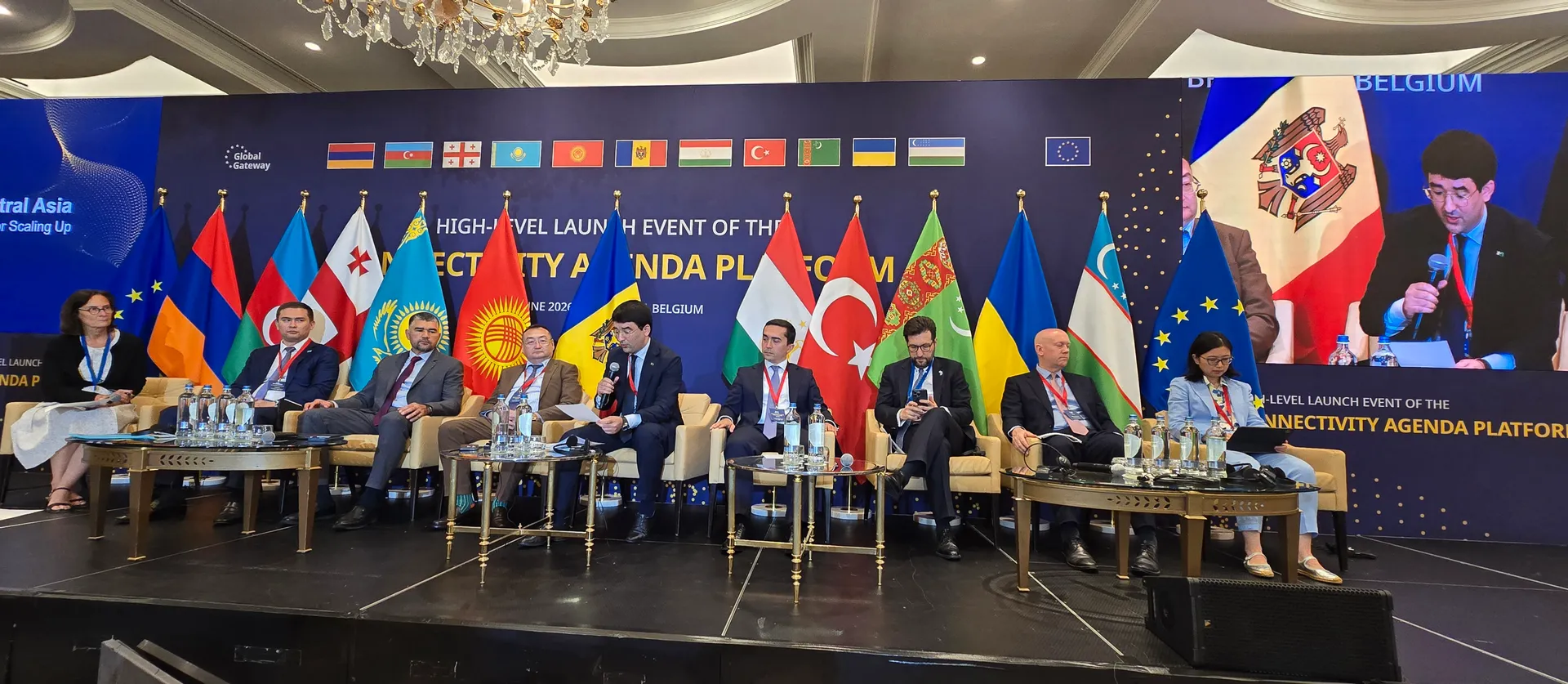
The Connectivity Agenda Platform was launched in Brussels as a new interregional framework aimed at strengthening transport, energy, digital and trade links between Europe and Central Asia through the Caspian Sea, the South Caucasus and the Black Sea regions. The Platform seeks to combine infrastructure development with regulatory alignment, interoperability, market integration and coordinated governance, while supporting the transition from political commitments to concrete, bankable projects. Turkmenistan was represented at the event by Ambassador Sapar Palvanov, who took part in discussions on the role of regional connectivity and the development of the Trans-Caspian Transport Corridor.

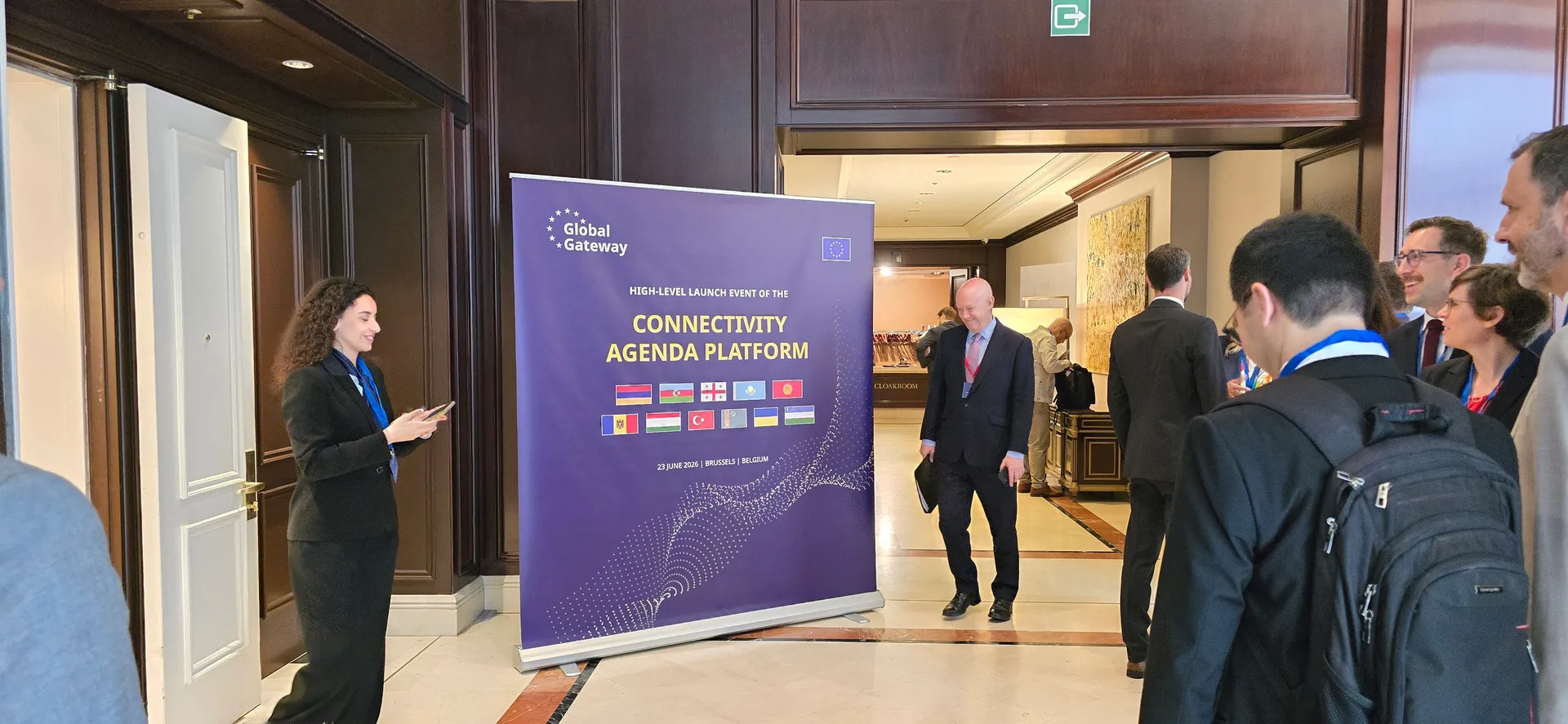
Brussels, 23 June 2026 – A high-level event dedicated to the launch of the Connectivity Agenda Platform was held in Brussels, marking a new stage in efforts to strengthen transport, energy, digital and trade links between Europe and Central Asia through the Caspian Sea, the South Caucasus and the Black Sea regions.
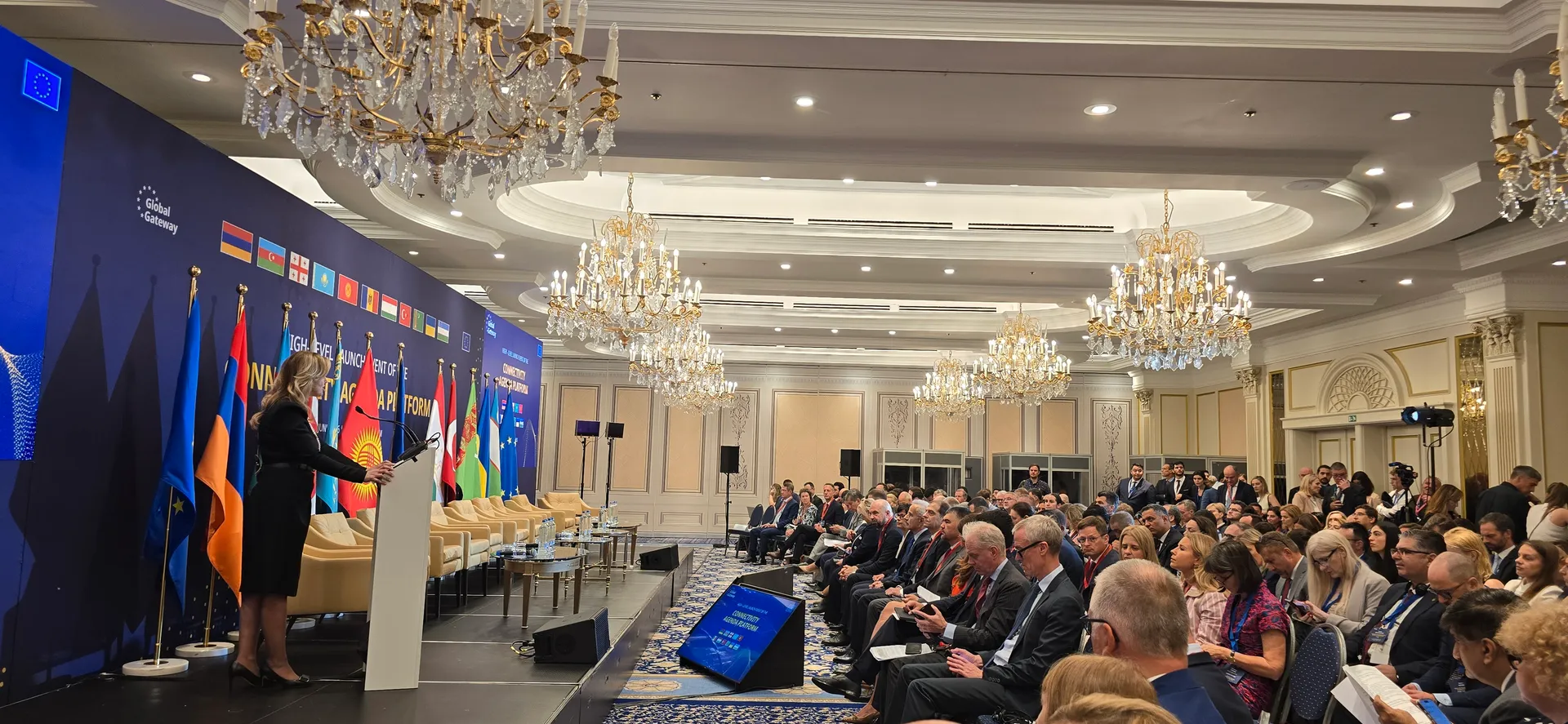
Turkmenistan was represented at the event by Ambassador Sapar Palvanov, Ambassador of Turkmenistan to the Kingdom of Belgium and Head of the Mission of Turkmenistan to the European Union. Ambassador Palvanov took part in discussions focused on advancing interregional connectivity and improving the efficiency of the Trans-Caspian Transport Corridor.
The launch of the Platform represents an important development in the coordination work previously carried out around the Trans-Caspian route. While earlier efforts were primarily focused on strengthening links between the European Union and Central Asian countries, the new Platform gives this agenda a broader interregional dimension. It now aims to create a more integrated framework for practical cooperation involving Central Asia, the Caspian region, the South Caucasus, the Black Sea region, Türkiye, Moldova, Ukraine and interested EU Member States.
The event brought together representatives of the European Union, ministers and deputy ministers, ambassadors from Central Asia, the South Caucasus, the Black Sea region, Türkiye, Ukraine, Moldova and EU Member States, as well as senior officials and representatives of international financial institutions. The European Union was represented, among others, by EU Commissioner for Enlargement Marta Kos, Director-General for International Partnerships Koen Doens, Director-General for Enlargement and Eastern Neighbourhood Gert Jan Koopman, as well as representatives of DG INTPA and DG ENEST. International financial institutions, including the European Investment Bank, the European Bank for Reconstruction and Development and the World Bank, were also represented.
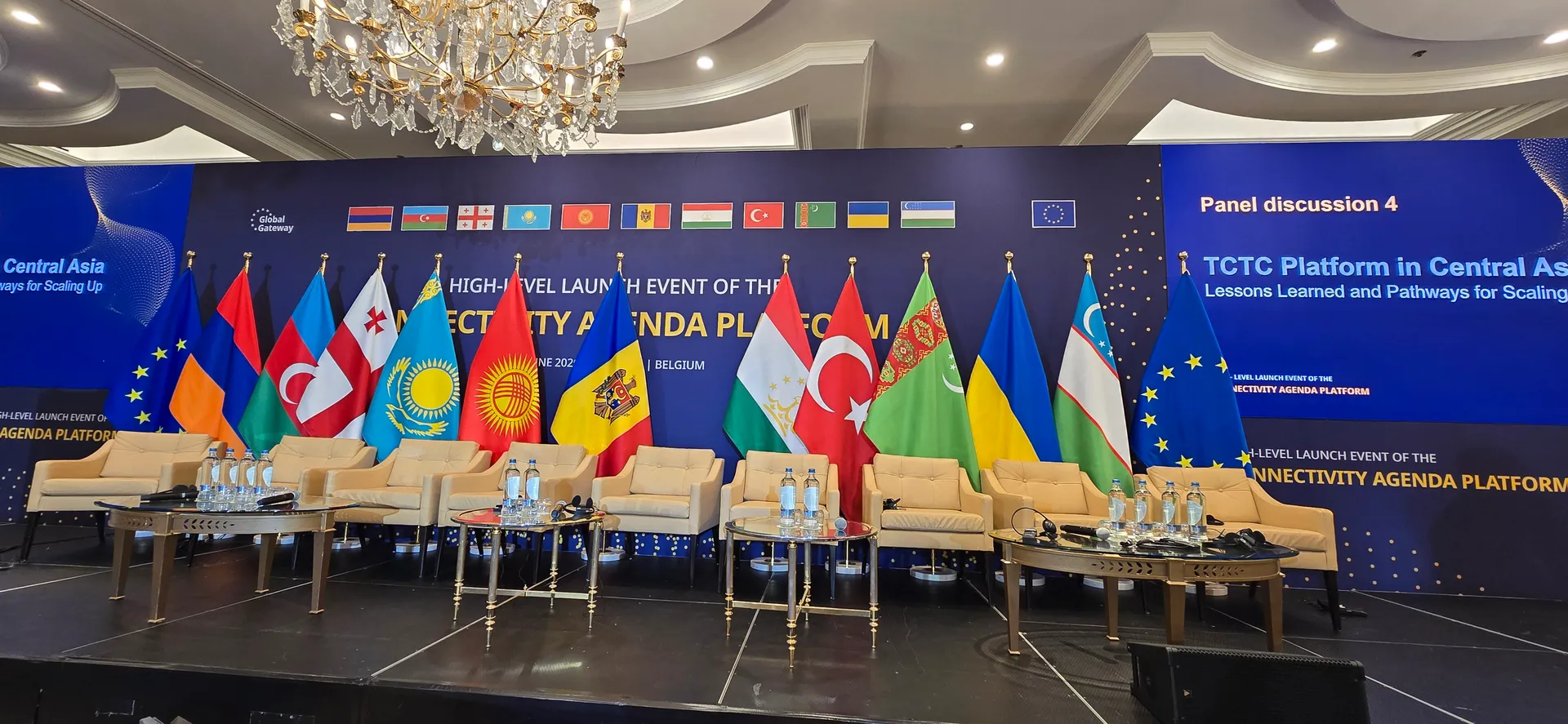
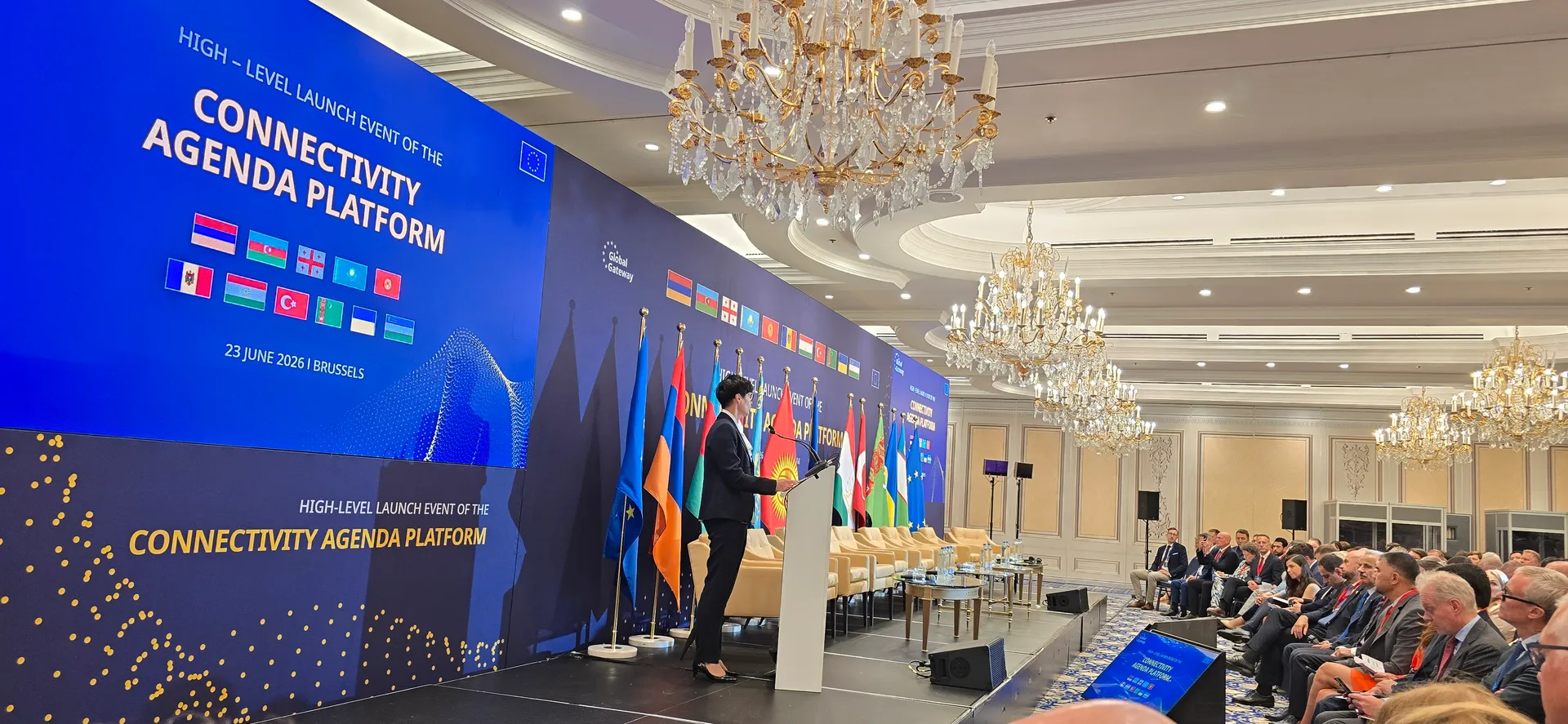
Discussions focused on the development of the Trans-Caspian Transport Corridor, improving regional logistics, modernising border, port, railway and other transport infrastructure, digitalising customs and transit procedures, and mobilising investment for strategic projects that can strengthen sustainable connections between Europe and Asia.
In his remarks, Ambassador Palvanov underlined that Turkmenistan, situated at the crossroads of key East–West and North–South routes, views transport connectivity as an important driver of sustainable economic growth, regional stability and international cooperation. Particular attention was given to Turkmenistan’s potential as a reliable transit hub linking Central Asia with the Caspian Sea, the Caucasus, the Middle East and European markets.
The Ambassador also highlighted the significance of the International Seaport of Turkmenbashi, which serves as a key link on the Caspian route and offers important opportunities for multimodal transport. Modern port infrastructure, ferry, cargo and container capacities, together with Turkmenistan’s railway and road connections, allow the country to play an increasingly important role as a reliable transit bridge between Central Asia and external markets.
Ambassador Palvanov further noted the importance of Turkmenistan’s railway infrastructure, which connects the country with Kazakhstan, Uzbekistan, Iran and Afghanistan. These routes position Turkmenistan not only as a participant in the East–West corridor, but also as a significant link in North–South transport corridors, opening additional opportunities for expanding trade and economic relations between Central Asia, the Caspian region, the Persian Gulf and Europe.
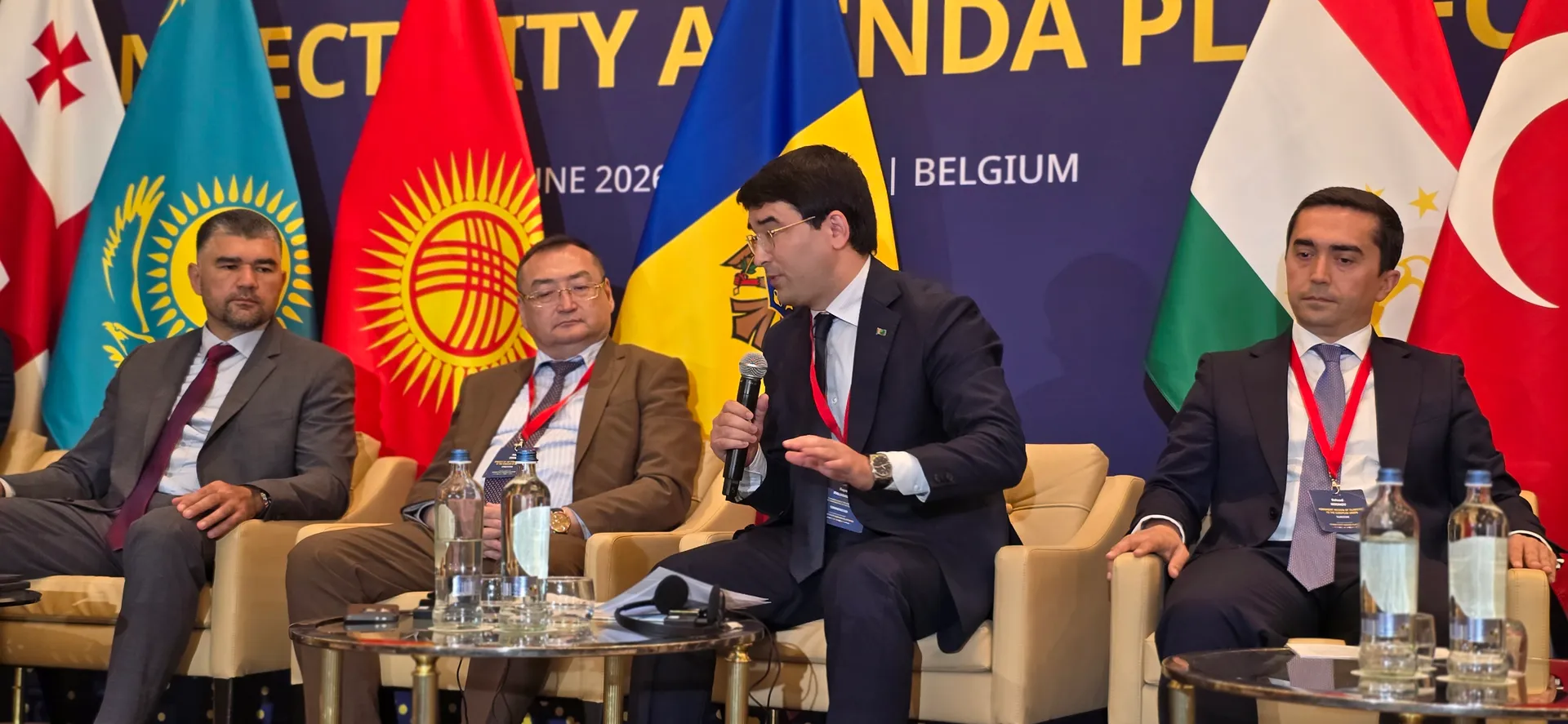
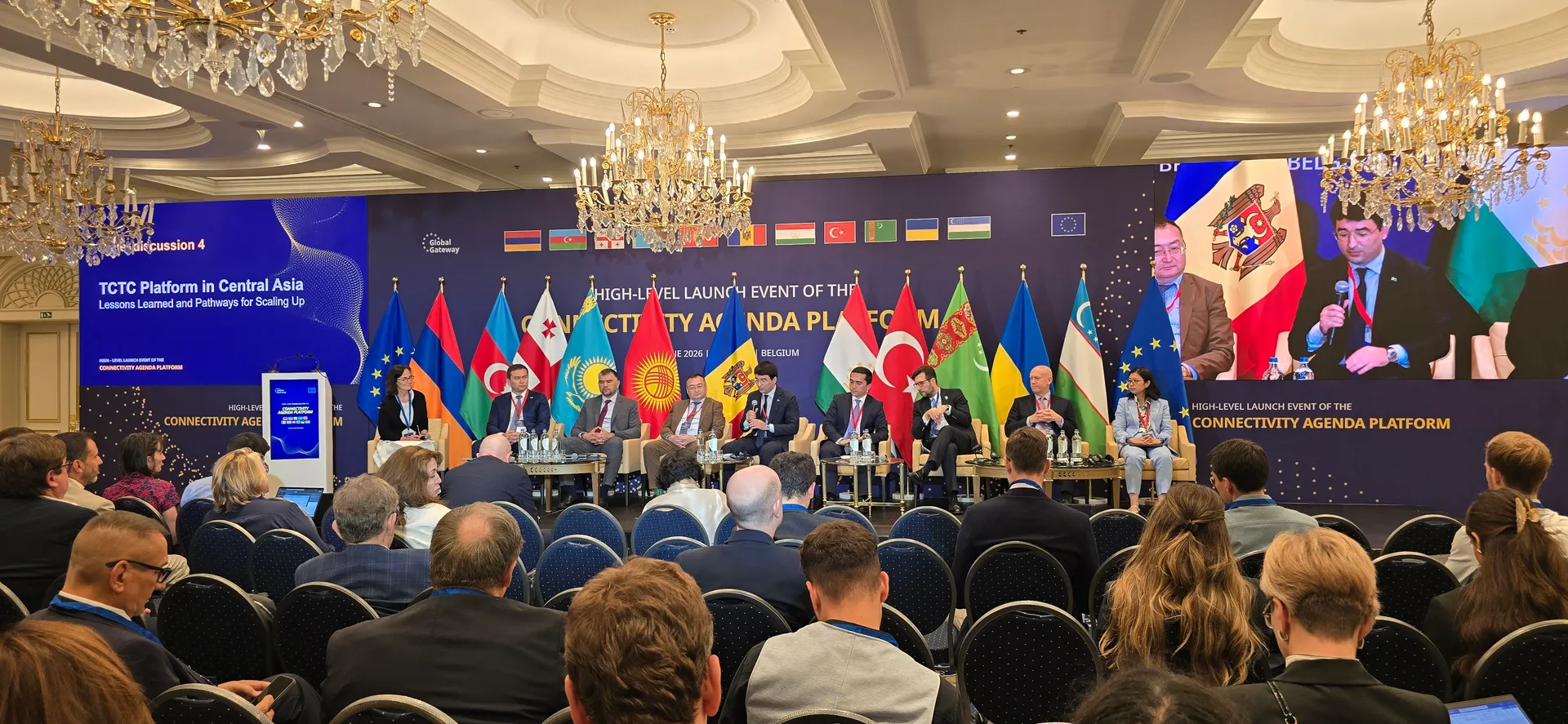
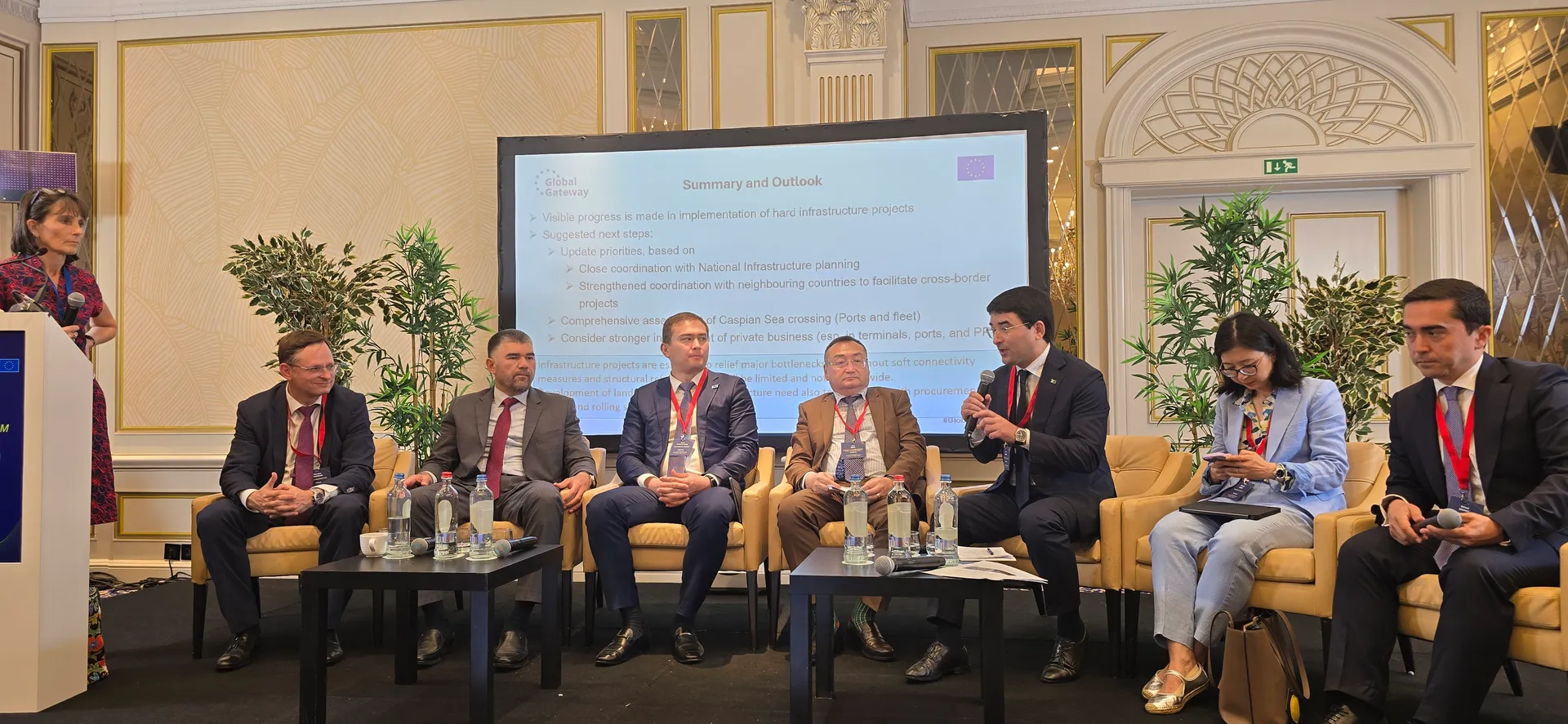
Participants also stressed that connectivity is not only about building and modernising infrastructure. Equal importance was attached to “soft connectivity” – simplifying border-crossing procedures, digitalising customs processes, harmonising regulations, increasing tariff transparency and improving coordination between public authorities, ports, railways, logistics operators and international financial institutions.
A number of documents were also signed in the framework of the event to support the practical implementation of the new interregional connectivity agenda. In particular, the European Commission reached understandings with international financial institutions aimed at mobilising significant investment for transport infrastructure, the modernisation of border crossing points and trade facilitation in the Black Sea region and the South Caucasus. Separate documents were also signed for a number of national projects, including the preparation of feasibility studies for infrastructure facilities and the development of digital solutions in the transport sector.
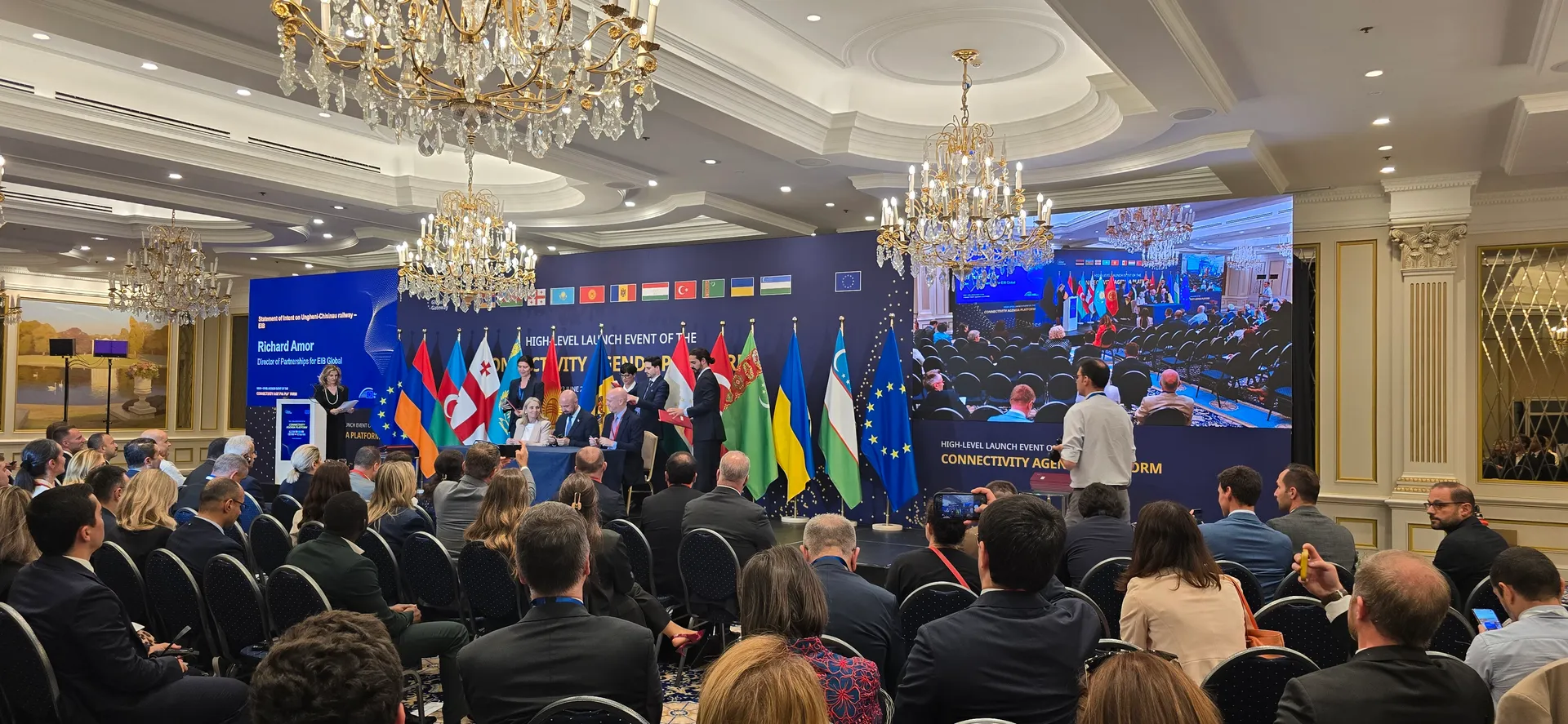
These outcomes confirmed that the Connectivity Agenda Platform is designed not only as a space for political dialogue, but also as a practical mechanism for coordinating investments, projects and reforms aimed at improving the performance of corridors between Europe and Asia.
The Brussels meeting demonstrated that connectivity has moved beyond a purely transport-related agenda and has become one of the key elements of contemporary regional policy. For Turkmenistan, this opens new opportunities to further strengthen its status as an important transport and logistics hub of Eurasia and as a reliable partner in developing sustainable routes between East and West.
By Maral Rahymova
Diplomat at the Embassy of Turkmenistan in Belgium, Mission of Turkmenistan to the European Union

Maral Rahymova
Maral Rahymova is a Turkmen diplomat and policy writer based in Brussels. Her work and research focus on diplomacy, international cooperation, peace, emerging technologies, and global affairs.
Follow EUReflect
See more of our reporting on Google
Mark EUReflect as a preferred source and our stories are ranked higher for you in Top Stories, Discover and Google News — and carry a “preferred” badge when they are cited in AI results.
Add EUReflect as a preferred source