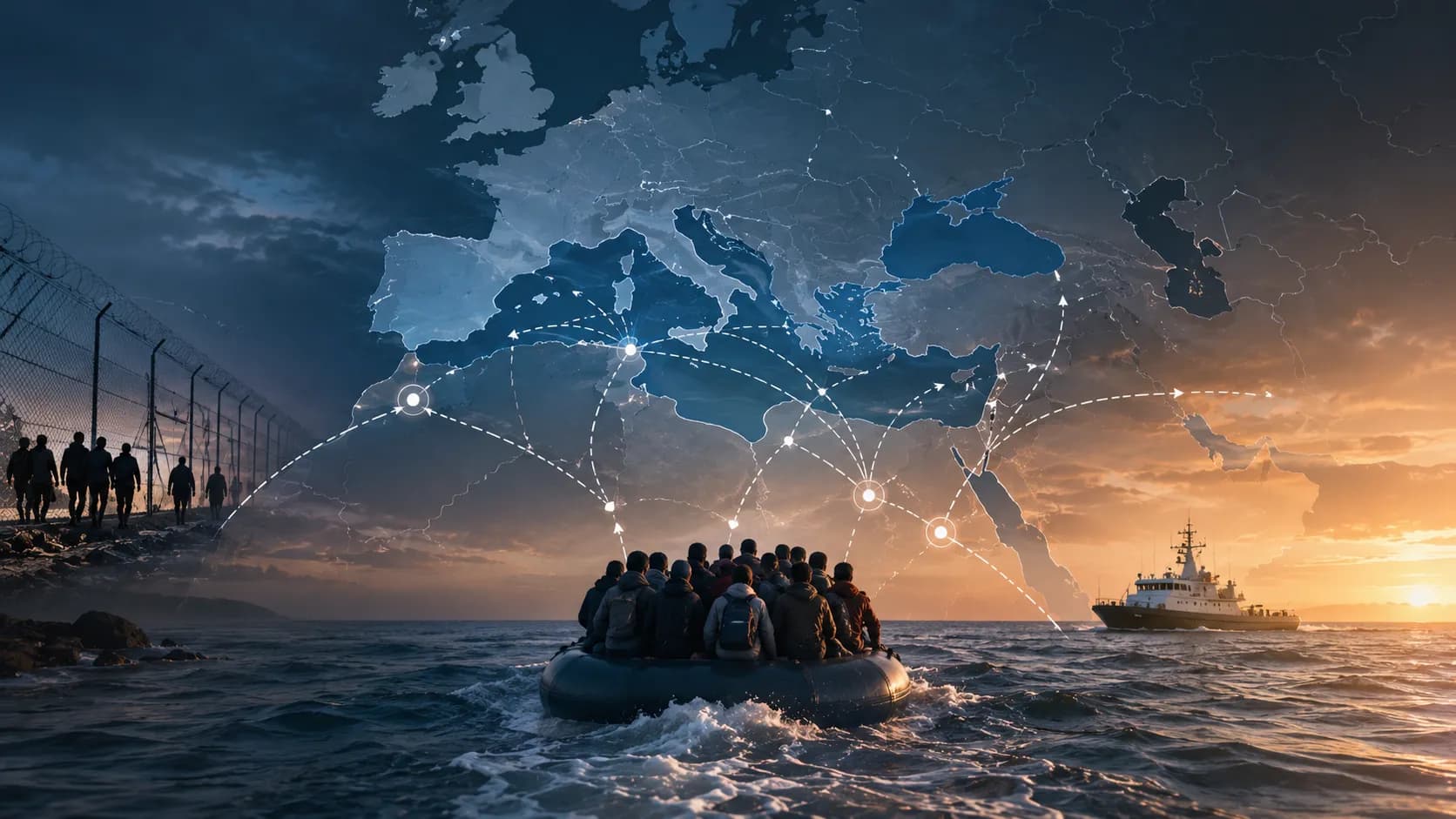
Wars Reshape Global Trade
Global merchandise trade grew 3.2% in early 2026, but Middle East shipping disruptions and Black Sea grain shocks are expected to hit harder in coming data.
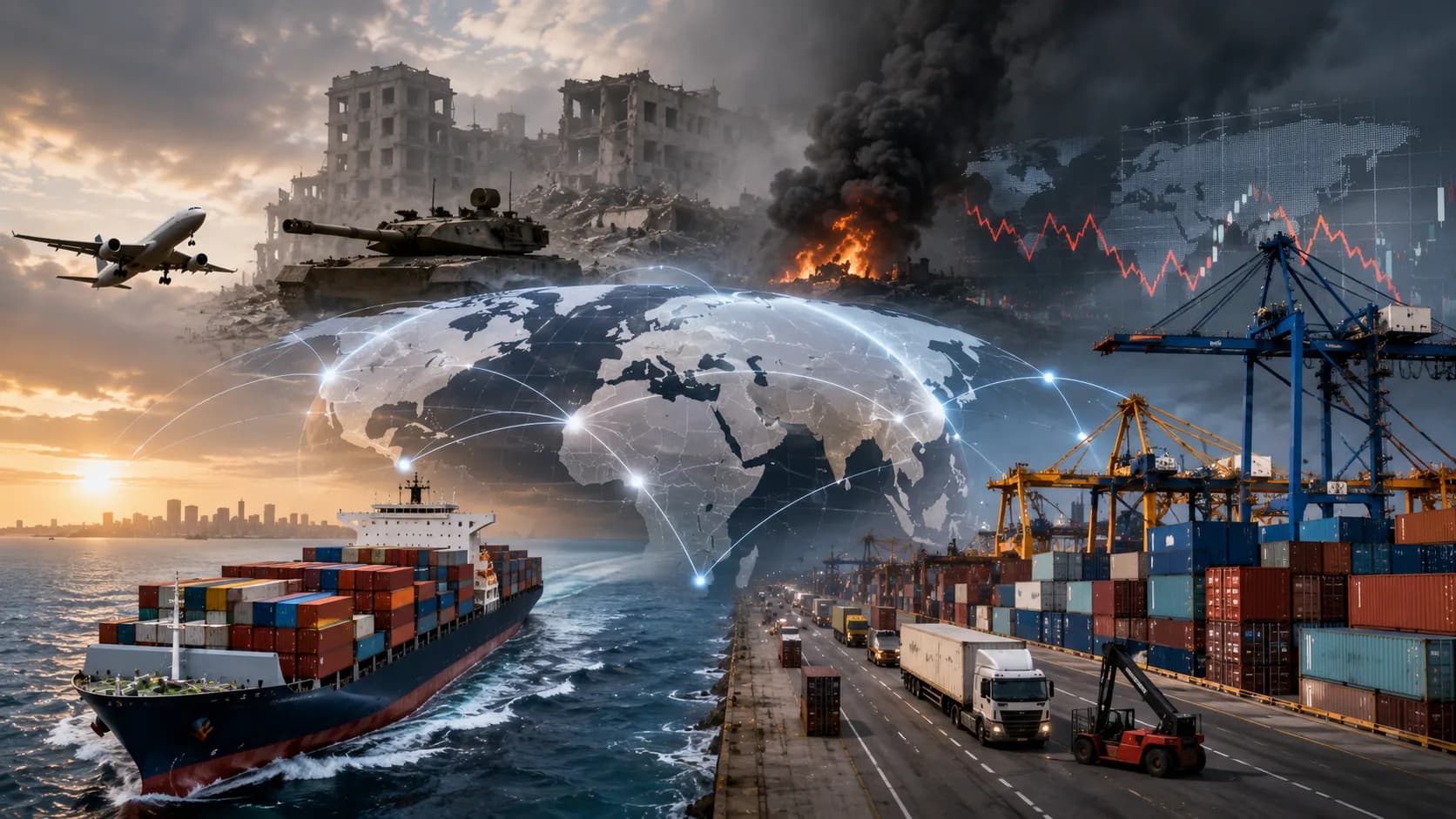
Wars in the Middle East and Ukraine are increasingly changing the geography and cost of global trade in 2026. The biggest effects are no longer limited to countries directly involved in the fighting. Energy prices, shipping insurance, grain supplies and alternative transport corridors are transmitting the economic consequences across continents.
The World Trade Organization says global merchandise trade remained surprisingly resilient in the first quarter of 2026, growing 3.2% year-on-year, largely because booming trade in AI-related electronic components offset some of the damage caused by conflict. But the WTO expects the full impact of Middle East shipping disruptions to become clearer in subsequent data.
Hormuz Puts Energy Trade at Risk
The most immediate threat comes from the Middle East.
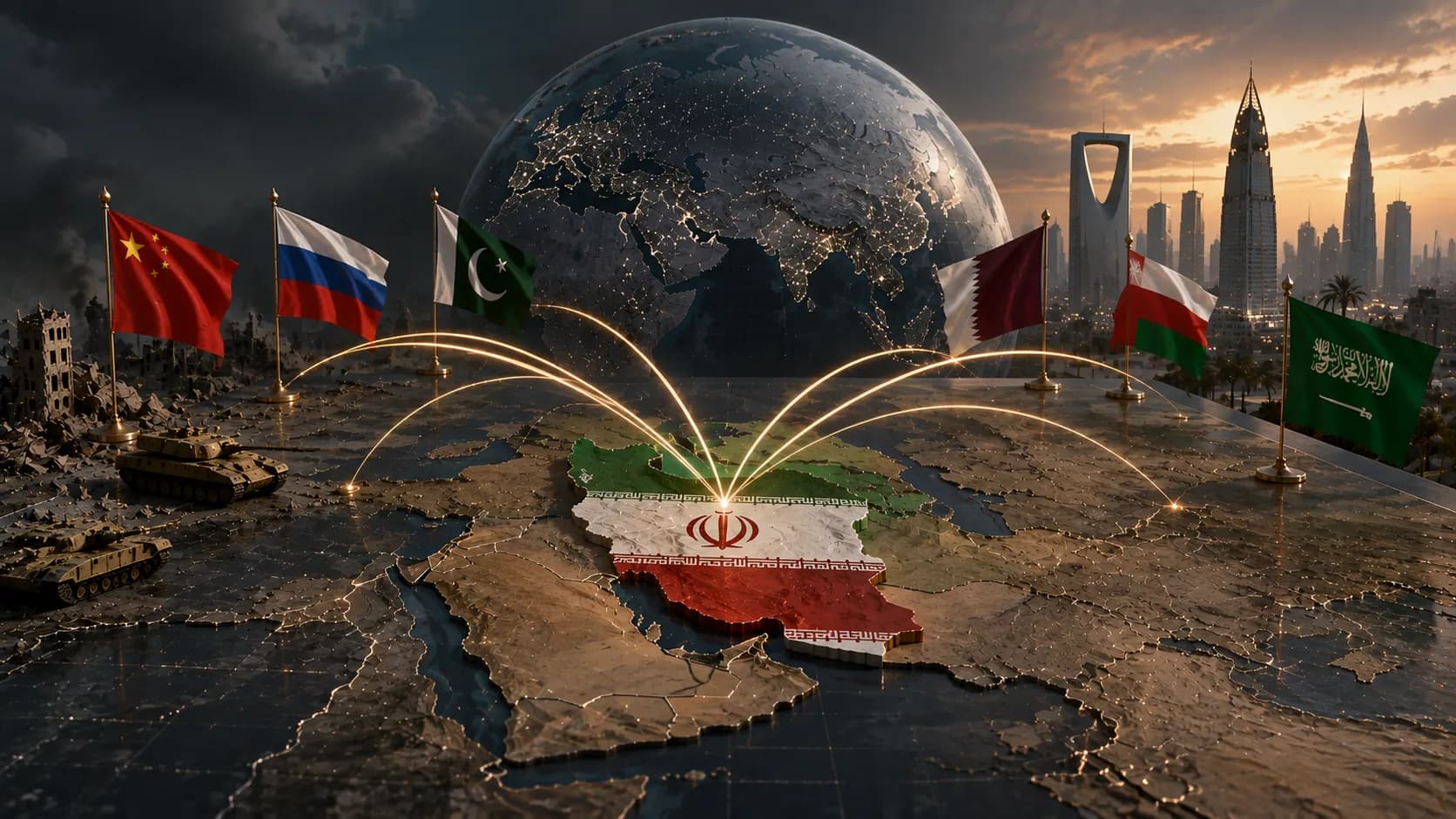
The Strait of Hormuz normally carries roughly one-fifth of global energy supplies, making disruption there capable of affecting economies thousands of kilometres from the conflict. Six months into the U.S.-Israeli war with Iran, shipping remains severely disrupted and higher energy costs have contributed to weaker global economic expectations.
Shipping has not stopped completely. On August 26, 10 visible commodity vessels crossed Hormuz, up from eight a day earlier but still below the recent average of around 15. Traffic through Bab el-Mandeb, another strategically important maritime chokepoint, has also weakened.
The consequences extend beyond oil. The WTO reported that Middle Eastern crude-oil imports by trading partners fell roughly 45% year-on-year in March, while LNG and fertilizer imports from the region dropped about 52% and 26%, respectively.
This means a regional war can simultaneously affect transportation, electricity, agriculture and industrial production.
Ukraine War Returns to the Food Market
The Black Sea is creating another global trade shock.
Renewed attacks involving Russian and Ukrainian ports and vessels have disrupted one of the world's most important grain-export regions. Chicago wheat futures had risen more than 17% since early July by August 20 as buyers became increasingly concerned about Black Sea supplies.
The consequences are particularly serious for import-dependent countries.
Egypt obtained more than 82% of its wheat imports from Russia and Ukraine during the first half of 2026. Indonesia, Bangladesh, Algeria, Jordan, Tunisia and several Asian economies are also exposed to disruptions in Black Sea supplies.
Alternative wheat exists, but it can be considerably more expensive. Traders have consequently started examining supplies from Australia, Argentina and North America.
War is therefore not necessarily eliminating global trade. It is making countries buy the same products from farther away and at higher prices.
Alternative Routes Are Reaching Their Limits
Ukraine demonstrates another consequence of modern conflict: alternative trade corridors can become strategically important almost overnight.
After Russian attacks effectively blocked Ukrainian Black Sea ports that had previously handled around 90% of the country's grain exports, more cargo was redirected toward Danube ports.
But those routes have much lower capacity.
As many as 70 ships were waiting near the Sulina Canal this week, while congestion, air-raid alerts, weather and limited pilot availability slowed access to Ukrainian Danube ports. Each day of delay can cost ships as much as $8,000.
Ukraine exported only 539,000 tonnes of grain between August 1 and 21, compared with 1.73 million tonnes during the same period last year.
The lesson is important for global trade: having an alternative route is not enough. That route must also possess sufficient ports, railways, customs capacity and logistics infrastructure.
War Raises the Price of Transportation
Modern conflicts affect trade even when cargo ships themselves are not attacked.
When a maritime region becomes dangerous, insurers demand higher premiums. Shipowners may avoid ports. Routes become longer. Fuel consumption rises. Deliveries become less predictable.
Iranian attacks on shipping and restrictions affecting Red Sea traffic have already increased insurance and transportation costs across the Middle East.
These costs eventually move through supply chains.
An importer pays more for transportation. A manufacturer pays more for energy or raw materials. A retailer pays more for finished products. Consumers ultimately absorb part of the increase through higher prices.
The economic geography of war therefore extends far beyond the battlefield.
Countries Are Rethinking Supply Chains
The crises are accelerating another trend: diversification.
The WTO argues that resilient global trade increasingly depends on avoiding excessive dependence on a small number of suppliers or transportation routes.
Governments and corporations are consequently paying greater attention to alternative ports, railway corridors, domestic production, strategic reserves and multiple suppliers.
This could strengthen routes that were previously considered secondary.
Central Asian corridors, the Middle Corridor through the Caspian Sea and Türkiye, alternative European rail networks and new energy infrastructure could all become more strategically important as companies attempt to reduce exposure to Hormuz, the Red Sea and the Black Sea.
Global Trade Is Resilient — But More Expensive
The most striking feature of 2026 is that global trade has not collapsed.
AI-related demand has been particularly powerful. The dollar value of trade in AI-enabling goods increased more than 40% year-on-year during the first quarter, helping compensate for losses elsewhere.
But resilience should not be confused with immunity.
The WTO's March baseline forecast expected merchandise trade to grow 1.9% in 2026. Under a prolonged high-energy-price scenario associated with the Middle East conflict, growth could fall to around 1.4%.
The emerging global trading system is therefore becoming more expensive, more fragmented and more security-conscious.
For decades, companies designed supply chains primarily around efficiency and cost.
The wars of the 2020s are adding another criterion:
Can the trade route survive a geopolitical crisis?
That question is increasingly influencing where countries buy energy and food, where companies locate production and which ports, railways and maritime corridors receive investment.
In that sense, today's wars are not simply disrupting global trade. They are beginning to redesign its map.
Ahmet Balakan
Contributing writer at EUReflect.
Follow EUReflect
See more of our reporting on Google
Mark EUReflect as a preferred source and our stories are ranked higher for you in Top Stories, Discover and Google News — and carry a “preferred” badge when they are cited in AI results.
Add EUReflect as a preferred source