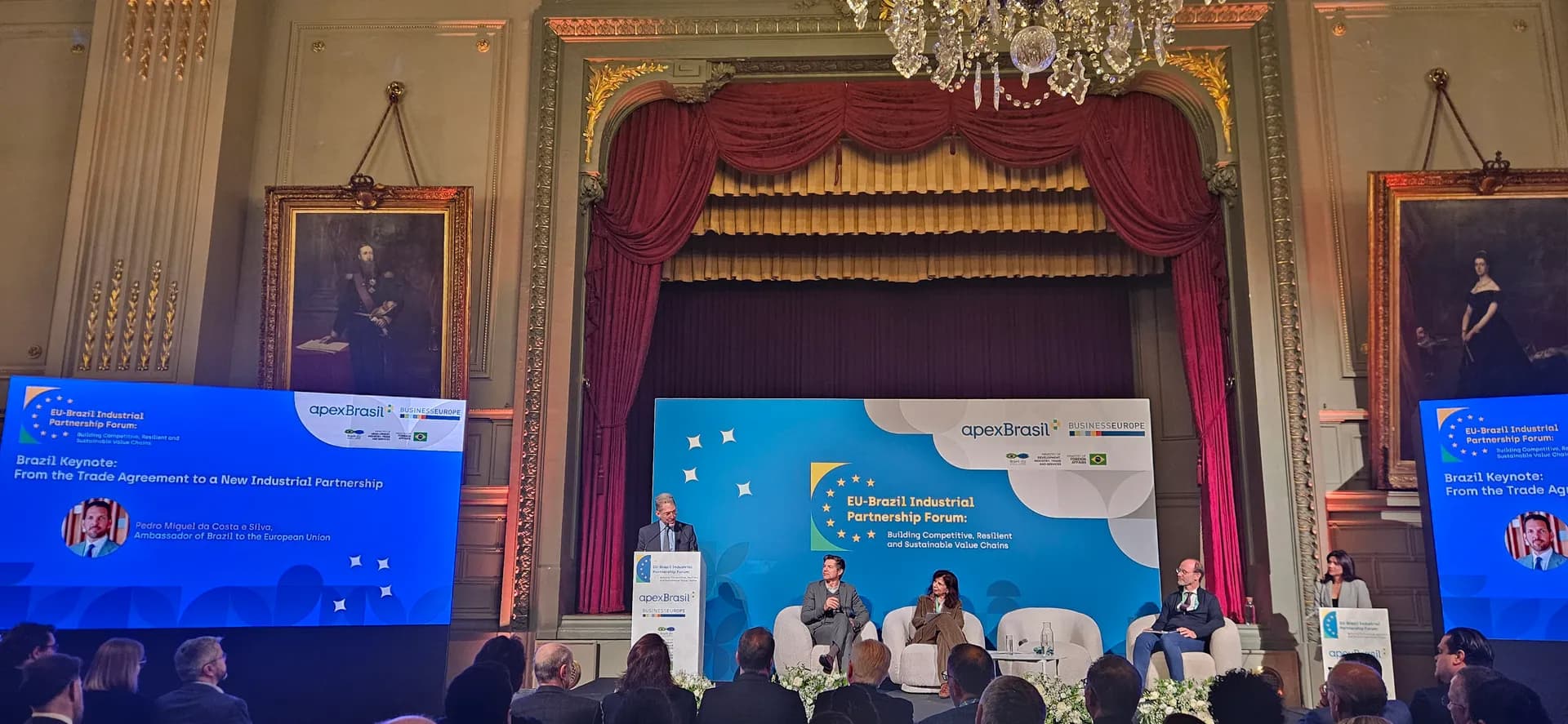
The EU–Brazil Industrial Partnership Forum explored how closer cooperation in clean energy, critical minerals and innovation can strengthen competitiveness and build more resilient value chains.
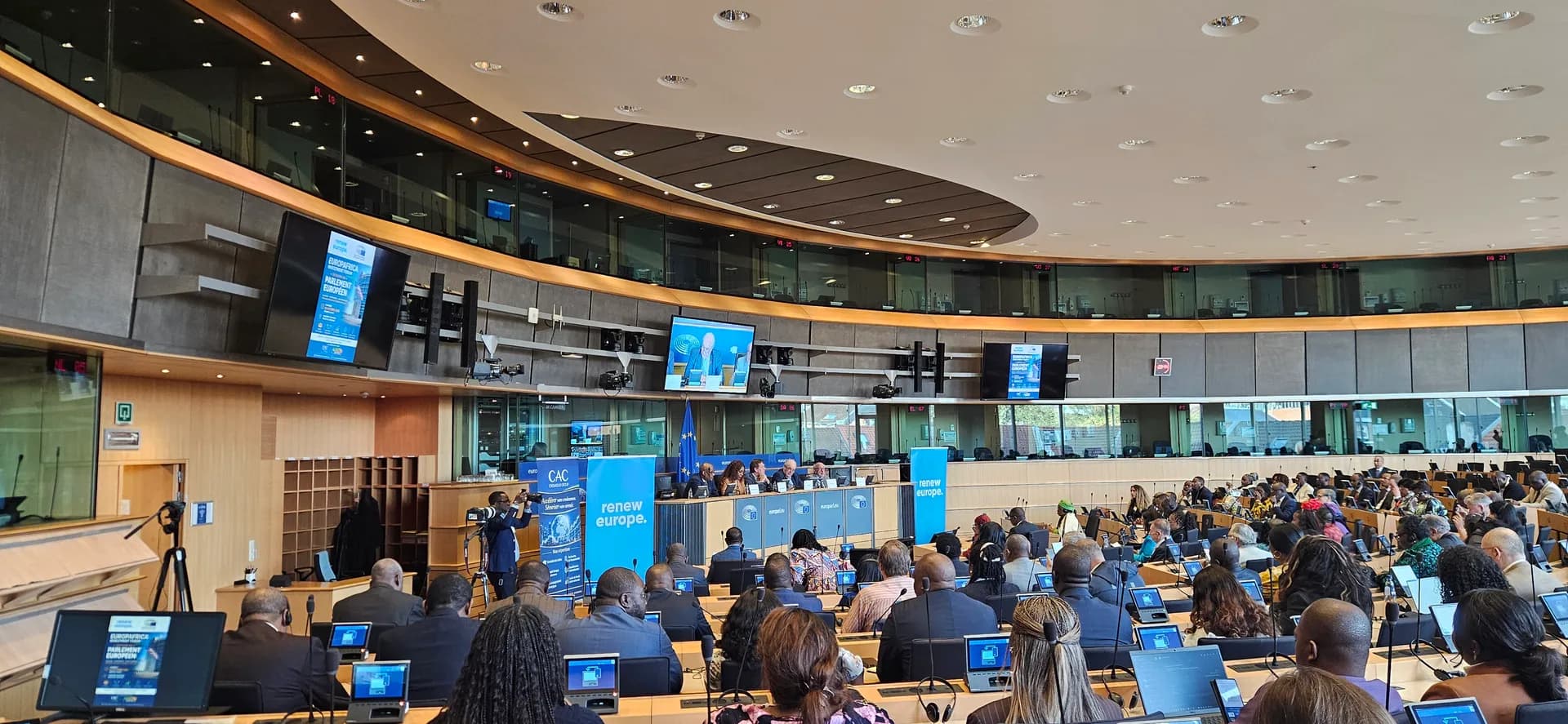
On 2 October 2026, the EuropAfrica Investment Forum at the European Parliament marked a clear call to end the traditional aid model. Speakers including Louis Michel and DRC Minister Julien Paluku argued that decades of development assistance have failed to transform African economies, which still capture only 3% of the value of their resources. The real priority, they insisted, is industrialisation, local processing of critical minerals, and a shift from grants to investment-support instruments. Shared prosperity, not aid, is presented as the only sustainable answer to migration and the foundation for a genuine Europe-Africa partnership.
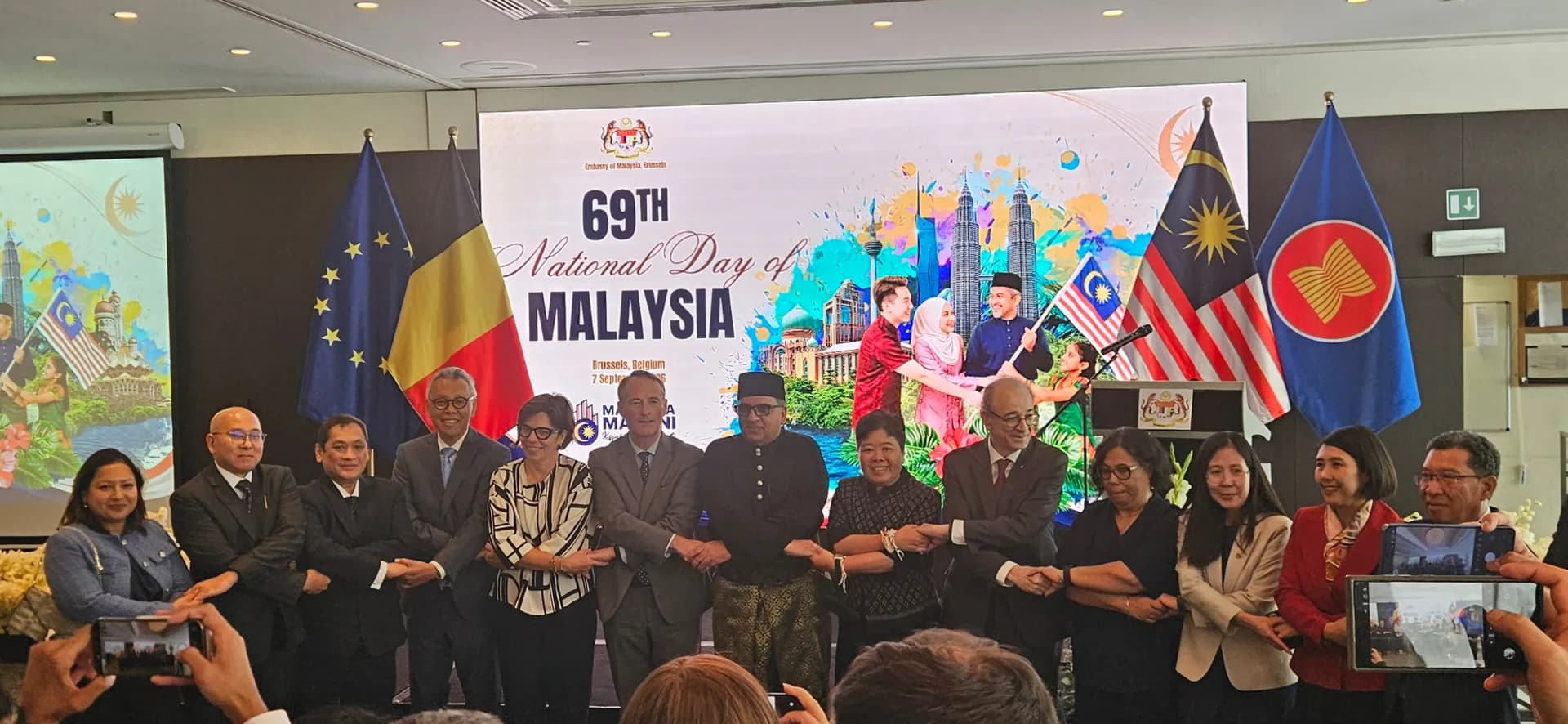
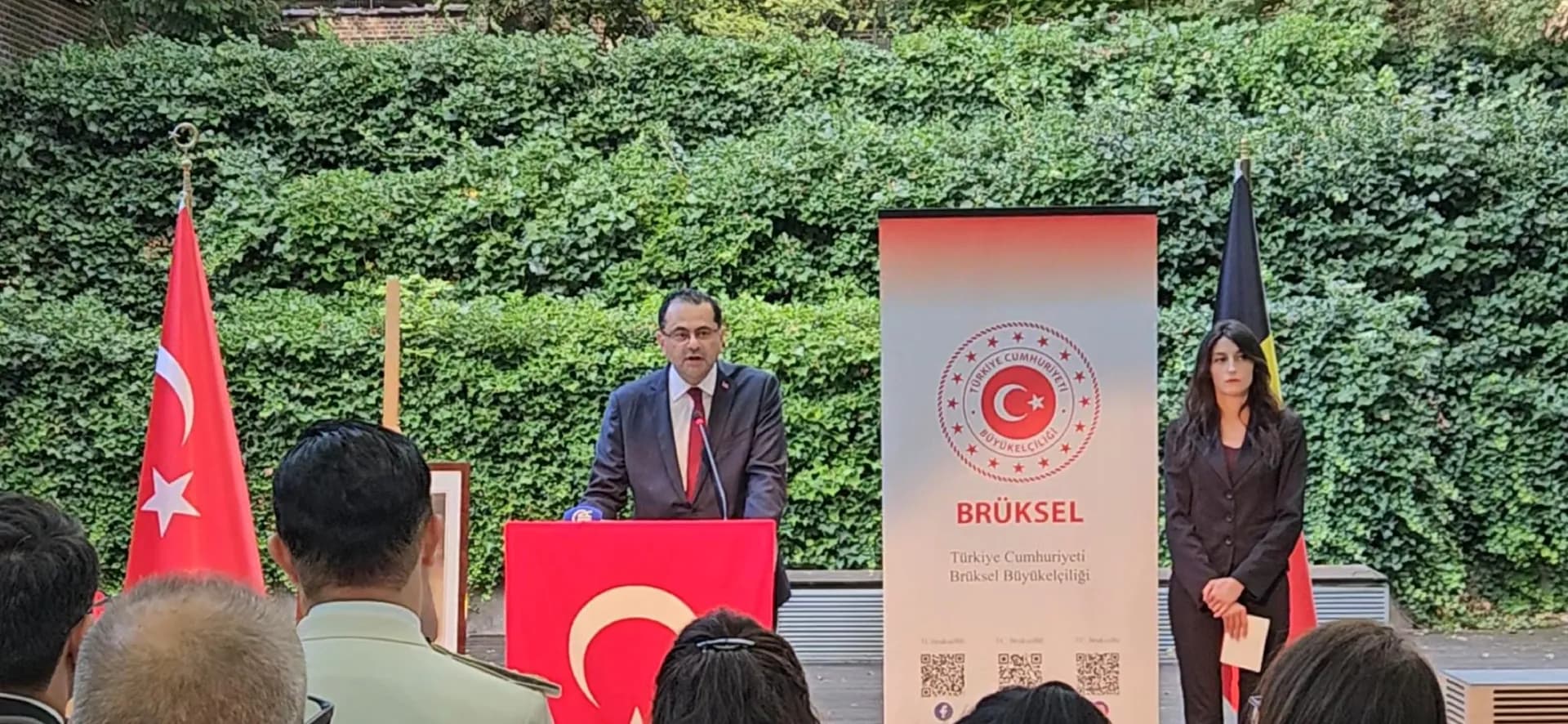
On 7 September 2026, the Embassy of Malaysia in Belgium hosted a diplomatic reception in the Grand Ballroom of The Hotel, Boulevard de Waterloo 38, 1000 Brussels, to mark the 69th anniversary of Malaysia’s independence. Far from being a mere ceremonial protocol, the event served as a strategic platform to present Kuala Lumpur’s political, economic, and diplomatic vision to its European partners. Before an audience of diplomats, Belgian authorities, and European institutional representatives, H.E. Dato’ Mohd Khalid Abbasi Abdul Razak delivered a speech that went well beyond commemoration to outline the contours of a confident and forward-looking Malaysian diplomacy.
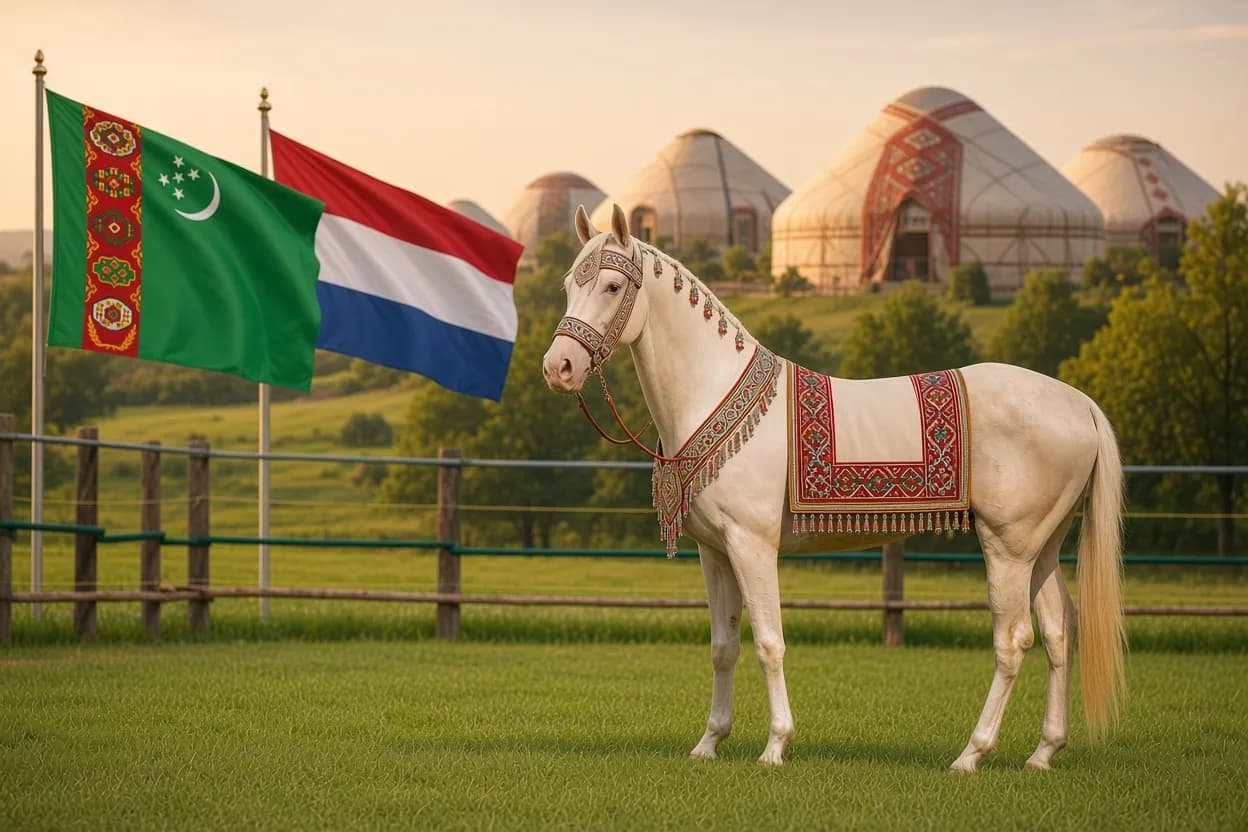
The first European World Akhal-Teke Championship in Kronenberg (4–6 September 2026) combined sport, culture and high-level diplomacy, positioning Turkmenistan’s legendary “heavenly horses” as a bridge between Central Asia and Europe.
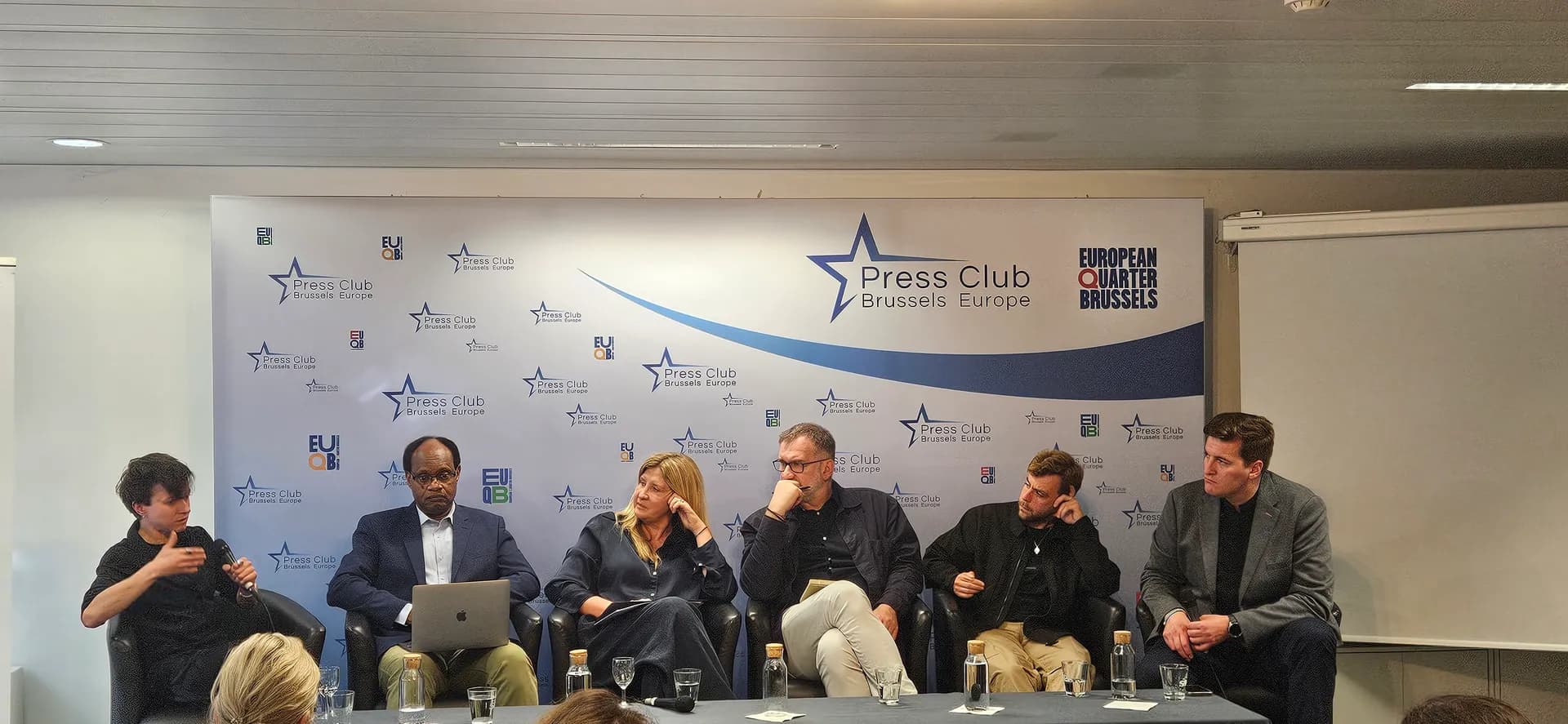
In contemporary warfare, the battle for truth is fought not only on the front line, but also in the information space. At Truth Under Fire: War Journalism and Disinformation, journalists and media professionals reflected on the risks, ethical dilemmas, and political pressures surrounding the coverage of the war in Ukraine.
What happens when a national symbol becomes a tool of diplomacy? In Turkmenistan, the Akhal-Teke horse is increasingly being used to project the country’s cultural identity and strengthen its international presence.
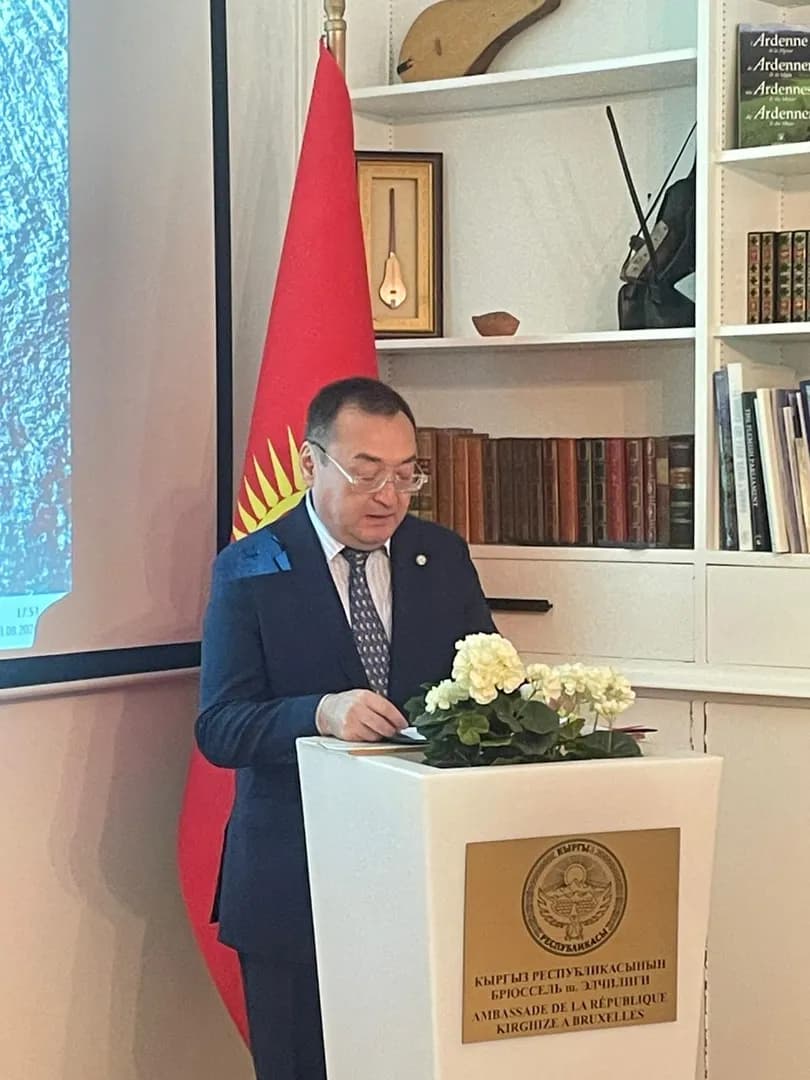
At the 35th anniversary of Kyrgyzstan’s independence, the official address in Brussels framed sovereignty as a strategic project linking domestic judicial reform, digital modernisation and the China–Kyrgyzstan–Uzbekistan railway to deeper partnership with the European Union.