Brussels Issues Trade War Warning to Beijing as EU Deficit Soars to Record Highs
The EU has warned China it will deploy aggressive trade defense measures unless Beijing takes immediate action to reduce a record €359.8 billion trade deficit. Ahead of October talks, EU Trade Commissioner Maroš Šefčovič demanded increased purchases of European goods, relaxed market barriers, and fewer controls on critical minerals. If diplomatic efforts fail, Brussels is prepared to deploy over 200 trade tools - including import safeguards and supply-chain diversification rules - though internal EU divisions over potential Chinese retaliation could complicate enforcement.
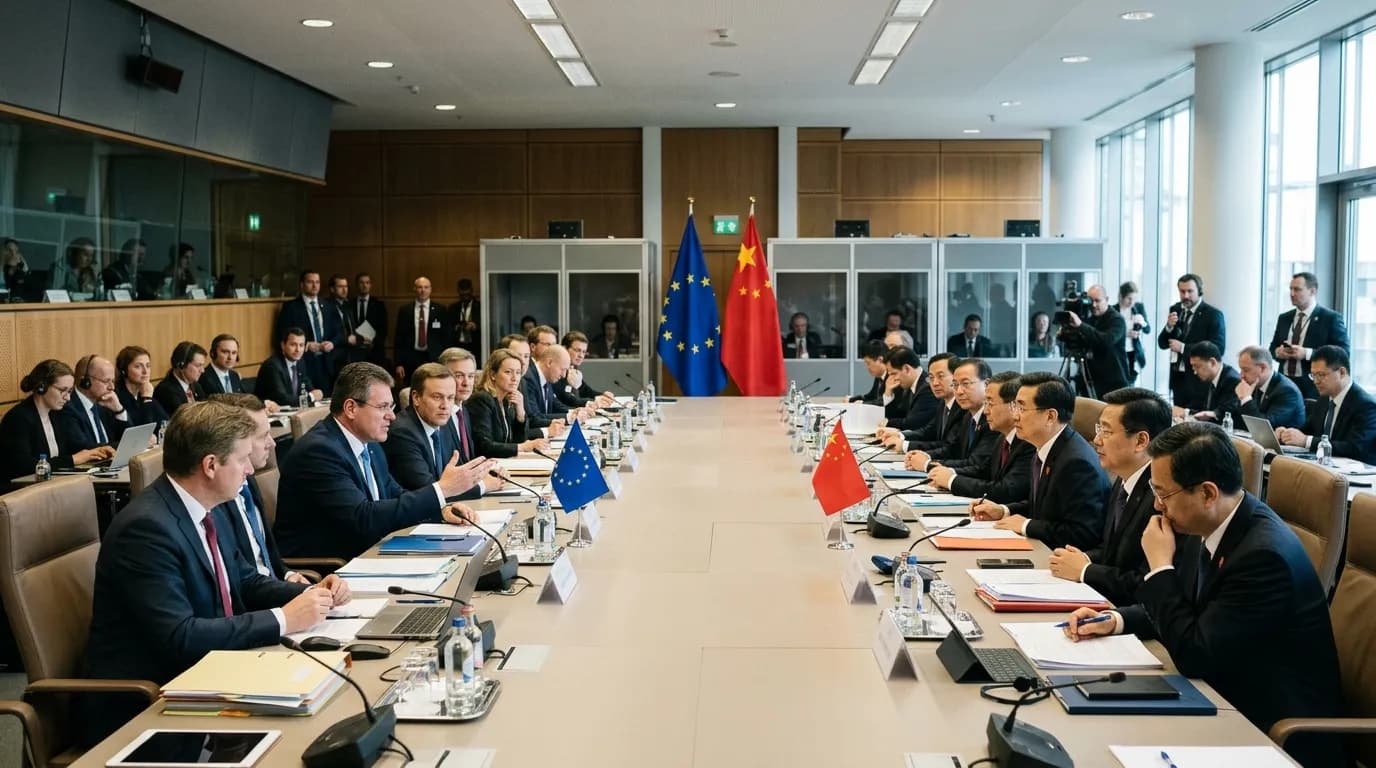
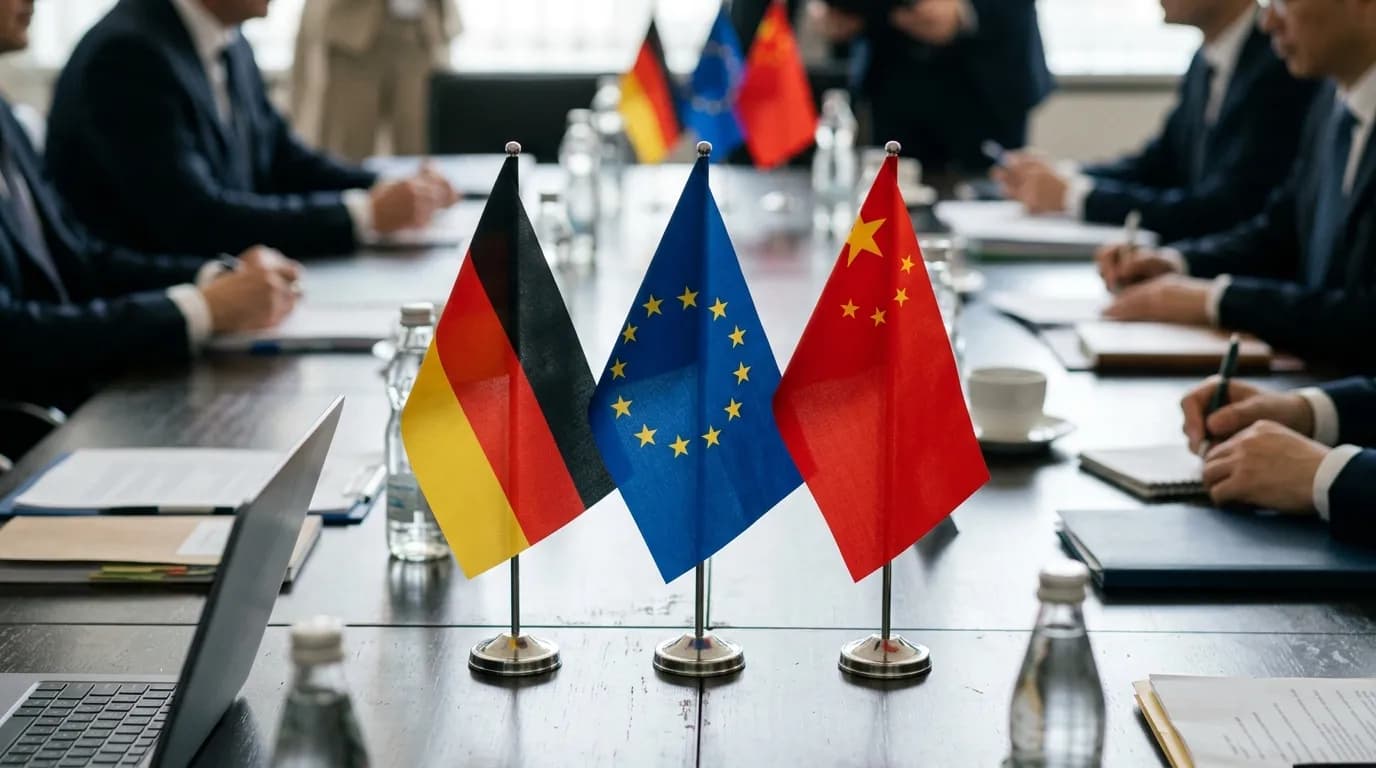
The European Union is preparing to deploy an aggressive wave of trade defense measures against China unless Beijing takes immediate steps to increase its imports from the bloc and restore balance to bilateral commercial flows. Speaking in Berlin on Tuesday, EU Trade Commissioner Maroš Šefčovič issued a stark warning regarding the widening economic rift, confirming that Brussels will no longer rely solely on expanding European exports to resolve the structural imbalance. With tensions rising ahead of high-level talks in Beijing scheduled for early October, European officials are signaling a decisive shift toward tougher protectionist policies to shield domestic industries from unmanageable trade deficits.
The Commission’s heightened stance follows new Eurostat data demonstrating a significant expansion of the EU’s trade deficit with China, which reached €359.8 billion in 2025—up from €304.5 billion the previous year. The trend has continued into 2026, driven by a 6.5% decline in European exports alongside a 6.4% increase in Chinese shipments into the single market. Šefčovič emphasized that the absolute scale of this gap makes standard market-opening efforts insufficient on their own. To tackle the problem from both sides, Brussels is demanding tangible commitments from Beijing, including increased purchases of European goods, the relaxation of domestic market restrictions, and the easing of tight export controls on critical raw minerals.
The upcoming October visit to Beijing represents a critical test for EU-China economic relations, with European negotiators seeking concrete mechanisms rather than symbolic dialogue. Commissioner Šefčovič revealed plans to establish targeted pilot schemes across key product sectors to test whether current diplomatic contacts can deliver measurable progress. Should negotiations falter, however, the European Commission is ready to streamline and accelerate the deployment of its portfolio of over 200 trade defense instruments. These tools include accelerated safeguards to curb sudden import surges, as well as new regulatory mechanisms designed to compel European companies to diversify their supply chains away from Chinese market concentration.
Despite having an extensive regulatory toolkit, the European Commission faces internal political hurdles in executing its defense strategy against Beijing. Šefčovič acknowledged that enforcement ultimately depends on building a firm political consensus among the 27 EU member states, whose economic interests and exposure to China vary significantly. While several member nations advocate for immediate protectionist measures to safeguard manufacturing sectors, others remain hesitant due to fears of retaliatory restrictions on their own key export industries. Establishing a unified stance will be essential if Brussels intends to project credible leverage during negotiations in China.
As the October summit approaches, the European Union is signaling that its patience with persistent structural trade imbalances has reached its limit. By pairing diplomatic negotiations with the explicit threat of expedited trade defense measures, Commission leadership is attempting to force a fundamental rebalancing of transatlantic and Eurasian trade flows. Whether Beijing agrees to voluntary import commitments or risks an escalating trade confrontation will determine the trajectory of economic relations between the two global markets for years to come.
Related Topics
Botakoz Unbayeva
Contributing writer at EUReflect.
Follow EUReflect
See more of our reporting on Google
Mark EUReflect as a preferred source and our stories are ranked higher for you in Top Stories, Discover and Google News — and carry a “preferred” badge when they are cited in AI results.
Add EUReflect as a preferred source