Business Diplomat: A Bridge Between Two Worlds
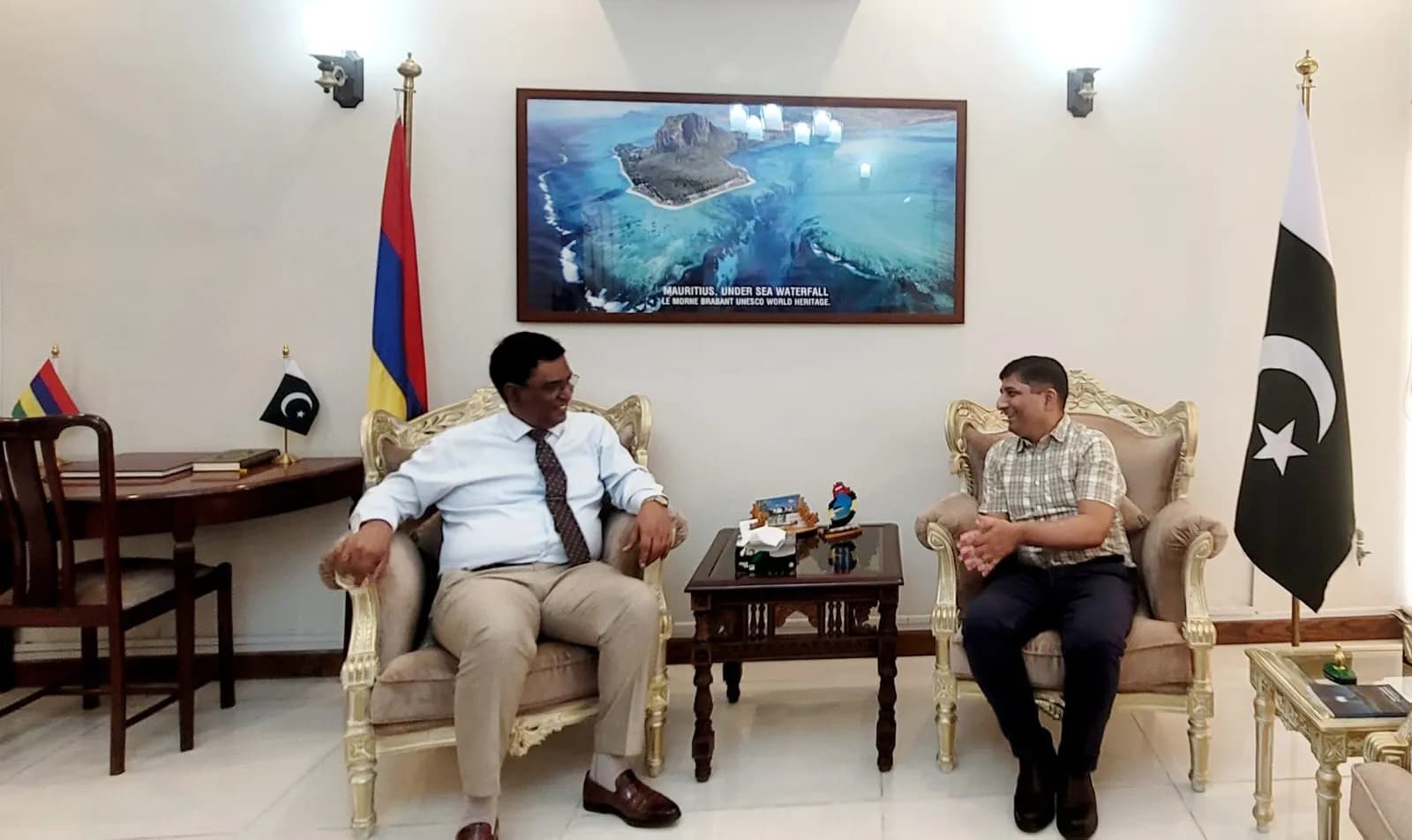
This interview was conducted with **Hojiakbar Mavlyanov**, one of Kyrgyzstan’s young and dynamic members of parliament. A politician with experience in international affairs and a strong understanding of diplomatic protocol, Mavlyanov has represented Kyrgyzstan on numerous international platforms. Alongside his political career, he also brings experience in business and strategic advisory work, allowing him to approach contemporary issues from the interconnected perspectives of politics, diplomacy and the private sector. In this interview, Mavlyanov shares his views on diplomacy, political leadership and business, offering insight into the role of a new generation of Kyrgyz representatives in an evolving international environment.
Introduction
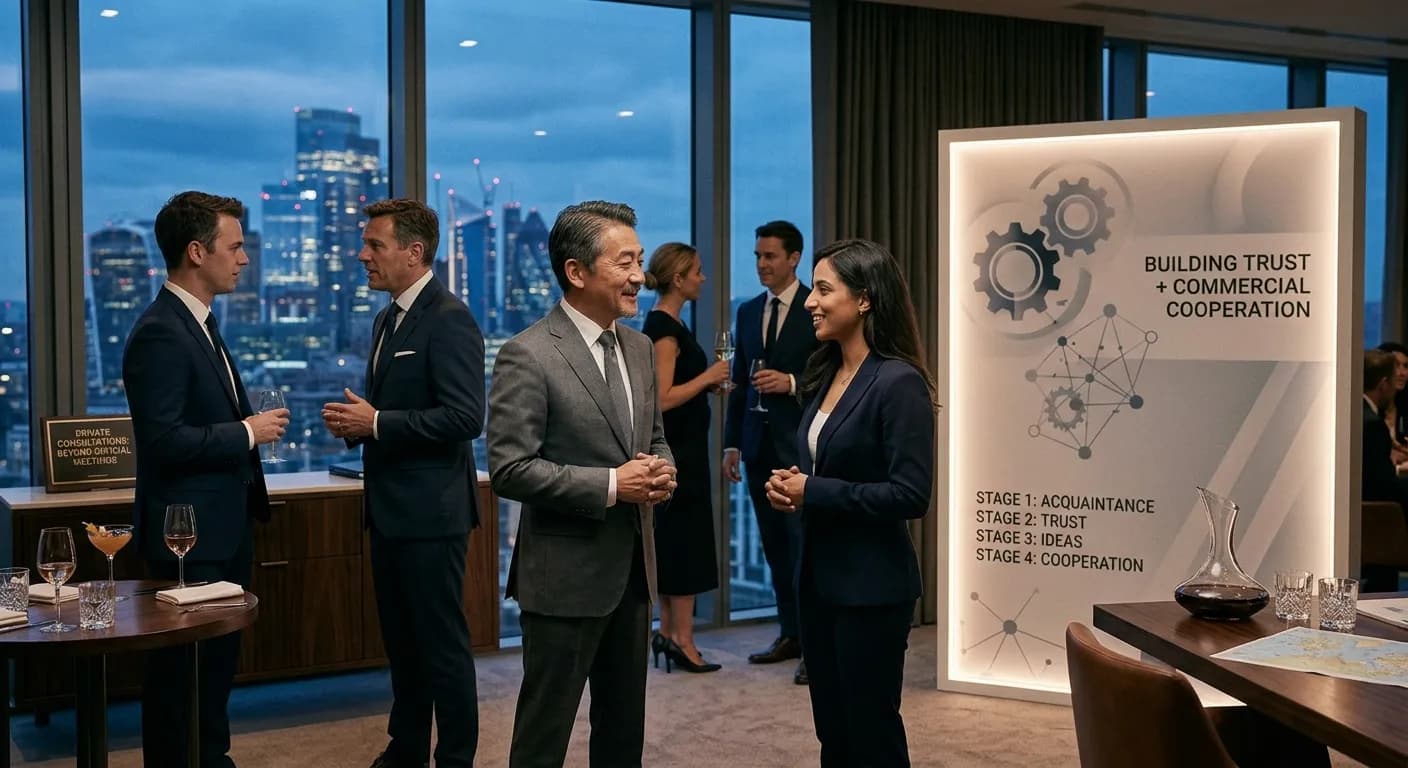
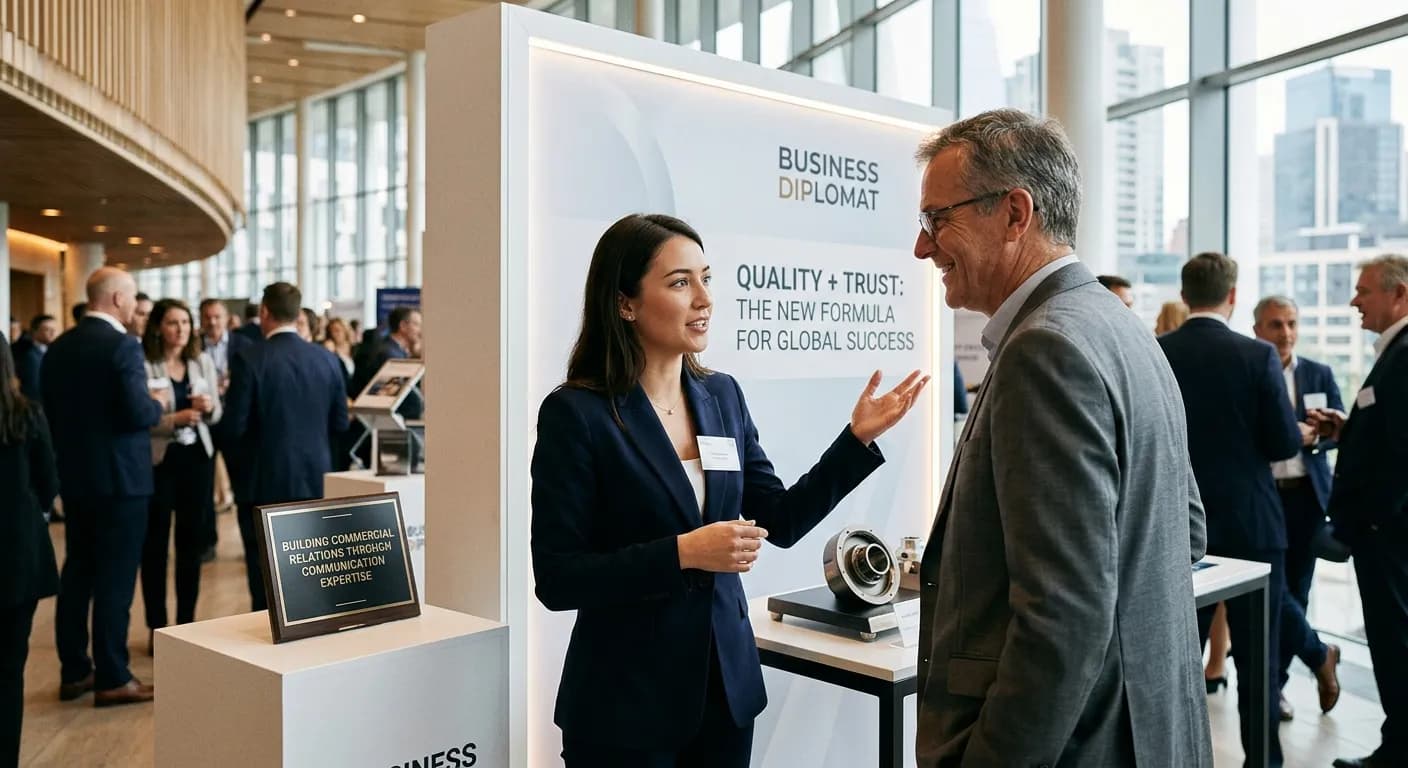
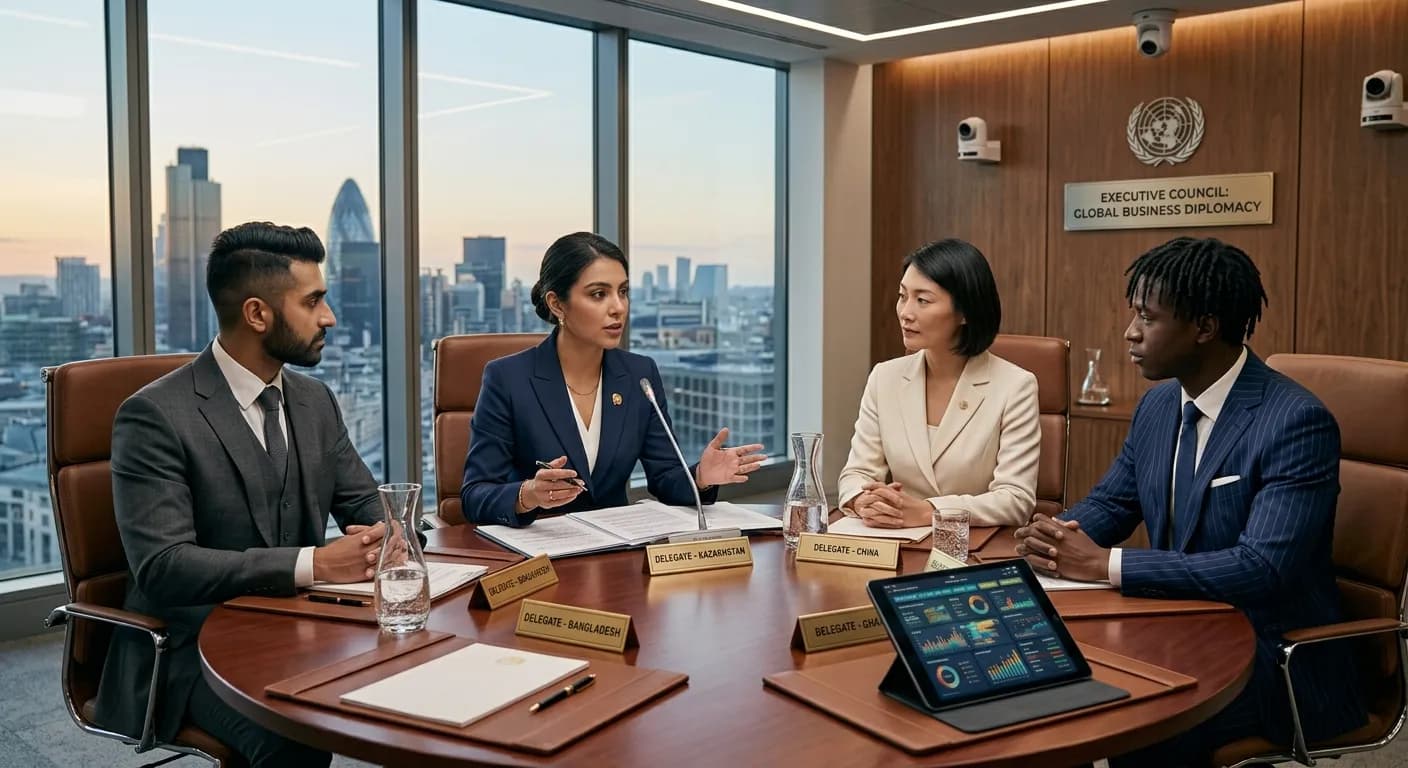
Business and diplomacy often meet at the same table, but they do not speak the same language. One thinks in terms of speed, results and profit; the other in terms of procedure, balance and the long term. People who can translate these two logics to each other are rare, and valuable for exactly that reason. In this part of its interview series, Business Diplomat presents the second advantage of protocol knowledge: wider opportunities for business connections.
The second advantage of protocol knowledge
"It expands opportunities for business connections.
A business diplomat can serve as a bridge between the practical logic of the business world and the principles of diplomatic culture. By understanding how different institutions, cultures and professional environments operate, they can help establish meaningful contacts, facilitate communication and identify areas of mutual interest. This intermediary role can open the door to new partnerships, international networks and potential investment opportunities."
Business Diplomat commentary
The text defines the business diplomat as an intermediary and explains, in turn, where this role comes from, how it works and what it leads to.
Two logics, one bridge. The first sentence sets two worlds side by side: the practical logic of business and the principles of diplomatic culture. A businessperson wants to leave a meeting with a result; a diplomat gives priority to making the ground of the relationship firm. This difference often causes impatience on both sides: one finds the other slow, and is found hasty in return. A business diplomat who knows both logics can explain each side's priorities to the other and help them find a common pace.
Understanding is the condition of mediation. The second sentence says what bridge-building rests on: understanding how different institutions, cultures and professional environments operate. An embassy's commercial office, an investment agency, a chamber of industry and a private company each work by their own rules. Someone who knows who is authorised to do what, and which door leads where, can make with one well-placed contact the connection others would spend months looking for.
Three functions. The text describes the business diplomat's contribution through three actions:
Establishing meaningful contacts: The word "meaningful" is decisive. What counts is not a hundred business cards collected at a fair but three right counterparts with whom real business can be done.
Facilitating communication: The need for an intermediary continues after the parties have met. Clarifying expectations and clearing up misunderstandings early saves the first months of a relationship.
Identifying areas of mutual interest: Seeing points of overlap that the parties themselves have not noticed is the business diplomat's most creative contribution. Someone who knows both sides can match one's need with the other's capacity.
Three doors opened. The last sentence lists the results: new partnerships, international networks and potential investment opportunities. These also form a sequence. A single partnership grows over time into a network, and a network offers investors an environment they can rely on. The wording "can open" and "potential" is measured, and rightly so: the intermediary opens the door, and it is the parties who walk through and build the business.
The role of Business Diplomat. The platform's mission is to give young people experience, bring a diplomatic order to the business world, and benefit states by revitalising the economy. The bridge described in this text also describes the platform's own position: Business Diplomat aims to be a meeting ground between the business world and diplomatic circles and to train young professionals who know both logics. Every meaningful contact made is a contribution to revitalised trade and so to the benefit of countries.
Conclusion
A business diplomat is someone who builds a bridge between the practicality of business and the principles of diplomacy. Knowing different institutions and cultures, they make the right contacts, ease communication and bring common interests into view. The return is new partnerships, wider networks and investment opportunities. Business Diplomat aims to turn this skill of mediation into a professional standard and to stop business connections from being left to chance.
Botakoz Unbayeva
Contributing writer at EUReflect.
Follow EUReflect
See more of our reporting on Google
Mark EUReflect as a preferred source and our stories are ranked higher for you in Top Stories, Discover and Google News — and carry a “preferred” badge when they are cited in AI results.
Add EUReflect as a preferred source