Business Diplomat: A New Name, an Old Tradition
This interview features Prof. Dr. Ragıp Kutay Karaca, a scholar, political historian, and international relations specialist with a military background, recognized for his research on political history, Turkish foreign policy, international security, and Sino-Turkish relations
Introduction
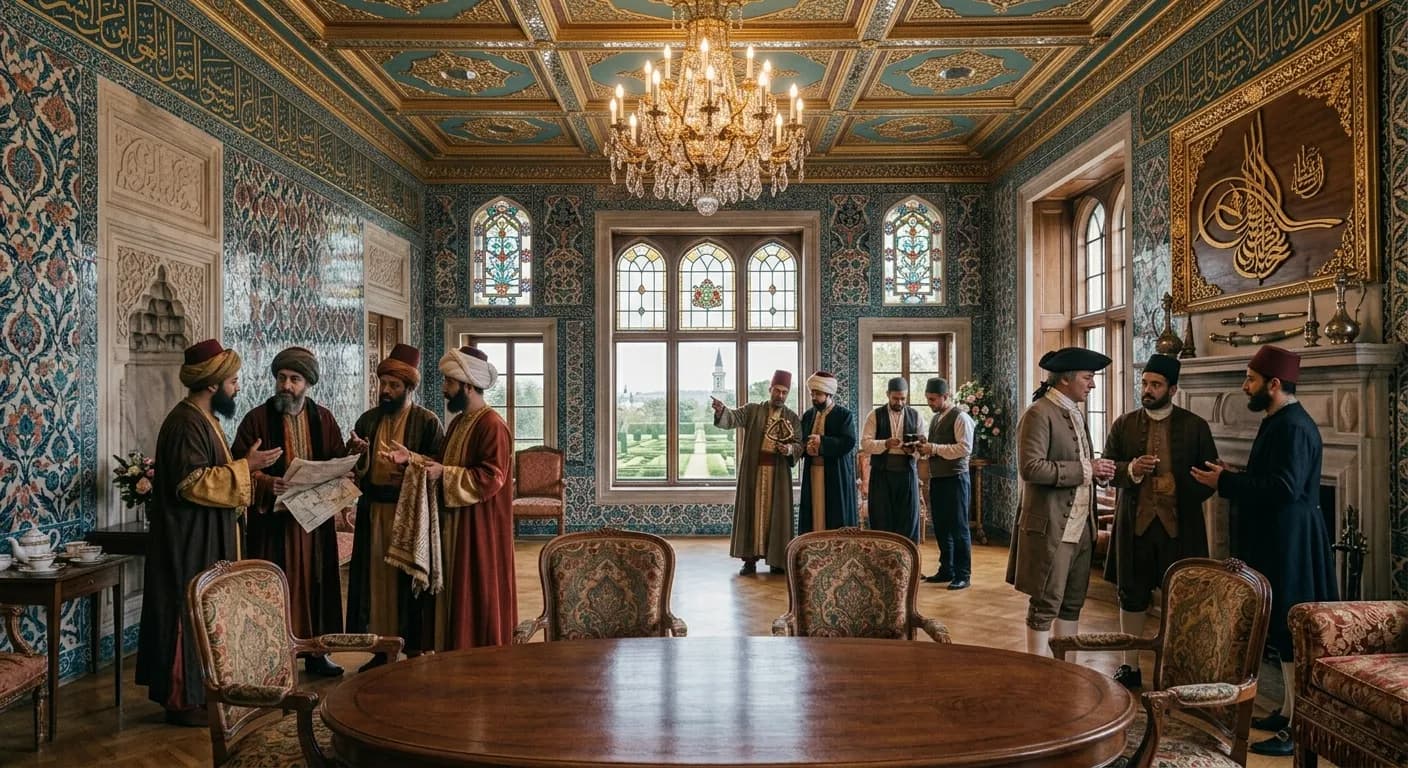
The term "business diplomacy" has appeared often in conference titles and training programmes in recent years, and it can therefore be taken for an invention of our time. Yet the link between merchant and ruler, between trade and foreign policy, is as old as recorded history. In this part of its interview series, Business Diplomat presents three observations that set the concept on its historical ground. They begin with a broad claim and move step by step down to the evidence.
First observation: is the concept really new?
That a concept's name is new does not mean the thing it describes is new. The first observation makes this distinction:
"Although the concept of business diplomacy appears to be a new one today, it has a past as old as the history of relations between trade and states."
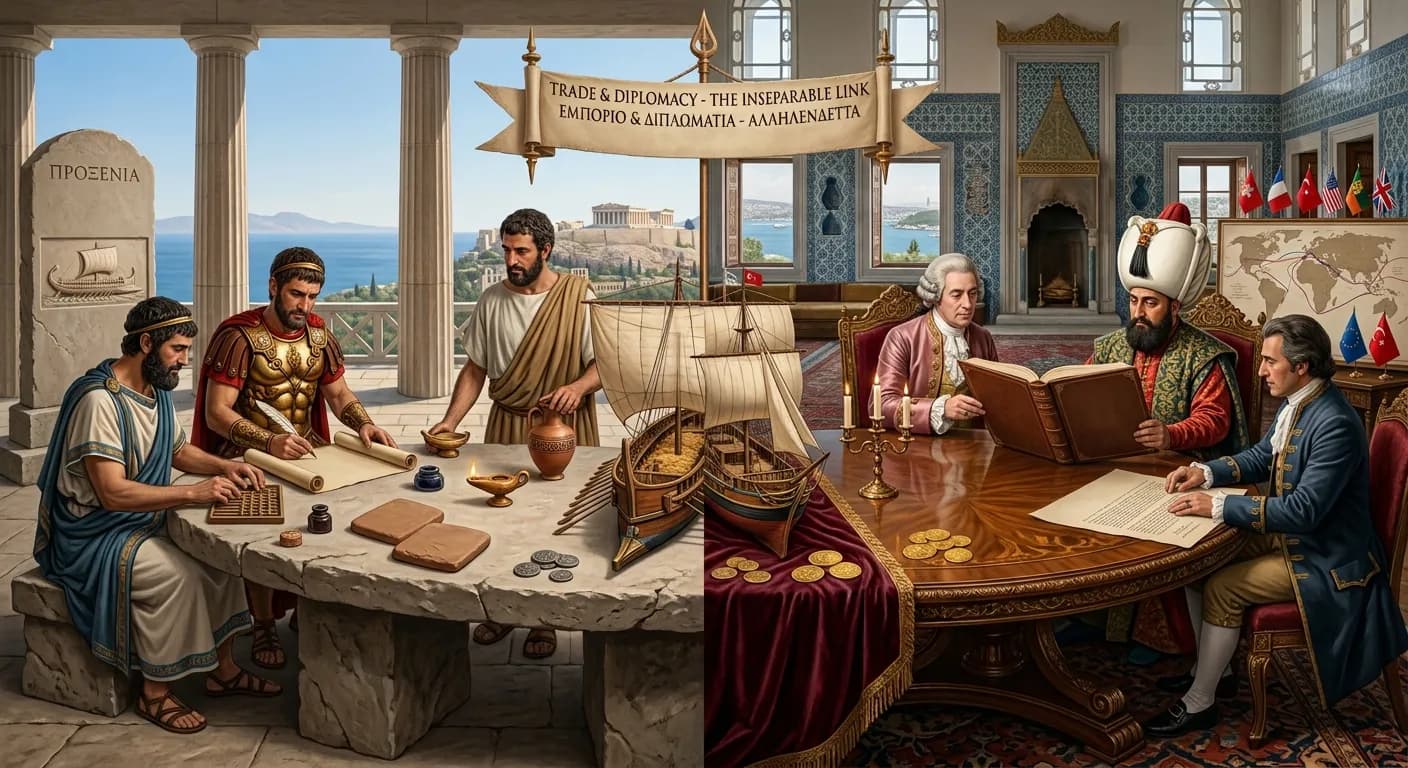
The phrase "although it appears" points to the gap between appearance and fact. What is new is the term, not the practice. Throughout history, merchants travelling to distant markets had to come to terms with the ruler of the place they reached, win his confidence and follow his rules. That is exactly what is expected of a business diplomat today. The same link shows in the fact that the institution of the consul in medieval Mediterranean trade grew out of the people who represented merchant communities in foreign ports: some of the institutions of diplomacy arose directly from the needs of commerce.
Second observation: how did states view trade?
Merchants dealing with rulers shows one side. On the other is the question of how states saw trade. The second observation answers it:
"Trade, especially reciprocal trade, has throughout history held an important place among the foreign policy priorities of states."
States never treated trade as the business of merchants alone. A trade route meant treasury revenue, prosperity and influence. The importance that the cities and states along the Silk Road gave to securing the caravans, building caravanserais and protecting merchants is a clear example. The emphasis on "reciprocal trade" is also notable. One-way trade makes one side dependent and breeds tension. Reciprocal trade benefits both and so becomes a support for peaceful relations. This is why trade has stood on the agenda of so many embassies right beside questions of war and peace.
Third observation: when did the rules appear?
The first two observations state that a link exists. The third shows how far back it goes and what form it took:
"Even before the emergence of nation-states, there were customs and commercial practices regulating trade between different political entities."
This sentence corrects the common belief that the rules of international trade began with the modern state. Tablets found at Kültepe in Anatolia, dated to around four thousand years ago, record arrangements between Assyrian merchants and local rulers on taxes, rights of passage and protection. In later centuries similar arrangements continued between city-states, empires and merchant associations. The names and forms of political entities changed, but the need stayed the same: to settle in advance what rule would apply to goods crossing a border and how the merchant would be protected.
The logic of the three
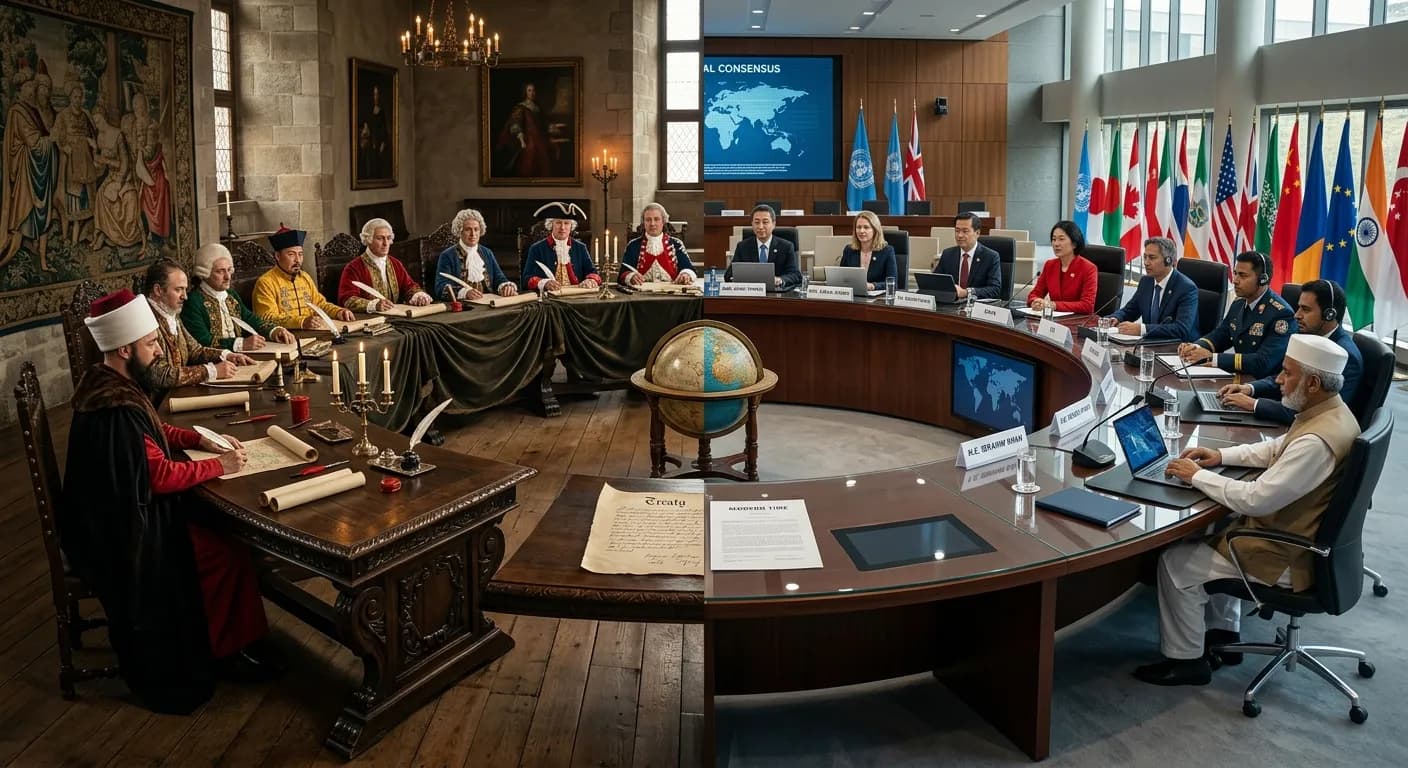
The observations move from the general to the particular. The first makes a claim: business diplomacy is old. The second gives the reason: states have always treated trade as part of foreign policy. The third supplies the evidence: rules regulating trade existed even before the nation-state. Read together, the conclusion is clear. Trade and diplomacy have never been two separate fields.
What it means today
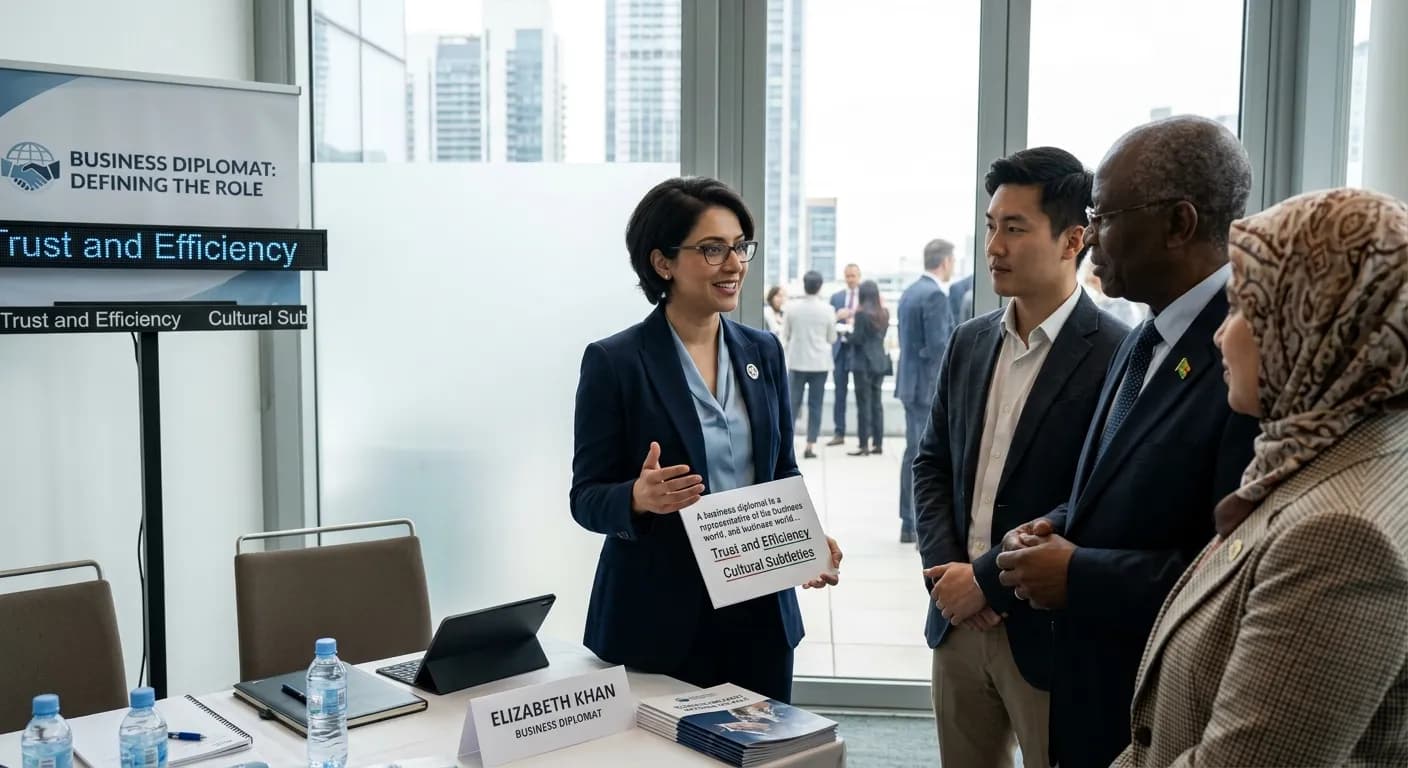
This historical view has practical value. Someone who takes business diplomacy for a new fashion may see it as a passing trend. Someone who knows its roots is aware of the experience they are standing on. The merchant's effort to win trust in a foreign country, the ruler's concern to protect and regulate trade, and the need of both to agree on rules are the same today. Only the tools have changed.
The role of Business Diplomat
The platform's mission is to give young people experience, bring a diplomatic order to the business world, and benefit states by revitalising the economy. These three observations show that the mission is the continuation of a long tradition, not a new invention. The lands of the Silk Road are where trade and diplomacy went hand in hand for centuries. Business Diplomat aims to give young professionals this historical awareness and to revive an old tradition according to the needs of the age.
Conclusion
Business diplomacy is new in name and old in practice. Trade has been among the foreign policy priorities of states throughout history, and long before nation-states it was regulated between different political entities by customs and commercial rules. Building on that inheritance, Business Diplomat aims to bring trade and diplomacy together again under one roof.

İsmail Polat
Ph. D. in International Relations
Follow EUReflect
See more of our reporting on Google
Mark EUReflect as a preferred source and our stories are ranked higher for you in Top Stories, Discover and Google News — and carry a “preferred” badge when they are cited in AI results.
Add EUReflect as a preferred source