Business Diplomat: Trade Diplomacy from Ancient Greece to the Ottomans
This interview features Prof. Dr. Ragıp Kutay Karaca, a scholar, political historian, and international relations specialist with a military background, recognized for his research on political history, Turkish foreign policy, international security, and Sino-Turkish relations
Introduction
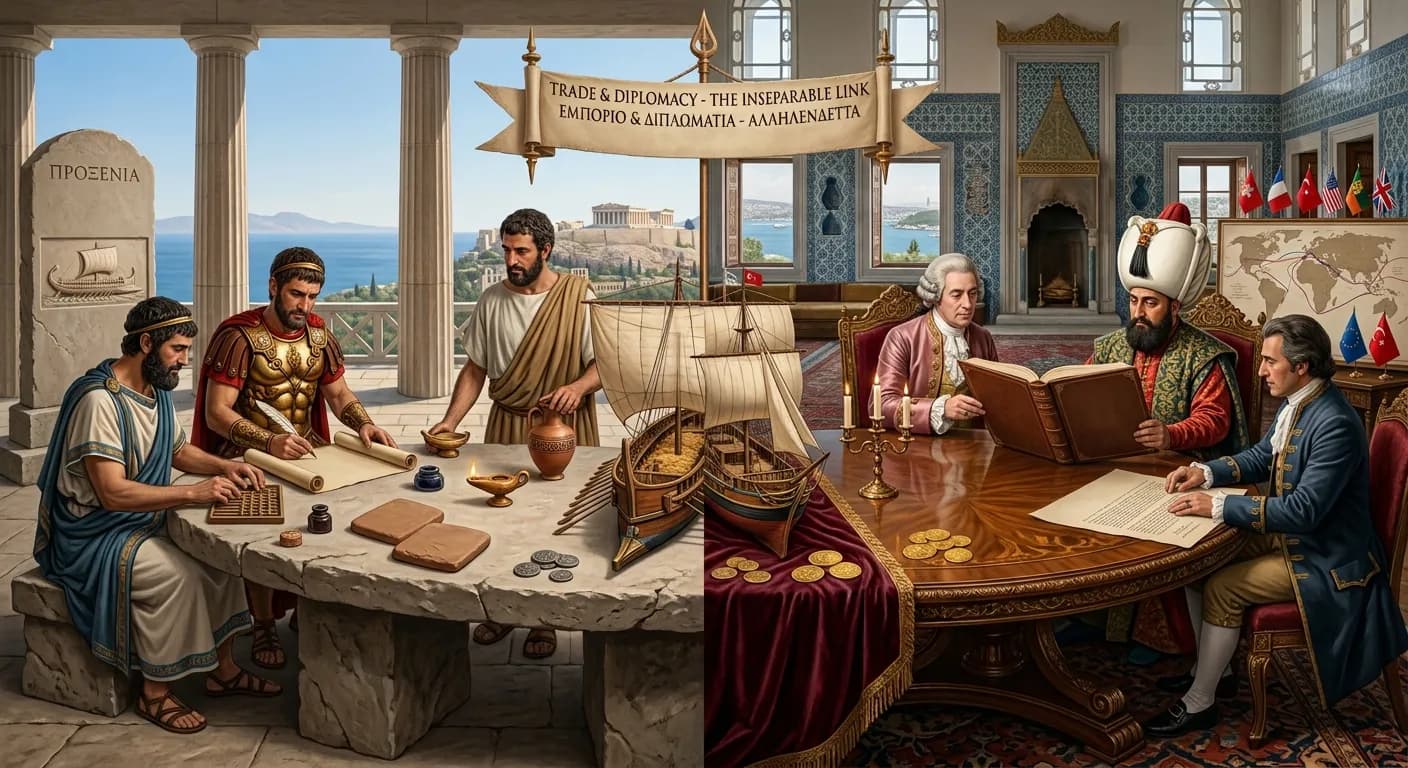
It is easy to say that trade and diplomacy are intertwined; showing it with examples from history makes the claim concrete. In this part of its interview series, Business Diplomat presents two examples from two different ages: the Ancient Greece of the city-states and the Ottoman Empire of the capitulations. Separated by some two thousand years, they point to the same fact and carry lessons for today's business diplomat.
First observation: how did the city-states view trade?
The Ancient Greek world consisted of hundreds of city-states that were close to one another, rivals of one another and in need of one another. None was self-sufficient, and this made trade a necessity, not a choice. The first observation states what followed:
"In the Ancient Greek world, commercial relations between city-states show that economic interests were addressed together with political relations."
The key phrase is "addressed together". For the city-states, trade and politics were not separate files. Athens' need for grain made the security of the sea routes to the Black Sea a priority of foreign policy. The institution of proxenia, by which a city had a local representative in another city who looked after its citizens and merchants there, came from the same outlook. There were also cases in which commercial restrictions were used as a means of political pressure. All of this shows that economic interest could not be pursued independently of political relations.
Second observation: what instrument did the Ottomans use?
Centuries after antiquity, an empire spread over three continents and holding the main trade routes faced the same question: how should relations with foreign merchants be regulated? The second observation names the Ottoman answer:
"In the Ottoman period, the capitulations stood out as one of the important instruments of commercial relations between states."
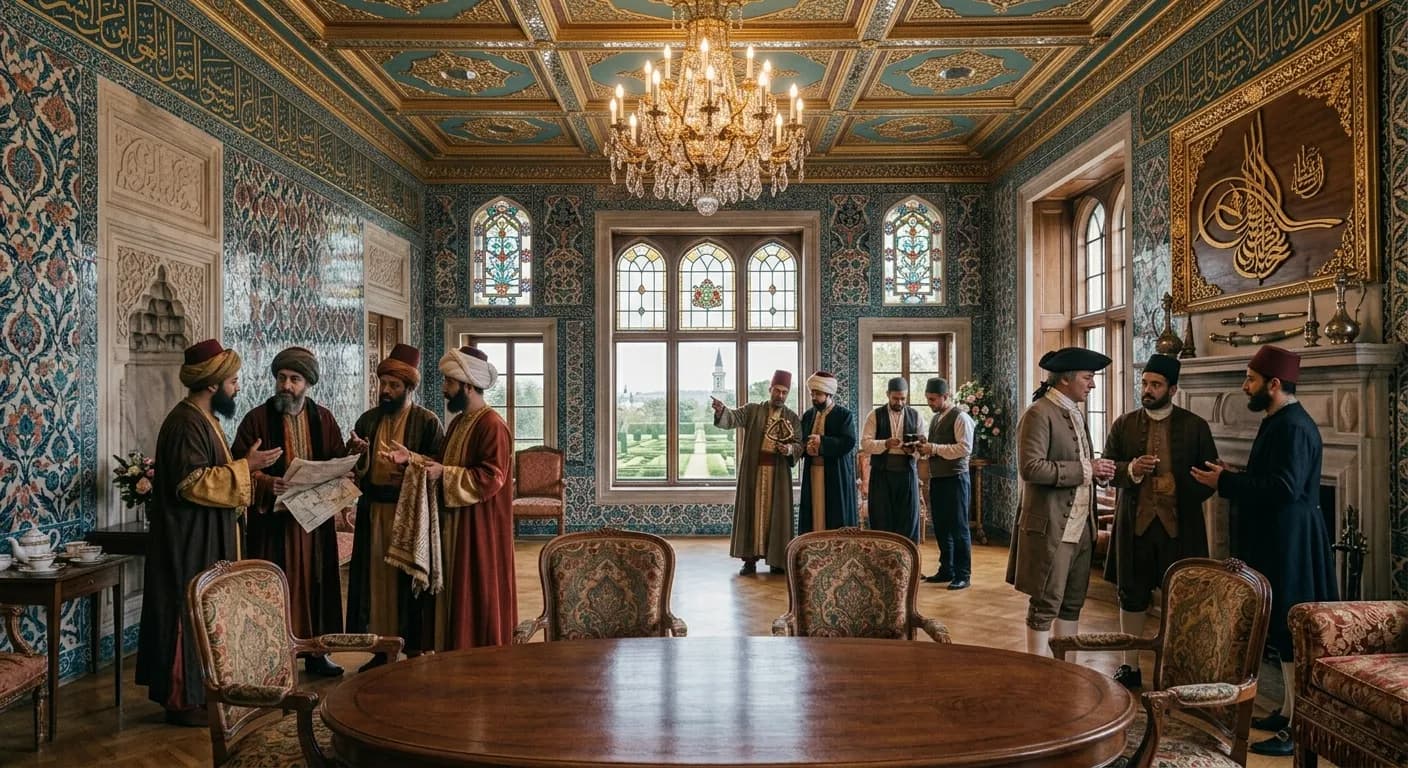
The word "instrument" is apt. The capitulations, known in Ottoman sources as ahdnames, were at first a tool of foreign policy used deliberately by a strong state. Drawing foreign merchants to Ottoman ports stimulated trade, raised customs revenue and at the same time prepared the ground for political alignment. The ahdnames granted to France in the sixteenth century, and then to England and the Netherlands, were a diplomatic choice as much as a commercial arrangement. Granting the right to trade was a way of establishing a relationship.
Third observation: what did these arrangements contain?
Having named the instrument, one has to see how it worked. The third observation explains its content:
"A significant part of these arrangements was shaped by agreements that enabled foreign merchants to benefit from certain commercial privileges in Ottoman lands."
Those privileges included the right to trade freely, fixed rates of customs duty, security of life and property, and merchants' recourse to their own consuls. For a foreign merchant, this meant predictable rules in an unfamiliar country. In today's language, the investor was being offered legal assurance. This part of history also has a sequel: as the balance of power shifted, the same arrangements turned into a one-sided burden and came to be seen, in the empire's last centuries, as a problem that limited economic independence.
The lesson of the two examples
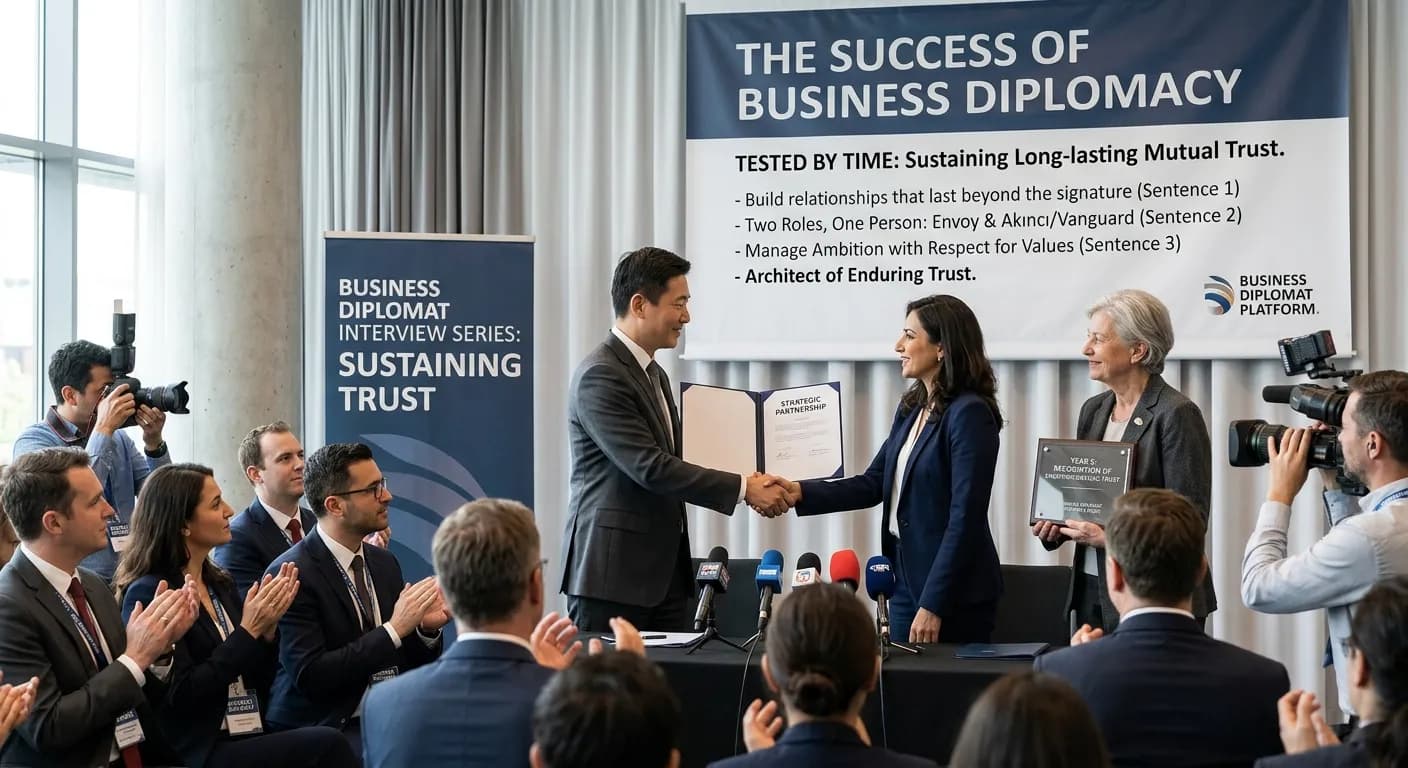
Read together, the two examples yield three conclusions. First, trade has never run separately from politics. The Greek city-states and the Ottomans both treated economic interest as part of foreign policy. Second, what a foreign merchant looks for most is the same in every period: security and predictable rules. Third, the course the capitulations took over time is an important warning. Arrangements built on mutual benefit last; those whose balance is lost become a burden for one of the parties. A good commercial relationship is one in which both sides gain and which can be rebalanced when conditions change.
The role of Business Diplomat
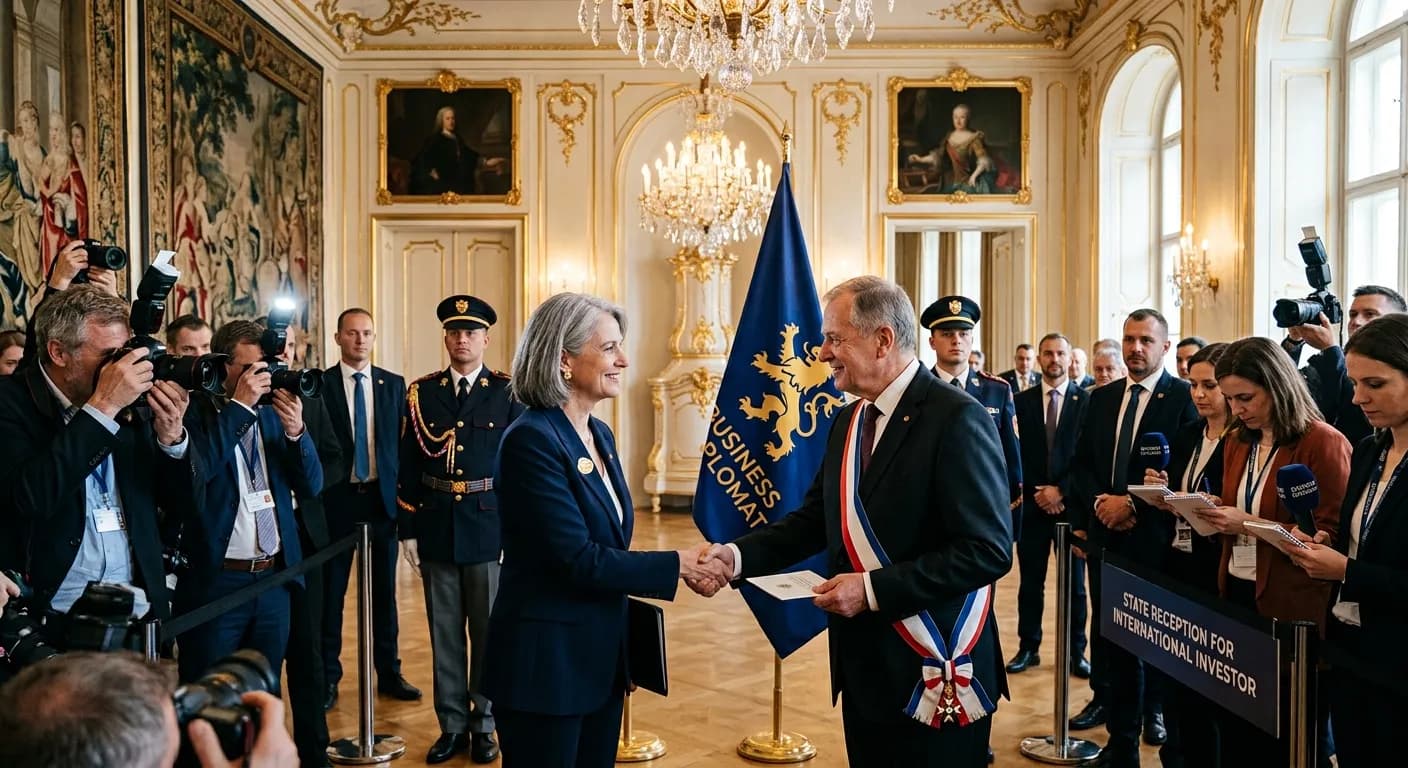
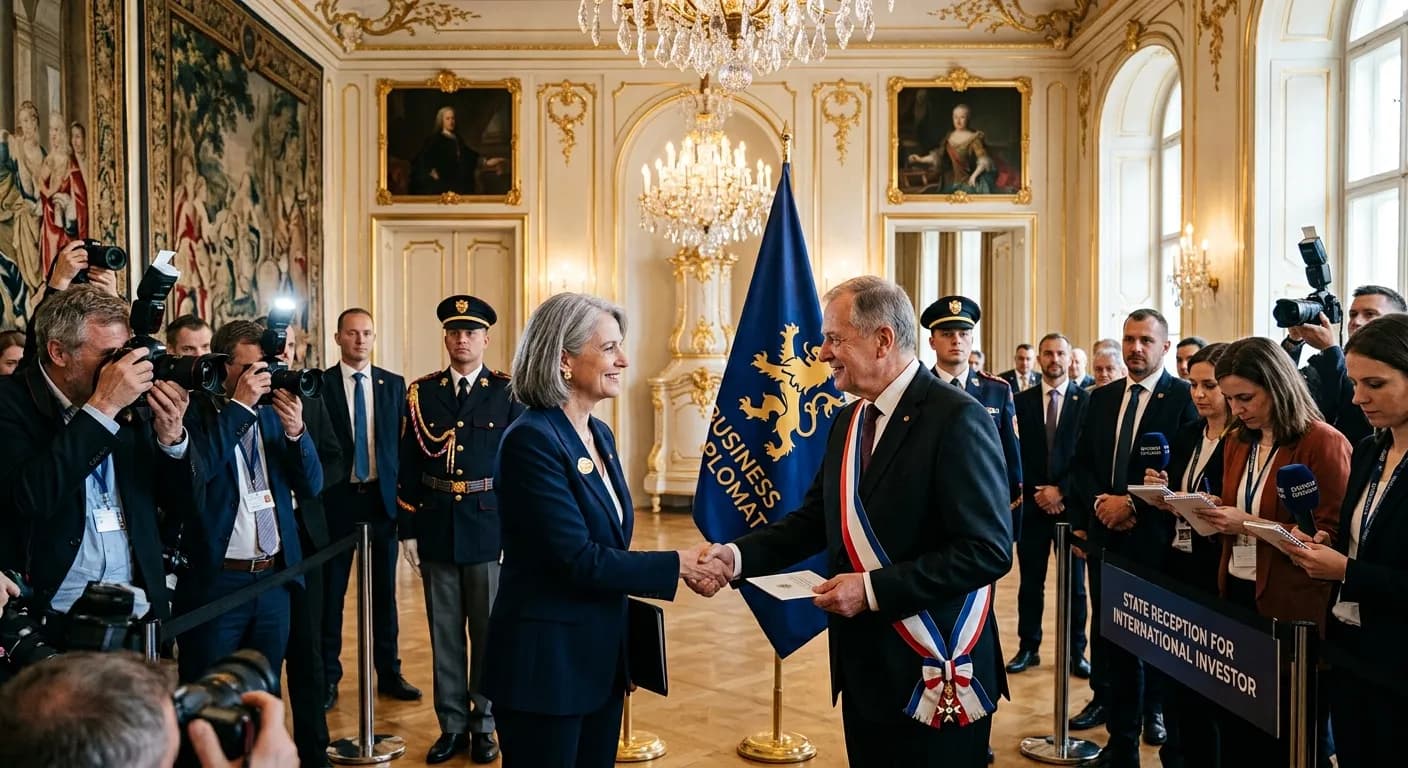
The platform's mission is to give young people experience, bring a diplomatic order to the business world, and benefit states by revitalising the economy. Historical examples add depth to that mission. A business diplomat should know that the questions faced today, what assurance to give a foreign investor and how to balance mutual interest, have been asked for centuries. Business Diplomat aims to give young professionals this historical perspective and to draw lessons from past experience for today's cooperation.
Conclusion
The city-states of Ancient Greece addressed economic interest together with political relations, and the Ottomans used the capitulations as an instrument of commercial relations between states. Both examples show that trade and diplomacy are inseparable, and both recall the value of balanced arrangements based on mutual benefit. Business Diplomat aims to raise a generation of business diplomats who know this historical inheritance and can carry it into the present.

İsmail Polat
Ph. D. in International Relations
Follow EUReflect
See more of our reporting on Google
Mark EUReflect as a preferred source and our stories are ranked higher for you in Top Stories, Discover and Google News — and carry a “preferred” badge when they are cited in AI results.
Add EUReflect as a preferred source