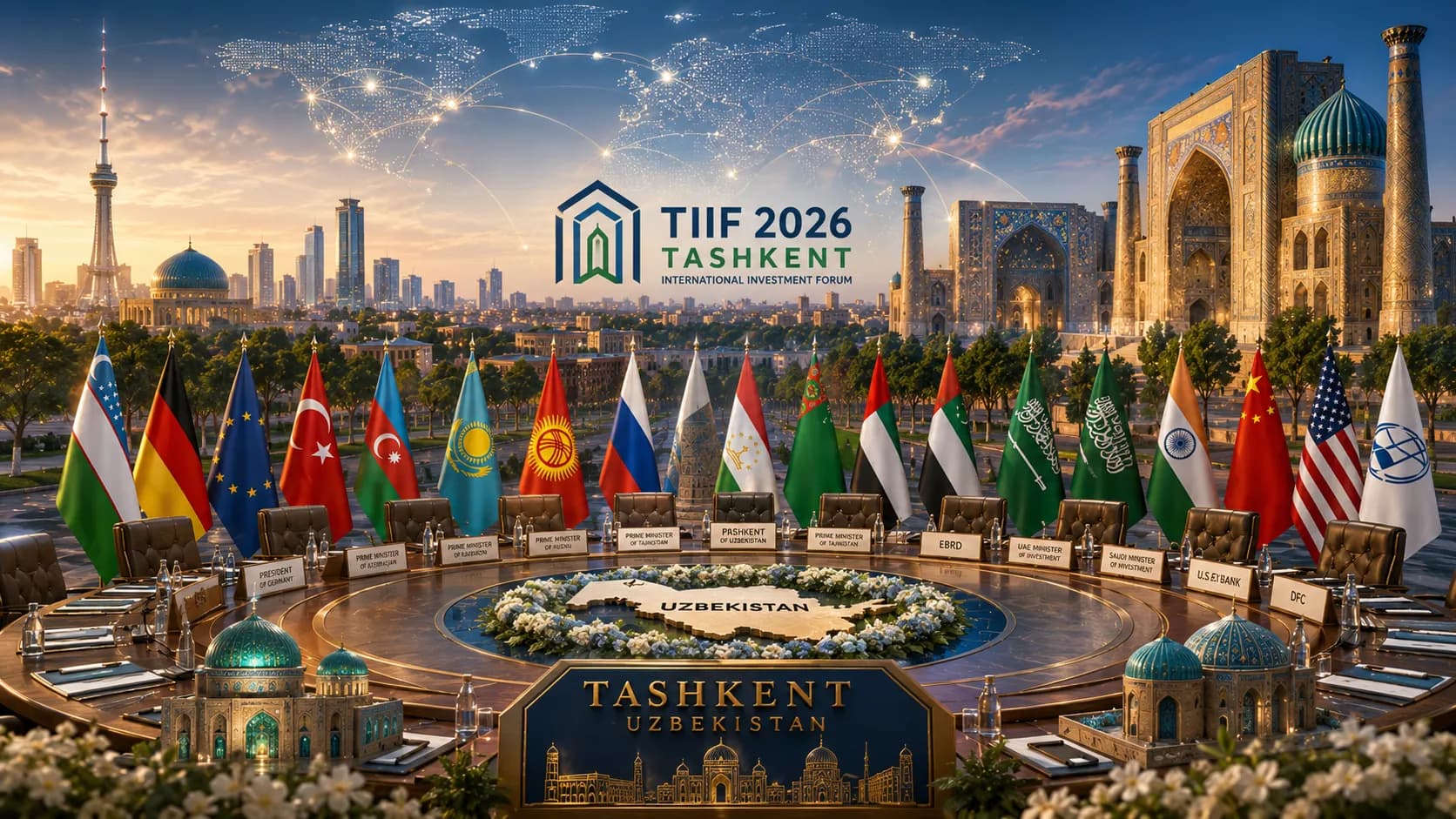
TIIF 2026 brings together presidents, prime ministers, ministers, and global financial leaders from Europe, Asia, the Gulf, and the US. The forum positions Uzbekistan as a strategic hub for investment diplomacy, connecting Eurasian economic corridors with global capital and policy networks.
A reception marking Italian National Day was held in Tashkent, bringing together diplomats, officials, and business leaders. Hosted by Ambassador Guido De Sanctis, the event highlighted the growing political, economic, and cultural partnership between Italy and Uzbekistan.
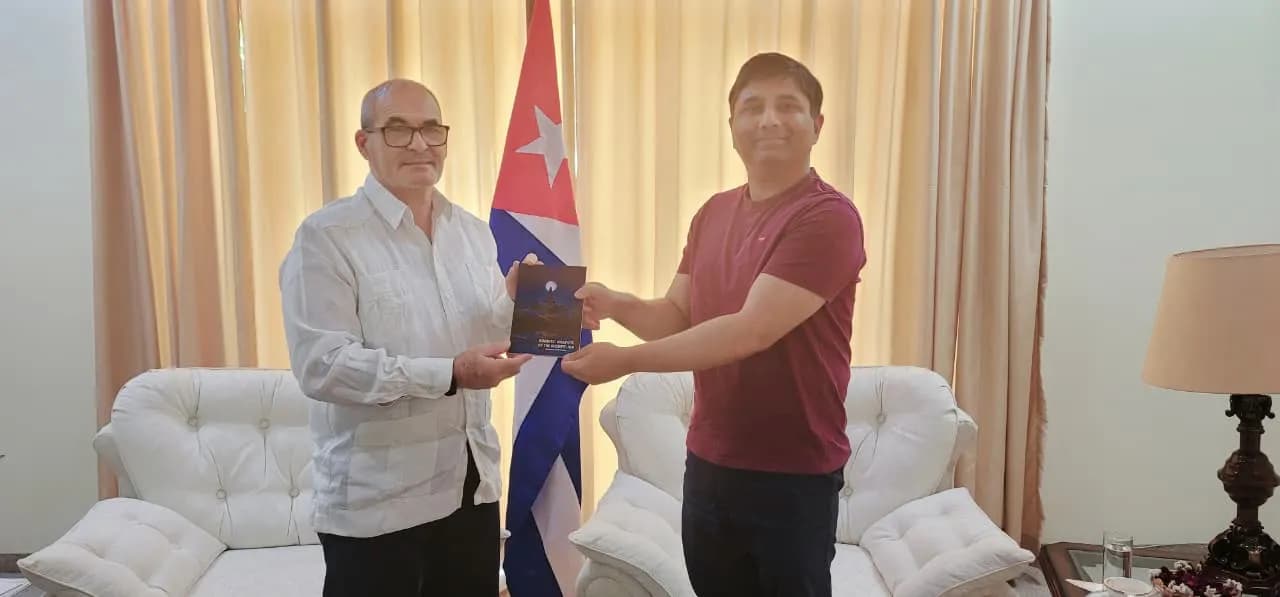
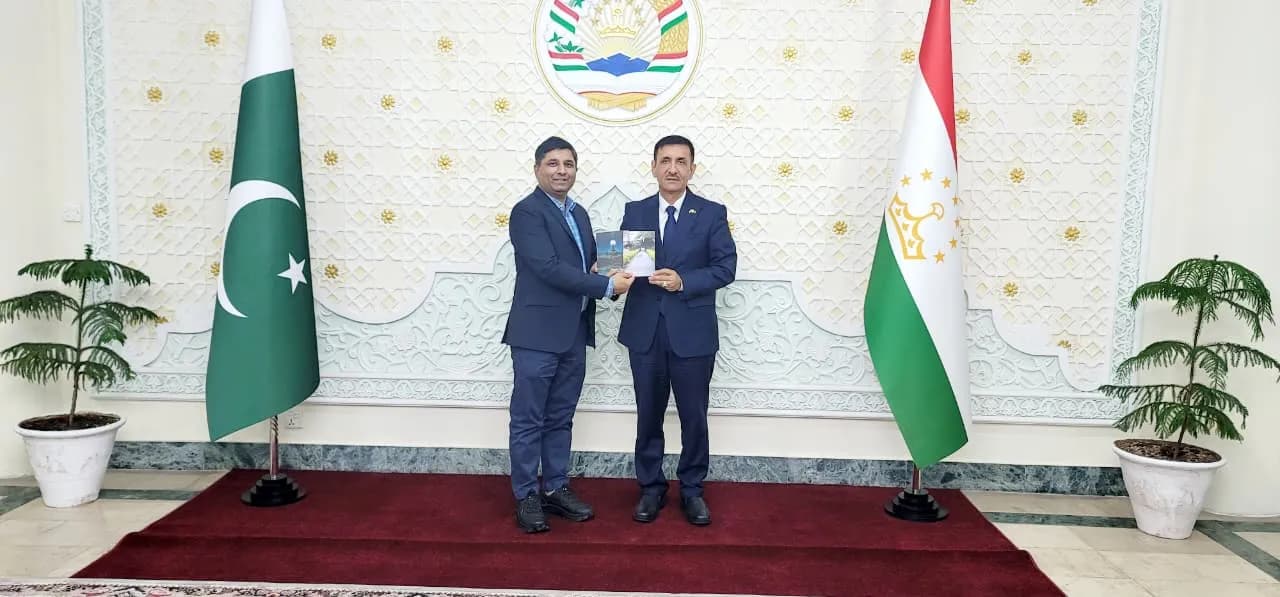
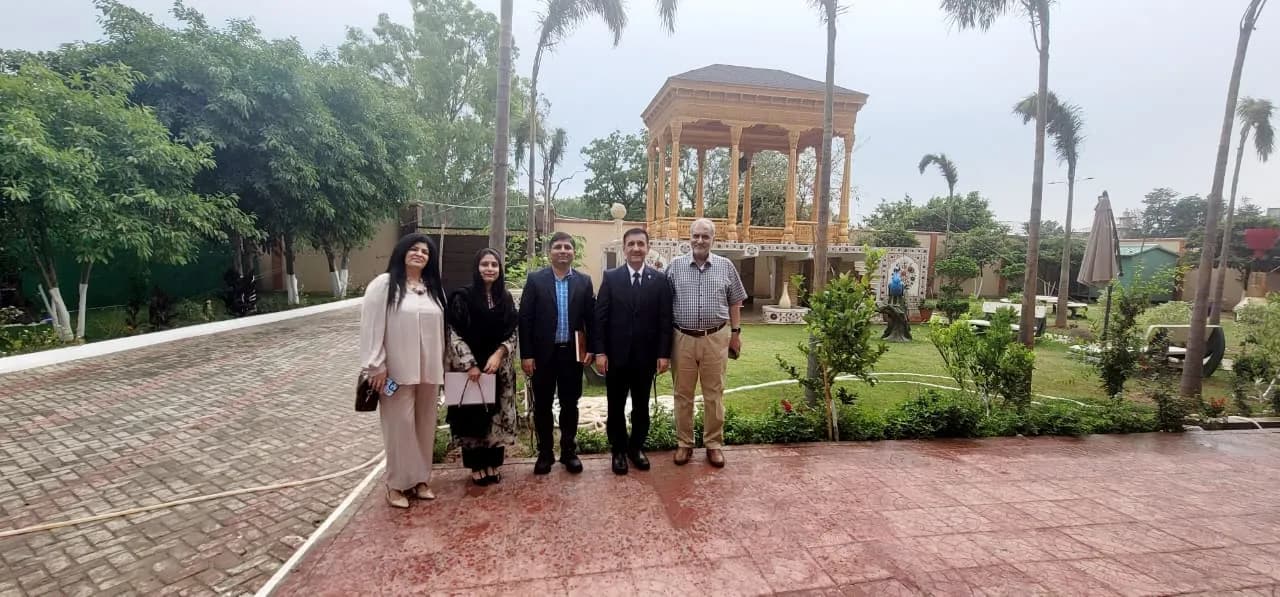
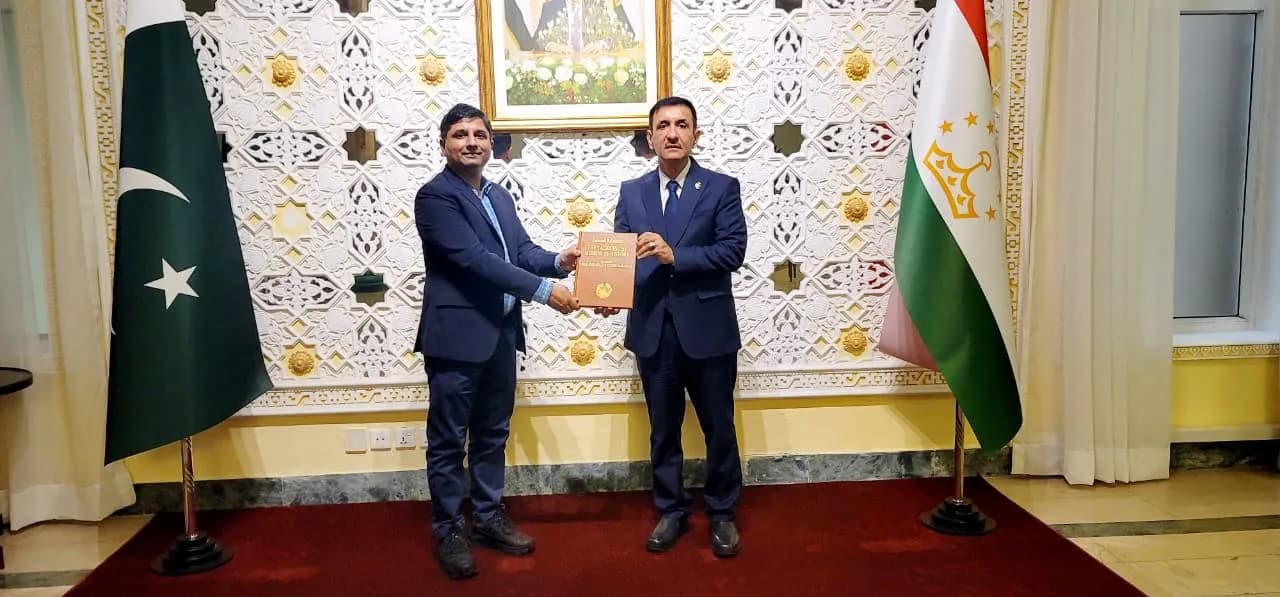
On May 25, 2026, Pakistani writer Muhammad Ali Pasha presented his poetry collection “Romantic Whispers of the Archipelago” to Cuban Ambassador Damián Cordero Torres in Pakistan. The meeting focused on strengthening cultural cooperation and artistic exchange between Pakistan and Cuba, with media leaders also attending.
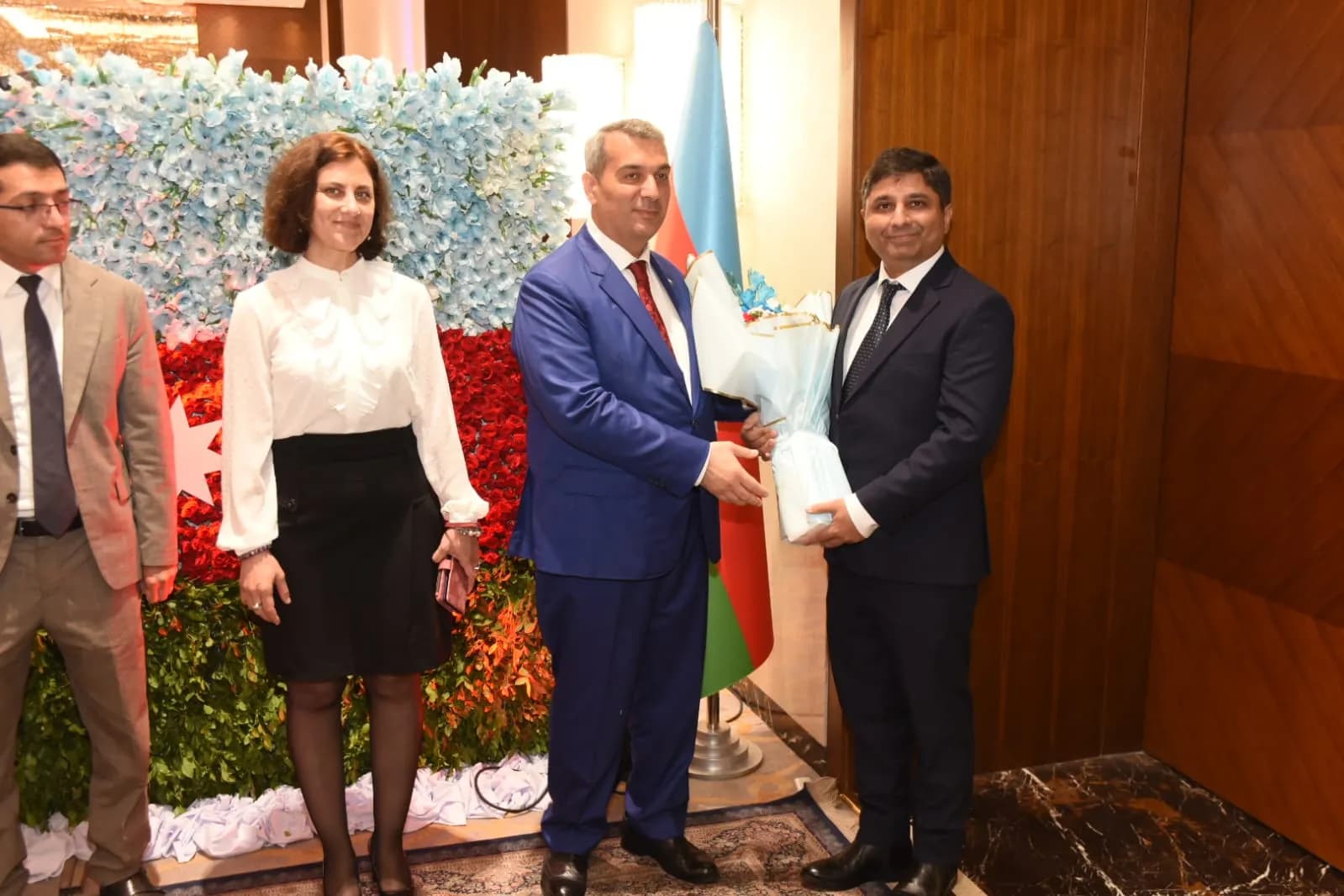
Muhammad Ali Pasha attended Azerbaijan’s 108th Independence Anniversary celebrations in Islamabad, hosted by Ambassador Khazar Farhadov. The event highlighted growing Pakistan-Azerbaijan cooperation and friendship.
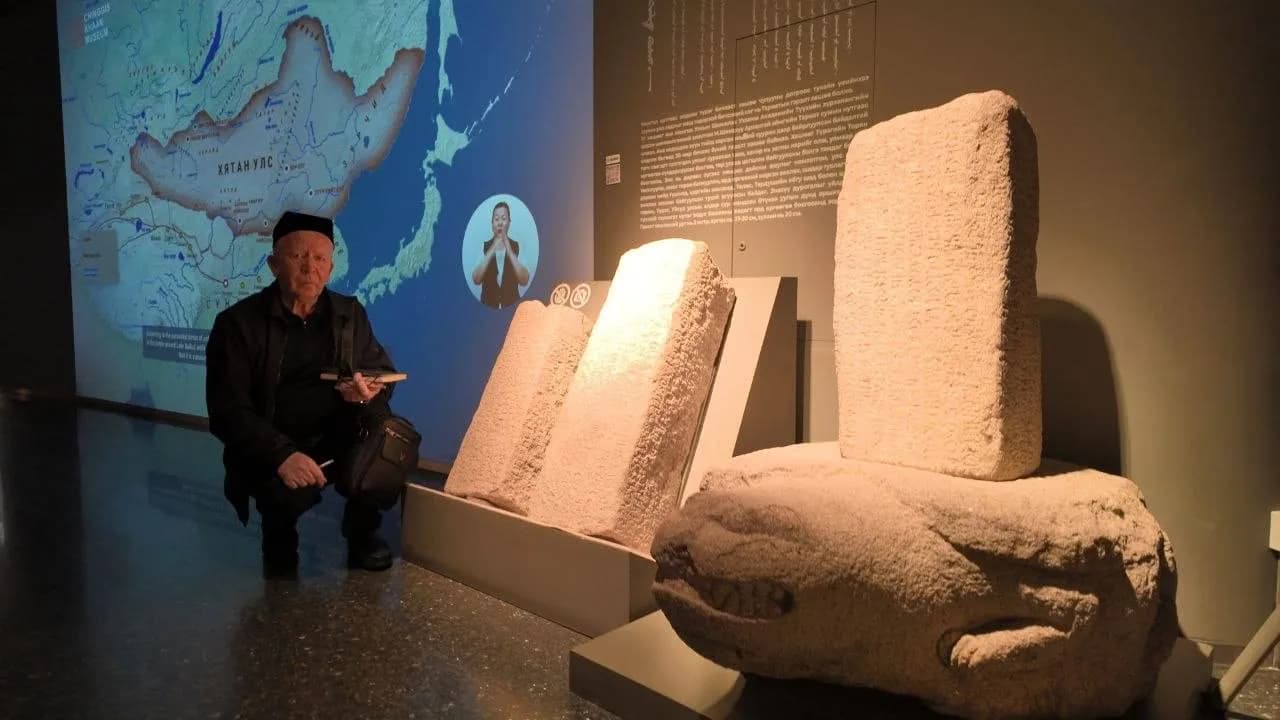
Scholars from Tashkent State University of Oriental Studies continue their research in Mongolia. At the Genghis Khan Museum, they study Turkic-Mongol shared history, ancient inscriptions, and new archaeological findings, aiming to reveal the common cultural heritage of Central Asia.
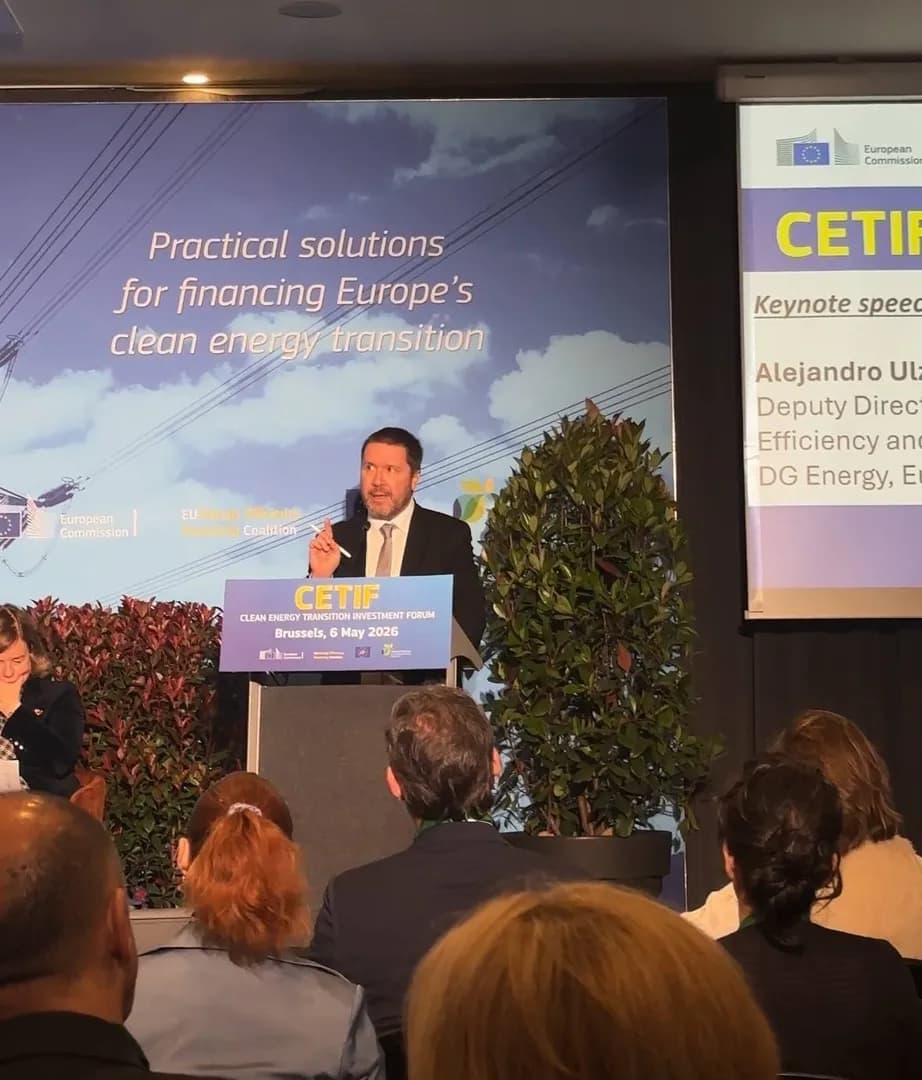
The brought together policymakers, financial institutions, municipalities, businesses, and energy stakeholders in Brussels on 6 May 2026 to advance practical solutions for financing Europe’s clean energy transition. Hosted at the Radisson Collection Hotel in Brussels, the forum focused on scalable investment models, public-private cooperation, and the implementation of sustainable energy projects across the European Union.
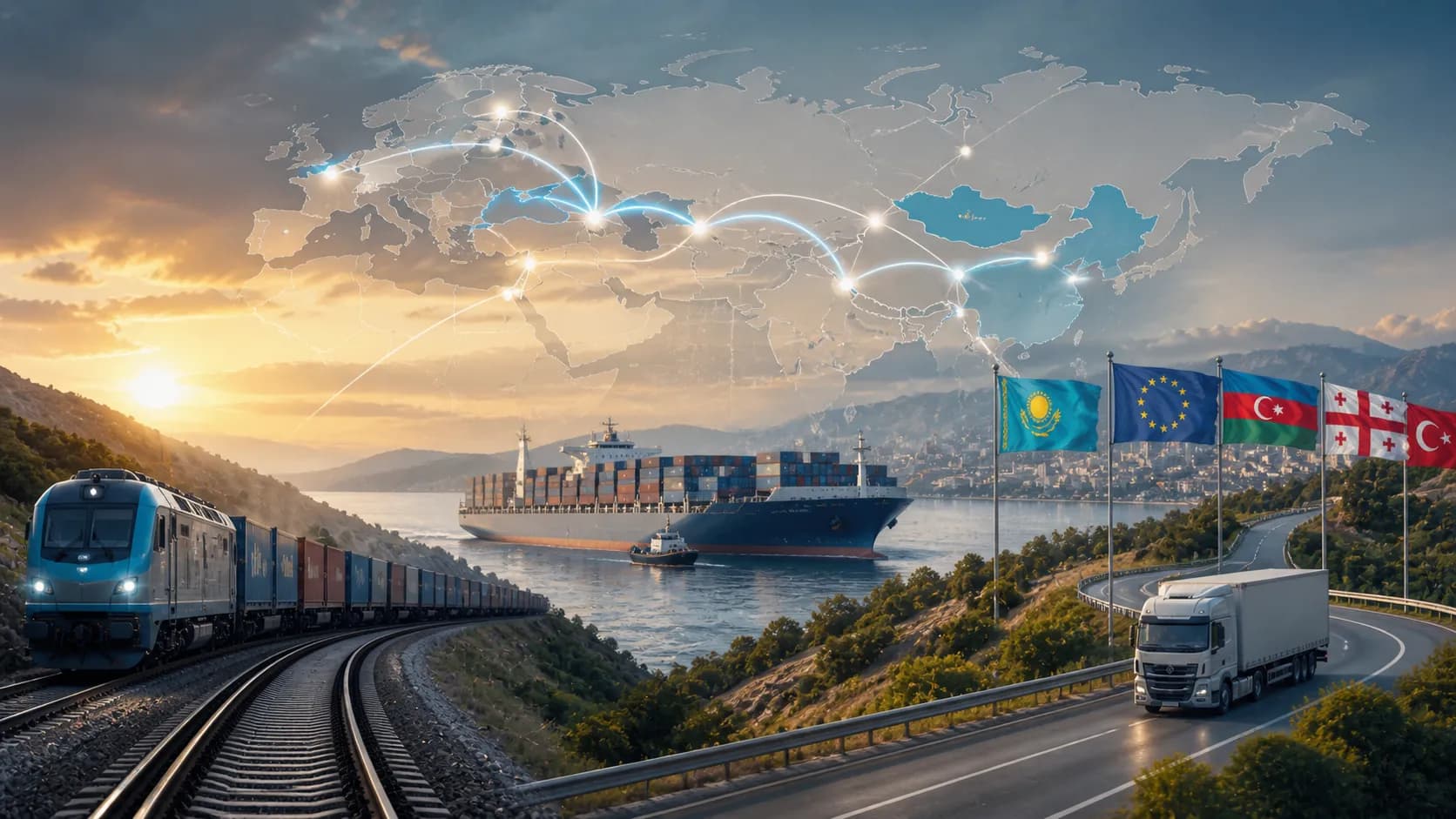
A high-level meeting in Brussels focused on the sustainability of the Middle Corridor, highlighting infrastructure, connectivity, and green logistics. The Trans-Caspian route is a key EU–Central Asia alternative, but capacity limits and border bottlenecks remain.
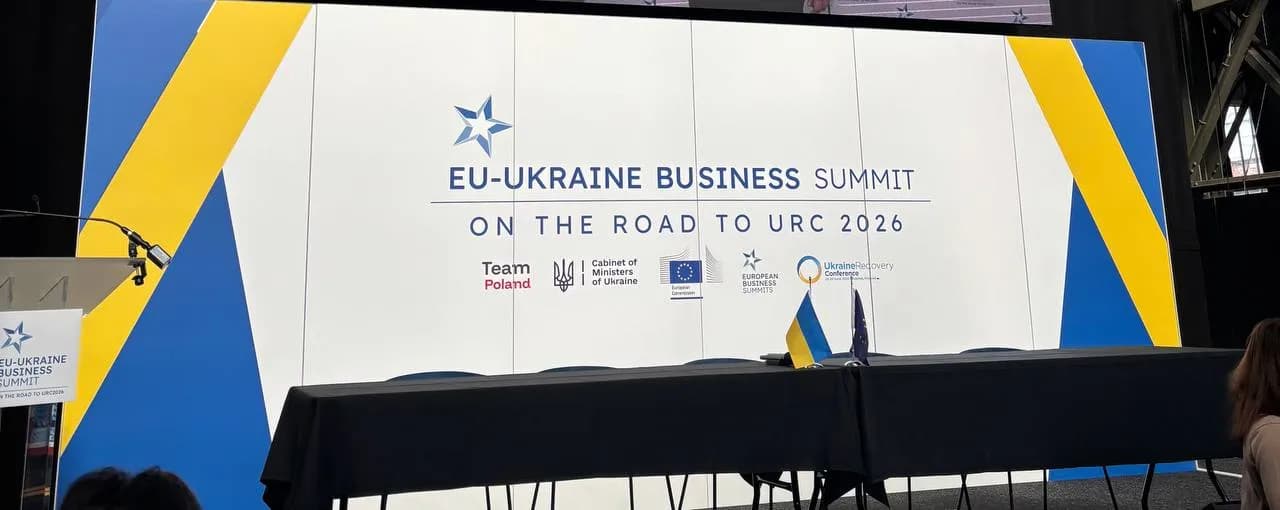
In a landmark move toward deeper economic and military integration of Ukraine into the European Union, the EU-Ukraine Business Summit held in Brussels on April 22-23 yielded over €1 billion in immediate deals and paved the way for a massive €90 billion loan package.
The two-day event, co-organized by the European Commission and the governments of Ukraine and Poland, brought together more than 1,000 business leaders, policymakers, and investors. The summit served as a critical precursor to the 2026 Ukraine Recovery Conference, focusing on shifting the recovery narrative from humanitarian aid to strategic industrial partnership.
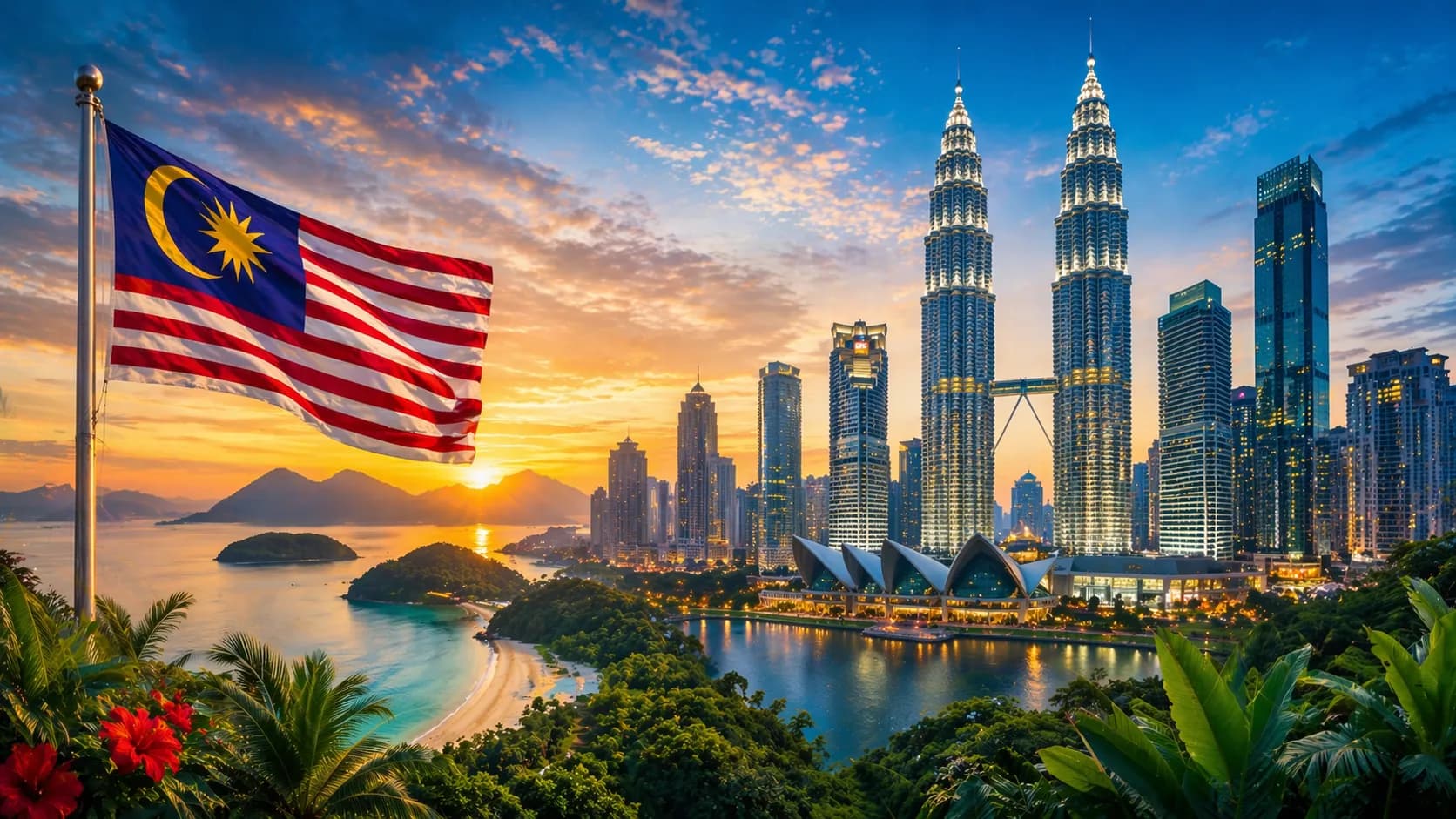
At an event in Brussels on April 23, Malaysia introduced its 2026 tourism vision. With strong revenues, political stability, multicultural harmony, rich cuisine, and over 300 annual events, the country aims to become one of the world’s leading safe and attractive travel destinations.
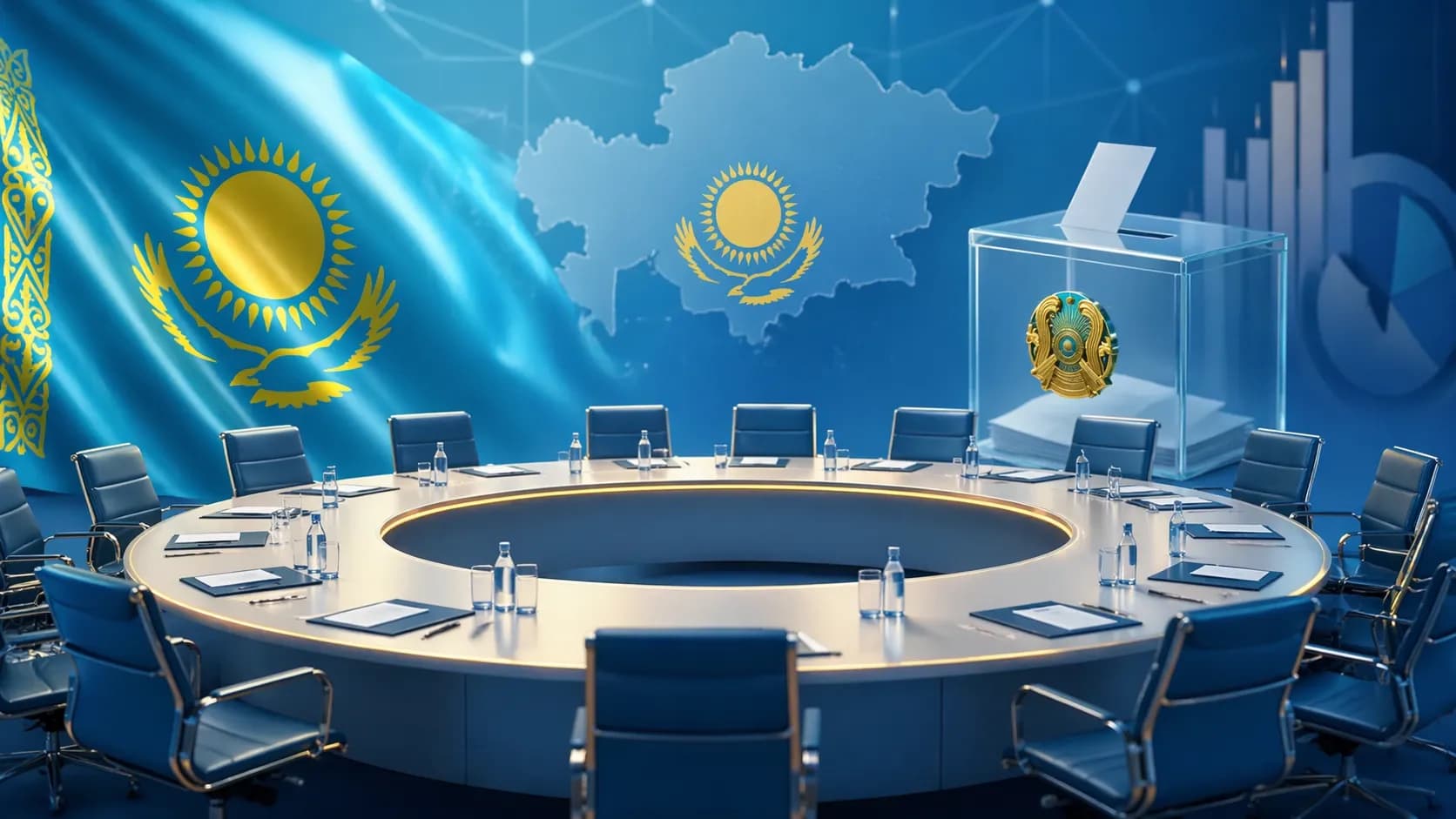
On Monday April 20th, a roundtable was held in Press Club Shuman in Brussels in regards to the results of the Constitutional Referendum who was held in Kazakhstan the last 15th of March.
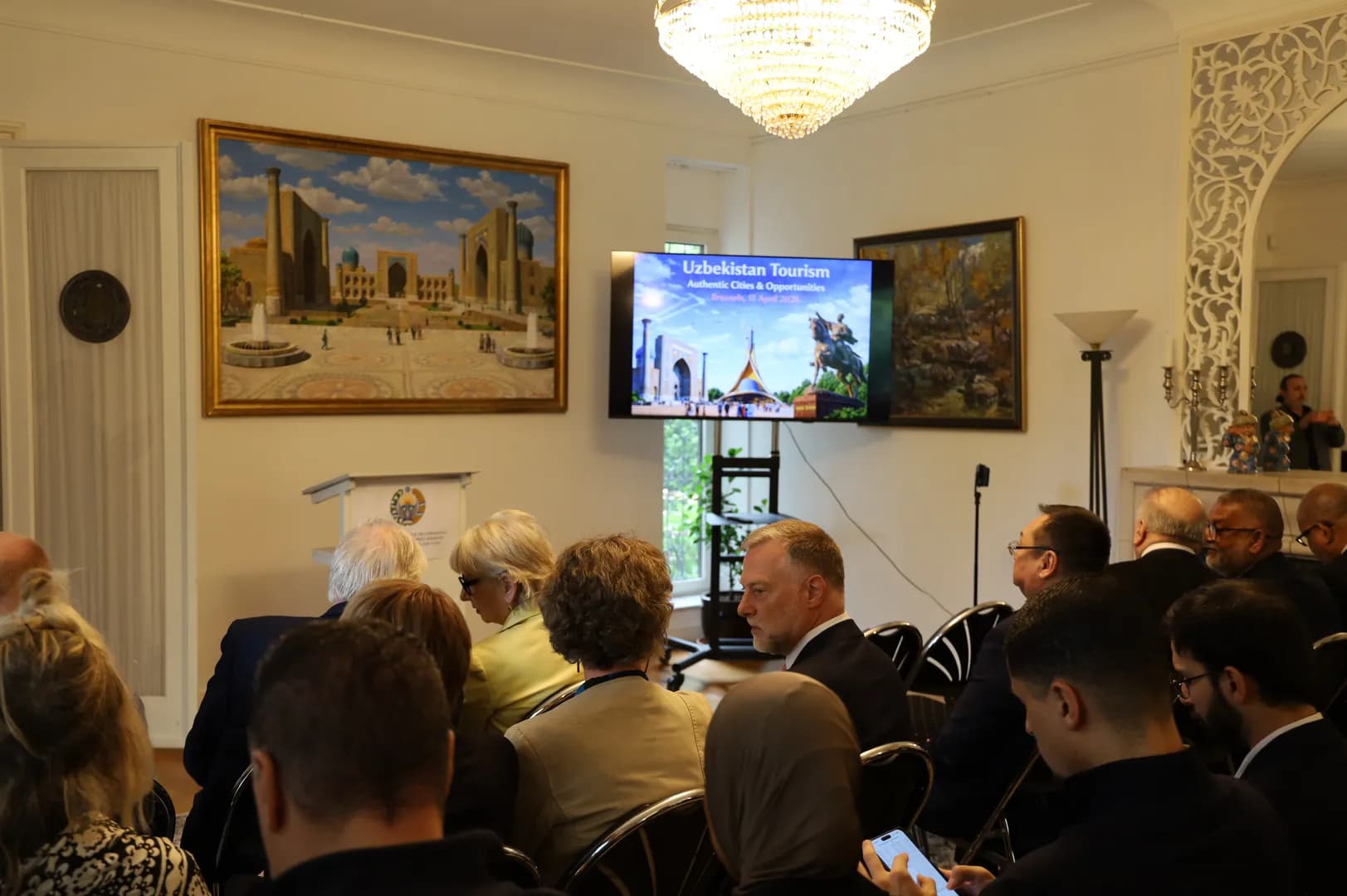
Just three days ago, on April 17, 2026, the Embassy of Uzbekistan opened its doors for a strategic briefing titled "Uzbekistan Tourism: Authentic Cities and Global Investment Opportunities." The event provided a vivid window into a nation rapidly positioning itself as the crown jewel of Central Asian travel. The atmosphere at the Embassy was defined by refined hospitality, providing a fitting backdrop for a country legendary for its warmth, and a look at the key takeaways from an afternoon spent exploring the future of the Silk Road.
As geopolitical earthquakes continue to destabilize traditional maritime and northern trade routes, a centuries-old logic is re-emerging with 21st-century precision. The Middle Corridor—formally the Trans-Caspian International Transport Route (TITR) - has officially moved from a diplomatic talking point to a critical artery for global value chains.
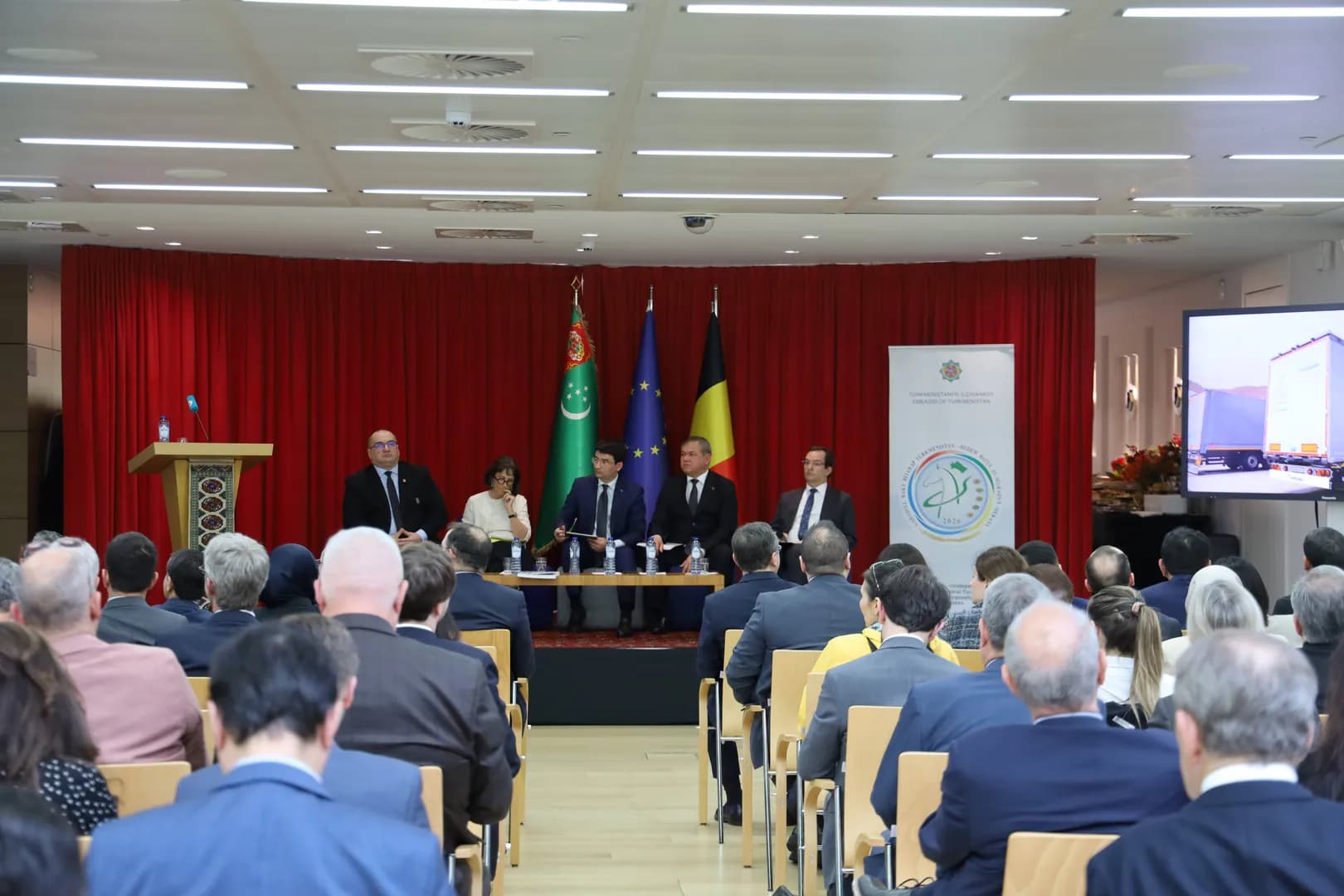
Gathered in Brussels on Friday, April 17, for a high-level briefing on Turkmenistan’s growing role as a reliable transit and logistics hub, diplomats and trade experts from across the corridor sent a definitive message: the map of global trade is being redrawn. Featuring representatives from the European Union, Turkmenistan, and the South Caucasus, the seminar underscored a fundamental shift in the region's identity. Central Asia is no longer a "land-locked" periphery; it has become a "land-linked" core.
Written by Horina Olha and Melnyk Dmytro.
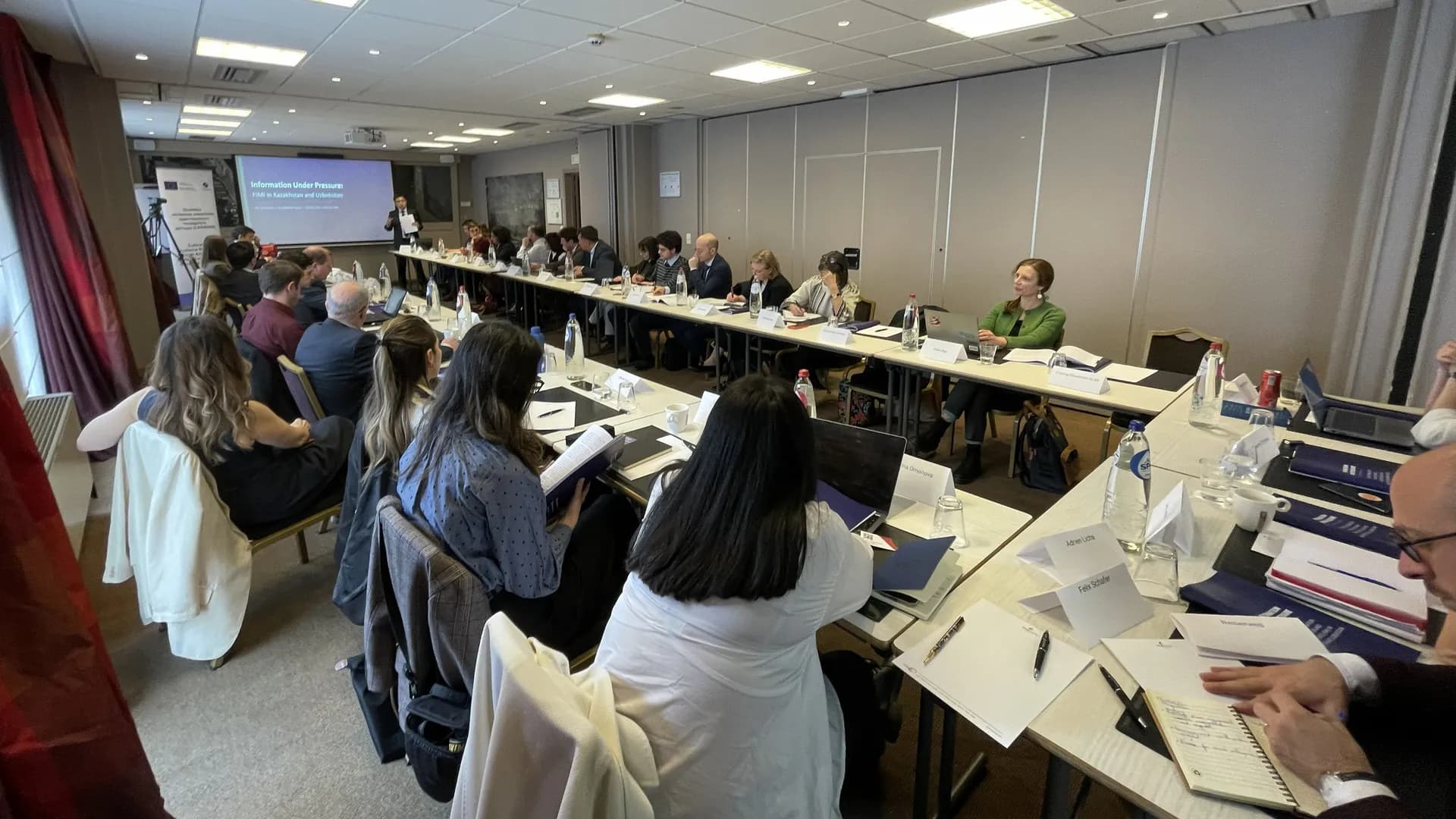
On Monday April 13th, informational experts organized an event in Brussels titled: “Information Integrity in Central Asia: New Research Findings on Foreign Information Manipulation and Interference”.
Organized by the European Neighbourhood Council (ENC) and implemented by Internews in Central Asia, the event was part of the European Union-funded “Cultivating Audience Resilience through Amplification of Vibrant and Authentic Narratives (CARAVAN)” project.
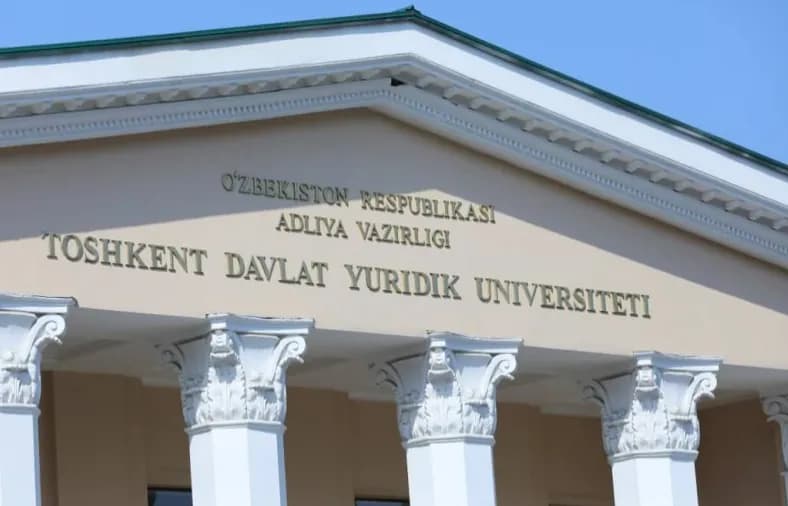
TSUL entered the THE Interdisciplinary Science Rankings 2026 as a Reporter, marking a major step in its global rise. The recognition highlights reforms, stronger research capacity, and growing international partnerships, boosting Uzbekistan’s academic visibility worldwide.