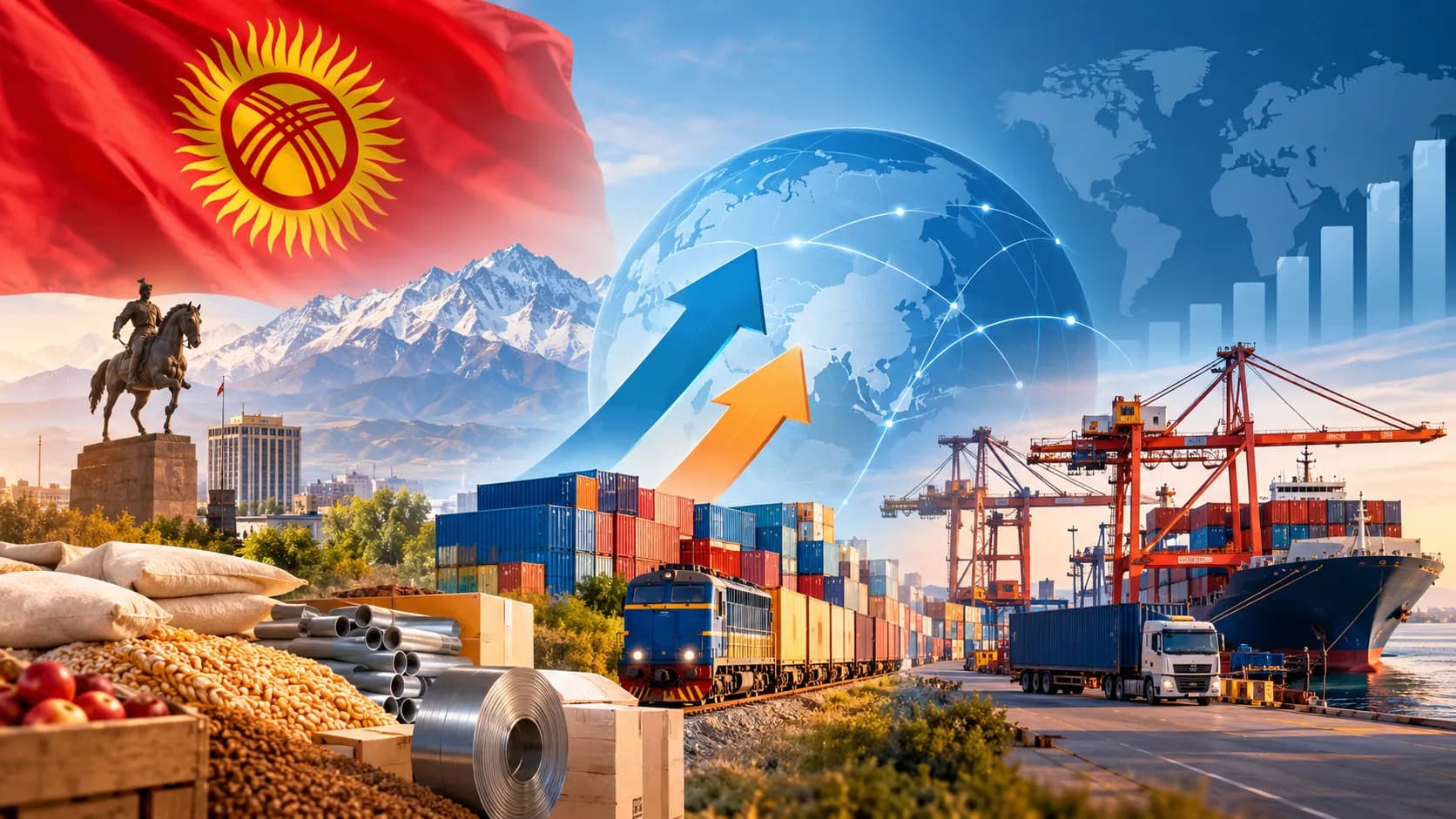
Imports grew 8.7% while exports managed only 2.7%, leaving Kyrgyzstan reliant on outside markets for consumer goods, industrial materials and equipment. The $10bn total masks a widening trade deficit that must be financed.
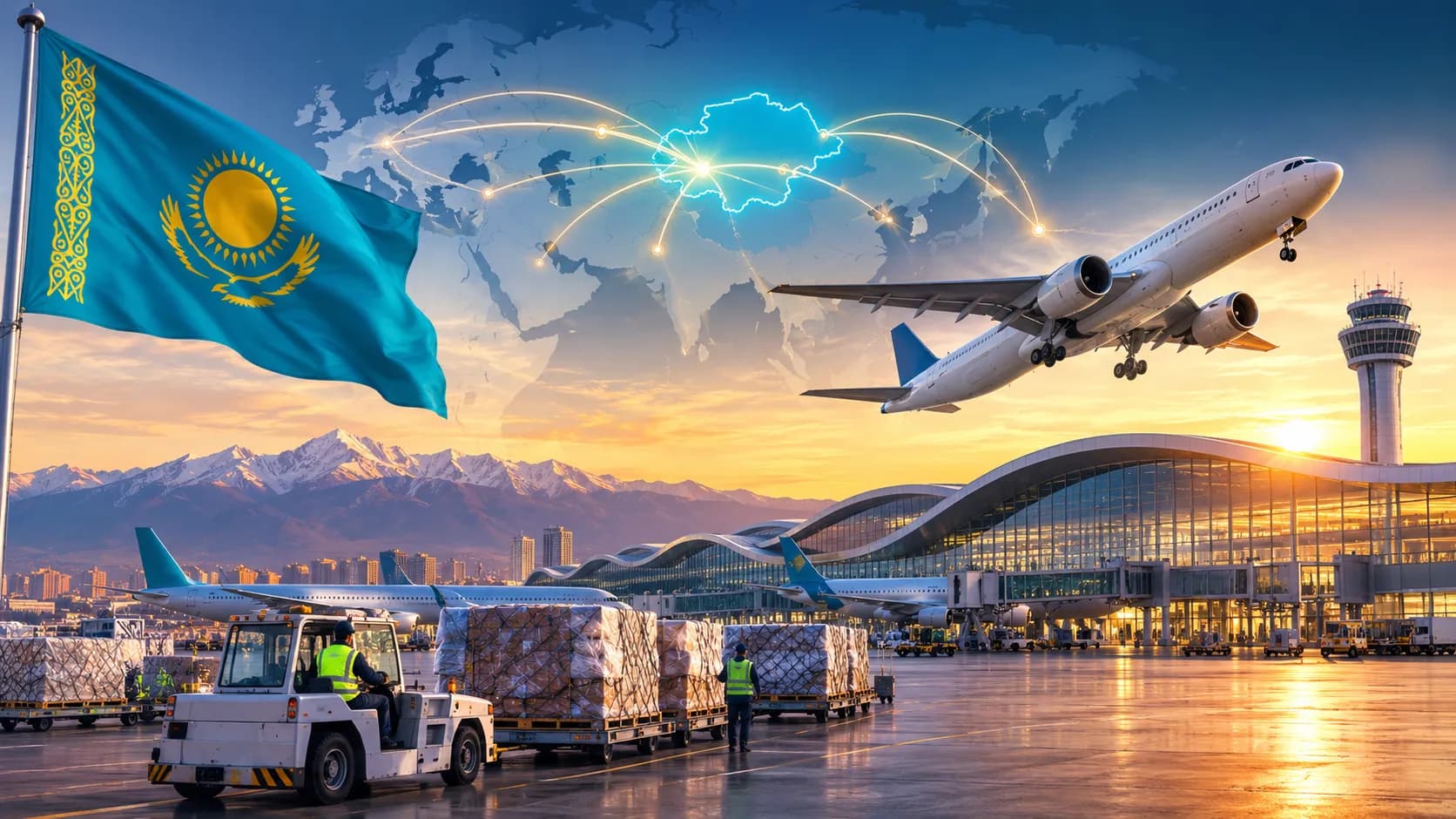
New terminals in Almaty, Kyzylorda, and Shymkent have boosted combined annual capacity from 3.5 million to 23 million passengers, while three airports are under construction in tourist areas.
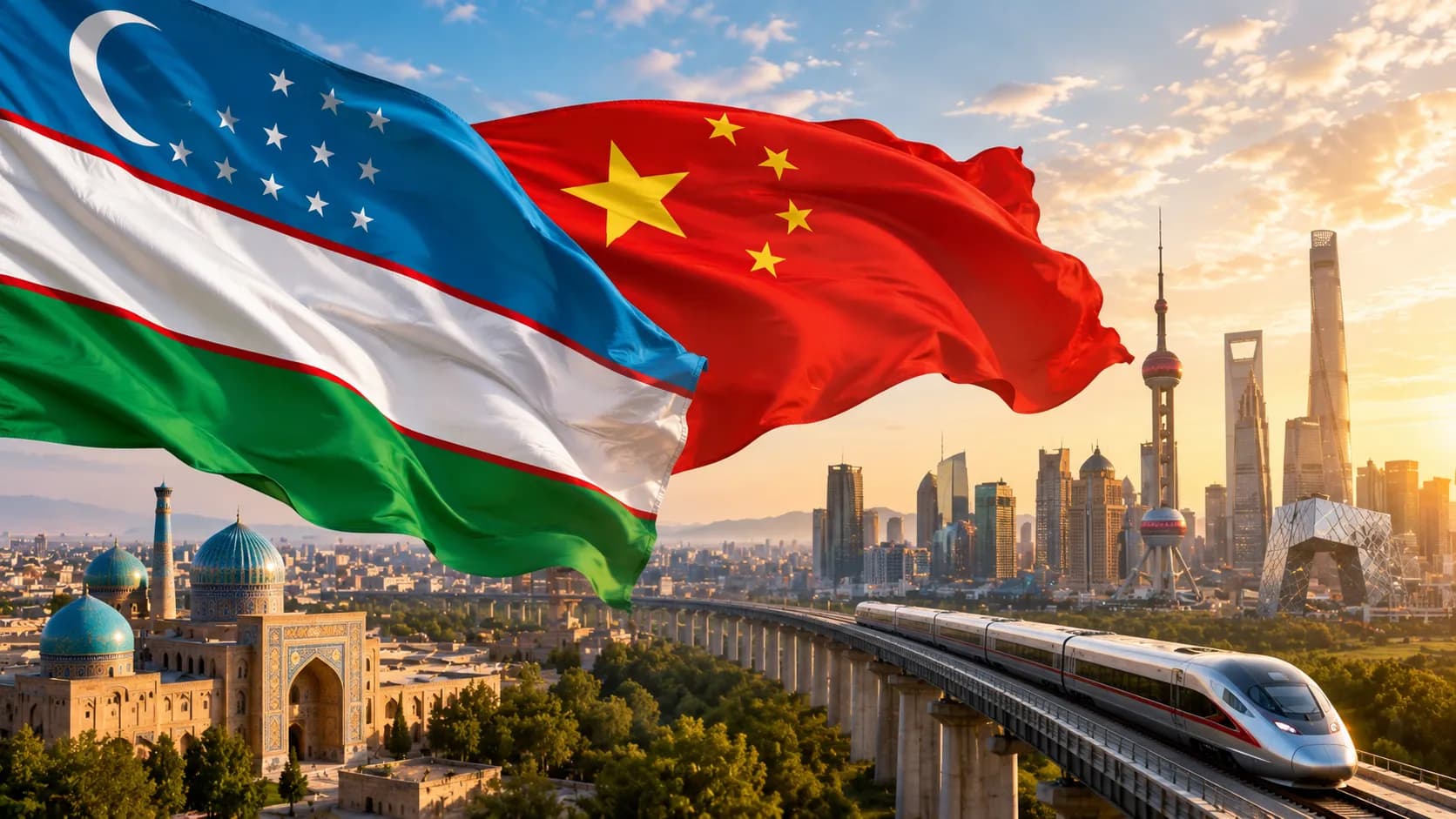
Since 1991, bilateral trade has expanded dramatically, with China now Uzbekistan's largest trading partner and a key investor in infrastructure and industrial projects.
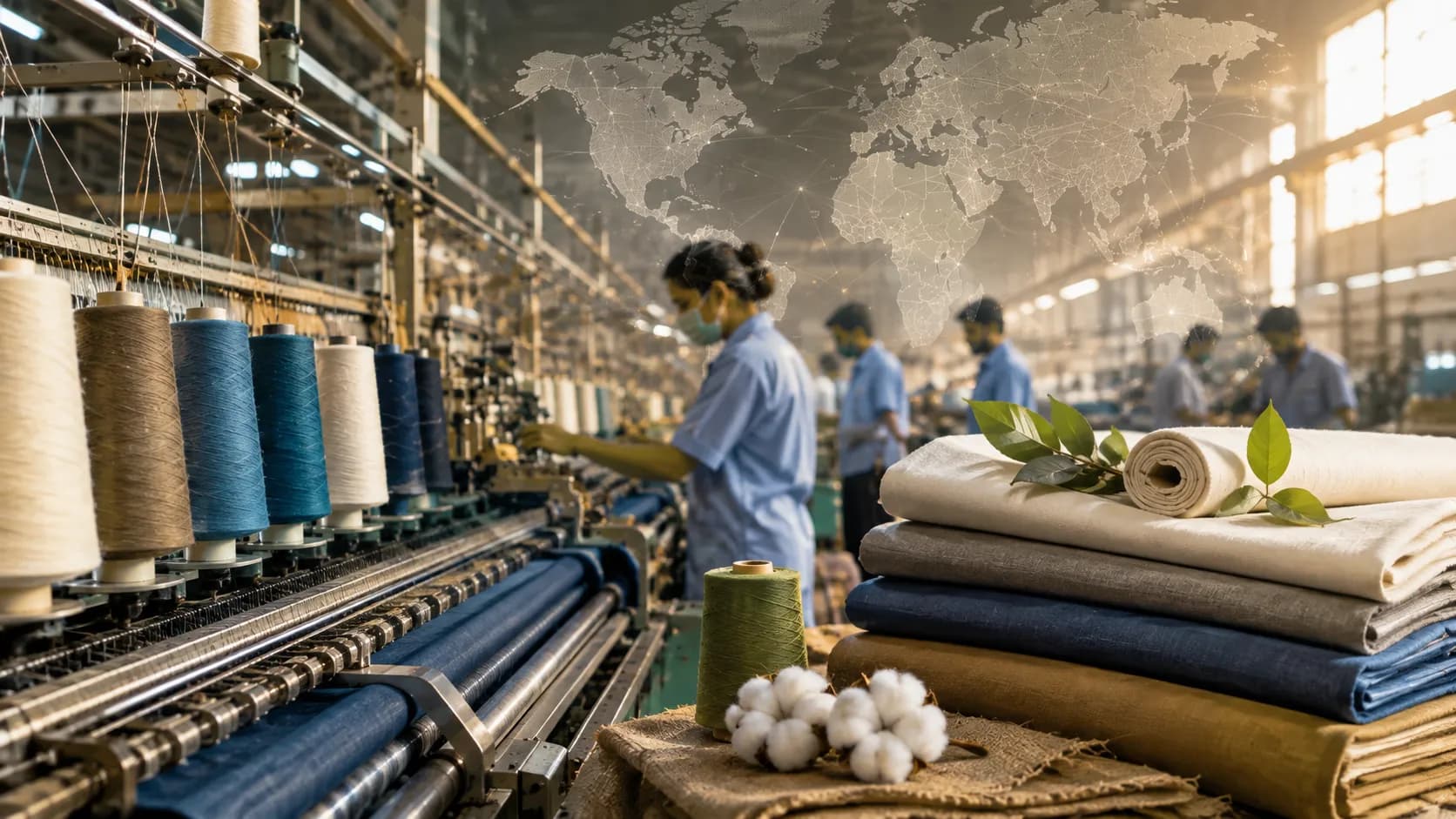
With 33% of international buyers planning to increase sourcing from Pakistan, compliance with labour and environmental standards is becoming a key competitive factor for the country's textile industry.
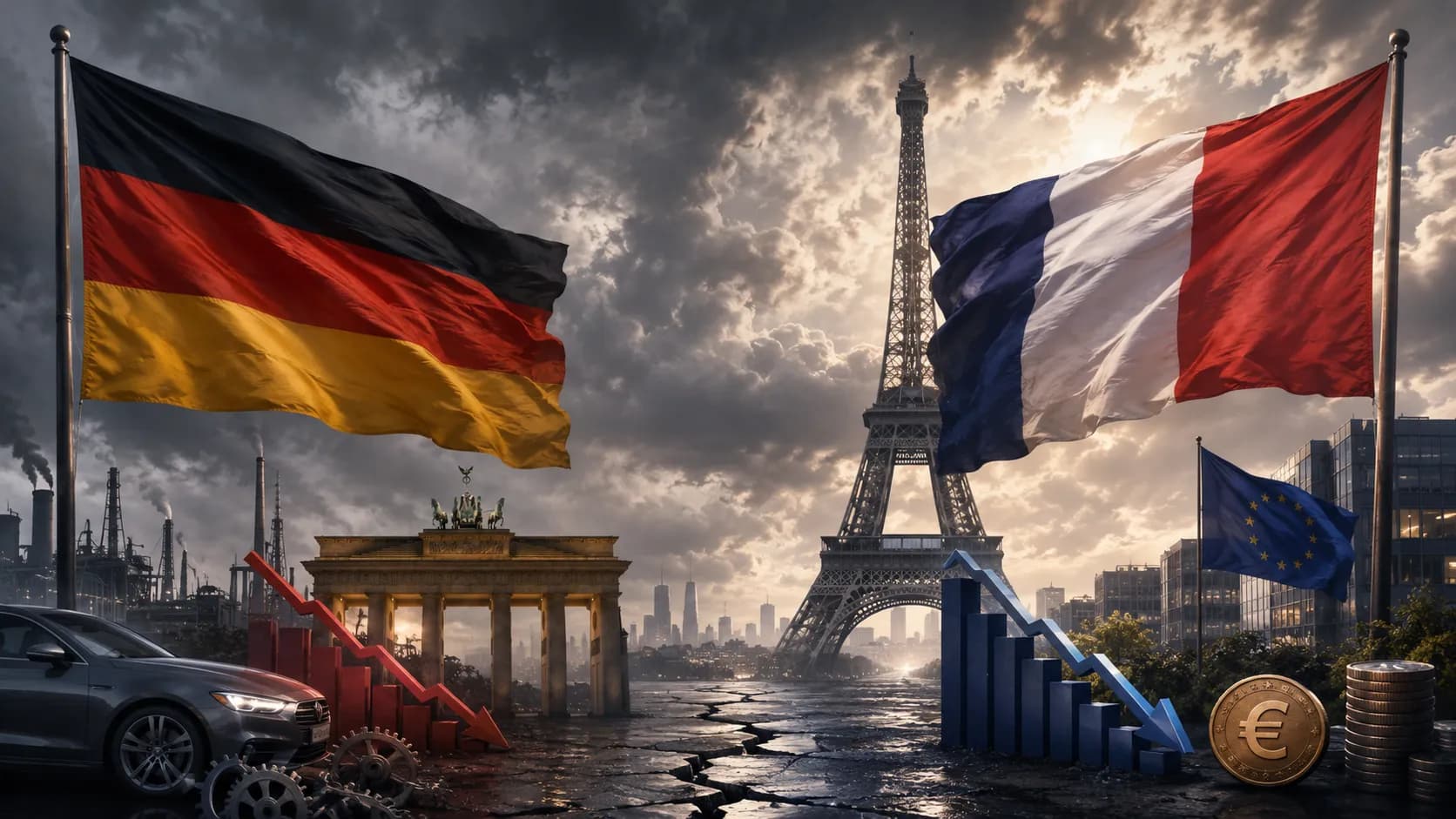
Germany and France, the EU's twin engines, are locked in intensifying rivalry over investment appeal, industrial jobs, and political vision. Foreign investment is declining, layoffs continue in autos and banking, and disputes over Ukraine and MERCOSUR are deepening the rift between Berlin and Paris.
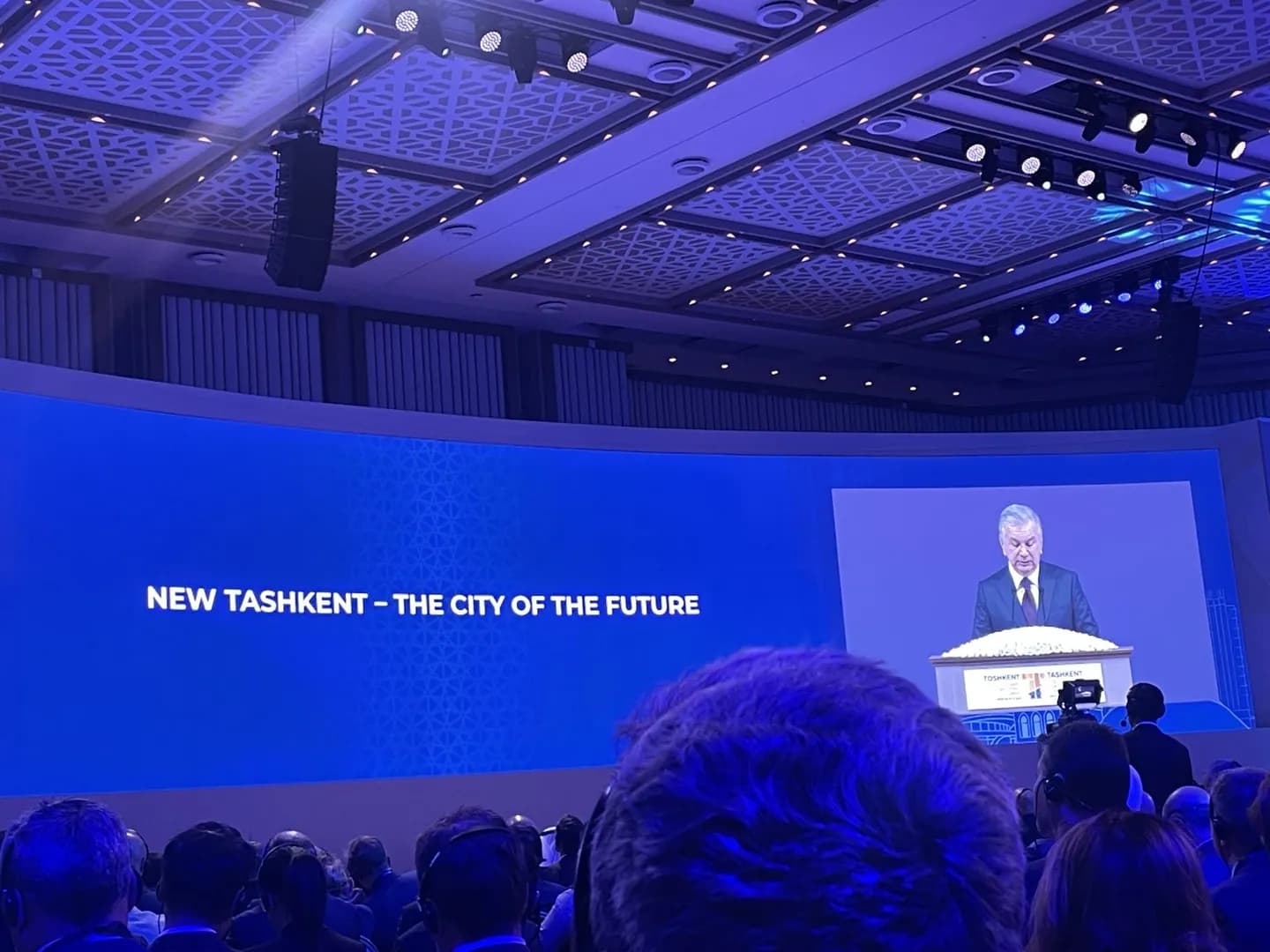
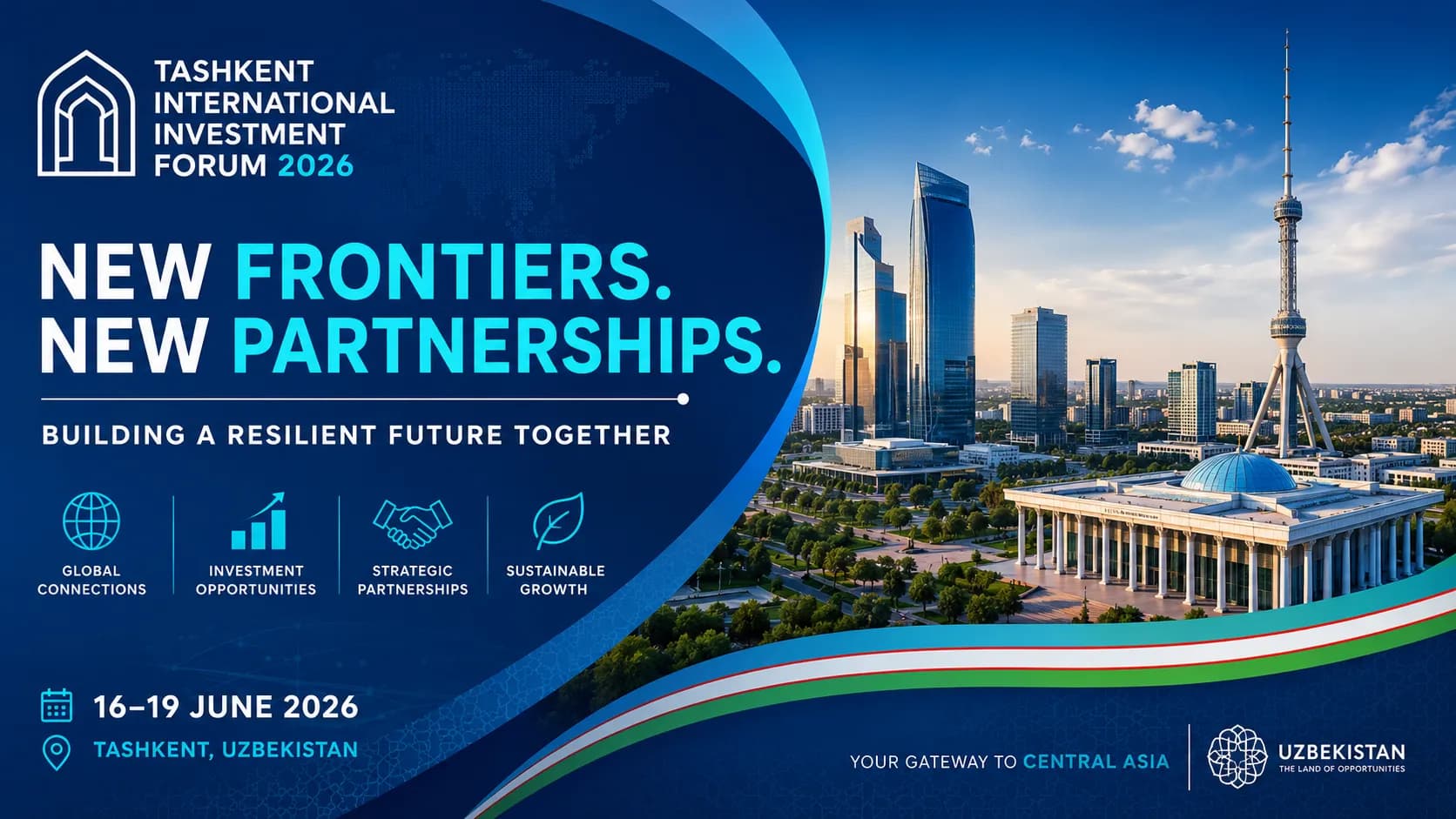
From June 16th to 19th, the capital will host the 5th Tashkent International Investment Forum, the country's primary investment platform and one of the region's largest business forums.
Tashkent International Investment Forum 2026 will bring together global investors, governments, and financial institutions in Uzbekistan’s capital. The event highlights the country’s rapid economic reforms, strategic location, and ambition to become Central Asia’s leading investment hub.
Espressoday is a rapidly growing coffee chain in Kazakhstan with 95+ locations, aiming for global expansion through a strong franchise model and operational infrastructure. It offers a scalable, technology-driven, and training-focused system with a goal of 1,000 branches in 10 years.
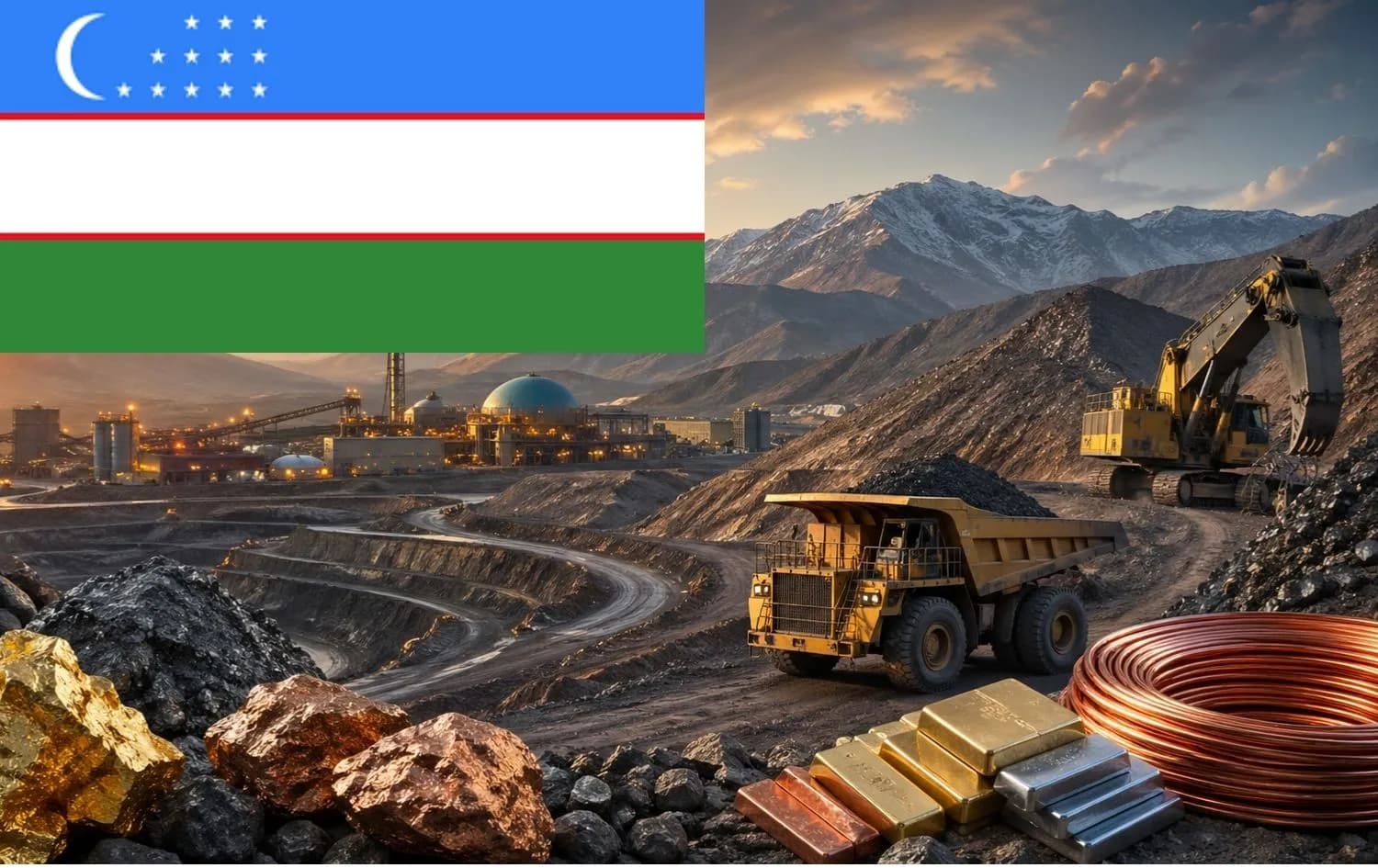
Uzbekistan is transforming into a major mining hub with vast gold, copper, and rare metal reserves. Through Almalyk Complex and modernization programs, it is shifting from raw material exporter to industrial producer with growing global strategic importance.
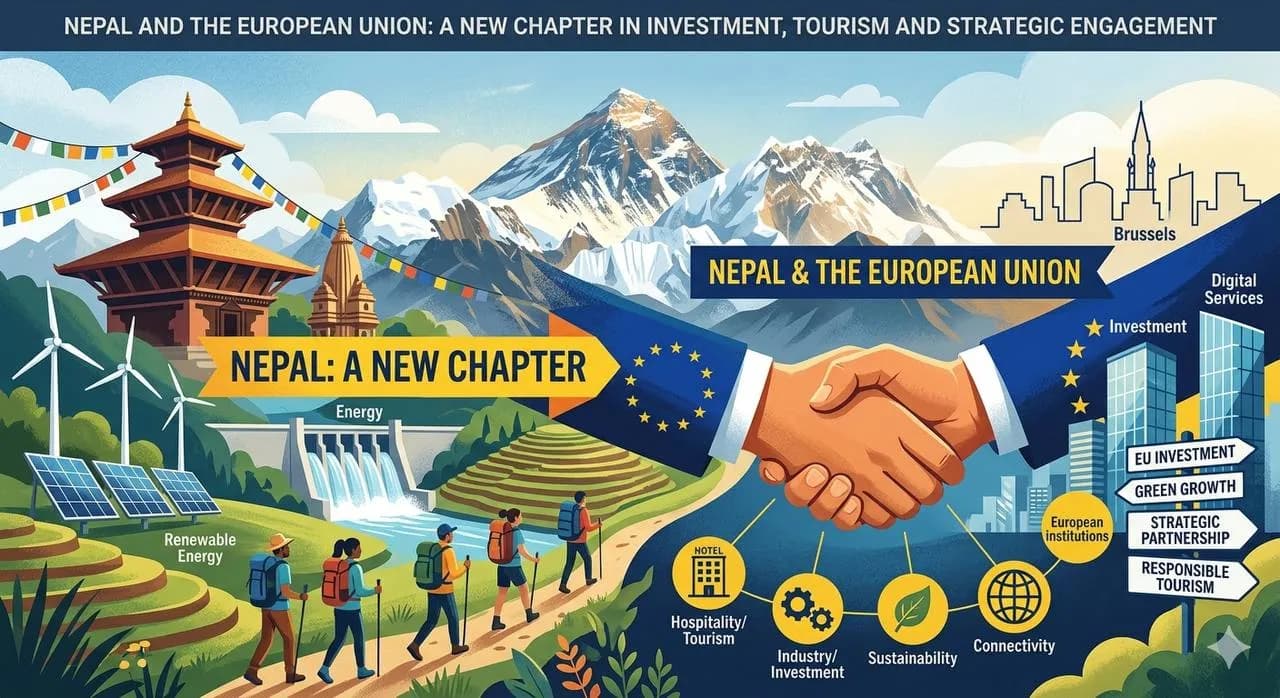
For decades, Nepal has been known in Europe primarily through the image of the Himalayas, Mount Everest, spiritual heritage, cultural depth and adventure tourism. Today, however, Nepal’s importance to the European Union goes far beyond tourism. Located between India and China, Nepal occupies a strategic position in South Asia and holds strong potential in renewable energy, hydropower, sustainable tourism, agriculture, digital services and climate-resilient development.
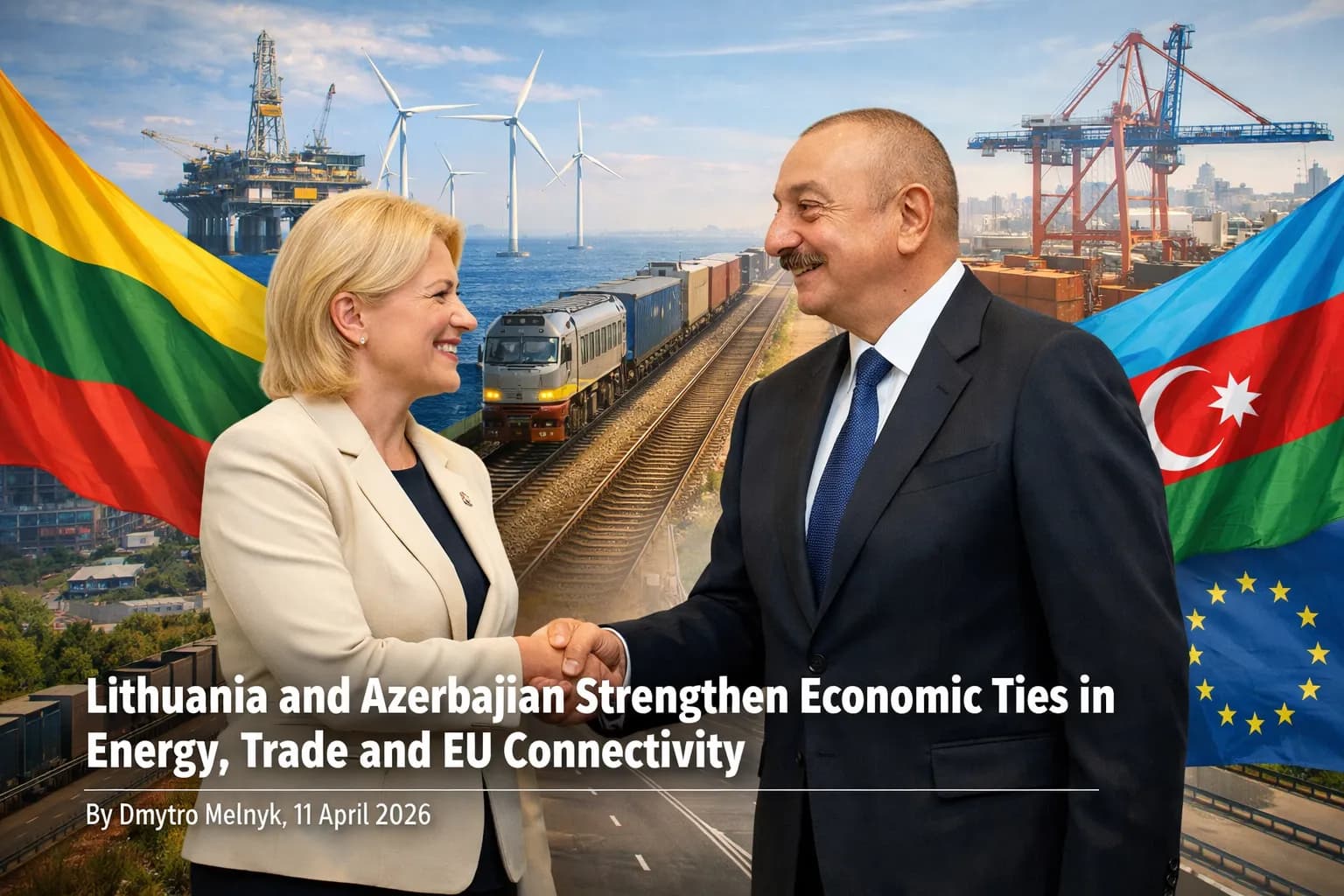
By Dmytro Melnyk, 11 April 2026
Lithuania and Azerbaijan are advancing their business relationship with emphasis on
energy cooperation, trade growth and improved EU transport links. These efforts reflect
both nations' interest in new economic prospects amid evolving geopolitics
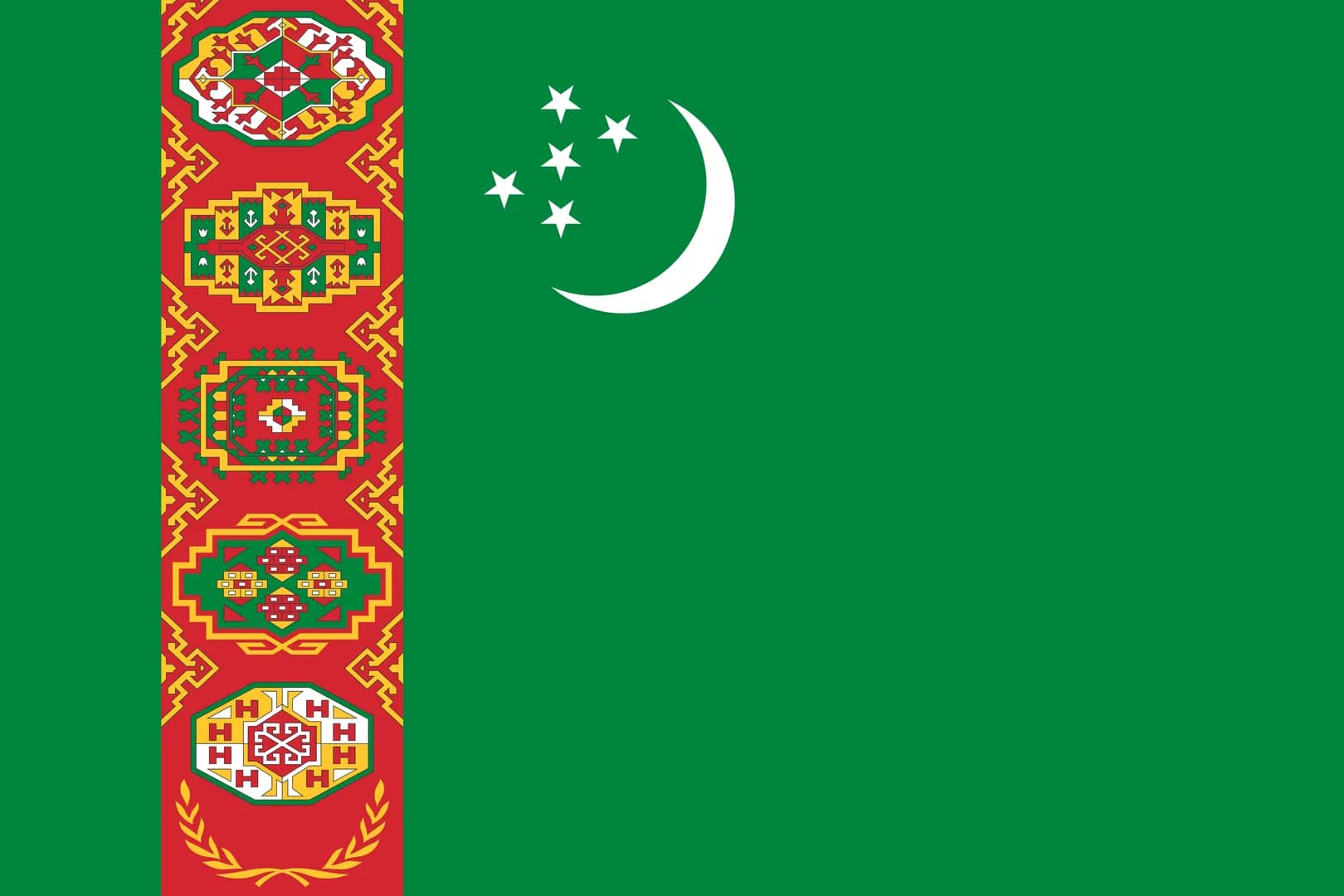
Turkmenistan, rich in natural gas and cultural assets like the Akhal-Teke horse, is gradually opening its state-led economy to foreign investors. While energy and niche exports offer opportunities, dual exchange rates, internet restrictions, and limited legal independence pose significant investment risks.
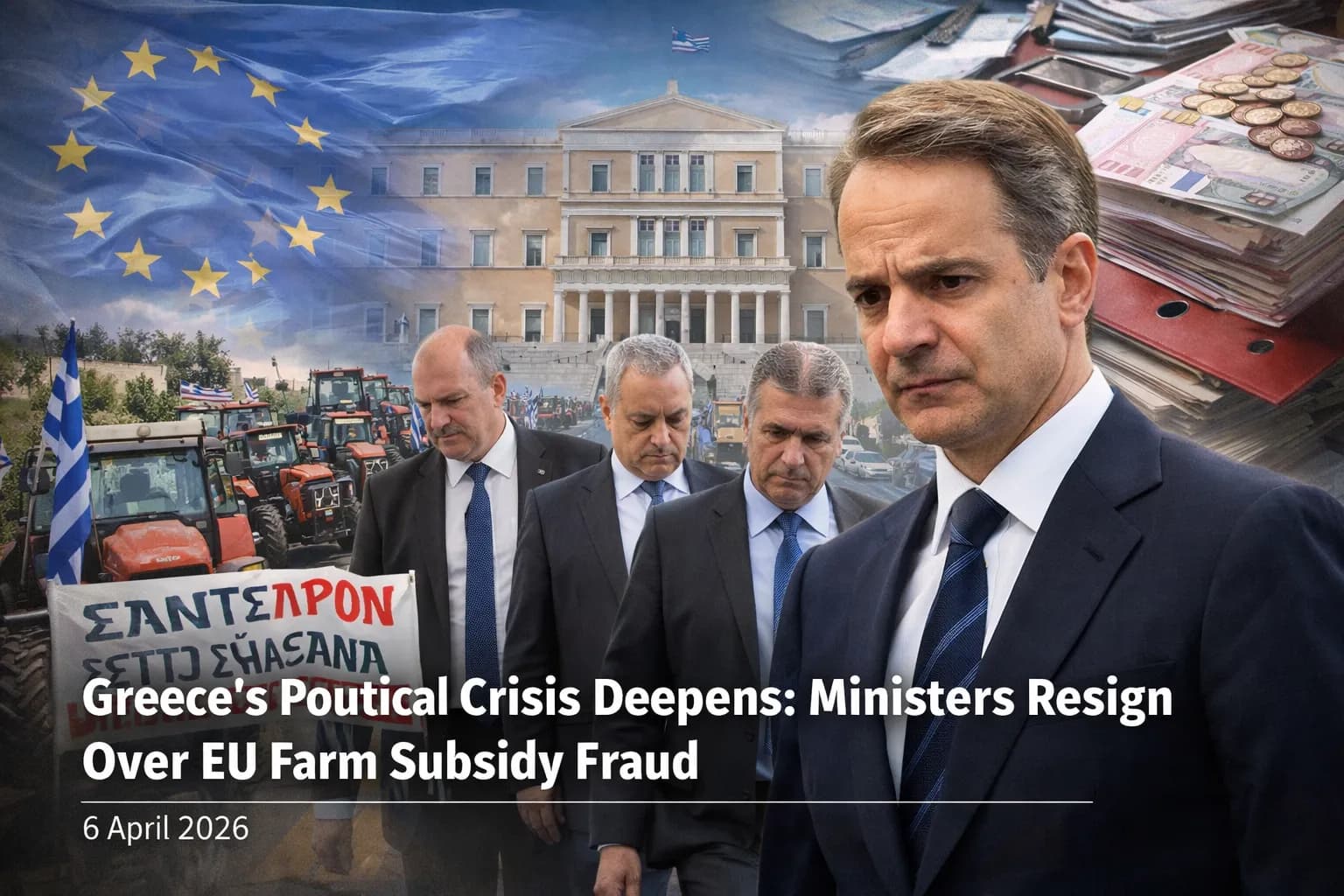
6 April 2026
Greece faces one of its most serious political scandals in years after three senior
ministers resigned on April 3, 2026, amid a widening European Union investigation into
agricultural subsidy fraud. Prime Minister Kyriakos Mitsotakis responded immediately
with a cabinet reshuffle, appointing high profile replacements in a bid to contain the
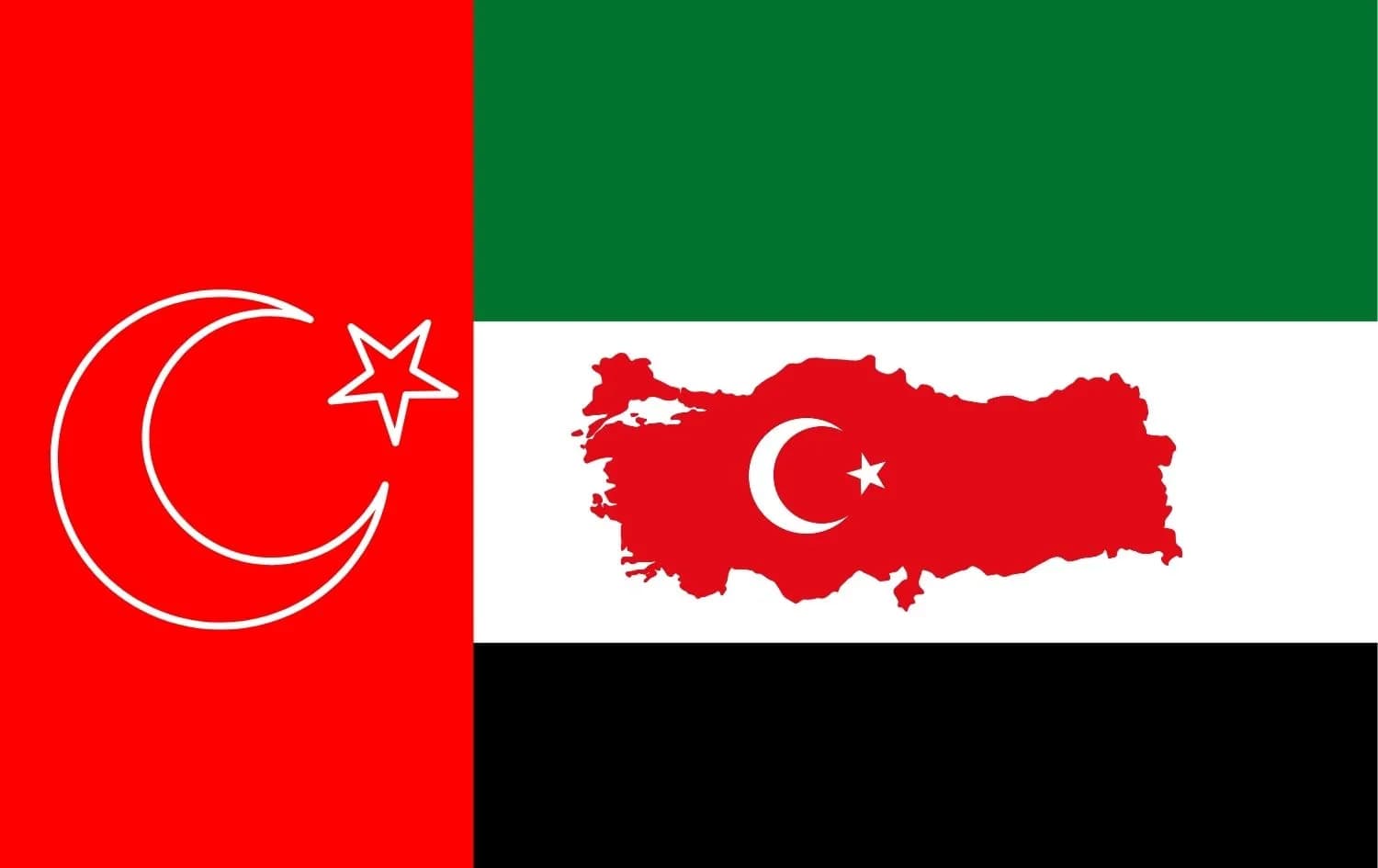
Relations between the UAE and Turkey are entering a new phase of cooperation. Combining Turkey’s industrial capacity with the UAE’s investment power could boost trade, infrastructure development, technology collaboration, and cultural exchange, strengthening economic growth and regional stability.
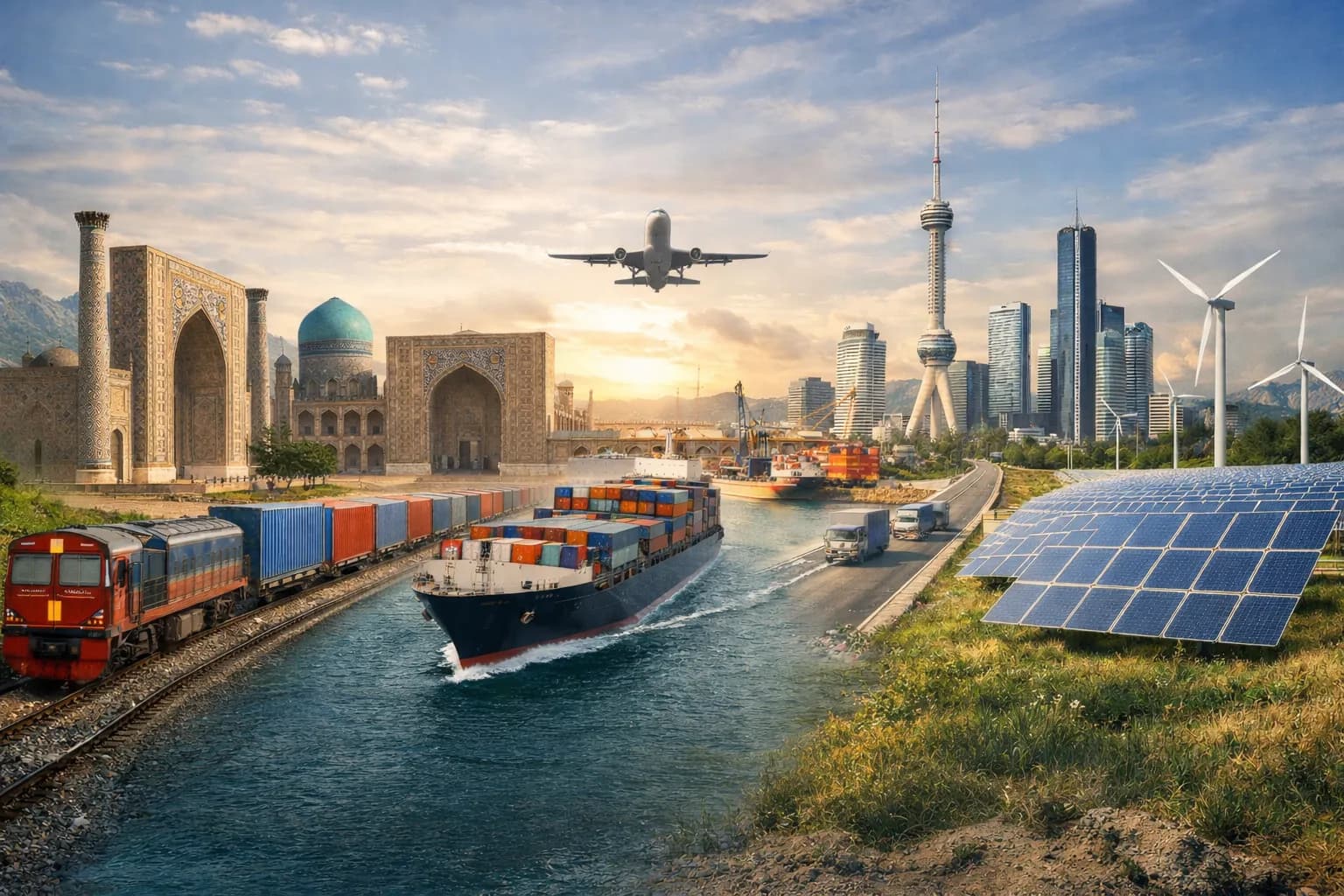
Uzbekistan is transforming its “double landlocked” disadvantage into an advantage through multi-directional logistics corridors, green energy, digitalization, and investor-friendly reforms. Its 2030 vision aims to position the country as Eurasia’s new trade and investment hub, driven by strong growth, legal security, low costs, and broad regional access.
Kazakhstan is increasingly positioned as a strategic economic hub in Eurasia through a development model centered on fifteen Special Economic Zones. Located at the core of the China–Europe overland trade corridors, the country aims to transform its role from a transit territory into a center of production, investment, and logistics. These Special Economic Zones are thematically designed to support industry, petrochemicals, logistics, technology, tourism, and processing sectors. Among them, the TURAN Special Economic Zone stands out due to its large territorial scale, multi-sectoral structure, and comprehensive incentive framework. Established in the Turkistan Region, TURAN SEZ combines tourism development with manufacturing, food processing, textiles, and logistics. Expanded activity classifications, long-term tax exemptions, and free land allocation have strengthened investor interest. Between 2019 and 2025, the zone attracted significant investment volumes, generated employment, and completed a large number of projects. Overall, current trends indicate that Kazakhstan is emerging as one of the most promising economic actors in the Eurasian region, with Special Economic Zones serving as the backbone of this transformation.
Kazakhstan has emerged as a key hub in Eurasian trade due to its strategic location between China and Europe, advanced logistics infrastructure, broad market access, and investor-friendly policies.
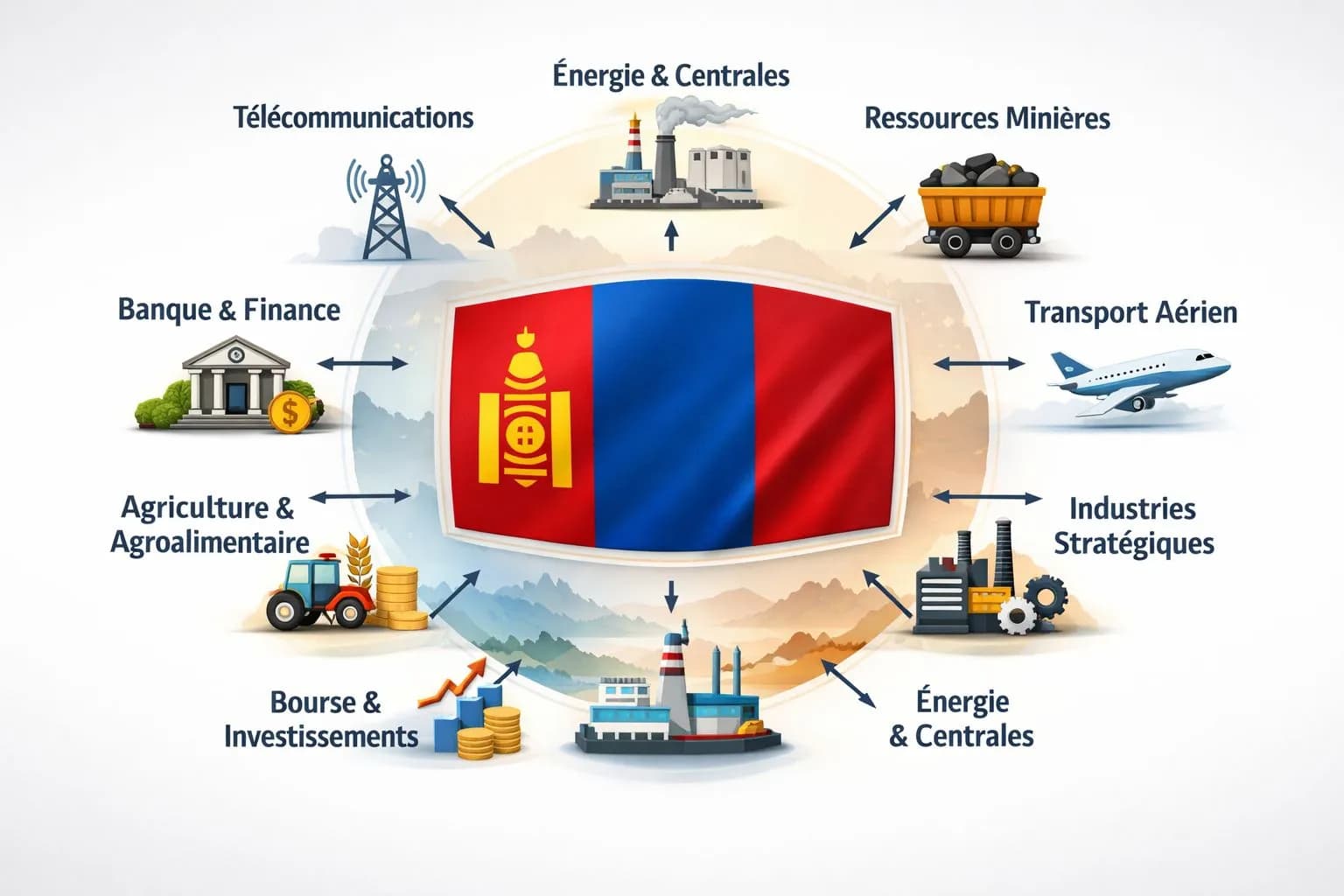
the privatization of 18 state-owned enterprises through the issuance of additional common shares and their public offering or expanded listing on the stock exchange.
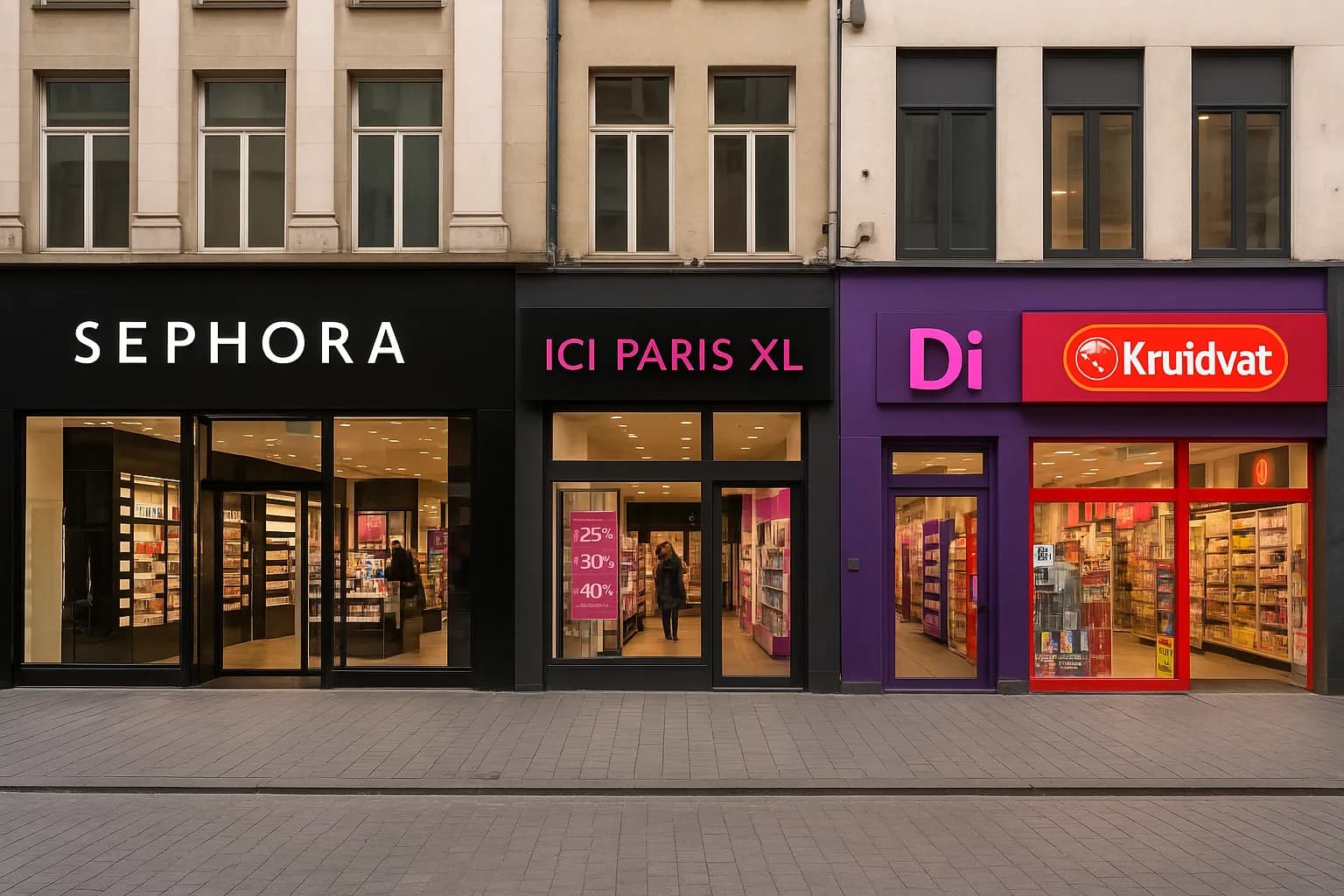
Behind the scenes, whispers spoke of secret negotiations, tacit agreements, even non-aggression pacts with local giants such as ICI Paris XL or Planet Parfum (now April).
But this time, it’s official: Sephora is coming to Belgium.
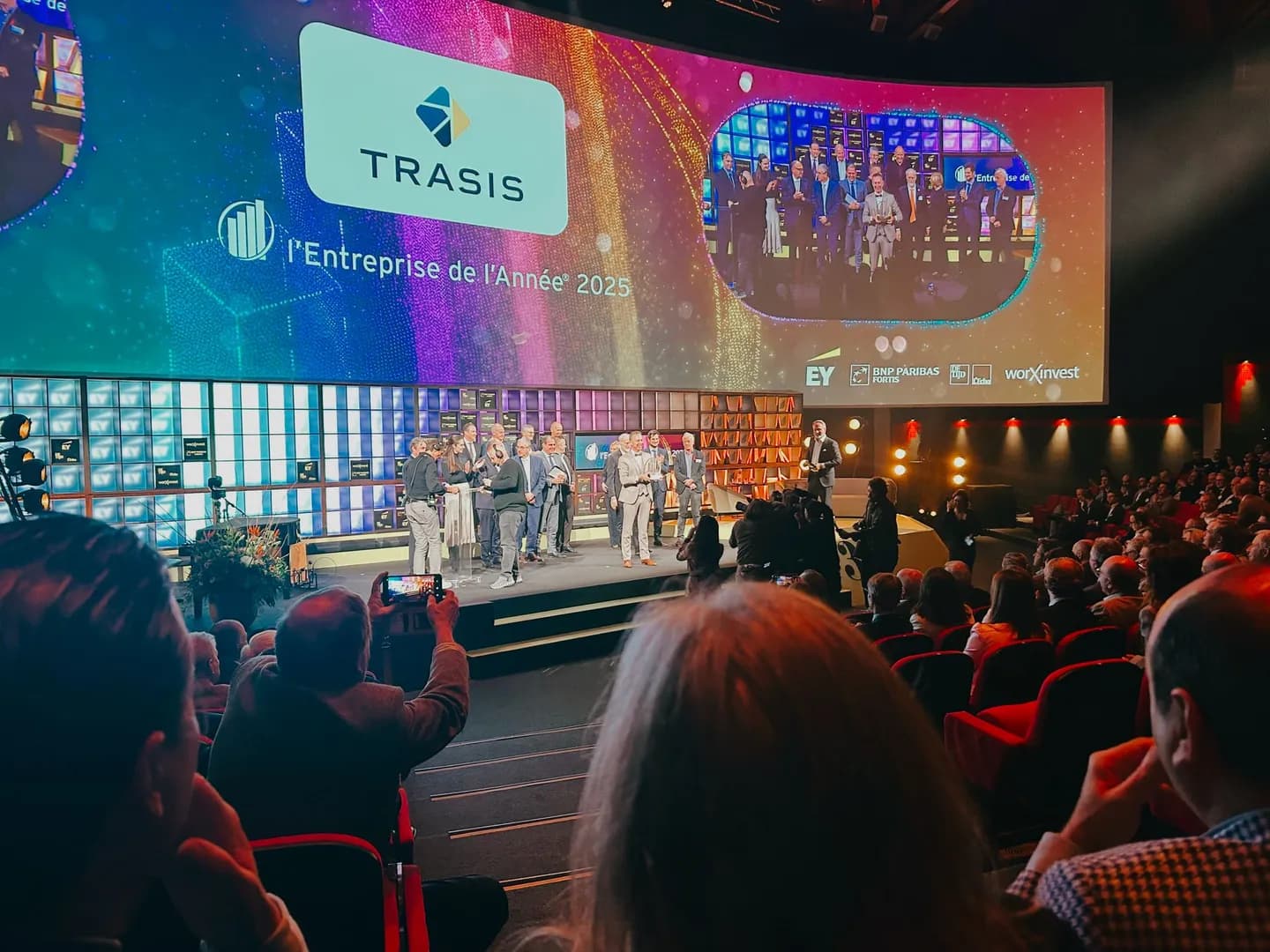
On stage, they celebrate:
7 finalists:
4 for Entreprise de l’Année: Eloy, Louyet, Stanley/Stella, Trasis
3 for Scale-up of the Year: GoVocal, Lizy, Insight
and 30 former winners that have marked the history of the award since its creation.
VIDEO FULL https://youtu.be/z7WtyVC0rLg