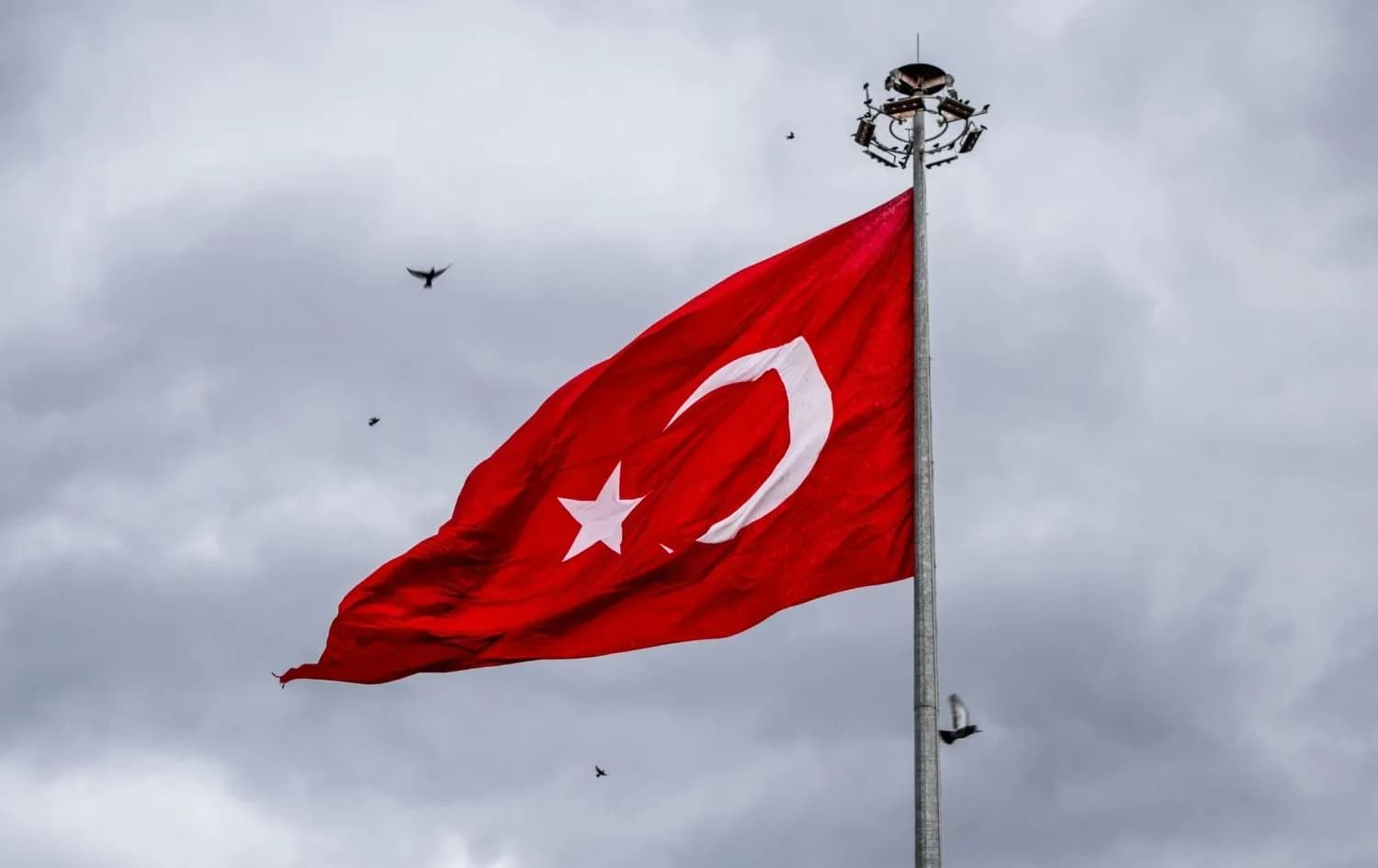
The Turkish flag embodies nation-building by linking Ottoman heritage, Islamic symbolism, and republican ideals. Adopted in 1923, its red field, white crescent, and five-pointed star reinforce national identity, commemorate martyrs, and unify the population under a shared historical and cultural narrative.
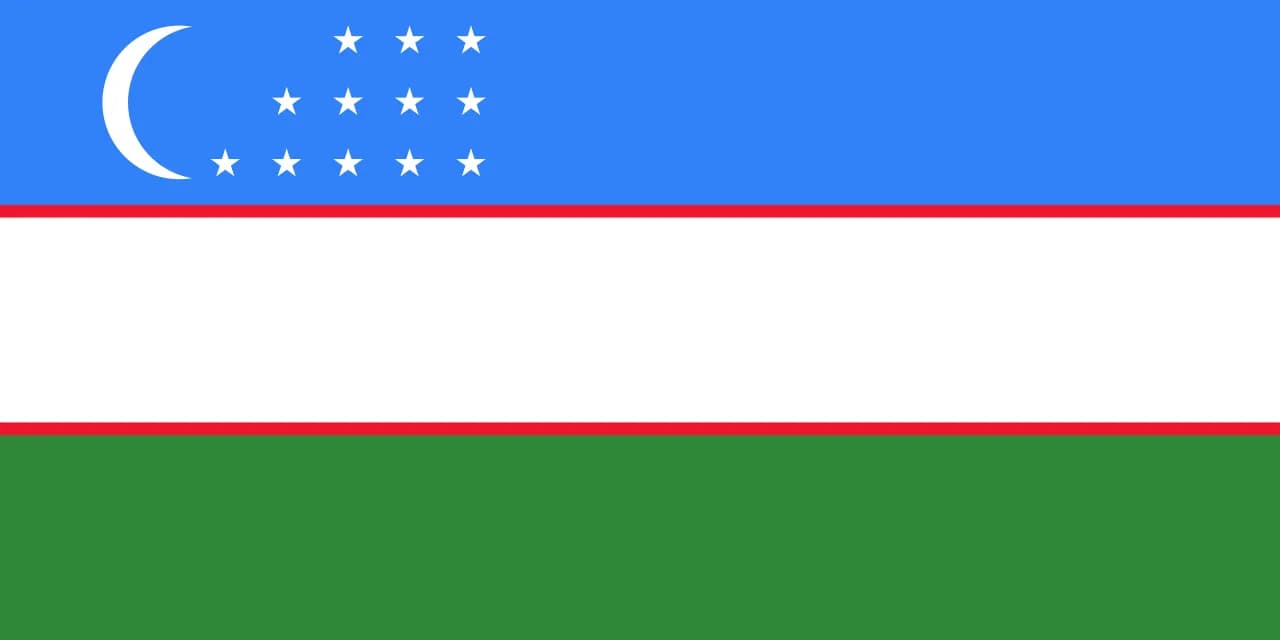
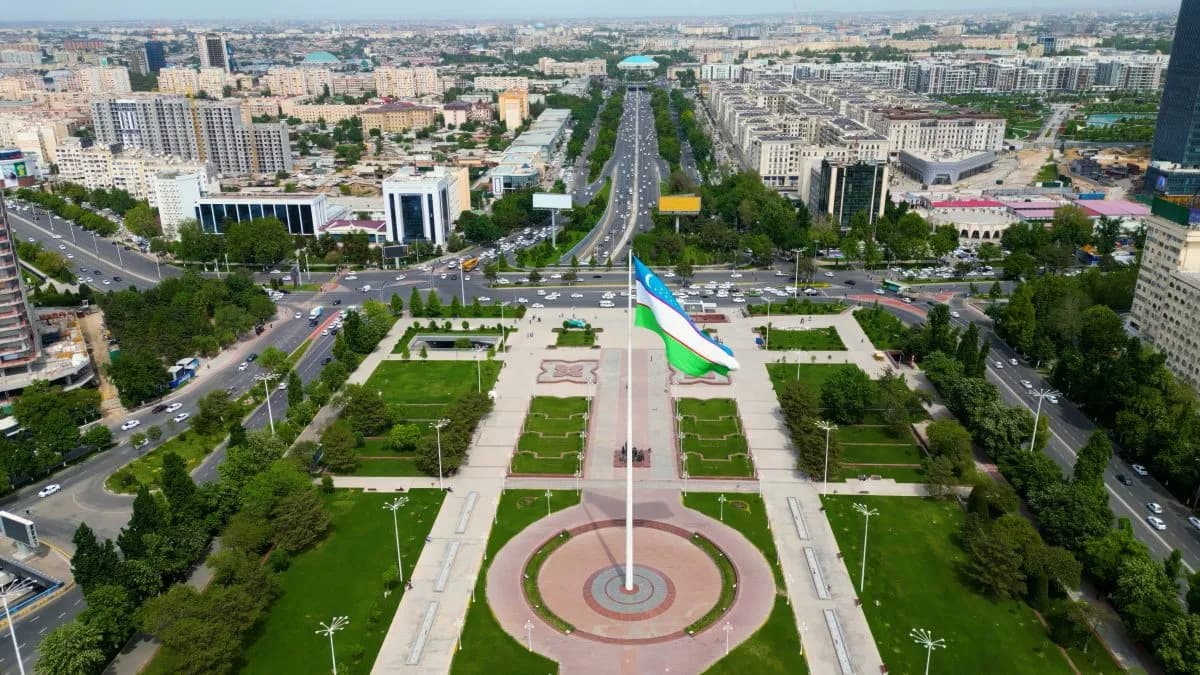
The Uzbekistan flag embodies nation-building by merging sky and water symbolism, Islamic heritage, fertility, and twelve-star regional representation. Adopted in 1991, it consolidates national identity, reinforces sovereignty, and connects historical continuity with modern statehood.
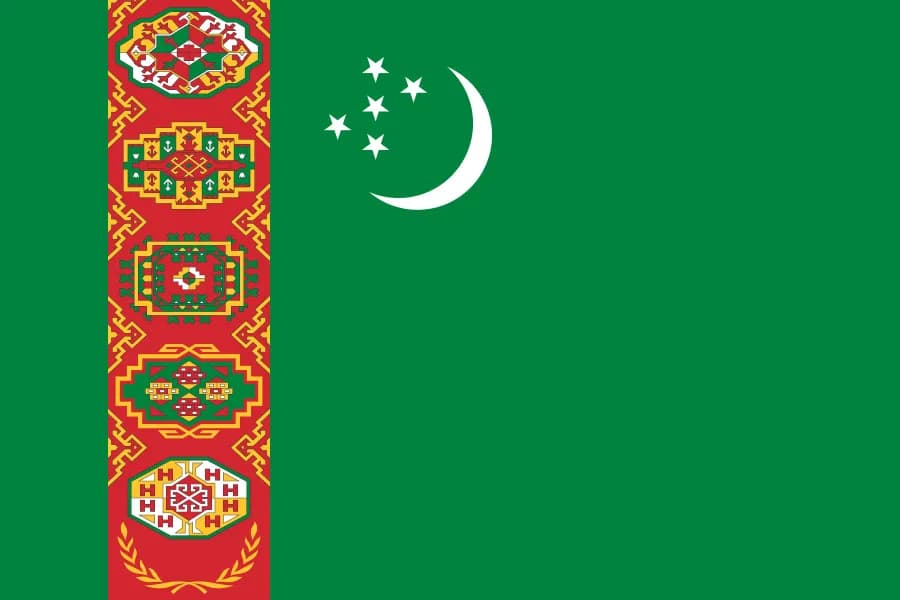
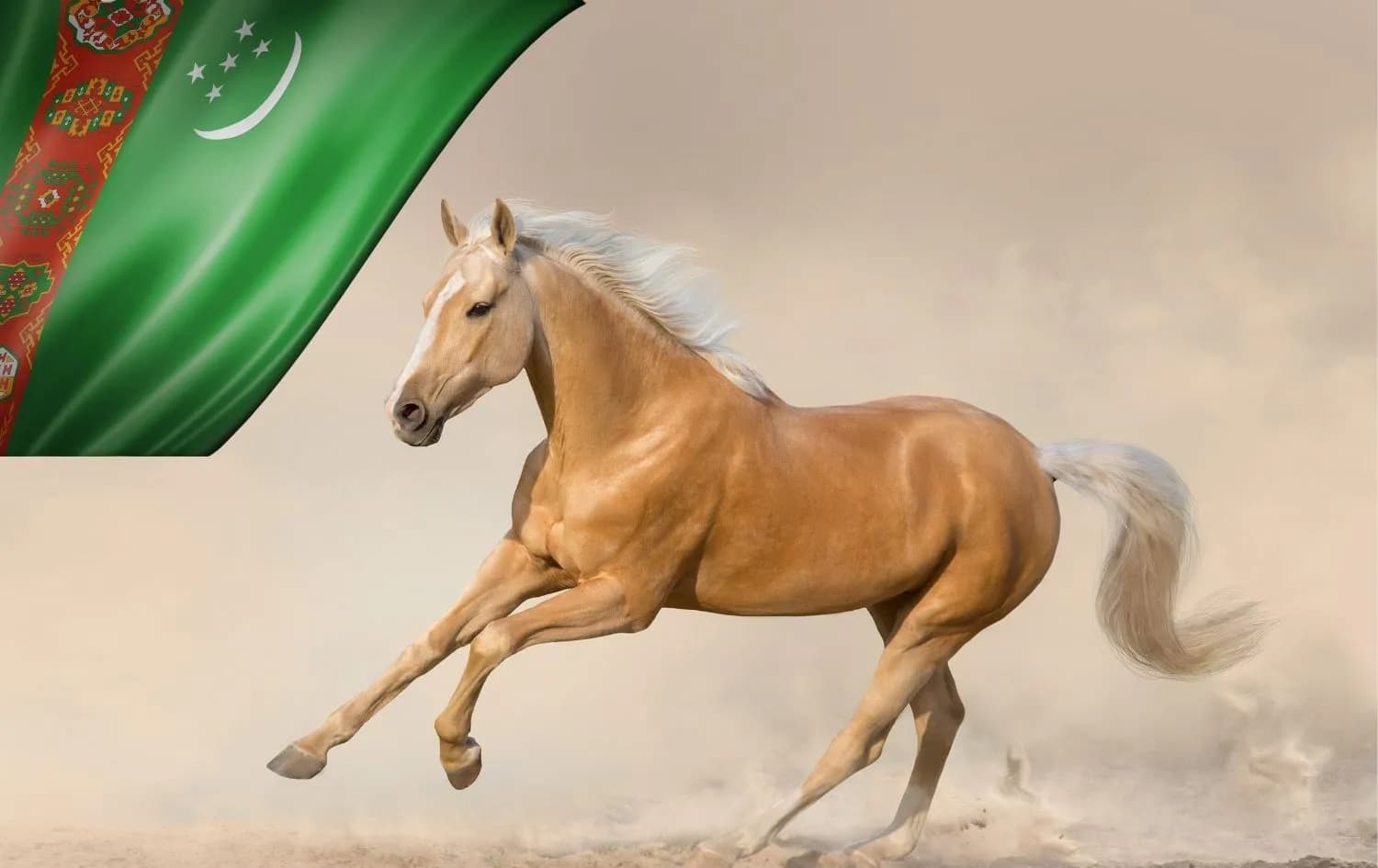
The Turkmenistan flag embodies nation-building, integrating carpet patterns, historical symbols, and Islamic and natural motifs. Adopted in 1992, it reinforces national identity, unity, and sovereignty, connecting ancestral heritage to modern statehood and consolidating collective memory.
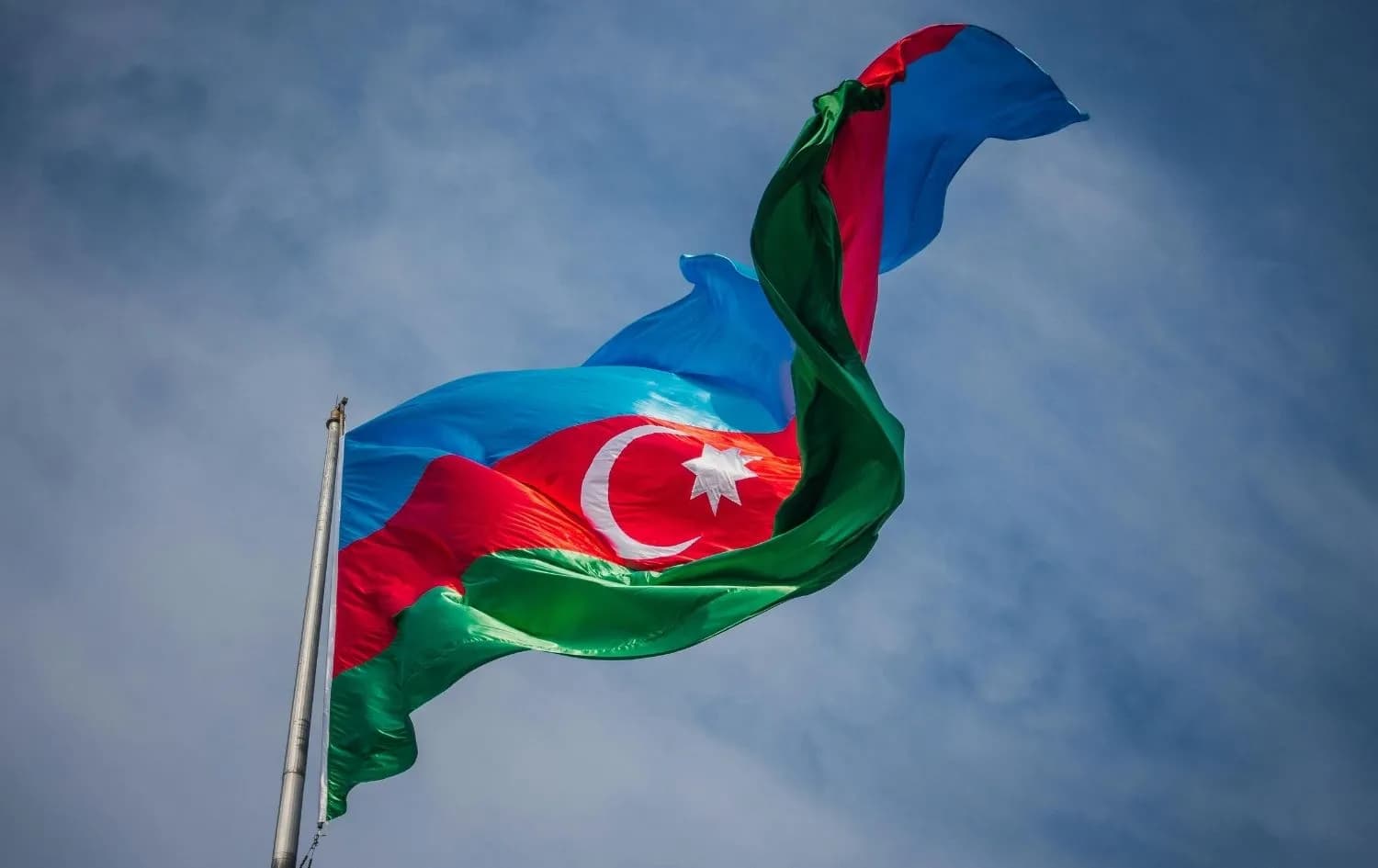
The Azerbaijani flag serves as a central instrument of nation-building, integrating Turkic heritage, Islamic identity, and modern statehood. Its historical adoption and re-emergence during the late Soviet period reflect efforts to consolidate national consciousness, legitimize political authority, and foster social cohesion.
The text explores the cultural and historical importance of Akhal-Teke horses in Turkmenistan, highlighting their symbolism, endurance, role in national identity, international success, and recognition by UNESCO as part of intangible heritage.
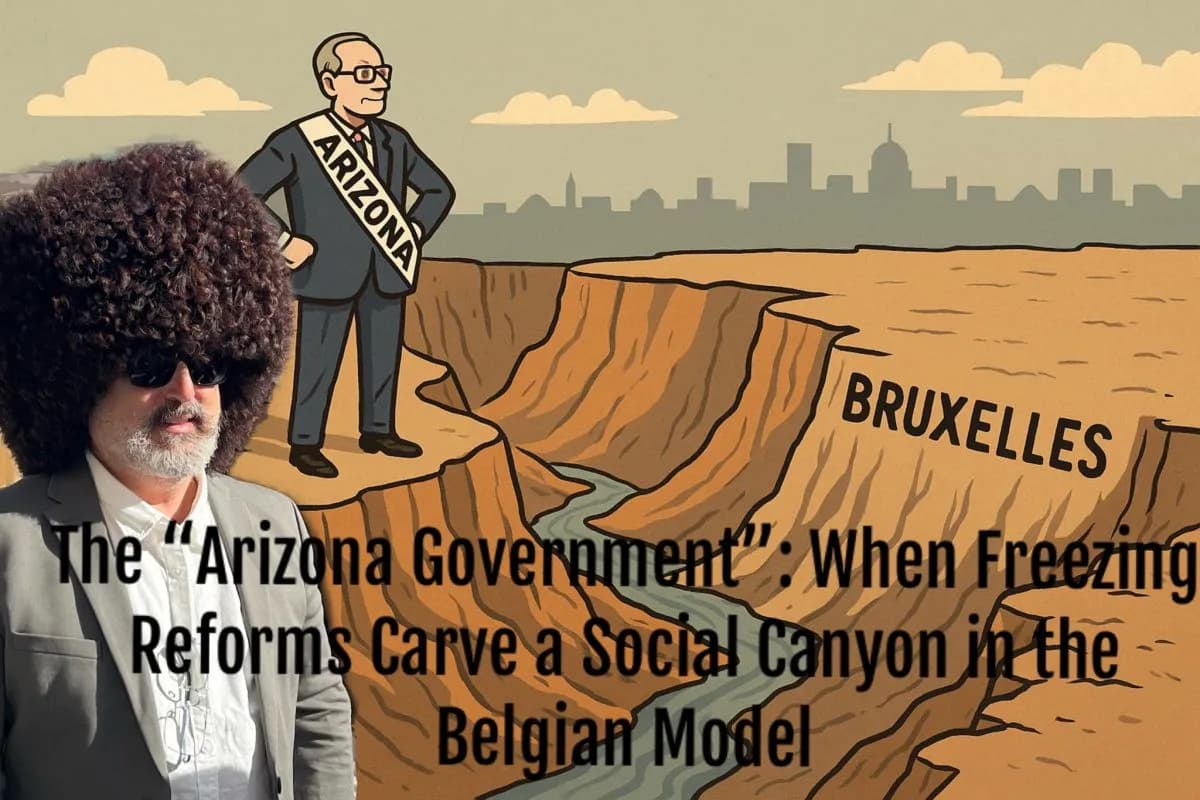
The Belgian pension reform led by Bart De Wever aims to ensure long-term sustainability amid population ageing and rising public debt. It introduces a bonus–malus system, aligns public and private pension rules, and removes some privileges, but has triggered significant political and social debate.
BY DANA OMIRGAZY //
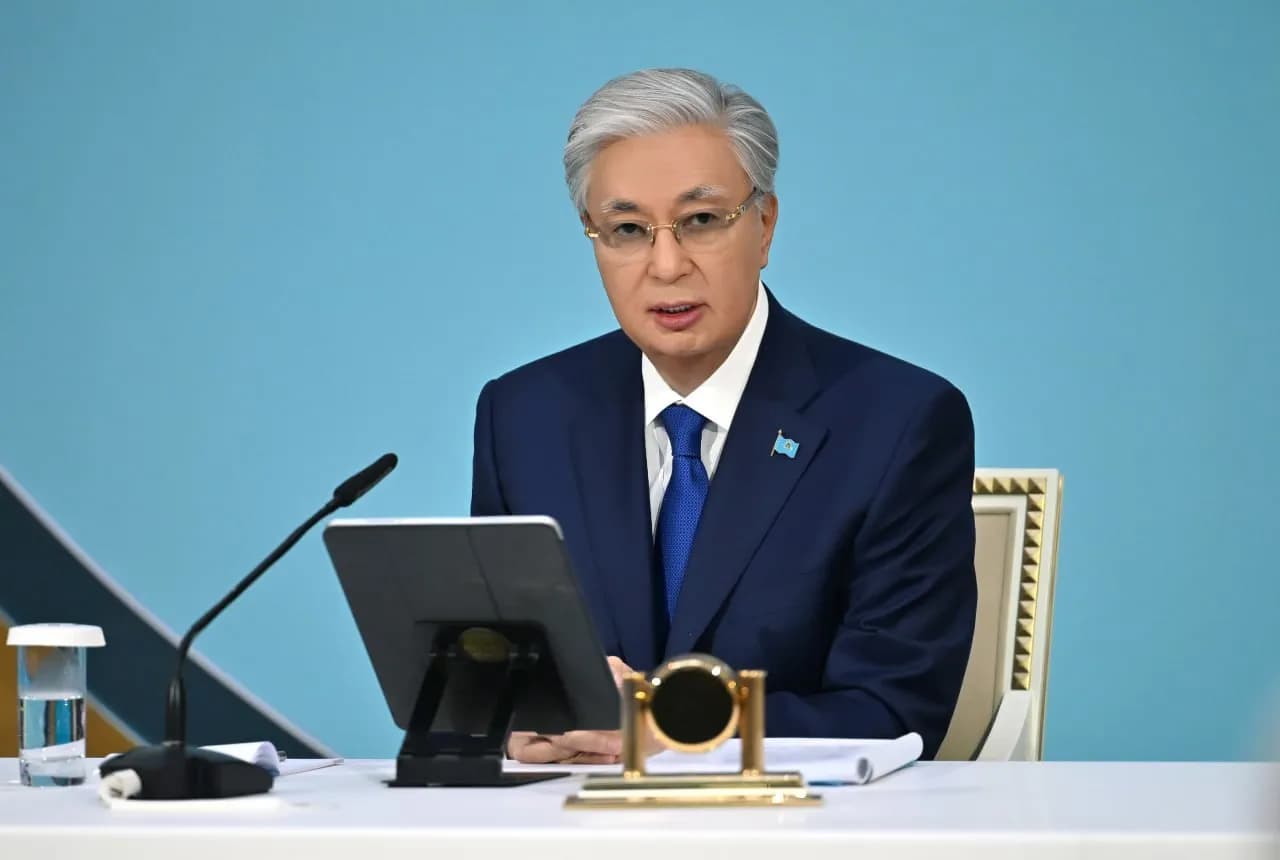
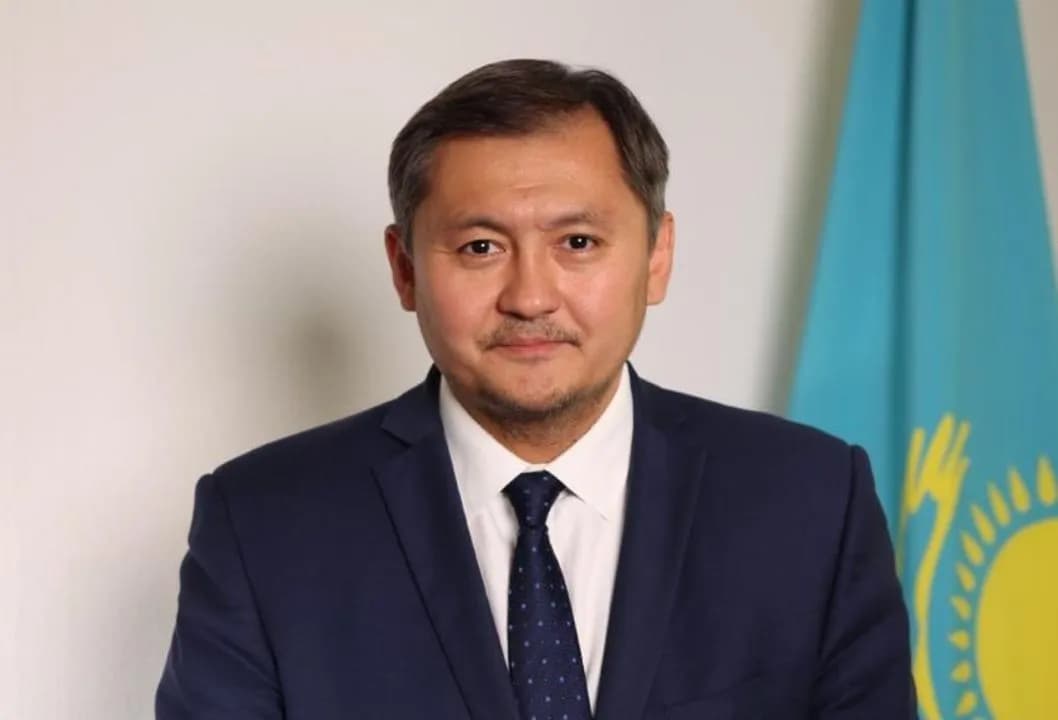
ASTANA – President Kassym-Jomart Tokayev outlined Kazakhstan’s ongoing political reforms, foreign policy priorities, and digital transformation agenda during the National Kurultai (Congress) in Kyzylorda on Jan. 20, stressing national unity amid global uncertainty.
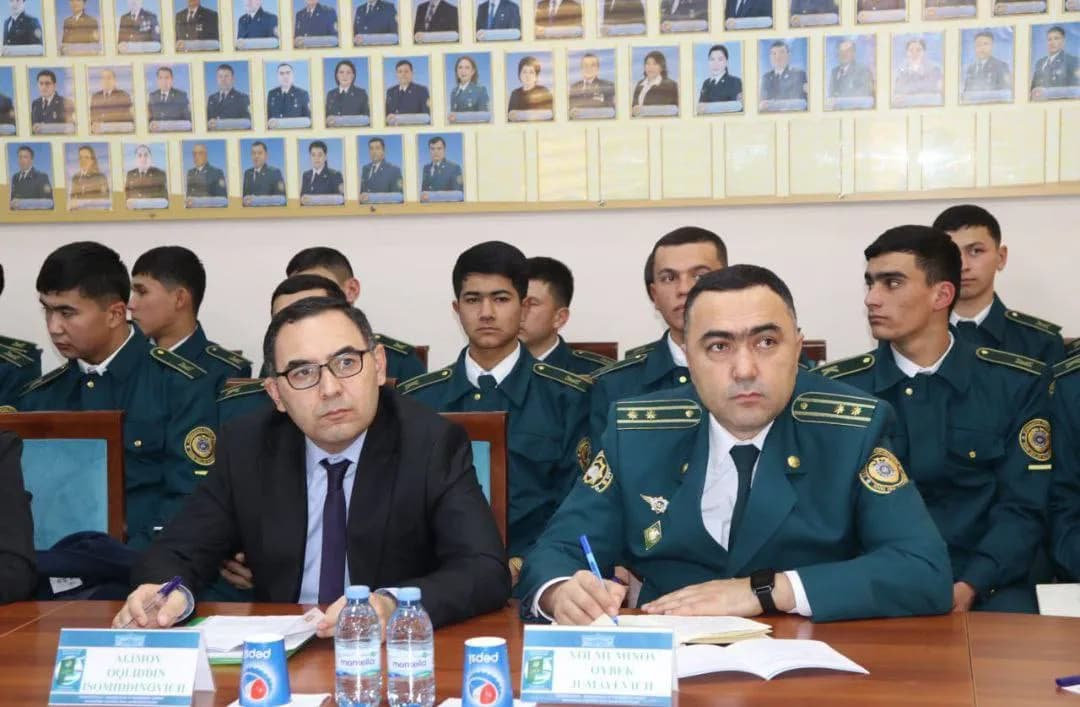
Associate Professor Oqiliddin Alimov presented at the national conference on how Uzbekistan’s Constitution supports a peaceful and constructive foreign policy. His remarks were well received and valued for their academic insight.
HRL is one of Pakistan’s most trusted engineering and infrastructure companies, known for over 70 years of quality, innovation, and large-scale development. From power plants and smart cities to mining and industrial ventures, it operates across multiple sectors with a future-focused vision. Its work significantly contributes to Pakistan’s economic growth, modern urban planning, and national progress.
Finance – Salaries – Digital – Mobility – Culture
December 1st, 2025 does not bring a major “big bang,” but rather a set of very concrete adjustments affecting finances, digital services, employment, and several professional sectors. Quiet reforms… yet with direct consequences for households, businesses, and workers across Belgium.
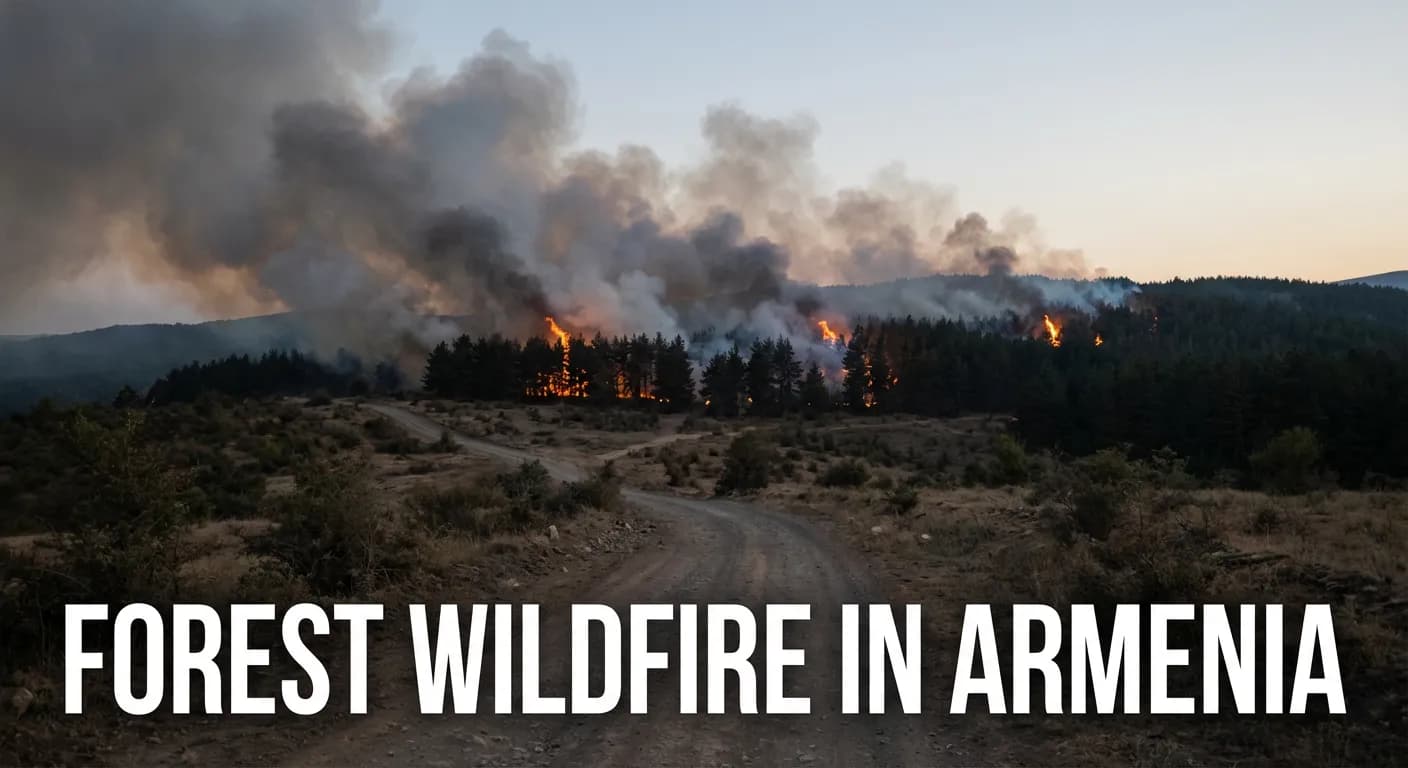
YEREVAN / CAUCASUS — A large-scale wildfire has swept through the northeastern Tavush Province of Armenia, prompting one of the country’s biggest coordinated firefighting operations in recent years. The fire — first reported on 21 November 2025 between the villages of Chambarak and Ttujur — has since spread across steep, drought-parched hillsides and threatened forested zones and nearby communities.
The Higher School of Economics (HSE) in Moscow has launched a two-year master’s program focused on sanctions compliance, risk management, and strategic adaptation. Designed to address the multidimensional impacts of international sanctions on law and the economy, the program integrates theory with practical case studies, including Iran’s experience under sanctions. With limited enrollment—22 students annually—the program emphasizes state–academia collaboration to enhance Russia’s strategic resilience. HSE’s initiative illustrates how academic programs can serve as tools for building national autonomy, preparing future policymakers, and fostering knowledge-based responses to geopolitical constraints. The model has relevance for other states facing similar sanctions or seeking to strengthen governance and international compliance expertise.
President Shavkat Mirziyoyev’s participation in the 80th UN General Assembly highlighted Uzbekistan’s leadership in global environmental cooperation, showcasing the Aral Sea region’s transformation into an international hub for climate technologies, green innovation, and sustainable development.
Kazakhstan led Central Asia and the Caucasus in the Times Higher Education World University Rankings 2026, with five universities listed—highlighted by Nazarbayev University entering the global top 500 for the first time—while Uzbekistan, Azerbaijan, and Georgia had fewer institutions ranked.
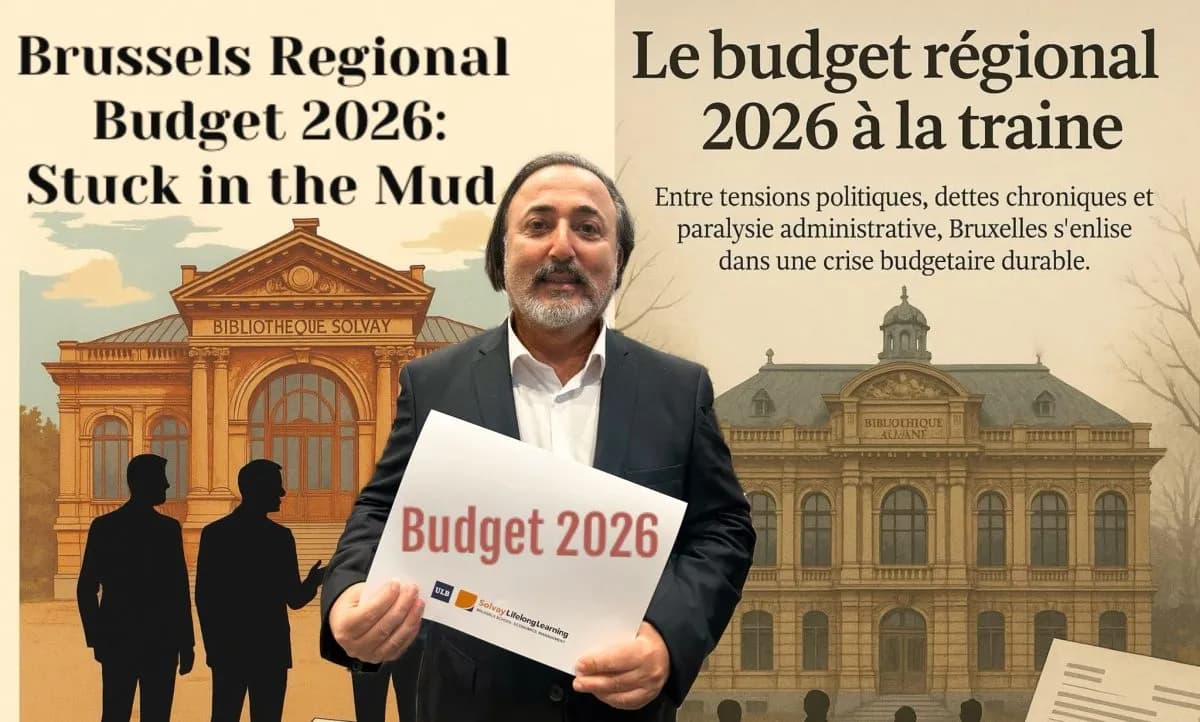
Regional budget talks are paralyzed by ideological gridlock, risking an estimated €1.5 billion deficit and forcing a spending freeze ("provisional twelfths"). Formateur Leisterh struggles as parties refuse to cut. The consequence: municipal projects stall, social services face underfunding, and Brussels' credibility erodes. Critics warn the capital lacks a coherent vision, living on borrowed time as debt piles up.
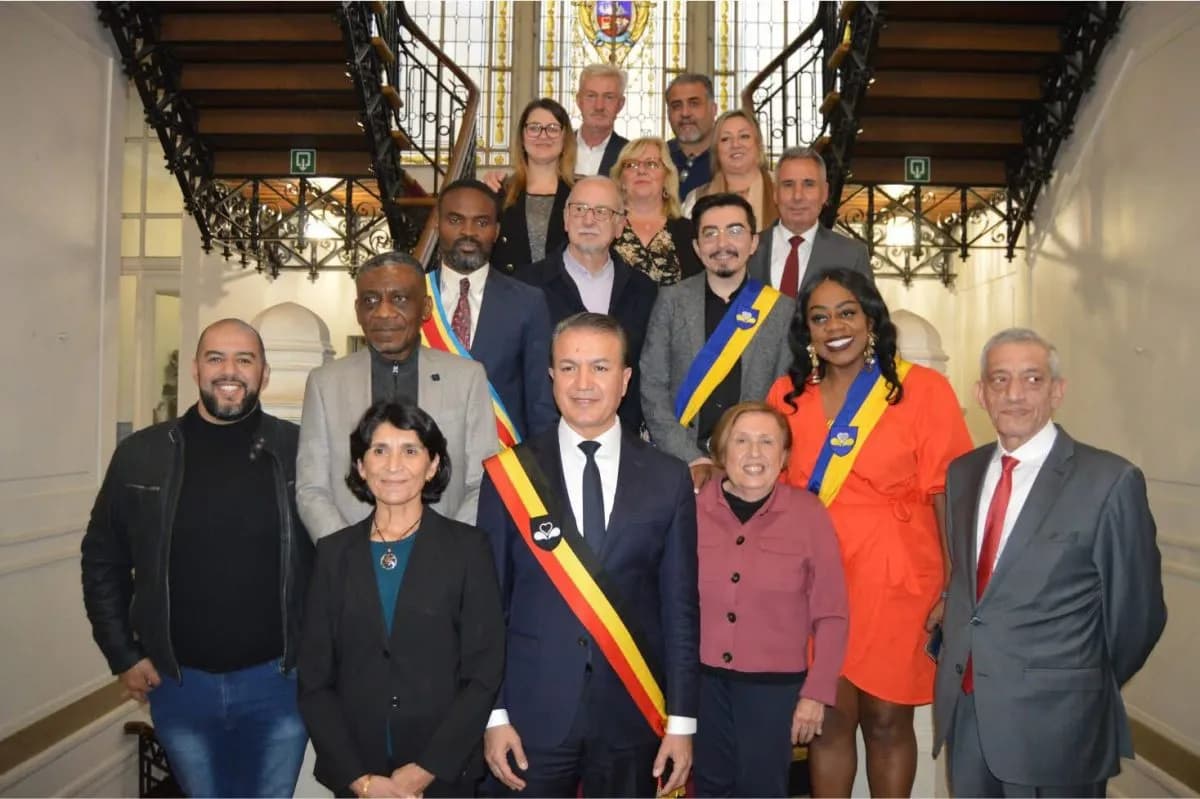
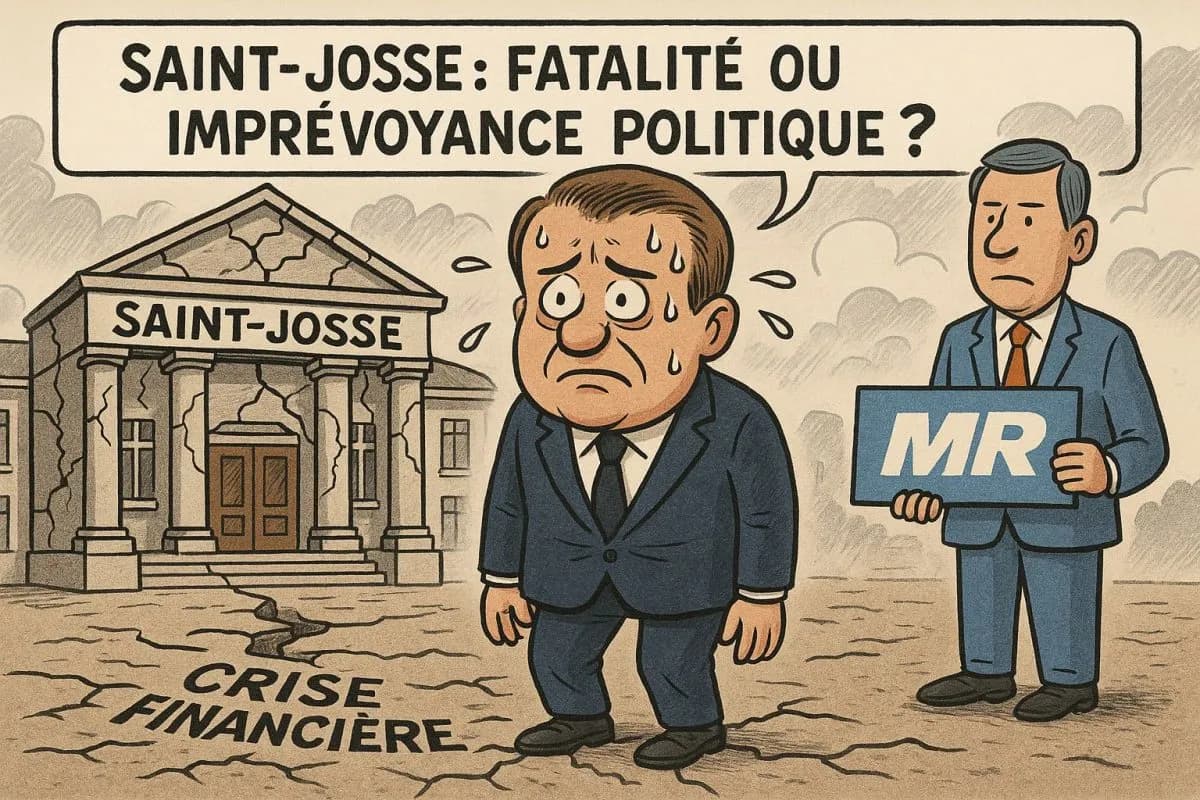
Mayor's costly re-election campaign leaves a commune facing a €60M financial abyss, depleted reserves, and mandatory regional tutelage. Opportunistic alliances masked a structural collapse.
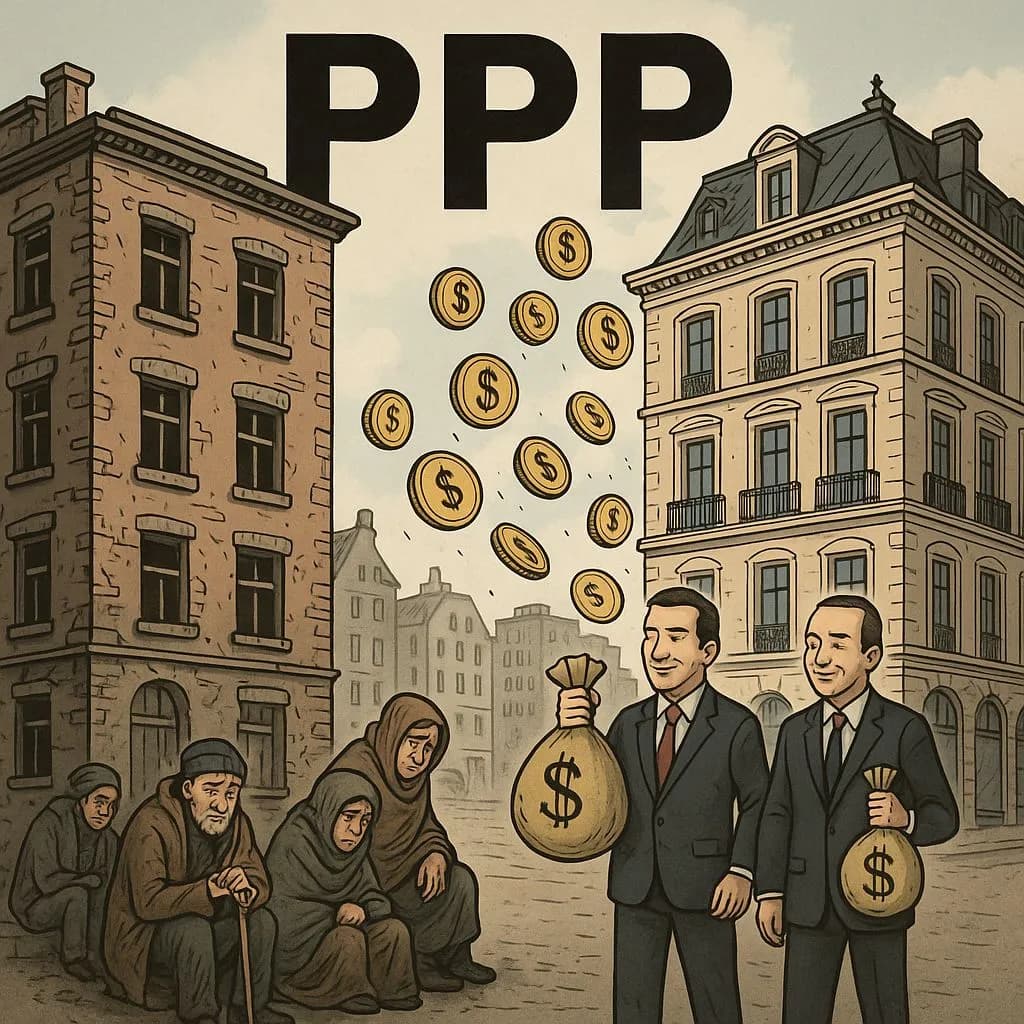
The CPAS of Brussels plans massive renovations of its 2,300 housing units and iconic properties via public-private partnerships, property sales, and rent adjustments—but critics warn the focus on workers and profitability risks sidelining the city’s most vulnerable.
Belgium bans smartphones in schools as AI cheating scandals like the ChatGPT exam case spark debate on technology, integrity, and the future of education.