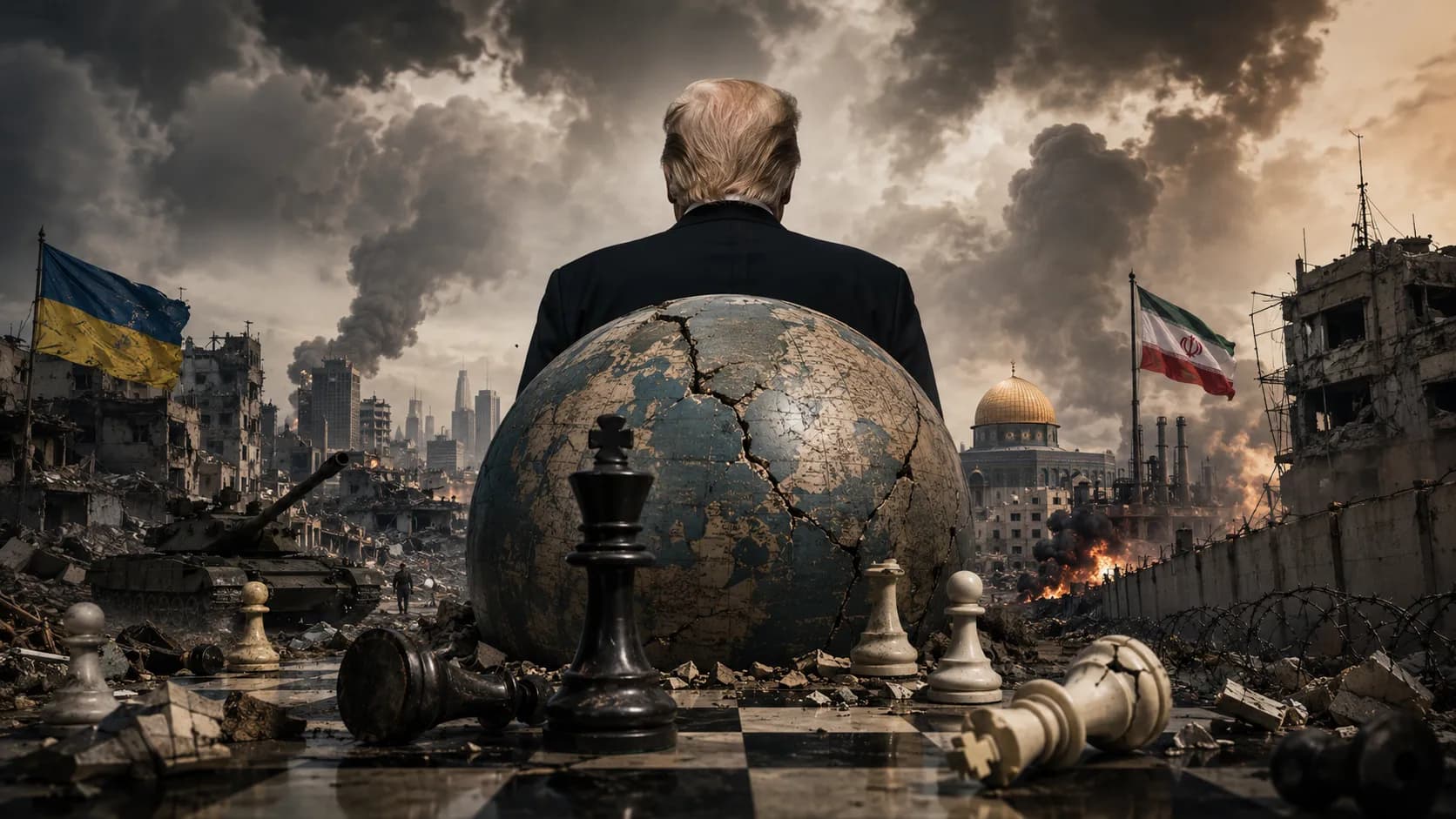
Trump’s foreign policy was driven by TV-style big promises and quick fixes. He failed to produce lasting results in Ukraine, Gaza, and Iran because he treated diplomacy as personal pressure and announcements rather than structured, institutional negotiation processes.
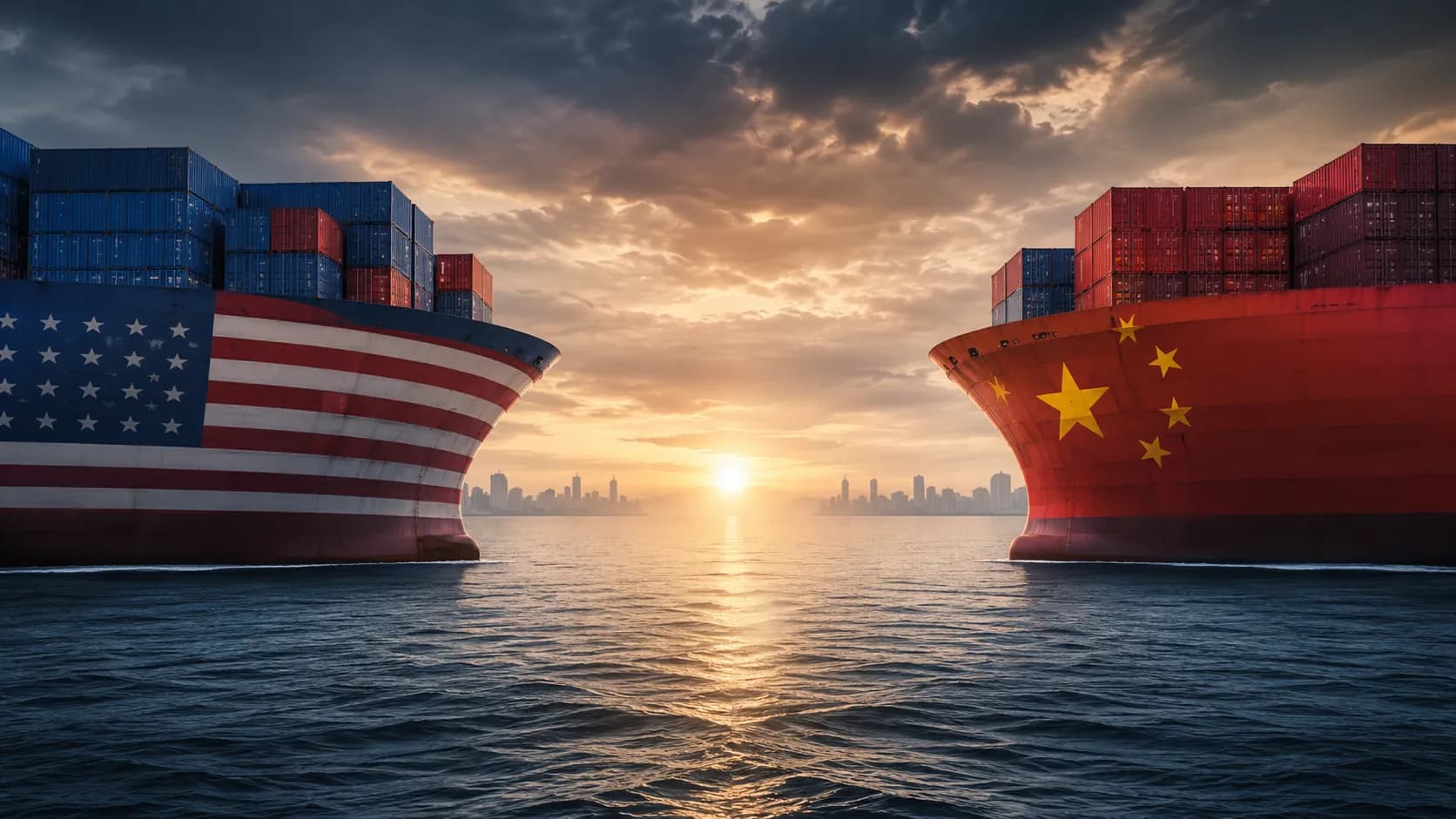
The US-China relationship combines strategic competition with deep economic interdependence. While tensions over technology, security, and Taiwan persist, economic ties, military communication, and selective cooperation on global issues help prevent rivalry from escalating into conflict.
In an exclusive interview, Malaysian national hockey team forward Mohd Fitri Bin Saari (jersey No. 7) speaks about his side's ambitions to break into the world's top ten, the tough test awaiting them against European heavyweights, and the family motivation driving him forward.
Discover Matsu at Maison Delphine in Belgium—a premium skincare and haircare collection delivering visible results for healthier, radiant skin and silky, nourished hair.
An attempted attack on a synagogue in Michigan illustrates how individual radicalization and ideological narratives can converge to produce symbolic violence against religious institutions. The case highlights emerging security challenges associated with decentralized extremism and identity-based targeting.
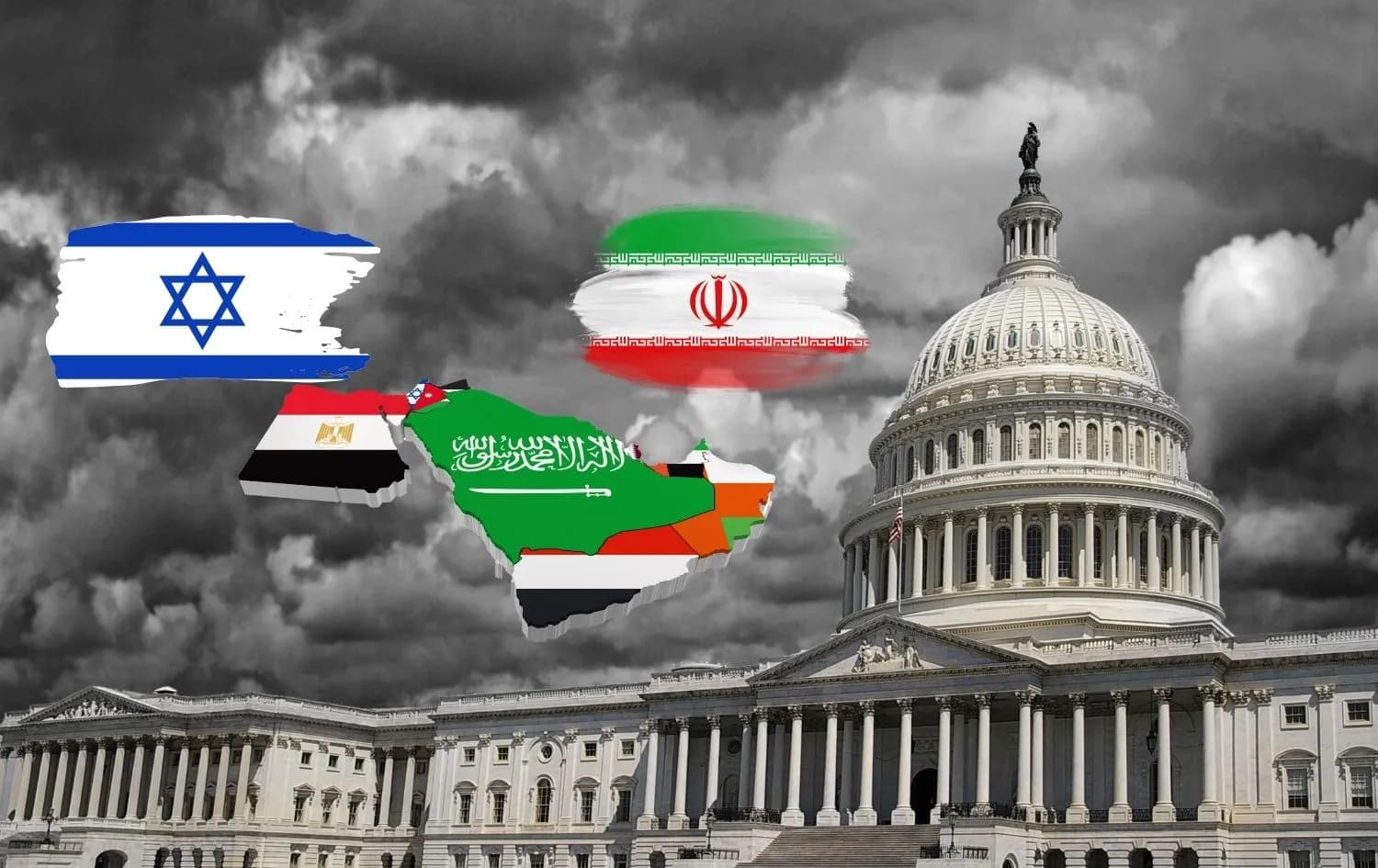
U.S. and Israeli attacks on Iran are pushing the Middle East toward disaster. Iran resists fiercely, leaving no clear winner. Gulf states suffer, and economic and humanitarian crises grow. Religion, nationalism, and geopolitical conflicts make peace nearly impossible.
In 2026, US-Israel attacks on Iran pushed the region to the brink of war. Iran’s retaliation against Gulf states escalated tensions, while Gulf countries remain cautious to avoid Israel’s divide-and-rule strategy. However, continued attacks risk triggering a wider conflict.
This article explains how Morocco’s management of the religious sphere counters radicalization through moderation, dialogue, and coexistence. Based on the Maliki school, Ash’arite doctrine, and Sufi spirituality, and guided by King Mohammed VI as Commander of the Faithful, it offers an inspiring model for Europe.
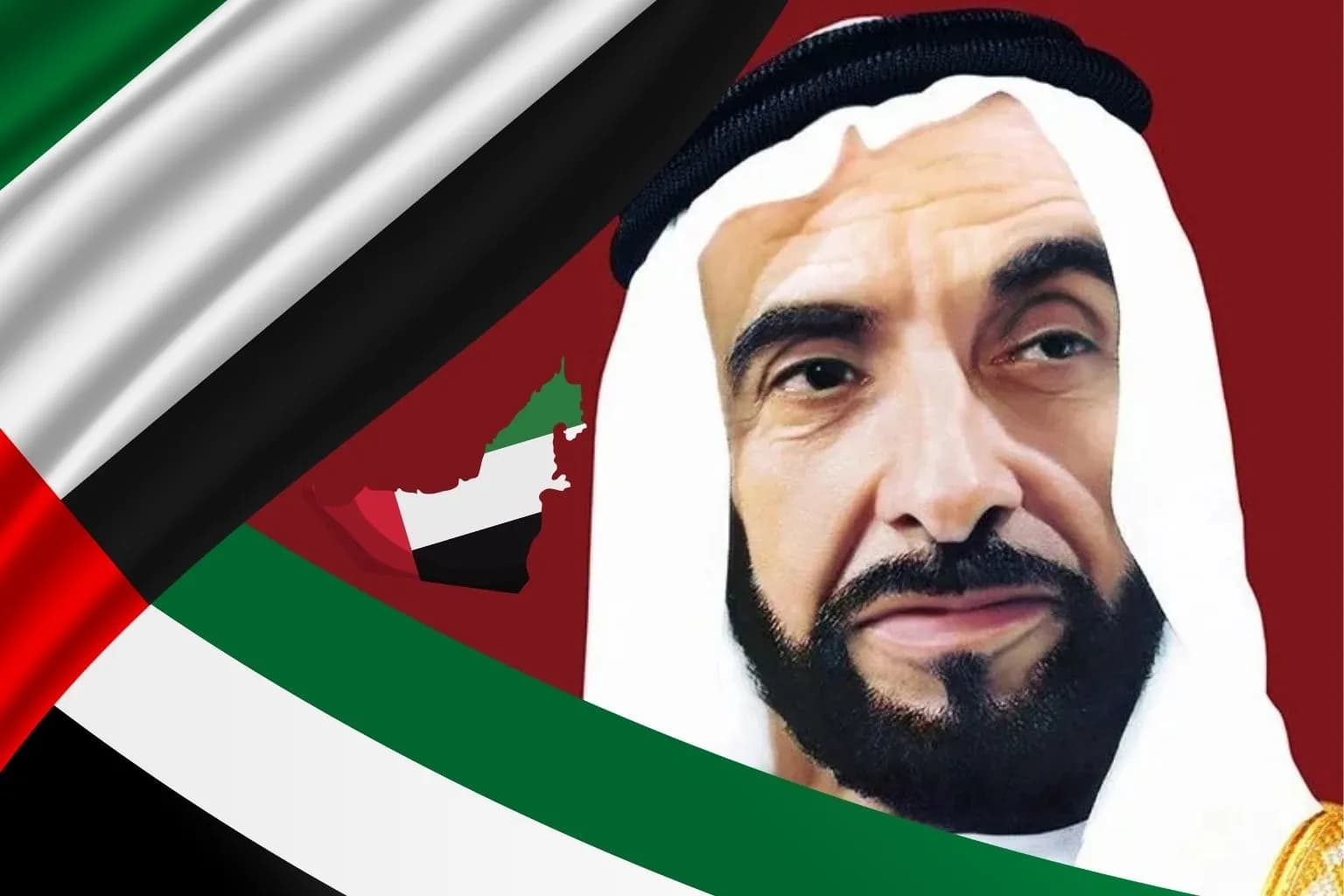
Sheikh Zayed bin Sultan Al Nahyan championed unity among the Emirates and used oil revenues to support regional development. He led the creation of the United Arab Emirates in 1971 and promoted a vision of human-centered progress built on education, healthcare, cooperation, and national solidarity.
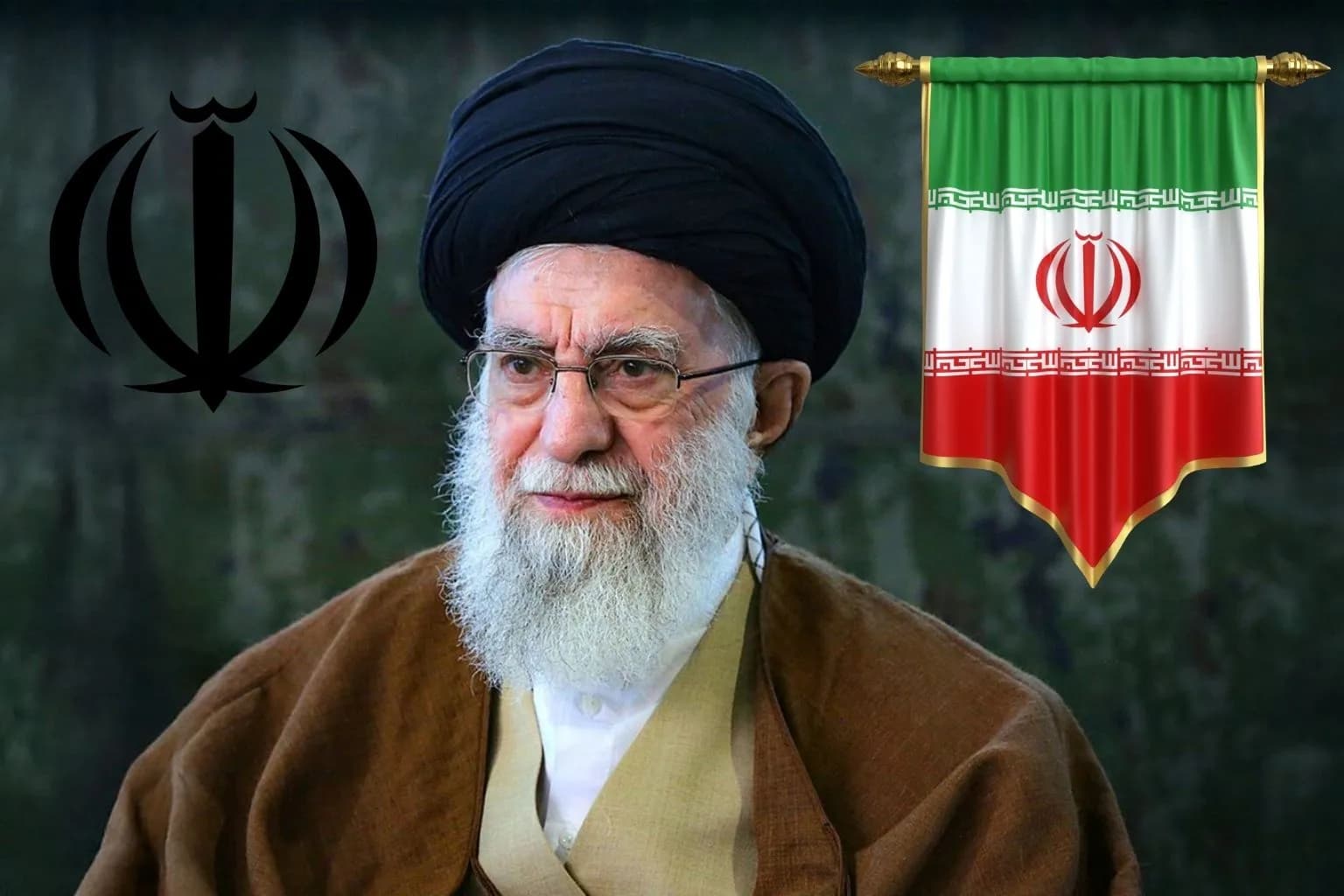
The Iran-US conflicts and Khamenei’s death will not topple the Islamic Republic. The system is institutional, ideological, and backed by military structures. Regional powers and international actors influence developments through diplomacy and strategy; the regime won’t collapse easily, changing slowly from within.
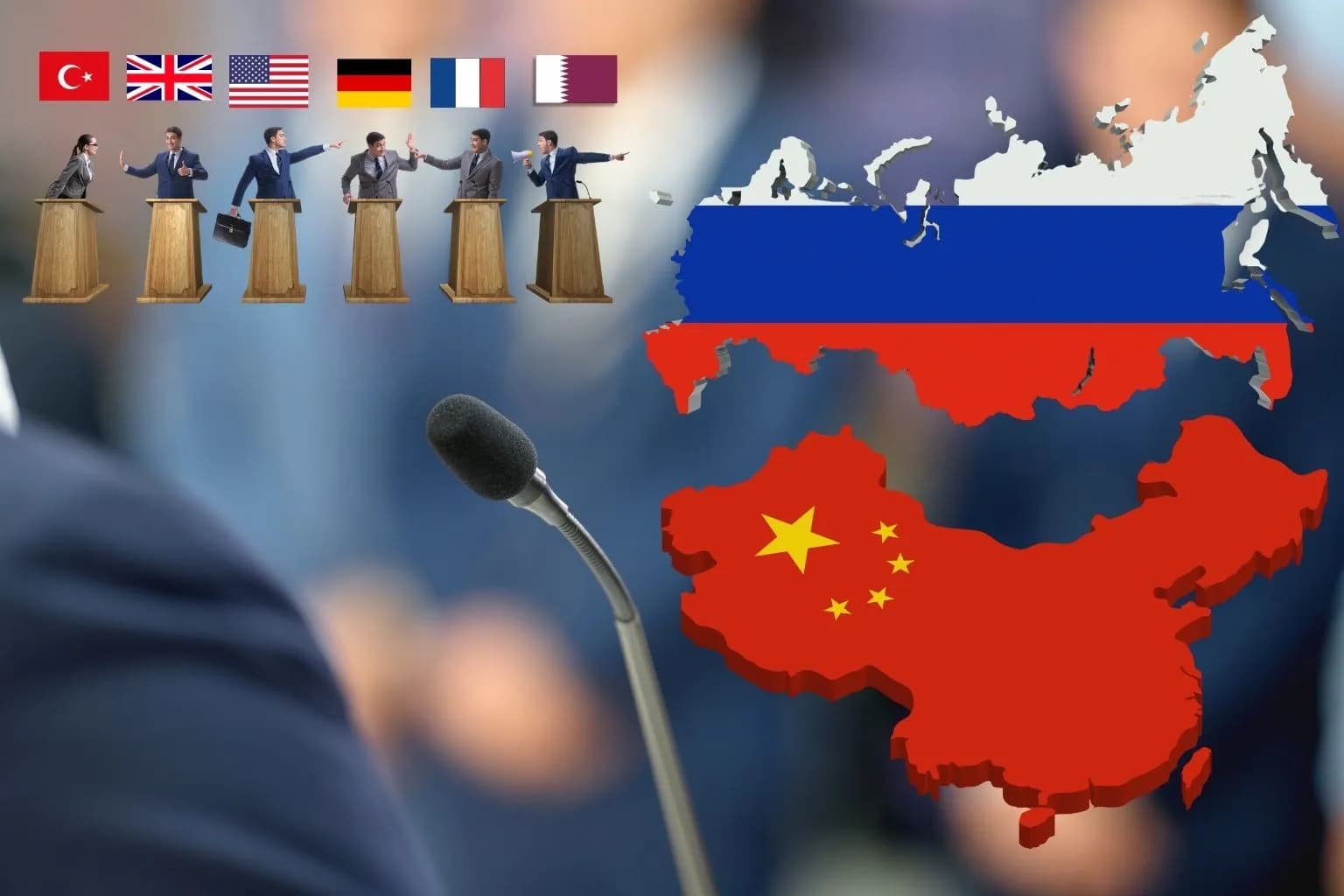
Turkish political elites are predominantly Western-educated, lacking direct Chinese or Russian expertise. This creates strategic blind spots, limiting Turkey’s capacity to manage relations and opportunities in a multipolar world. Diversified education is crucial for effective global engagement.
The Epstein case is not merely a criminal network; it reveals a system of power detached from meaning and responsibility. In a world where norms evaporate and access becomes identity, it shows how moral collapse is produced quietly, routinely, and without resistance.
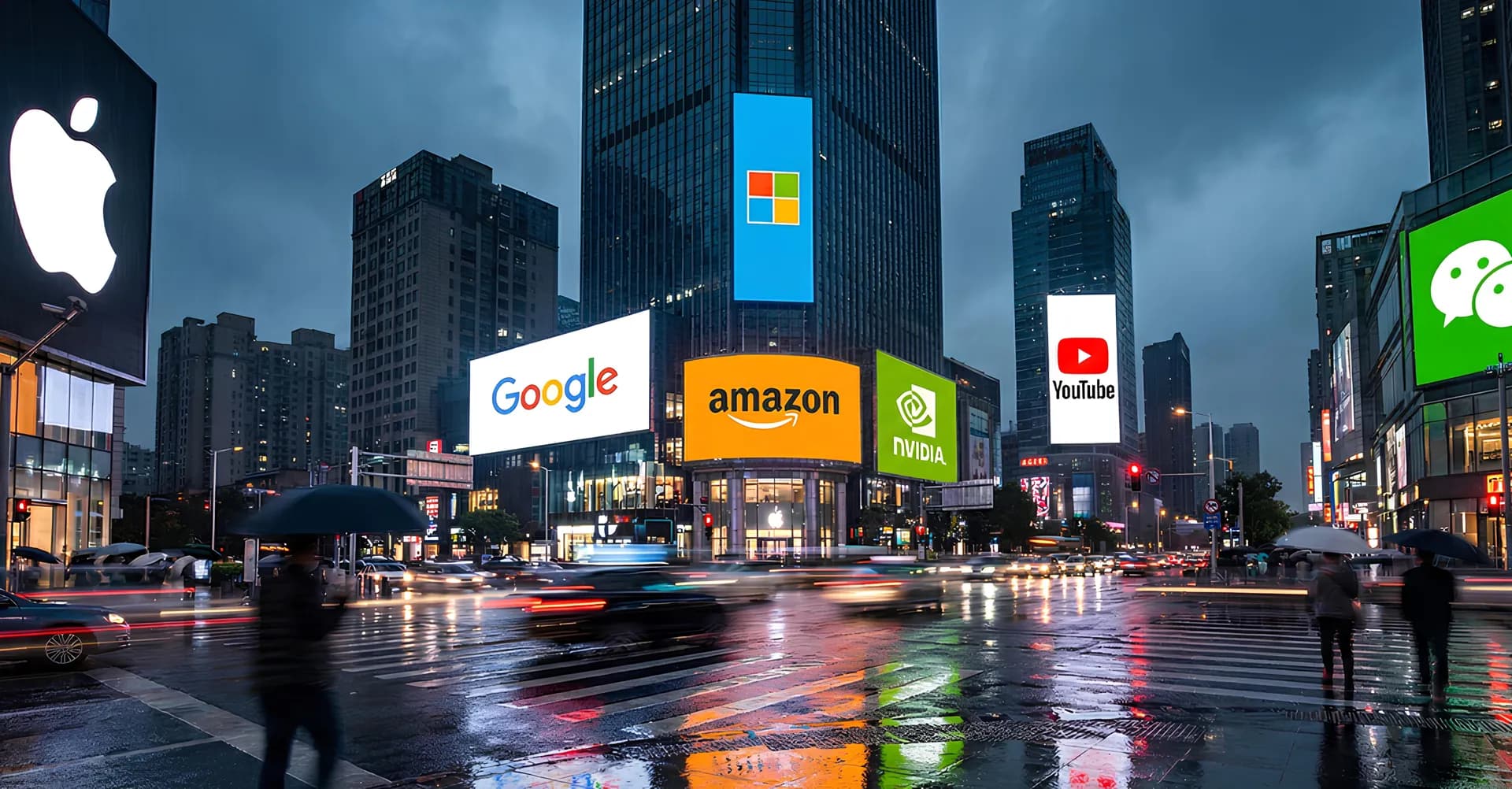
As global leaders gathered around the Davos agenda, Brand Finance’s Global 500 2026 report offered a timely snapshot of how technology and artificial intelligence are reshaping the world’s most influential brands. Released on January 15, 2026, the report highlights the continued dominance of tech giants such as Apple, Microsoft, and Google in brand value, alongside the rising strategic importance of AI-driven companies like NVIDIA. At the same time, the rankings reveal a nuanced distinction between financial brand value and brand power, measured through trust, loyalty, and perception. Together, these findings underscore the arrival of a new economic era in which innovation, attention, and reputation define global brand leadership.
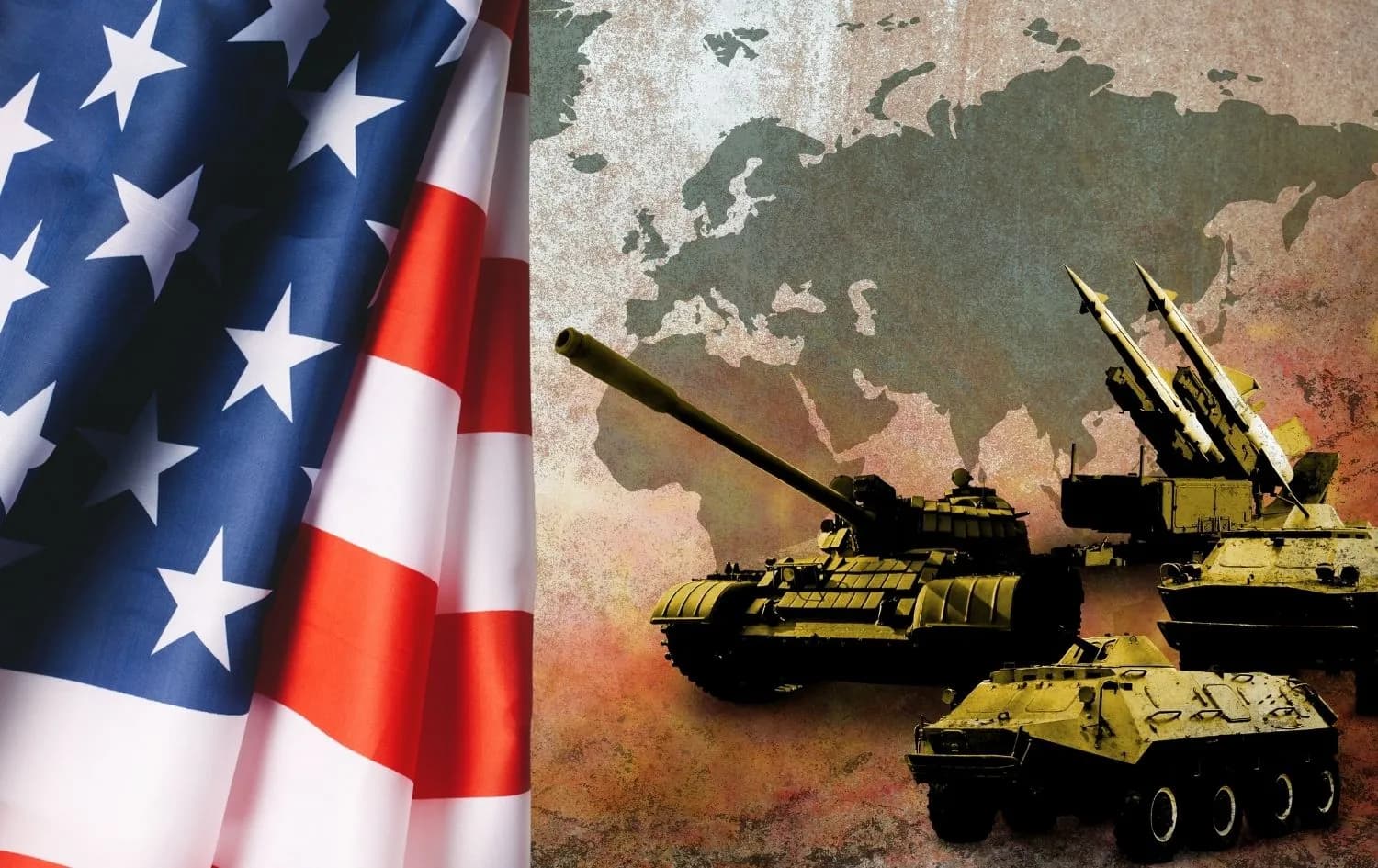
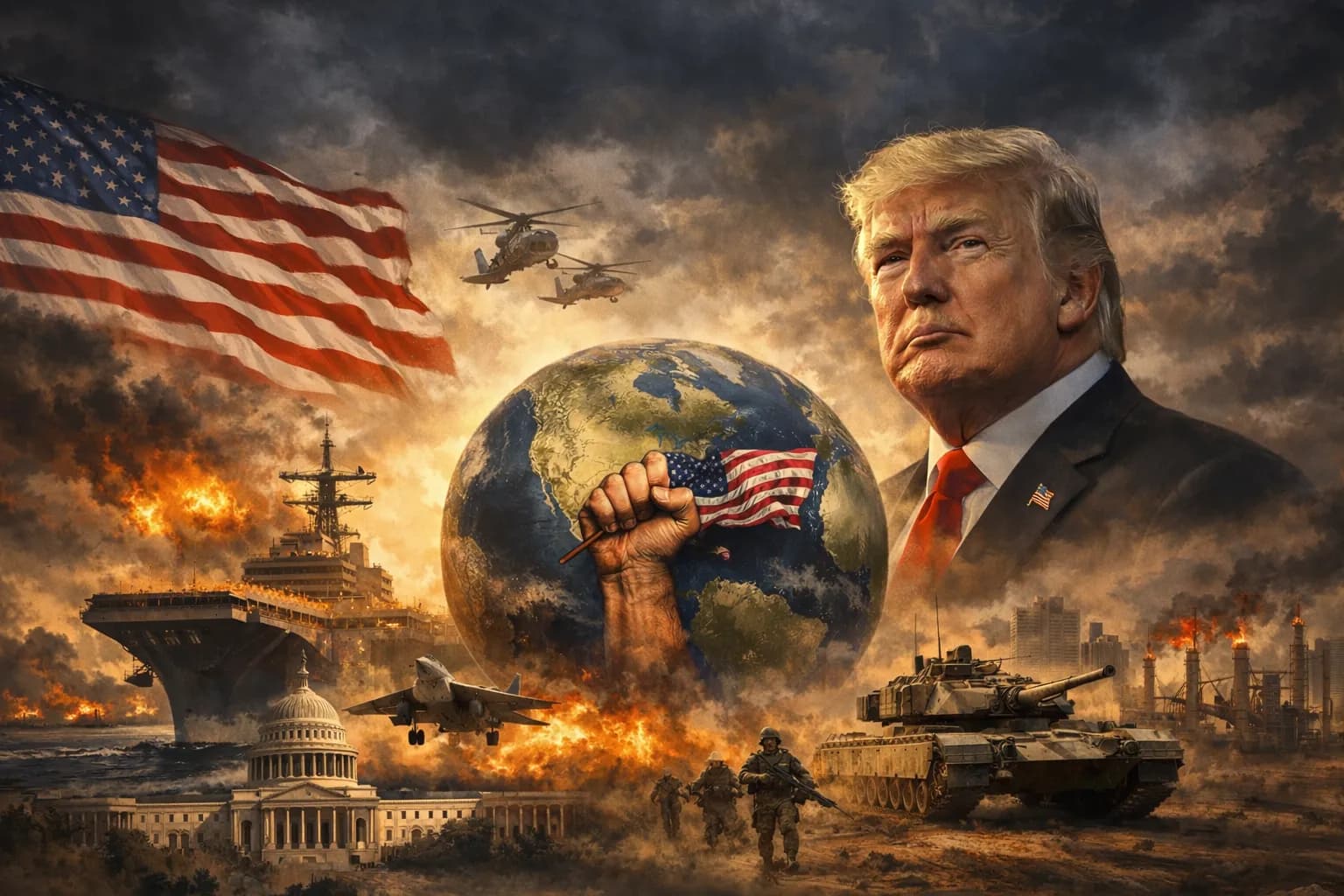
The Donroe Doctrine revives U.S. expansionism under Trump, prioritizing unilateral power, military force, and economic coercion over diplomacy and international law.
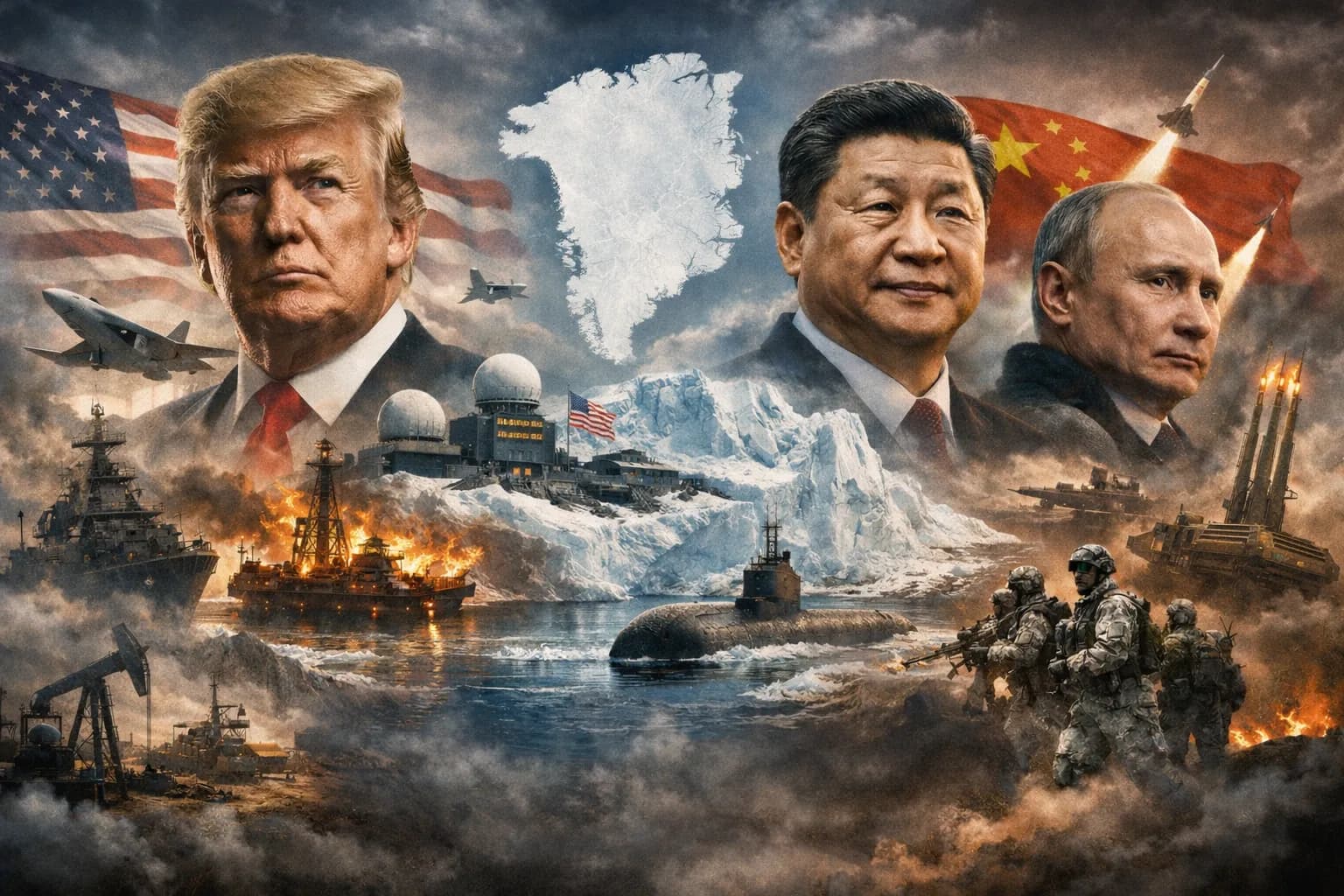
Trump’s expansionist “America First” policy sought control over resources and strategic zones like Venezuela and Greenland, increasing rivalry in the Arctic, straining NATO, and fueling tensions with China and Russia instead of trust and cooperation.
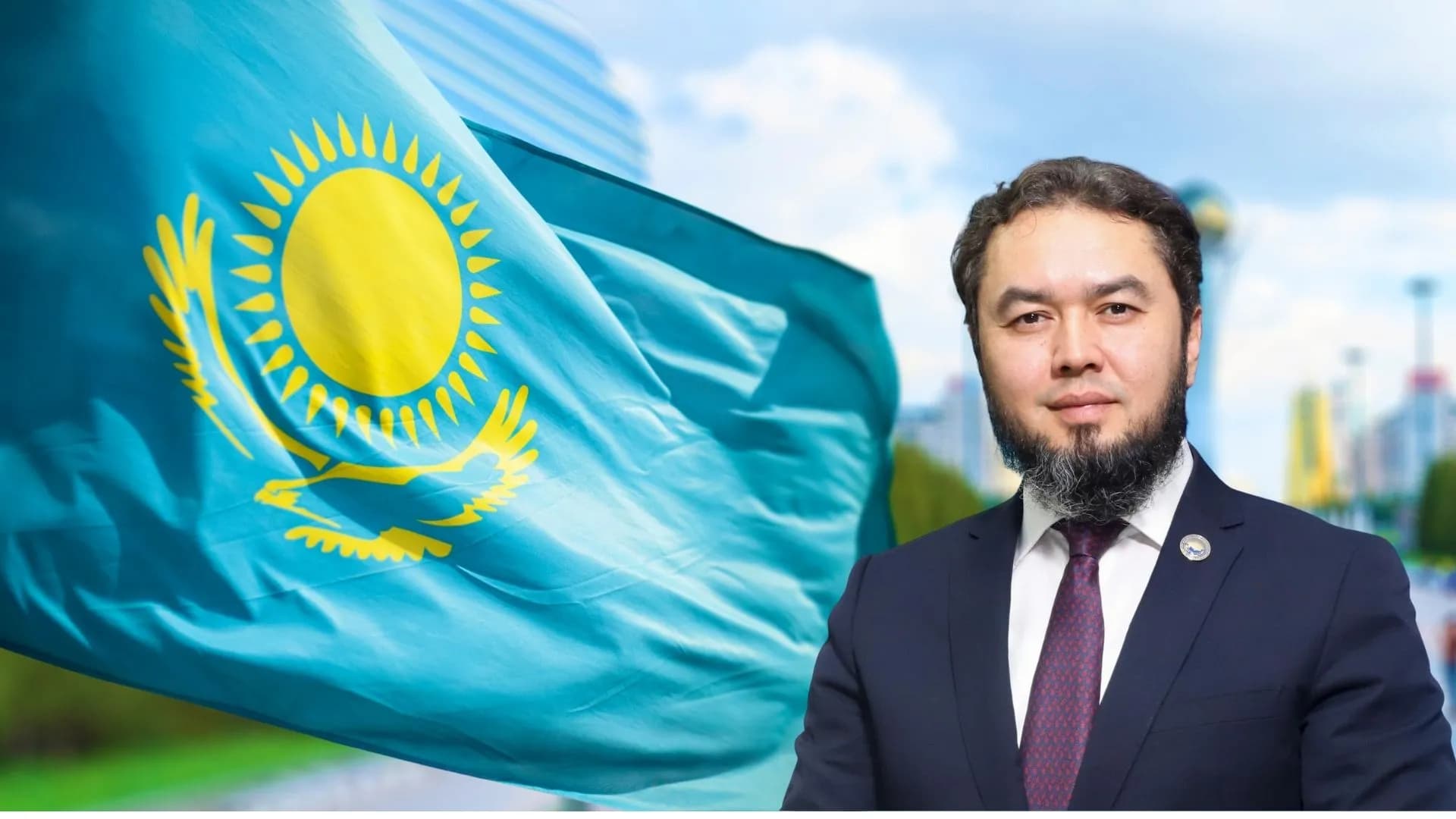
For me, as a member of the Assembly of the People of Kazakhstan, the emphases directly related to strengthening social cohesion, civic responsibility, and a culture of unity are of particular importance.
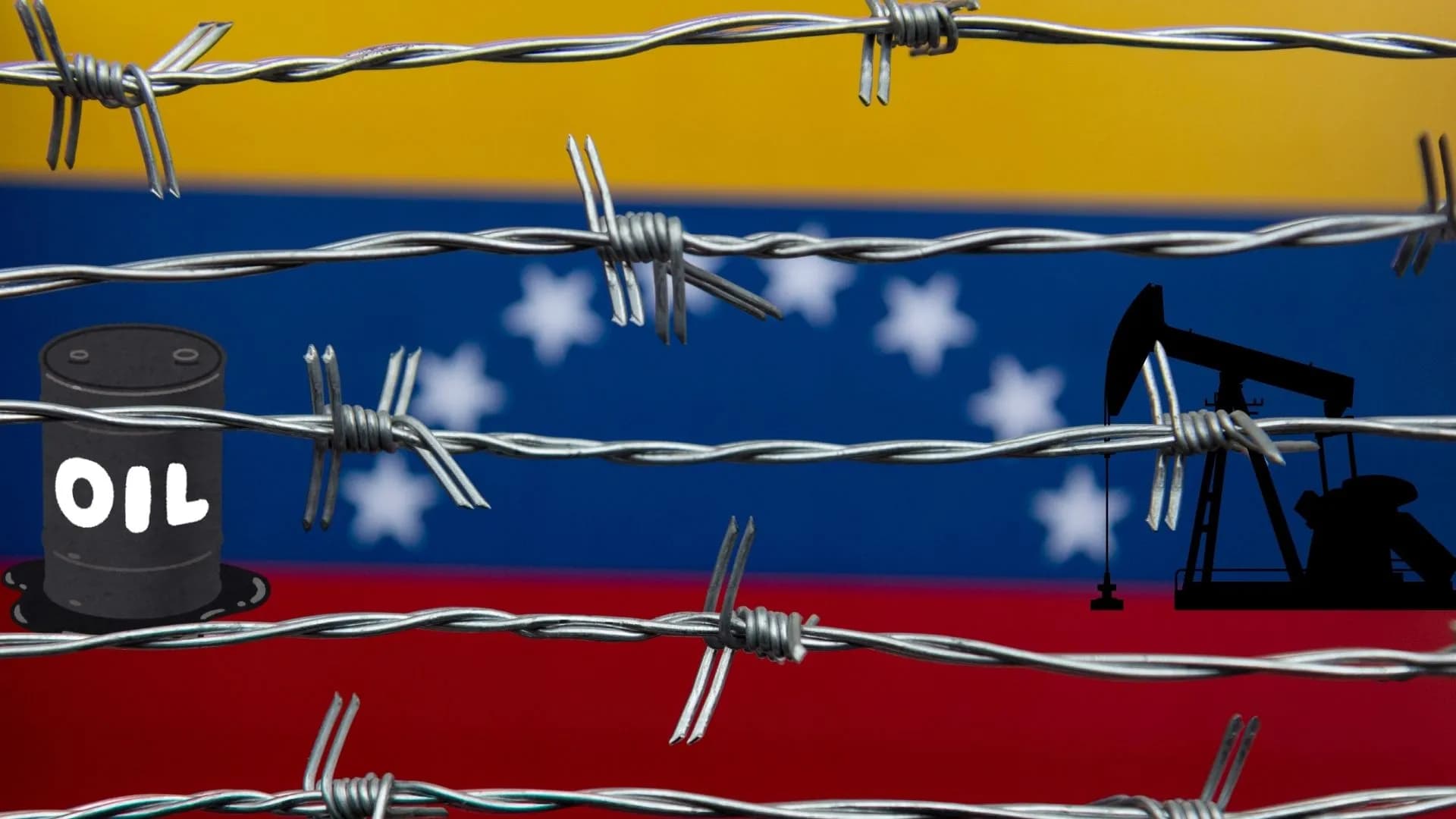
The January 2026 U.S. military intervention in Venezuela, which resulted in the capture of President Nicolás Maduro, is presented as a turning point driven by strategic competition over oil, minerals, and regional influence. Although Washington justified the operation through claims of narco-terrorism and authoritarian governance, the action is widely seen as a violation of international law and Venezuelan sovereignty. Venezuela’s economic collapse, worsened by sanctions and mismanagement, forms the backdrop to the crisis, while regional and global reactions reveal deep concern over renewed U.S. interventionism. The operation’s human, economic, and political costs are significant, and the situation underscores a broader return to resource-centered geopolitics, with Venezuela’s vast energy reserves at the core of a conflict that challenges international legal norms and regional stability.
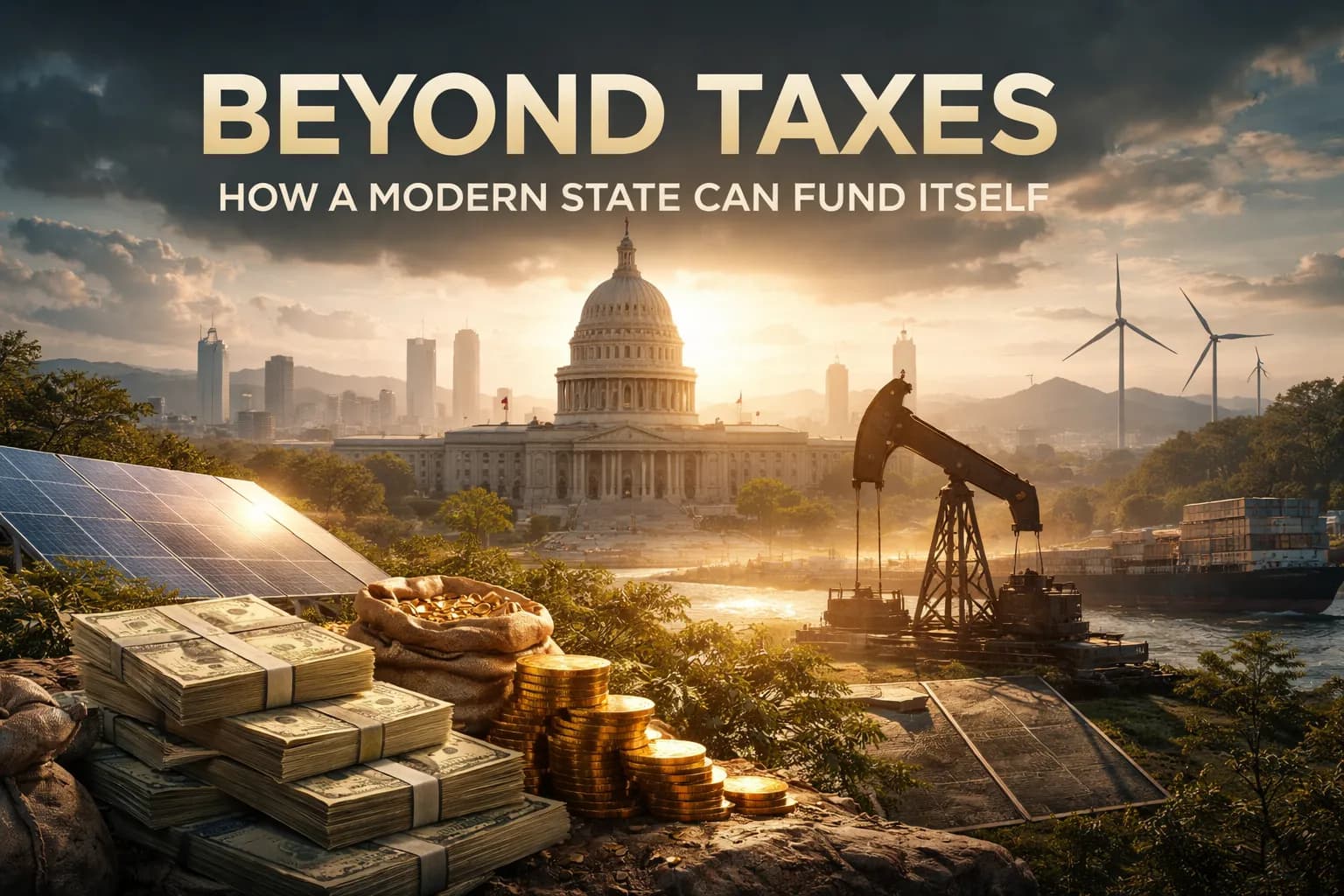
In contemporary political economy, taxation has long constituted the primary mechanism through which states finance public services and maintain institutional stability. However, structural transformations driven by globalization, technological change, and automation have increasingly exposed the limitations of a tax system that relies predominantly on labor and consumption. Growing inequality, the erosion of traditional employment, and declining public trust highlight the need to reassess how modern states generate revenue. This text introduces an alternative framework for public finance that complements taxation with public ownership of productive assets, equitable resource-based taxation, and citizen-oriented income mechanisms. Rather than advocating the abolition of taxes, it emphasizes the necessity of a balanced and sustainable funding model capable of supporting social welfare, economic resilience, and long-term state legitimacy in a rapidly evolving economic landscape.
England’s economy suffers from rising living costs, regional inequality, and short-term policies. Solutions require a people-centered economy, local currency systems, investment in innovation, fair data ownership, sustainable public spending, and reforms that prioritize long-term social well-being over short-term profit.
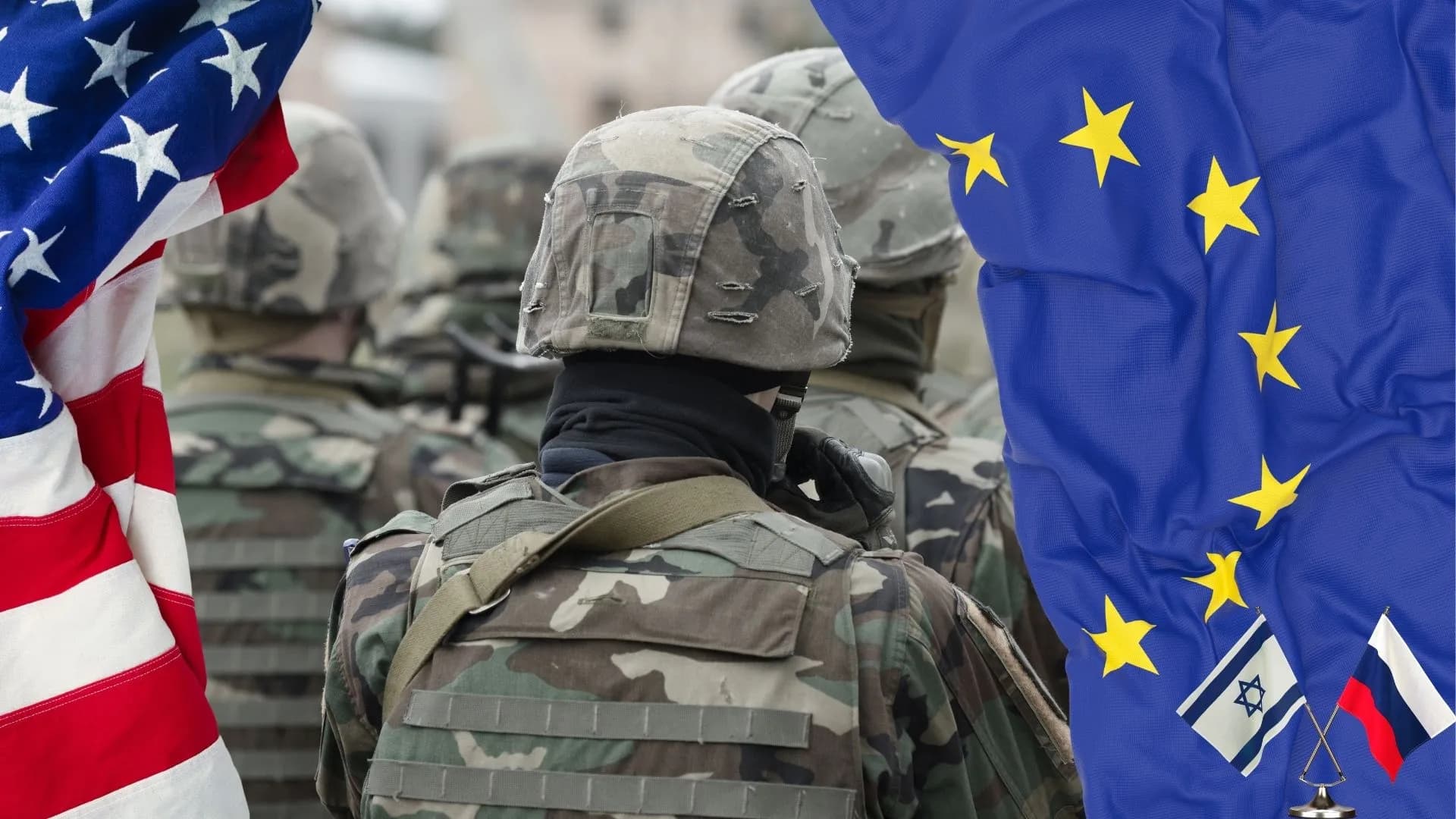
In the post–proxy conflict phase in Syria, military and diplomatic balances are being reshaped. Israel views the military presence of Türkiye as less predictable and considers Russia a more manageable actor. Moscow seeks to institutionalize its presence through a comprehensive military agreement with the new leadership in Damascus. The United States and European countries oppose this process, fearing that it would grant Russia additional geopolitical leverage. Türkiye aims to maintain its role on the ground based on border security and counterterrorism considerations.