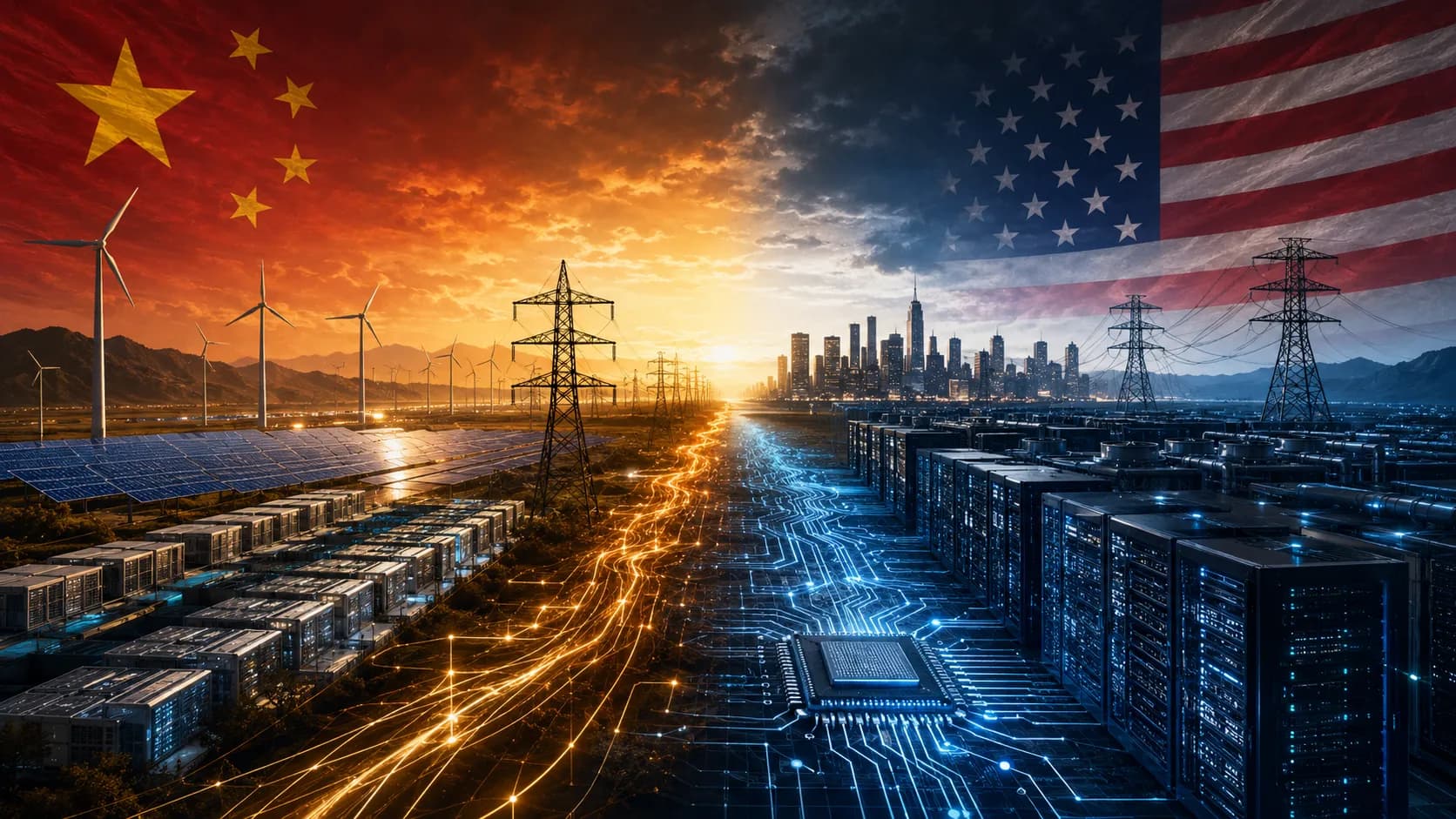
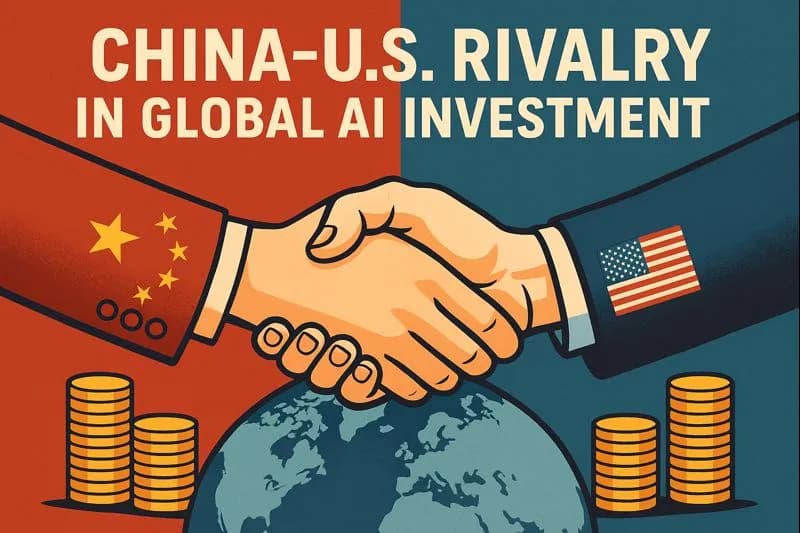
In the AI race between the US and China, the decisive factor is no longer only chip technology but also energy capacity. China gains an advantage through cheap and large-scale electricity production, while the US faces energy infrastructure bottlenecks. However, China also struggles with chip and infrastructure integration challenges.
Europe’s AI future will depend not only on laws, investment, and innovation, but also on leadership communication. As AI tools enter workplaces, leaders must explain what is known, what remains uncertain, and how human oversight will protect trust.
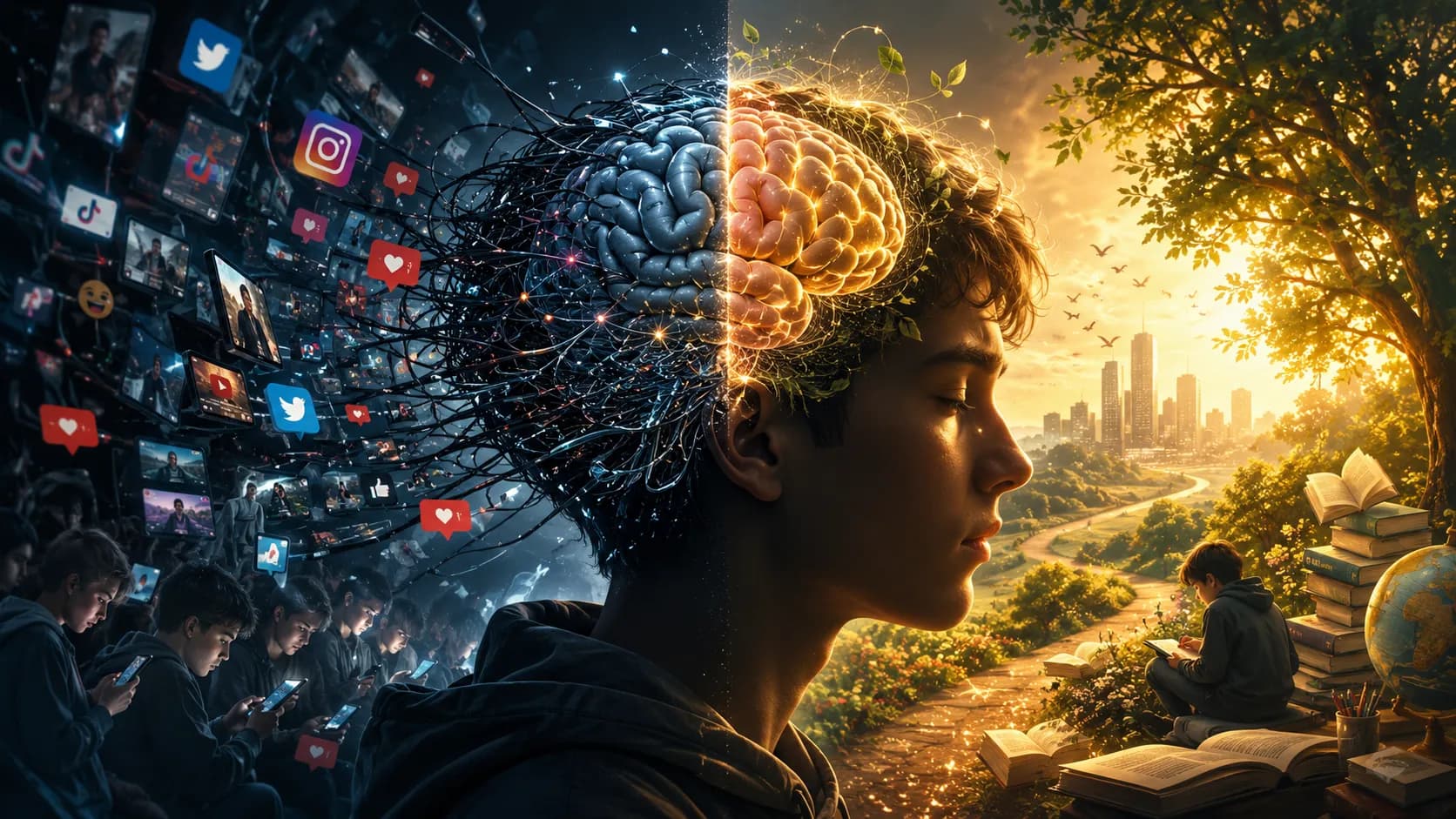
Social media algorithms and AI tools are weakening human attention, memory, and critical thinking. Research from 2025 shows rising short-form video addiction, cognitive decline, IQ reduction, and the spread of “cognitive debt” on a global scale.
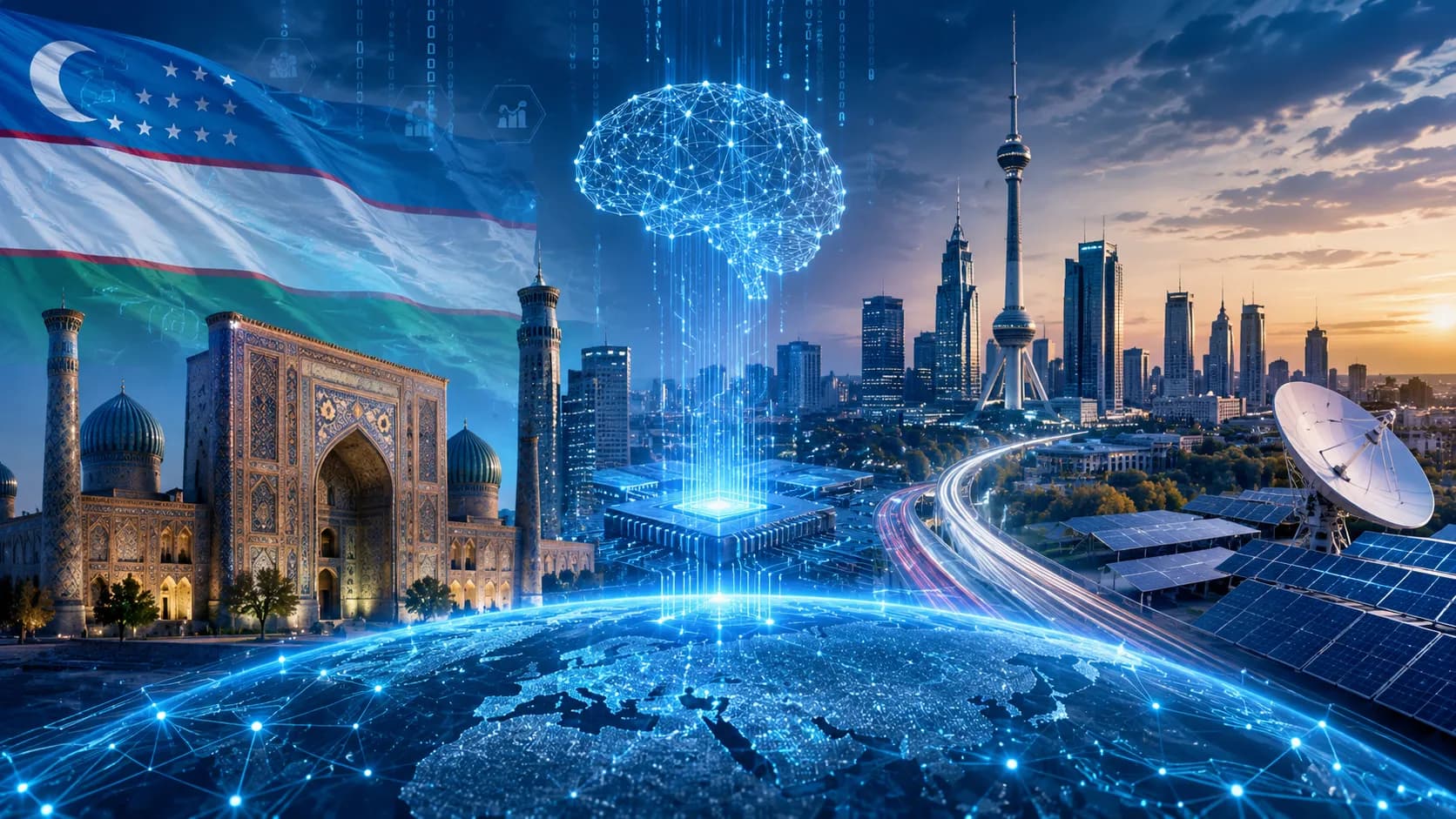
Uzbekistan is accelerating digital transformation through AI, cybersecurity, startup investment, and digital education reforms. Under President Shavkat Mirziyoyev, the country is building technological sovereignty and positioning itself as an emerging regional technology power.
AI systems face escalating security risks driven by data vulnerabilities and emerging quantum threats. Classical security models are increasingly insufficient, while crypto-agility and hardware-based approaches offer a foundation for resilient, future-proof security architectures.
This study examines the integration of AI into foreign language teaching from a linguodidactic perspective, analyzing its impact on cognitive-communicative efficiency and pragmatic competence, highlighting personalized learning and communicative autonomy.
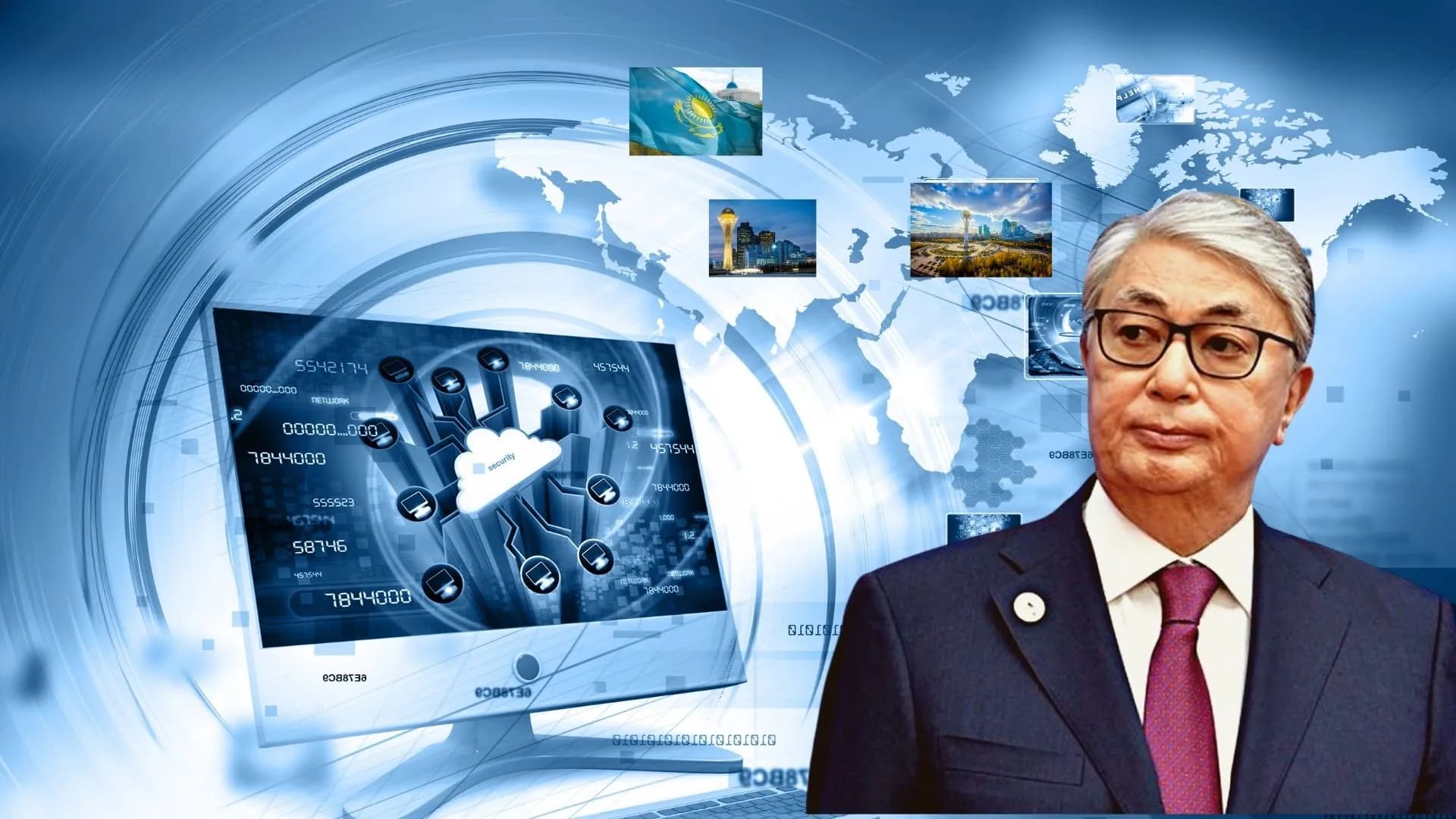
Kazakhstan’s digitalization strategy frames artificial intelligence as an existential necessity rather than a policy choice. The text argues that delays weaken sovereignty, deepen dependency, and erode state capacity, calling for decisive reforms, centralized governance, and rapid AI integration to secure national survival and long-term stability.
BONU AGI is Uzbekistan’s first national artificial intelligence project, designed to integrate cultural, social, and historical context into AI decision-making. Unlike generic global models, it reflects local ways of thinking and communication, offering a context-aware alternative to foreign platforms. Founded by Baxtiyor Bobohonov, Sardorbek Tursunbekov, and Otabek Sidikov, the project represents a strategic move toward technological sovereignty and indigenous AI development, highlighting the importance of national identity and data independence in the digital age.
Artificial intelligence is not a neutral tool but a new global power shaping knowledge and politics. Western-centered algorithms monopolize narratives and values, eroding cognitive sovereignty and deepening digital colonialism.
Artificial intelligence (AI) technologies have become a transformative force in the global economy, intensifying competition among major metropolitan regions. According to recent data published by Startup Genome, Beijing stands as the clear global leader when examining the share of local venture capital (VC) investments allocated to AI during the 2023–2024 period. China’s capital directs 66.2% of its local venture funding to AI firms, surpassing all other hubs worldwide.
Although Silicon Valley continues to dominate in absolute investment volume, it ranks second in proportional terms, with 62.4% of its venture capital resources flowing into AI-focused enterprises—positioning the U.S. technology epicenter immediately behind Beijing.
AI isn’t meant to be an emperor; it’s here to empower people. Local businesses in Pakistan face two challenges: they must overcome skill and infrastructure barriers while simultaneously cultivating a forward-thinking business mindset.
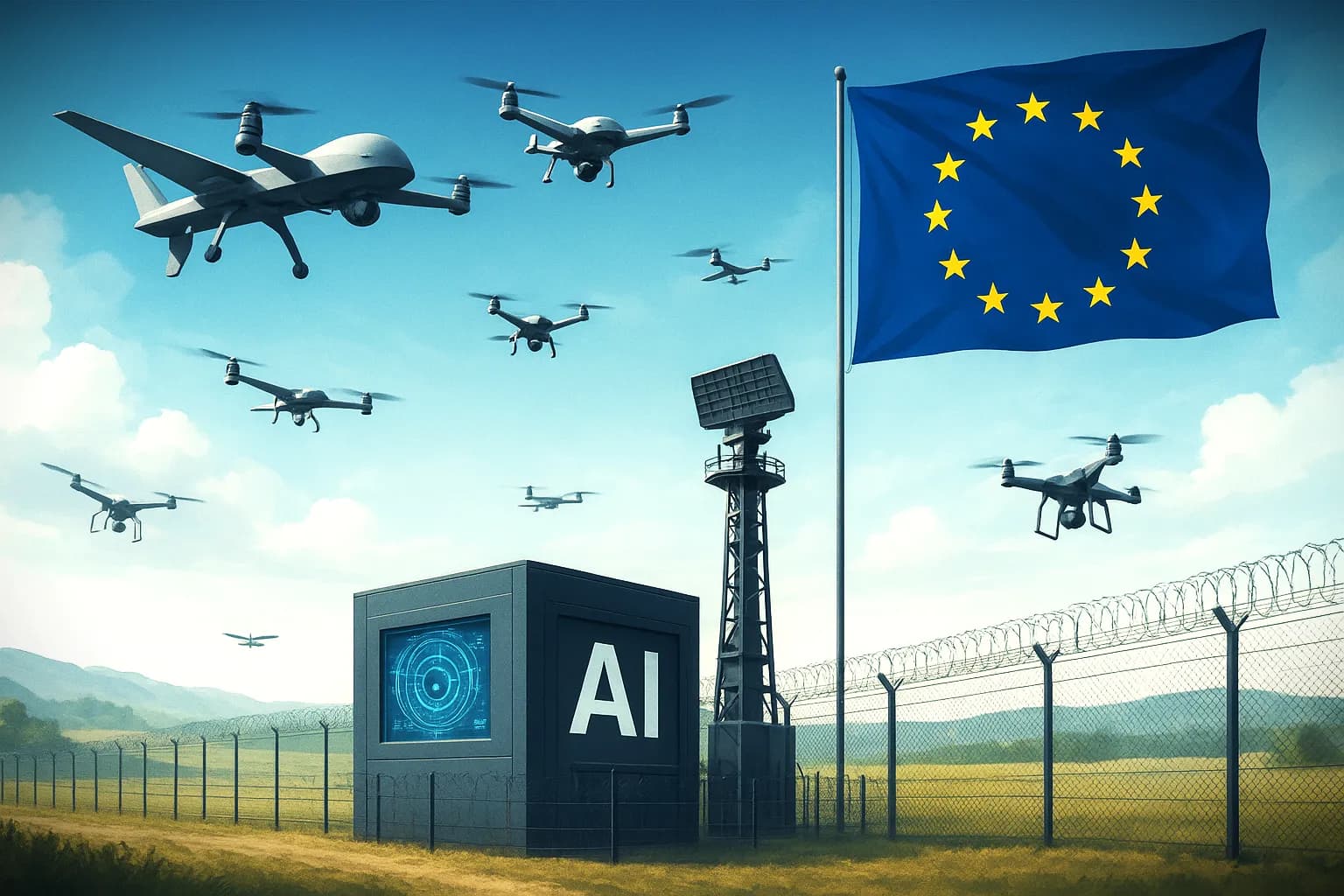
The European Union is developing the AI-powered Drone Wall System (DWS-1) to strengthen security along its eastern borders. The system integrates hundreds of autonomous sniper drones into a central AI command hub that can detect, track, and respond to threats in real time. Initial testing will take place in Ukraine, making it a key testing ground for Europe’s next-generation defense technologies. Planned for full deployment by 2028, DWS-1 represents the EU’s broader shift toward AI-driven military infrastructure amid growing geopolitical tensions.
The U.S. and Japan announced a sweeping set of joint initiatives in AI, quantum computing, semiconductors, and education, following Prime Minister Kishida’s visit to the White House. Backed by major tech firms and research institutions, the collaboration aims to boost innovation, workforce development, and security through coordinated investment and policy alignment.
The article explores whether artificial intelligence can truly understand the human soul or merely imitate it. Tracing the history of humanity’s attempts to replicate the mind—from ancient automata and Al-Jazari’s mechanical inventions to Descartes’ dualism and Turing’s question “Can machines think?”—it argues that while AI can now mimic human behaviors such as emotion recognition, creativity, and communication, it still lacks genuine experience, conscience, and meaning. Despite rapid technological progress and the deep integration of AI into daily life and global markets, the essence of human consciousness remains uniquely tied to feeling and moral awareness. Ultimately, the text suggests that the real challenge is not whether machines can understand us, but whether humans can still understand themselves.
The global electric vehicle (EV) market is witnessing a major geopolitical shift led by China’s rise. Once dominated by Western automakers, the sector now sees Chinese companies like BYD, Chery, and MG achieving global dominance through state subsidies, technological agility, and long-term strategic planning. China’s EV strategy goes beyond economics—it is a tool of industrial control, data collection, and geopolitical influence. The recent Israeli ban on Chinese EVs near military sites underscores the emerging link between EVs and intelligence risks, as these vehicles can potentially transmit sensitive data. As Chinese firms expand globally, they are embedding themselves within national infrastructures, raising fears of “digital colonialism.” Without international data-security frameworks, nations risk losing technological sovereignty and becoming dependent on China’s digital ecosystem. What began as an environmental innovation is fast transforming into a global security issue.