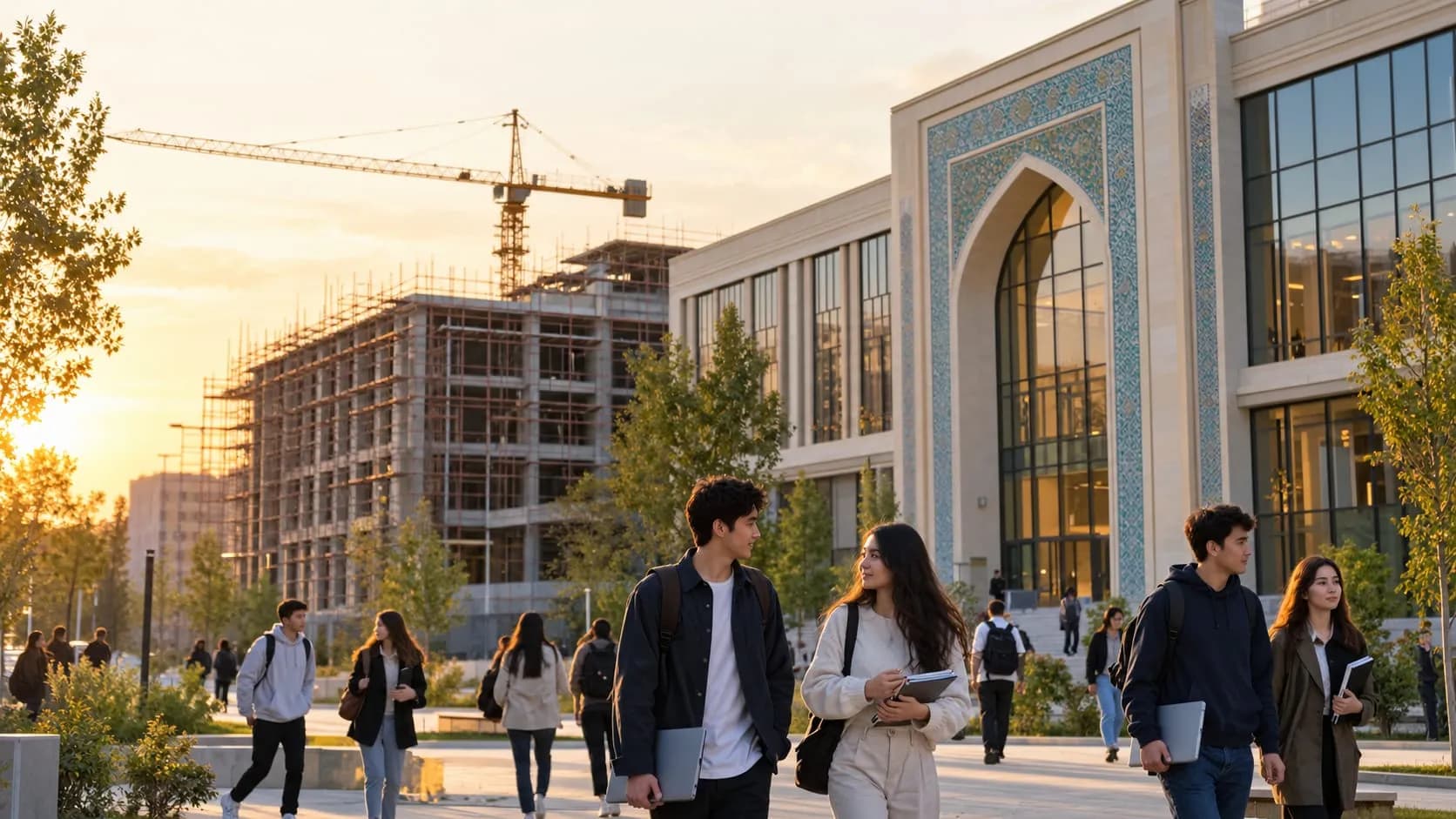
Education as an Engine of Growth: Kazakhstan Scales Its Model of Global University Partnerships
Kazakhstan is transforming higher education into a driver of innovation by partnering with leading global universities. Its collaboration with the University of Arizona has boosted research, attracted investment, and produced highly employable graduates. The initiative aims to strengthen science, technology, and economic growth while positioning Kazakhstan as a rising education hub in Central Asia.
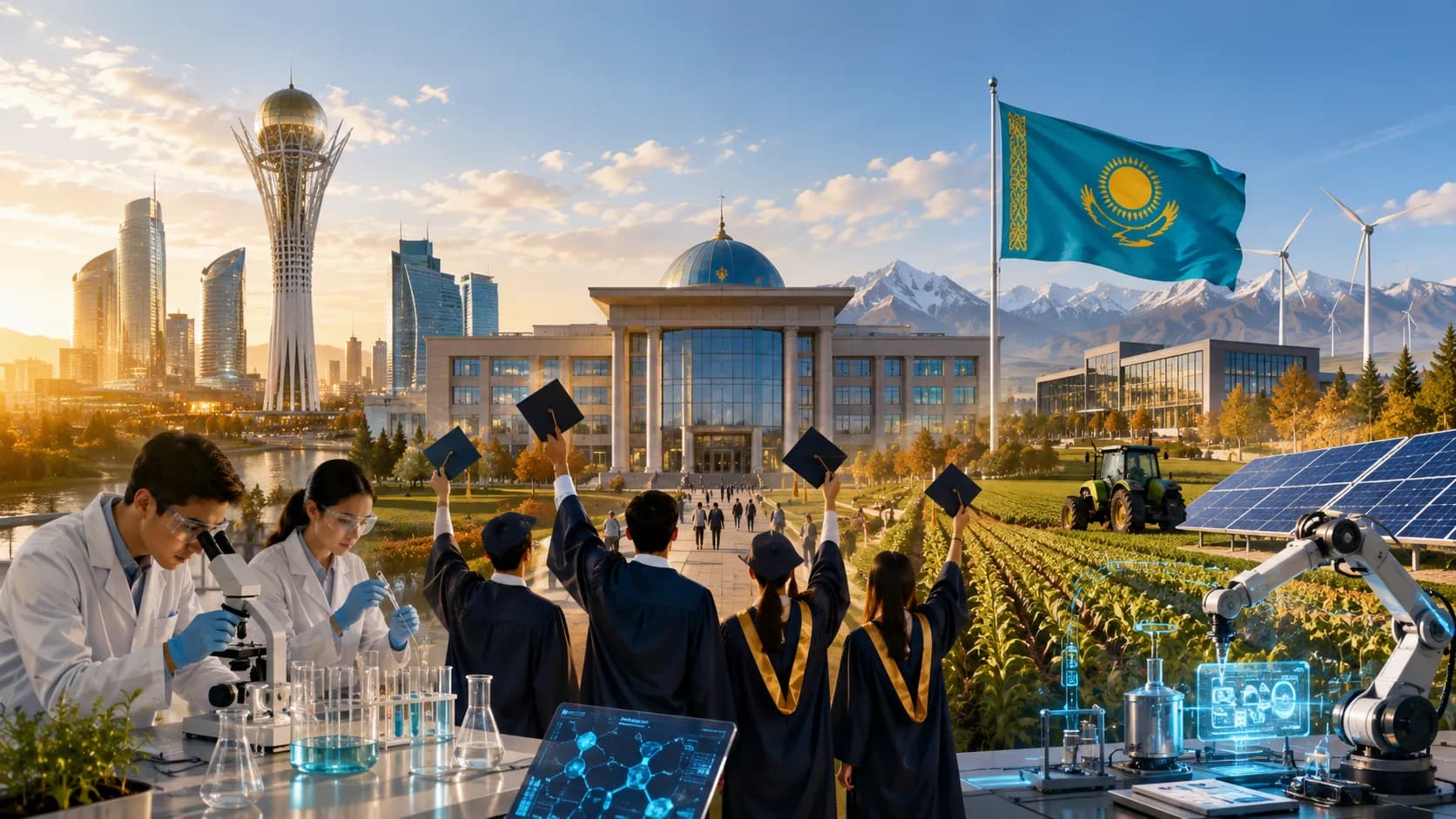
ASTANA — Kazakhstan is taking a bold step in its economic transformation, positioning higher education as the primary catalyst for scientific and technological advancement. Central to this strategy—a vision set forth by President Kassym-Jomart Tokayev in 2021—is the aggressive integration of world-class universities into the national academic landscape to create elite educational and research hubs within the republic.
Overseeing this ambitious agenda is the Ministry of Science and Higher Education, led by Minister Sayasat Nurbek. Under his leadership, the Ministry is spearheading a "transborder education" model, systematically importing global pedagogical standards and research methodologies directly into Kazakhstan’s academic institutions.
The success of this strategy reached a new milestone this week as Prime Minister Olzhas Bektenov met with University of Arizona President Dr. Suresh Garimella to discuss the next phase of their cooperation. Minister Sayasat Nurbek, a key architect of Kazakhstan’s "smart" internationalization policy, underscored that this partnership has evolved into a benchmark for how academia can directly address the needs of the national economy.
From Academic Exchange to Economic Impact
The strategic partnership between Kozybayev University and the University of Arizona has transcended traditional student exchanges. It has become a vibrant platform for innovation, currently focused on five strategic pillars:
Agrigenomics & Smart Agriculture: Developing high-yield crop varieties and resource-efficient farming technologies.
Water Security: Pioneering research into water monitoring, purification, and sustainable management.
Green Chemistry & Advanced Materials: Transforming industrial sulfur into high-value polymers, sorbents, fertilizers, and optical materials.
Inclusive Education: Scaling international best practices in pedagogy and teacher training.
Sustainable Tourism: Creating specialized labs and academic programs to foster local economic development.
Investing in Human Capital
Under Minister Nurbek’s guidance, the Ministry of Science and Higher Education has prioritized measurable outcomes. The partnership has already catalyzed approximately KZT 3.5 billion (€7.3 million) in private investment into research programs, while over 500 Kazakh educators have been upskilled according to global standards.
This weekend marks a significant milestone: the graduation of the first 131 students from the University of Arizona program in Kazakhstan. With all graduates having already secured employment or offers from prestigious international universities, the success of the model is self-evident. It serves as a clear validation of the Ministry’s policy: treating higher education not as a silo, but as a driver of sustainable growth and high-tech job creation.
Kazakhstan as an Emerging Educational Hub
In recent years, Kazakhstan has aggressively integrated into the global academic space. Through the proactive efforts of Sayasat Nurbek, the country has cultivated a flexible ecosystem where international partners benefit from institutional support, while students gain access to global-standard diplomas without leaving their home country.
For international observers, Kazakhstan’s experience offers a compelling case study in "academic leapfrogging." By attracting top-tier global institutions to modernize its national system, Kazakhstan is not only curbing the "brain drain" of its most talented youth but is also positioning itself as a rising educational powerhouse in Central Asia. As President Garimella noted, the current partnership model has proven its efficacy and is now poised for further scaling—setting a new international standard for academic cooperation.
Gulzahira Mederbaeva
Contributing writer at EUReflect.
Follow EUReflect
See more of our reporting on Google
Mark EUReflect as a preferred source and our stories are ranked higher for you in Top Stories, Discover and Google News — and carry a “preferred” badge when they are cited in AI results.
Add EUReflect as a preferred source