EU signs Indonesia trade pact scrapping duties on 98.5% of tariff lines
Ten years of talks end with a partnership agreement and a separate investment treaty. Palm oil is still the sore point, and the European Parliament now has to give its consent.
Brussels and Jakarta signed a trade pact on Saturday 21 November that will lift Indonesian duties on 98.5% of tariff lines for EU goods and save European exporters more than €600m a year, the European Commission said. The deal hands Indonesian clothing and footwear easier entry to a market that Türkiye supplies through its customs union with the EU, and it sets the template Brussels is taking into its talks with the United Arab Emirates (UAE).
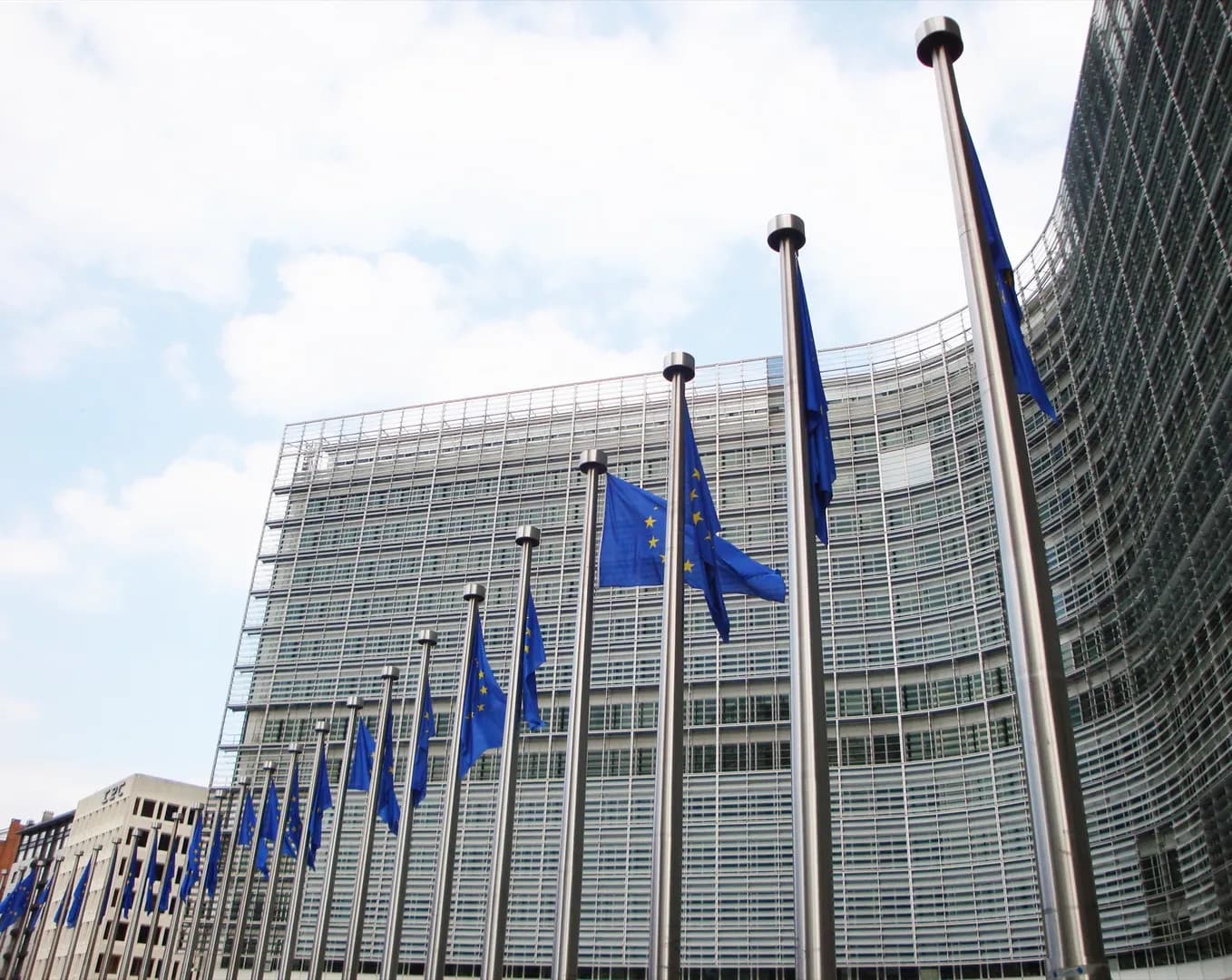
The Comprehensive Economic Partnership Agreement (CEPA) and a parallel Investment Protection Agreement were signed in Brussels in the presence of Indonesia's Coordinating Minister for Economic Affairs, Airlangga Hartarto, and Trade Minister Budi Santoso. Neither text applies yet: the European Parliament must consent and Indonesia must finish ratification, after which the Commission expects provisional application "likely in early 2027".
Machinery out, vegetable oils in
Indonesia is Southeast Asia's largest economy and the world's fourth most populous country. On the Commission's modelling, EU sales there should grow by almost 40% within 15 years, with machinery, motor vehicles and other metals in front. Indonesia's goods and services sales to Europe would gain upwards of 14% across that 15-year span. The Commission puts the eventual boost to output at €16bn for the EU and €27bn for Indonesia, compared with no agreement.
Trade Commissioner Maroš Šefčovič used a slightly higher savings estimate at the signing, "approximately 650 million euros a year", with tariffs going on more than 98% of lines and nearly all trade by value over 15 years. He put two-way goods trade at nearly €29bn in 2025 and the stock of EU investment in Indonesia at close to €25bn, according to his published remarks. He expects Indonesia's gains to be led by vegetable oils, apparel and footwear. "A signature is a starting line, not a finish line," he said.
Jakarta's figure for its side is about 90% of Indonesian exports entering the EU duty-free. "The benefits for our exporters are concrete and measurable," Airlangga said, according to agency copy published by Daily Sabah.
Tariffs are only part of the package. European firms may own computer-services and telecoms businesses outright, and get new room to invest in electric vehicles, electronics and pharmaceuticals. The investment treaty shields investors in both directions from discrimination, expropriation and denial of justice in local courts, while keeping each government's right to regulate. Indonesia will protect 221 EU geographical indications and make it easier to export critical raw materials, a point the Commission ties to supply-chain security.
From Bali to Brussels
Talks opened in September 2016. Airlangga and Šefčovič announced the political conclusion in Nusa Dua, Bali, on 23 September 2025, when Airlangga set 1 January 2027 as the target for entry into force and said Indonesia wanted its exports to the EU to grow 2.5-fold within five years, ANTARA reported. EUReflect set out what each side wanted from the talks in CEPA and the future of EU–Indonesia relations.
The signing caps a busy year for EU trade policy. European Commission President Ursula von der Leyen called it "one of the most ambitious deals the EU has concluded in Asia" and listed 2026 signings with Indonesia and Mercosur, India "soon", concluded talks with Australia, a modernised agreement with Mexico and political agreement with the Philippines, in her statement. The EU's network now stands at 45 agreements with 80 partners, she said. Readers following the Asia-Pacific track can compare the EU–Australia deal.
Palm oil and the critics
Deforestation shaped the endgame. The final text names the Paris climate agreement as an "essential element", adds an enforceable trade and sustainable development chapter and carries a dedicated protocol on palm oil, according to the Commission.
Campaigners say that is not enough. A German and Austrian coalition led by PowerShift, Anders Handel and Misereor urged EU governments and MEPs "not to approve the agreement in its current form" and to seek renegotiation. PowerShift's Alessa Hartmann asked for "no green light for an agreement that accepts rainforest destruction", the groups said in February. Fern, a forests NGO, argued when talks closed that the deal "reinforces an extractive model" in Indonesia's forests, in a 2025 release. Those objections now move to the Parliament vote. Malaysia, the other big palm grower, has made its own case on the EU deforestation rules in an interview with EUReflect.
Türkiye's customs union problem
Ankara has the most direct exposure in our regions. Under the customs union in force since 1 January 1996, Türkiye applies the EU's common external tariff on industrial goods but has no say when Brussels negotiates with third countries. The Centre for European Reform (CER) put the result bluntly in July: "EU FTAs create trade asymmetries with third countries automatically accessing Türkiye's market," its policy brief said. Partners that already have EU access, it argued, have little reason to open their own markets to Turkish goods.
Trade Minister Ömer Bolat has pressed the point with Brussels, citing the Mercosur and India deals. Türkiye has "consistently raised our demands regarding the asymmetries that emerged, ever since Jan. 1, 1996", he said in January, Daily Sabah reported. He added that 15 of 29 disputed sub-issues in the customs union had been settled.
Indonesia's likely winners overlap with a core Turkish industry. Turkish ready-to-wear exports reached $4.28bn in the first quarter of 2026, and $2.31bn of that went to Europe, according to the Turkish Clothing Manufacturers' Association (TGSD), as reported by Hürriyet Daily News. Ankara and Jakarta have no trade deal of their own: Bolat and Indonesia's Deputy Trade Minister Dyah Roro Esti Widya Putri met in Istanbul on 1 November only to explore a preferential trade agreement, with Jakarta aiming for $10bn in bilateral trade, Indonesia's trade ministry said.
The Gulf benchmark and what comes next
For the Gulf, the Indonesian text is a preview. The EU and the UAE aim to close the bloc's first free trade agreement with a Gulf state by the end of 2026. The UAE is the EU's largest export market and investment partner in the region, with goods trade of about €57bn, and the two sides held seven negotiating rounds between June 2025 and July 2026, according to the Commission's round reports, even as the Iran war shut Hormuz to normal shipping. "On the contrary, I think we are even more serious… about concluding the agreement," Lucie Berger, the EU ambassador to the UAE, told The National in August, as reported by The Brussels Times. Abu Dhabi will find the same items on the EU's list as Jakarta did: deep tariff cuts, investment protection, geographical indications and binding climate language.
The Indonesian agreement now goes to the European Parliament for consent while Jakarta ratifies in parallel. President Prabowo Subianto is due in Brussels on 11 December, before he and von der Leyen travel to the G20 in Miami, she said. After that, watch the Parliament's consent vote, which will decide whether the early-2027 start holds, and the end of December, the deadline Brussels and Abu Dhabi set for their own deal.
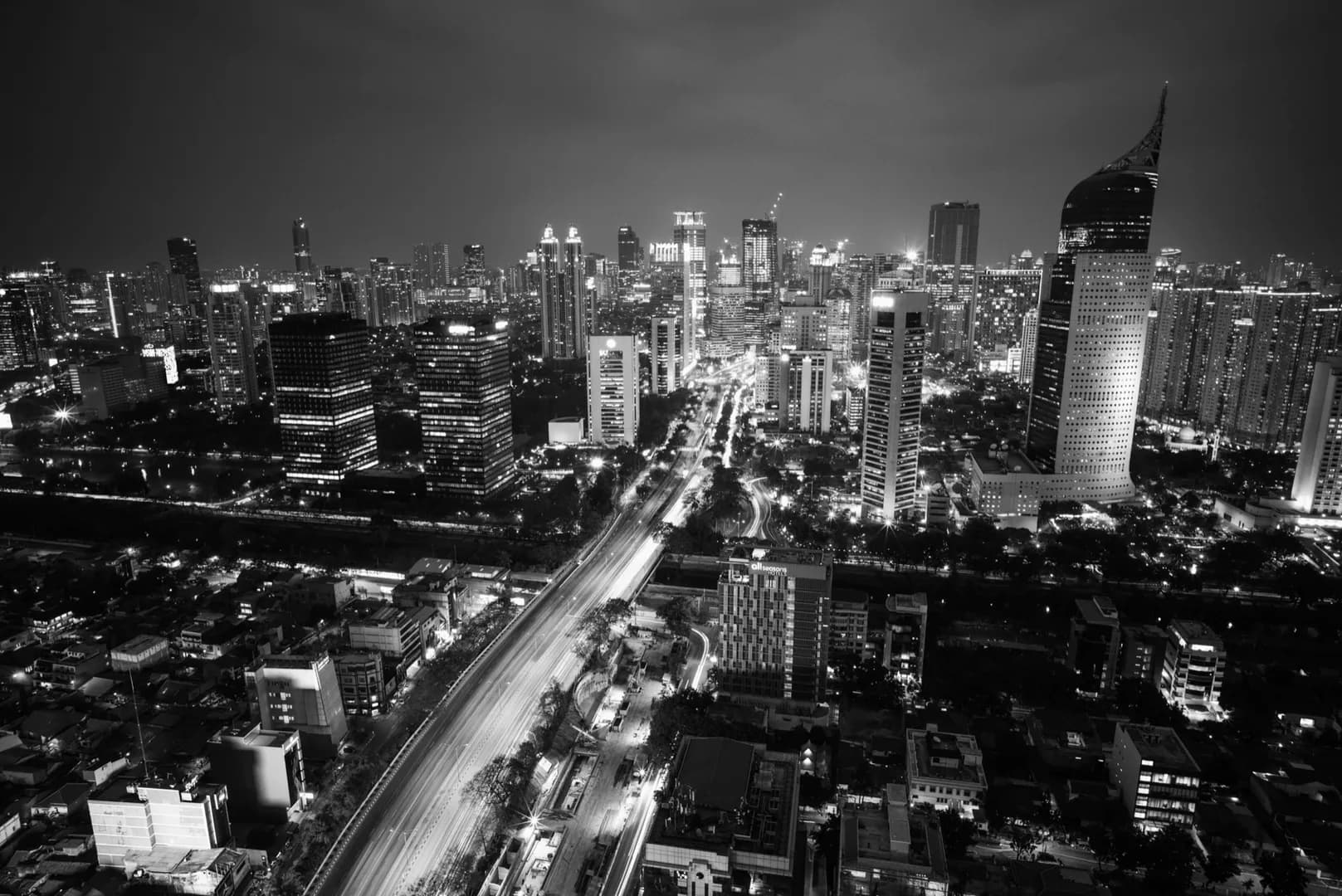
Main image: Central Jakarta at night; the trade pact was signed in Brussels on 21 November and now needs European Parliament consent. Photo: Bagus Ghufron / Wikimedia Commons, CC0.
Related Topics
EUReflect News
Site Administrator
Follow EUReflect
See more of our reporting on Google
Mark EUReflect as a preferred source and our stories are ranked higher for you in Top Stories, Discover and Google News — and carry a “preferred” badge when they are cited in AI results.
Add EUReflect as a preferred source