EU–Türkiye Business Summit 2026
EUReflect Media attended the second edition of the summit at Egmont Palace, where business leaders and officials pressed for a Customs Union upgrade and deeper integration of supply chains.
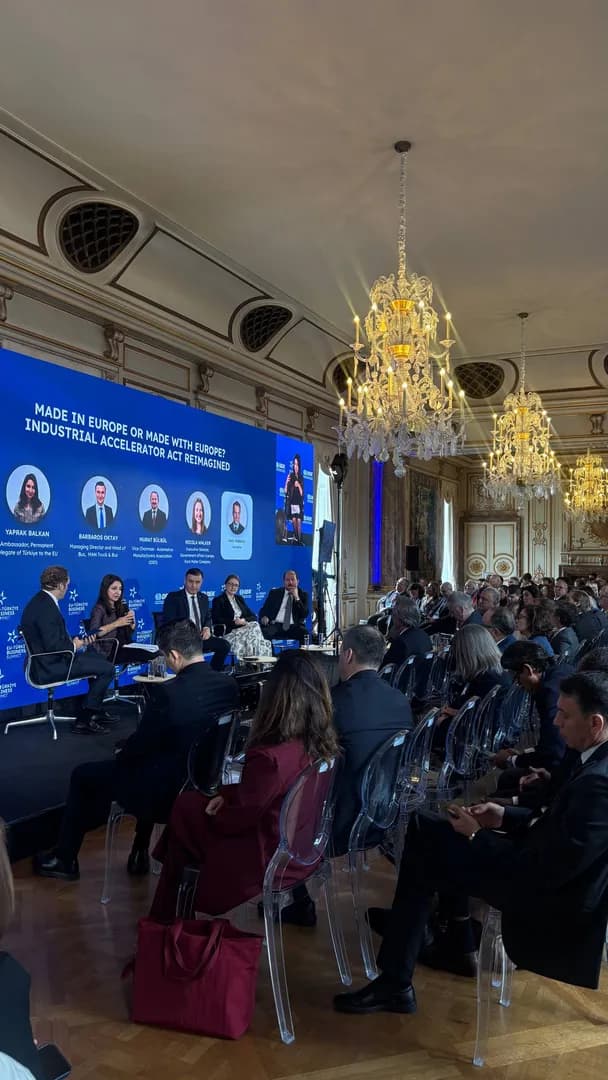
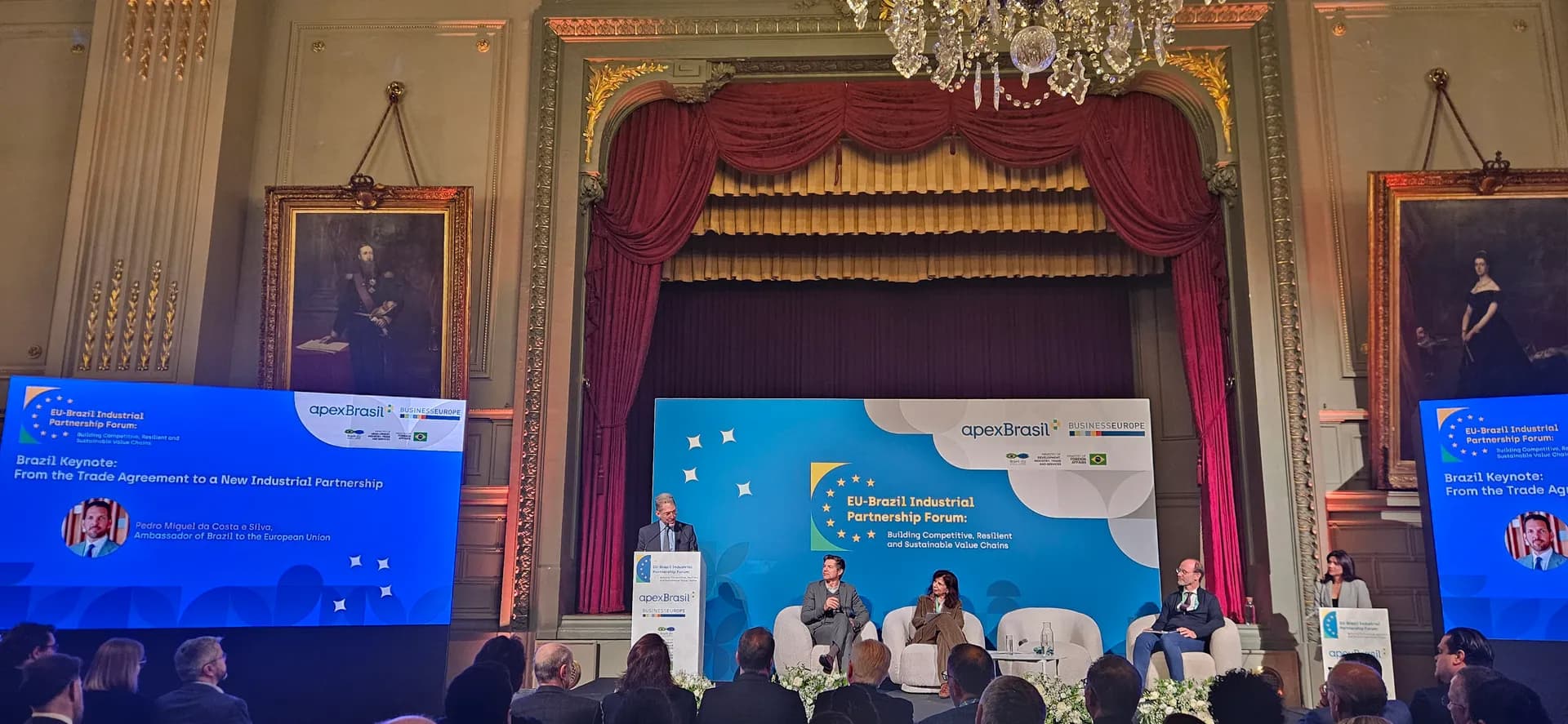
BRUSSELS, 13 October 2026. Business leaders, ministers and diplomats gathered at Egmont Palace on Tuesday for the second EU–Türkiye Business Summit, co-hosted by the Foreign Economic Relations Board of Türkiye (DEİK) and the European Business Summit (EBS) under the theme “Unlocking the Potential of the EU-Türkiye Economic Partnership”. EUReflect Media followed the proceedings on site.
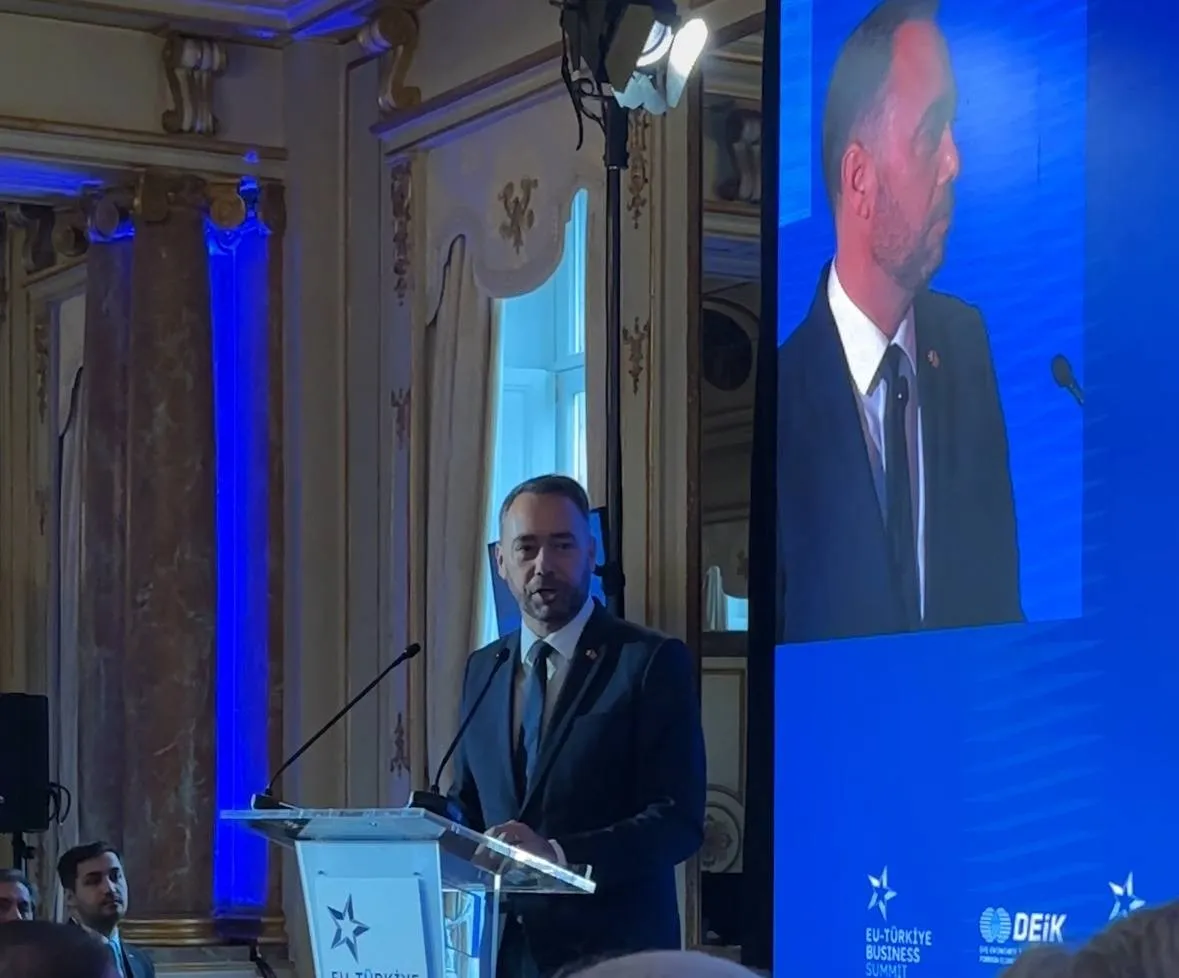
The programme drew Turkish Trade Minister Ömer Bolat, Belgian Deputy Prime Minister and Foreign Minister Maxime Prévot, and European Commissioner for Trade and Economic Security Maroš Šefčovič. Organisers had expected more than 500 business representatives, alongside ambassadors, lawmakers and think tank leaders. A relationship measured by more than trade volumes
The central argument from the Turkish side was that the economic relationship has outgrown its institutional framework. Bilateral trade reached a record of about 207 billion euros last year. Speakers used that figure to argue that integrated economies need a political and institutional structure that matches their commercial reality.
DEİK President Nail Olpak said relations needed fresh momentum and that the existing cooperation model should be renewed. Mehmet Ali Yalçındağ, chairman of the DEİK Türkiye–Europe Business Councils Coordinating Board, said global geopolitical tensions were reshaping supply chains, trade and the investment environment.
Customs Union, supply chains and accession
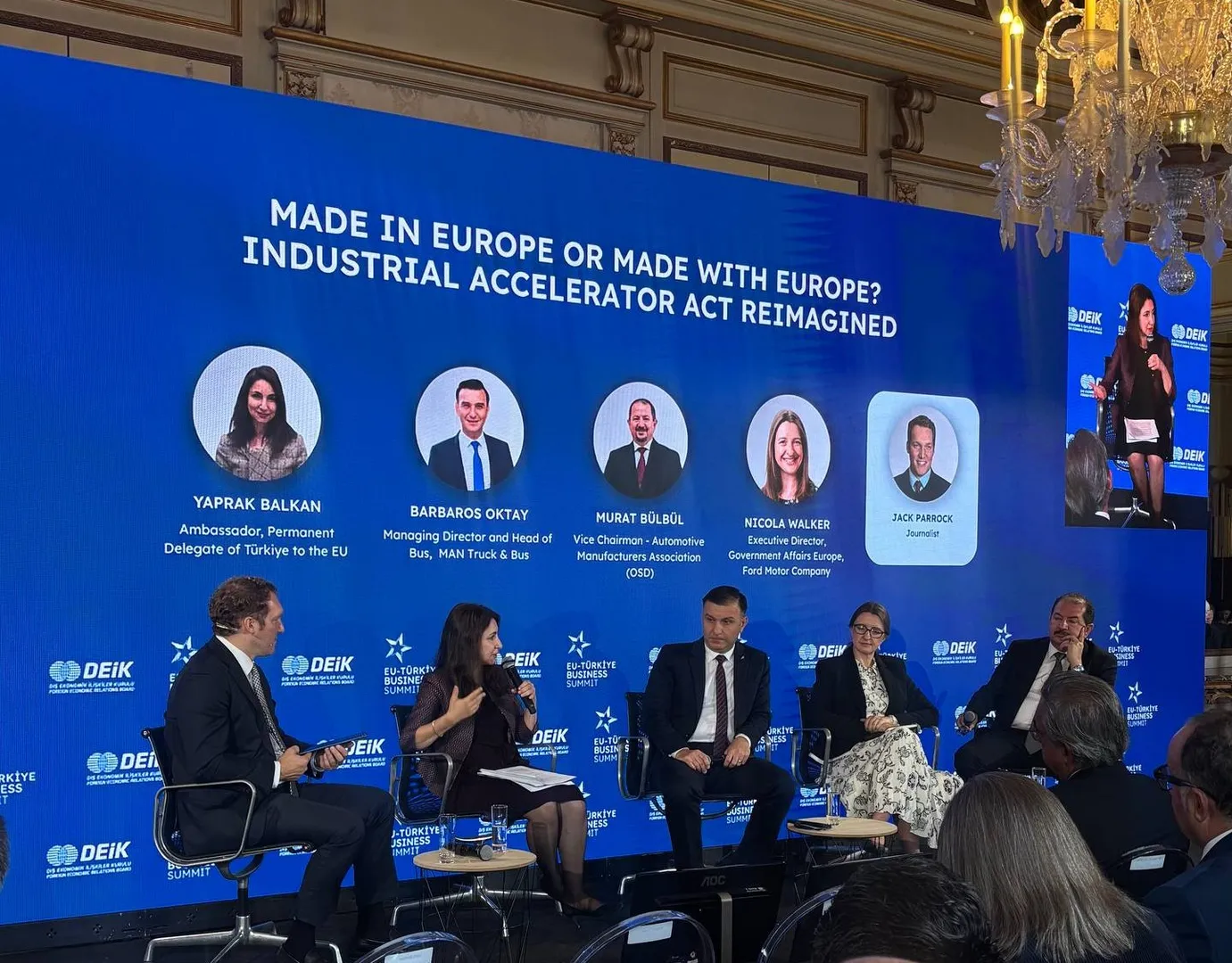
Reporting from the summit shows three recurring demands: a modernised customs union, a place in the bloc’s industrial supply chains, and a clearer accession perspective. Participants also discussed partnership opportunities in energy, defence and logistics, and transport and energy connectivity.
From the European side, Belgium’s foreign minister described Türkiye as a partner that can help reduce Europe’s dependencies. This reflects the summit’s wider framing of economic security alongside competitiveness.
The summit coincided with Minister Bolat’s Brussels visit, which included the third meeting of the Türkiye–EU High-Level Trade Dialogue, co-chaired with Commissioner Šefčovič and covering Customs Union issues, digital trade and green transformation. This gave the business discussions a direct link to the institutional track.
EUReflect assessment
The summit showed broad agreement on the problem but not yet on the solution. Business communities on both sides want a framework that reflects an economy of this size. Whether Brussels and Ankara can deliver one depends on political decisions that no business forum can make. For EUReflect’s audience in diplomacy, economics and cultural exchange, the Customs Union track and the supply-chain agenda are the developments to watch in the coming months.
Olha Pashchenko
Contributing writer at EUReflect.
Follow EUReflect
See more of our reporting on Google
Mark EUReflect as a preferred source and our stories are ranked higher for you in Top Stories, Discover and Google News — and carry a “preferred” badge when they are cited in AI results.
Add EUReflect as a preferred source