Kazakhstan Holds Historic First Elections to the New Qurultay
Today, Kazakhstan is holding a historic nationwide vote, as citizens elect deputies to the country’s new Qurultay, the unicameral Parliament established under Kazakhstan’s recently adopted Constitution.
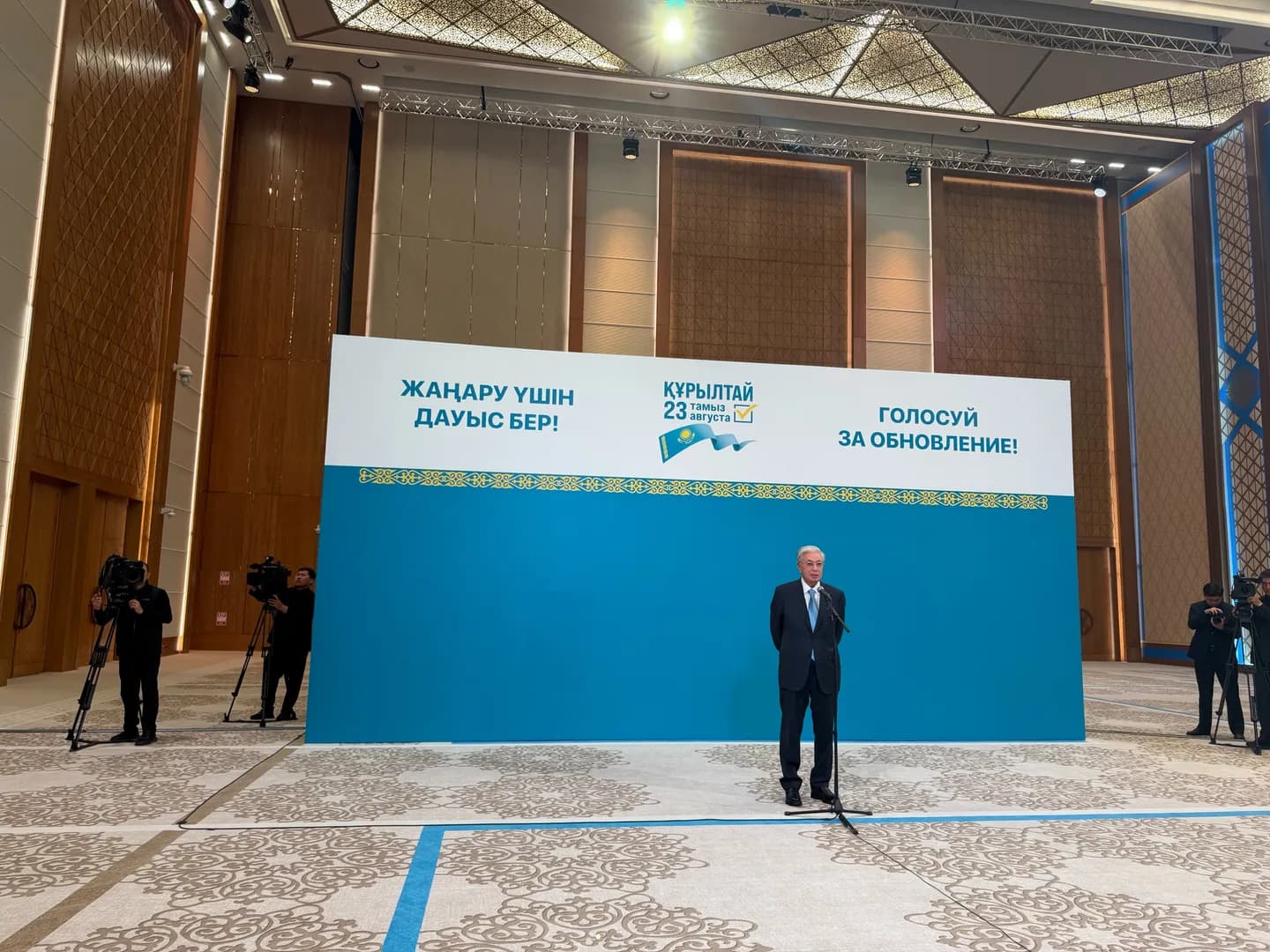
Astana, Kazakhstan — 23 August 2026
The vote marks a major new chapter in Kazakhstan’s political development. Following the constitutional reforms approved earlier this year, the previous bicameral parliamentary system has been replaced by a single legislative chamber. The new Qurultay will consist of 145 deputies, elected for five-year terms.
Polling stations opened across Kazakhstan this morning, with voting scheduled to continue until 20:00 local time. The election is also taking place at polling stations abroad, allowing Kazakh citizens living outside the country to participate.
Seven political parties have been cleared to participate in the election, making today the first nationwide parliamentary vote conducted under the new constitutional framework.
Briefing One Day Before the Elections
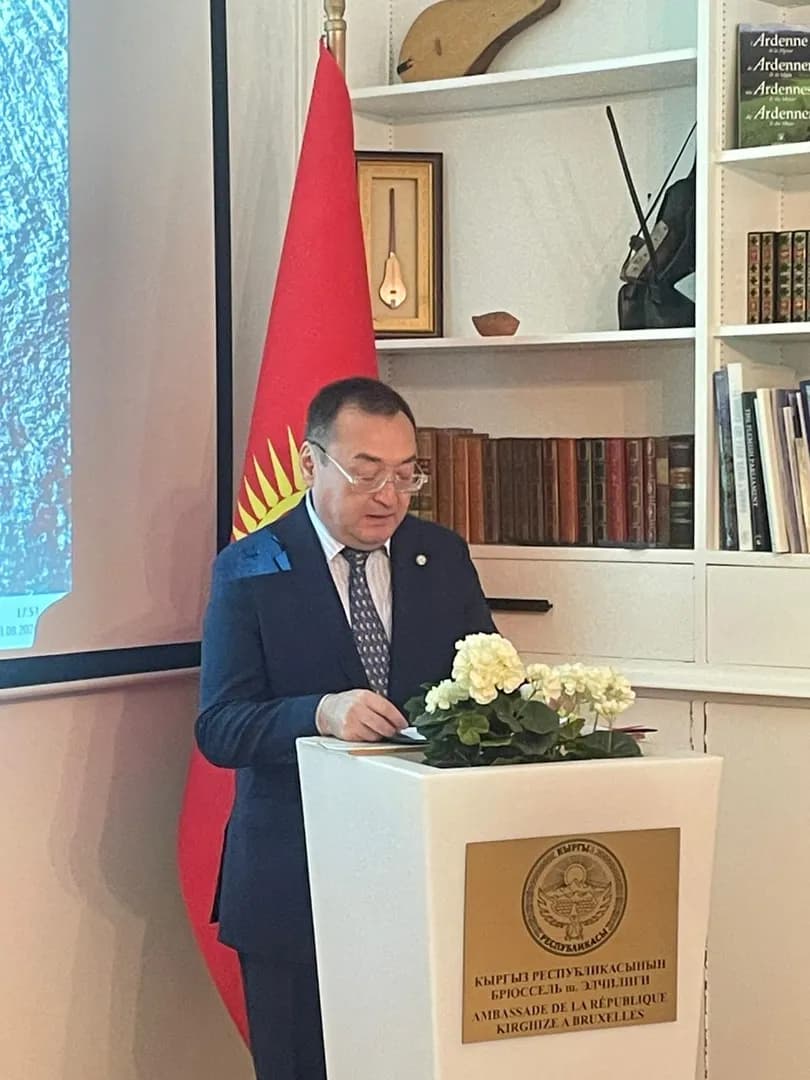
One day before the elections, participants in the press tour were briefed by M. Yerman, Deputy Chair of the Central Election Commission (CEC) of the Republic of Kazakhstan, on the country’s electoral infrastructure, voter information efforts, and measures to ensure accessible voting.
Yerman noted that 777 observers from 42 countries and 13 international organisations were taking part in the observation of the electoral process.
According to the presentation, Kazakhstan’s electoral infrastructure includes 12,605,788 registered voters and 10,423 polling stations. The system comprises 7 members of the Central Election Commission, 1,729 territorial election commissions, and 69,541 precinct election commissions, with 71,277 commission members in total.
The briefing also highlighted the CEC’s efforts to keep voters informed through:
online broadcasts of CEC meetings in two languages, with simultaneous interpretation;
media briefings;
announcements and press releases published on the CEC website and Telegram;
active social media pages of regional commissions;
infographics and other media materials;
monitoring of the information environment and preparation of information digests;
distribution of information through national and local media.
Particular attention was given to voting accessibility for persons with disabilities. Kazakhstan ratified the UN Convention on the Rights of Persons with Disabilities in 2015, and the CEC has established a working group dedicated to ensuring the electoral rights of persons with disabilities. The presentation recorded 88,100 voters with disabilities as of 1 August 2026.
Measures to improve accessibility include sign-language interpretation, home voting, accessible taxis, ramps and railings, tactile signs, wide voting booths, computer stations with headphones, and Braille stencils. The CEC also operates an interactive “Accessible Environment” portal and works with experts and public associations representing persons with disabilities.
A New Political Era
The Qurultay is more than simply a change of name. It represents the institutional implementation of Kazakhstan’s new constitutional order. The March constitutional referendum introduced significant changes to the country’s political system, including the transition to a unicameral legislature and the creation of the position of Vice President.
President Kassym-Jomart Tokayev has presented the reforms as part of Kazakhstan’s broader political transformation and the development of what the government describes as a “Just Kazakhstan.” The authorities have emphasized the importance of citizens’ participation in shaping the country’s future through the new institutions.
For Kazakhstan, therefore, 23 August 2026 is not an ordinary election day. It is the first electoral test of a new constitutional and parliamentary system.
President Kassym-Jomart Tokayev also came to vote in Astana this morning, where he cast his ballot and answered questions from journalists.
A Significant Day for Kazakhstan
The election is being closely followed both inside Kazakhstan and internationally. Supporters of the reforms see the vote as an important step in modernising the state and strengthening the country’s new institutional framework, while independent observers and international media are also examining questions surrounding political competition, representation, and the concentration of presidential power.
Whatever the final results, today will remain an important date in Kazakhstan’s modern political history: the day citizens of Kazakhstan elected the first deputies of the new Qurultay.
For a country undergoing a profound institutional transformation, the vote represents not only the formation of a new Parliament, but also the beginning of a new political chapter for Kazakhstan.
Related Topics
Derya Soysal
Contributing writer at EUReflect.
Follow EUReflect
See more of our reporting on Google
Mark EUReflect as a preferred source and our stories are ranked higher for you in Top Stories, Discover and Google News — and carry a “preferred” badge when they are cited in AI results.
Add EUReflect as a preferred source