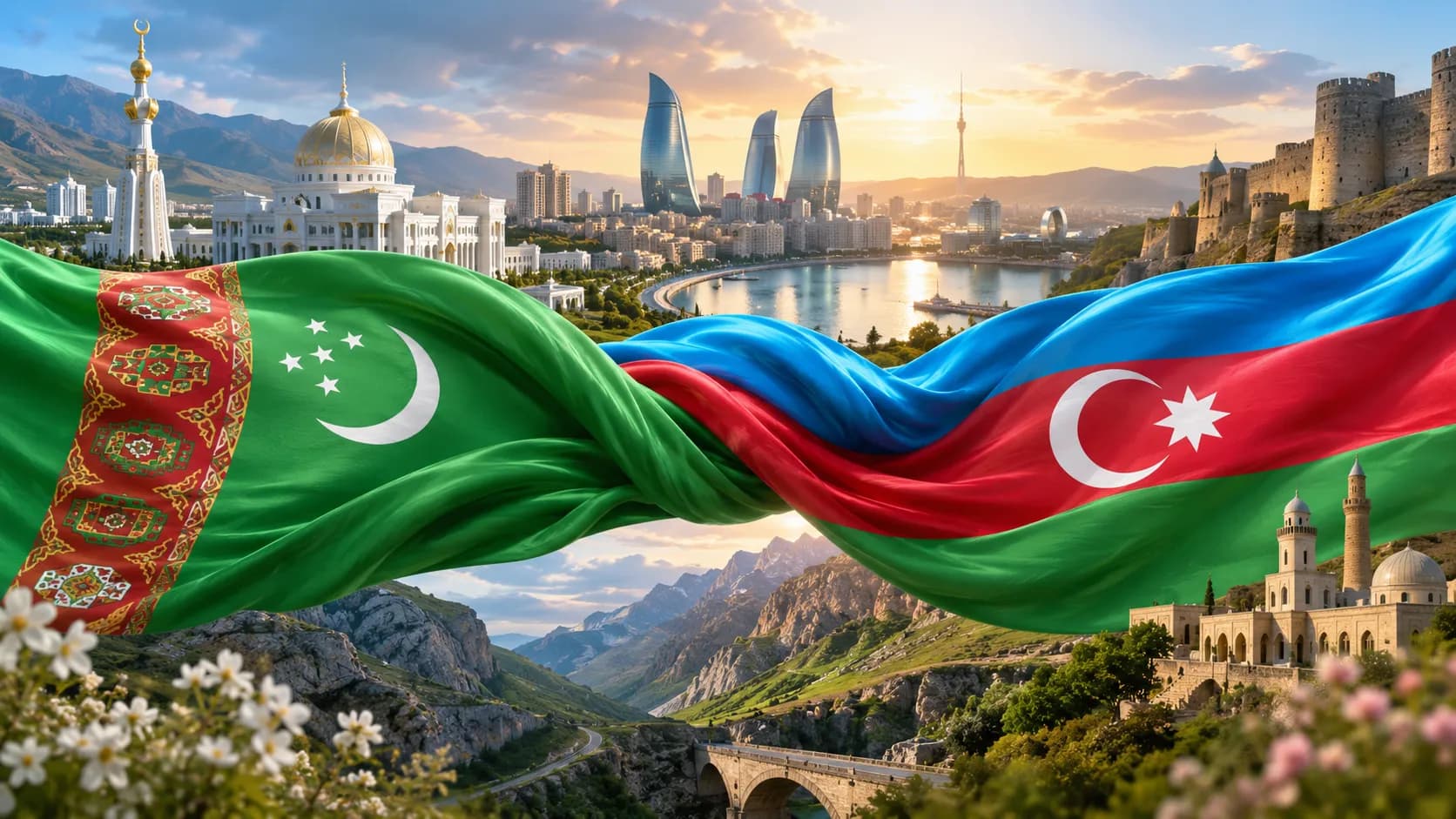
Azerbaijan is strengthening its role as a regional investment and Islamic finance hub by leveraging strategic partnerships, infrastructure, and the Middle Corridor. The Baku IsDB Forum highlighted diversification, Gulf investment potential, and sustainable economic cooperation across the region.
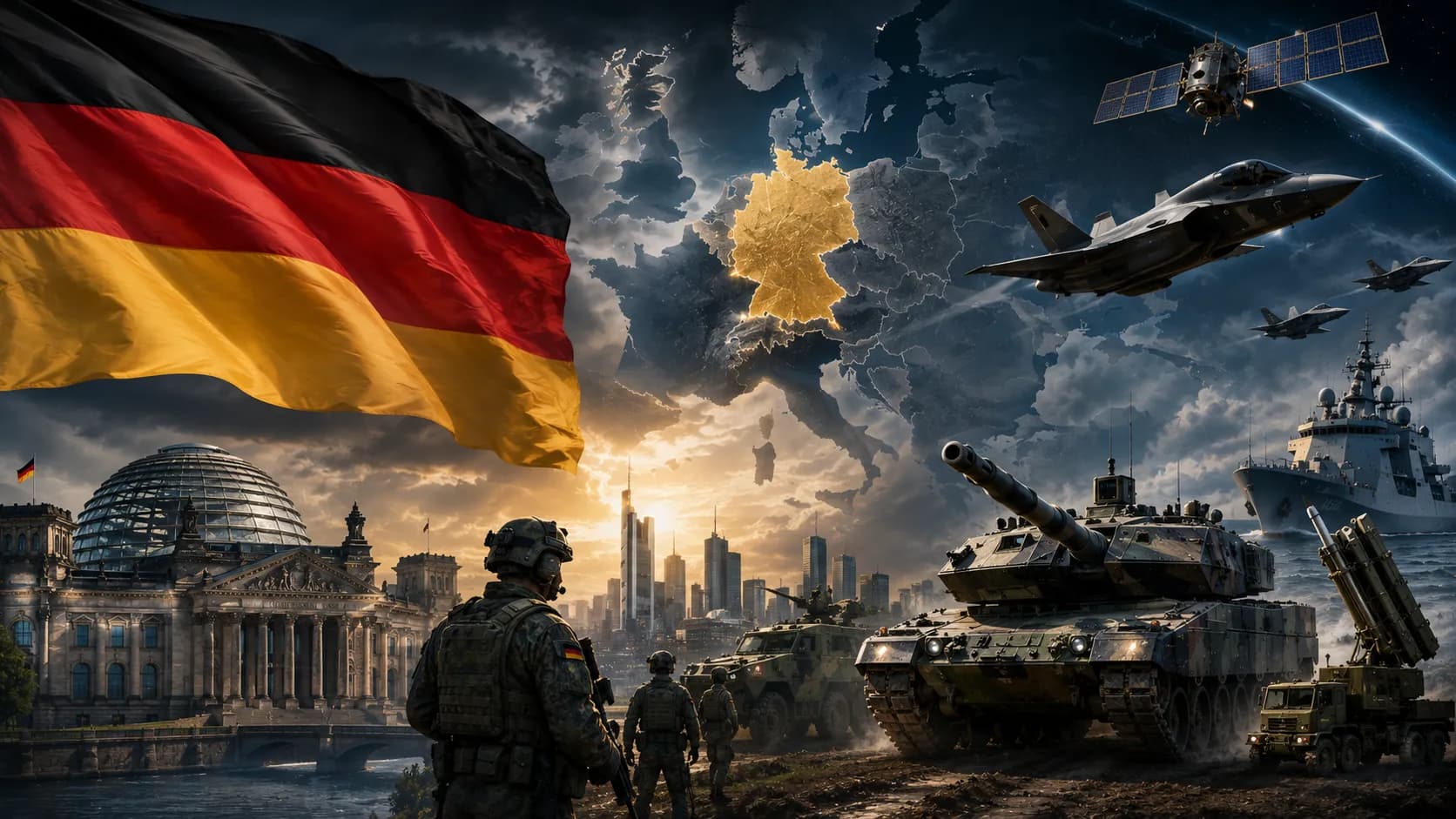
Germany is rapidly becoming Europe's leading military power through record defence spending, long-term procurement and an expanding defence industry led by Rheinmetall. Berlin's historic rearmament is reshaping European security, strengthening NATO capabilities while altering the continent's strategic balance.
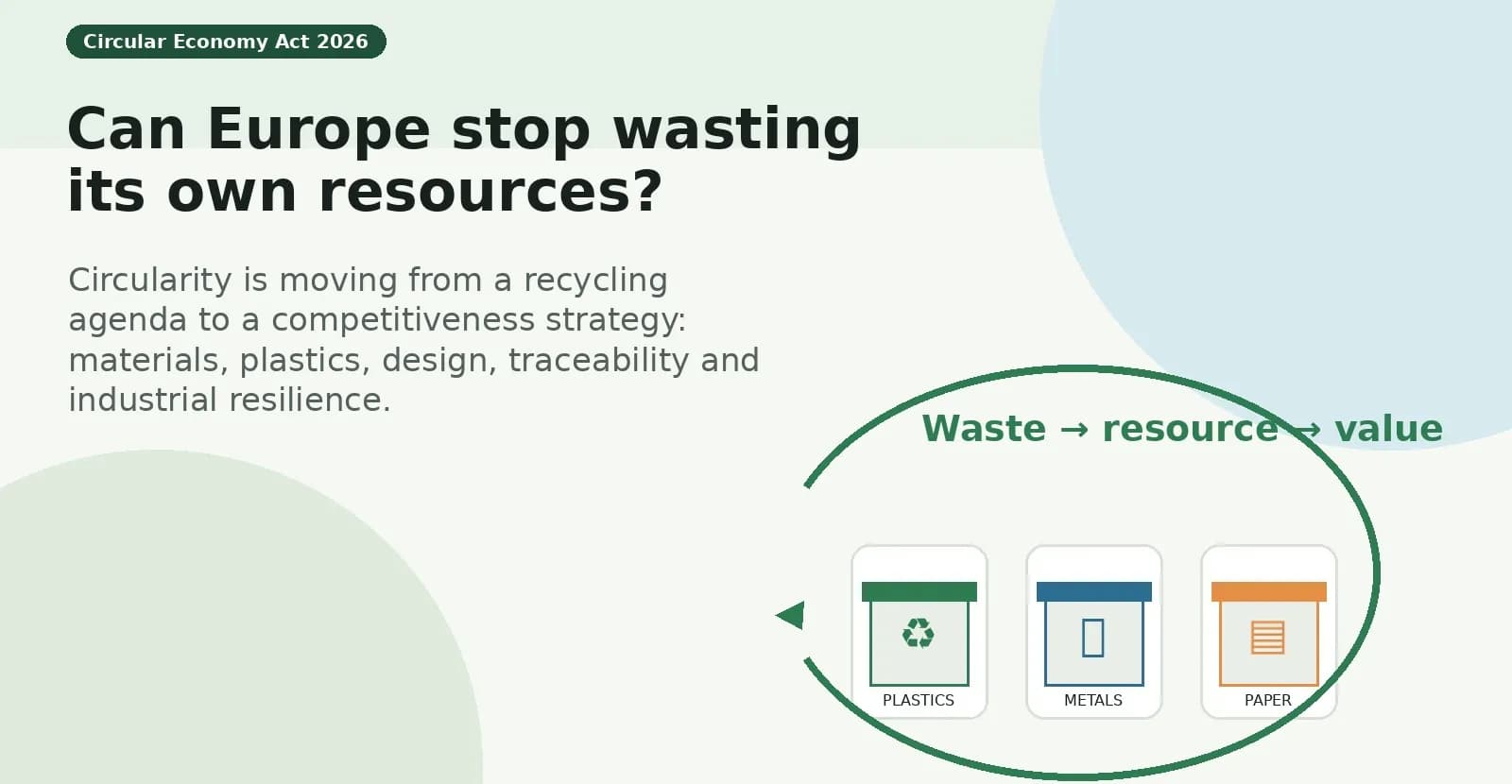
As the EU prepares its forthcoming Circular Economy Act, circularity is moving from the margins of environmental policy to the centre of Europe’s competitiveness agenda. This article argues that waste is no longer merely a disposal problem, but a strategic test of Europe’s industrial resilience, resource security and ability to build a functioning market for secondary raw materials. With plastics at the heart of the debate, the piece explores why Europe must transform recycling, product design, traceability and material reuse into pillars of a stronger, greener and more self-reliant economy.
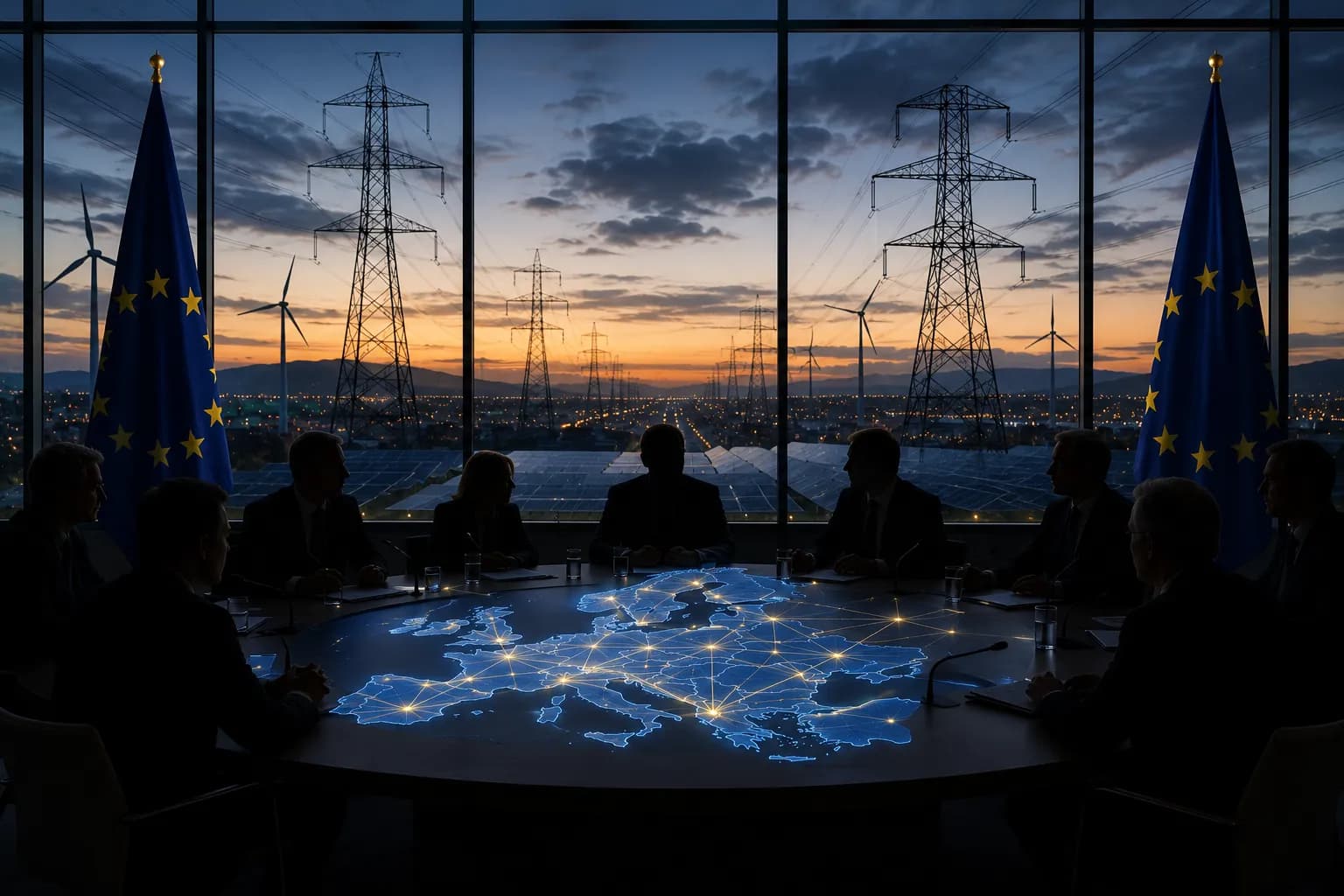
The Connectivity Agenda Platform was launched in Brussels as a new interregional framework aimed at strengthening transport, energy, digital and trade links between Europe and Central Asia through the Caspian Sea, the South Caucasus and the Black Sea regions. The Platform seeks to combine infrastructure development with regulatory alignment, interoperability, market integration and coordinated governance, while supporting the transition from political commitments to concrete, bankable projects. Turkmenistan was represented at the event by Ambassador Sapar Palvanov, who took part in discussions on the role of regional connectivity and the development of the Trans-Caspian Transport Corridor.
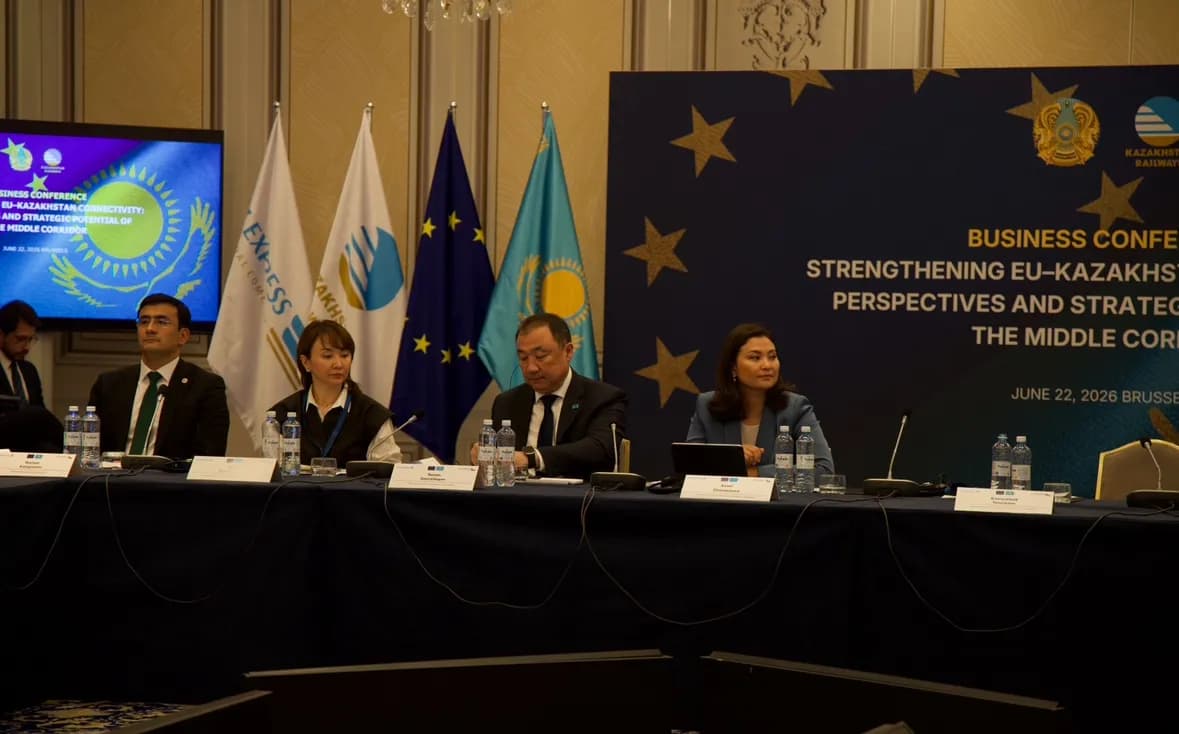
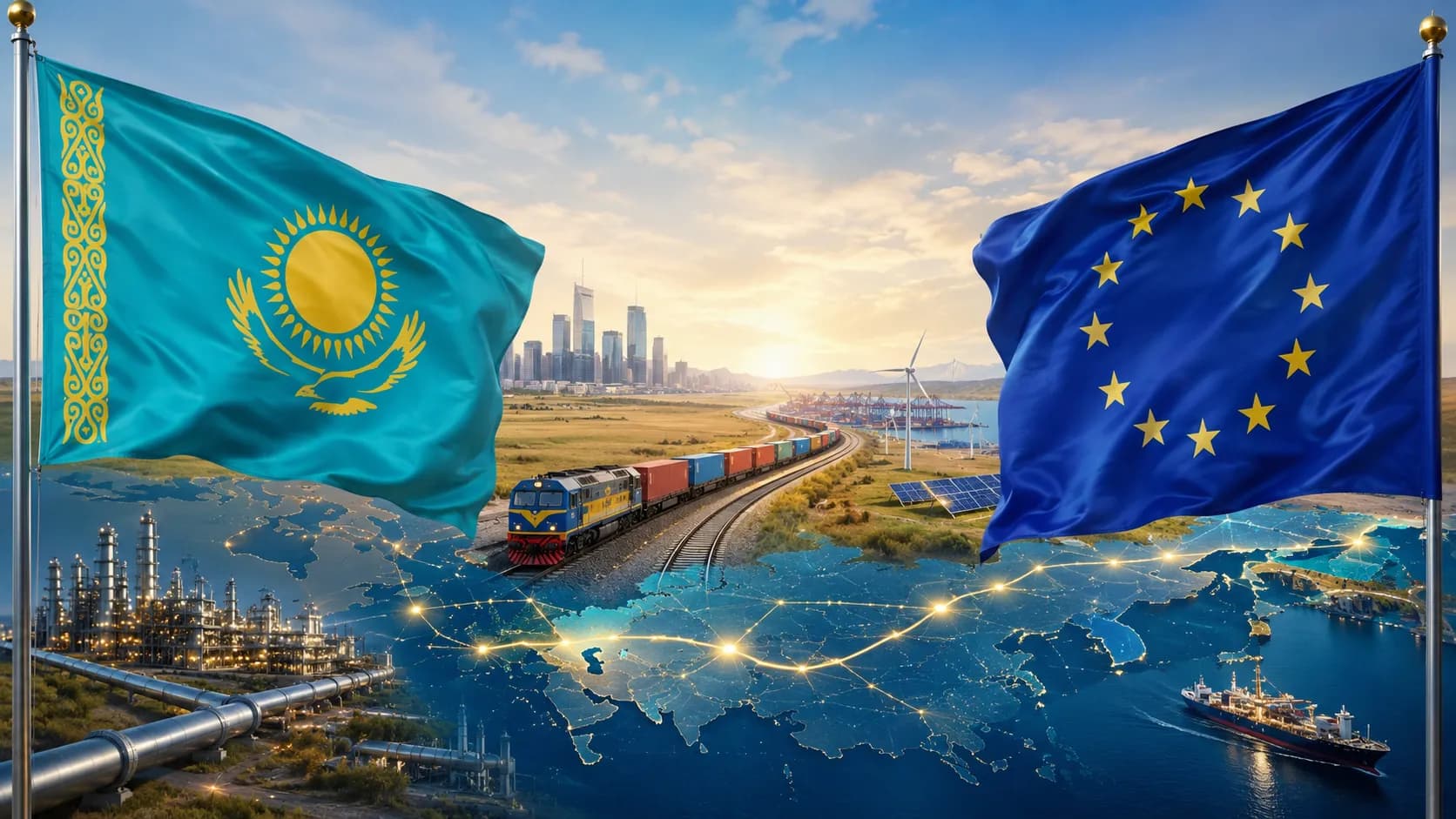
BRUSSELS — Senior government officials, European policymakers, transport executives, and international investors gathered in Brussels on Monday for a high-level business conference focused on strengthening connectivity between Kazakhstan and the European Union through the development of the Middle Corridor.
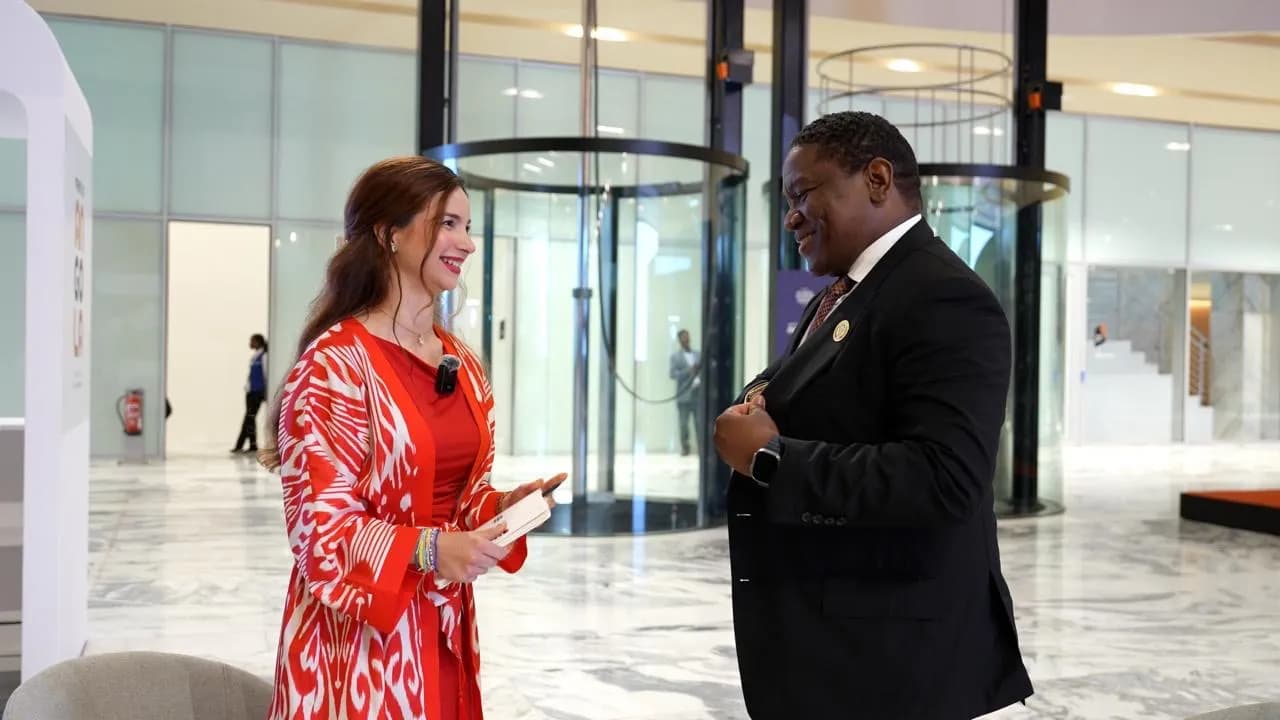
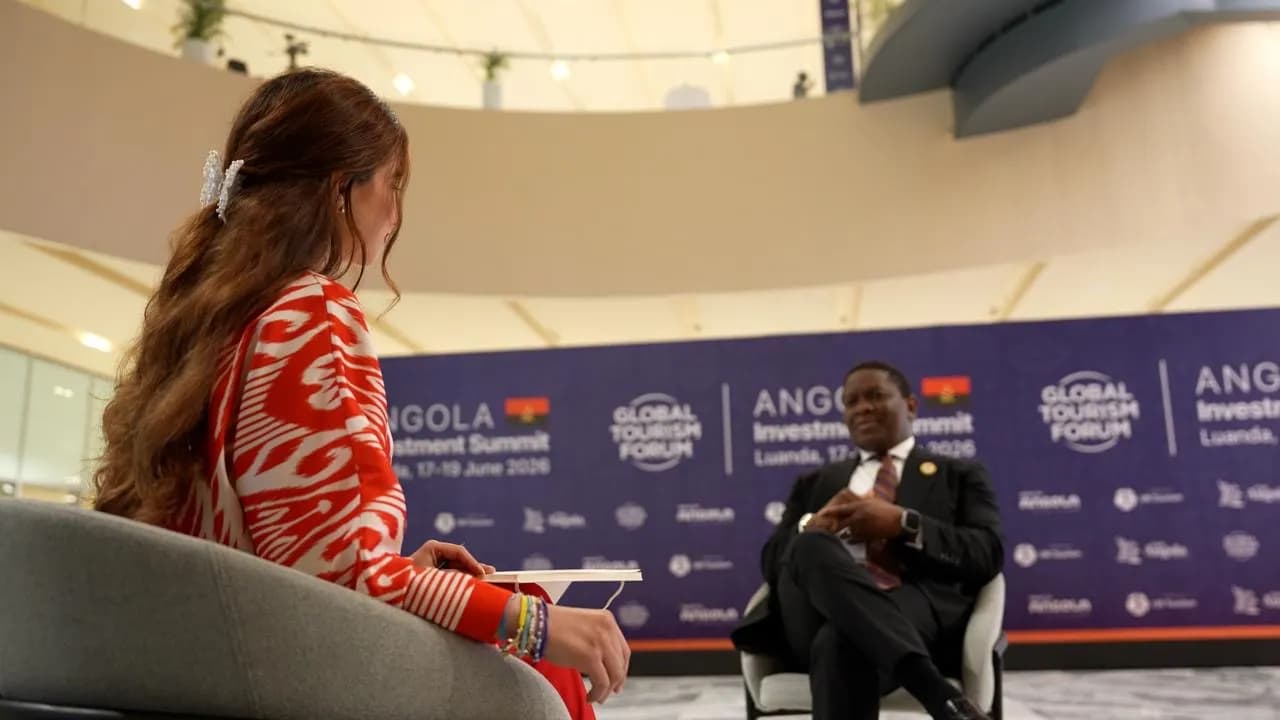
Speaking to Derya Soysal, Angola’s Minister of Tourism, Márcio de Jesus Lopes Daniel, said the country is focused on increasing its visibility as a tourist destination. He highlighted regional co-branding initiatives and noted that leisure tourism grew by 25% between 2024 and 2025 thanks to promotional efforts.
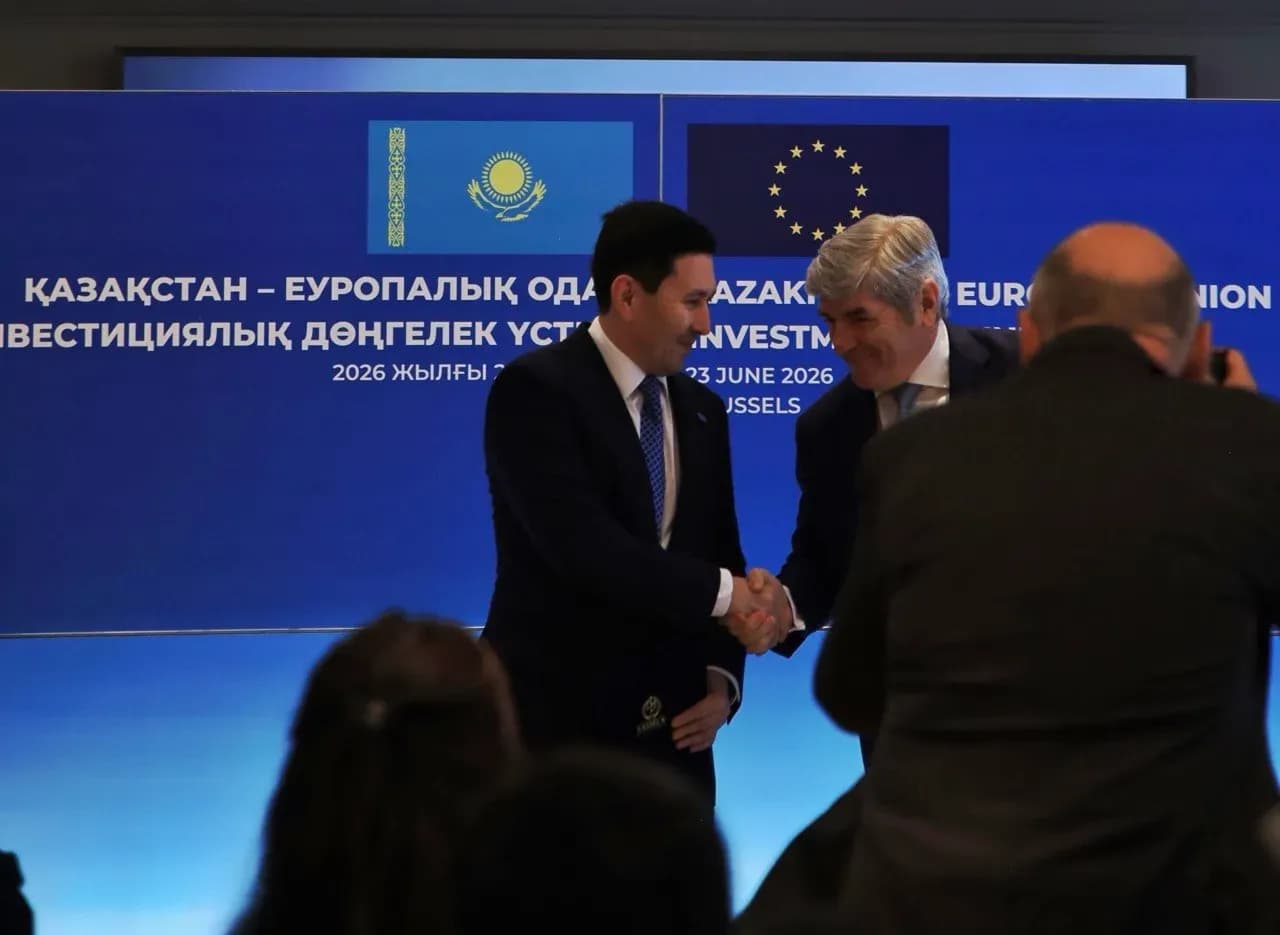
Kazakhstan seeks a stronger strategic partnership with the EU focused on resilience, connectivity and opportunities for citizens. President Tokayev calls for deeper cooperation in energy, agriculture, critical minerals, digital technologies, transport, education and innovation, backed by reforms and stable governance.
At the Angola Investment Summit 2026, Tourism Minister Márcio Daniel told EUReflect that Angola aims to raise its international profile and attract new investment. Through global partnerships and sustainable development, the country seeks to position itself as Africa’s next emerging tourism destination.
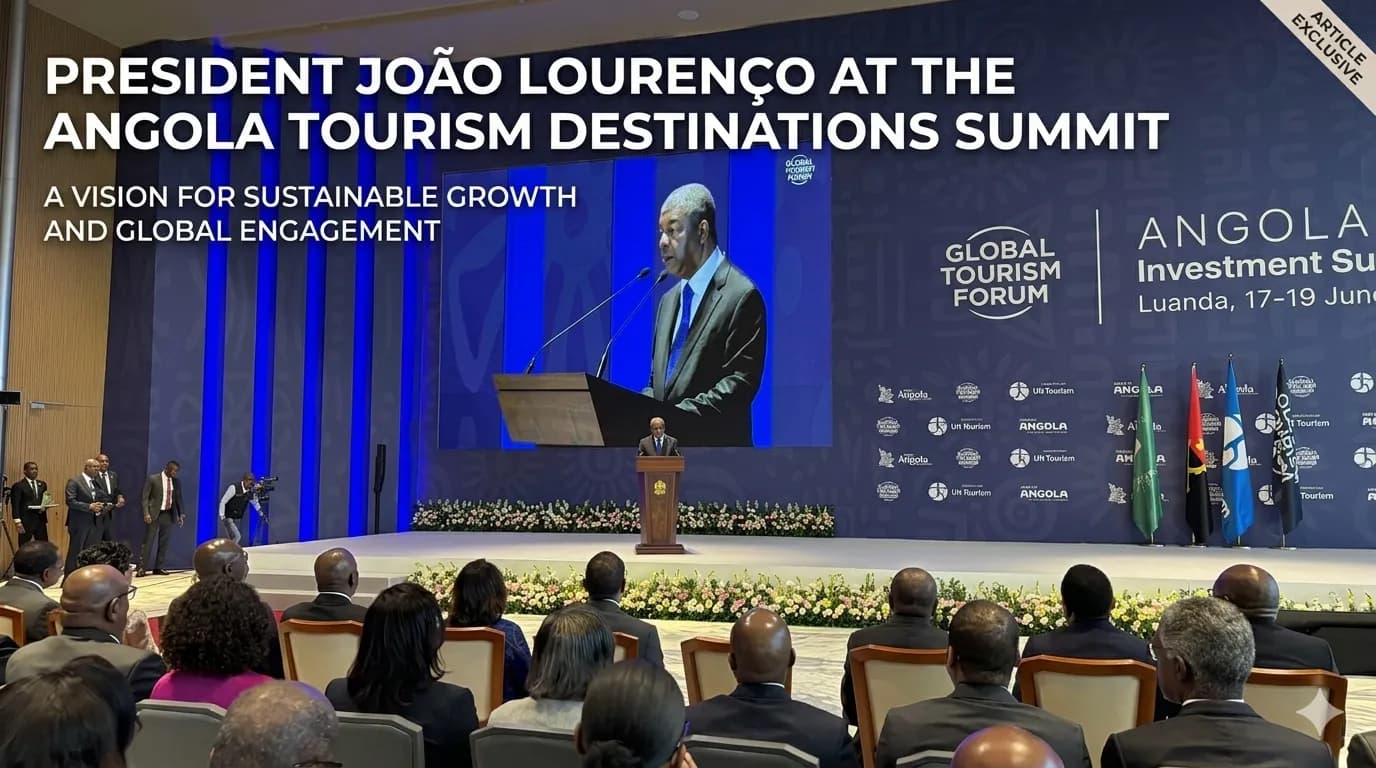
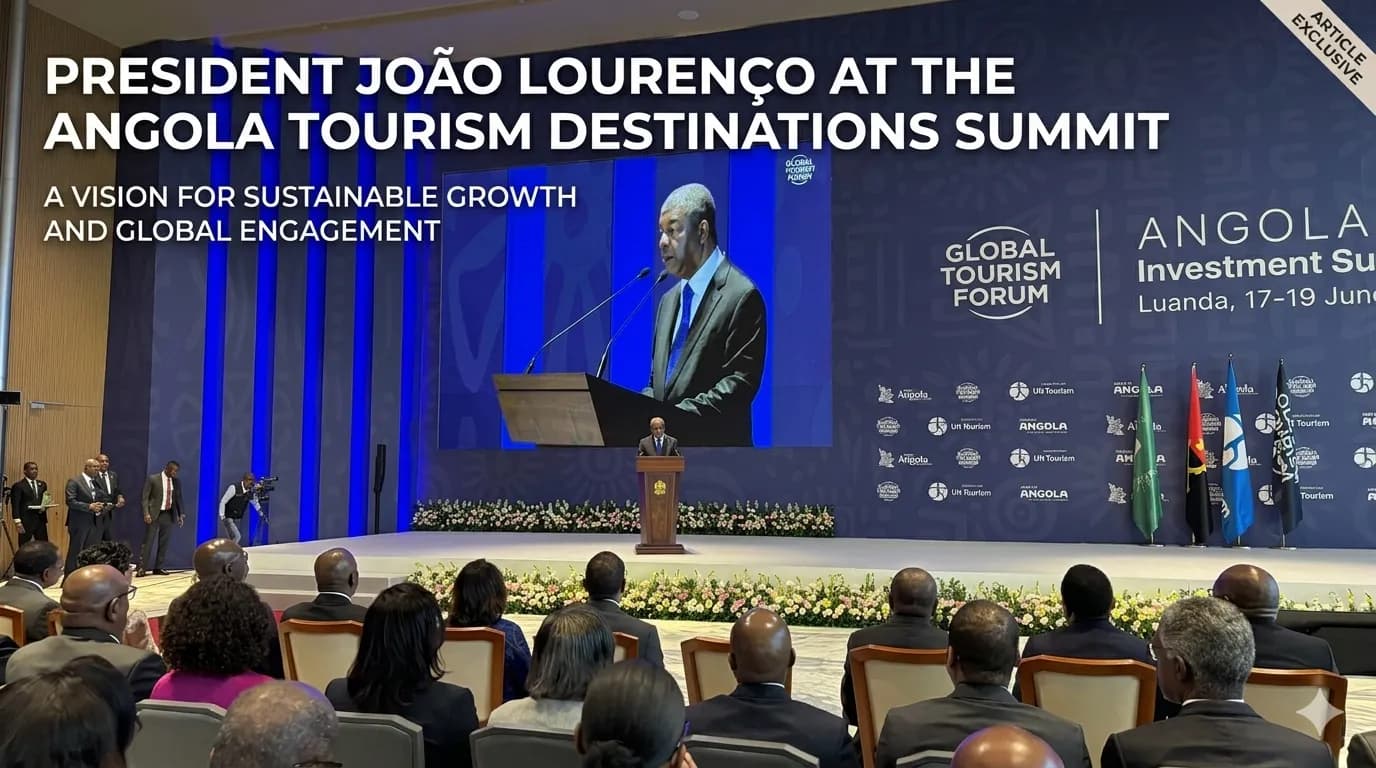
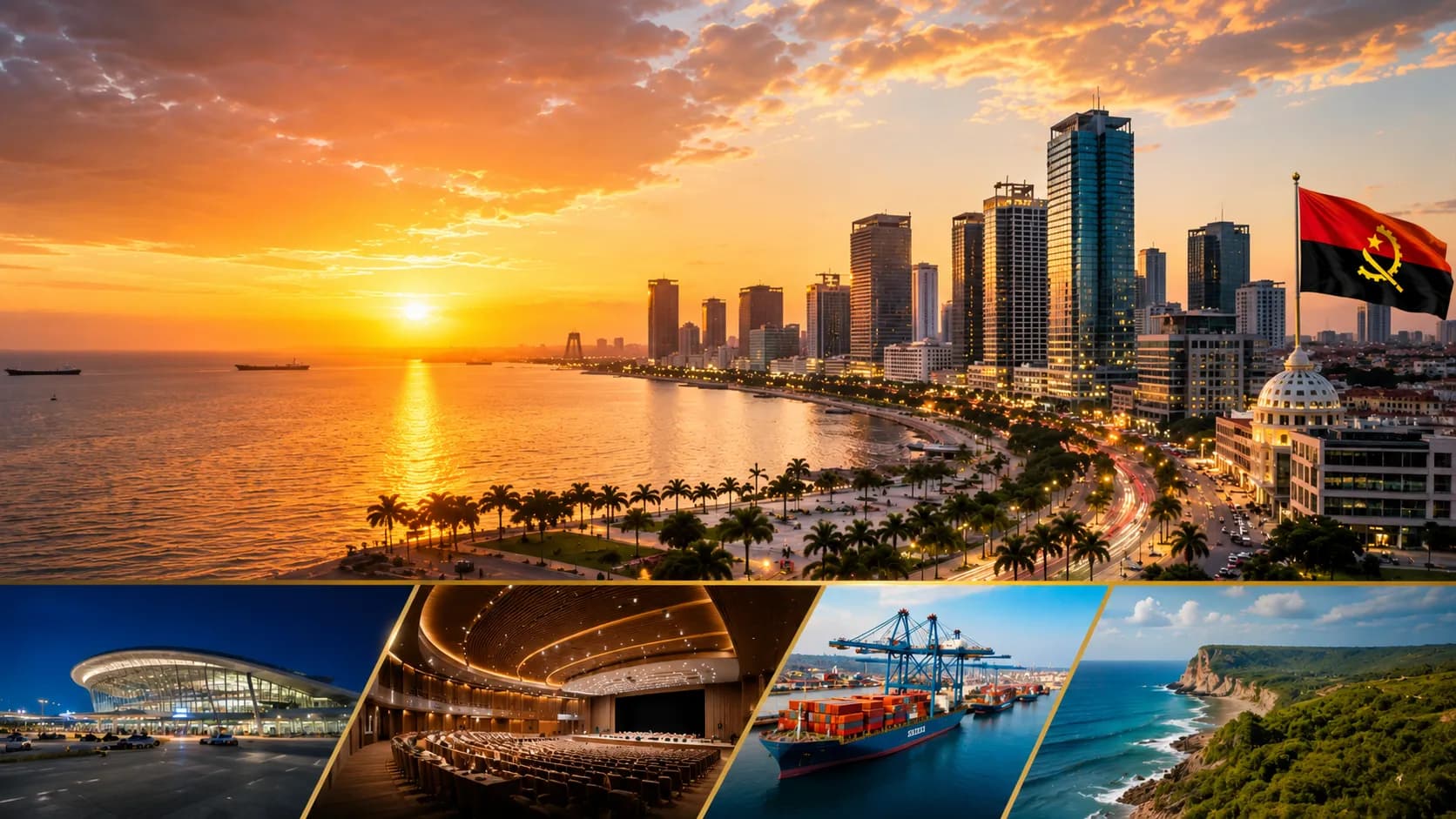
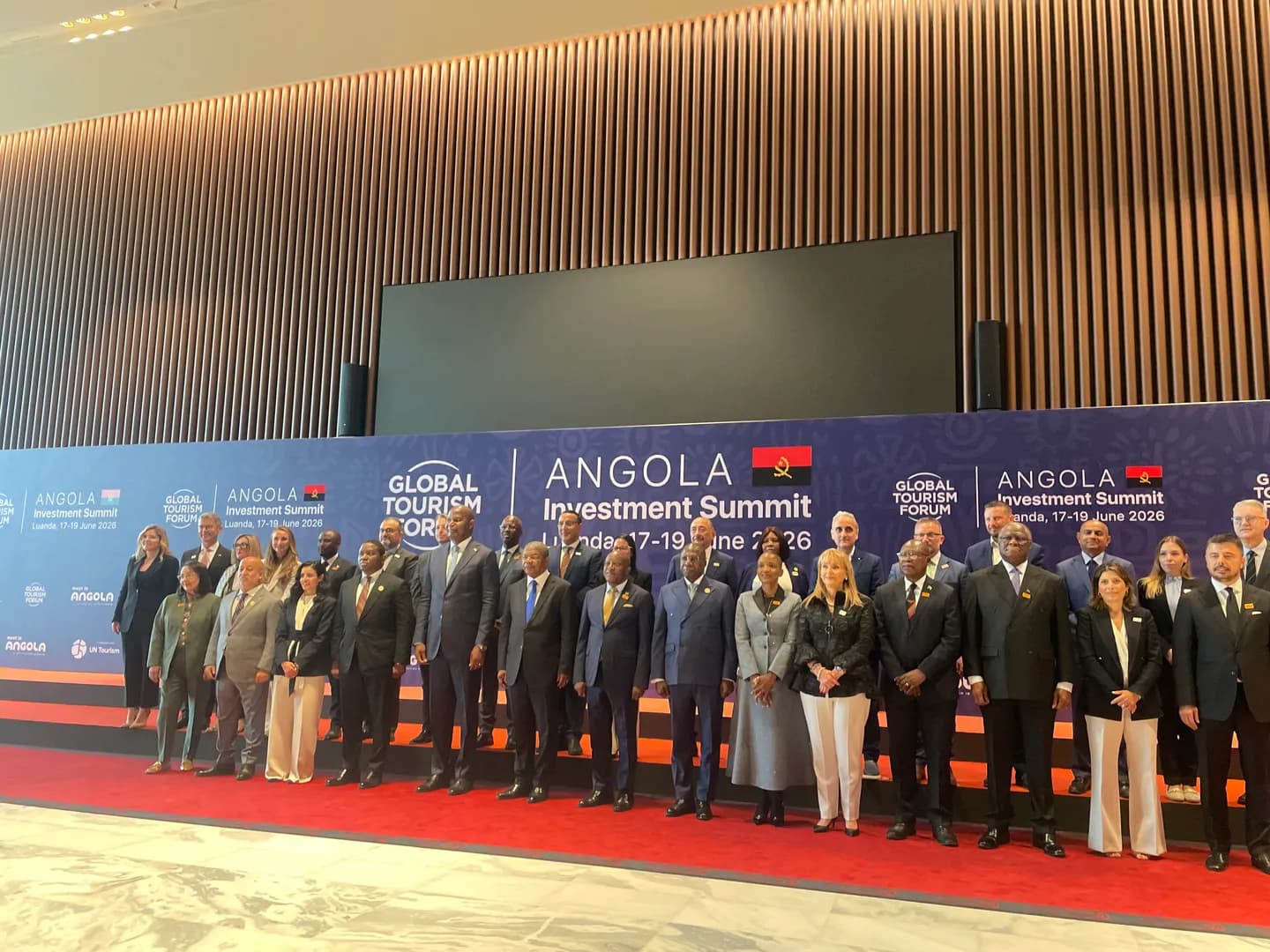
LUANDA, ANGOLA — Under the high patronage of the President of the Republic, João Manuel Gonçalves Lourenço, Angola hosted the Angola Investment Summit from June 17 to 19, 2026. The summit was an initiative of the Ministry of Tourism, held in partnership with the Global Tourism Forum Institute (GTFI), based in Brussels and Dubai.
LUANDA, Angola — President João Lourenço underscored the critical role of tourism in Angola’s economic transformation during his address at the Tourism Destinations Summit in Luanda, describing the sector as a key pillar of the country’s diversification strategy and long-term development agenda.
Angola’s President outlined a vision that goes beyond tourism, positioning the country as an emerging business and investment hub in Africa. Infrastructure projects, economic diversification, and regional integration are expected to drive Angola’s transformation into one of the continent’s new growth centers.
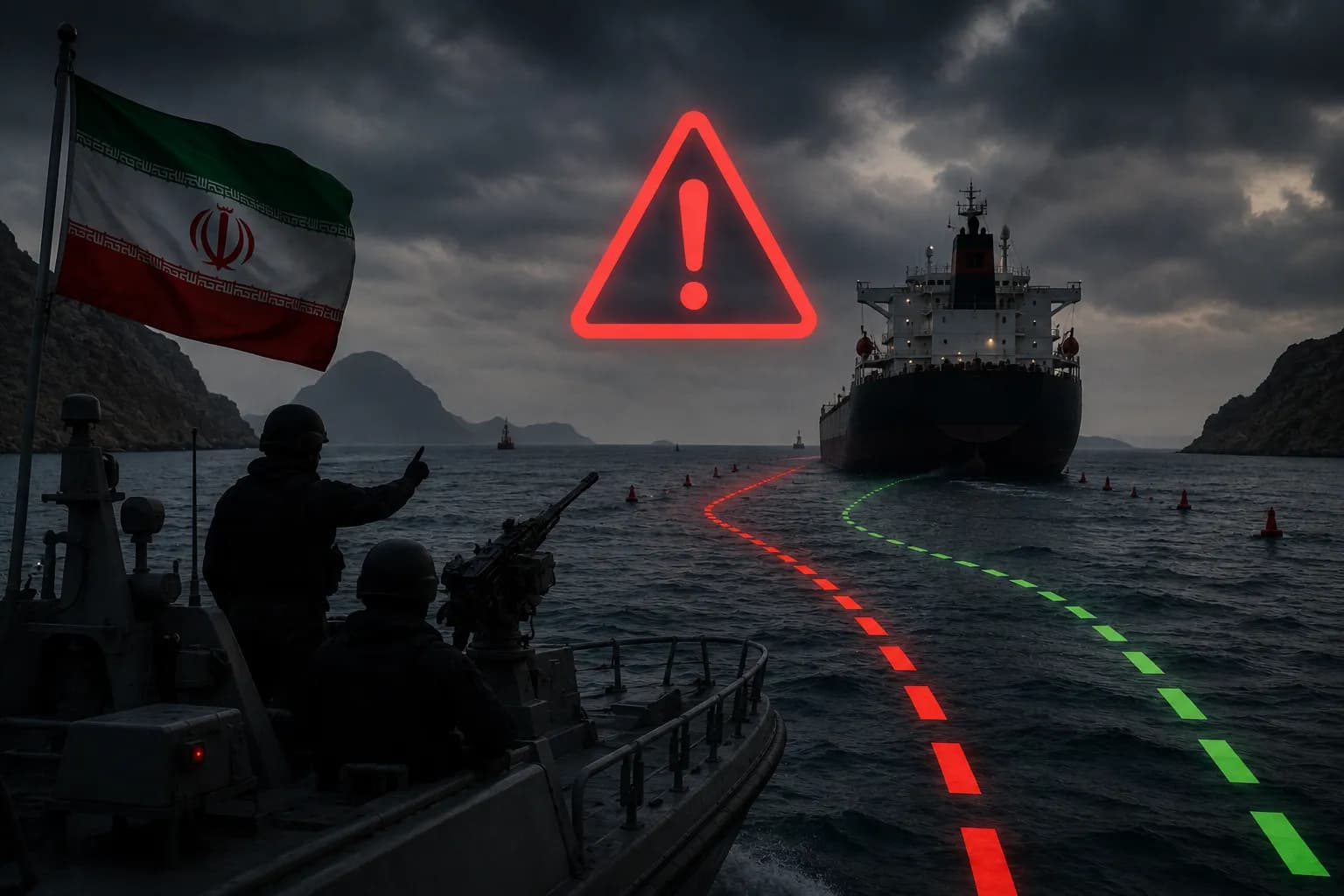
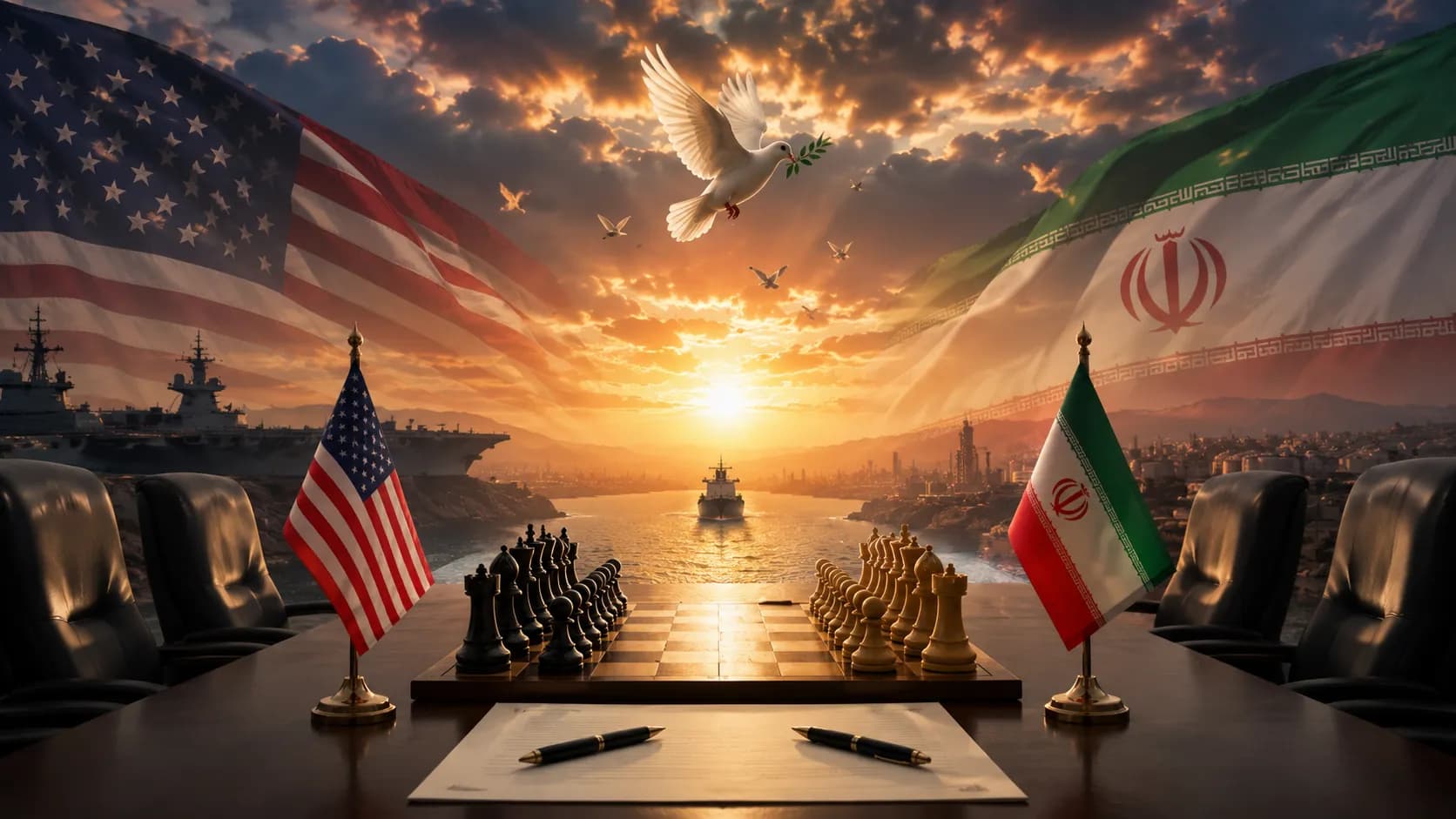
The new U.S.–Iran MoU has paused hostilities with a 60-day ceasefire, but experts warn it is only a temporary truce. Lasting peace will require strict verification, economic safeguards, military deconfliction channels, and mutual acceptance of regional realities to prevent future conflict.