Algeria’s parliament has criminalized the French colonial period, defining it as a state crime and opening the door to compensation claims. France views the move as hostile to dialogue, deepening long-standing tensions over memory, sovereignty, and regional politics.
In 2025, Central Asia reshaped its foreign policy through an unprecedented series of “Central Asia Plus (C5+1)” summits with global powers. This diplomacy strengthened multi-vector engagement, advanced regional institutionalization, and positioned the C5 as active, strategic actors in global geopolitics.
NATO Secretary General Mark Rutte rejected calls for an independent EU army, stressing that European security cannot be ensured without the United States. He argued that Europe should take greater responsibility for defence, but within NATO and the transatlantic framework rather than through separate security structures.
Jean Piaget’s cognitive development theory explains how children actively construct knowledge through schemas, assimilation, accommodation, and equilibration. By outlining developmental stages and their educational implications, the theory shows why learning must align with cognitive readiness and remains central to constructivist education.
Uzbekistan closed 2025 with historic economic achievements, record GDP and exports, and rising reserves. With ambitious reforms, space and technology goals, green energy investments, and workforce transformation, 2026 is set to mark Uzbekistan’s emergence as a new strategic power in Eurasia.
Kazakhstan’s digitalization strategy frames artificial intelligence as an existential necessity rather than a policy choice. The text argues that delays weaken sovereignty, deepen dependency, and erode state capacity, calling for decisive reforms, centralized governance, and rapid AI integration to secure national survival and long-term stability.
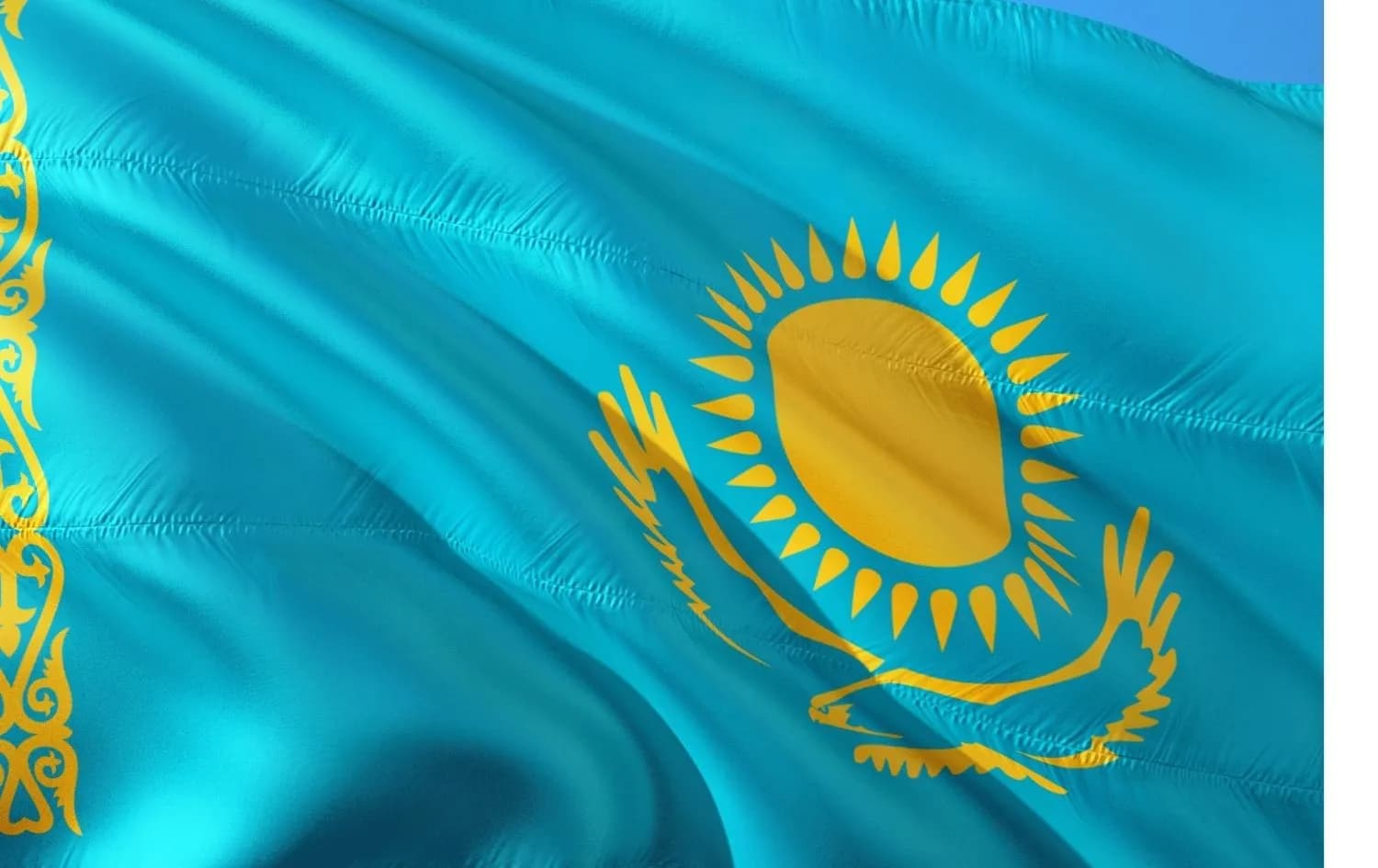
Kazakhstan is increasingly positioned as a strategic economic hub in Eurasia through a development model centered on fifteen Special Economic Zones. Located at the core of the China–Europe overland trade corridors, the country aims to transform its role from a transit territory into a center of production, investment, and logistics. These Special Economic Zones are thematically designed to support industry, petrochemicals, logistics, technology, tourism, and processing sectors. Among them, the TURAN Special Economic Zone stands out due to its large territorial scale, multi-sectoral structure, and comprehensive incentive framework. Established in the Turkistan Region, TURAN SEZ combines tourism development with manufacturing, food processing, textiles, and logistics. Expanded activity classifications, long-term tax exemptions, and free land allocation have strengthened investor interest. Between 2019 and 2025, the zone attracted significant investment volumes, generated employment, and completed a large number of projects. Overall, current trends indicate that Kazakhstan is emerging as one of the most promising economic actors in the Eurasian region, with Special Economic Zones serving as the backbone of this transformation.
According to SIGAR’s final report, nearly $145 billion spent by the United States on rebuilding Afghanistan over 20 years was squandered due to corruption, poor planning, and institutional failures. Massive funding for security forces failed to produce lasting stability, while repeated warnings from watchdogs were largely ignored. The outcome was a strategic, financial, and human failure.
High-level diplomatic interpretation constitutes a strategic practice that extends beyond linguistic transfer. Cultural knowledge, political awareness, and interpretive judgment shape leader-level communication and diplomatic outcomes.
In the post–proxy conflict phase in Syria, military and diplomatic balances are being reshaped. Israel views the military presence of Türkiye as less predictable and considers Russia a more manageable actor. Moscow seeks to institutionalize its presence through a comprehensive military agreement with the new leadership in Damascus. The United States and European countries oppose this process, fearing that it would grant Russia additional geopolitical leverage. Türkiye aims to maintain its role on the ground based on border security and counterterrorism considerations.
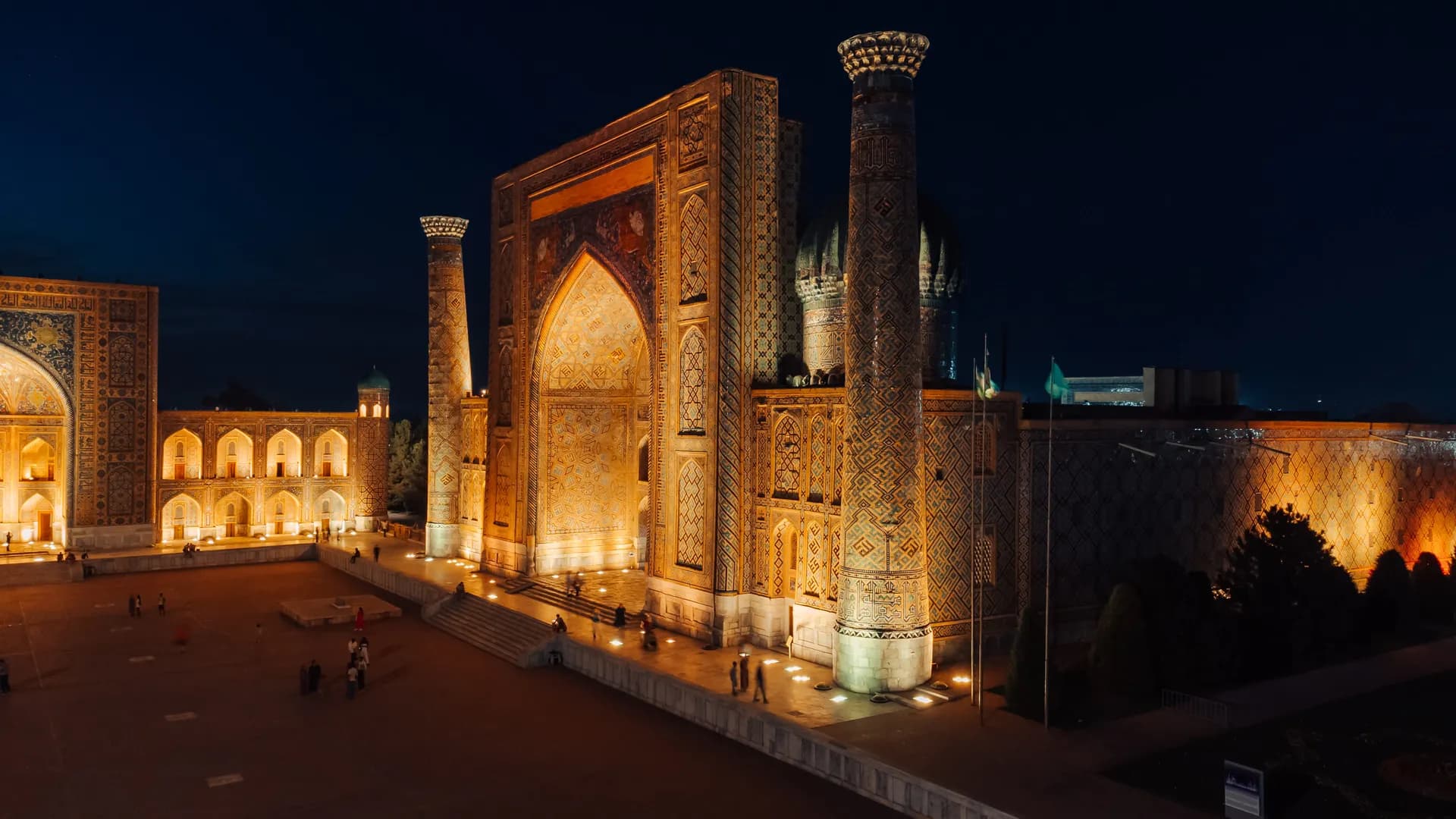
This study examines the historical and structural factors underlying the prominent role of philology graduates from the Tashkent State University of Oriental Studies in Uzbekistan’s state and bureaucratic institutions. It argues that linguistic and cultural expertise—particularly in Persian and Arabic—has functioned as strategic capital in governance, diplomacy, and security from the late imperial and Soviet periods to the present. By tracing the evolution of philological education from its origins in Central Asia’s higher education system to its role in elite formation, the study demonstrates how language proficiency has contributed to effective political communication, policy formulation, and international engagement. The findings highlight the enduring significance of philological training in shaping Uzbekistan’s political and administrative elites.
Kazakhstan has emerged as a key hub in Eurasian trade due to its strategic location between China and Europe, advanced logistics infrastructure, broad market access, and investor-friendly policies.
The 2025 Central Asia + Japan Summit elevated relations to a new phase by institutionalizing cooperation at the leaders’ level. The Tokyo Declaration and the CA+JAD Tokyo Initiative, with a ¥3 trillion target, set concrete goals in trade, investment, infrastructure, energy transition, and technology. Japan deepened cooperation in transport corridors, energy (nuclear and renewables), industrial value chains, and digital sectors, while strengthening its soft power through education, capacity building, and cultural diplomacy. The summit confirmed Japan’s role as a long-term, rule-based, and non-competitive partner in Central Asia.
Artificial intelligence–driven electricity demand is placing growing pressure on global energy systems and elevating energy security to a top international priority. Discussions at Abu Dhabi Finance Week underscored nuclear energy as a strategic pillar that complements renewables by delivering reliable, low-carbon baseload power in the AI era. Recent financial policy shifts indicate that tripling global nuclear capacity by 2050 is now seen as integral to both energy security and long-term economic stability.
Is the digital euro by the European Union a bold move into a cashless revolution or a tool for control over every transaction? EU finance ministers sealed the deal on December 19, 2025 and handed the baton over to the European Parliament. This electronic cash backed by the ECB promises seamless payments but raises alarms over privacy and identity links. Brace yourself: by 2028-2029, digital euro wallets could change how we use money forever.
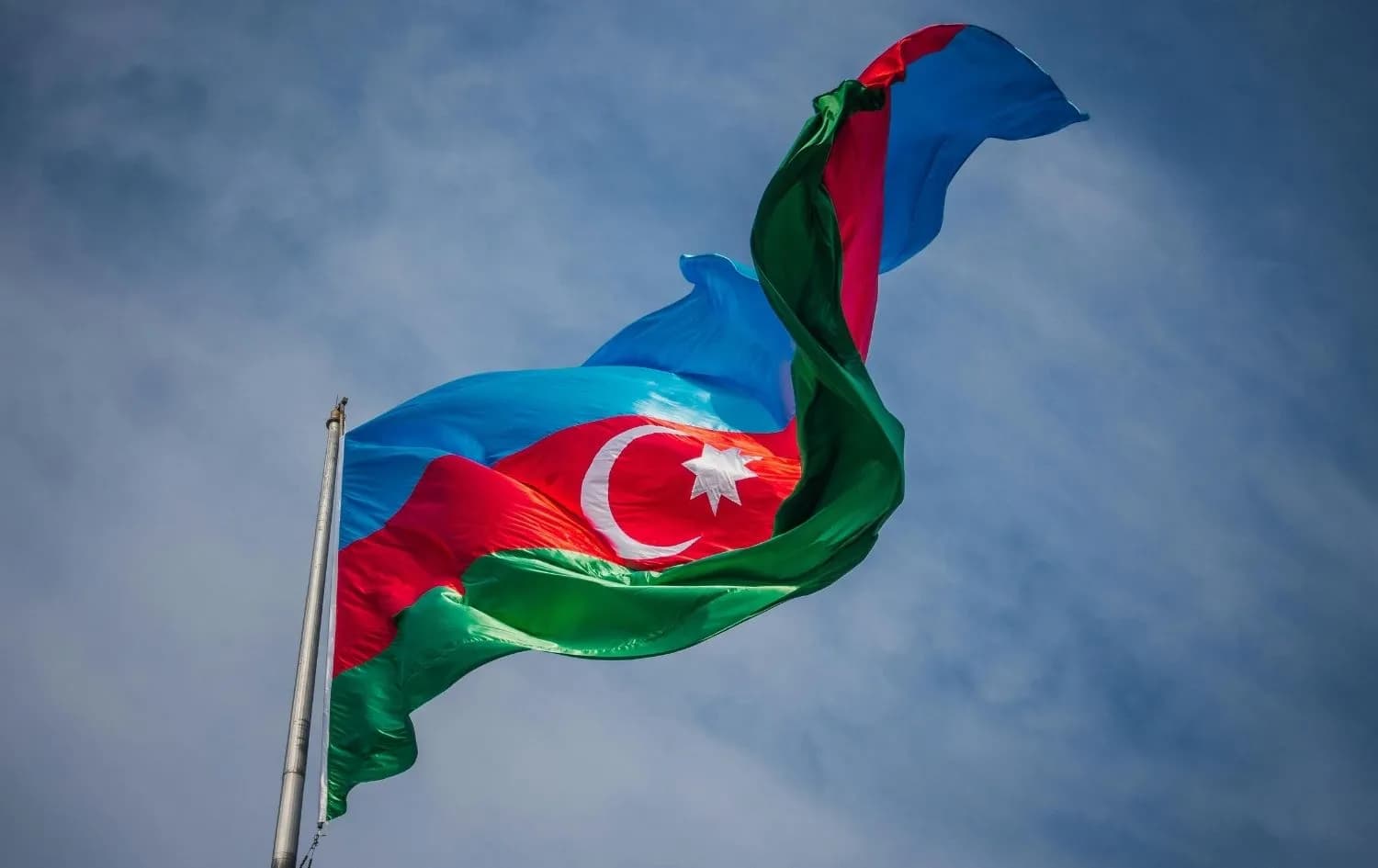
President Ilham Aliyev, born on 24 December 1961, is one of the most influential political figures in the modern history of the Republic of Azerbaijan. He has led the country since 2003, a period characterized by greater sovereignty, economic modernization, the liberation of the occupied territories, and increased global status. My research article provides a detailed analysis of the vision, performance, and achievements of President Ilham Aliyev, especially the Karabakh Victory, Azerbaijan's hosting of COP29, and transitioning the country to green energy. We will see that how the leadership of President Aliyev has transformed Azerbaijan to become a strong, progressive, and well-respected state in the international arena.
China’s rapid rise in the electric vehicle sector has triggered a profound transformation in Europe’s automotive market. While affordable Chinese EVs offer clear benefits to consumers and support climate goals, they also intensify competitive pressure on European automakers, threatening profitability, employment, and industrial capacity. This development exposes the EU’s vulnerabilities in supply chains and industrial sovereignty. Europe’s response will depend on a comprehensive strategy based on domestic investment, balanced trade policies, industrial cooperation, and supply chain diversification.
Azerbaijan has moved beyond an oil- and gas-dependent growth model toward comprehensive economic diversification focused on agriculture, industry, logistics, tourism, the digital economy, and renewable energy. Guided by the “Azerbaijan 2030” vision, government policies, infrastructure investment, human capital development, and innovation-driven reforms have turned non-oil sectors into key engines of growth. This strategy strengthens Azerbaijan’s economic resilience, sustainability, and global integration.
This study examines continuity and change in Eurasian multilateralism from COMECON and the Warsaw Pact to the Shanghai Cooperation Organization. Unlike its Soviet-era predecessors, the SCO adopts a flexible and pragmatic model linking security and economic development. However, this flexibility also limits the organization’s ability to manage internal disputes such as Kashmir and Afghanistan. The SCO is best understood not as a fully formed alternative order, but as an evolving experiment in Eurasian multilateralism.
This article examines why religion is debated with exceptional intensity in Muslim societies. It argues that the harshness of these debates stems not from religious dogmatism, but from religion’s continued role as a constitutive framework for social order, identity formation, and moral legitimacy. Unlike Western modernization—where religion largely retreated into the private sphere—modernization in Muslim societies was often rapid, externally imposed, and institutionally disruptive. As a result, religion became both a target of reform and a refuge of meaning. Drawing on classical and contemporary social theory, the study demonstrates that fierce religious debates signal not decline, but the enduring centrality of religion in contexts marked by identity crises and civilizational uncertainty.
The decision by Soulaimane El Mokadem, a former PTB deputy in Brussels, to join the Socialist Party (PS) goes far beyond a simple party switch. It is a politically revealing event, sitting at the crossroads of three deep-seated crises