
Travel · Travel Diplomacy
Uzbekistan Tourism Workshop Held at the Embassy of Uzbekistan in Brussels
Uzbekistan Tourism Workshop Held at the Embassy of Uzbekistan in Brussels
Uzbekistan Tourism Workshop Held at the Embassy of Uzbekistan in Brussels
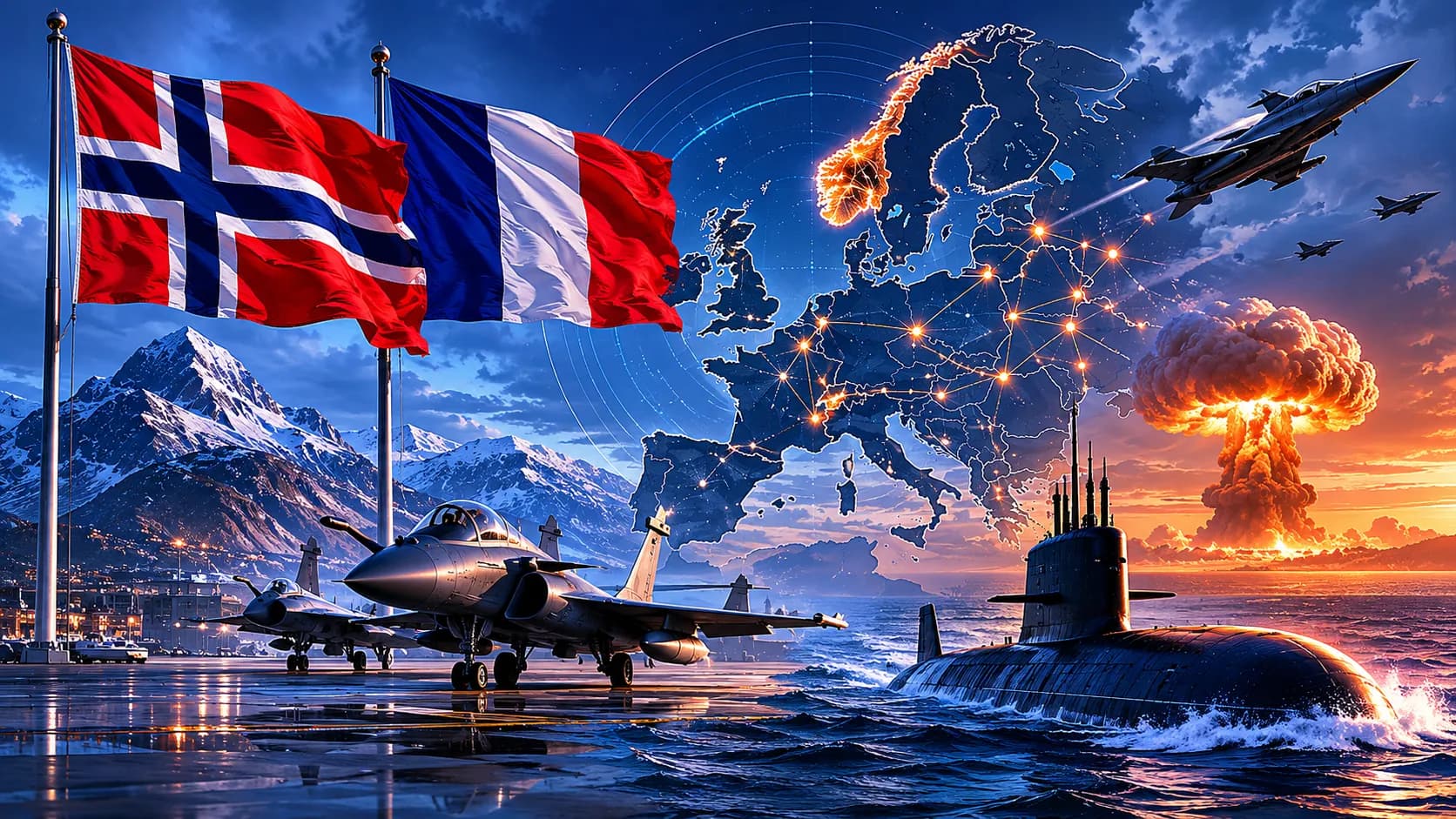
Norway joined France’s nuclear deterrence programme, signaling Europe’s growing push for strategic autonomy and reduced dependence on the US. The initiative strengthens Europe’s northern and eastern security architecture while raising major geopolitical and legal questions regarding NATO, Russia, and the NPT framework.
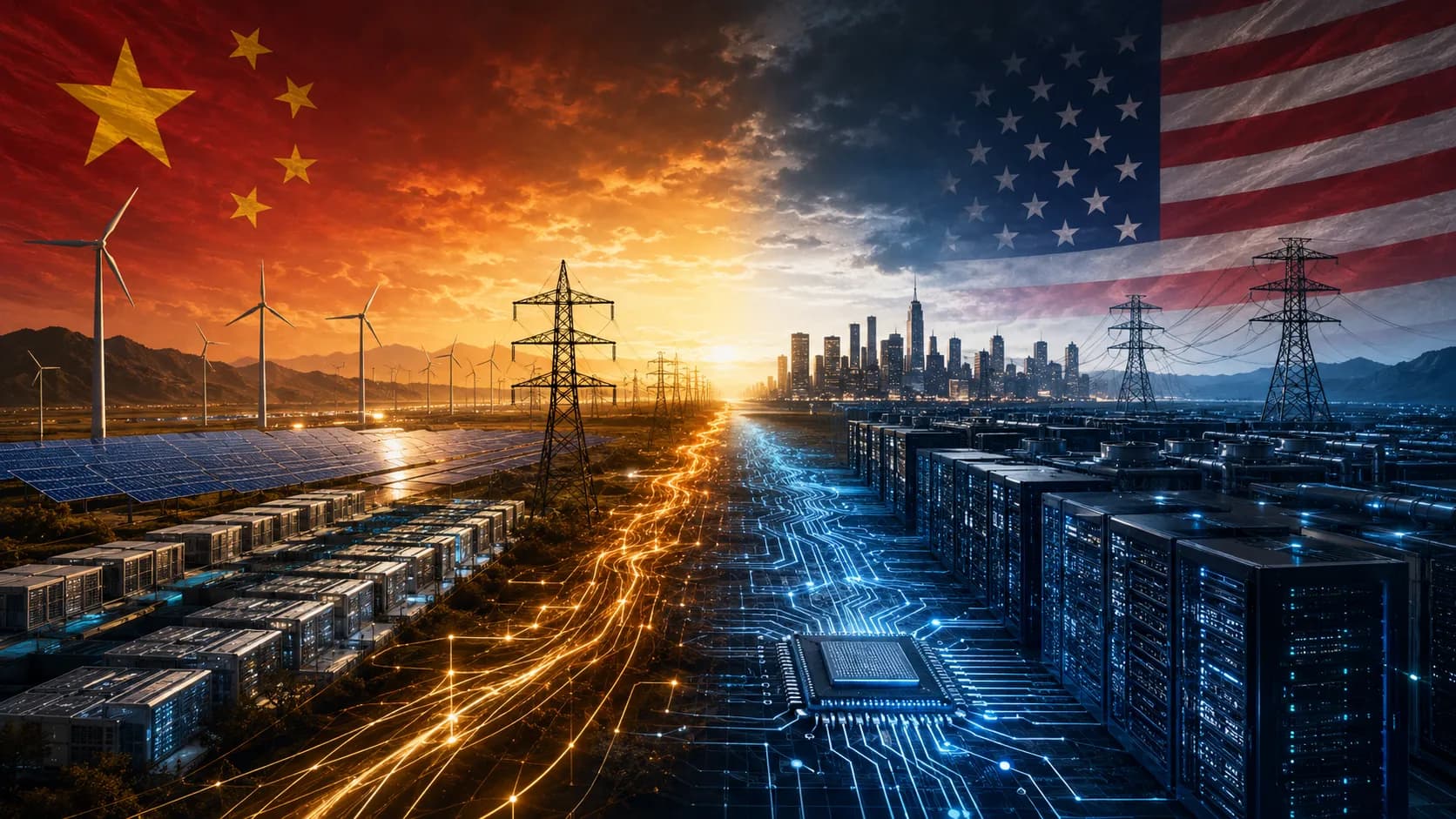
In the AI race between the US and China, the decisive factor is no longer only chip technology but also energy capacity. China gains an advantage through cheap and large-scale electricity production, while the US faces energy infrastructure bottlenecks. However, China also struggles with chip and infrastructure integration challenges.
Uzbekistan’s Rising Strategic Importance for Europe and Central Asia

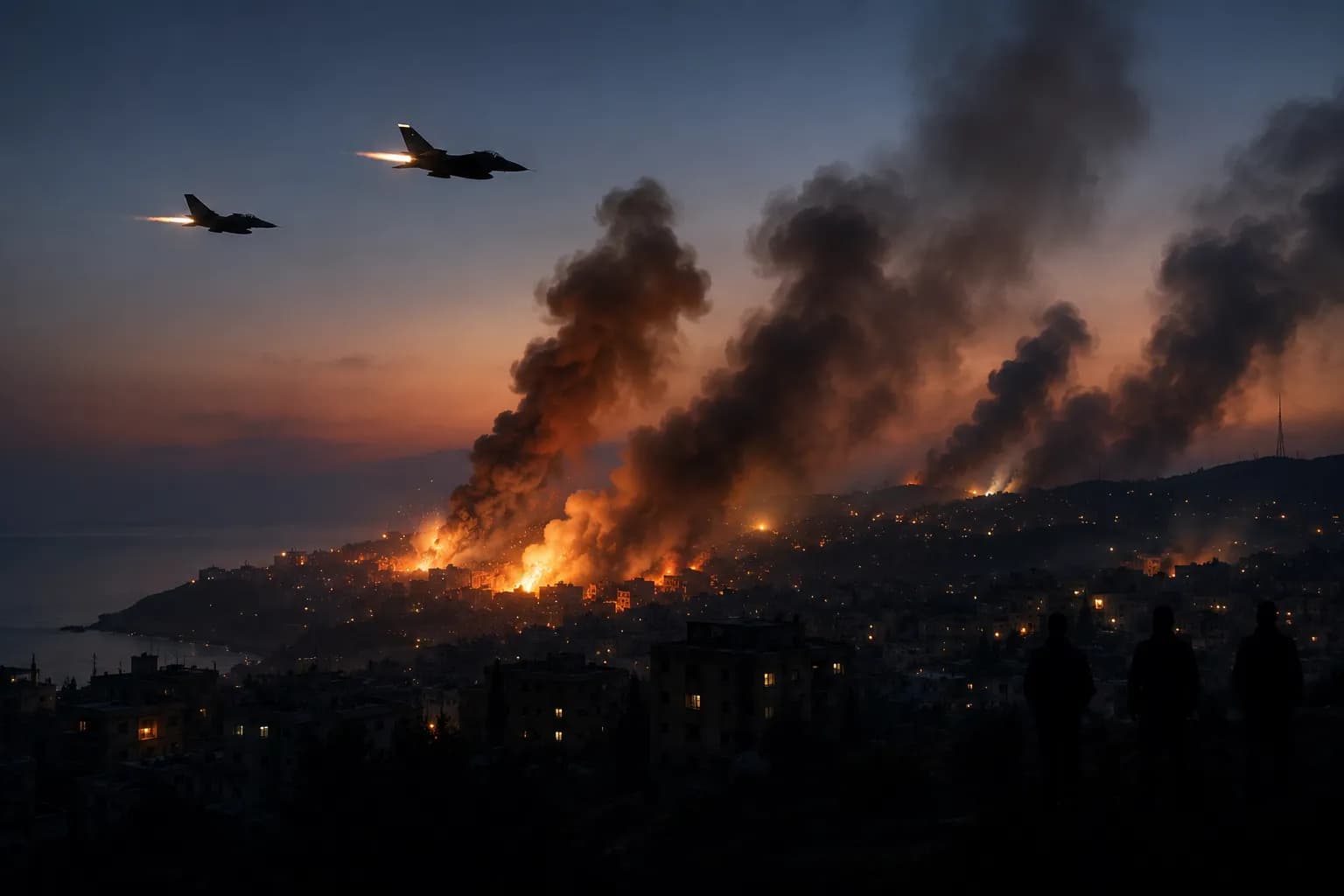
Lebanon under new strikes after the ceasefire was violated, with the situation in Tyre among the worst.
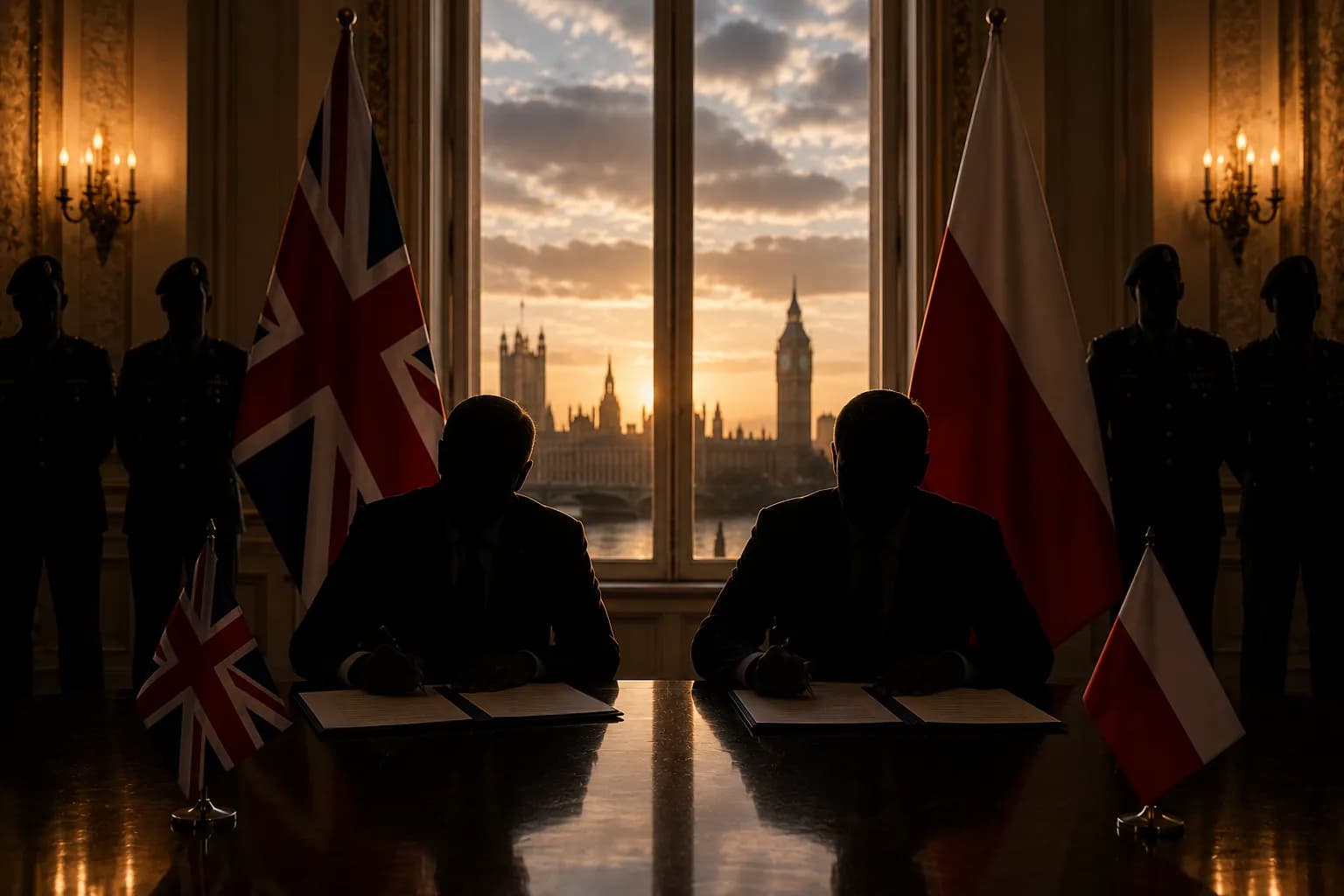
A new agreement was signed - another step in Keir Starmer's plan to strengthen ties with EU
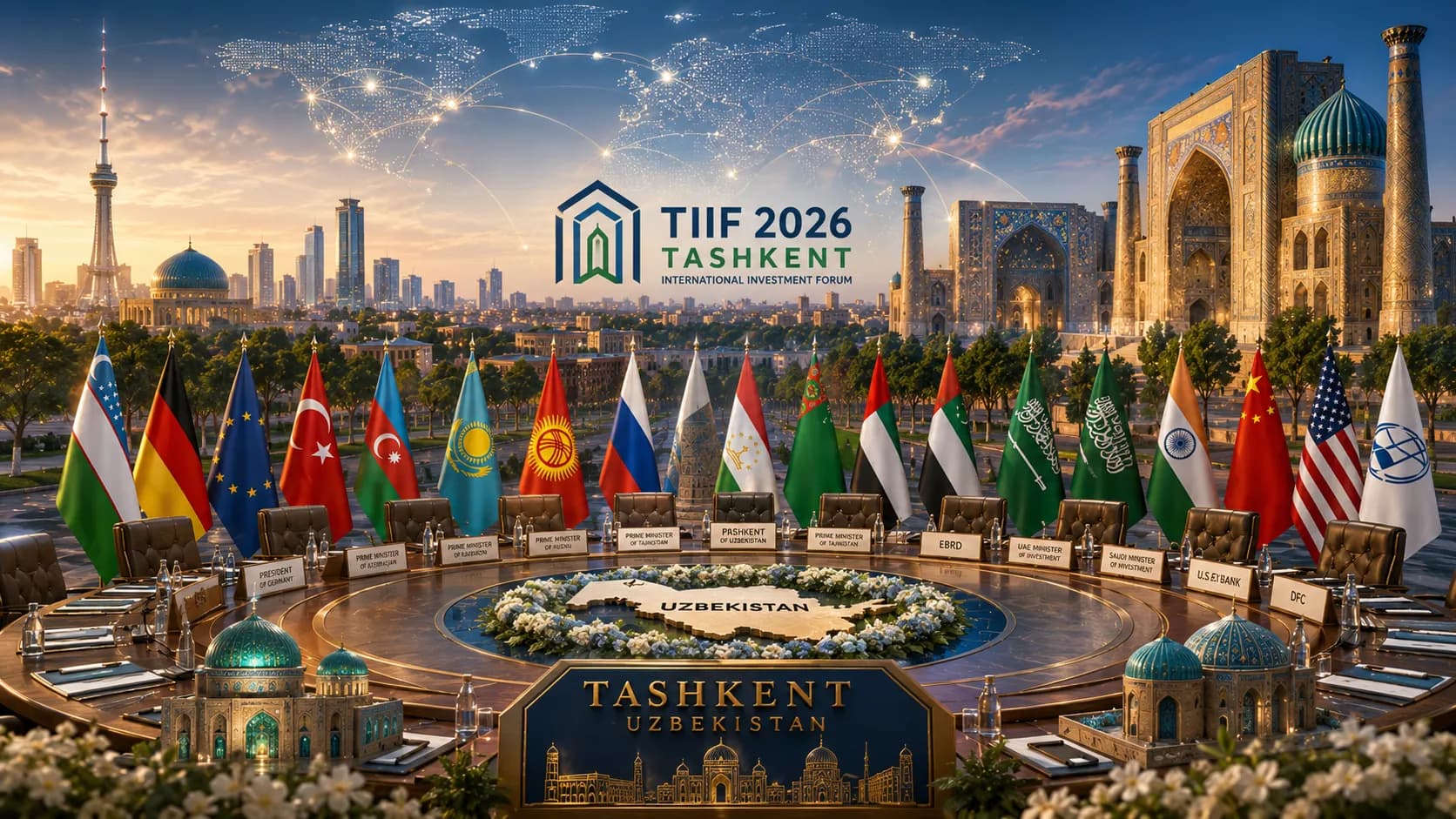
TIIF 2026 brings together presidents, prime ministers, ministers, and global financial leaders from Europe, Asia, the Gulf, and the US. The forum positions Uzbekistan as a strategic hub for investment diplomacy, connecting Eurasian economic corridors with global capital and policy networks.
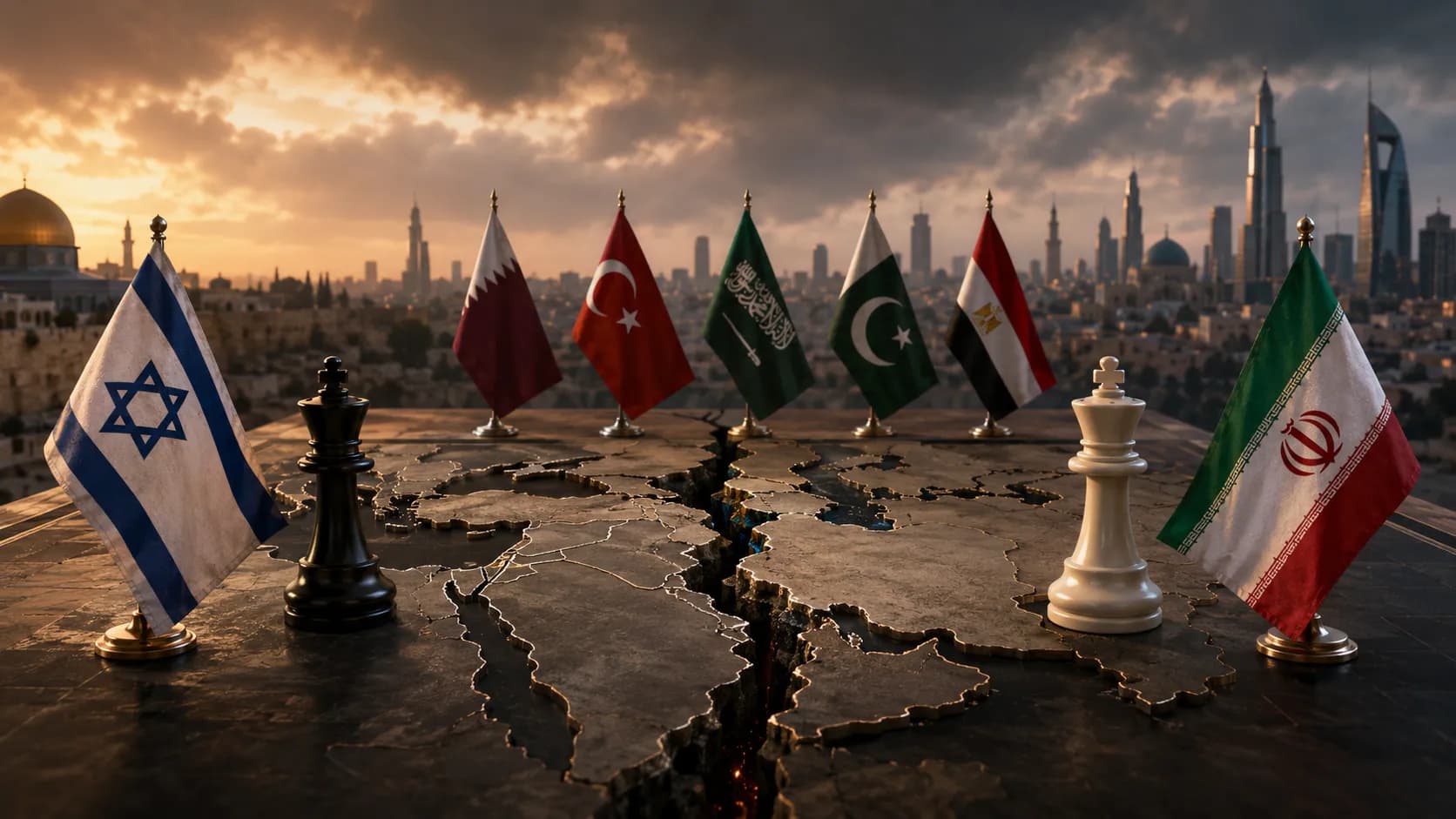
Trump’s push to expand the Abraham Accords by involving Qatar, Turkey, and others alongside Iran negotiations is increasing regional tension. While framed as a peace framework, the strategy risks diplomatic fractures due to conflicting interests over Israel, Iran, and Gaza dynamics.
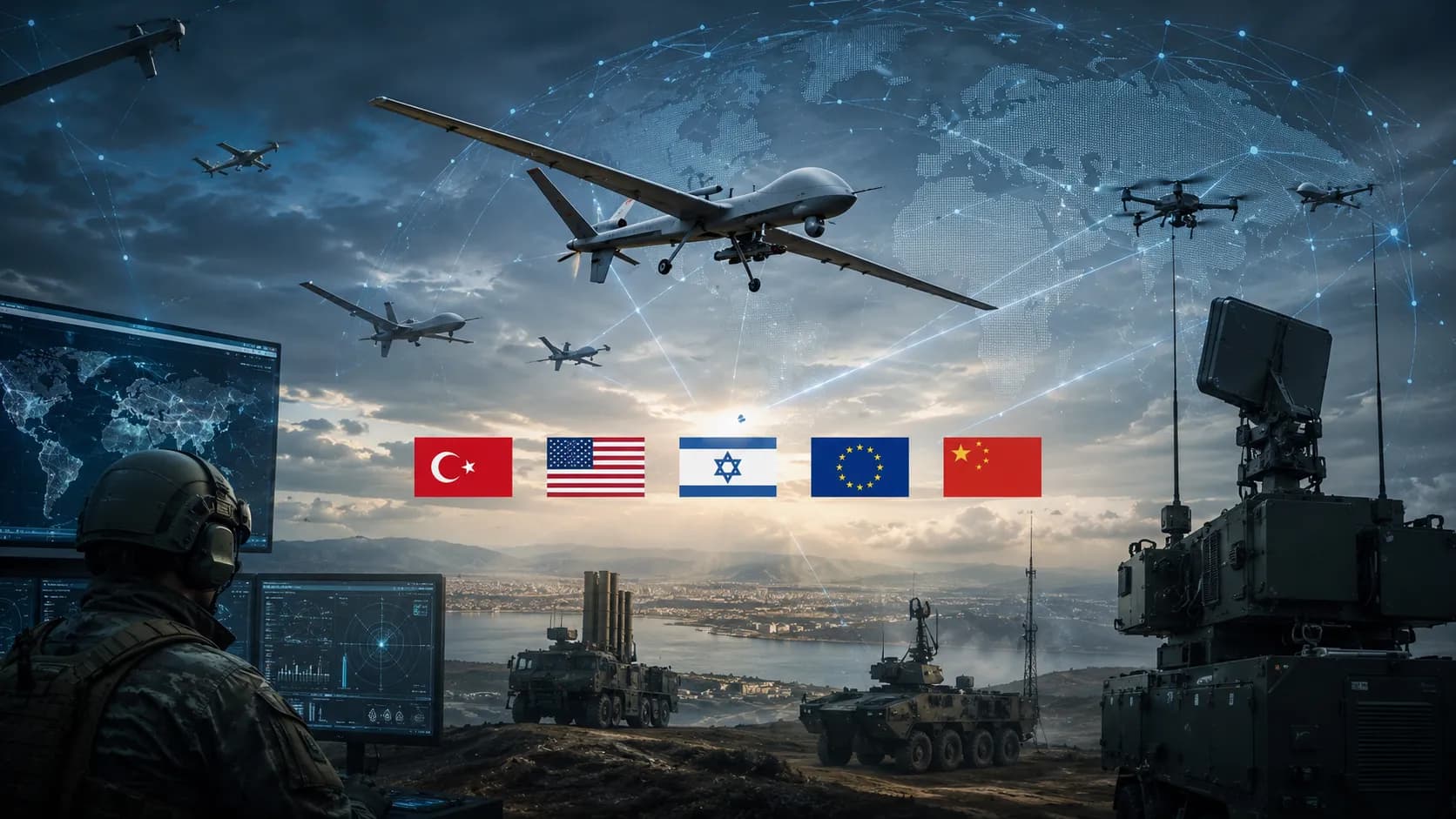
Türkiye has become a major disruptive force in global UAV warfare with Baykar, TAI, ASELSAN, and Roketsan. The US leads high-end autonomous systems, Israel dominates ISR technologies, Europe focuses on integrated defense networks, and China controls mass production. Drone warfare is shifting toward AI-driven, scalable ecosystems.
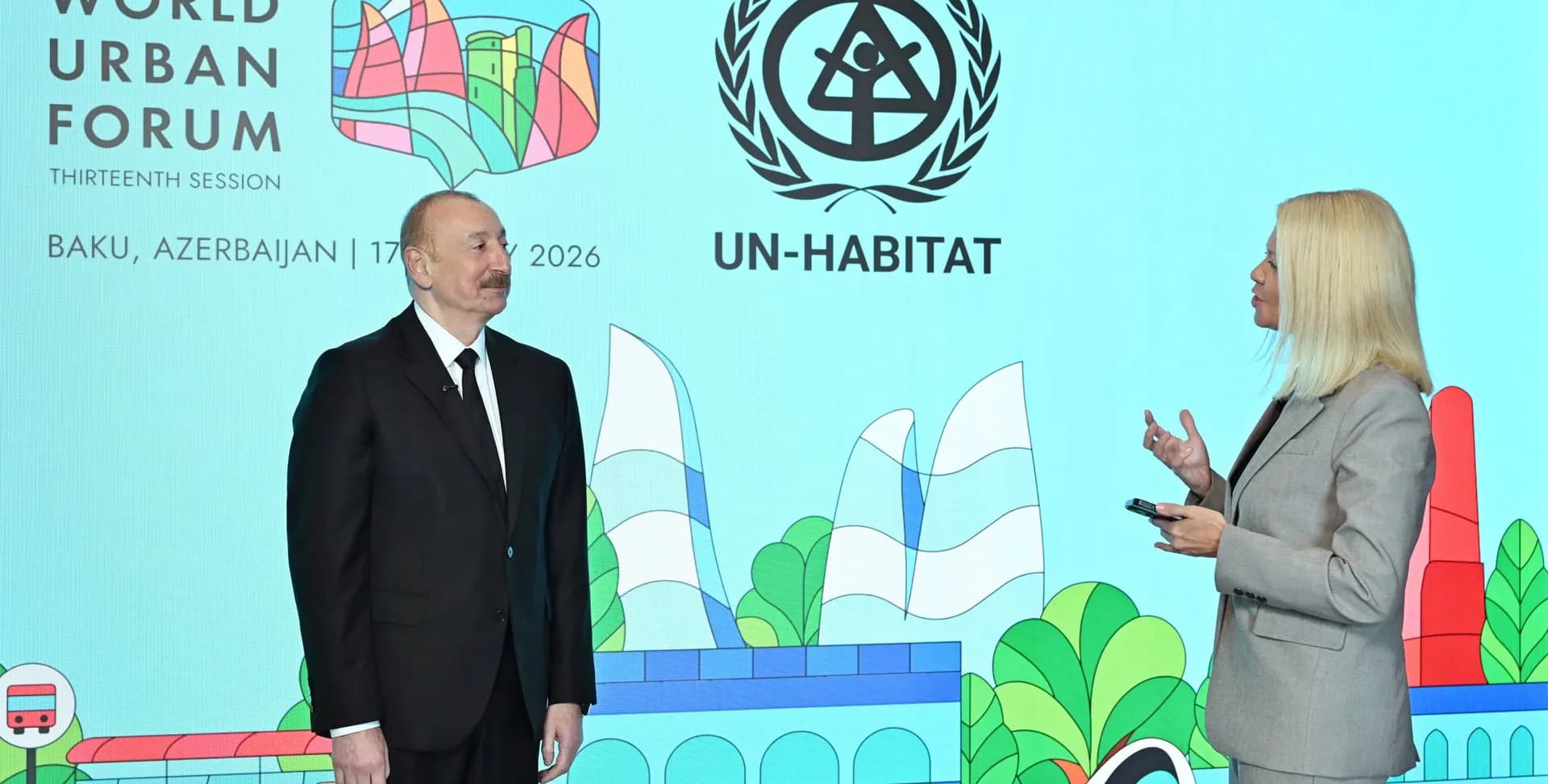
Azerbaijan's State independence – 108 years.
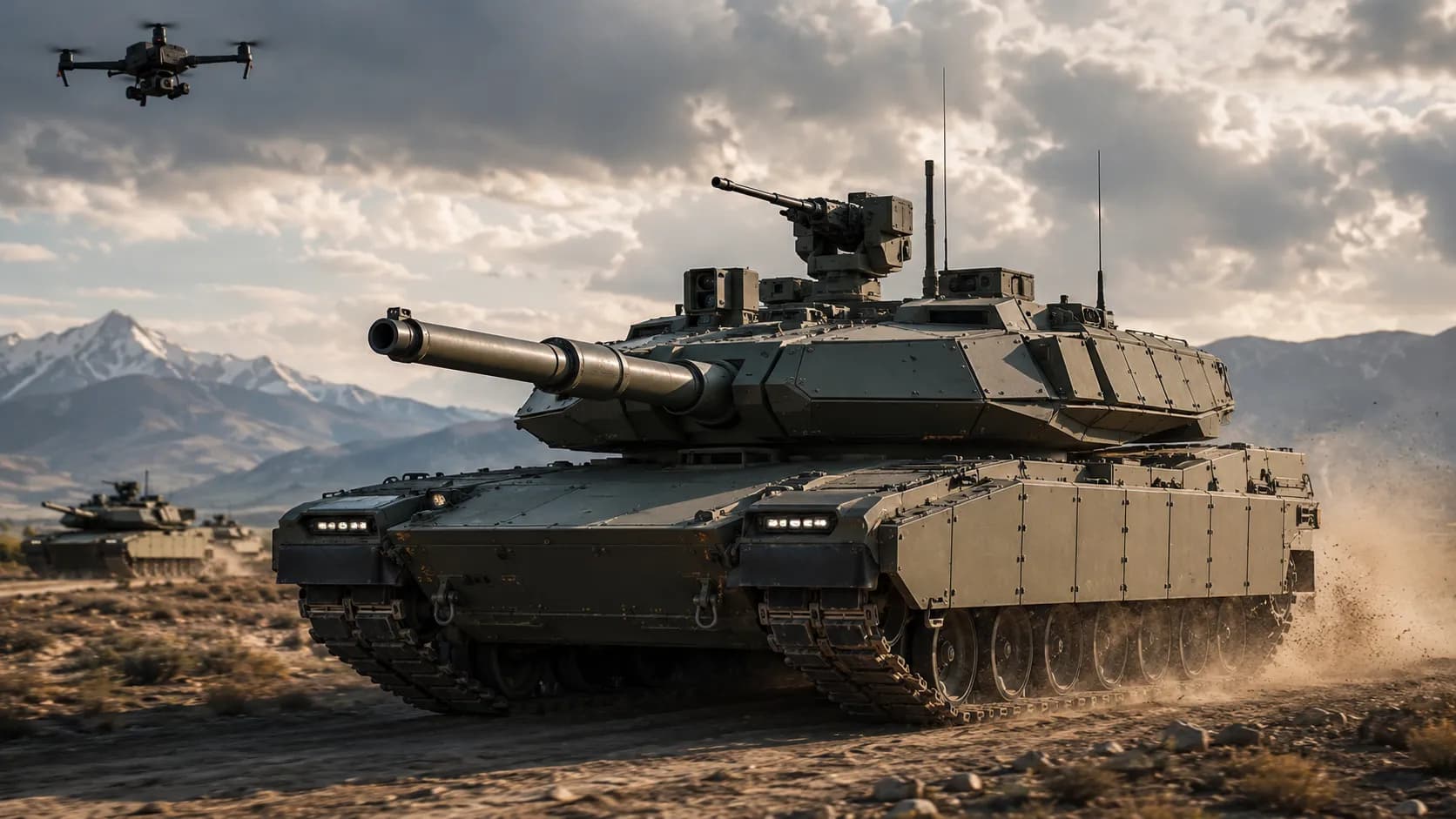
The U.S. Army has publicly unveiled new details about the M1E3 Abrams, its next-generation main battle tank, at the NDIA MDEX 2026 and Michigan Defense Expo 2026 conferences. Designed to replace the current M1A2 SEPv3, the M1E3 represents the most ambitious redesign of the Abrams platform since the original M1 entered service in 1980. The tank's most defining feature is its fully unmanned turret, which eliminates the loader from the crew and reduces the total crew to three personnel seated in an armored hull compartment. A secondary 30 mm Northrop Grumman M230LF cannon mounted atop the main turret provides dedicated counter-drone capability, while the XM251 active protection system — an Americanized derivative of Israel's Iron Fist — guards against incoming anti-tank threats. The drivetrain has been fundamentally redesigned: replacing the legacy gas turbine with a hybrid diesel-electric system is projected to improve fuel efficiency significantly and reduce combat weight from 73 to approximately 60 tons, easing logistical demands across the force. Structurally, the M1E3 is built on a Modular Open Systems Architecture, enabling rapid integration of software updates, new sensors, and upgraded fire control systems without requiring wholesale hardware redesigns. The program's pace is itself newsworthy: prototypes are expected in soldiers' hands by summer 2026, five years ahead of the original schedule. Full Initial Operational Capability is targeted for 2030. Underlying this urgency are the lessons drawn from the war in Ukraine, where drones, loitering munitions, and precision top-attack fires have exposed critical vulnerabilities in conventional armor. The M1E3 is the U.S. Army's direct response — a platform engineered not merely to survive the modern battlefield, but to dominate it.
On May 25, 2026, Pakistani writer Muhammad Ali Pasha presented his poetry collection “Romantic Whispers of the Archipelago” to Cuban Ambassador Damián Cordero Torres in Pakistan. The meeting focused on strengthening cultural cooperation and artistic exchange between Pakistan and Cuba, with media leaders also attending.

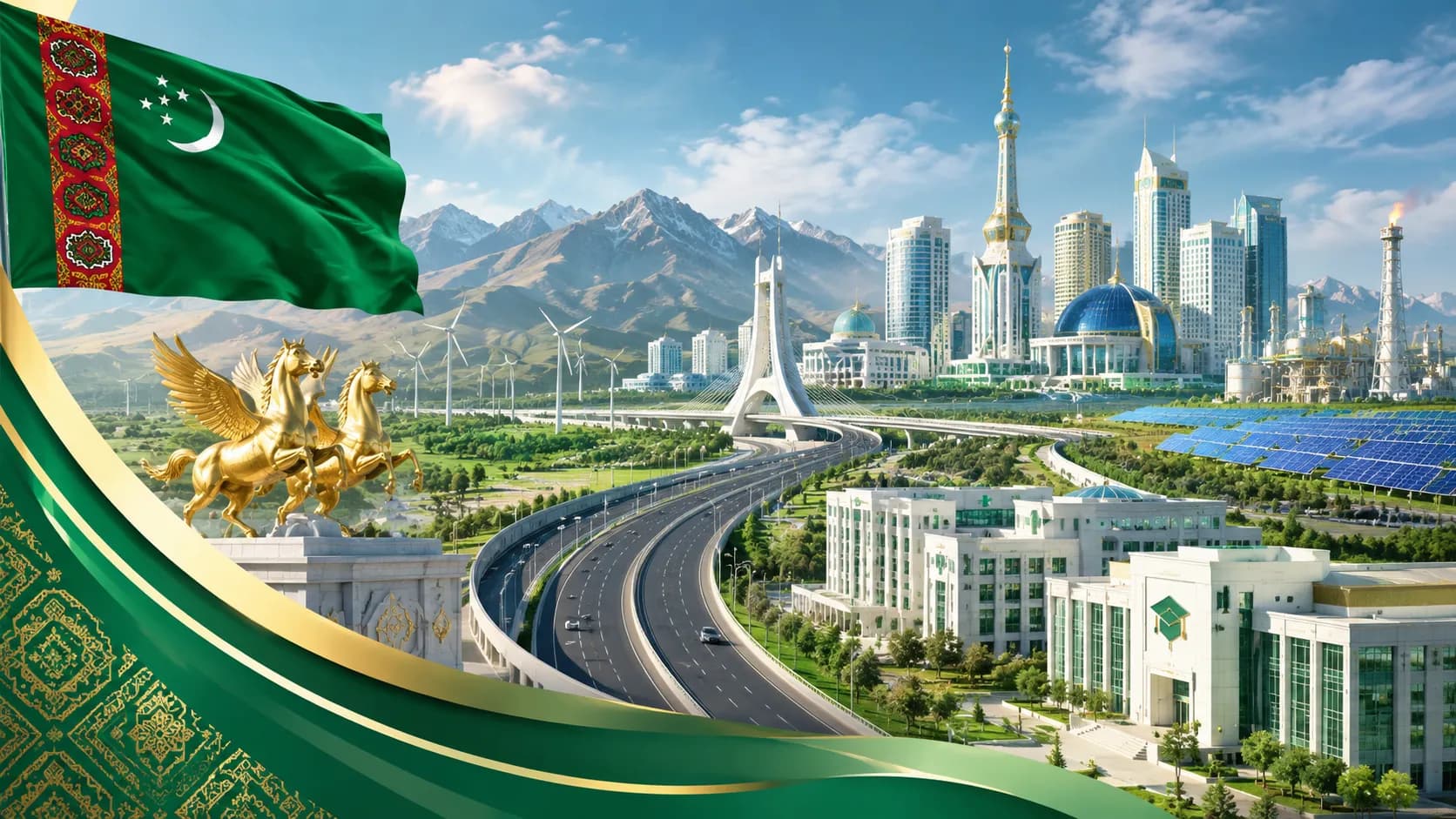
Turkmenistan’s 2026 development agenda focuses on economic stability, infrastructure expansion, and social progress within long-term planning up to 2052. It emphasizes GDP growth, economic diversification, smart city development, and investments in healthcare, education, and housing modernization.
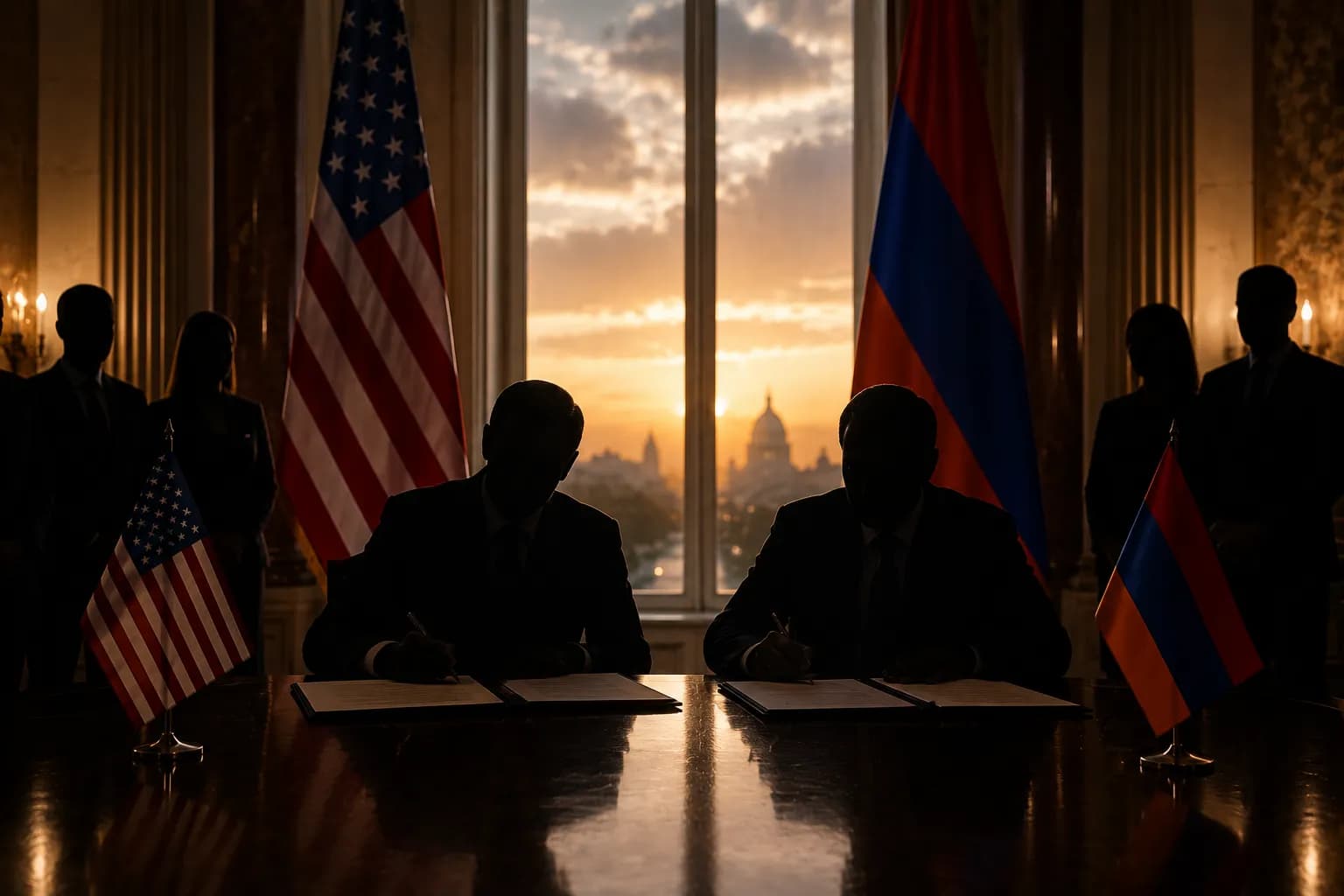
The TRIPP plan gained progress on Tuesday, according to Marco Rubio
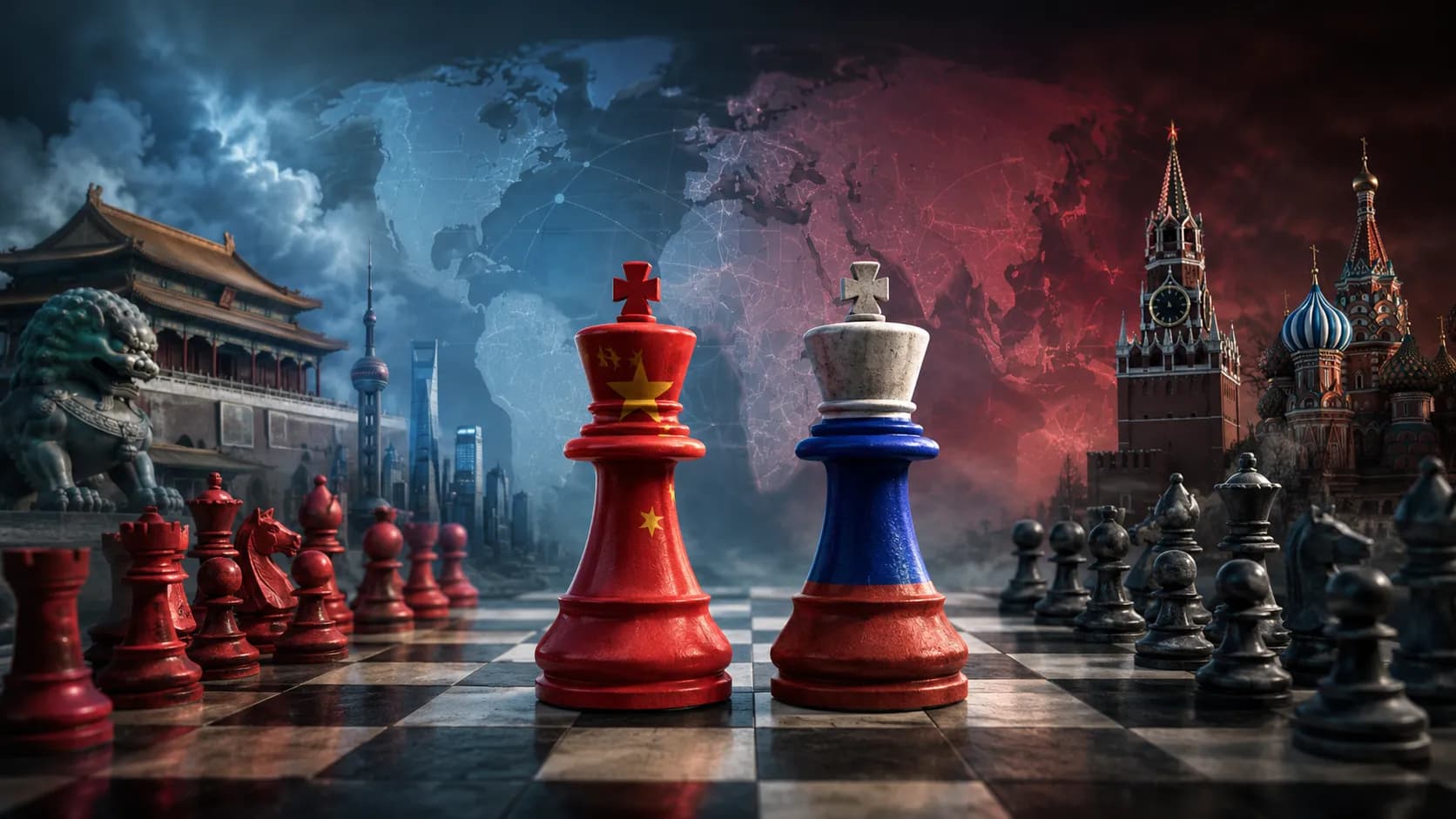
The Xi-Putin summit highlighted growing China-Russia cooperation against Western influence, yet the relationship is driven more by shared opposition than a common vision. Power asymmetry, economic dependence, and differing geopolitical priorities continue to raise questions about its long-term durability.
A decree repealing the previous decision to close the private university appeared.
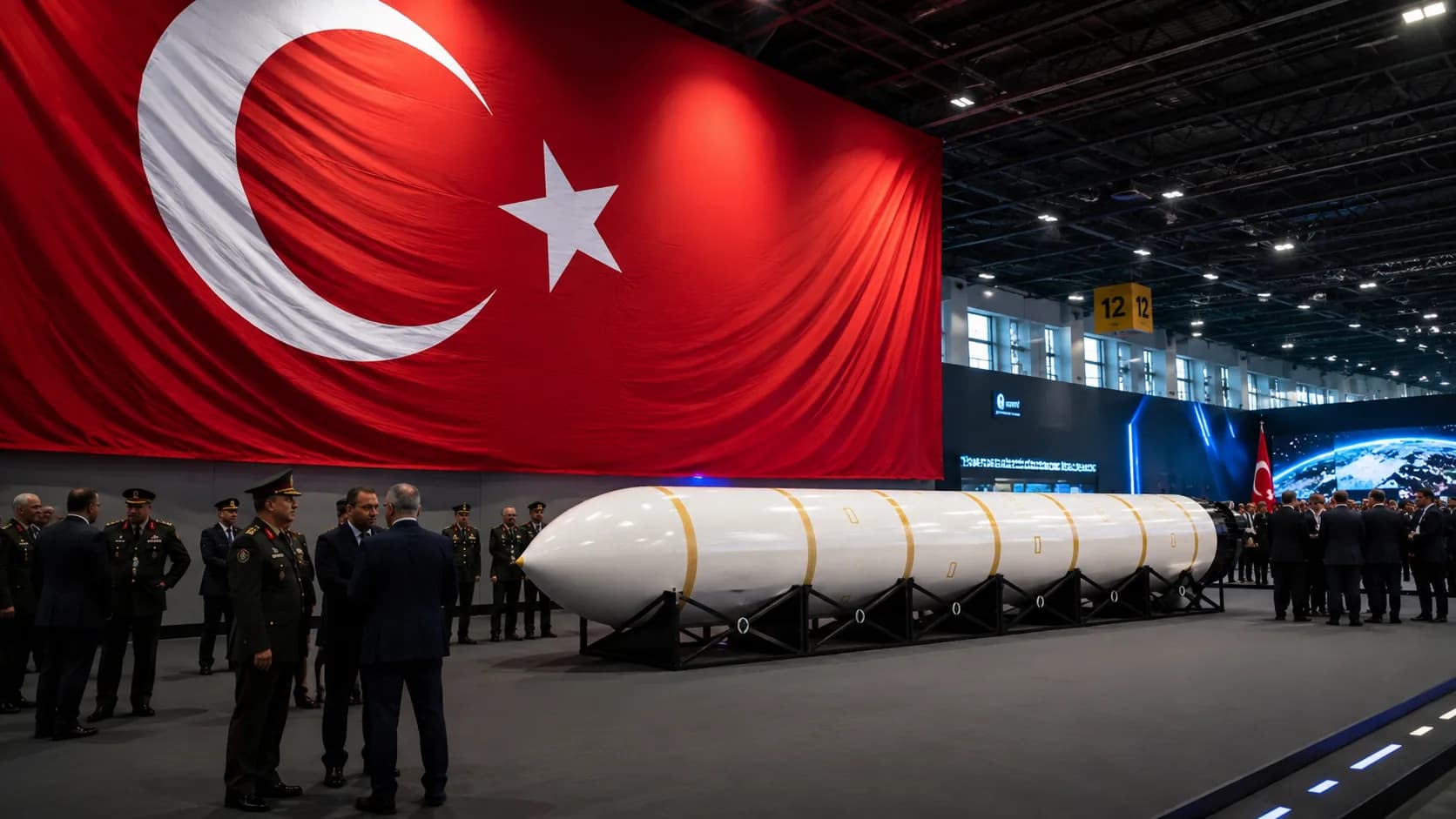
With the unveiling of the Yildirimhan, Ankara signals it intends to be a sovereign military power, building on a decade of Bayraktar successes
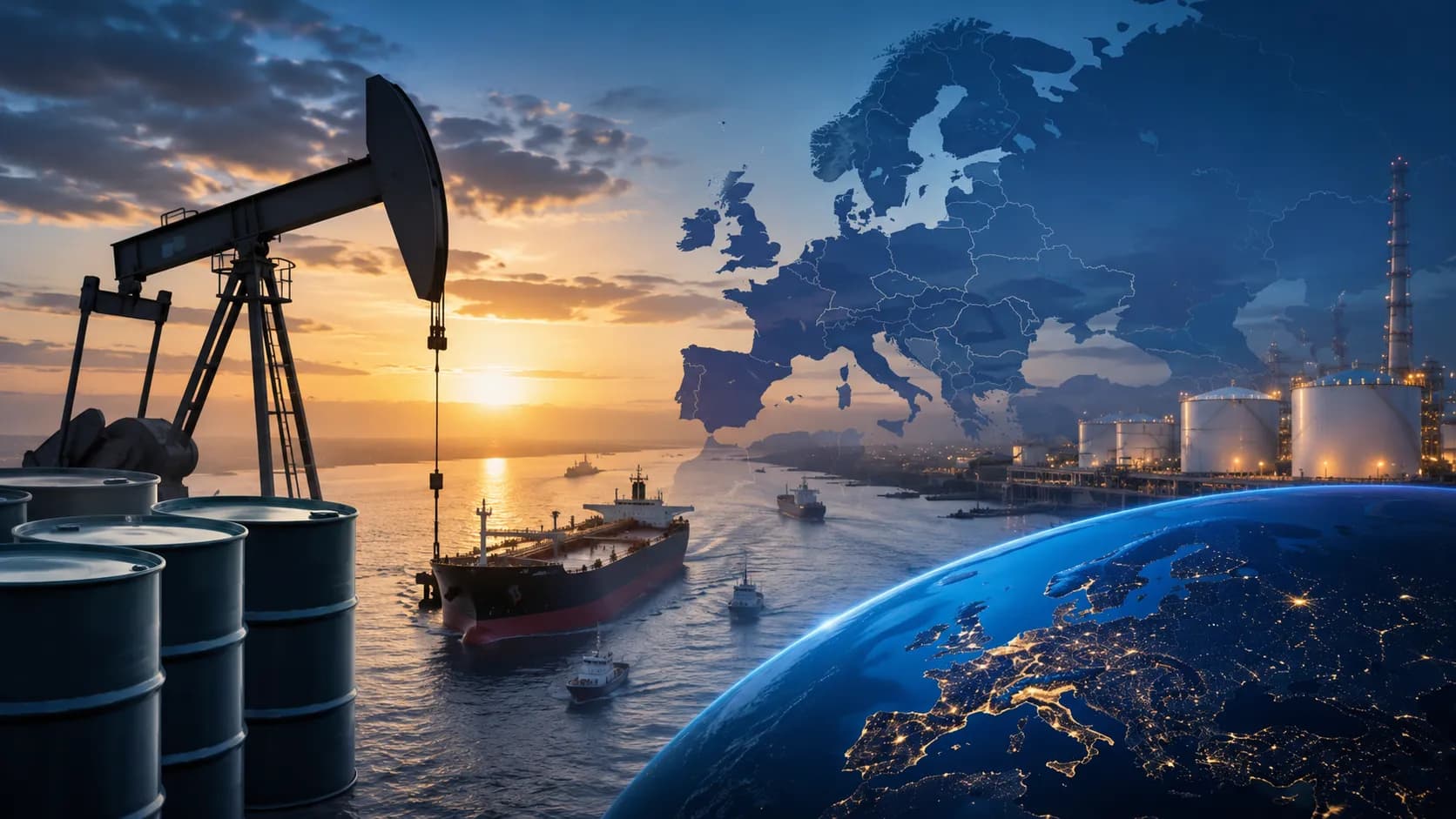
Japan’s sharp decline in Middle Eastern oil imports following disruptions in the Strait of Hormuz signals a new phase in the global energy crisis. Europe may face rising energy costs, tougher competition for LNG and oil supplies, inflationary pressure, and renewed industrial challenges.
Uzbekistan is strengthening its social state model through people-oriented reforms led by the National Agency for Social Protection. The country aims to improve social services, strengthen state organization, support vulnerable groups, and promote national unity through inclusive social policies.

ANGOLA BRINGS ITS MICE STRATEGY TO THE GLOBAL STAGE AT IMEX FRANKFURT 2026

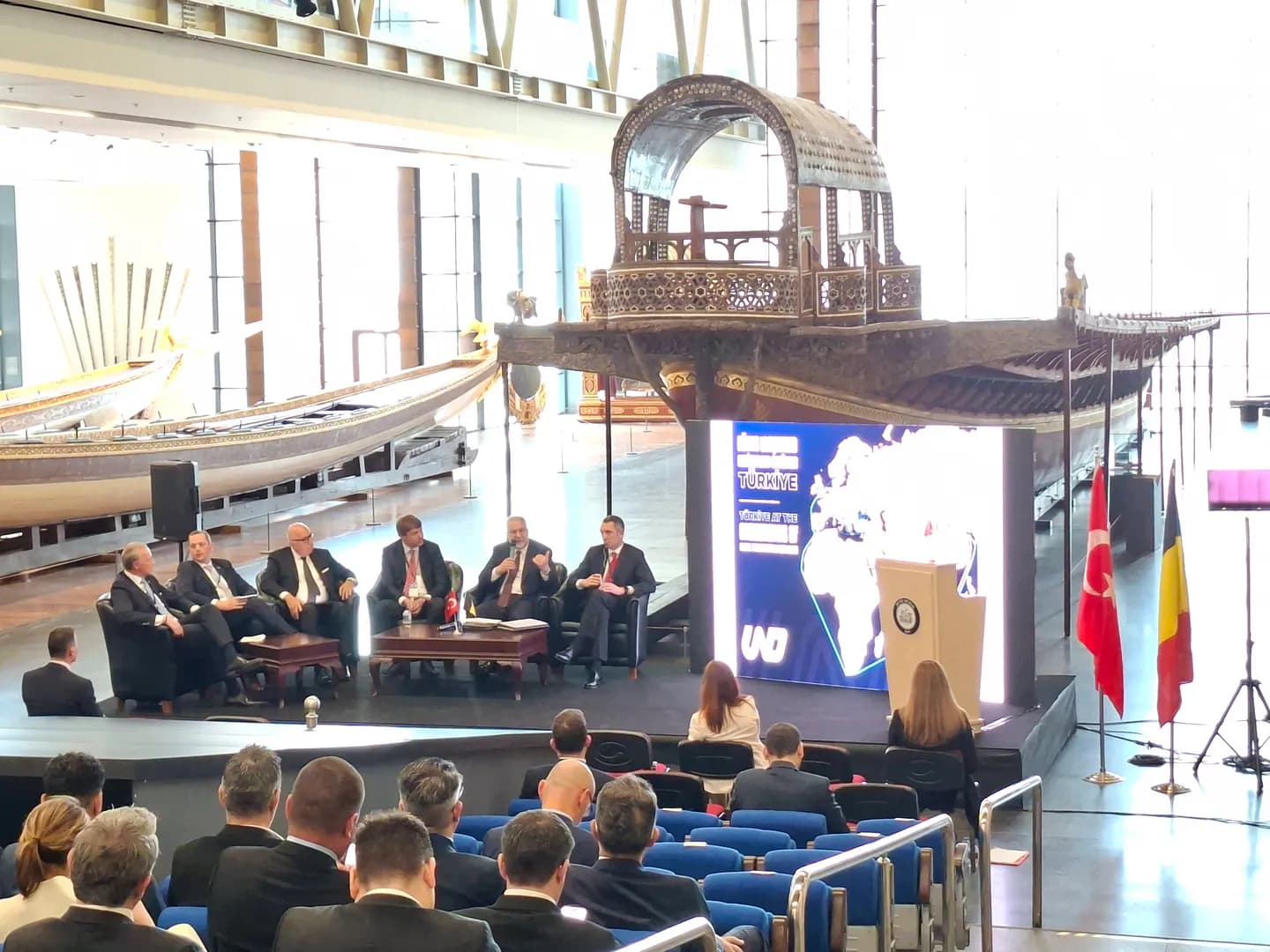
Belgium and Türkiye are entering a new strategic era shaped by defence cooperation, NATO security priorities, industrial integration, and Europe’s changing geopolitical outlook. Queen Mathilde’s 2026 mission highlighted Türkiye’s growing role in Europe’s defence and economic architecture.
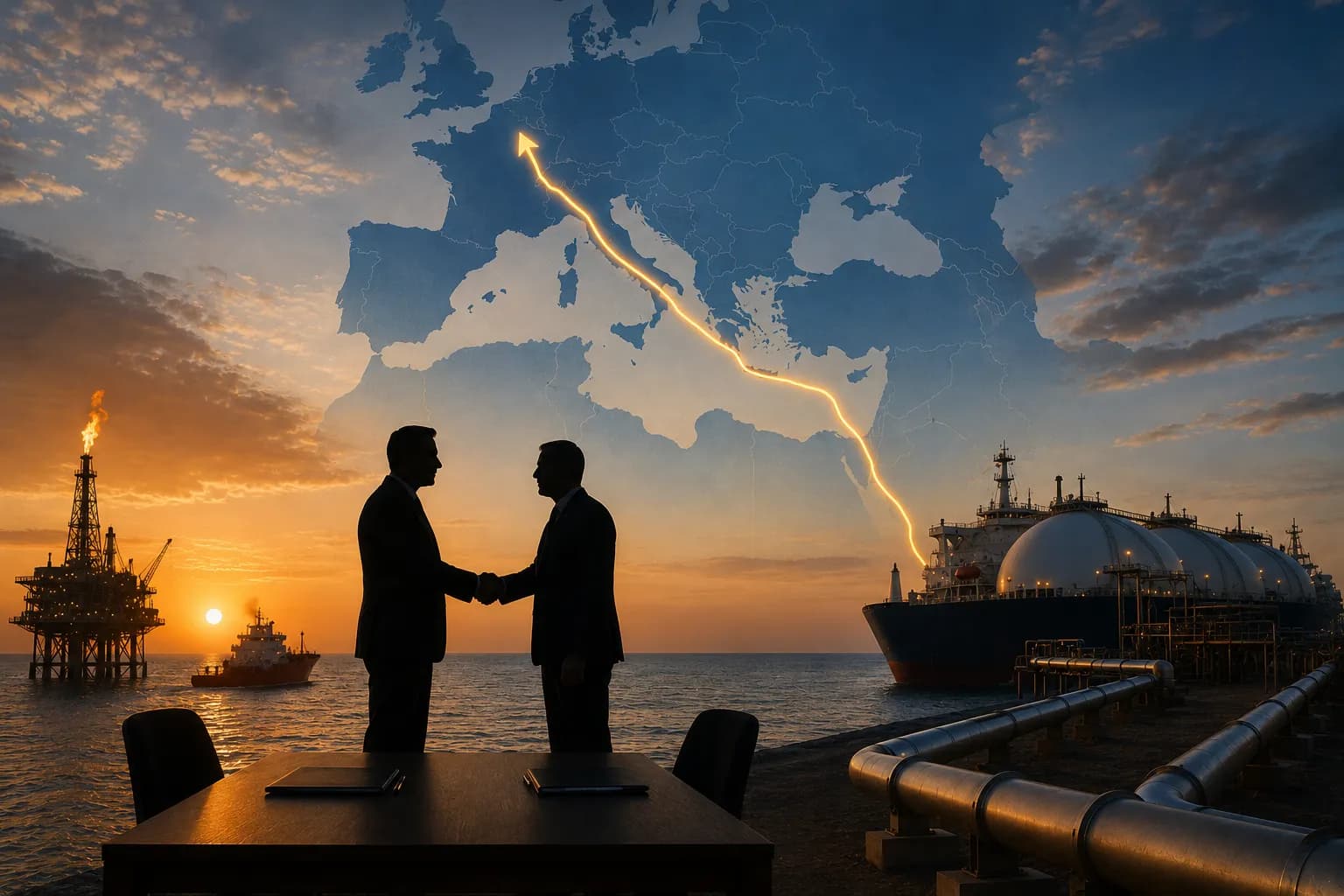
Although in its very early stages, the plan to ship Cypriot gas to Europe looks promising.
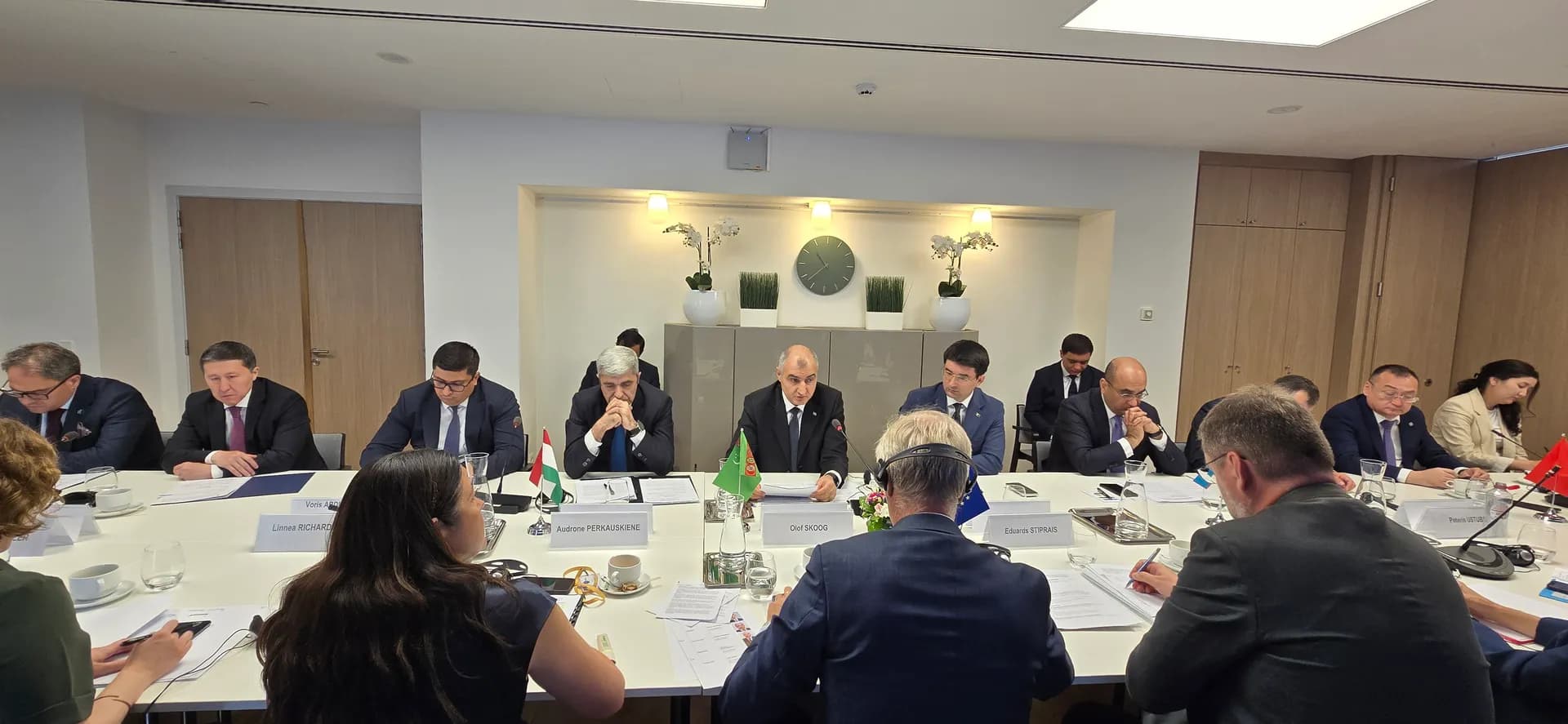
Central Asia has long been called a bridge, a buffer, a heartland and a Silk Road region. But today, a new image is needed. “The Five Gates of Eurasia” presents Kazakhstan, the Kyrgyz Republic, Tajikistan, Turkmenistan and Uzbekistan as five complementary gateways linking Europe and Asia through modern, trusted and sustainable cooperation.
Reclaiming the Legacy of the Golden Horde: Kazakhstan’s Nation-Building, Historical Memory, and Eurasian Connectivity
