Political Scandals In Scandinavian Countries, About Which Little Is Known
Scandinavian transparency mechanisms, from parliamentary audits to ethics probes, swiftly hold officials accountable for even minor missteps.
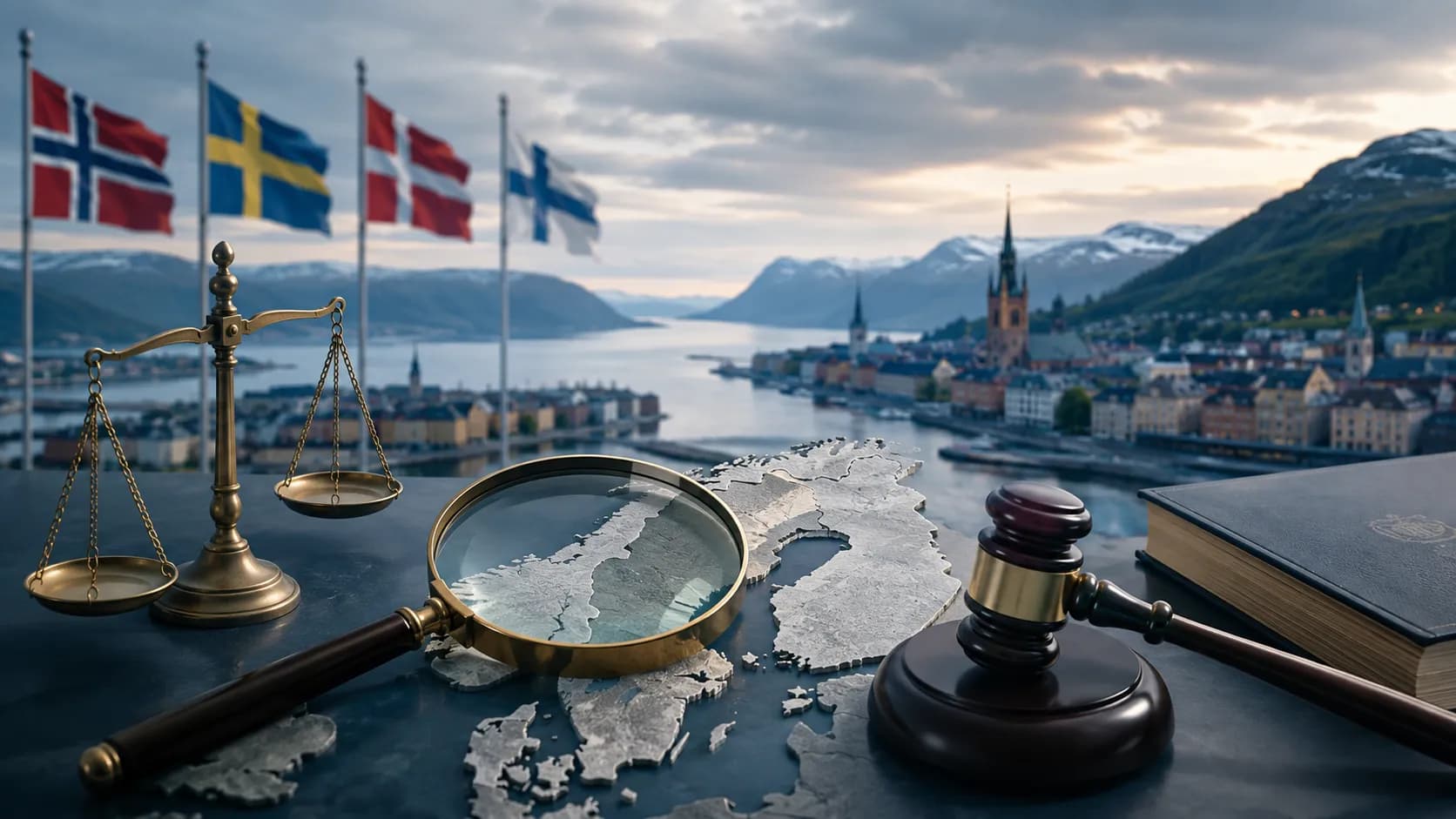
Scandinavian countries, although known for their high degree of transparency and low level of corruption, occasionally face political scandals. The most notable recent examples include cases in Sweden and Norway.
For instance, a few years ago there was a big political scandal in Norway, which toppled the Speaker of the Norwegian Parliament, Eva Kristin Hansen. Hansen briefly served as President of the Storting between October and November 2021. President Hansen used a 50-square-meter apartment belonging to the state. The Speaker of the House of Representatives can use such a parliamentary apartment if his private house is 40 kilometers away from the parliament, while hers was 29 kilometers away. It was actually her husband's house, and she reported that she was living in a rented apartment, making the excuse that she didn't know that rule, because she had just taken office.
Because of this, she resigned and apologized to the Norwegian people, and subsequently paid the necessary amount to cover the loss she caused to the Norwegian state. It is not surprising that Norway has a state fund worth about 2 billion dollars, one of the largest state investment funds in the world.
A second example is Swedish Prime Minister Ulf Kristersson, who has been dogged by scandals throughout his four-year term (from 2003-2006, he was a member of the Stockholm city council), with corruption allegations coming three months before parliamentary elections. Headlines across Sweden in recent days have focused on the questionable ethics of Kristersson and his wife, ordained Lutheran priest Birgitte Ed.
Aftonbladet newspaper reported that the foundation run by Ed has recruited volunteers to raise funds and renovate the foundation's castle in exchange for a "good network" of contacts and meetings held at the prime minister's official residence.
Norway and Sweden are serious countries first of all, countries with one of the most orderly systems in the world. It is important to conclude that the Scandinavian countries have a system where everyone who comes to power is "under scrutiny" and is immediately responsible for any mistake. They have mechanisms to defend themselves against the arbitrariness of people who are elected for a certain period of time to perform some important public functions. It will probably take a long time until these mechanisms are adopted in other countries of the European Union and the whole world.
Nikolina Kunic
Contributing writer at EUReflect.
Follow EUReflect
See more of our reporting on Google
Mark EUReflect as a preferred source and our stories are ranked higher for you in Top Stories, Discover and Google News — and carry a “preferred” badge when they are cited in AI results.
Add EUReflect as a preferred source