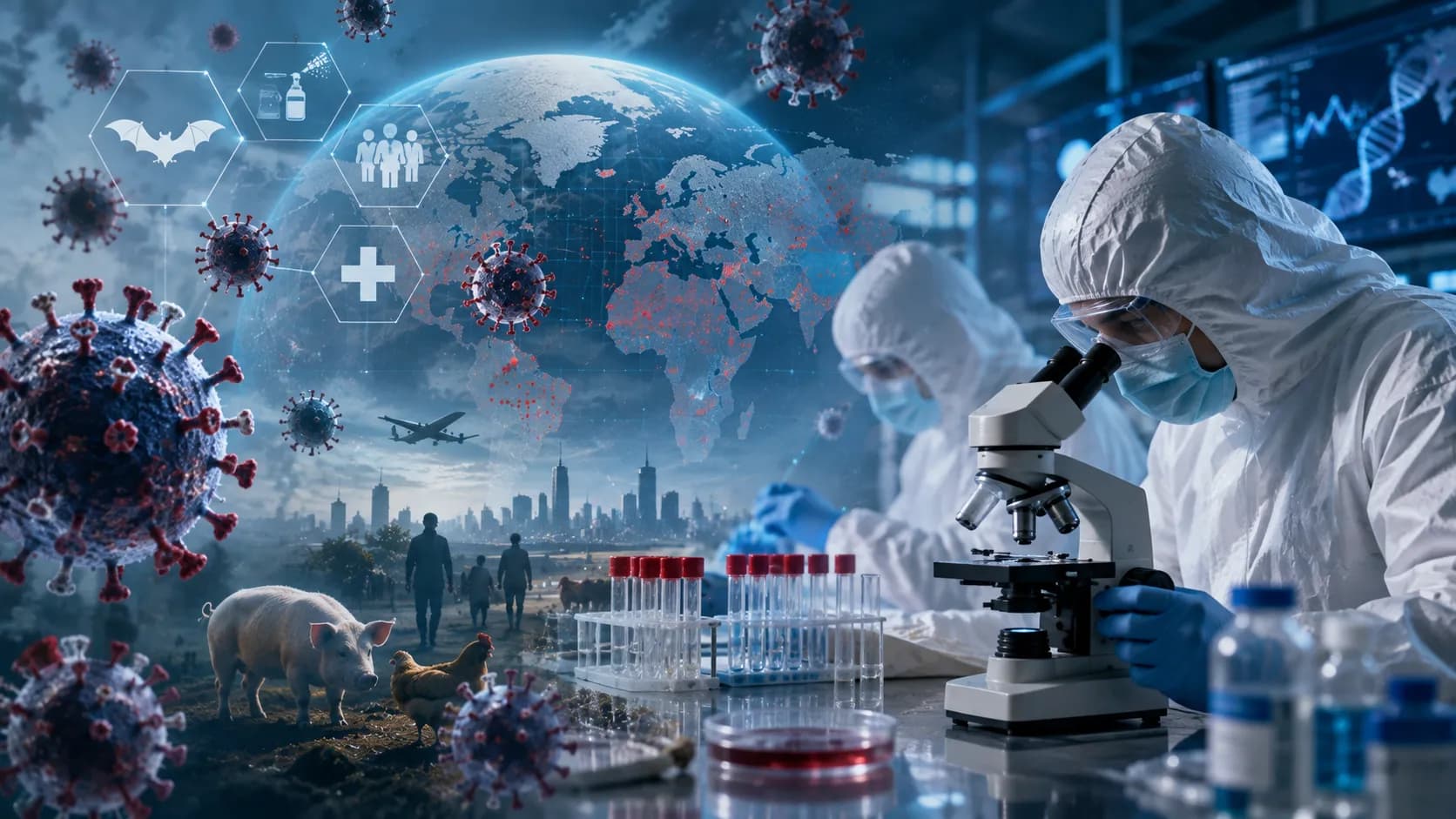
Stopping the Next Pandemic
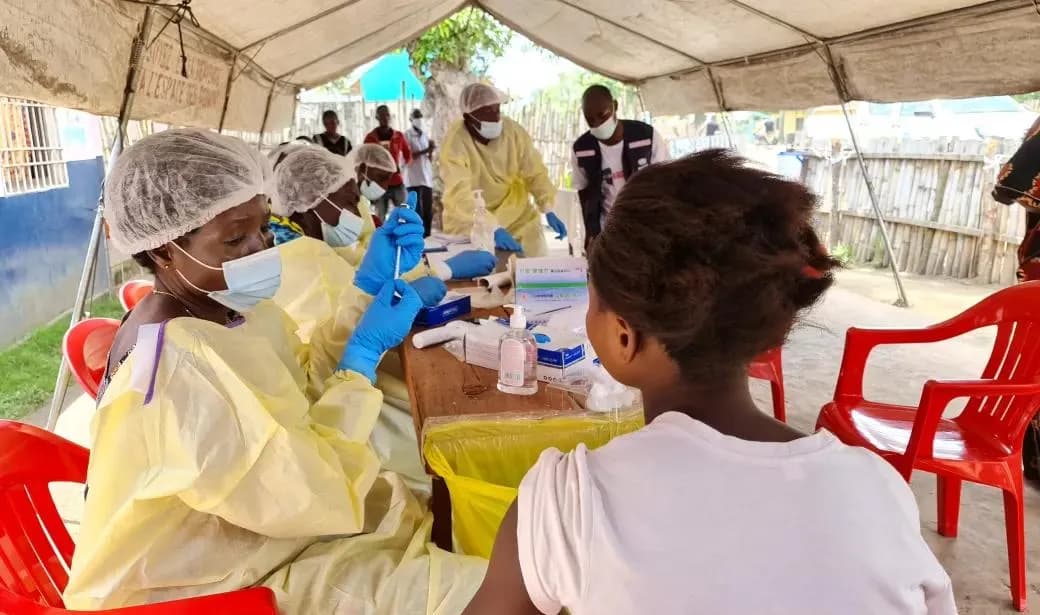
CEPI's 100 Days Mission aims to develop a safe vaccine within 100 days of identifying a new threat, a goal that would have drastically shortened the COVID-19 response.
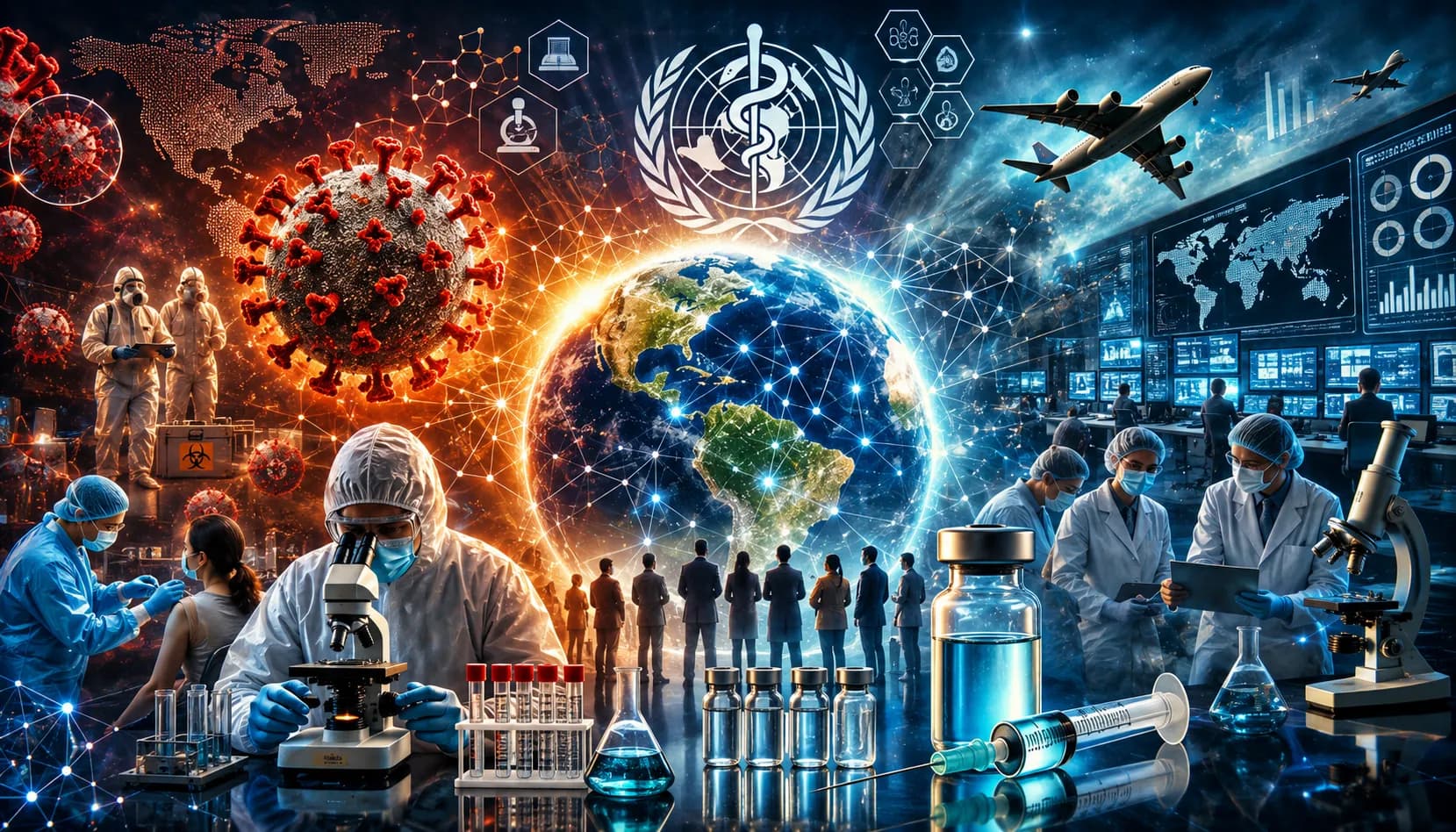
International organizations are shifting their global health strategy from reacting to pandemics after they begin to detecting and containing threats before they spread internationally. In 2026, the World Health Organization, World Bank-backed Pandemic Fund, Gavi and CEPI are simultaneously strengthening surveillance, laboratories, vaccine production, pathogen-data sharing and emergency financing.
The change reflects one of the central lessons of COVID-19: a local outbreak can become a global crisis before traditional international response mechanisms are fully mobilized. The emerging model therefore places early detection, rapid information sharing and pre-positioned medical capacity at the center of pandemic security.
WHO Builds New Global Rules
The most important institutional development is the WHO Pandemic Agreement, adopted by World Health Organization member states in May 2025.
The agreement is intended to strengthen international cooperation on pandemic prevention, preparedness and response. One of its most important unfinished components is the Pathogen Access and Benefit-Sharing system, known as PABS.
Negotiations continued in Geneva from July 6–17, 2026. Governments are trying to establish a system through which information and materials concerning potentially dangerous pathogens can be shared rapidly while ensuring more equitable access to resulting vaccines, diagnostics and treatments.
The principle addresses a critical problem exposed during COVID-19: scientists may identify a dangerous pathogen quickly, but countries can still compete for vaccines and medical products once an emergency begins.
Early Warning Becomes the First Defense
International organizations increasingly believe the most effective pandemic is one that never reaches pandemic scale.
That makes disease surveillance crucial.
The strategy involves strengthening laboratories, monitoring unusual clusters of disease, expanding genomic sequencing and connecting national surveillance systems so that information can move across borders rapidly.
The World Bank-hosted Pandemic Fund is financing precisely these capabilities, particularly in low- and middle-income countries. Its investments focus on areas including disease surveillance and early-warning systems, laboratories and health workforces. Across three funding rounds, the Fund says it has awarded approximately $1.4 billion in grants while mobilizing another $10.1 billion in resources.
The logic is economic as well as medical: detecting a dangerous pathogen in one district is dramatically easier and cheaper than responding after it has reached multiple continents.
The 100-Day Vaccine Race
Another major initiative focuses on speed.
The Coalition for Epidemic Preparedness Innovations, or CEPI, is pursuing its 100 Days Mission: the ambition to develop a safe and effective vaccine within approximately 100 days after a new pandemic threat has been identified.
That would represent a dramatic acceleration compared with traditional vaccine-development timelines.
The strategy does not mean scientists would begin entirely from zero after the next virus appears.
Instead, CEPI is investing in technologies and vaccine platforms that can be prepared against broad families of pathogens in advance and rapidly adapted when a specific threat emerges.
CEPI said in June that achieving the 100-day objective requires technological readiness across pathogen families as well as pre-agreed manufacturing, regulatory and operational systems.
In other words, vaccine development is increasingly being treated like an emergency-response capability that must exist before the emergency begins.
Vaccine Factories Become Strategic Infrastructure
Developing a vaccine quickly is only part of the challenge.
Billions of doses may eventually need to be manufactured, transported and administered.
International organizations are therefore paying greater attention to geographically diversified vaccine manufacturing and supply chains. The objective is to avoid a future crisis in which a small number of countries control most global production.
Gavi's new 2026–2030 strategy includes stronger immunization supply chains intended to deliver vaccines reliably regardless of where people live. Its wider five-year strategy aims to protect approximately 500 million children through vaccination.
Funding remains critical. Gavi secured more than $9 billion in commitments toward its 2026–2030 strategic period at its 2025 replenishment summit, while the United States announced in July 2026 that it intended to release $600 million appropriated for Gavi for fiscal years 2025 and 2026.
Poorer Countries Become Central to Global Security
Another lesson from COVID-19 is that pandemic preparedness cannot be concentrated exclusively in wealthy countries.
A dangerous pathogen emerging in a country with limited laboratory capacity can remain undetected longer. Weak health systems can also struggle with isolation, contact tracing and treatment.
That is why the Pandemic Fund concentrates particularly on low- and middle-income economies.
Its model combines international grants with additional financing from governments and development institutions, allowing relatively limited global funding to support much larger health-security investments.
Pandemic preparedness is therefore increasingly being viewed as a global public good.
Helping another country detect an outbreak earlier can ultimately protect populations thousands of kilometers away.
Animals Become Part of the Warning System
Future pandemic prevention is also moving beyond hospitals.
Many potentially dangerous emerging diseases originate in animals before crossing into humans. This means surveillance must increasingly connect human medicine with veterinary medicine, agriculture and environmental monitoring.
The broader approach is often described as One Health.
Instead of waiting until large numbers of people become ill, health authorities can monitor unusual infections among wildlife, livestock and local communities.
This is particularly important for influenza viruses and other pathogens with zoonotic potential.
The strategic objective is to identify the moment when a virus begins changing its behavior—not months later when hospitals start filling with patients.
Data Sharing Becomes a Global Security Issue
Information could become as important as vaccines.
When scientists identify a new pathogen, rapid access to genetic sequences and biological samples can allow laboratories around the world to begin developing diagnostics, vaccines and treatments.
But countries also want guarantees that sharing these resources will not leave them unable to obtain the medical products subsequently developed from them.
That tension is precisely why negotiations over the WHO's PABS mechanism are so important.
WHO member states said after the July 2026 negotiations that further discussions were still necessary to finalize a system capable of supporting a faster and more equitable response to future pandemics.
The challenge is to make two objectives compatible: rapid scientific sharing and fair access to its benefits.
The Strategy Is Changing
International organizations cannot guarantee that another pandemic will never occur. New viruses will continue to emerge, pathogens will mutate and international travel will continue connecting distant populations.
What can change is the amount of time the world loses before responding.
The emerging international strategy therefore consists of several interconnected defenses: detecting unusual diseases earlier, sharing pathogen information faster, strengthening laboratories in poorer countries, preparing vaccine technologies in advance, expanding manufacturing capacity and creating financing mechanisms before emergencies begin.
The WHO Pandemic Agreement provides the political framework. The Pandemic Fund finances preparedness. Gavi strengthens vaccination systems and supply chains. CEPI attempts to compress vaccine development into approximately 100 days.
Together, these initiatives represent a significant change in global health policy.
The objective is no longer simply to be better prepared for the next pandemic.
It is to detect and contain the next dangerous outbreak before the world has to call it a pandemic.
Ahmet Balakan
Contributing writer at EUReflect.
Follow EUReflect
See more of our reporting on Google
Mark EUReflect as a preferred source and our stories are ranked higher for you in Top Stories, Discover and Google News — and carry a “preferred” badge when they are cited in AI results.
Add EUReflect as a preferred source