Trump’s New Iran Strategy: Economic Pressure Without Immediate Escalation
Trump is shifting his Iran strategy toward economic pressure rather than immediate military escalation. As Tehran uses the Strait of Hormuz as leverage, Washington faces a difficult choice between maintaining pressure and creating space for a broader diplomatic settlement.
Trump’s New Iran Strategy: Economic Pressure Without Immediate Escalation
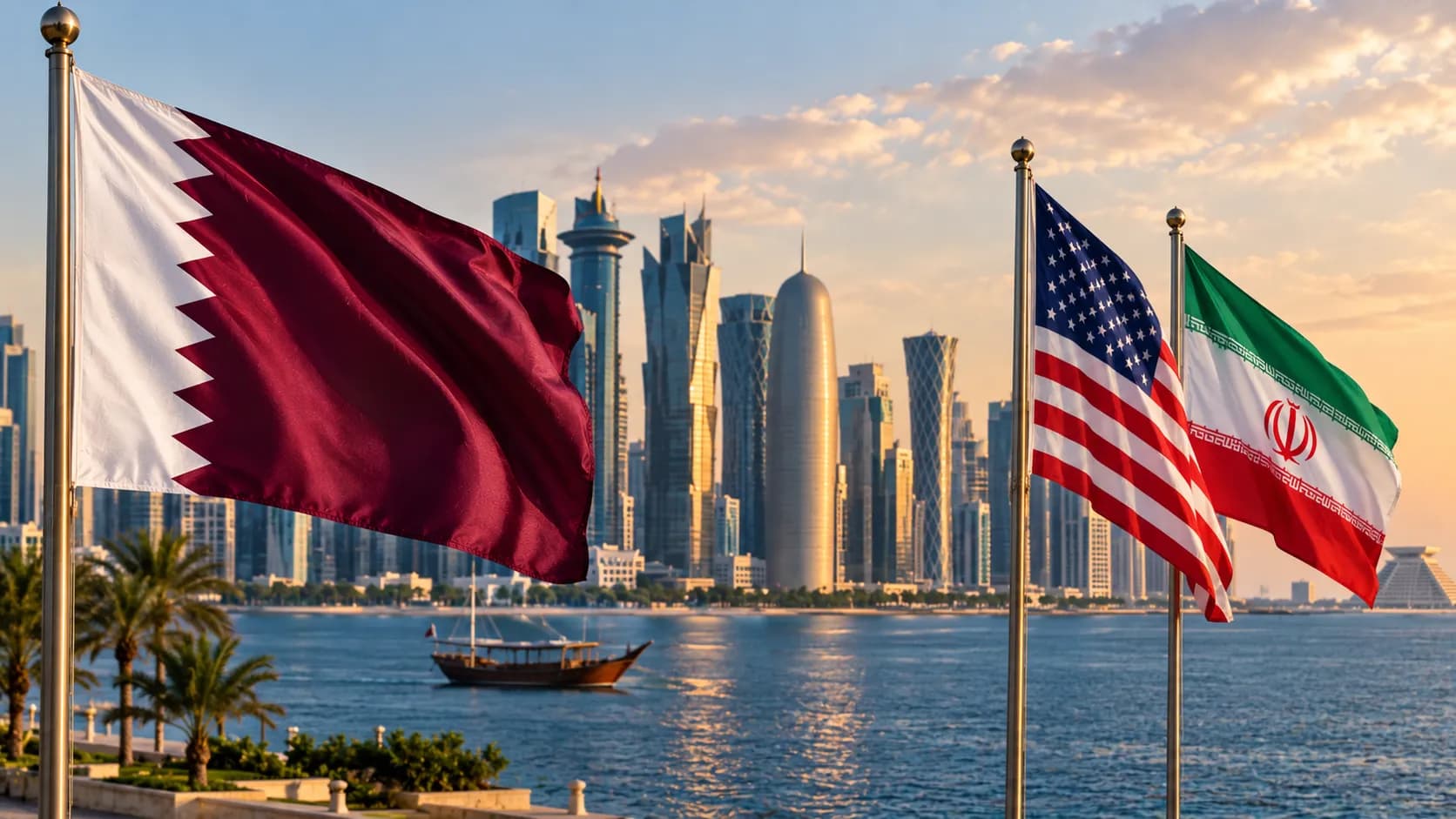
President Donald Trump appears to be adopting a more restrained approach toward Iran, emphasizing economic pressure rather than immediately pursuing another major military escalation. In an interview with Axios on August 9, Trump said the United States was “low-keying it” with Iran while stressing the economic damage already affecting Tehran. His remarks suggest a tactical shift in Washington’s approach as the wider US-Iran confrontation continues to place pressure on regional security and global energy markets.
From Military Pressure to Economic Leverage
Trump's latest comments indicate that Washington may be prioritizing the economic consequences of the conflict over an immediate expansion of military operations. Rather than presenting negotiations as the central instrument of policy, the administration appears focused on allowing sanctions and broader economic pressure to weaken Iran's position.
Trump pointed to Iran's inflation and financial difficulties as evidence that the pressure is having an effect. The approach reflects a familiar feature of his foreign policy: maintaining the threat of escalation while using economic pressure to push an adversary toward concessions.
Yet the strategy carries an important contradiction. Economic pressure can weaken a state's capacity without necessarily producing political compromise. Iran may instead seek to use its remaining strategic leverage to force Washington to negotiate on terms more favorable to Tehran.
Hormuz Becomes the Central Bargaining Point
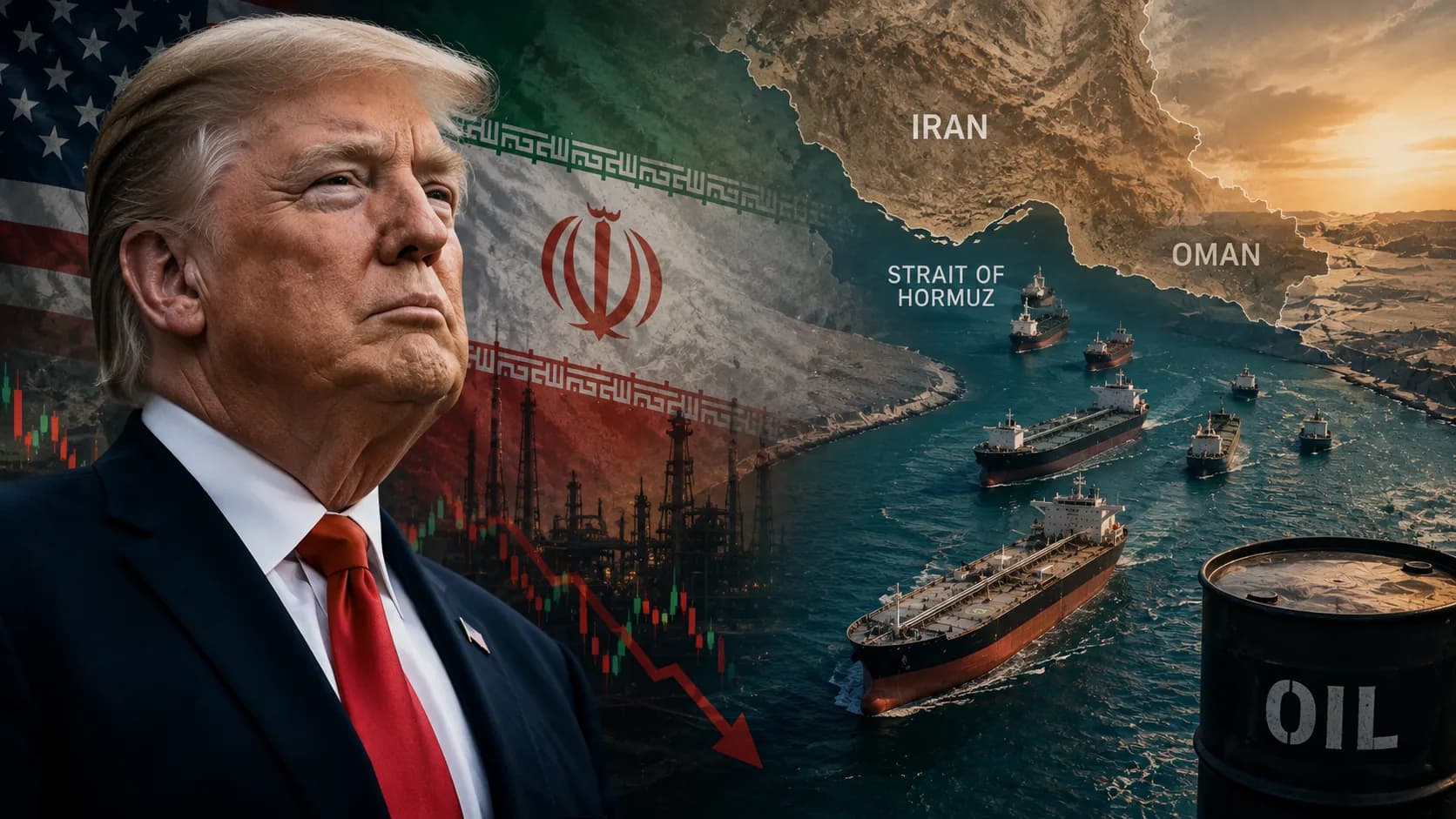
The Strait of Hormuz has become one of the most important elements in this confrontation. Iran says negotiations with Oman over new shipping arrangements are approaching their final stage, but Tehran has made clear that a full reopening of the waterway requires additional US concessions.
Iran has linked the reopening to demands including compensation for damage caused by US and Israeli strikes, sanctions relief, the release of frozen Iranian assets and an end to military threats. Tehran and Washington are not conducting direct negotiations, but indirect communication continues through intermediaries.
This gives Iran an important source of bargaining power. Hormuz is a crucial energy corridor, and uncertainty surrounding its reopening continues to influence oil markets and the wider global economy.
Washington’s Search for a Controlled Outcome
For Trump, the challenge is to reduce the economic and strategic costs of the confrontation without appearing to concede too much to Tehran.
The United States has indicated that any steps toward restoring commercial shipping would remain conditional on Iran fulfilling its commitments. Washington therefore appears to favor a phased and performance-based process rather than an unconditional reopening of the Strait.
This approach allows the administration to maintain pressure while leaving room for diplomacy. However, it also means that the reopening of Hormuz cannot be separated from the wider dispute over sanctions, military activity and Iran's regional position.
Iran’s Economic Vulnerability and Strategic Leverage
Trump's emphasis on Iran's economic difficulties reflects an attempt to turn economic vulnerability into political leverage. Tehran is facing inflation, financial pressure and the consequences of restrictions on trade and energy routes.
At the same time, Iran retains instruments that Washington cannot easily neutralize. Its influence over the security environment around Hormuz, its regional partners and its ability to disrupt energy flows provide Tehran with bargaining power despite the economic pressure it faces.
This creates a strategic contest in which neither side has an easy path to victory. Washington can increase economic pressure, but Tehran can raise the costs of maintaining that pressure through regional disruption.
The Risk of a Prolonged Standoff
The greatest danger is that Trump's restrained approach could produce neither a decisive settlement nor meaningful de-escalation.
If economic pressure continues without a diplomatic breakthrough, Iran could remain unwilling to make the concessions Washington seeks. At the same time, continued restrictions around Hormuz could sustain uncertainty in global energy markets and increase pressure on Gulf economies.
The situation is further complicated by attacks from Iran-aligned groups in the region. Houthi forces have intensified attacks around Saudi Arabia, adding another layer to the security crisis and contributing to the Gulf states' growing concerns about regional instability.
A New Phase in Trump’s Iran Policy
Trump's latest remarks suggest that Washington may be entering a different phase of its Iran policy. The emphasis is increasingly on economic exhaustion rather than immediate military escalation, while diplomatic channels remain open indirectly.
Whether this strategy succeeds will depend on what Tehran does next. If Iran concludes that economic pressure is becoming unsustainable, it may seek a broader agreement. If it instead views Hormuz and regional influence as sufficient leverage to resist Washington, the confrontation could continue.
The Strait of Hormuz is therefore more than an energy route in the current crisis. It has become a bargaining instrument at the centre of the US-Iran confrontation.
Trump's new approach may reduce the immediate risk of another major escalation, but it does not eliminate the underlying conflict. Washington is testing whether economic pressure can achieve what military force has not: compelling Iran to negotiate without forcing the United States into another costly confrontation.
The coming weeks will determine whether this strategy opens a path toward diplomacy or simply prolongs the standoff. For now, Trump's message is clear: Washington is applying pressure while waiting to see whether Iran's economic vulnerability translates into political concessions.
Alvara Merrick
Contributing writer at EUReflect.
Follow EUReflect
See more of our reporting on Google
Mark EUReflect as a preferred source and our stories are ranked higher for you in Top Stories, Discover and Google News — and carry a “preferred” badge when they are cited in AI results.
Add EUReflect as a preferred source