WHO Warns Global Rehabilitation Gap Is Leaving Millions Without Essential Care
Around 2.4 billion people worldwide could benefit from rehabilitation, according to WHO. Yet more than half of those needing services in low- and middle-income countries do not receive them, highlighting a growing global health access gap.
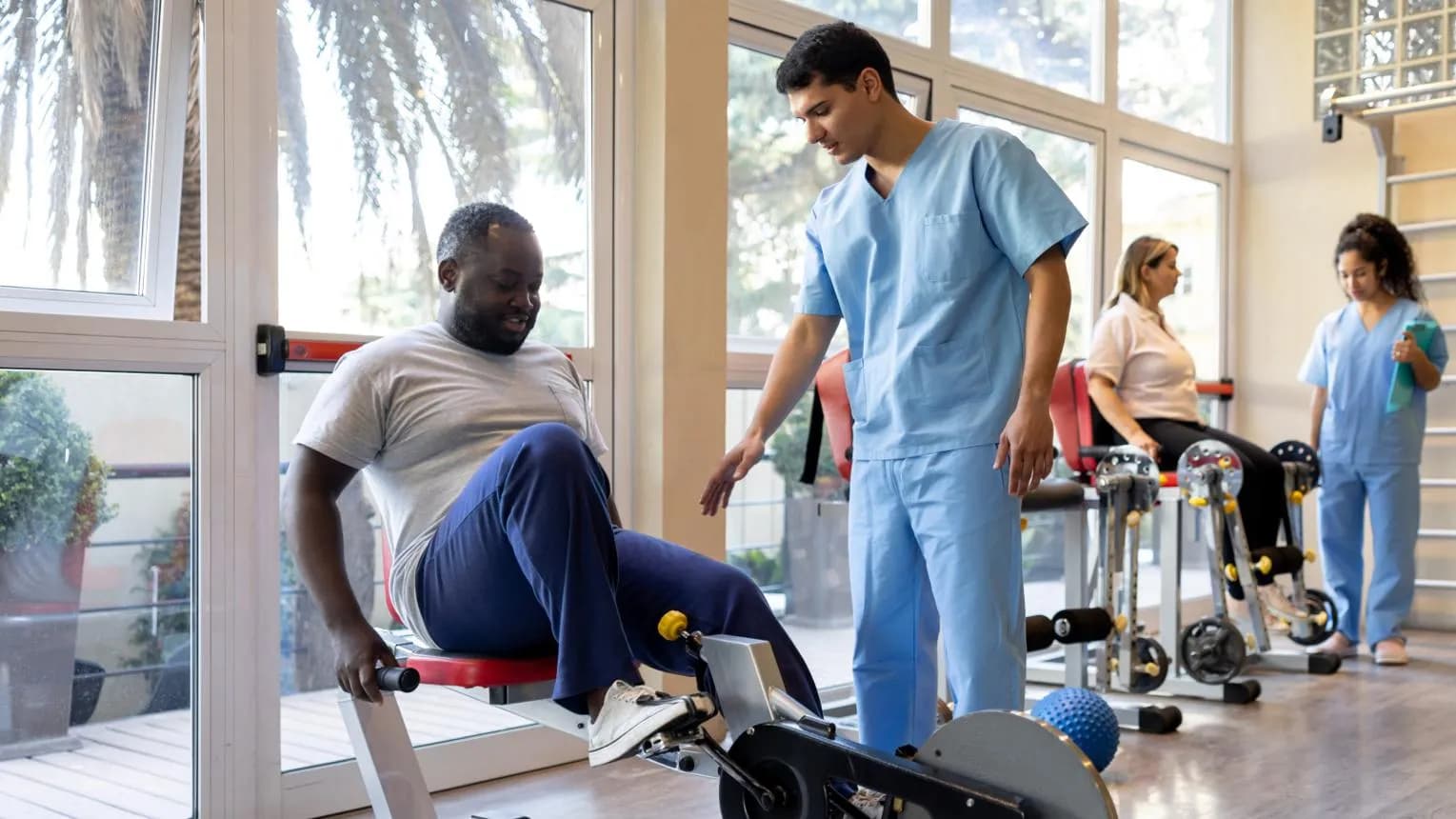
Millions Lack Access to Rehabilitation as Global Needs Rise, WHO Says
Rehabilitation is becoming an increasingly important part of global health care as populations age, chronic diseases increase and more people live with disability. The World Health Organization estimates that around 2.4 billion people worldwide live with a health condition that could benefit from rehabilitation.
Yet access to these services remains highly unequal. In low- and middle-income countries, more than half of people who require rehabilitation do not receive the care they need.
Rehabilitation Needs Are Rising Worldwide
The growing need for rehabilitation is linked to major demographic and health changes.
People are living longer, while chronic diseases and disability are becoming increasingly common. As a result, more people require rehabilitation to recover, maintain their abilities or participate fully in daily life.
The scale of the need means rehabilitation can no longer be viewed as a limited service provided only after major injuries or medical procedures.
Instead, it is becoming an increasingly important component of health systems.
Millions Face Barriers to Essential Care
Despite the growing need, access to rehabilitation remains uneven across the world.
WHO estimates that more than 50% of people requiring rehabilitation in low- and middle-income countries do not receive the services they need.
The gap means that millions of people may be unable to obtain support that could help them regain or maintain functioning and independence.
Limited availability of services therefore represents not only a health challenge but also a wider issue of access and equity.
Chronic Disease Adds to the Pressure
The expansion of chronic disease is another major factor increasing demand for rehabilitation.
People living with long-term health conditions may require rehabilitation as part of their continuing care. The same applies to people experiencing disability or limitations in their daily activities.
As populations age and chronic conditions become more prevalent, health systems face a growing need to provide rehabilitation alongside prevention, treatment and other essential services.
An Essential Part of Universal Health Coverage
WHO places rehabilitation within the broader concept of universal health coverage.
Universal health coverage is not limited to preventing disease or treating acute medical conditions. It encompasses a broader range of services, including rehabilitation and palliative care.
This approach positions rehabilitation as part of the wider health system rather than as a separate or optional service.
The growing global need makes its integration into health systems increasingly important.
Low- and Middle-Income Countries Face the Largest Gap
The rehabilitation shortage is particularly pronounced in low- and middle-income countries.
More than half of people who require rehabilitation in these countries are estimated not to receive it.
The disparity highlights a broader challenge in global health: medical advances do not automatically translate into equal access to long-term care and recovery services.
Strengthening rehabilitation capacity therefore remains an important part of reducing health inequalities.
Rehabilitation Extends Beyond Physical Recovery
Rehabilitation is often associated with physical therapy and recovery after injury, but its role is broader.
It can support people living with health conditions that affect their functioning and ability to participate in everyday life.
This makes rehabilitation relevant across different stages of life and across a wide range of health needs.
Its growing importance also reflects a shift toward health systems that focus not only on survival, but also on functioning, independence and quality of life.
Health Systems Face a Growing Challenge
The scale of global demand creates a major challenge for health systems.
As the number of people who could benefit from rehabilitation continues to increase, countries need sufficient services and capacity to respond to that demand.
The challenge is particularly significant where rehabilitation services are already limited.
Without stronger integration of rehabilitation into health systems, the gap between those who need care and those who can access it could remain substantial.
The Global Rehabilitation Gap
The figures presented by WHO illustrate the scale of the problem: approximately 2.4 billion people worldwide could benefit from rehabilitation, while more than half of those who need such services in low- and middle-income countries may not receive them.
The gap is therefore not simply about the number of rehabilitation facilities available. It also concerns whether health systems are designed and resourced to provide rehabilitation as part of comprehensive care.
As global health needs evolve, rehabilitation is likely to become increasingly important.
A Shift Toward More Inclusive Health Care
The growing rehabilitation gap highlights the need for health systems to consider long-term functioning alongside diagnosis and treatment.
For millions of people, access to rehabilitation can influence their ability to recover, remain independent and participate in everyday life.
WHO's approach places rehabilitation within the wider goal of universal health coverage, reinforcing the idea that essential health care should extend beyond treating immediate illness.
The global challenge now is to close the gap between rising rehabilitation needs and limited access, particularly in countries where health systems face the greatest resource constraints.
Ipek Tuncer
M.A. in International Relations
Follow EUReflect
See more of our reporting on Google
Mark EUReflect as a preferred source and our stories are ranked higher for you in Top Stories, Discover and Google News — and carry a “preferred” badge when they are cited in AI results.
Add EUReflect as a preferred source