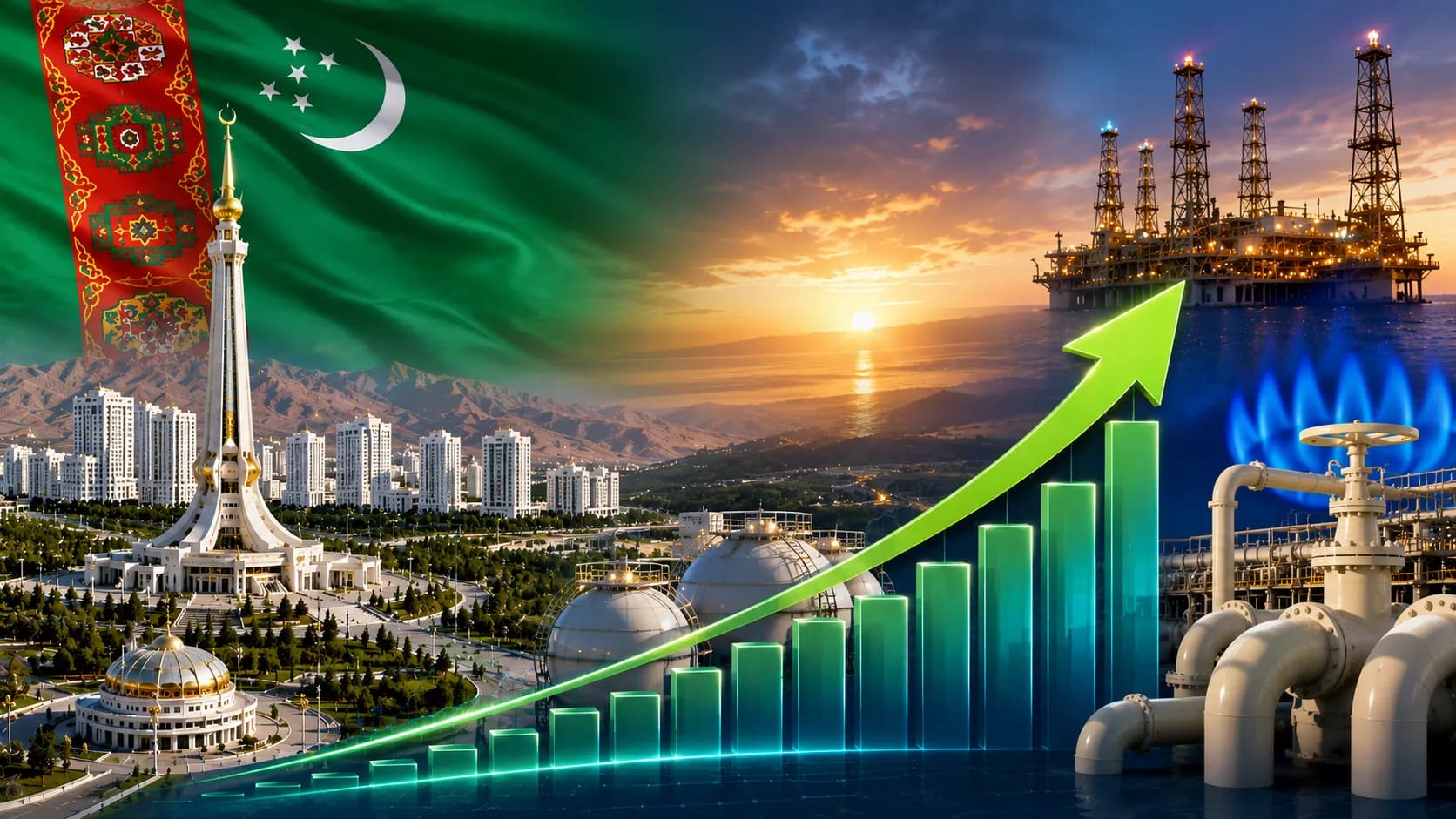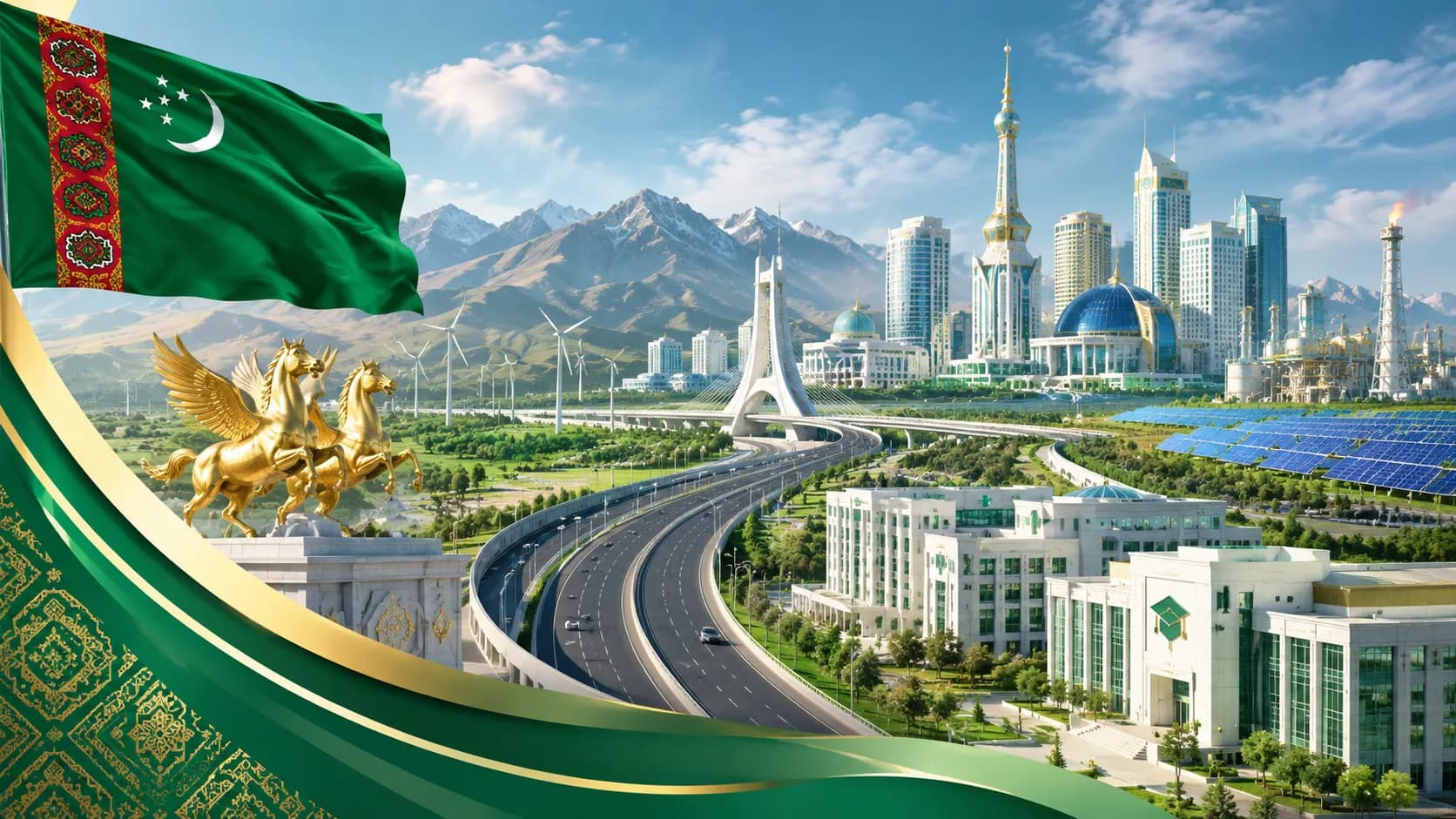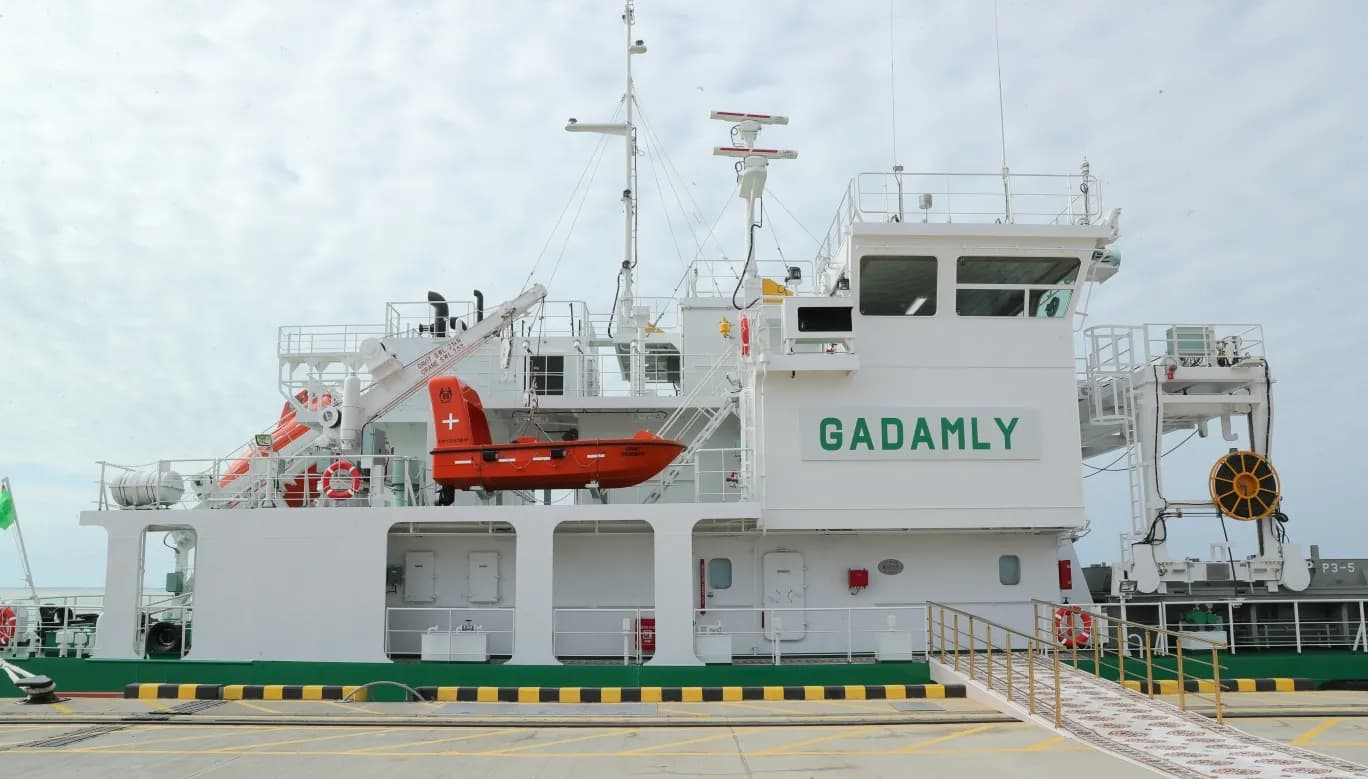
Turkmenistan, rich in natural gas and cultural assets like the Akhal-Teke horse, is gradually opening its state-led economy to foreign investors. While energy and niche exports offer opportunities, dual exchange rates, internet restrictions, and limited legal independence pose significant investment risks.
6 April 2026
Greece faces one of its most serious political scandals in years after three senior
ministers resigned on April 3, 2026, amid a widening European Union investigation into
agricultural subsidy fraud. Prime Minister Kyriakos Mitsotakis responded immediately
with a cabinet reshuffle, appointing high profile replacements in a bid to contain the
The international energy system is facing its most severe disruption in decades, with oil supply losses expected to double in April, according to new analysis from the International Energy Agency (IEA), as the cascading effects of armed conflict strain global markets and expose the fragility of existing supply chains.
China’s response to U.S. trade measures reflects a strategic, institution-based approach rather than direct confrontation. By leveraging global trade rules and supply chain dynamics, China reinforces its economic position while promoting stability and long-term influence in the evolving geoeconomic order.
Written by journalist of EUReflect Danylo Aleksandrov.
BBC reports, that on Thursday the European Parliament has voted in favor of
the legislation necessary to implement a trade deal between EU and the United States
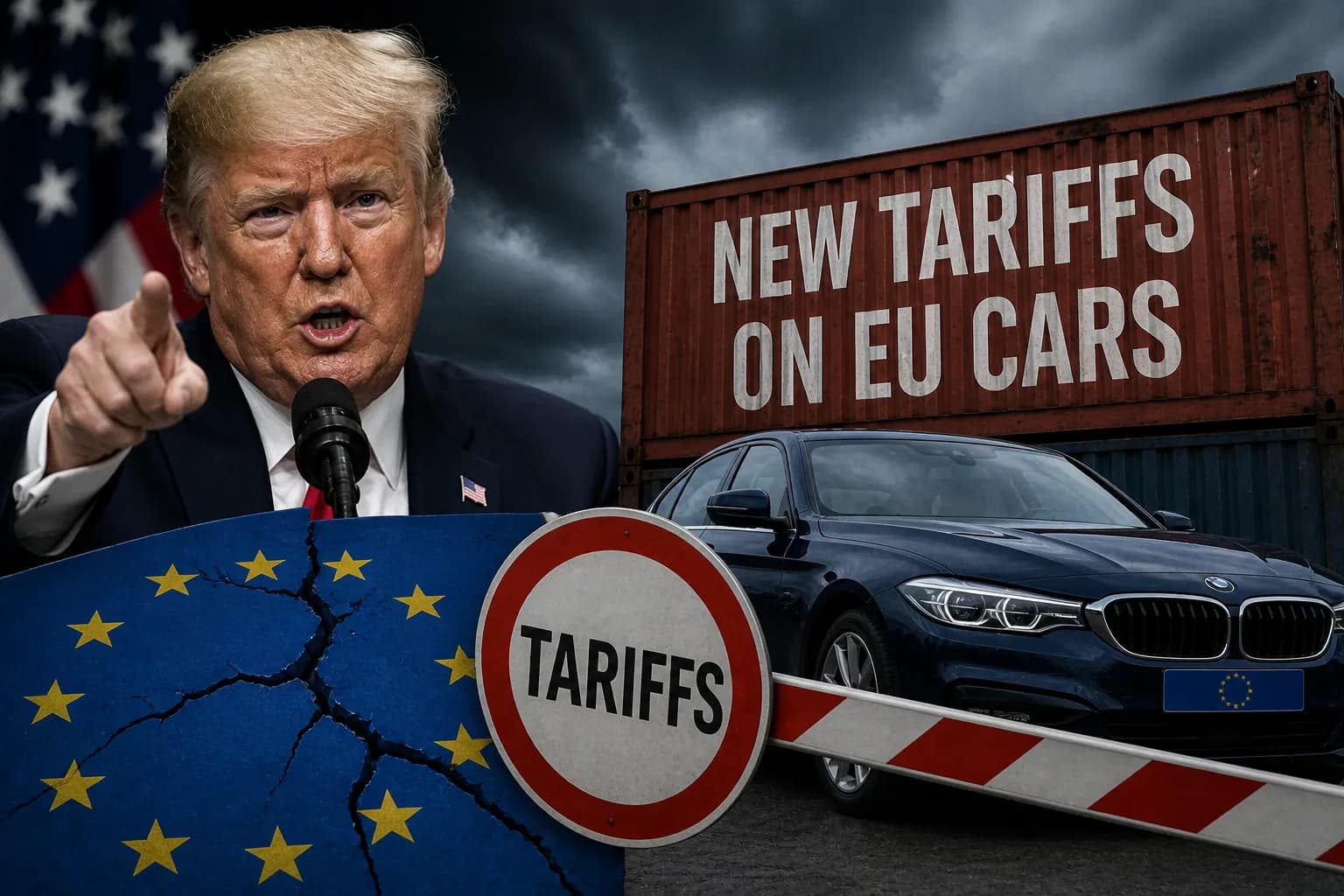
after several months of uncertainty because of US President Trump’s threats of tariffs.
The European Union and Australia have reached a landmark trade agreement in Canberra following eight years of negotiations, according to reports. Valued at approximately $7 billion, the deal has been described as mutually beneficial by Ursula von der Leyen and Anthony Albanese, who formally endorsed the agreement.
Written by Correspondent Danylo Aleksandrov
In times of crisis, markets do not disappear—they transform. While some respond with solidarity, others exploit fear and scarcity for profit. This article explores how “crisis commerce” operates, why it emerges, and the ethical and economic consequences it leaves behind.
CEPA elevates EU–Indonesia ties beyond trade, removing most tariffs while boosting market access, supply chain diversification, and green resource cooperation. It also strengthens political dialogue, security cooperation, and a balanced Indo-Pacific strategy amid US–China rivalry.
The European Union’s foreign and trade policies now have China as a central actor. China’s partnership with the EU has grown drastically over the past 20 years, turning a distant trading partner into a main player in debates around global security, trade, and sustainability. This evolution reflects the deep interdependence that has developed between the two powers.
Digital commodities represent a new class of crypto assets whose value is derived from functional blockchain systems and market dynamics rather than traditional profit expectations. As decentralized technologies evolve, these assets are reshaping how value, ownership, and economic participation are understood in the digital era.
Global markets are on edge as investors await the latest CPI inflation report, with expectations at 2.5% compared to the previous 2.7%. Even a small deviation from forecasts could trigger significant volatility across stocks, currencies, and cryptocurrency markets, as traders reassess interest rate expectations and global liquidity conditions.
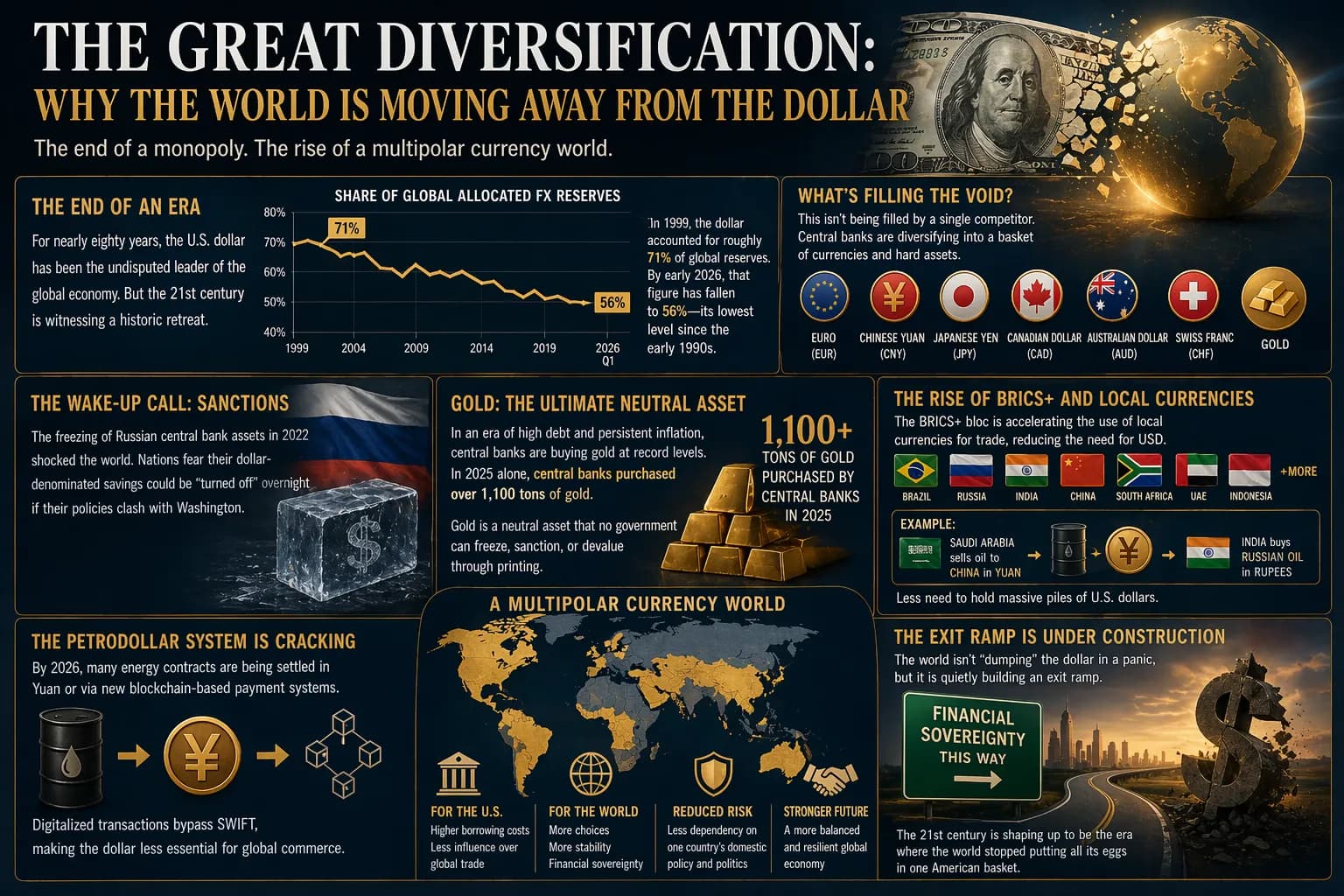
The US dollar has long been the backbone of global finance, but recent geopolitical tensions in the Middle East have sparked renewed questions about its long-term stability. As nations rethink trade agreements, explore digital currencies, and diversify reserves, the world may be moving toward a more multipolar financial system. While the dollar remains dominant, emerging alternatives suggest a future where reliance on a single currency could gradually diminish.
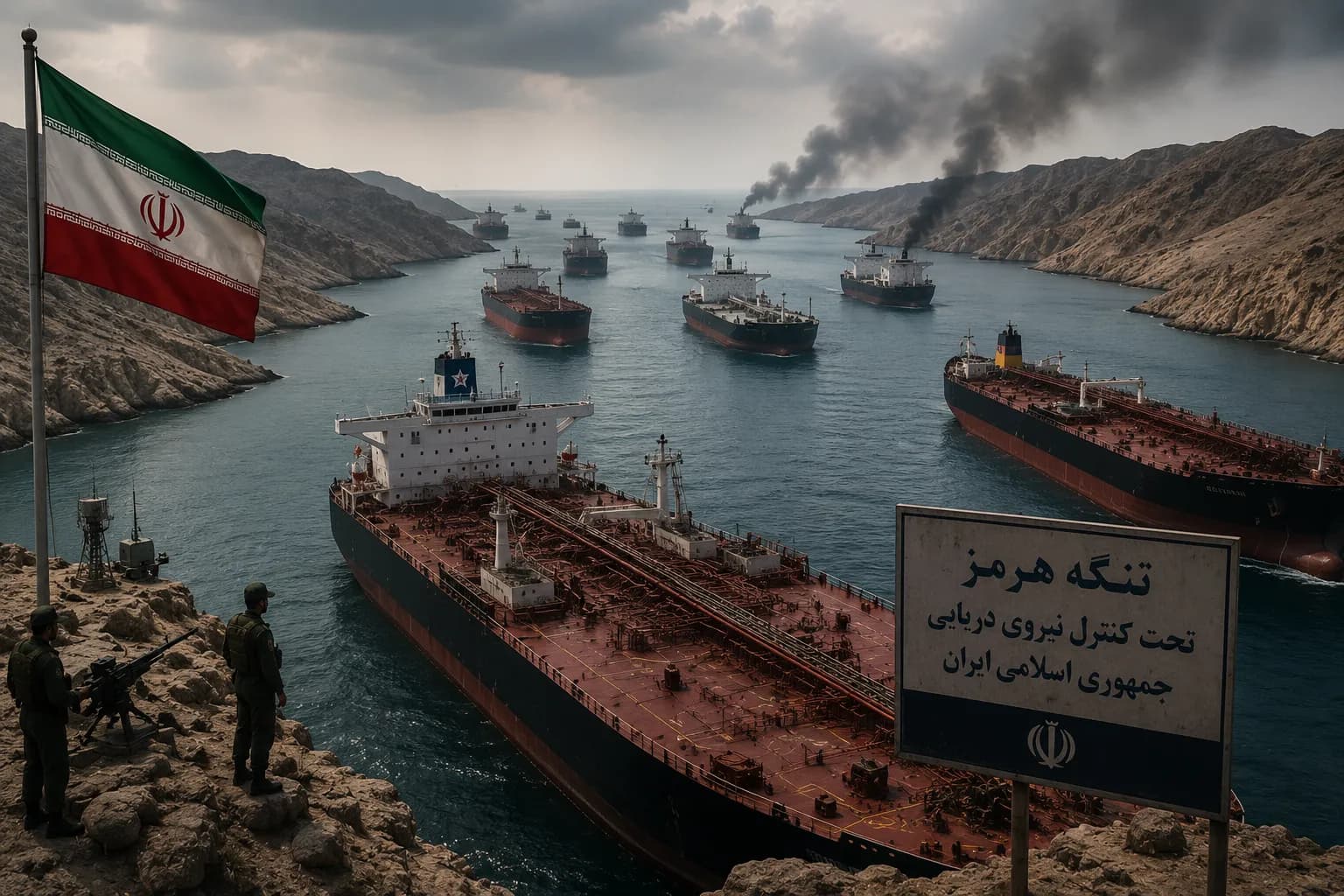
Growing tensions around the Strait of Hormuz are raising concerns among global markets and energy analysts. As one of the world’s most important oil transit routes, any potential disruption could significantly affect energy supplies, trade flows, and economic stability worldwide. Experts warn that prolonged instability in this strategic waterway may lead to rising oil prices and increased pressure on the global economy.
Bitcoin’s share of the cryptocurrency market is approaching a critical technical threshold as analysts observe signs of a potential shift in capital flows across digital assets. With Bitcoin dominance struggling to break key resistance and support levels near 54% under close watch, market participants are evaluating whether the coming weeks could mark the beginning of a broader rotation toward alternative cryptocurrencies.
Relations between the UAE and Turkey are entering a new phase of cooperation. Combining Turkey’s industrial capacity with the UAE’s investment power could boost trade, infrastructure development, technology collaboration, and cultural exchange, strengthening economic growth and regional stability.
China’s 2026 economic growth target of 4.5–5% aims to promote high-quality development, advance structural reforms, strengthen domestic consumption, and maintain macroeconomic flexibility, reinforcing national resilience while contributing to global economic stability and modernization.
China’s 2026–2030 Five-Year Plan positions economic reform, domestic demand, and tech self-reliance as strategic tools to withstand pressure from the United States. By boosting innovation, green transition, and internal markets, Beijing strengthens resilience in an era of intensifying global competition.
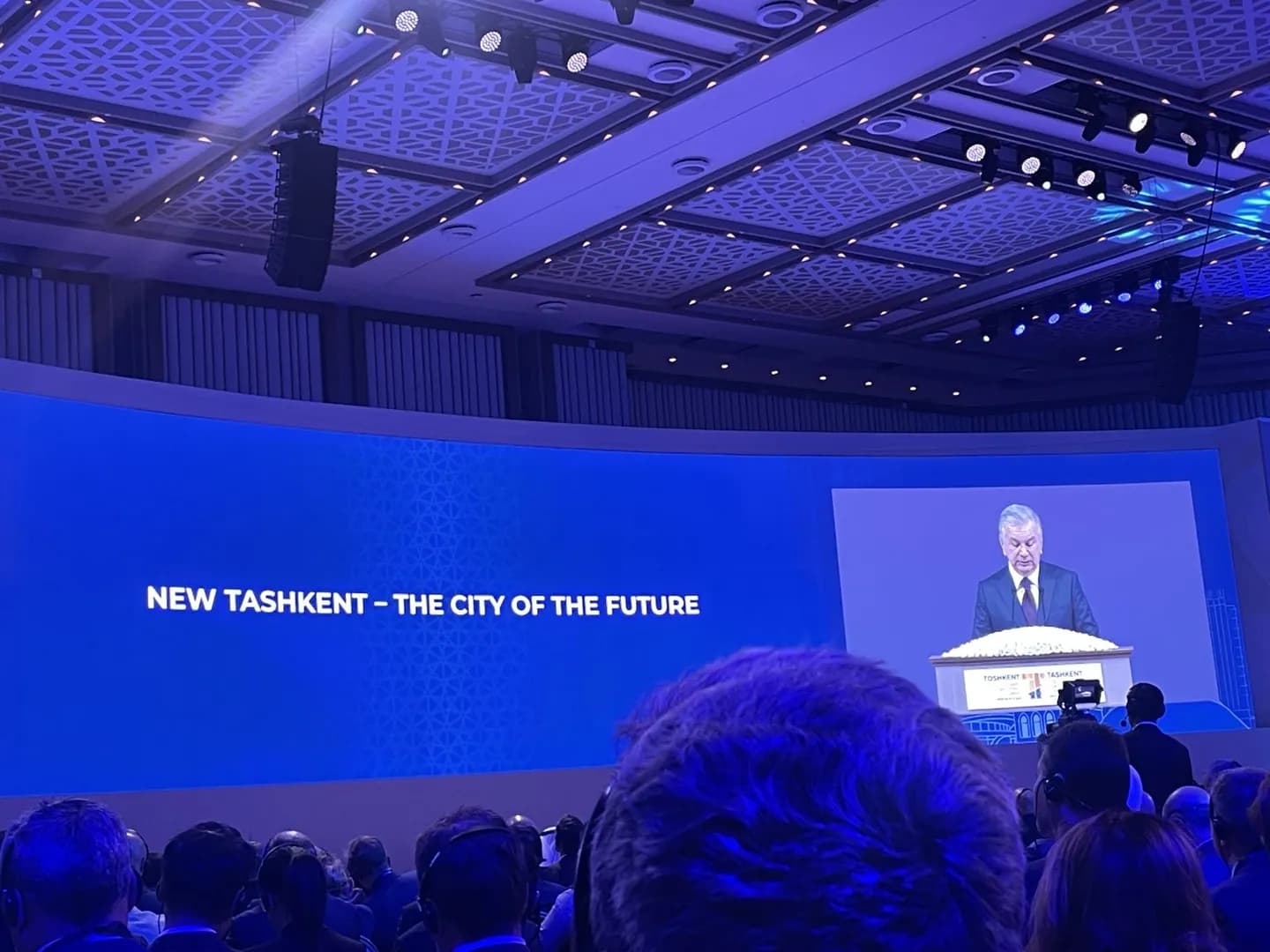
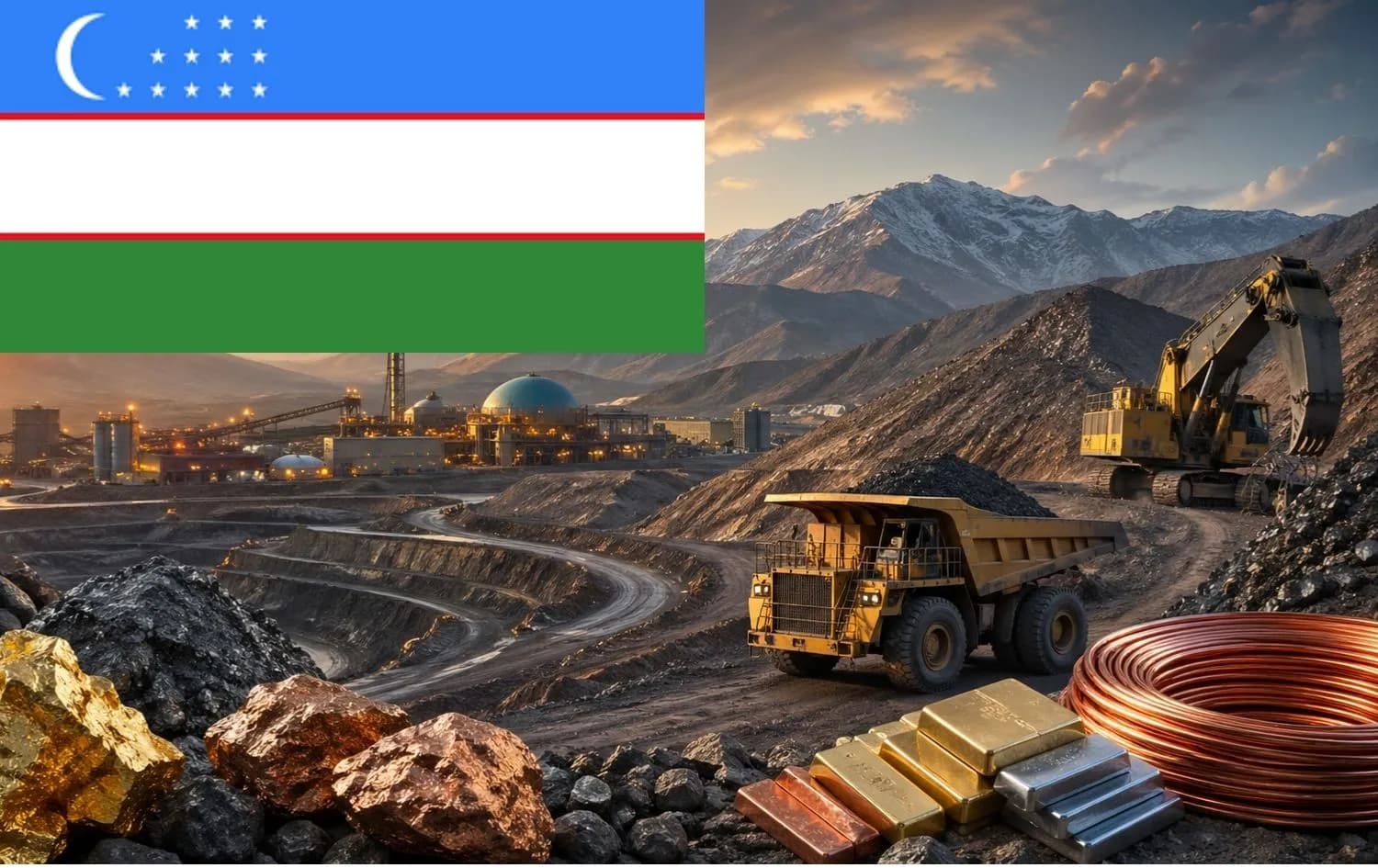
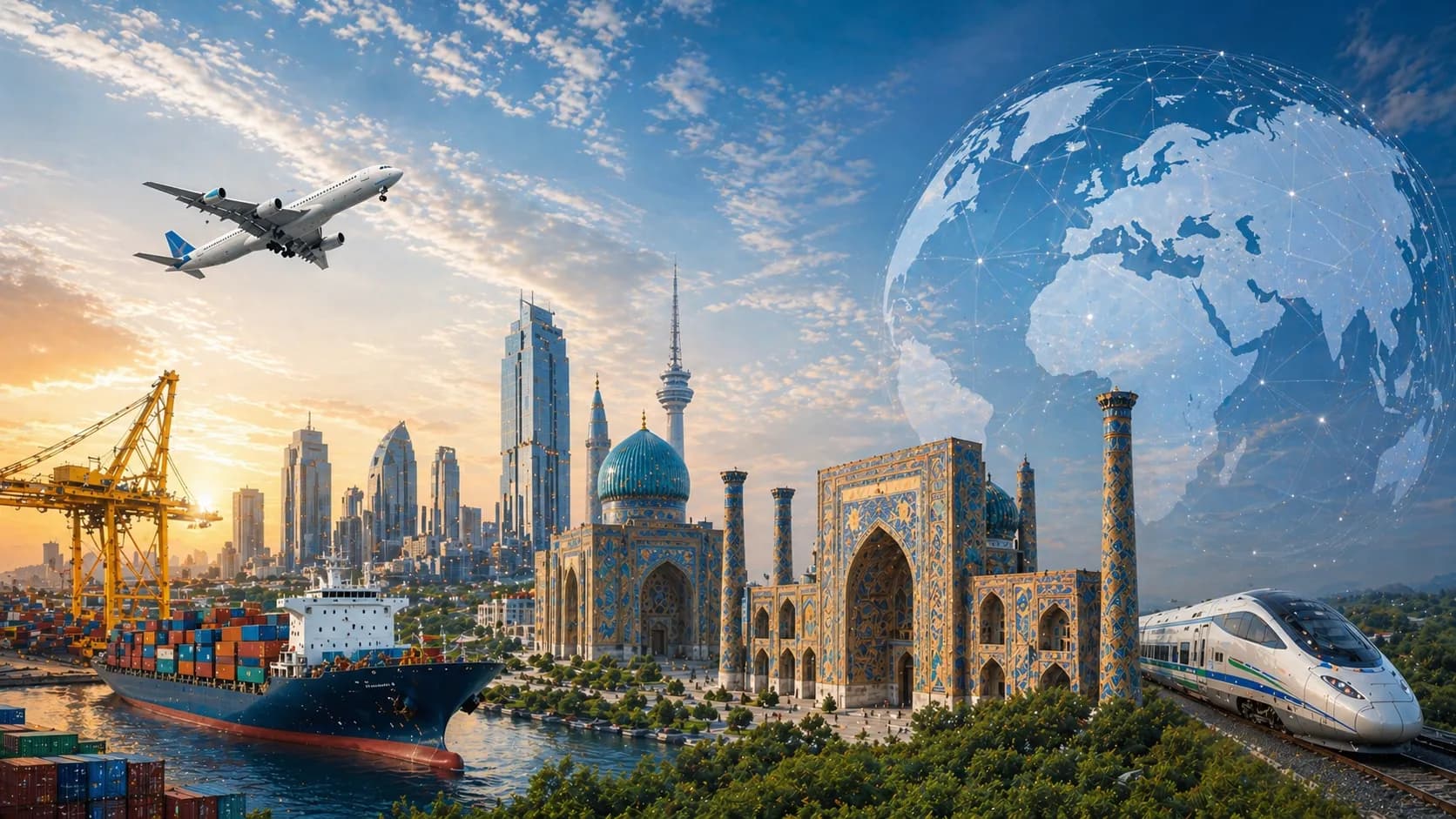
Uzbekistan is transforming its “double landlocked” disadvantage into an advantage through multi-directional logistics corridors, green energy, digitalization, and investor-friendly reforms. Its 2030 vision aims to position the country as Eurasia’s new trade and investment hub, driven by strong growth, legal security, low costs, and broad regional access.
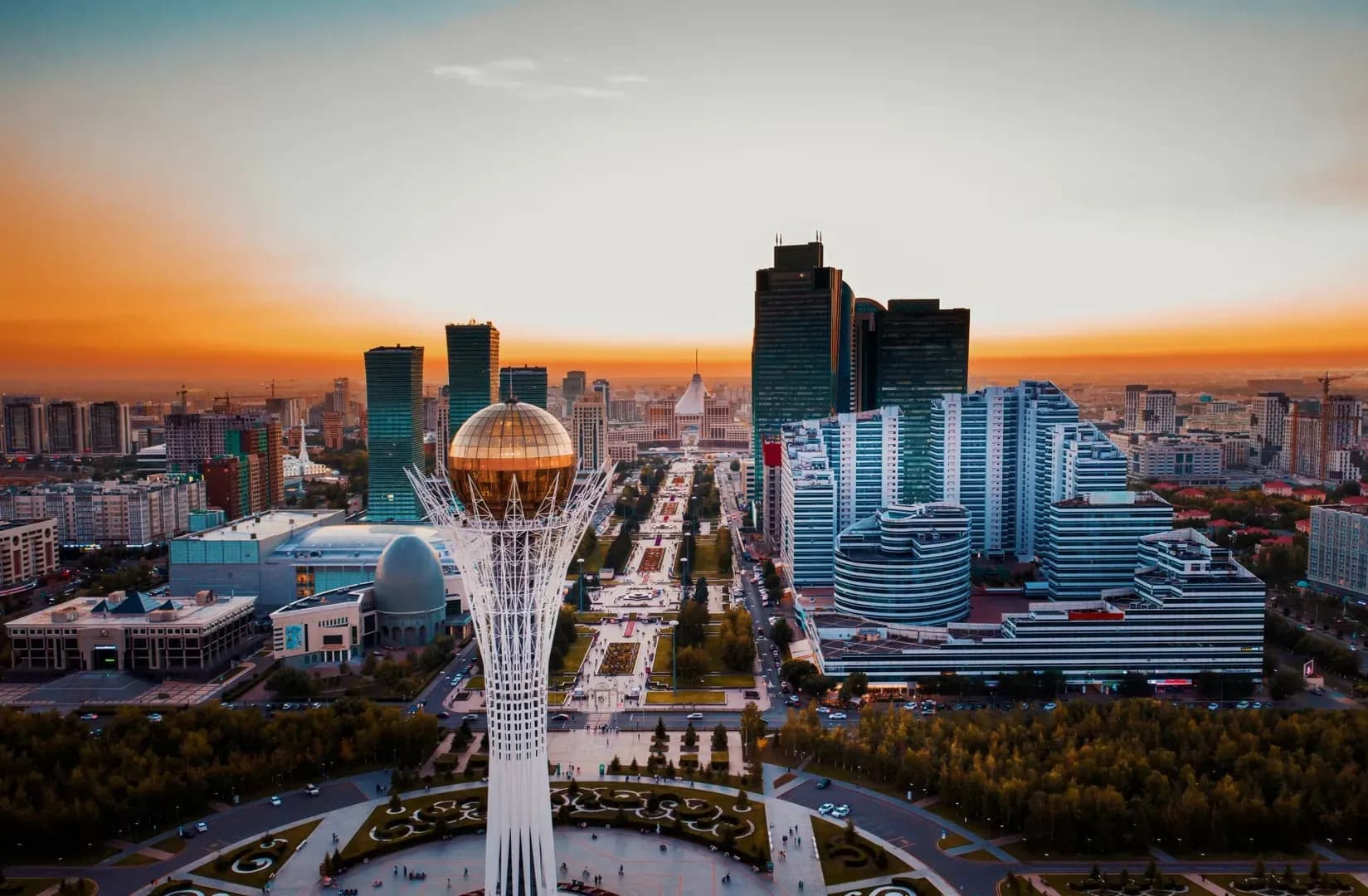
Kazakhstan’s economic reforms are shaped by EU regulatory standards, Chinese Belt and Road infrastructure investments, and an investor-friendly business environment. Together, these elements support diversification, legal certainty, and Kazakhstan’s transformation into a strategic Eurasian logistics and investment hub.
Kazakhstan is increasingly positioned as a strategic economic hub in Eurasia through a development model centered on fifteen Special Economic Zones. Located at the core of the China–Europe overland trade corridors, the country aims to transform its role from a transit territory into a center of production, investment, and logistics. These Special Economic Zones are thematically designed to support industry, petrochemicals, logistics, technology, tourism, and processing sectors. Among them, the TURAN Special Economic Zone stands out due to its large territorial scale, multi-sectoral structure, and comprehensive incentive framework. Established in the Turkistan Region, TURAN SEZ combines tourism development with manufacturing, food processing, textiles, and logistics. Expanded activity classifications, long-term tax exemptions, and free land allocation have strengthened investor interest. Between 2019 and 2025, the zone attracted significant investment volumes, generated employment, and completed a large number of projects. Overall, current trends indicate that Kazakhstan is emerging as one of the most promising economic actors in the Eurasian region, with Special Economic Zones serving as the backbone of this transformation.
Kazakhstan has emerged as a key hub in Eurasian trade due to its strategic location between China and Europe, advanced logistics infrastructure, broad market access, and investor-friendly policies.
Is the digital euro by the European Union a bold move into a cashless revolution or a tool for control over every transaction? EU finance ministers sealed the deal on December 19, 2025 and handed the baton over to the European Parliament. This electronic cash backed by the ECB promises seamless payments but raises alarms over privacy and identity links. Brace yourself: by 2028-2029, digital euro wallets could change how we use money forever.
China’s rapid rise in the electric vehicle sector has triggered a profound transformation in Europe’s automotive market. While affordable Chinese EVs offer clear benefits to consumers and support climate goals, they also intensify competitive pressure on European automakers, threatening profitability, employment, and industrial capacity. This development exposes the EU’s vulnerabilities in supply chains and industrial sovereignty. Europe’s response will depend on a comprehensive strategy based on domestic investment, balanced trade policies, industrial cooperation, and supply chain diversification.