Energy security has emerged as a multidimensional policy domain that is directly linked to economic development, social welfare, and national security within the contemporary international system. Ensuring the availability of energy resources in the desired quantity, at reasonable costs, at the right time and in the right place requires a holistic approach that goes beyond technical and economic considerations to include geopolitical, security, and governance dimensions. This study aims to establish the theoretical foundations for a qualified threat analysis of energy security by systematically examining seven core parameters that constitute energy security. The framework developed through the parameters of geopolitics, national security, physical security, cybersecurity, logistics, markets, and sustainability reveals the dynamic and multi-layered nature of energy security.
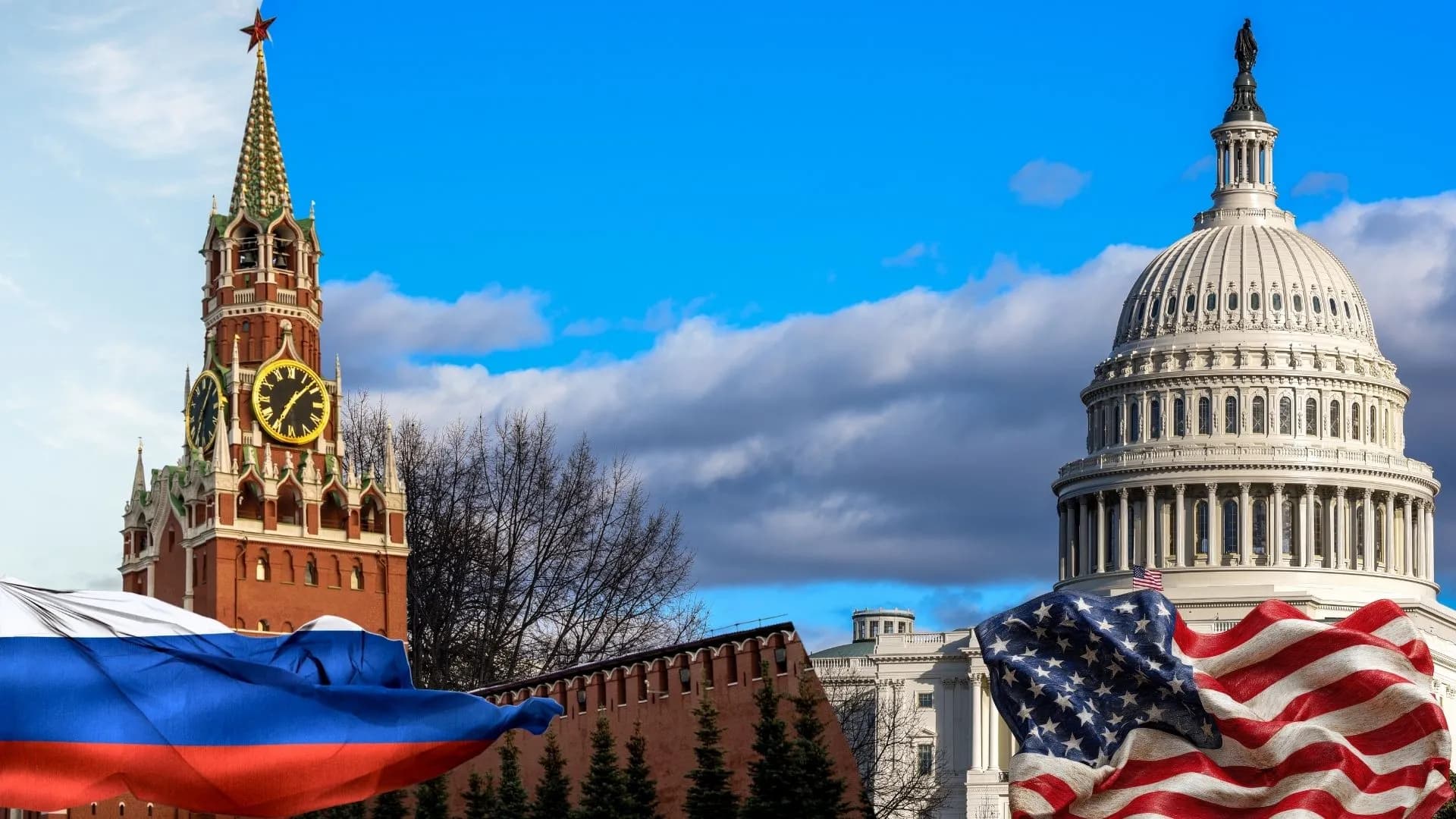
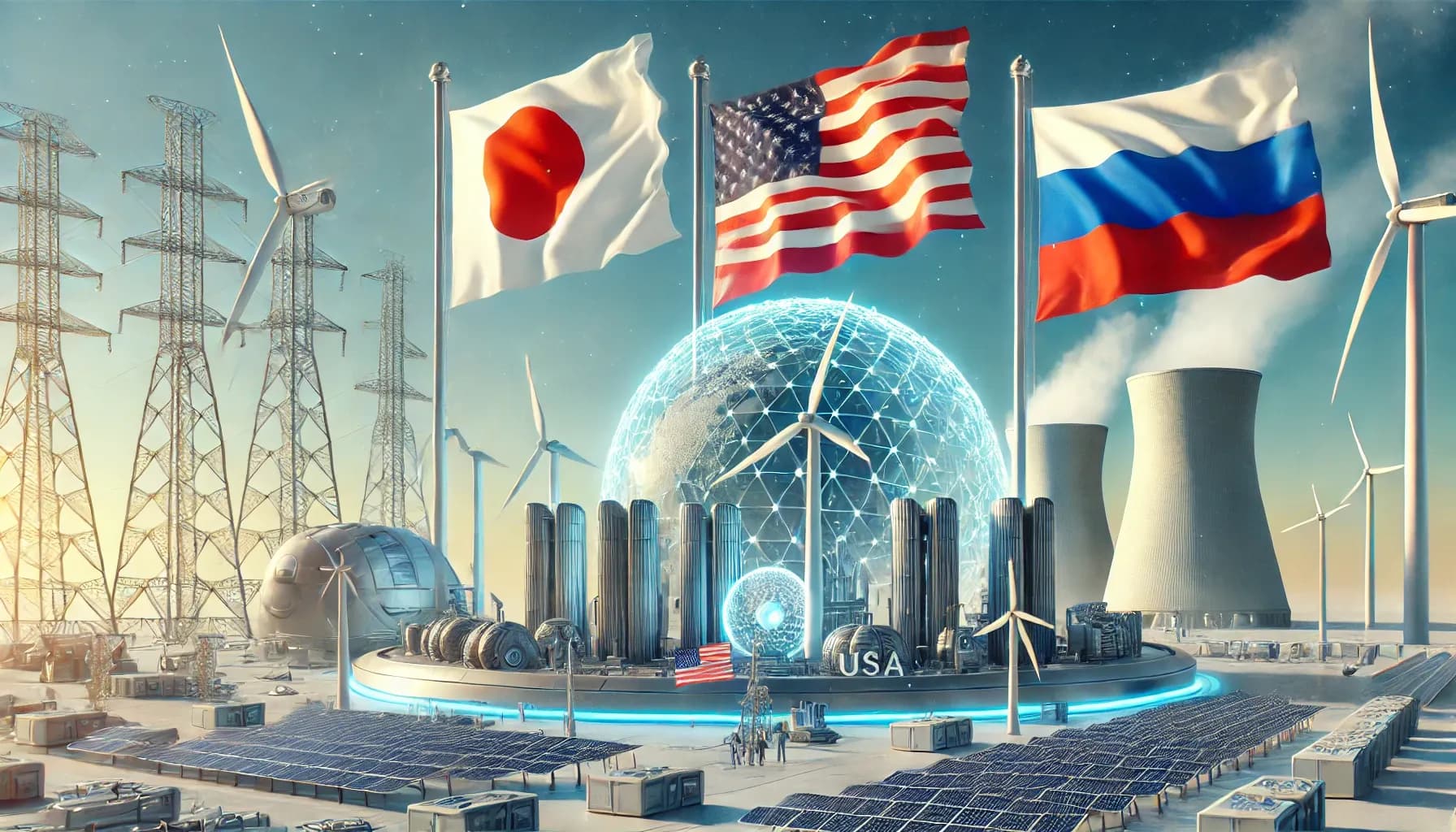
The latest U.S. draft peace framework aimed at ending the war in Ukraine has triggered extensive debate across European capitals, not only for its geopolitical implications but also for its potential impact on the evolving architecture of global energy security. According to The Wall Street Journal, Washington is considering a proposal that would allow the controlled reintroduction of Russian energy supplies into global markets as part of a broader reconstruction and reintegration strategy.
Such an approach contrasts sharply with the European Union’s post-2022 energy agenda, which prioritizes reducing structural dependence on Russian hydrocarbons through diversified suppliers, expanded LNG capacity, and accelerated renewable-energy investment. The U.S. plan, by contrast, envisages the reintegration of Russian strategic energy assets into the global system, raising concerns that it may weaken Europe’s long-term energy autonomy.
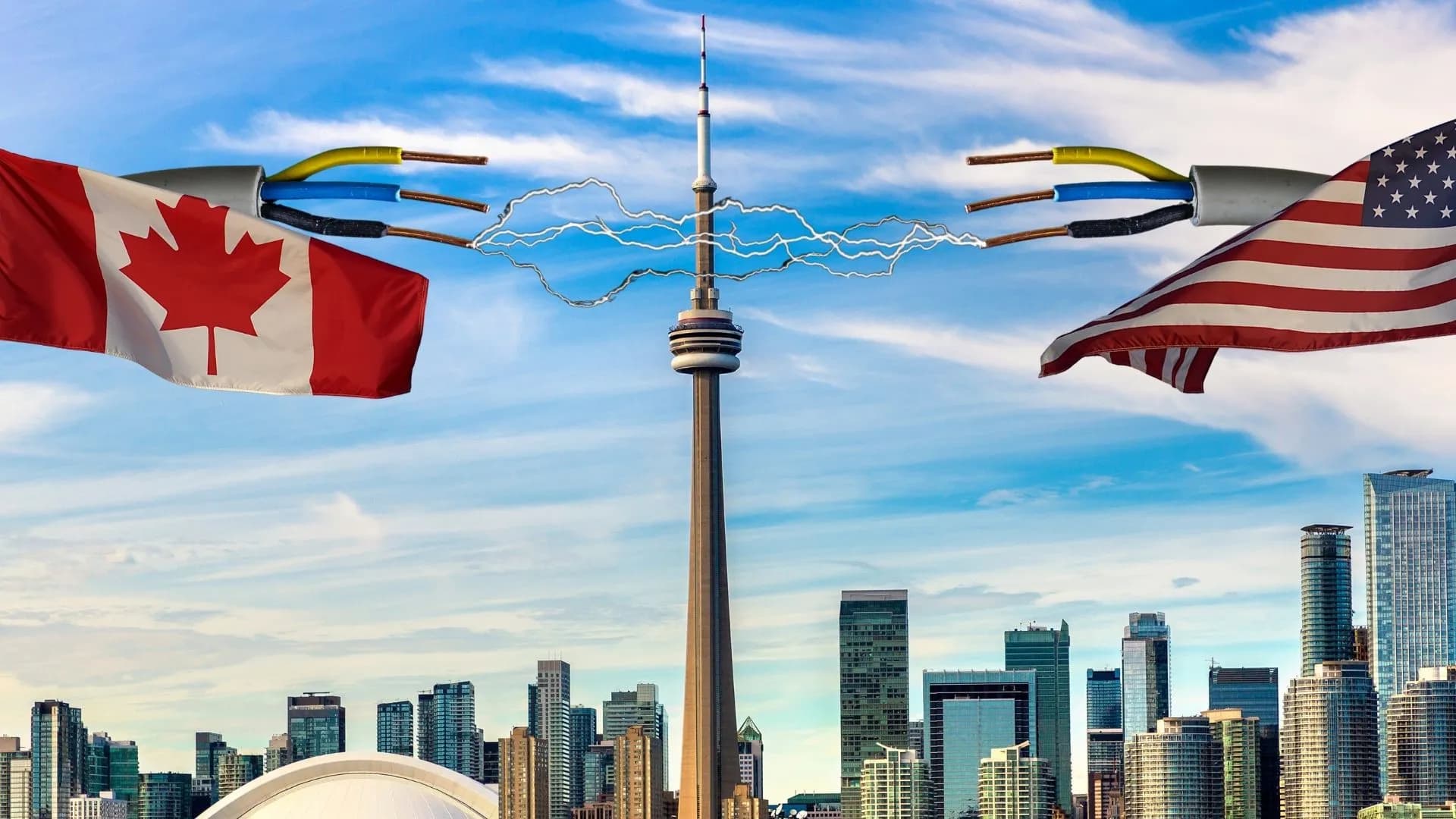
Recent policy shifts in Canada indicate a significant transformation in the country’s approach to energy security. The agreement signed between Prime Minister Mark Carney and Alberta Premier Danielle Smith, which suspends federal clean electricity regulations, represents more than a temporary regulatory adjustment. It signals a broader attempt to recalibrate the foundational components of Canada’s future energy security architecture.
One of the most notable outcomes of this policy shift is the renewed feasibility of developing large-scale natural gas infrastructure to support emerging digital industries. Capital Power Corp.’s consideration of expanding the 1,857-MW Genesee power complex—now fully converted from coal to natural gas—illustrates this shift. The site’s potential to host a 1,000-MW, one-million-square-foot hyperscale data centre underscores the strategic intersection of energy policy and digital transformation. As energy-intensive data centres increasingly form the backbone of artificial intelligence, cloud computing, and advanced analytics, the reliability and scalability of power generation become crucial determinants of national competitiveness.
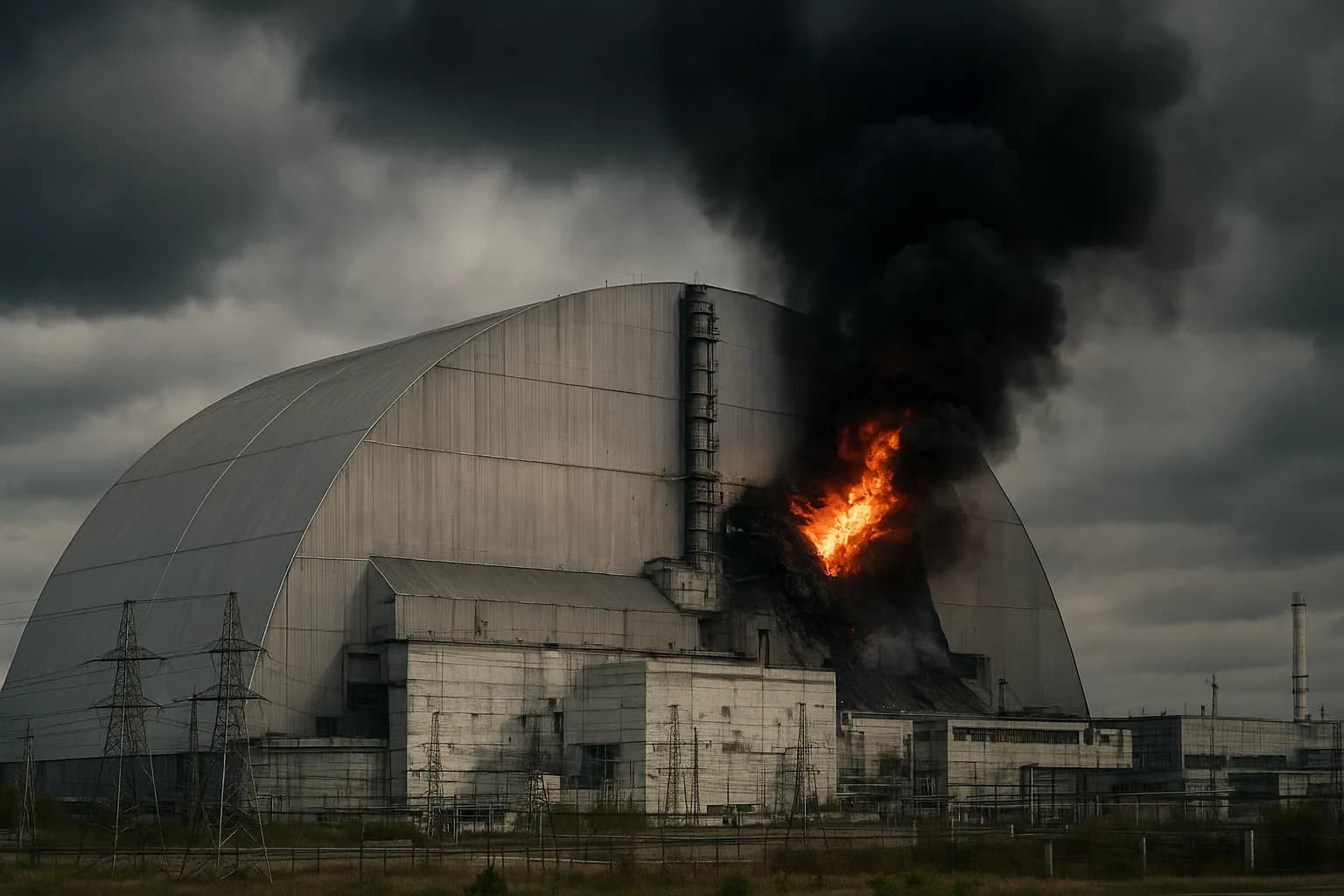
The IAEA has confirmed that a recent drone strike severely compromised the main protective shield at a nuclear site, leaving it unable to perform its core safety functions. While key structural elements remain stable, the Agency says only full restoration can ensure long-term nuclear security. International partners, including the EBRD, the EU and the UK, are supporting emergency repairs and supplying critical equipment. The IAEA stresses that global attention and continued assistance are essential as the conflict persists.
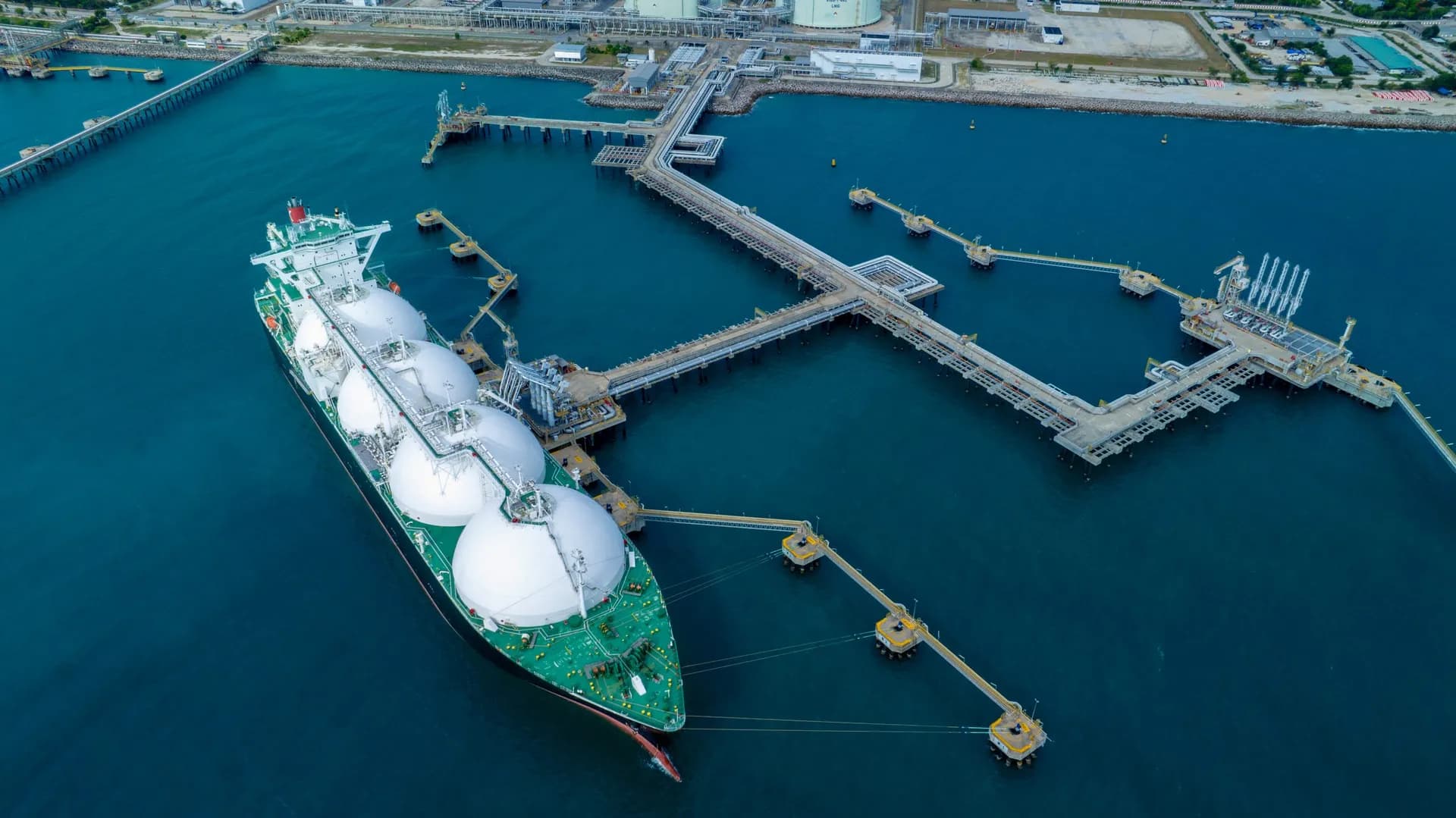
Following the European Union’s 2027 ban on Russian liquefied natural gas, Moscow plans to redirect its LNG exports toward Asian markets, primarily China. While this shift helps Russia preserve short-term revenue, it deepens its structural dependence on Beijing’s import infrastructure and financing network. Experts warn that China’s growing control over logistics and pricing could transform Russia from an energy superpower into a junior partner within the Sino-Russian energy axis, reshaping the geopolitical balance of global gas markets.
The United States has signaled its readiness to expand oil and natural gas exports to China, provided Beijing reduces its reliance on Russian supplies. Energy Secretary Chris Wright emphasized that there is “ample room for mutually beneficial deals” between the world’s largest energy exporter and the world’s biggest importer. The statement follows President Donald Trump’s Asia tour, during which he reached preliminary energy agreements with Chinese President Xi Jinping and South Korean President Lee Jae Myung. Analysts view Washington’s move as part of a broader energy diplomacy and containment strategy, designed to limit Russia’s market influence while strengthening America’s economic foothold in Asia. By leveraging energy exports as a geopolitical tool, the U.S. aims to reshape global supply chains and redefine its relationship with China within the framework of energy security and strategic competition.
Prime Minister Sanae Takaichi refused U.S. demands to halt Russian LNG imports, citing Japan’s heavy energy dependence and security needs. With 9% of its gas coming from Russia’s Sakhalin-2 project, Tokyo warned that cutting supplies would raise prices and hurt stability. The decision signals Japan’s drive for energy autonomy amid shifting global energy and geopolitical dynamics.
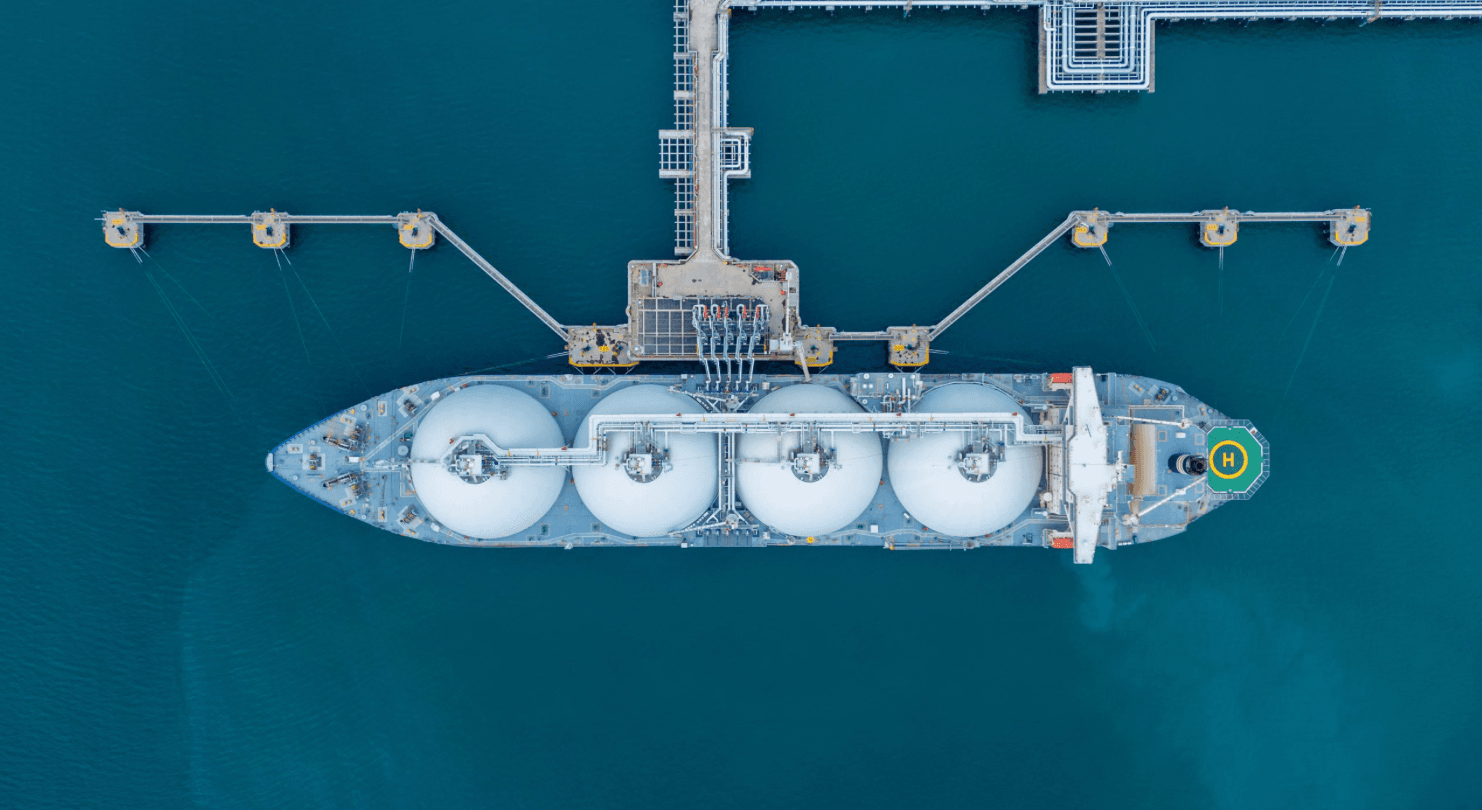
Türkiye has significantly bolstered its energy security and supply diversification through two major long-term Liquefied Natural Gas (LNG) agreements with international partners: Mercuria (US) and Woodside (Australia).
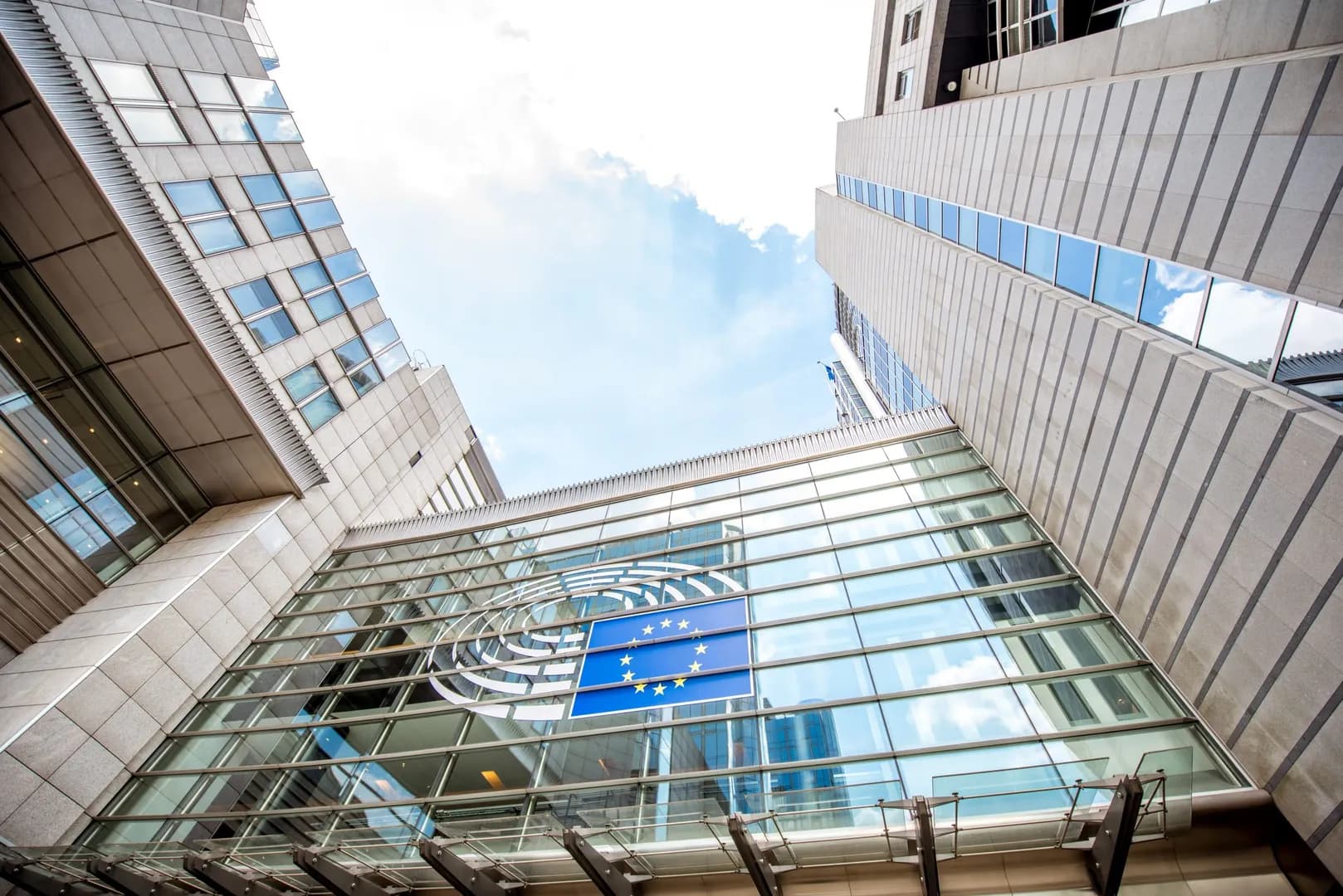
The European Union has reaffirmed its long-term commitment to energy security and independence, as outlined in the European Commission’s Work Programme for 2026, entitled “Europe’s Independence Moment.” The document underscores that energy will remain a central pillar of the EU’s policy agenda next year, driving competitiveness, growth, and economic resilience across the continent.
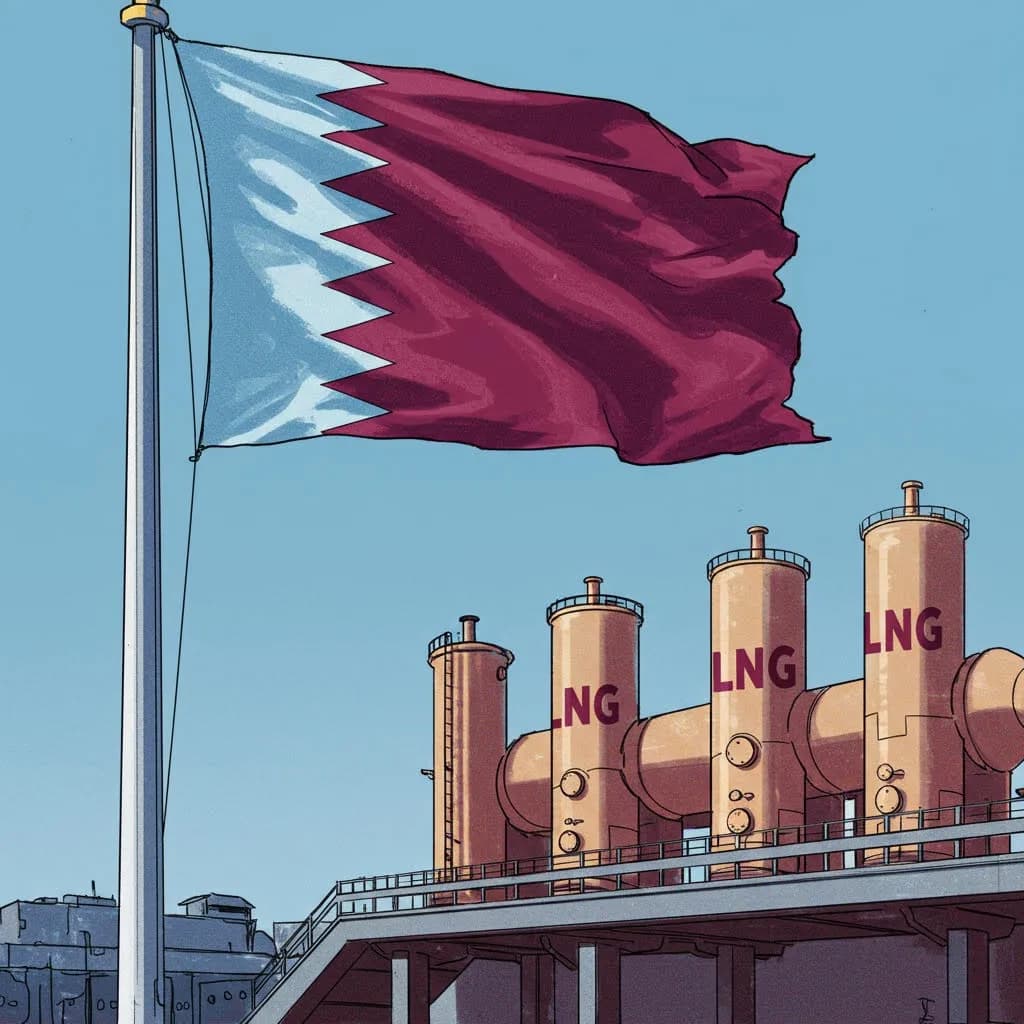
Qatar strengthens its strategic partnership with the UK through a new LNG agreement, reinforcing Europe’s energy security and deepening bilateral ties.
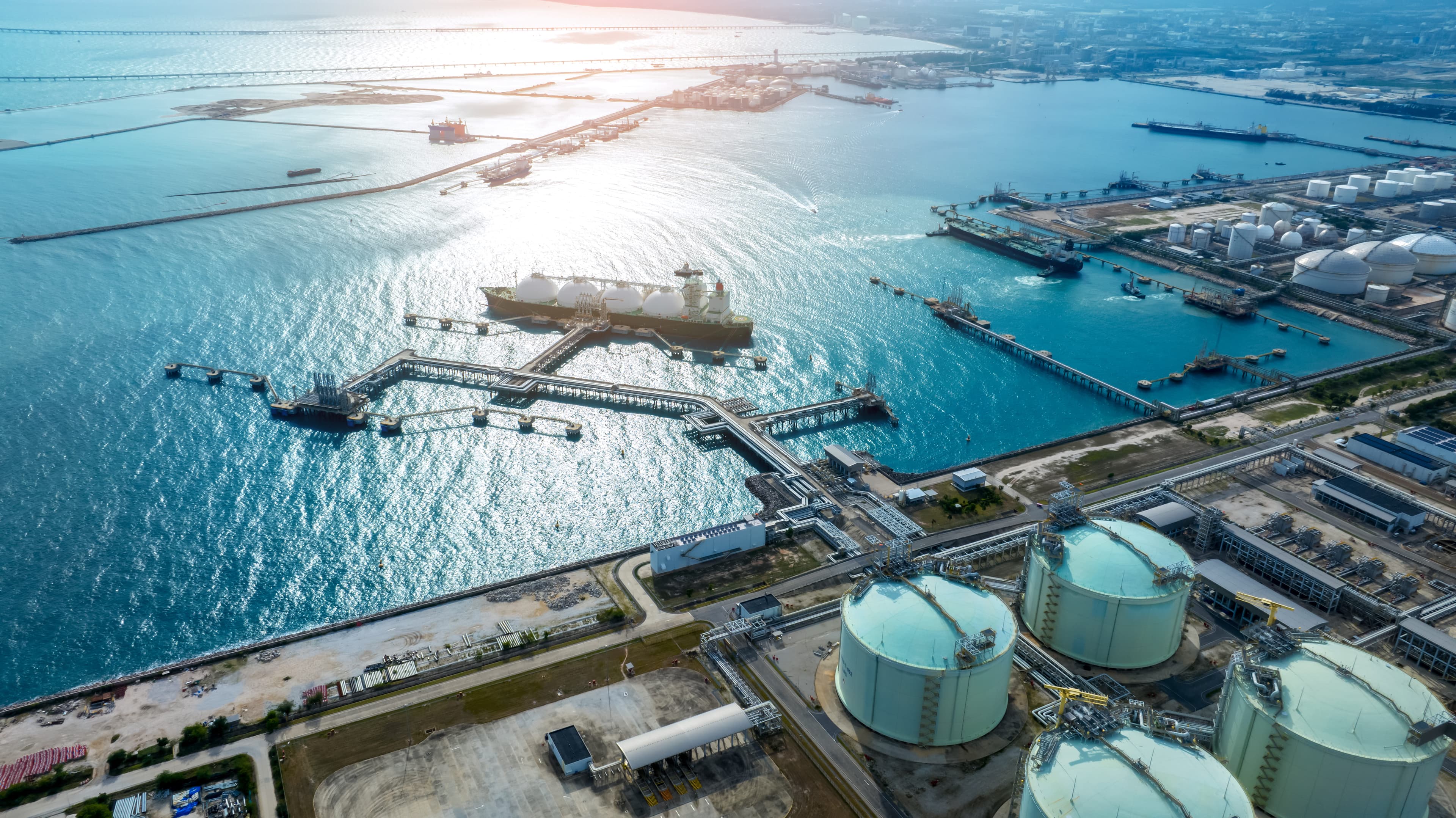
According to the U.S. Energy Information Administration (EIA), North America’s liquefied natural gas (LNG) export capacity is set to more than double by 2029, positioning the region—especially the United States—as the dominant force in global gas markets. With an additional 13.9 billion cubic feet per day (Bcf/d) of capacity planned, the U.S., Canada, and Mexico will collectively transform North America into a central global energy hub. This expansion will account for over half of global LNG growth, significantly enhancing Washington’s geopolitical leverage. For Europe, this offers greater energy security and diversification but also heightens strategic dependence on U.S. energy exports. Ultimately, LNG has become a key vector of American global power—linking energy, diplomacy, and strategy in a new phase of international energy geopolitics.
Energy security is not only about the continuity of access to resources but also about ensuring a sustainable balance between production and consumption in line with environmental and climate targets. Türkiye, driven by rapid population growth, industrialization, and economic expansion, faces a steadily increasing demand for energy. However, the way in which this demand is met directly shapes both short-term supply security and long-term development and climate policies.
Türkiye is entering a decisive phase in its nuclear energy policy with its commitment to develop and deploy Small Modular Reactors (SMRs). Recognized globally as one of the most significant innovations in nuclear technology, SMRs provide advantages in cost efficiency, flexibility, safety, and scalability compared to traditional reactors.
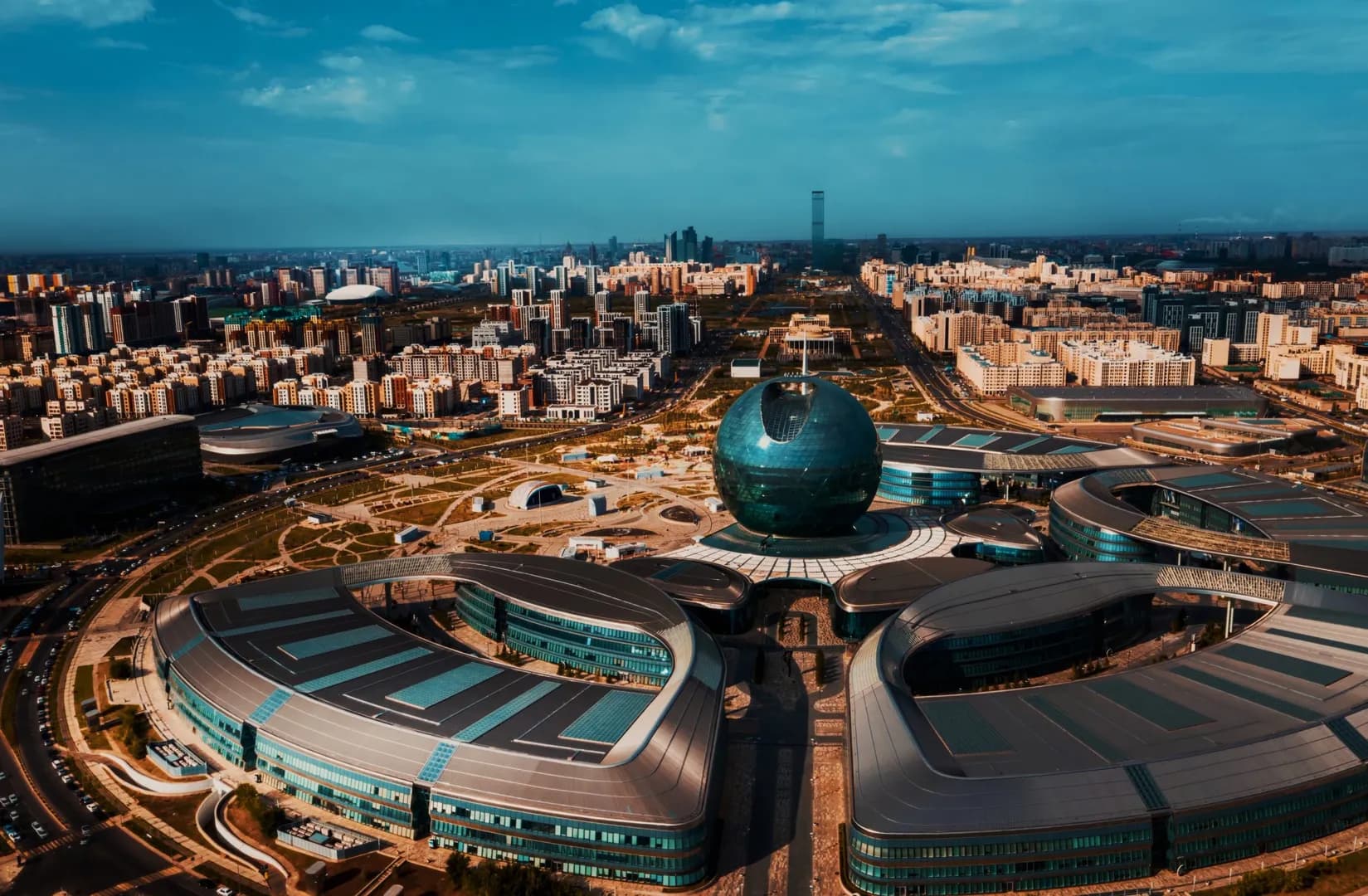
The EU has included recently the Sarytogan graphite deposit, located in the Karaganda region of Kazakhstan, in the list of strategic initiatives, according to the Ministry of Industry and Construction of the country.
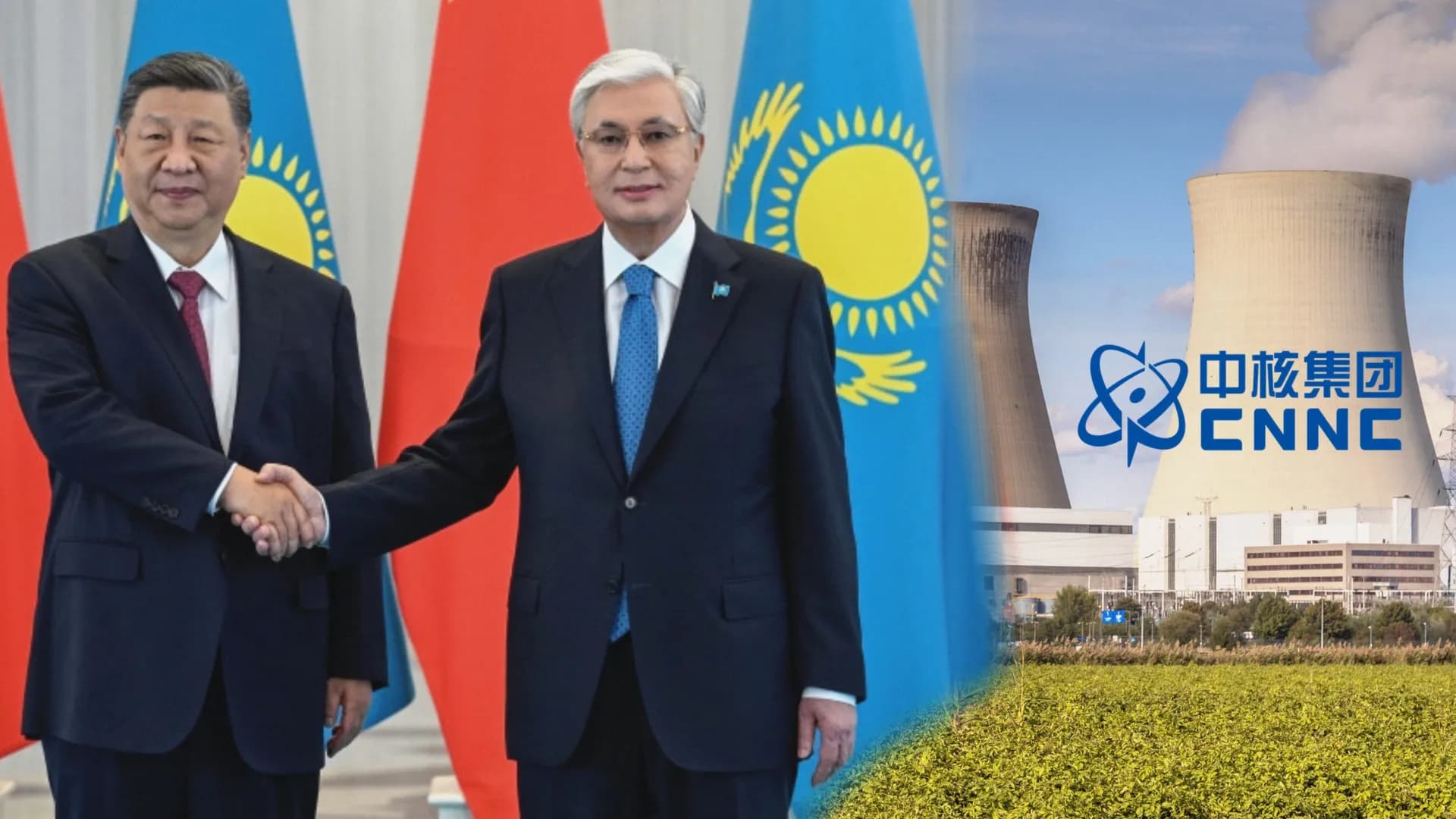
Kazakhstan’s Atomic Energy Agency has officially confirmed plans to build a third nuclear power plant in the country, with negotiations currently underway with the China National Nuclear Corporation (CNNC), according to Zakon.kz
Kazakhstan has become a pivotal player in global nuclear energy, supplying 40% of the world’s uranium and leading efforts to secure resilient, diversified supply chains. With rising uranium prices, geopolitical shifts, and new export routes like the Trans-Caspian International Transport Route (TITR), Kazakhstan is redefining its role in global energy security and nuclear governance.
The Russia-Ukraine war highlighted Europe's energy vulnerabilities, positioning resource-rich countries like Qatar as crucial strategic allies for diversification. Qatar, holding the world's third-largest natural gas reserves, is leveraging its significant role in the Liquefied Natural Gas (LNG) market to forge long-term partnerships with Europe.