Brussels once again became a focal point for Europe’s energy debate this week, as policymakers, industry figures and analysts gathered for a discussion hosted by Euractiv in partnership with EDF.
The event, titled “EDF’s Net Zero scenario – A pathway to a competitive, sovereign and decarbonized Europe,” brought together a cross-section of voices at a moment when the European Union is under increasing pressure to reconcile its climate targets with economic competitiveness and geopolitical realities.
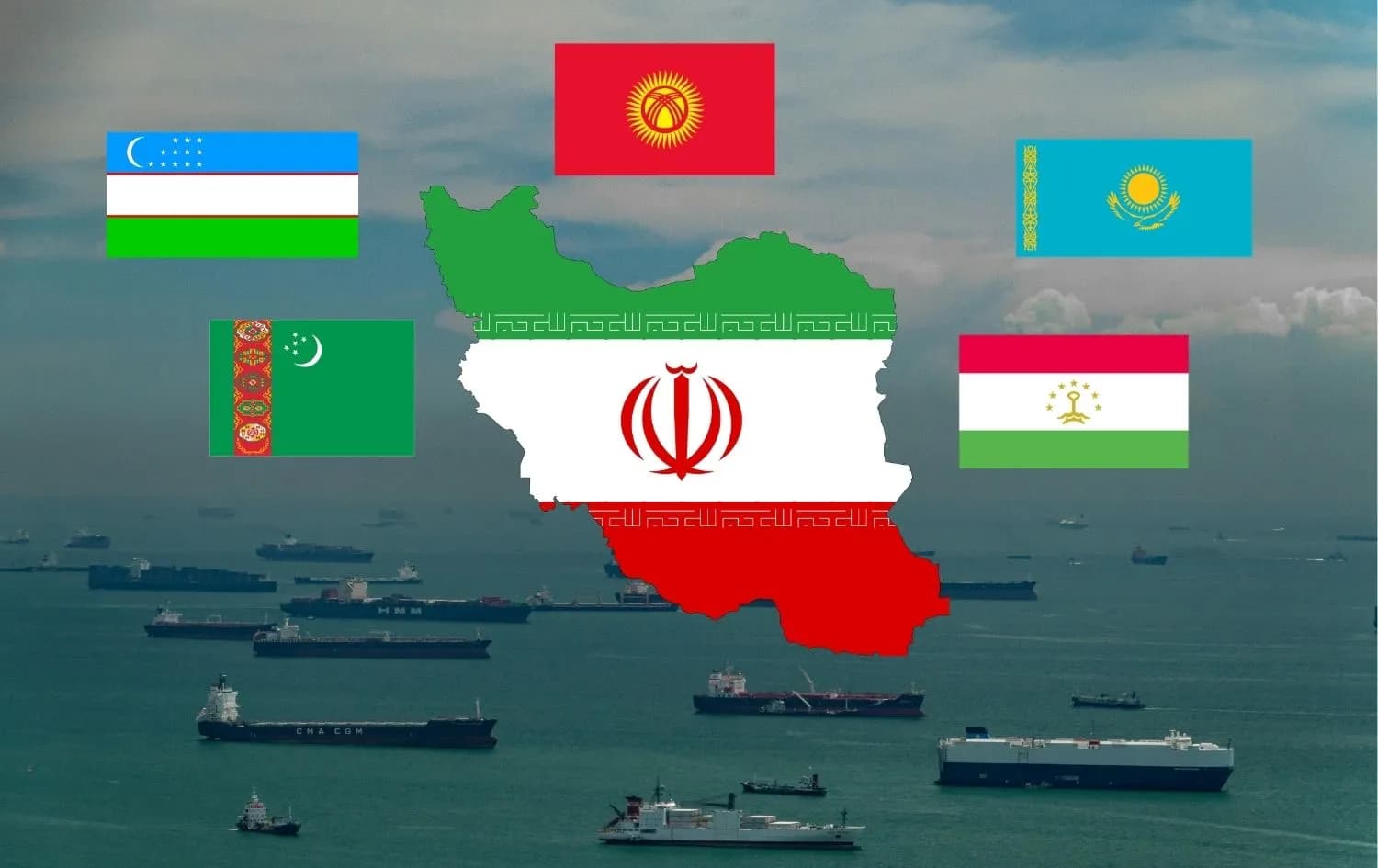
Iran’s resistance to Israel and the US affects Strait of Hormuz energy security, creating both opportunities and risks for Central Asia. Rising energy prices, stronger transit routes, and export demand may benefit the region, while inflation, instability, and geopolitical rivalry pose serious long-term challenges.
At the EU summit, Macron stated that increasing global supply is the sustainable solution to high energy costs, proposing the reintegration of sanctioned producers like Iran and Venezuela. The policy prioritizes energy security and economic stability while raising geopolitical tensions.
Anitta Hipper stressed diplomacy in the Iran crisis, warning against attacks on civilian infrastructure. Donald Trump escalated threats, while António Costa called such actions illegal. Strait of Hormuz closure drives oil prices up.
Fuel shortages at Milan Linate Airport, Bologna Guglielmo Marconi Airport, Venice Marco Polo Airport, and Treviso Airport led to refueling limits, prioritizing critical flights. The crisis is linked to the Iran war and disruptions near the Strait of Hormuz.
BRUSSELS — Against the backdrop of persistent high energy costs that continue to weigh on Europe’s industrial base, policymakers and industry leaders gathered at the Euractiv Network Office on 31 March 2026 to dissect a critical question: how can state support for electricity prices be designed to bolster competitiveness without distorting the market?
Iran’s proposed 10% levy on oil transiting the Strait of Hormuz has sparked legal debate and geopolitical tensions. If implemented, it could generate revenue for Tehran while raising global oil prices, adding a persistent risk premium and increasing market volatility.
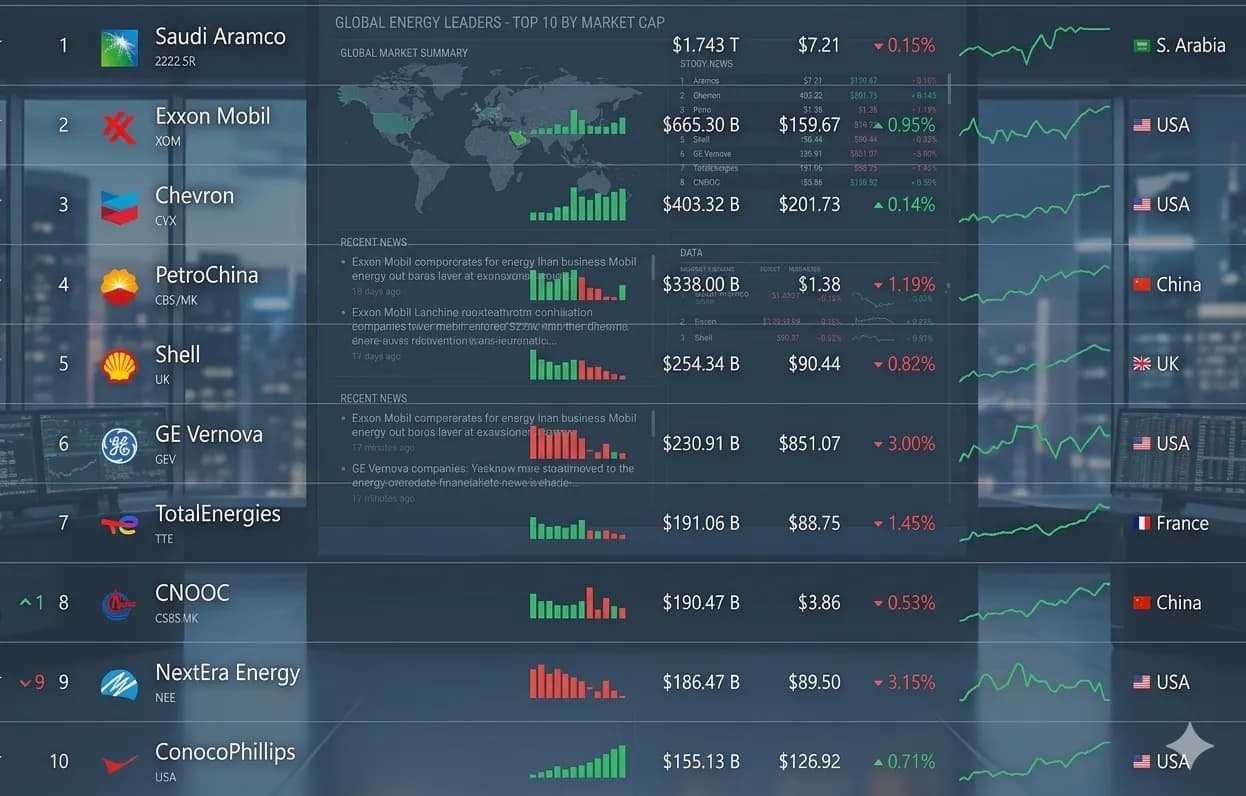
As of March 2026, Saudi Aramco dominates the global energy sector with a market capitalization of $1.74 trillion, far ahead of competitors. U.S. companies hold strong positions, with Exxon Mobil ($665.30 billion) and Chevron ($403.32 billion) ranking second and third, alongside GE Vernova and Nextera Energy, which highlight the growing role of renewables and technology. Europe’s Shell ($254.34 billion) and TotalEnergies ($191.06 billion) remain key players, while China’s PetroChina ($338 billion) and CNOOC ($190.47 billion) underscore Asia’s influence. Despite overall negative price movements, Exxon Mobil and ConocoPhillips showed gains. GE Vernova stands out with the highest share price at $851.07. Overall, the data reflects a shifting energy landscape where traditional oil giants coexist with emerging renewable-focused firms, intensifying competition between East and West.
The war in Gaza is not only causing casualties but also increasing the risk of “ecocide” through environmental destruction. Bombings, chemical residues, and damaged infrastructure are devastating agriculture, water resources, and biodiversity, leading to long-term ecological disaster and famine risk.
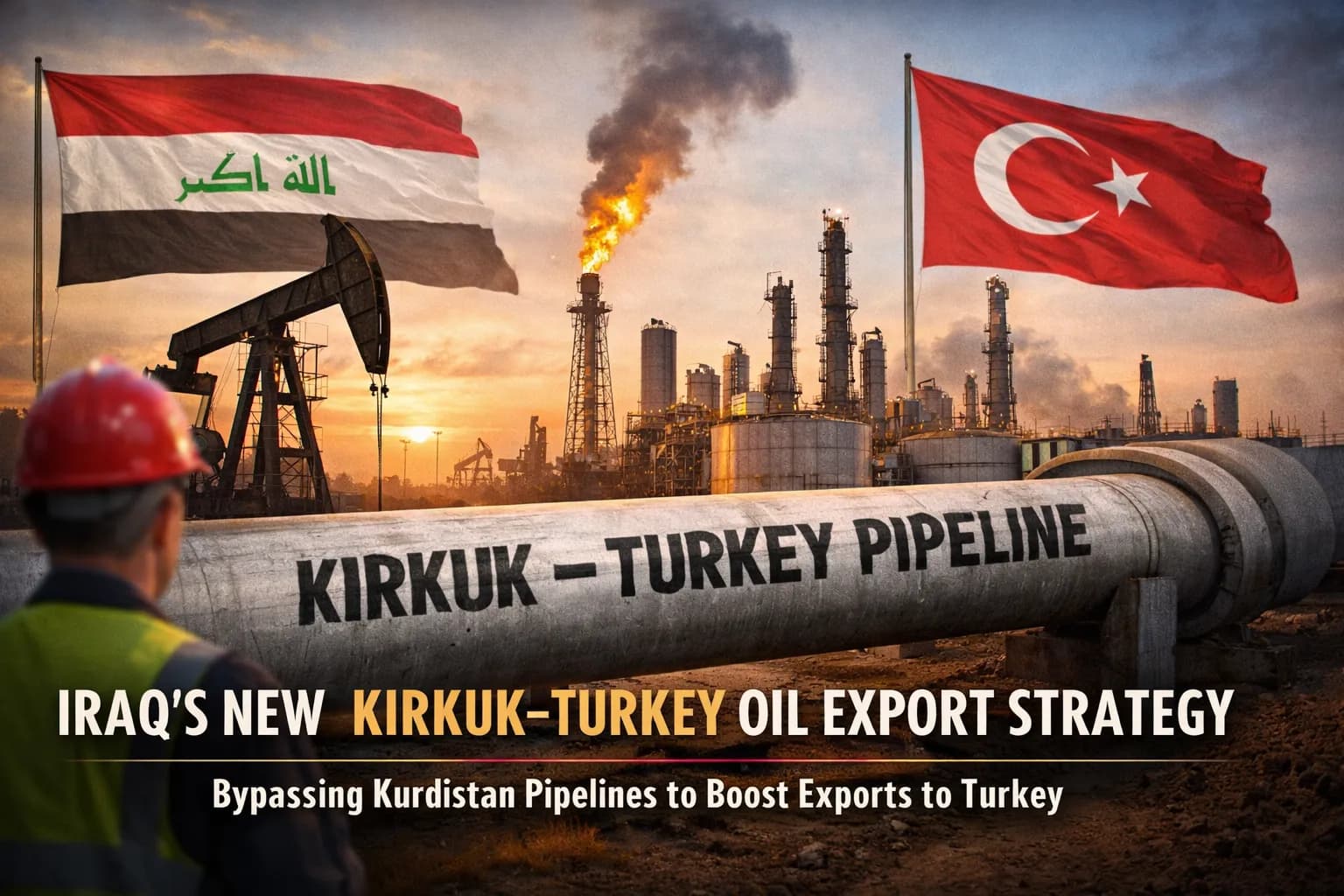
Iraq is accelerating plans to export up to 250,000 barrels of oil per day directly from Kirkuk to Turkey, sidestepping the North Iraq amid stalled negotiations and rising regional tensions. The move signals a major shift in Baghdad’s energy strategy as it seeks alternative routes to secure exports and stabilize supply chains.
Iraq’s heavy reliance on Iranian gas—supplying nearly 40% of its energy needs—has made its power sector highly vulnerable to external shocks. Recent supply interruptions have led to major electricity losses, deepening the country’s ongoing energy crisis, particularly in central and southern regions.
Escalating tensions in the Strait of Hormuz following the US–Israel war with Iran have triggered a sharp rise in oil prices and renewed fears of supply disruptions. Tehran’s selective passage policy highlights the strait’s growing role as a strategic instrument in global energy geopolitics.
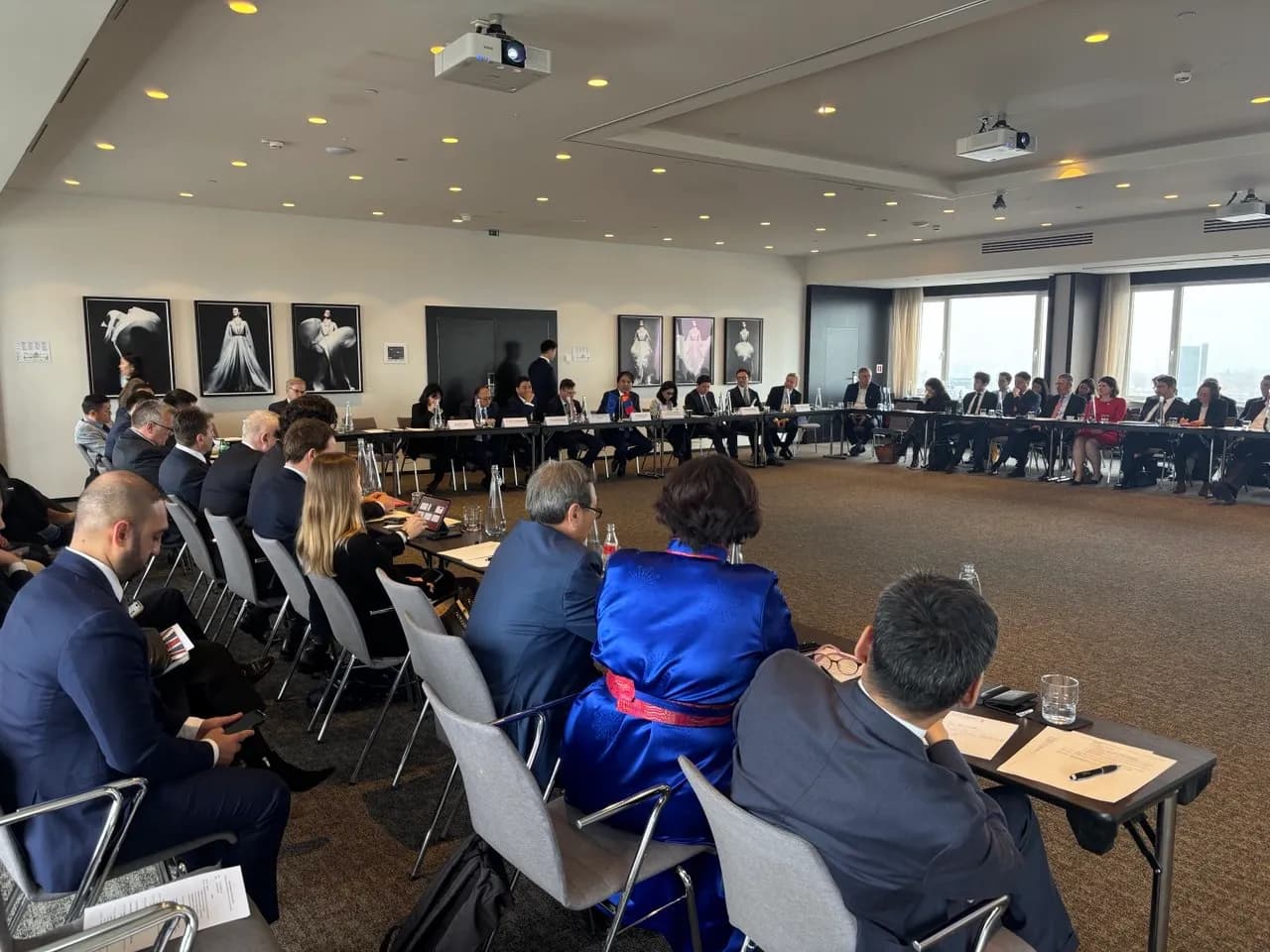
Brussels, 13 March 2026 — EUReflect attended the Mongolia–European Union Investors’ Roundtable held in Brussels, a high-level meeting that brought together government representatives, financial institutions, investors, and policymakers to discuss strengthening economic cooperation and investment between Mongolia and the European Union
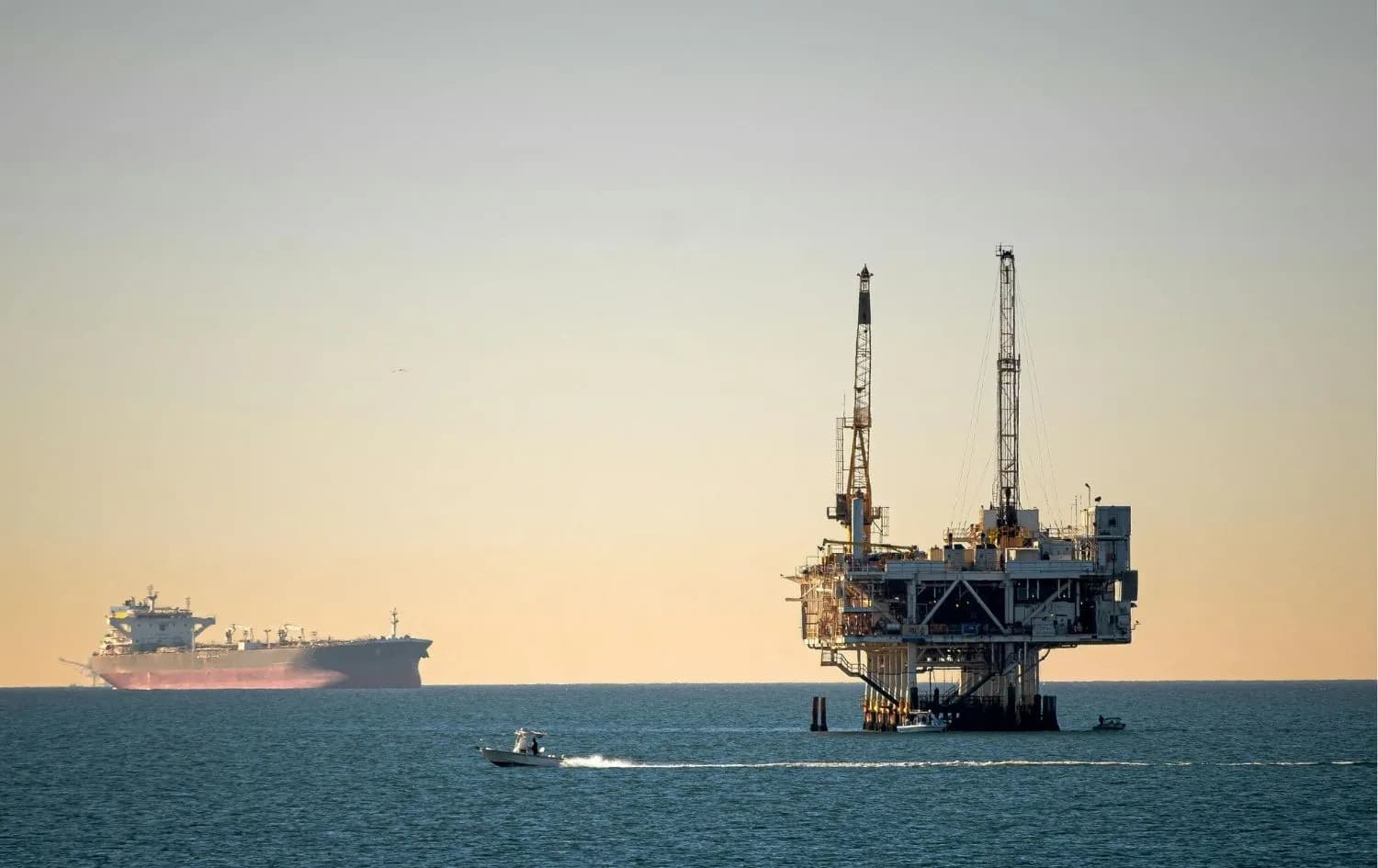
The escalating conflict in the Middle East is sending shockwaves through global energy markets, raising fears of one of the largest oil supply disruptions in modern history. With shipping through the Strait of Hormuz under threat, millions of barrels per day could be removed from global supply, increasing concerns over rising oil prices and a potential energy crisis worldwide.
Rising tensions in the Middle East and the potential closure of the Strait of Hormuz pushed global oil prices sharply higher. The crisis threatens supply chains, raises energy costs, and creates economic risks for Europe, Iraq, and Turkey.
Iran’s closure of the Strait of Hormuz threatens global energy supply and supply chains. Gulf countries must find alternative routes to export oil and gas. Without new pipelines, storage hubs, and cooperation, the risk of economic shocks and wider regional conflict could increase.
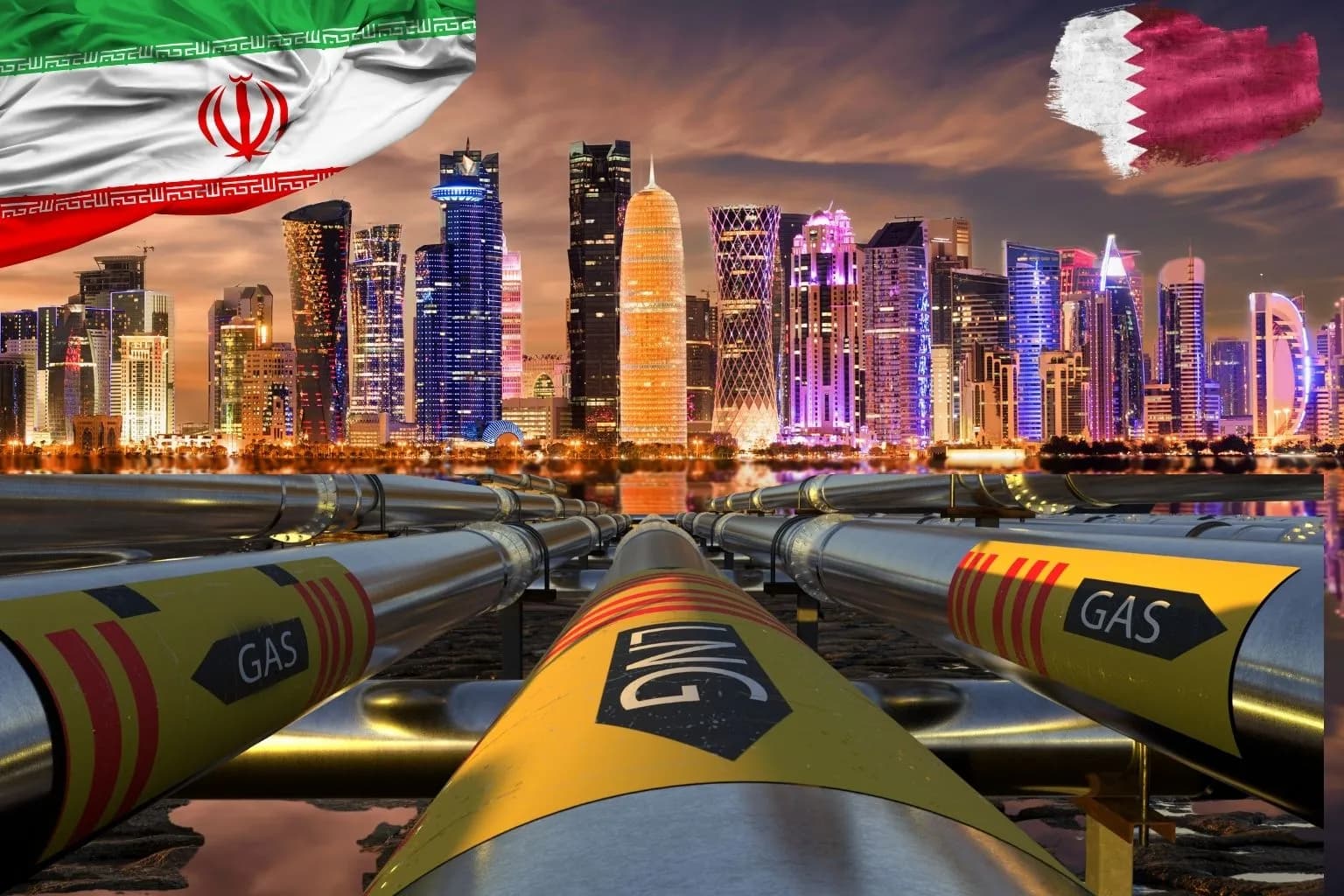
Following military attacks on QatarEnergy facilities, LNG production has been halted and Force Majeure declared, highlighting vulnerabilities in regional and global energy security. The disruption underscores risks to supply chains, market stability, and the critical need for infrastructure protection, crisis management, and diversified sourcing strategies.
The climate crisis is no longer only environmental but economic and political. Despite the goals of the Paris Agreement, the financing gap continues to widen. While major powers compete, developing countries struggle with debt and inequality; fair finance and cooperation are essential.
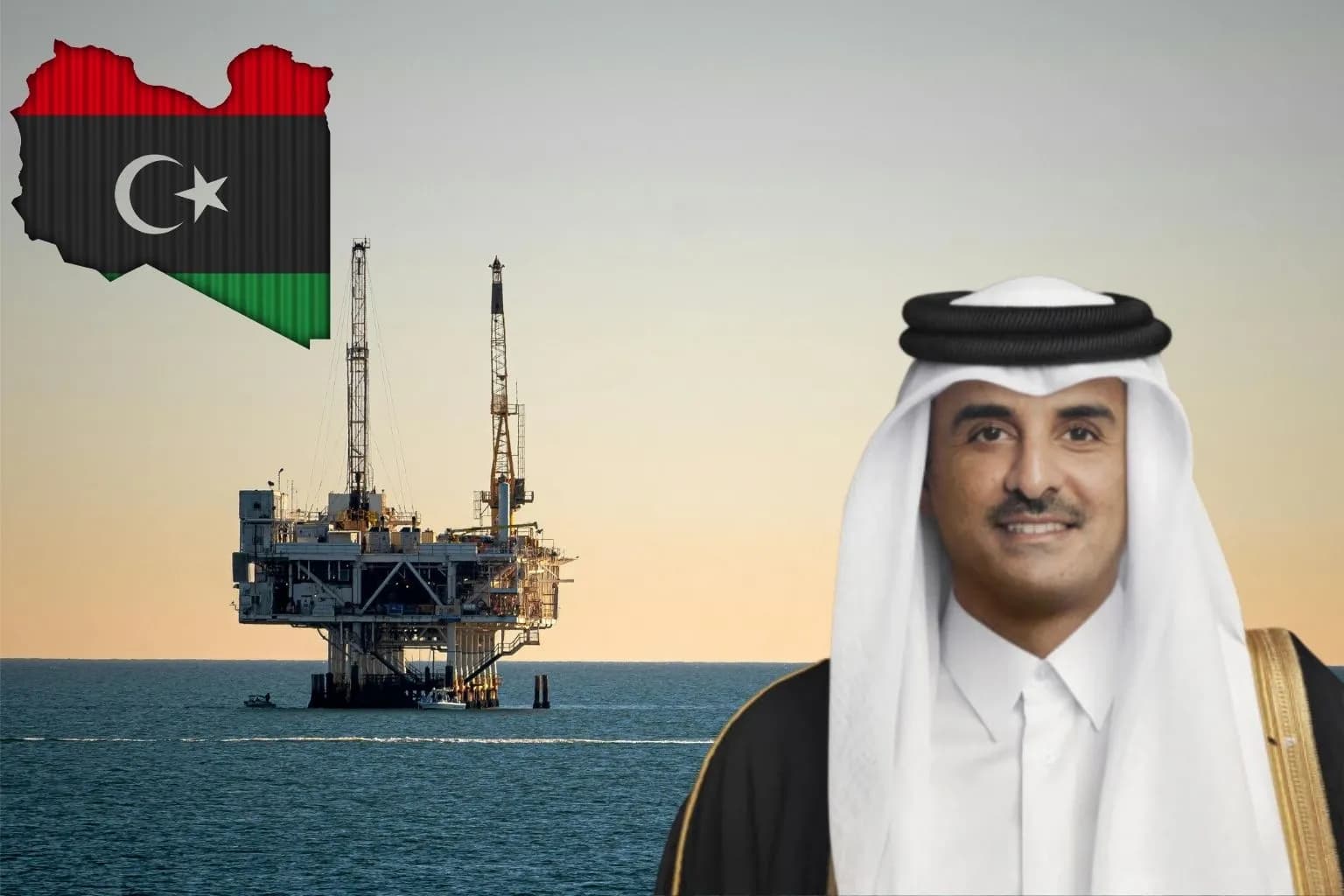
QatarEnergy’s offshore license win in Libya marks not only a major energy investment but also a strategic geopolitical move. The deal strengthens Qatar’s presence in North Africa, supports Europe’s diversification efforts, and signals Libya’s renewed appeal to global energy players.
Yerevan, 9 February 2026.
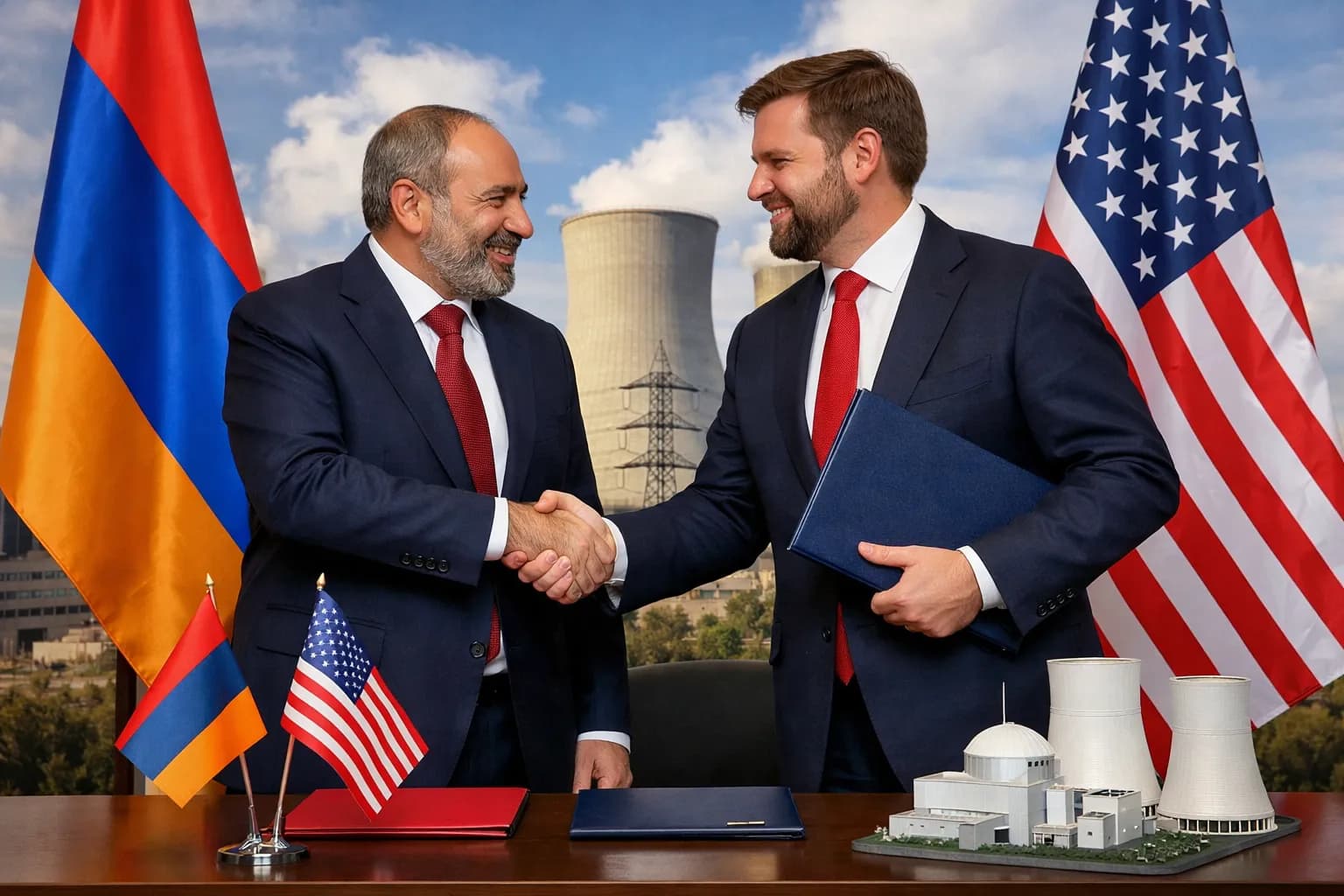
Armenia and the United States have formally concluded negotiations on a bilateral agreement covering cooperation in the peaceful use of nuclear energy, marking a significant development in the two countries’ expanding strategic partnership. The joint statement was signed in Yerevan by Armenian Prime Minister Nikol Pashinyan and U.S. Vice President J.D. Vance.