COP31 in Antalya: Türkiye hosts climate summit for the first time
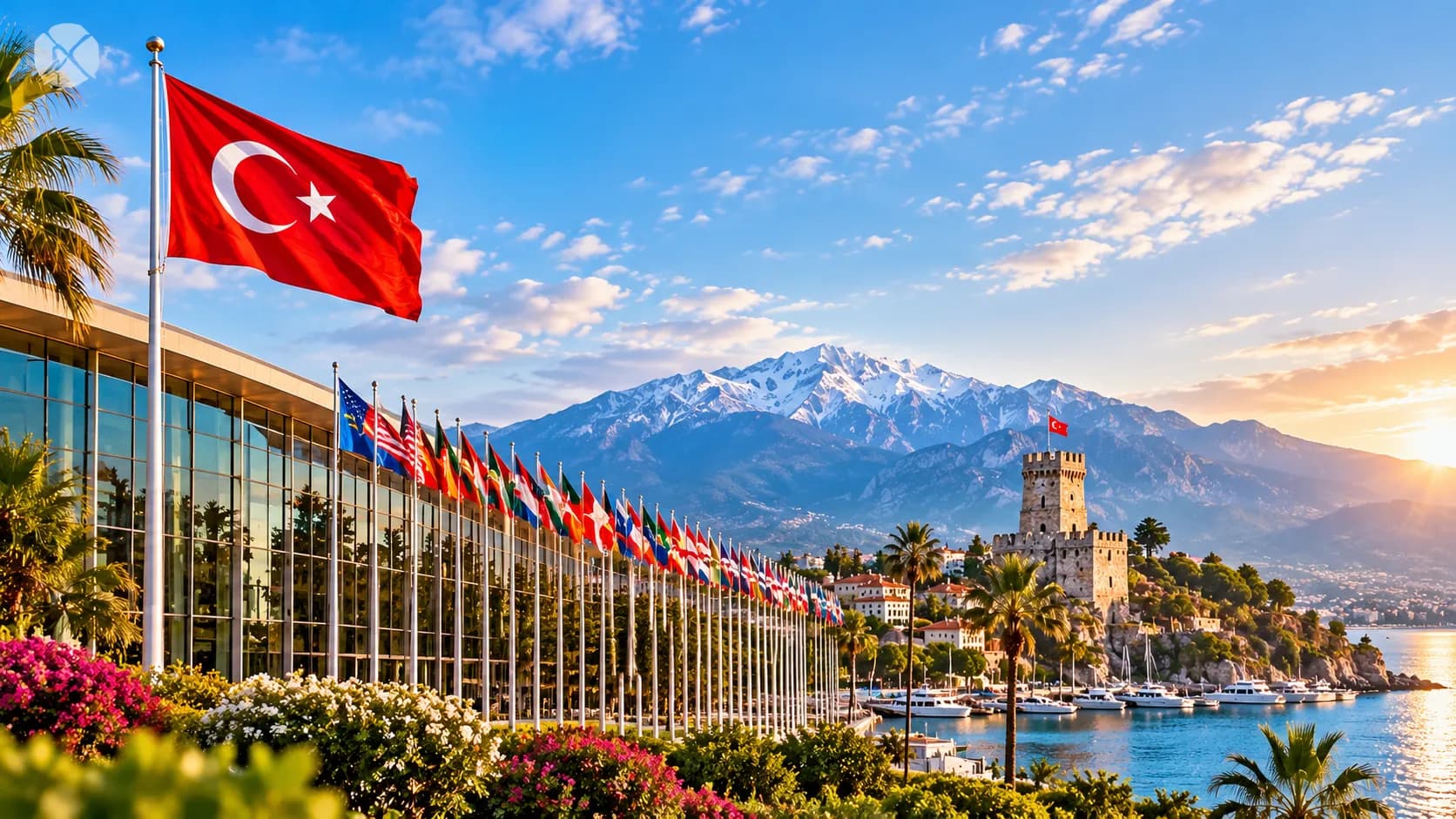
Around 100,000 delegates are expected in the Blue Zone and some 1.5 million visitors in the public Green Zone at the Antalya Expo site, with the summit running until 20 November.
Around 100,000 delegates are expected in the Blue Zone and some 1.5 million visitors in the public Green Zone at the Antalya Expo site, with the summit running until 20 November.
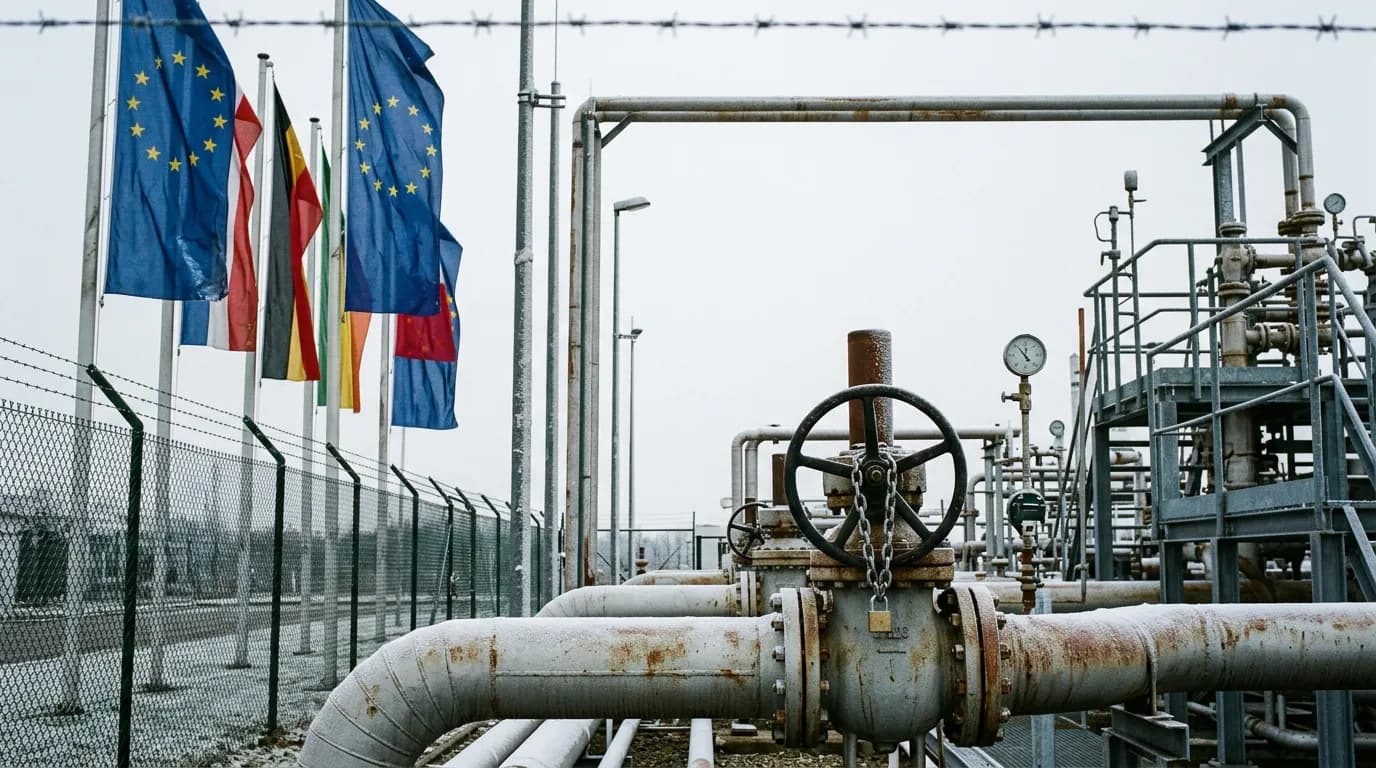
As potential U.S. diesel export restrictions threaten to deepen Europe’s energy crisis, the EU has spent an extra €100 billion on imports while getting zero additional fuel. With Strait of Hormuz disruptions pushing crude past $110, Brussels is urging mandatory consumption cuts while accelerating its push toward energy sovereignty.
The ECO Clean Energy Centre invites innovators aged 16–35 from Azerbaijan, Türkiye, Pakistan, Kazakhstan, Uzbekistan and Kyrgyzstan to apply by 1 December 2026.

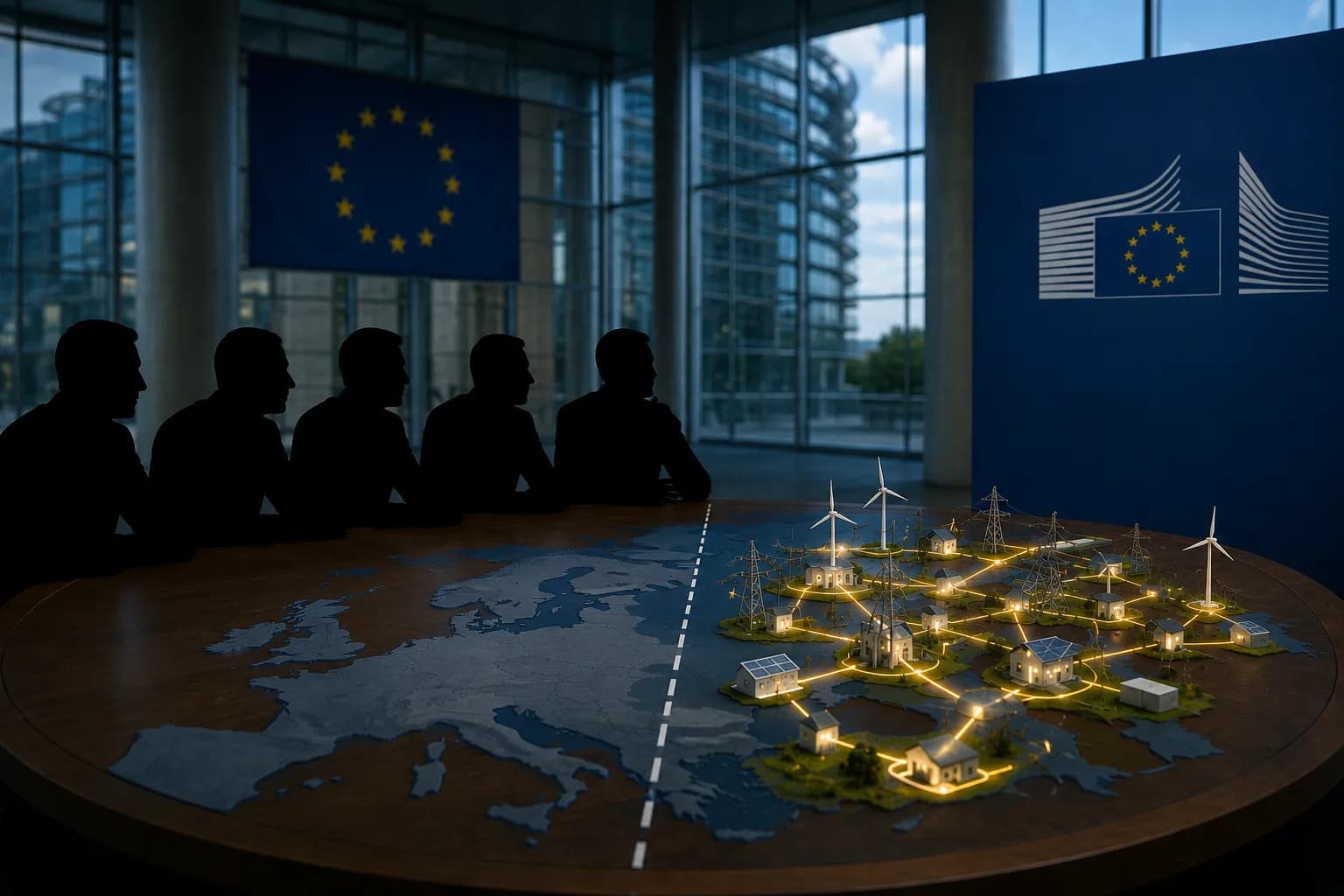
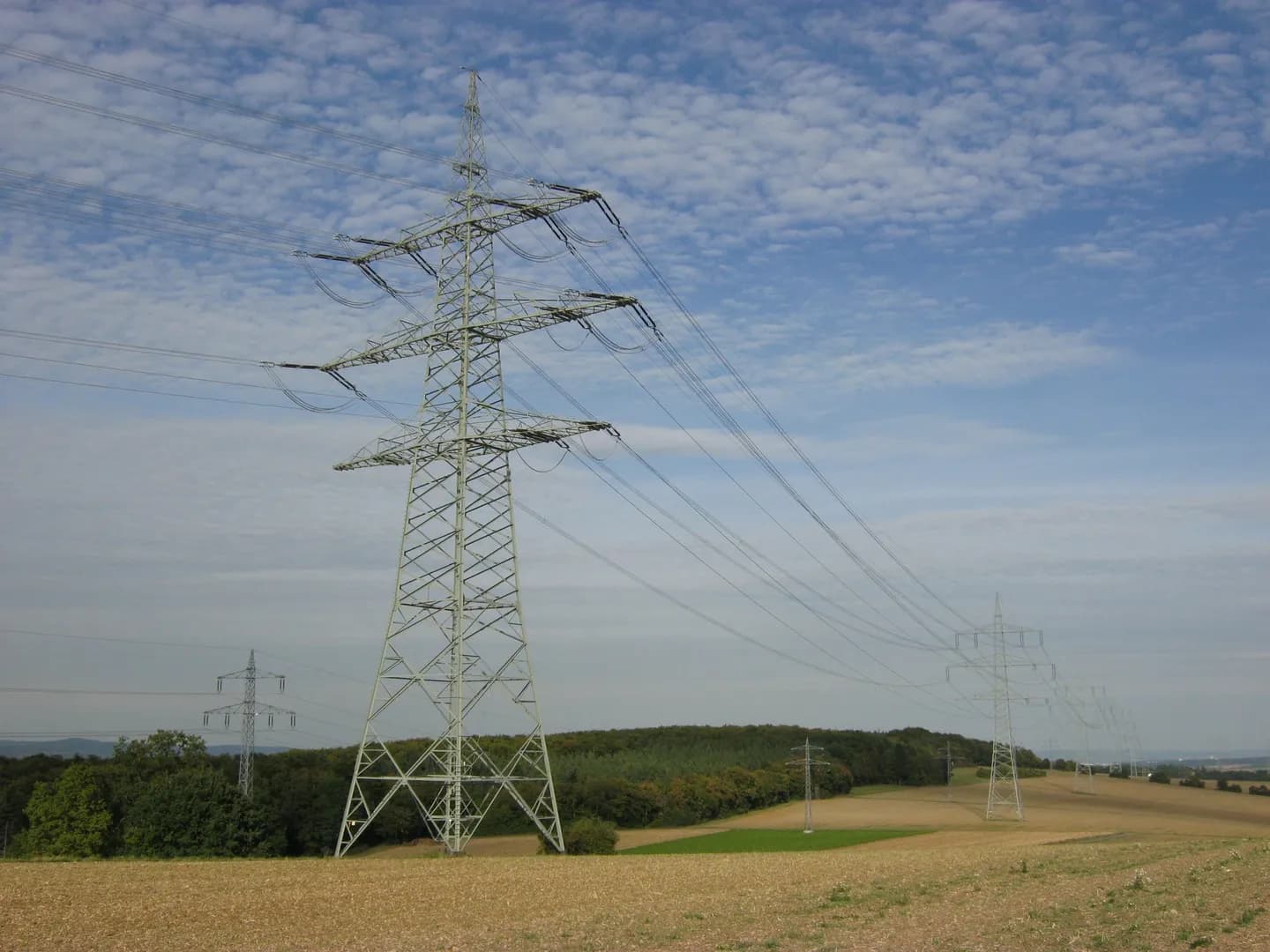
EU negotiators agreed early on 18 November to put legal time limits on permits for power lines, storage and clean energy projects. The deal will not lower bills this winter, but it shapes the rules for planned cables that would carry Caspian clean power to Europe through Georgia and Türkiye.

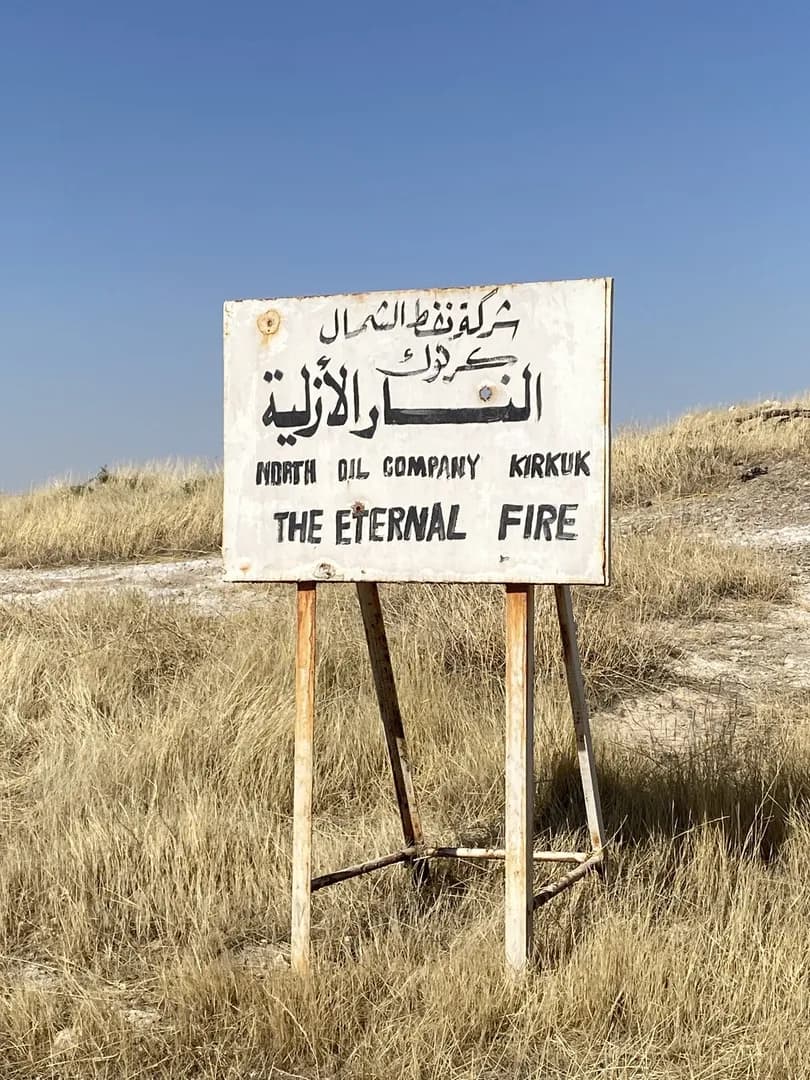
Baghdad began pumping Kirkuk crude for export through its federal pipeline to Türkiye on 17 November, at 120,000 barrels a day, the first such flows since 2014. The volume is small, but the oil travels in Baghdad-owned pipe as far as the Turkish border and reaches the Mediterranean without going near the Strait of Hormuz.

For years Azerbaijan's role in Europe was measured in gas volumes; the Niš investment marks a shift to owning the infrastructure that produces electricity and heat for European households.

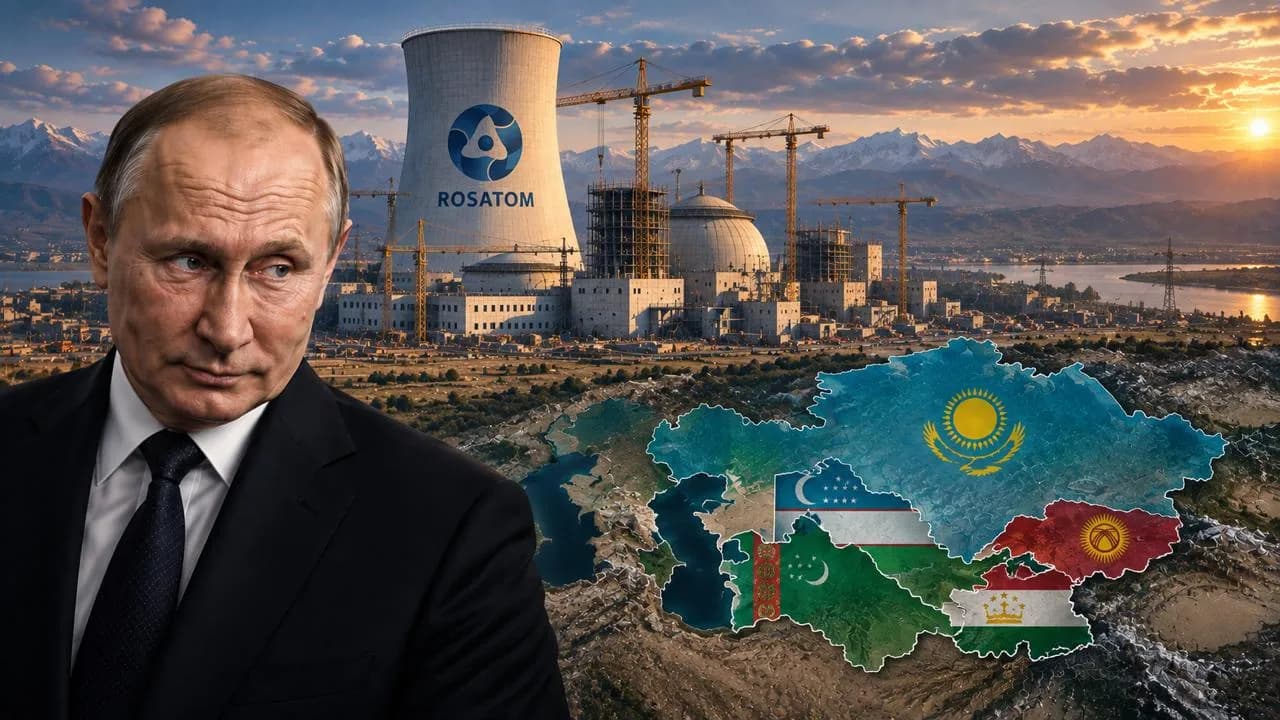
The EPC contract covers two VVER-1200 units with a combined 2,400 MW capacity, with construction slated to begin in 2027 and commissioning in the mid-2030s.

Renewables generated more electricity than fossil fuels in the EU for the first time last year, as wind and solar capacity expands.

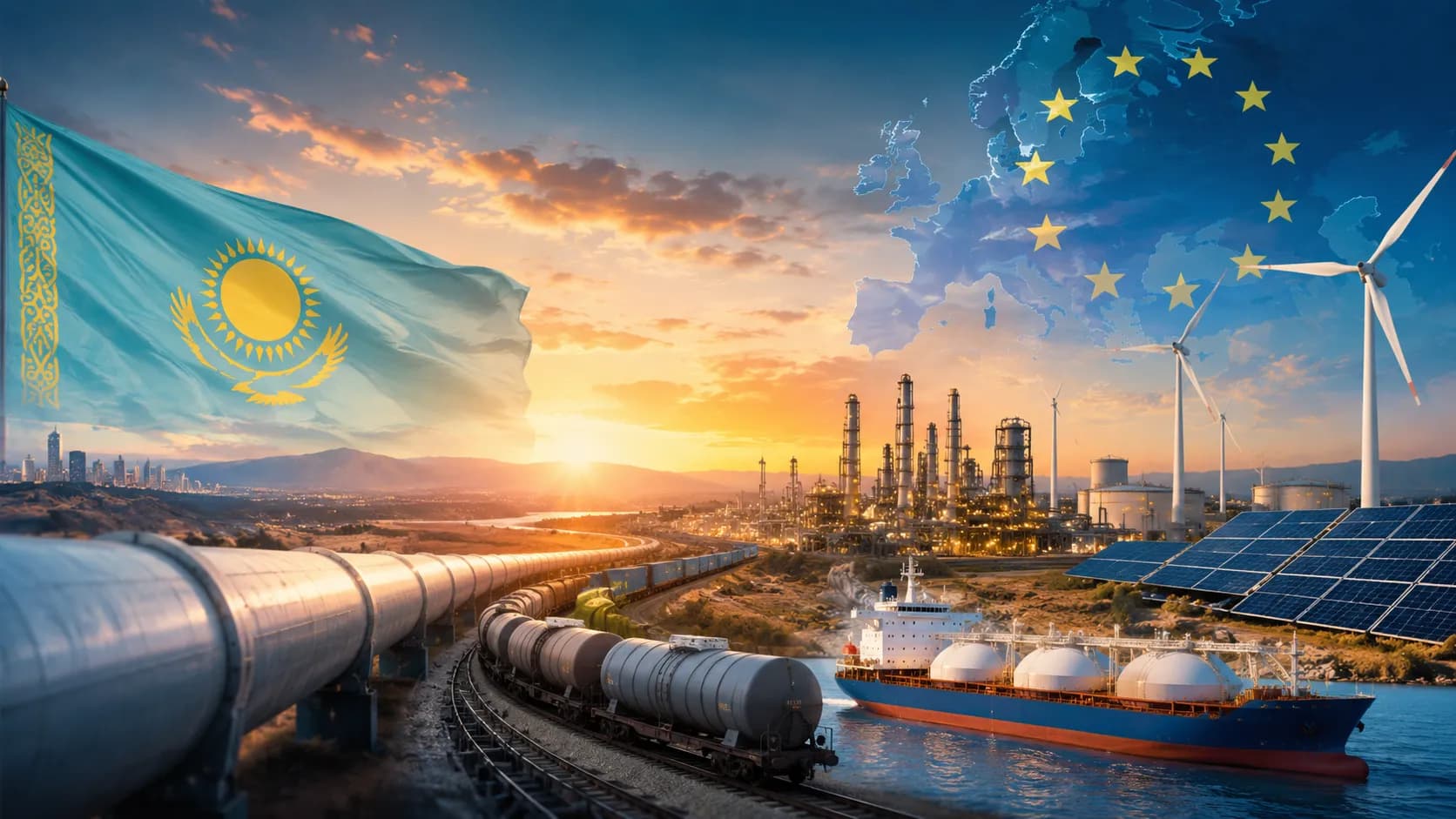
The EU is Kazakhstan's largest trading partner, with mineral products dominating exports, while Astana seeks to diversify its economy beyond raw materials.

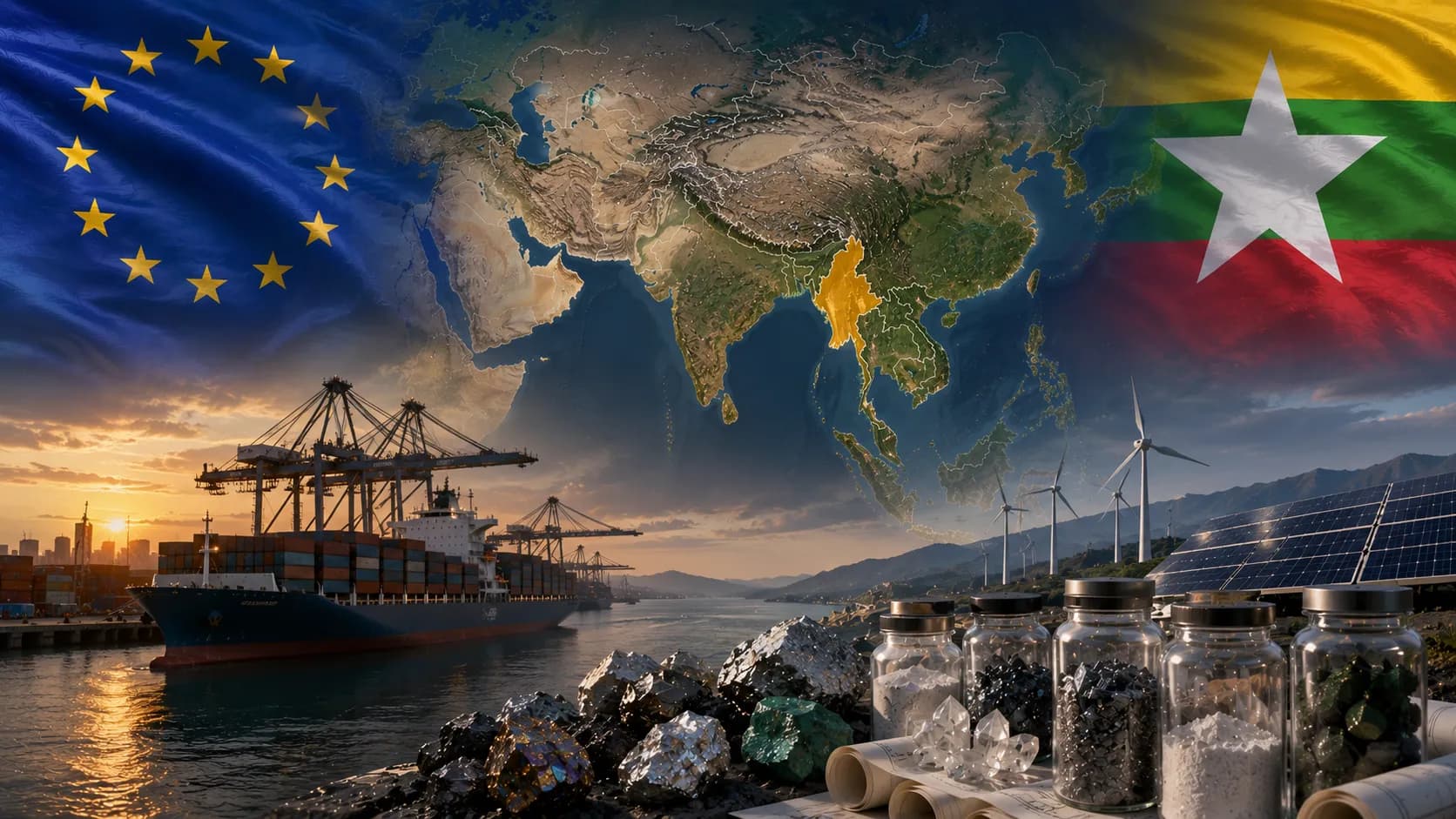
As the EU seeks to diversify critical mineral supplies, Myanmar's role as a top producer is undercut by Beijing's grip on processing, leaving Western buyers paying a structural premium.

Germany plans to establish a 24 TWh strategic gas reserve to improve resilience against major supply disruptions. The initiative reflects a broader shift in European energy security, emphasizing preparedness, infrastructure protection, and long-term strategic planning beyond seasonal storage.

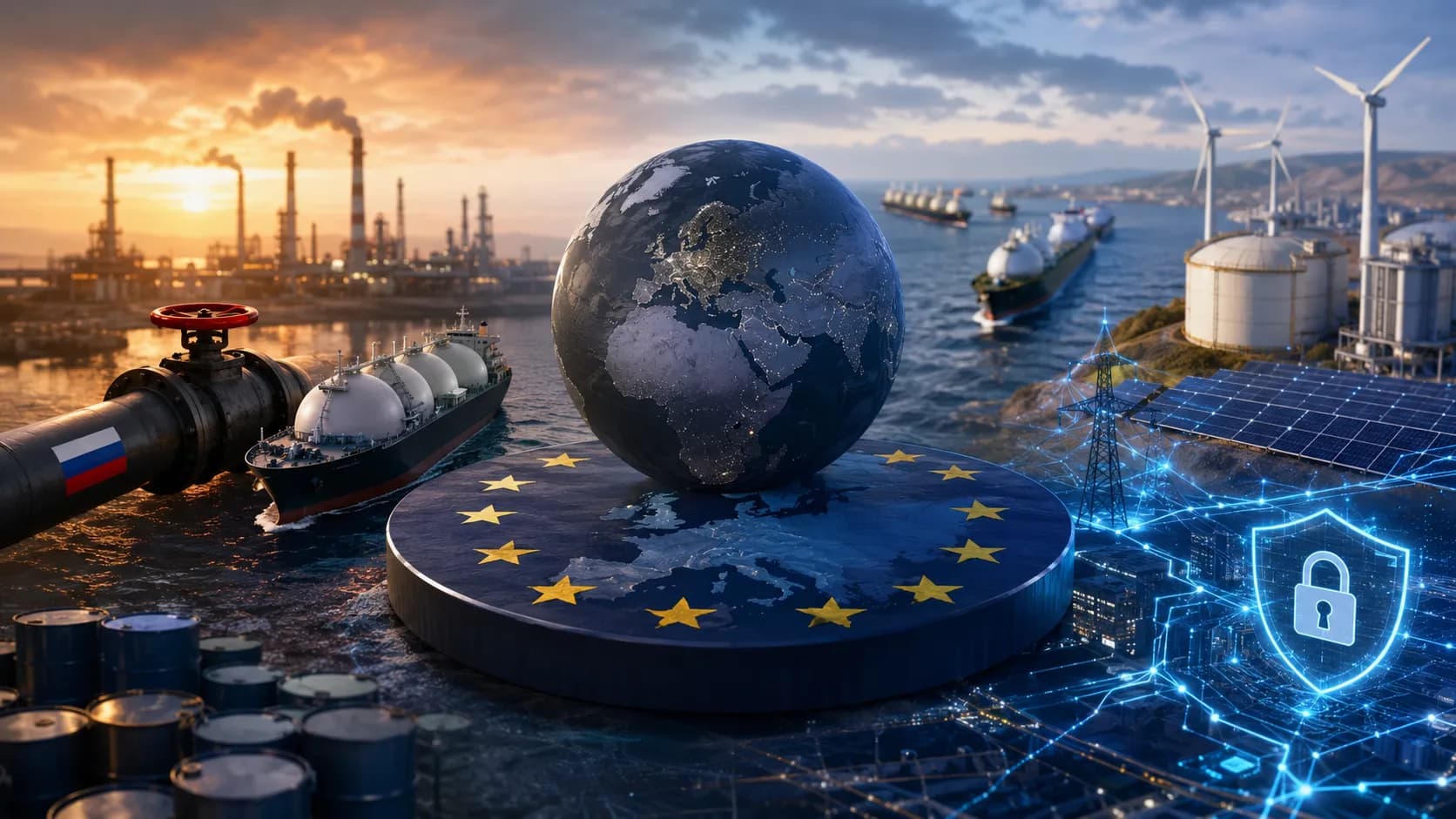
Europe cut Russian gas imports from 45% to 12% since 2021, but Middle East tensions triggered the largest coordinated IEA oil stock release on record in 2026. Brussels answered with the AccelerateEU package and a new EU energy security law, though 57% of EU energy remains imported fossil fuel.

Long-term business success requires integrating environmental sustainability into strategy. Companies that embrace circular economy principles, green innovation, regenerative practices, and climate resilience will reduce risk, attract investment, strengthen competitiveness, and achieve sustainable economic growth.

Abdulhamid Hamid Al-Kba Opinion Writer Specializing in Central Asia and Azerbaijan Affairs

An agreement was reached in Luxembourg, giving member states more control over their energy future.

The U.S. has drafted an IAEA resolution demanding Iran disclose its nuclear materials and bombed site status. With 440kg of enriched uranium unaccounted for, Washington pushes for transparency amid fragile ceasefire talks, facing opposition from Russia and China at the 35-nation board.

During Baku Energy Week 2026, a number of topics concerning energy sector and its future were discussed.

Japan’s sharp decline in Middle Eastern oil imports following disruptions in the Strait of Hormuz signals a new phase in the global energy crisis. Europe may face rising energy costs, tougher competition for LNG and oil supplies, inflationary pressure, and renewed industrial challenges.

Although in its very early stages, the plan to ship Cypriot gas to Europe looks promising.

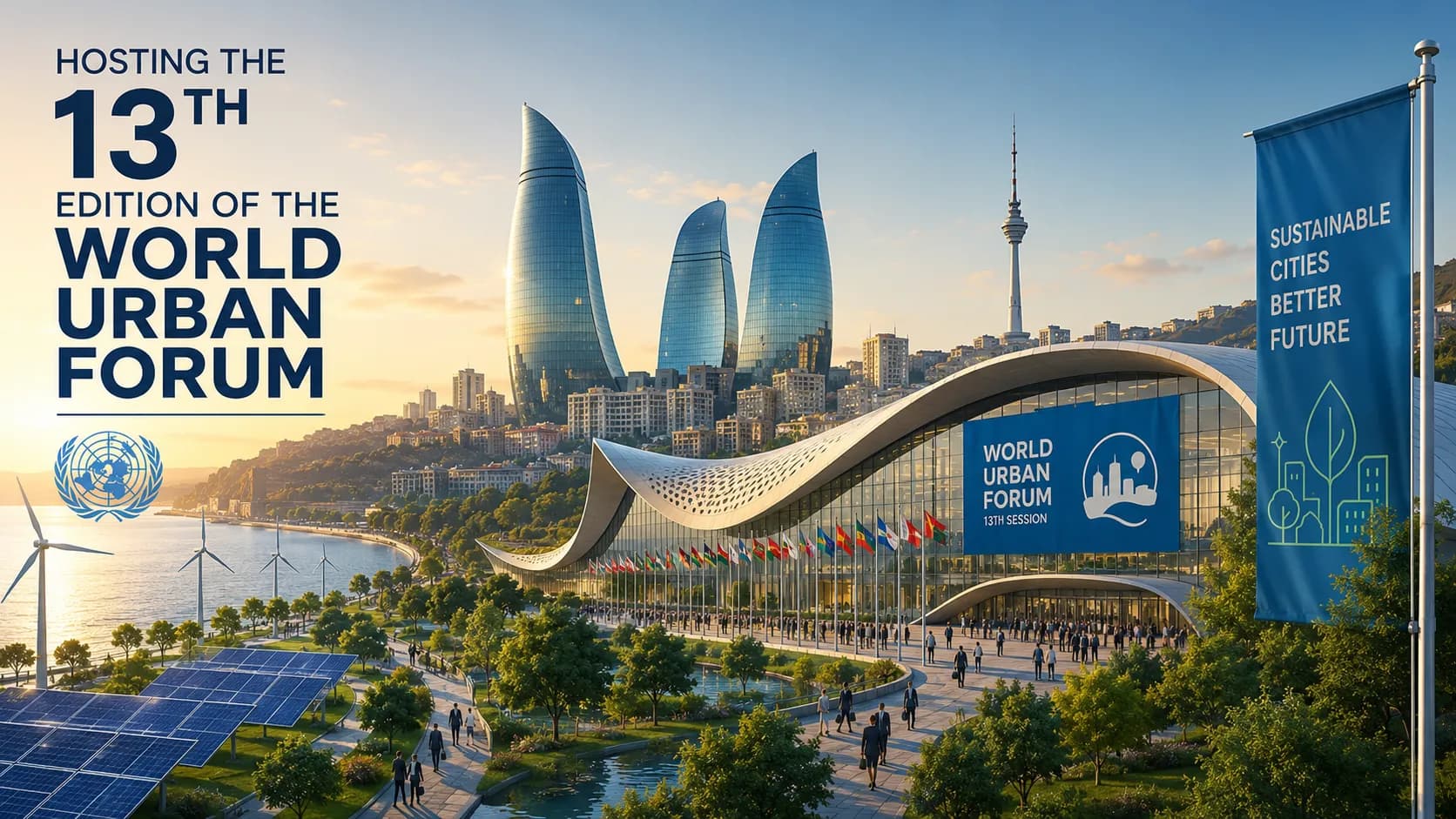
Azerbaijan is positioning Baku’s 2026 World Urban Forum as a global platform for urban innovation, green economy transition, and post-conflict reconstruction. The country aims to showcase smart cities, attract investment, and link sustainability with regional development strategy long-term vision.

Since 2019, Uzbekistan has become ACWA Power’s main hub in Central Asia through major energy reforms. The company expanded renewable energy, hydrogen, and infrastructure investments into Kazakhstan, Azerbaijan, Kyrgyzstan, and Tajikistan, shaping a wider regional geopolitical and economic transformation.

Some of the EU member states oppose the idea to control an aspect of bloc's green transition from Brussels

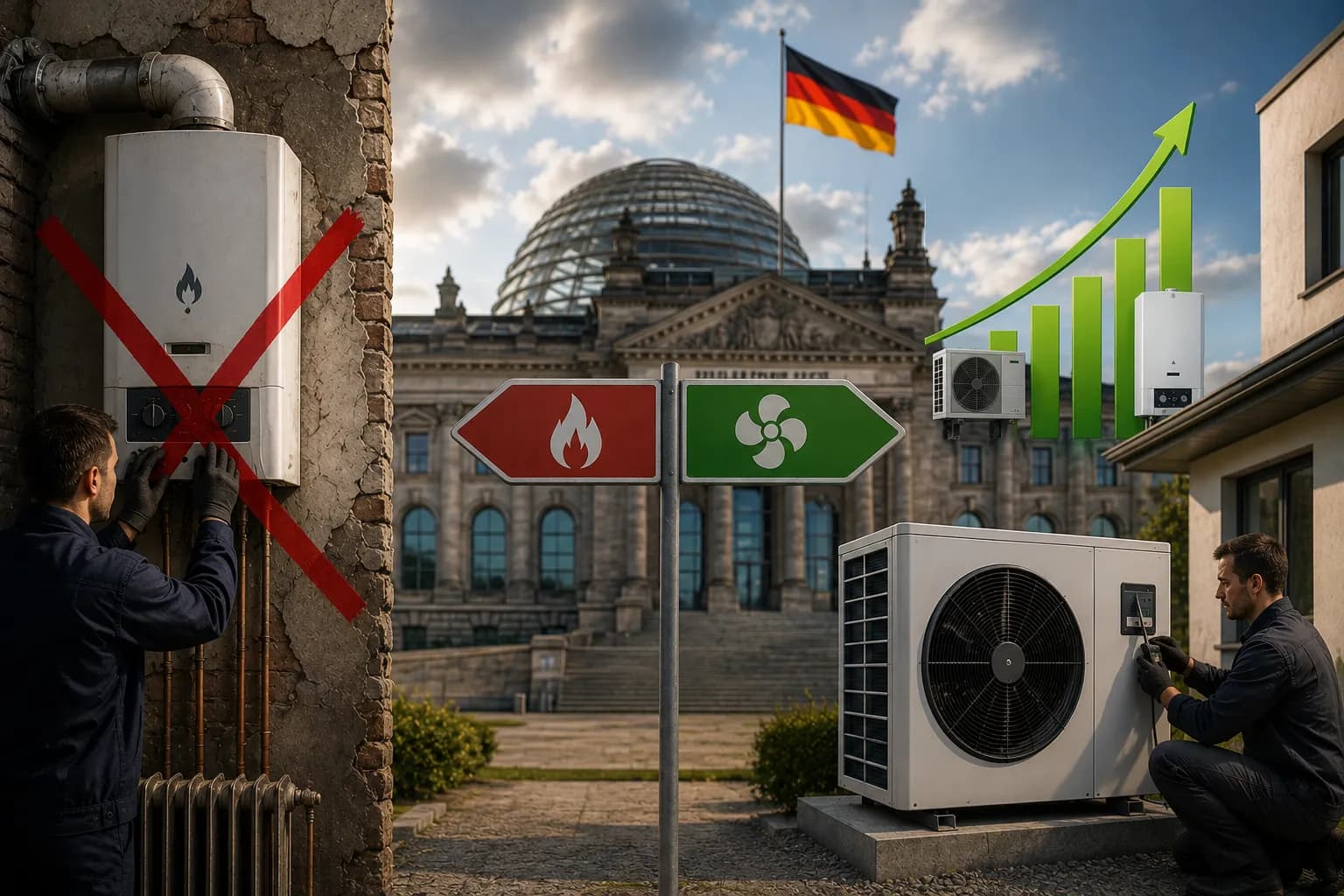
A heating law requiring more eco-friendly heating was reformed in an attempt to gain more approval for the governing coalition.

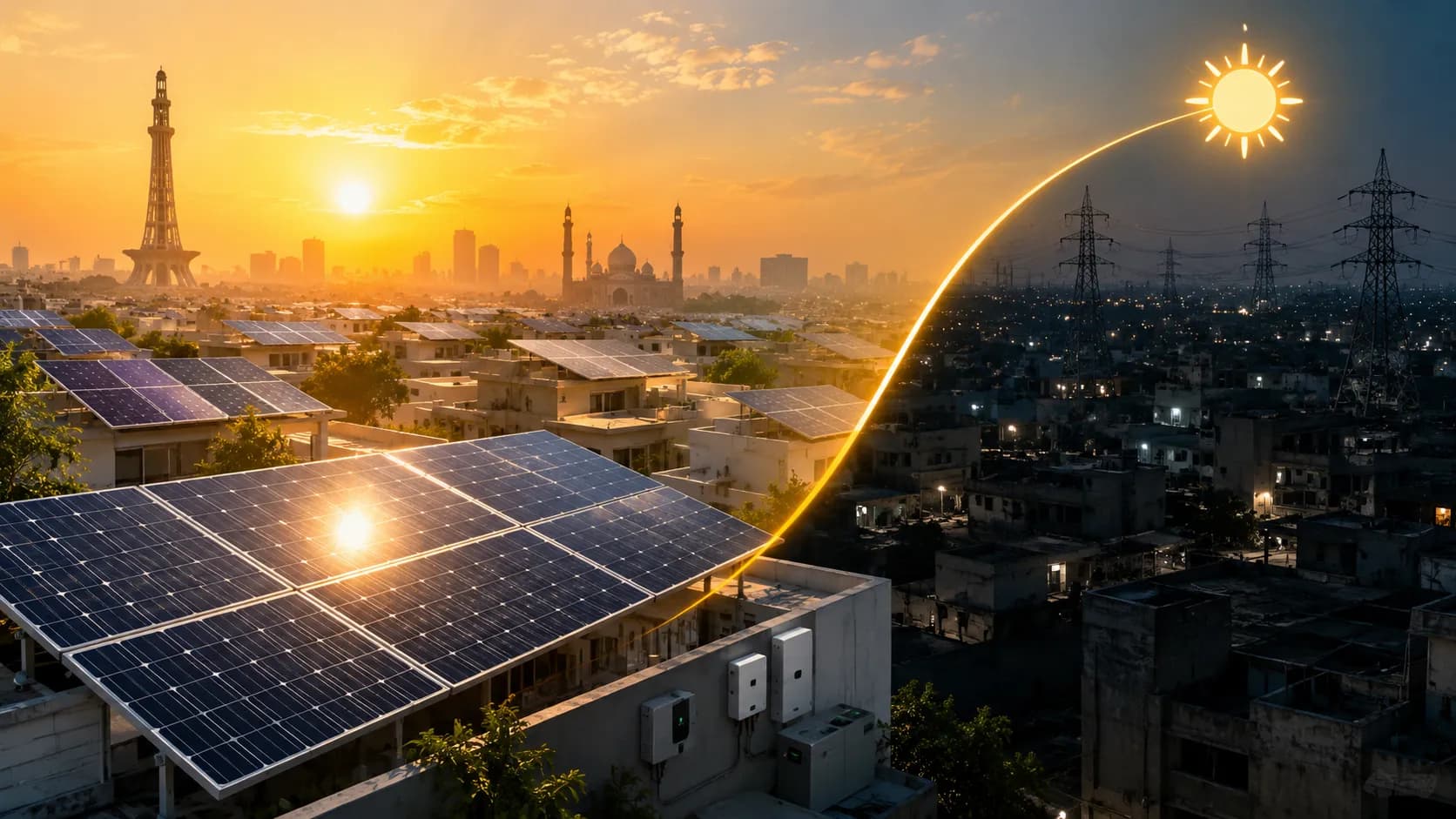
Pakistan is experiencing a rapid, people-driven shift to solar energy as households and businesses seek relief from high costs and unreliable power. Falling technology prices and massive private investment have fueled growth, while new regulations create uncertainty about future expansion.